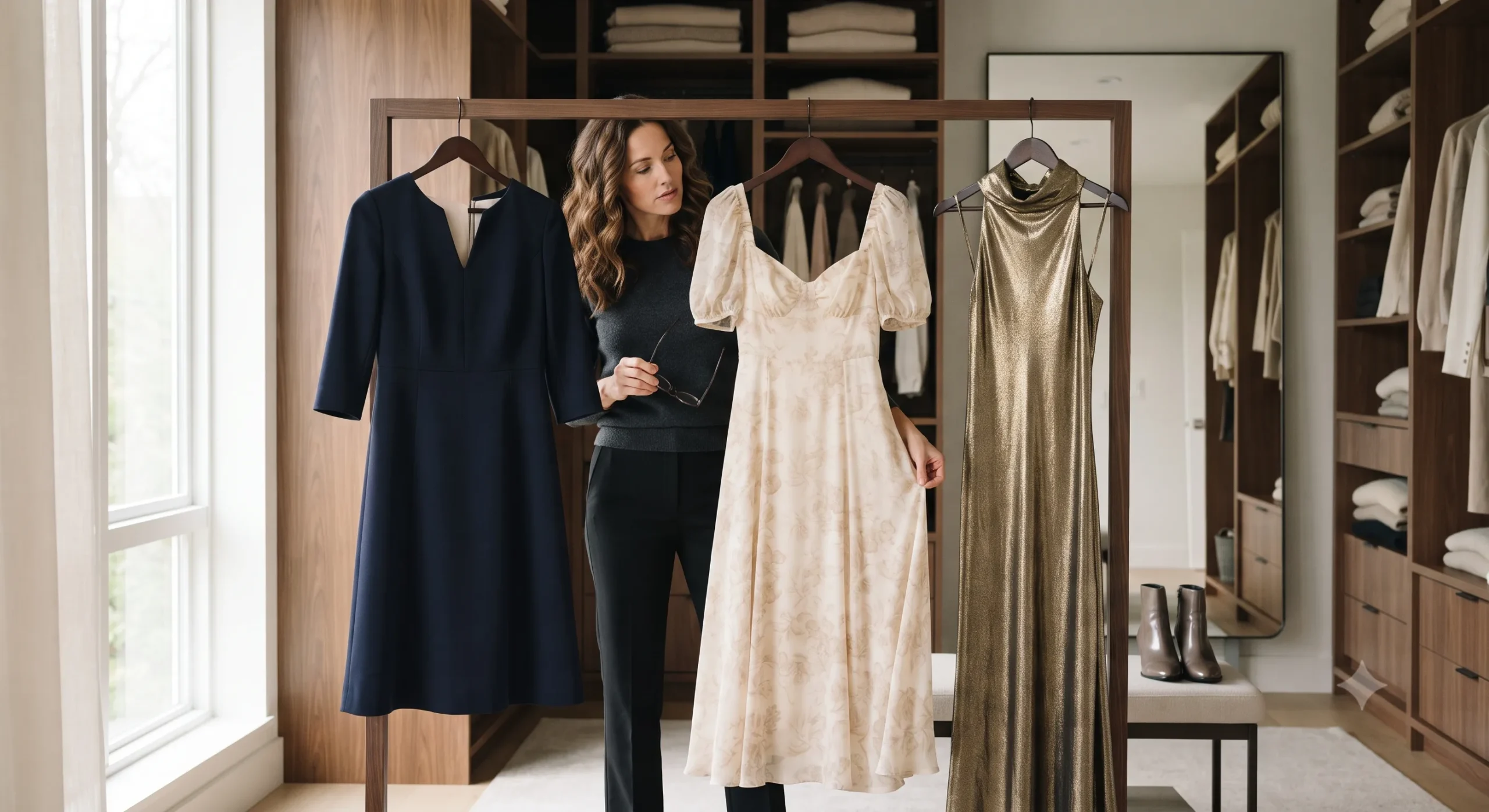
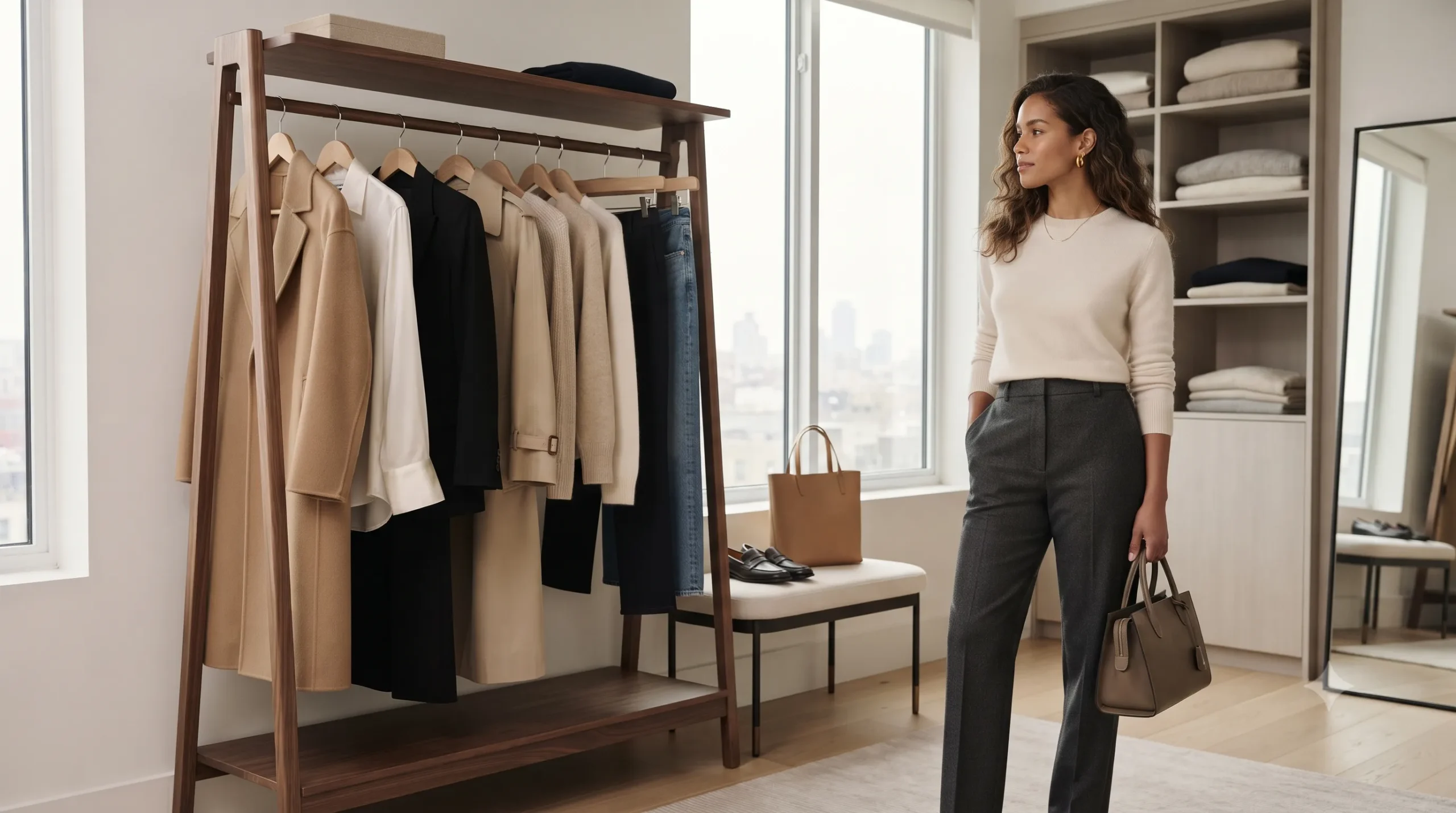
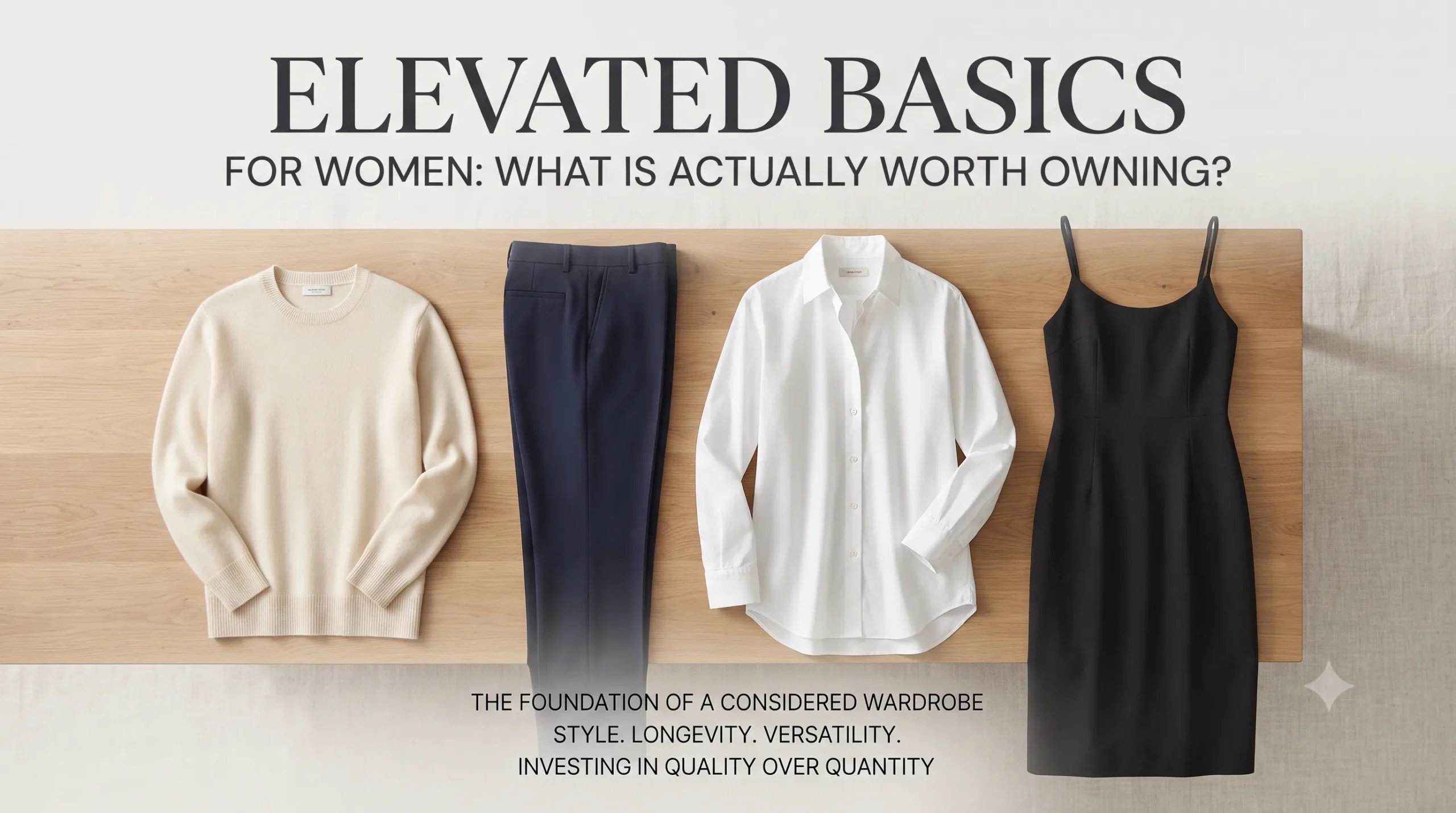
We have all experienced that specific, quiet frustration of standing before a closet that is physically overflowing, yet feeling as though we have absolutely nothing to wear. It is a paradox of the modern age: we have more access to clothing than any generation in history, yet the ease of getting dressed seems to be diminishing. The more options we accumulate, the more mental noise we create. Instead of feeling empowered by a vast array of choices, we often find ourselves paralyzed by them.
This friction usually stems from a lack of wardrobe clarity. When a closet is filled with disparate pieces—items that don’t speak the same visual language, colors that refuse to coordinate, or silhouettes that only work with one specific, hard-to-find accessory—the collection becomes a source of stress rather than a resource for style.
True style is not found in the abundance of what we own, but in the intentionality of the connections between those pieces. Achieving wardrobe clarity means moving away from the pursuit of “more” and toward the pursuit of “better.” It is the shift from owning a collection of items to curating a cohesive system of dressing.
The Cognitive Load of Choice
To understand why more options often lead to less satisfaction, we must look at the concept of decision fatigue. Every morning, we make hundreds of micro-decisions. When your wardrobe lacks a unifying thread, every single part of the dressing process becomes a high-stakes negotiation.
Should this skirt work with these boots? Does this blouse feel too casual for this blazer? Is this color too loud for the meeting I have at noon?
When your pieces are disconnected, you aren’t just choosing clothes; you are solving a complex puzzle every single morning. Wardrobe clarity reduces this cognitive load. When you have a clear sense of your personal aesthetic—whether that is defined by soft structures, refined tailoring, or a specific palette—the decisions become intuitive. You no longer ask, “Does this work?” You ask, “Does this fit my intention for today?”
A thoughtful closet gives you fewer decisions, not fewer options. By narrowing the scope of what is available to you, you actually expand your ability to feel polished and prepared.
Defining Wardrobe Clarity: The Three Pillars
Wardrobe clarity is not about owning a minimal number of items or adhering to a rigid “capsule” that feels restrictive. Rather, it is about ensuring that every piece in your collection serves a purpose and integrates seamlessly with the rest of your life. We can break this down into three essential pillars:
1. Aesthetic Cohesion
Aesthetic cohesion does not mean you only wear one color or one style. It means there is a recognizable “visual vocabulary” in your closet. If your style leans toward modern romanticism, your pieces might share certain qualities: perhaps a preference for graceful proportions, a specific range of soft textures, or a recurring interest in certain silhouettes like a defined waist or a gentle drape. When pieces share these subtle DNA markers, they naturally “talk” to one another, making outfit building feel like a natural extension of your personality.
2. Functional Versatility
A piece earns its place in a clear wardrobe when it works for more than one kind of day. A dress that only works for a specific wedding is a beautiful object, but a dress that can be dressed down with a knit cardigan for a weekend lunch or elevated with a structured blazer for a dinner event is a functional asset. Clarity involves auditing your clothes against your actual lifestyle—not the life you wish you had, but the life you truly lead.
3. Quality over Quantity (The Cost-Per-Wear Philosophy)
Clarity requires a shift in how we perceive value. Many people fall into the trap of buying more because the individual items are inexpensive. However, a lower-priced item worn once may be less valuable than a higher-quality piece worn repeatedly over several years.
Using the “cost-per-wear” lens helps clarify purchasing decisions. If you buy a well-constructed, timeless blazer for $300 and wear it twice a week for two years, its cost-per-wear is incredibly low. Conversely, a trendy, $40 top that loses its shape after two washes and is never worn again is, in the long run, a much more expensive mistake.
The Decision Matrix: Evaluating New Additions
When we lack clarity, we tend to shop reactively—buying things because they are on sale, because they are trending, or because they look good on a mannequin. To build a wardrobe with purpose, we must shift to proactive shopping.
Before adding a new piece to your collection, run it through this mental decision matrix. If you can answer “yes” to most of these, the piece is likely a candidate for a thoughtful wardrobe.
| Criteria | The Question to Ask Yourself | The Goal |
|---|---|---|
| Integration | Can I think of at least three existing items in my closet that this will pair with immediately? | To ensure the piece isn’t a “lonely” item. |
| Versatility | Can this garment transition between at least two different settings (e.g., work to dinner)? | To maximize the utility of the purchase. |
| Longevity | Will I still feel confident in this silhouette or color twelve months from now? | To avoid the cycle of trend-chasing. |
| Lifestyle Alignment | Does this piece reflect my actual daily activities and the environments I inhabit? | To ensure the clothes are wearable, not just decorative. |
| Quality Check | Does the fabric, weight, and construction justify the price relative to its expected usage? | To optimize long-term wardrobe value. |
Common Mistakes in the Pursuit of More
Even well-intentioned women often fall into patterns that clutter their closets and diminish their style. Recognizing these habits is the first step toward reclaiming clarity.
The “Fantasy Self” Trap
We often shop for the person we imagine ourselves to be: the woman who goes to gallery openings every Thursday, or the woman who spends every weekend in structured linen suits. When we buy for our “fantasy self,” we accumulate items that sit with tags on, creating guilt and clutter. A clear wardrobe is built for the woman who actually exists—the one who needs to move from a professional environment to a social one with ease and grace.
The Trend-Fragmented Closet
Trends are not inherently bad, but they become problematic when they are allowed to dictate the entire structure of a wardrobe. When you buy pieces that are highly specific to a fleeting micro-trend, you are buying items that have a built-in expiration date. This creates a “fragmented” closet where nothing matches because everything is trying to be something different. The most effective way to use trends is to treat them as seasoning, not the main course. Incorporate a trend through a texture, a subtle color, or an accessory, while keeping your foundational pieces rooted in timelessness.
Ignoring Proportion and Texture
Many people focus solely on color when trying to coordinate, but a wardrobe that only relies on color coordination often feels flat. Clarity also involves understanding how different weights of fabric and different shapes interact. A heavy wool trouser requires a different visual balance than a lightweight midi skirt. Understanding how a neckline or a sleeve shape affects your overall silhouette is what elevates “putting on clothes” to “styling an outfit.”
How to Audit Your Wardrobe for Clarity
If you feel overwhelmed by your current options, do not try to organize everything at once. Instead, approach your closet with the mindset of an editor.
Step 1: The “Vibe” Identification
Sit down with a few photos of outfits you genuinely love. Don’t look at what is “in style”; look at what makes you feel most like yourself. Do you lean toward polished softness? Do you prefer structured silhouettes? Do you find comfort in a specific color story? This is your stylistic North Star.
Step 2: The Integration Test
Take your most frequently worn items—the pieces that “work” for you—and lay them out. These are your anchors. Now, look at the rest of your closet. Identify the “outliers”—the pieces that don’t pair with your anchors. These are the items causing your decision fatigue.
Step 3: The Emotional Audit
Be honest about how a garment makes you feel. Does it pull at the shoulders? Does it feel too restrictive for a long day? Does it feel “costumey” rather than authentic? If a piece doesn’t provide a sense of calm or confidence when you put it on, it is likely contributing to your lack of clarity.
Step 4: The Culling Process
As you remove items, do so with intention. You aren’t just “getting rid of old clothes”; you are making room for a more considered way of living. Whether you donate, sell, or repurpose, the goal is to ensure that everything remaining in your closet is a piece you can reach for without hesitation.
The Result: A Calmer Way of Dressing
The ultimate benefit of wardrobe clarity is not just a more beautiful closet; it is a more peaceful morning. When you move away from the chaos of endless, disconnected options and toward a curated selection of meaningful pieces, you reclaim time and mental energy.
Quiet style does not need to be loud or complicated. It is found in the subtle sophistication of a well-fitted garment, the way a certain fabric drapes, and the confidence that comes from knowing you are dressed appropriately for your own life. When your wardrobe is clear, you stop fighting against your clothes and start moving through the world with a sense of composed, effortless elegance.