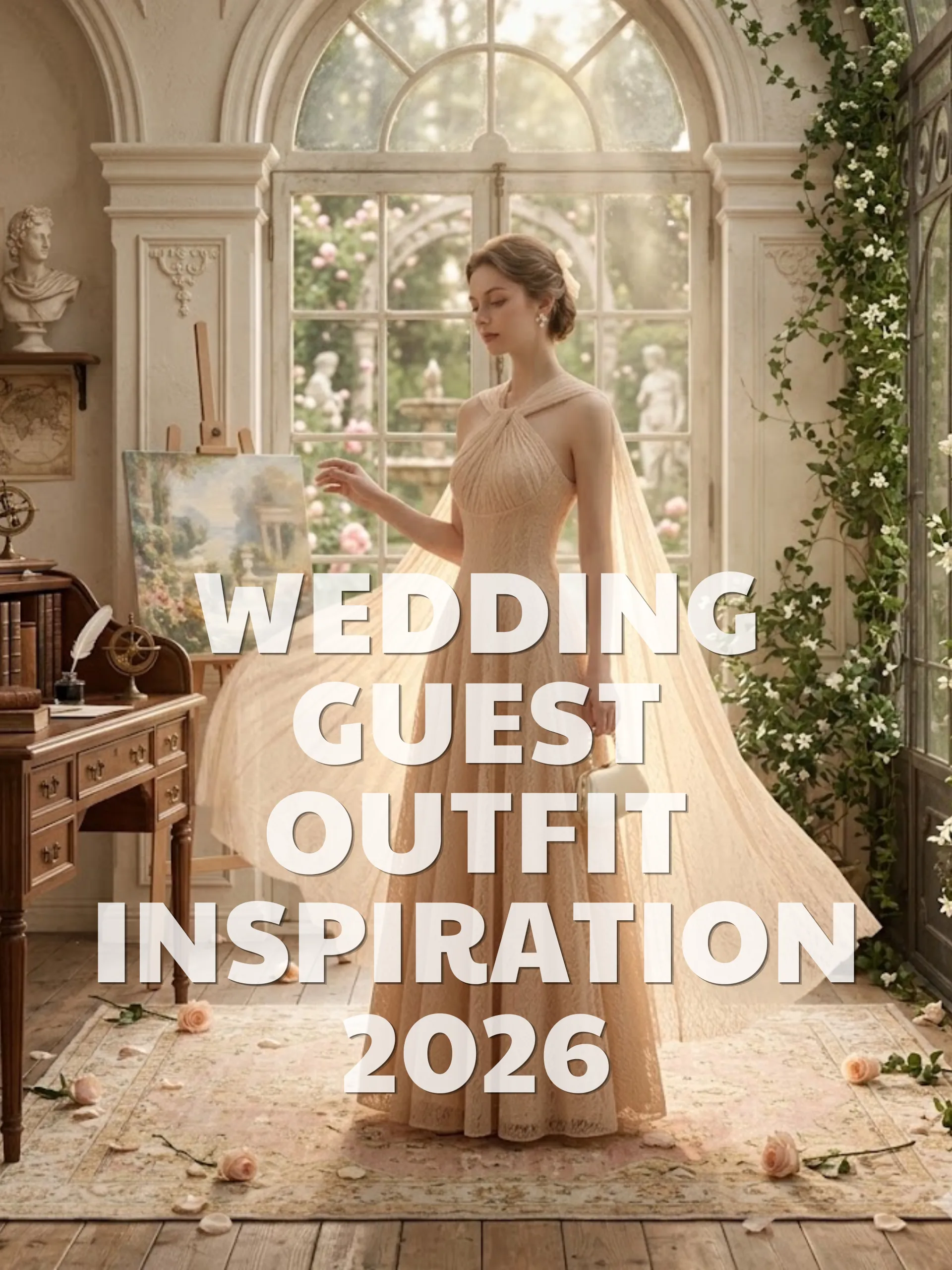
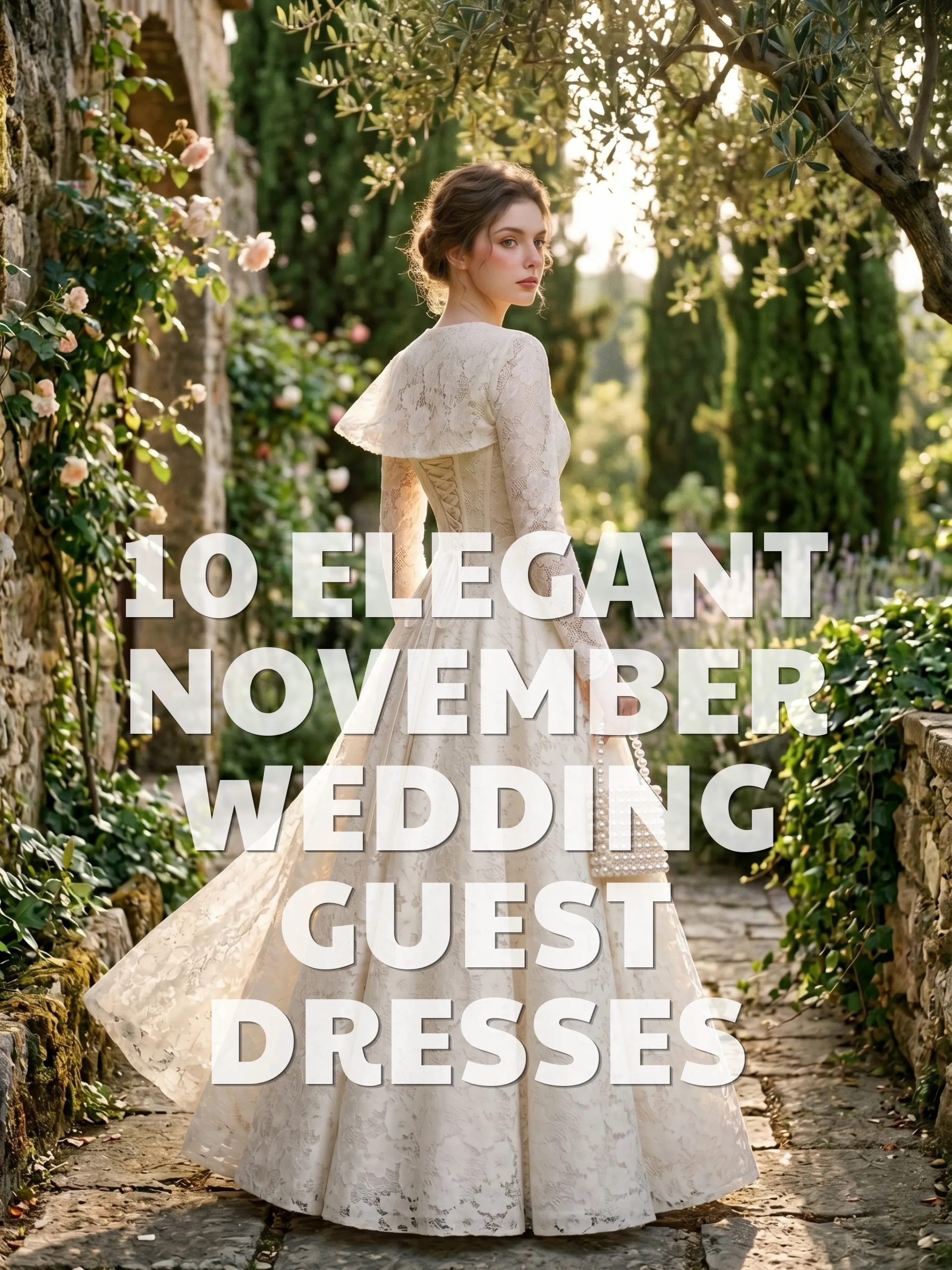
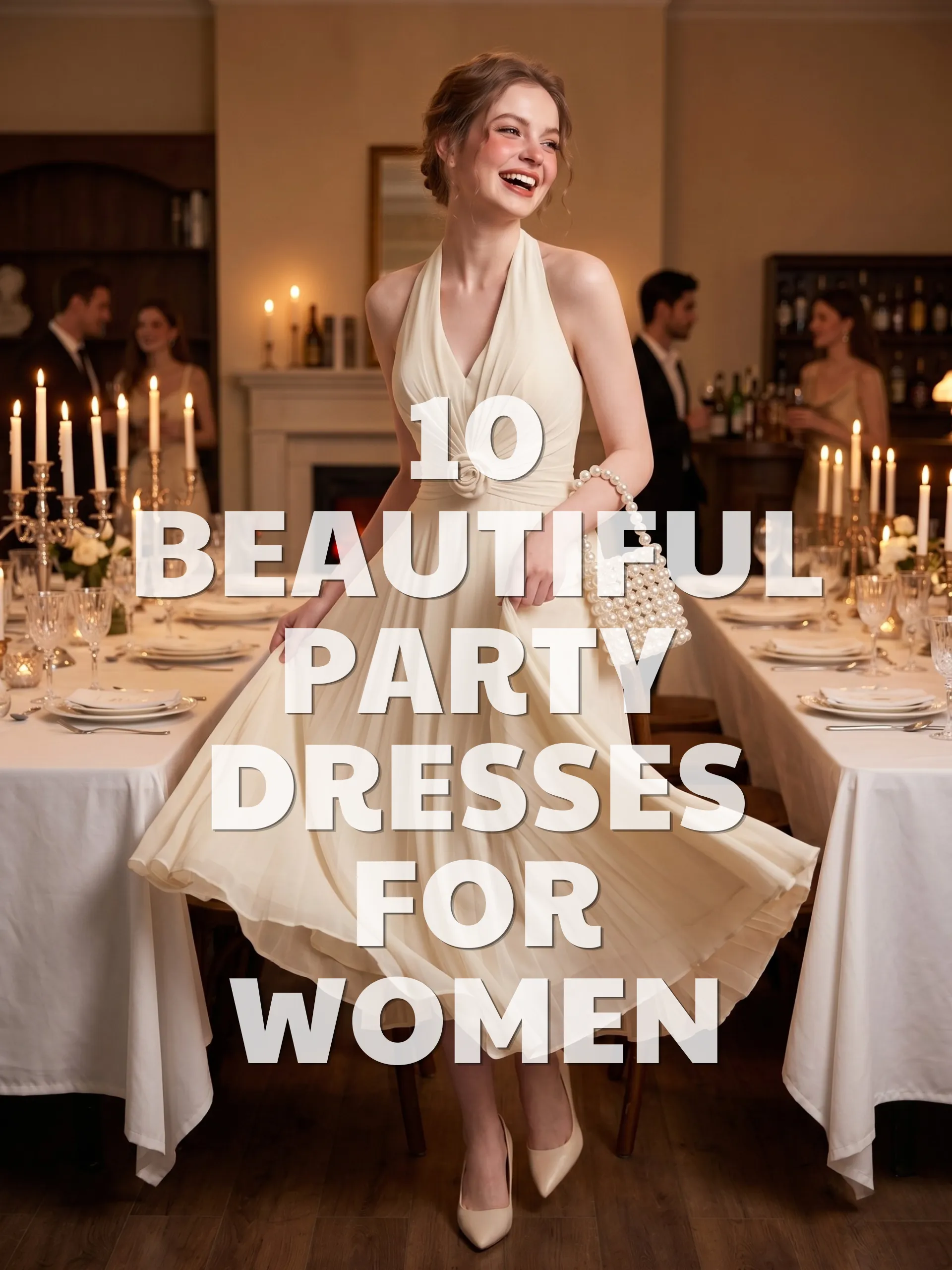
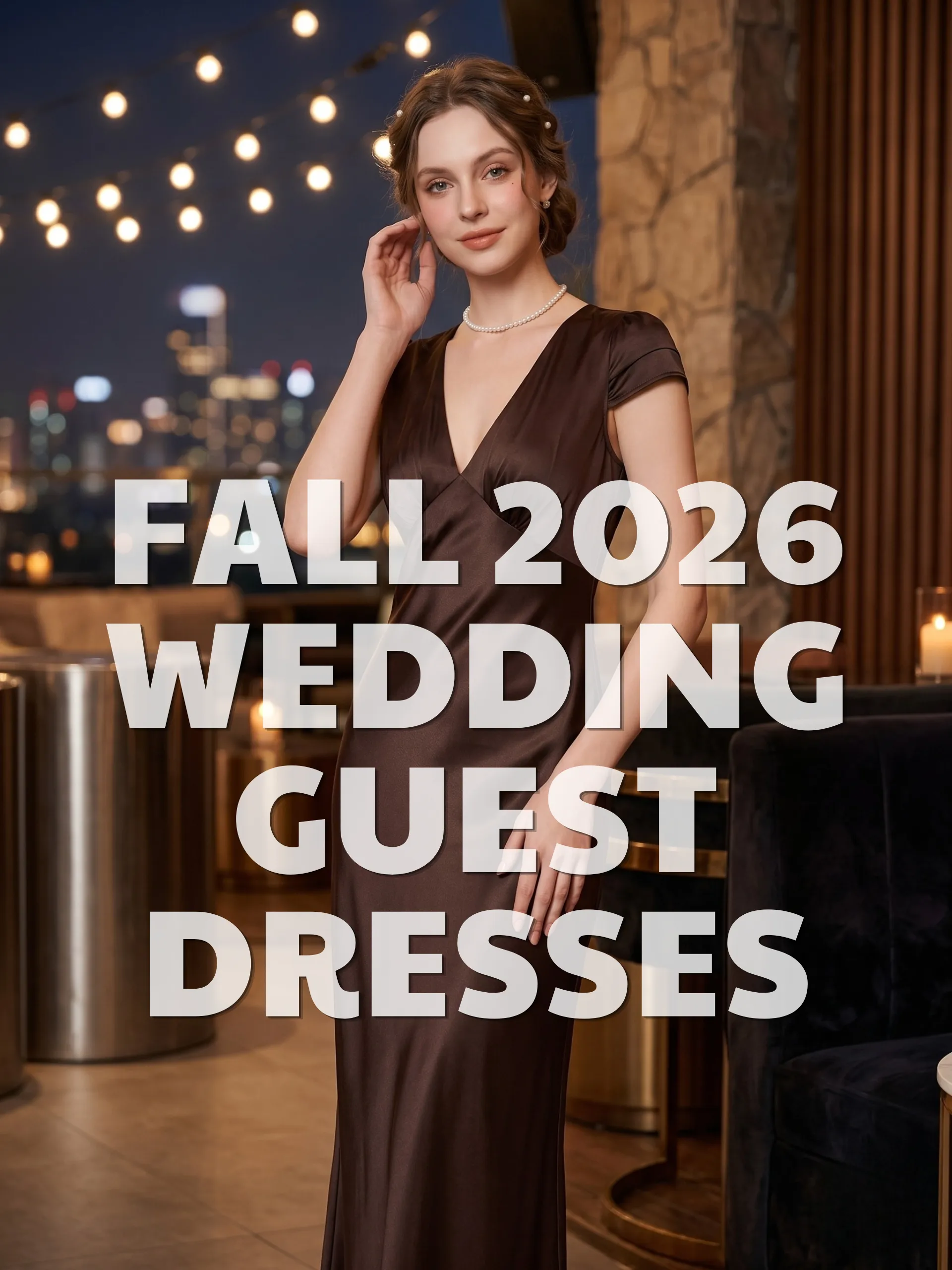
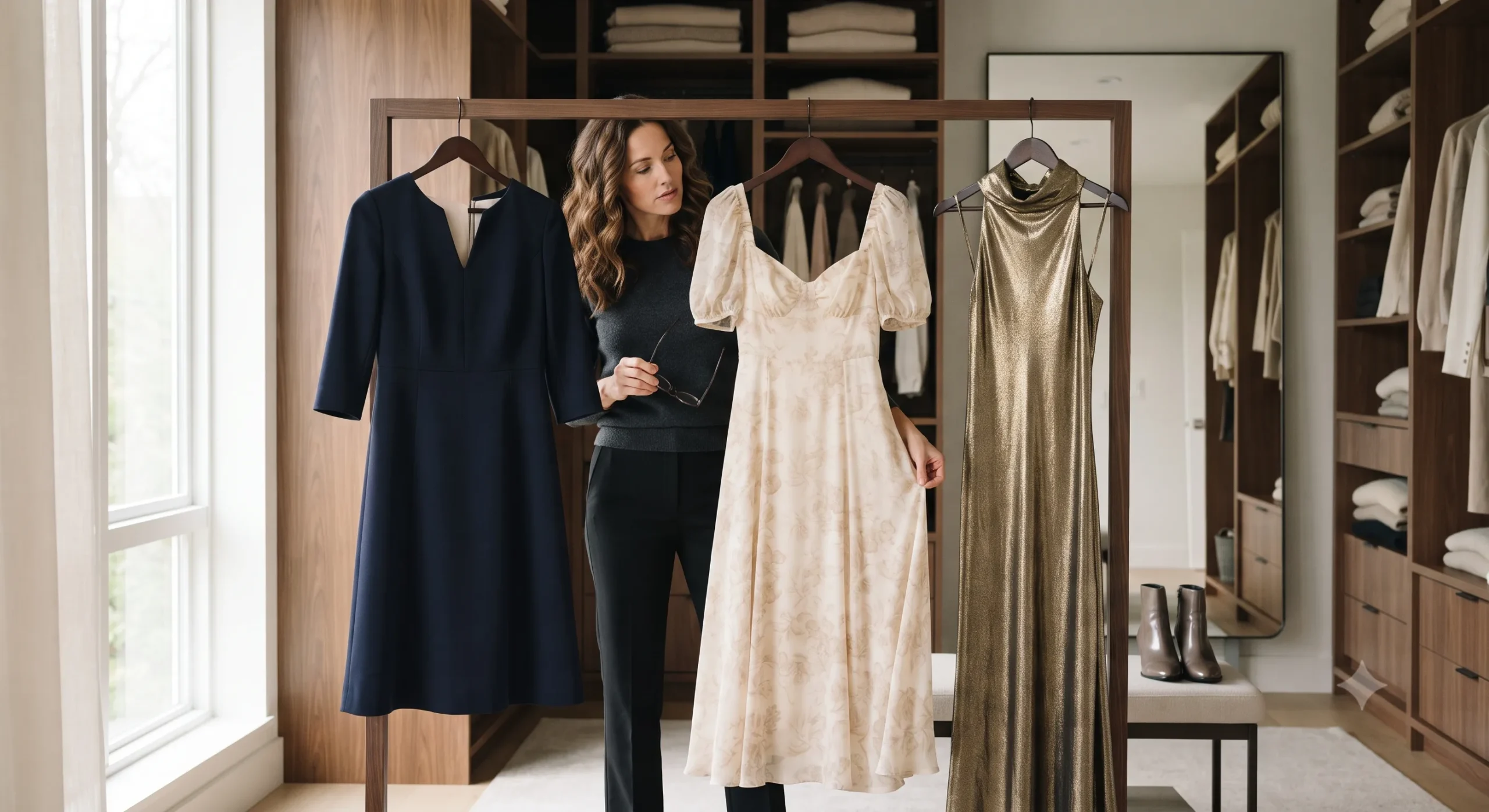
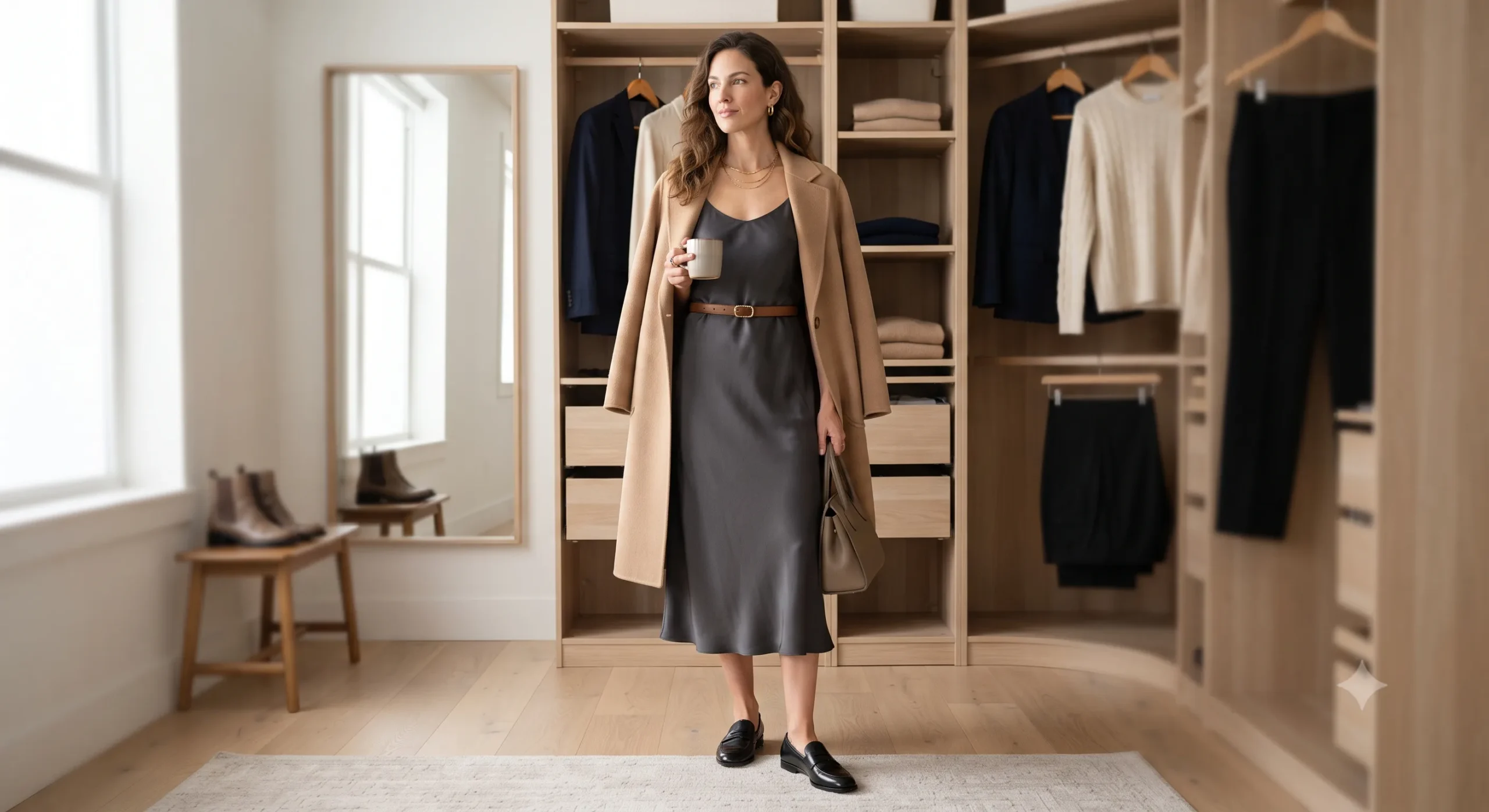
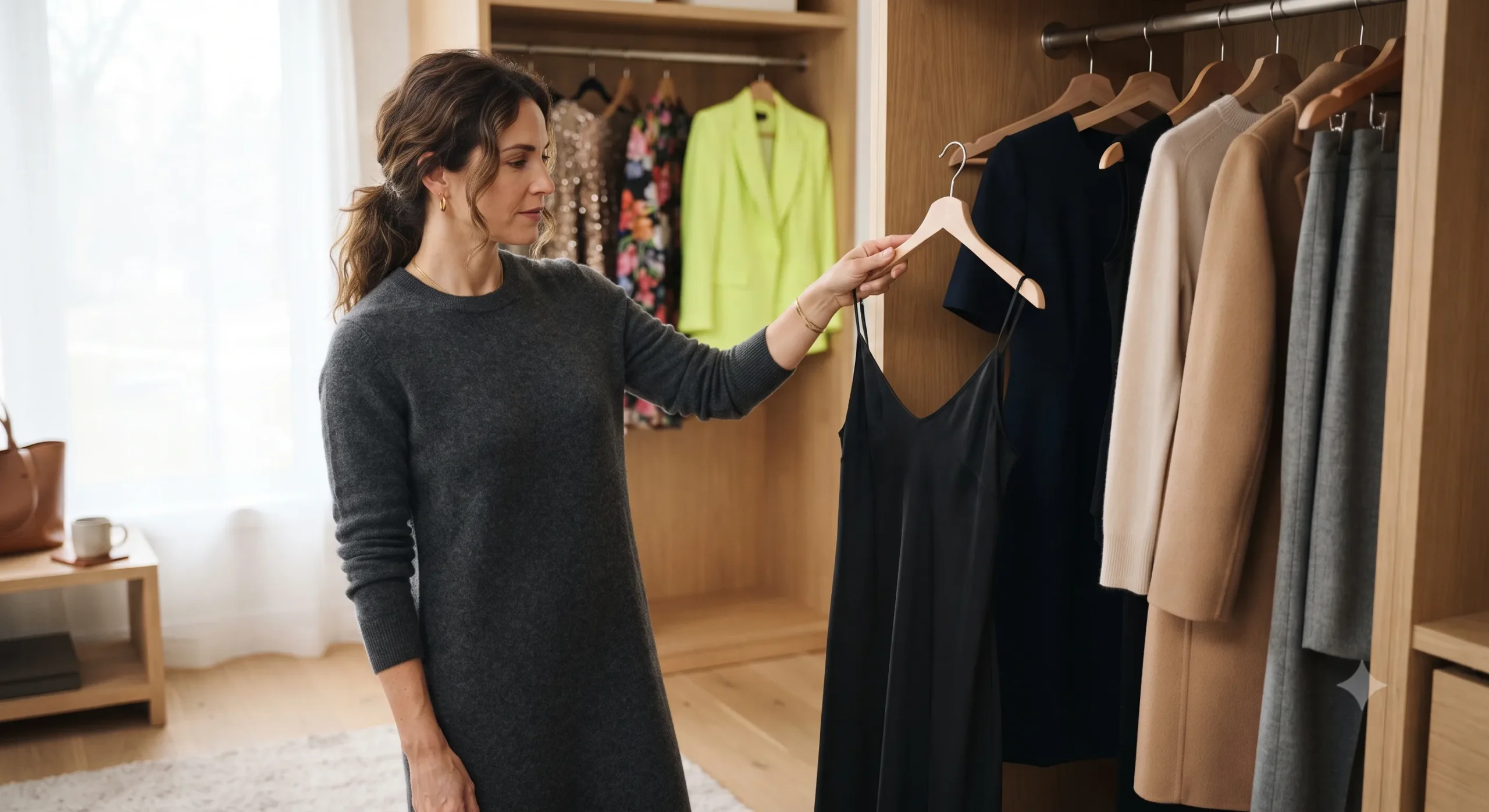
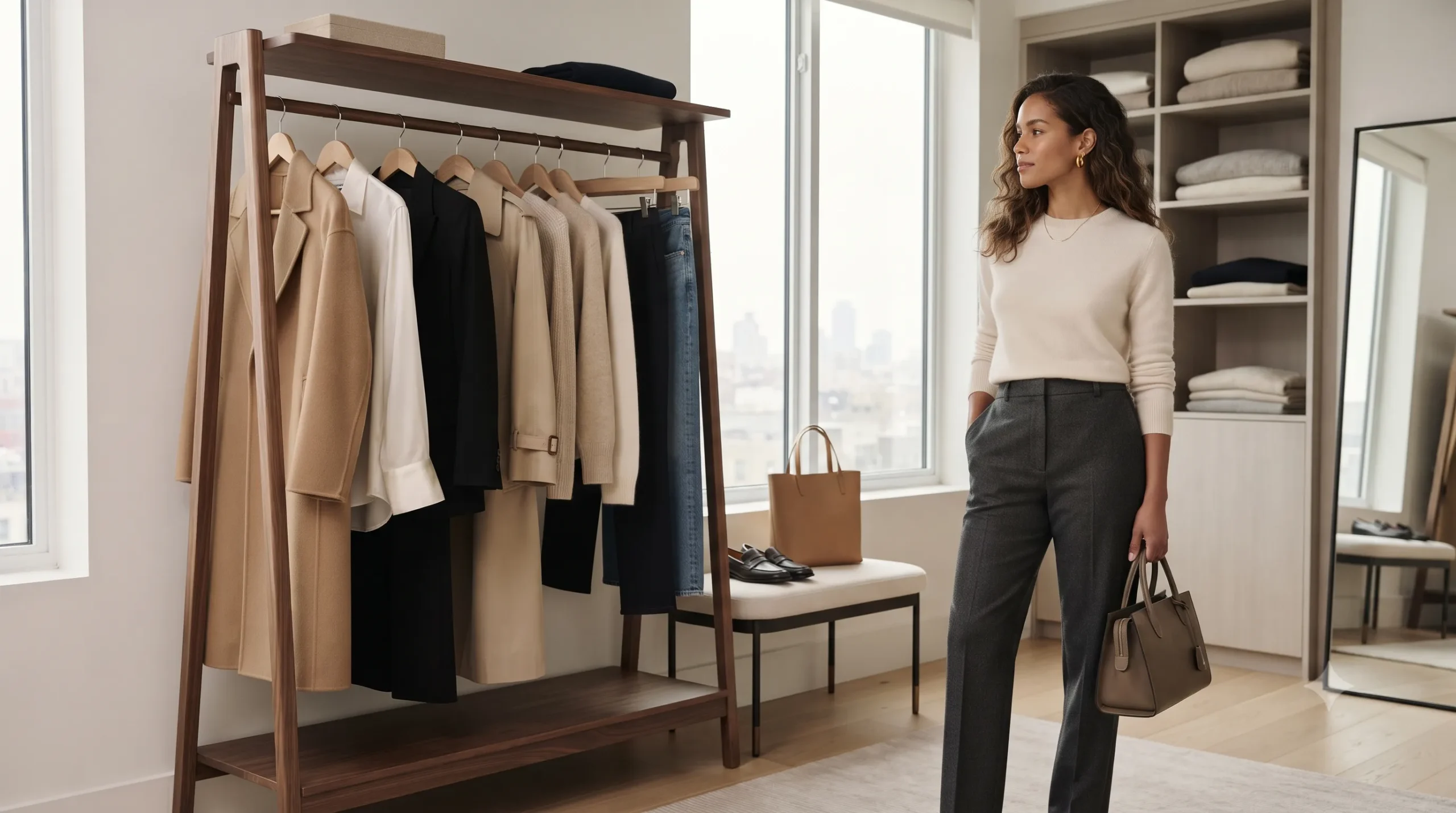
There is a specific, quiet tension that often arises when a woman decides to embrace femininity in her wardrobe. You might find yourself standing before a closet full of clothes, gravitating toward a soft silhouette or a floral print, only to pause with a sense of hesitation. There is a fear that leaning into “feminine” aesthetics—dresses, softer fabrics, or delicate details—might result in a look that feels costume-like, overly precious, or even infantilizing.
The dilemma is common: how do you celebrate softness and grace without losing your sense of modern maturity? How do you cultivate a wardrobe that feels romantic and beautiful, yet remains grounded in the realities of a professional or active life?
Building a feminine wardrobe that does not feel overdone is not about avoiding certain items; it is about mastering the art of restraint. It is a shift from “dressing up” to “dressing with intention.” By focusing on proportion, fabric weight, and the strategic interplay between soft and structured elements, you can create a personal style that feels deeply resonant and sophisticated, rather than performative.
The Difference Between Romanticism and Costume
To build a wardrobe that feels cohesive, it is helpful to first define what we mean by a “feminine” aesthetic in a modern context. Often, the misconception is that femininity requires a high volume of decorative elements—excessive ruffles, constant pastels, or hyper-ornamental details. When these elements are applied without balance, the outfit can feel like a costume rather than a reflection of the woman wearing it.
A sophisticated feminine wardrobe relies on suggestion rather than statement. Instead of a dress covered entirely in lace, consider a garment with a subtle texture or a soft, flowing drape that hints at romance through its movement. Instead of an entirely pink ensemble, consider a palette of warm neutrals, creams, or muted tones that carry a sense of softness without being visually overwhelming.
True modern femininity is found in the balance of opposites. It is the ability to pair a soft, draped skirt with a more structured blazer, or a delicate blouse with tailored trousers. This tension between the soft and the structured is what prevents an outfit from feeling “overdone.” It anchors the romantic elements in reality, making the look feel wearable for a gallery opening, a boardroom, or a weekend lunch.
The Architecture of Balance: Proportion and Structure
If femininity is the “soul” of an outfit, structure is its “skeleton.” Without structure, a feminine wardrobe can quickly feel shapeless or unpolished. The key to avoiding an overdone look lies in how you manage the proportions of your silhouette.
The Rule of Opposites
A helpful mental framework for getting dressed is the principle of contrasting volumes. If you are wearing a piece that is voluminous or flowing—such as a wide-leg trouser in a soft fabric or a midi skirt with movement—pair it with something that defines your frame. This could be a tucked-in, slim-fitting knit or a structured jacket. Conversely, if you are wearing a more fitted, feminine top, you might balance it with a slightly more architectural bottom.
Weight and Drape
The “feel” of femininity is often dictated by how a fabric behaves. To keep a wardrobe from feeling precious, pay close attention to fabric weight. Very lightweight, sheer fabrics can feel ethereal, but when worn exclusively, they can lack the gravity needed for a mature style. Integrating mid-weight fabrics—creams, fine wools, or structured cottons—provides a foundation that allows your more delicate pieces to shine without looking flimsy.
| Element | To Avoid Feeling “Overdone” | To Achieve Refined Femininity |
|---|---|---|
| Silhouettes | Excessive ruffles or extreme volume in both top and bottom. | One voluminous piece balanced by a structured counterpart. |
| Details | Loud, repetitive patterns or heavy ornamentation. | Subtle textures, unique necklines, or delicate fastenings. |
| Color Palette | High-contrast, candy-colored palettes. | Tonal dressing, muted hues, and sophisticated neutrals. |
| Fabric | Wearing exclusively sheer or overly delicate materials. | Mixing textures (e.g., a soft knit with a structured skirt). |
Cultivating a Sophisticated Color Palette
Color is one of the fastest ways to signal intent in an outfit. While bright florals and pastels are classic hallmarks of feminine dressing, they can also be the primary culprits when an outfit begins to feel “too much.”
A more sustainable and polished approach is to build your wardrobe around a foundation of “sophisticated neutrals.” These are not just blacks and whites, but rather the nuanced shades that sit between them: sand, oatmeal, sage, slate, cream, and deep navy.
When you build a wardrobe using a more restrained color palette, you gain several advantages:
- Increased Versatility: Neutral tones allow you to mix and match pieces with ease, ensuring that a romantic dress can be worn just as easily with a casual cardigan as it can with a formal coat.
- Visual Calm: A cohesive color story creates a sense of “quiet luxury.” It suggests that your clothing was chosen with thought rather than reactively following a seasonal trend.
- Longevity: Subtle colors age better and are less susceptible to the whims of trend cycles, providing higher long-term wardrobe value.
If you wish to incorporate color or prints, consider the “one-piece rule.” Let a single item—perhaps a skirt with a subtle botanical print or a blouse in a soft peach—be the focal point. Keep the rest of the ensemble composed of solid, grounding colors to ensure the look remains intentional and mature.
The Role of Elevated Basics
One of the most common mistakes in attempting a feminine style is overlooking the importance of the “base layer.” A feminine dress, no matter how beautifully cut, can feel out of place if the rest of the styling lacks substance.
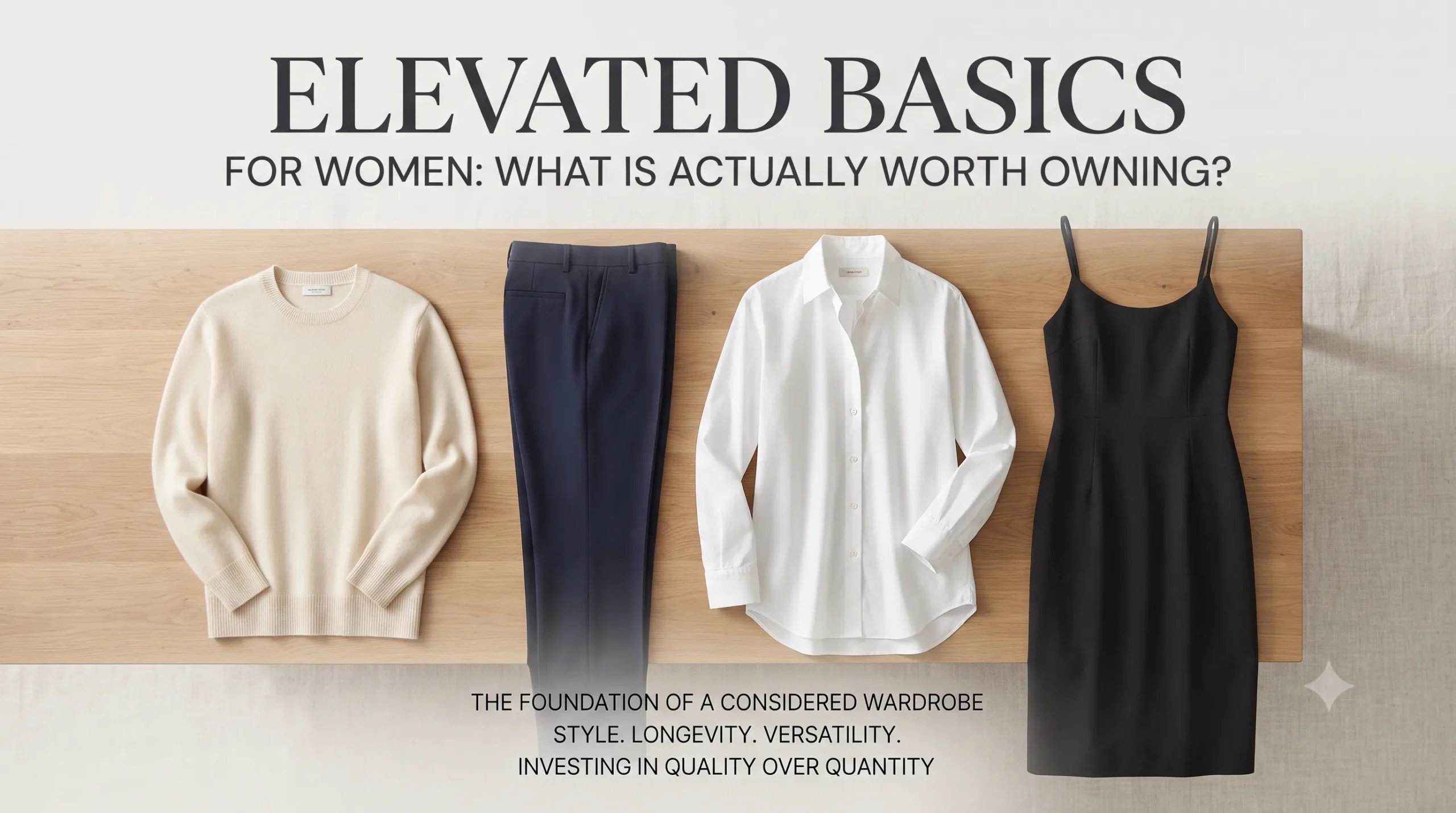
An elevated wardrobe is built on the interplay between special pieces and elevated basics. An elevated basic is a garment that is simple in design but exceptional in fit and fabric. Think of a perfectly tailored trouser, a high-quality bodysuit, or a well-cut trench coat.
These pieces act as the “anchors” for your more romantic items. For example:
- Scenario A: A romantic, tiered midi dress can be made “day-ready” by adding a structured denim jacket or a tailored blazer and leather loafers.
- Scenario B: A delicate, feminine blouse can be grounded for a professional setting by pairing it with high-waisted, wide-leg trousers in a heavy crepe or wool blend.
By treating your basics with the same respect as your occasion pieces, you create a wardrobe where everything works together. This prevents the “special occasion” feeling that often makes women feel self-conscious when wearing feminine clothing in everyday life.
Common Pitfalls: When Femininity Becomes “Too Much”
Even with the best intentions, it is easy to drift into territory that feels ungrounded. Recognizing these patterns is the first step toward refining your approach.
1. The “Texture Overload”
Textural interest is vital for a sophisticated look, but layering too many different “soft” textures can result in a visual heaviness. If you are wearing a lace top, avoid pairing it with a heavily textured tweed or a chunky knit. Instead, pair the lace with a smooth silk or a clean cotton to allow the lace to be a deliberate detail rather than part of a cluttered ensemble.
2. Neglecting the “Grown-Up” Accessory
Accessories can either elevate a feminine look or turn it into a costume. To keep things modern, lean toward “architectural” or “minimalist” accessories. A sculptural gold earring or a structured leather handbag provides a necessary counterpoint to a soft, flowing dress. Avoid overly dainty, matching jewelry sets, which can lean into a more youthful, less mature aesthetic.
3. Ignoring the Importance of Fit
A garment that is too tight can feel overly provocative, while a garment that is too loose can appear sloppy. The “sweet spot” for a refined feminine wardrobe is often found in graceful proportion. This means choosing pieces that skim the body rather than clinging to it, or pieces that define the waist without constricting the breath.
A Decision Framework for Buying New Pieces
As you refine your style, you will inevitably face the temptation of new purchases. To ensure every new addition supports a thoughtful, non-overdone wardrobe, use this decision-making process before you buy.
The Three-Question Test:
- Can I wear this with at least three items I already own?
- If the answer is no, the piece is likely too “situational” or trend-heavy to provide long-term value.
- Does this piece provide a balance to my current wardrobe?
- If your closet is already full of soft, flowing silhouettes, look for something with more structure. If you have many structured pieces, look for something with more movement.
- Does the femininity of this piece feel “suggested” or “stated”?
- Look for quality cues like subtle draping, interesting necklines, or fine fabric grain rather than loud ruffles or excessive bows.
This approach moves you away from impulsive, trend-driven shopping and toward a more intentional way of dressing. It treats your wardrobe as a collection of assets that work in harmony, rather than a series of isolated statements.
Summary of Principles for a Refined Feminine Style
To summarize the logic of a modern, balanced feminine wardrobe:
- Prioritize Restraint: Opt for subtle details over loud ornamentation to avoid a “costume” effect.
- Balance Proportions: Pair soft, flowing silhouettes with structured, tailored elements to maintain a polished look.
- Anchor with Neutrals: Use a sophisticated color palette to create a sense of visual calm and ease of styling.
- Focus on Fabric Behavior: Mix weights and textures to add depth without clutter.
- Invest in the Basics: Use high-quality, structured foundational pieces to ground your more romantic garments.
Ultimately, dressing femininely is not about adhering to a set of rigid rules, but about finding a way to express your softness and grace within the context of your real, modern life. When you focus on quality, proportion, and intention, you create a style that doesn’t just look beautiful—it feels like an authentic extension of who you are.