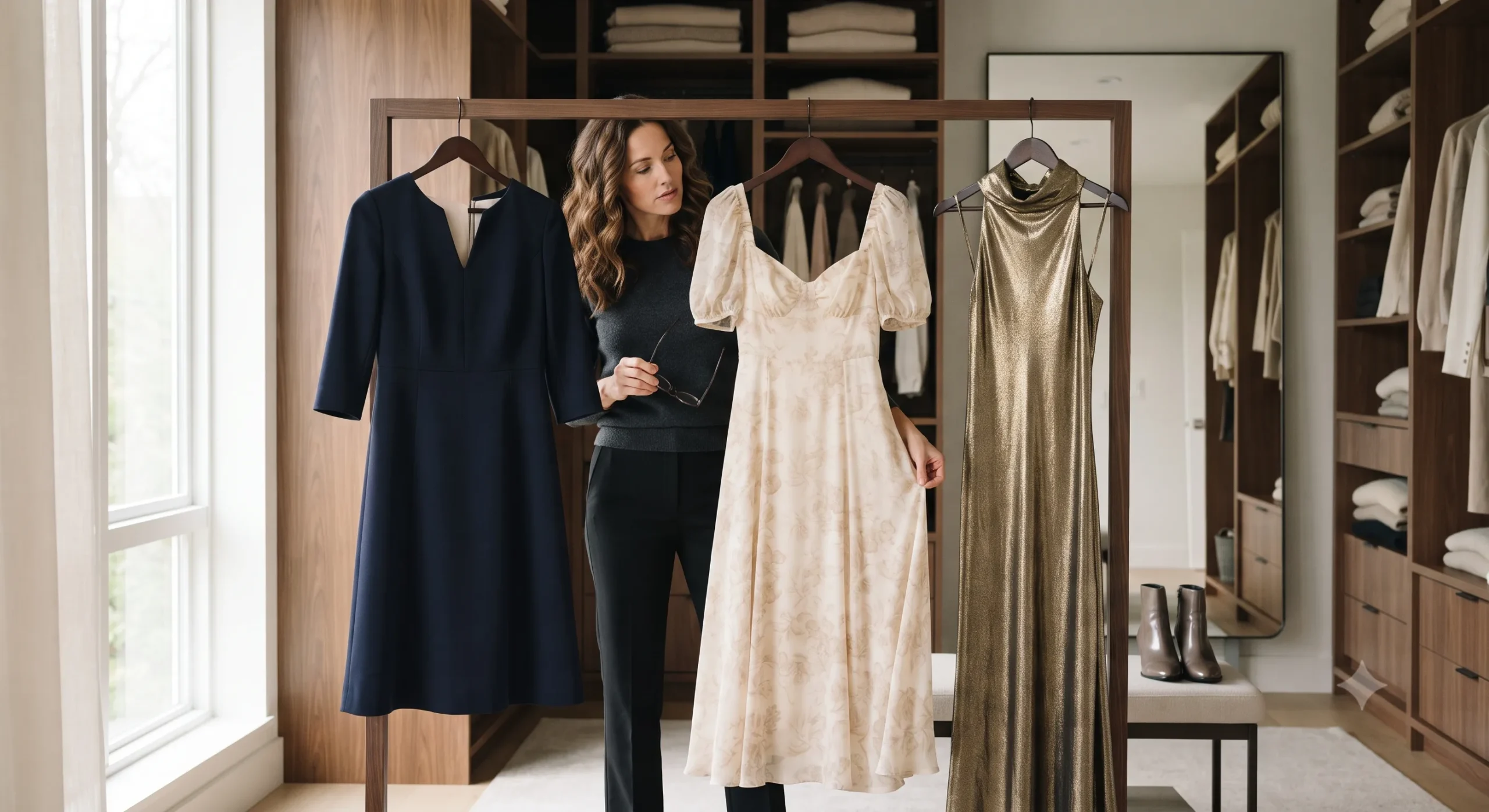
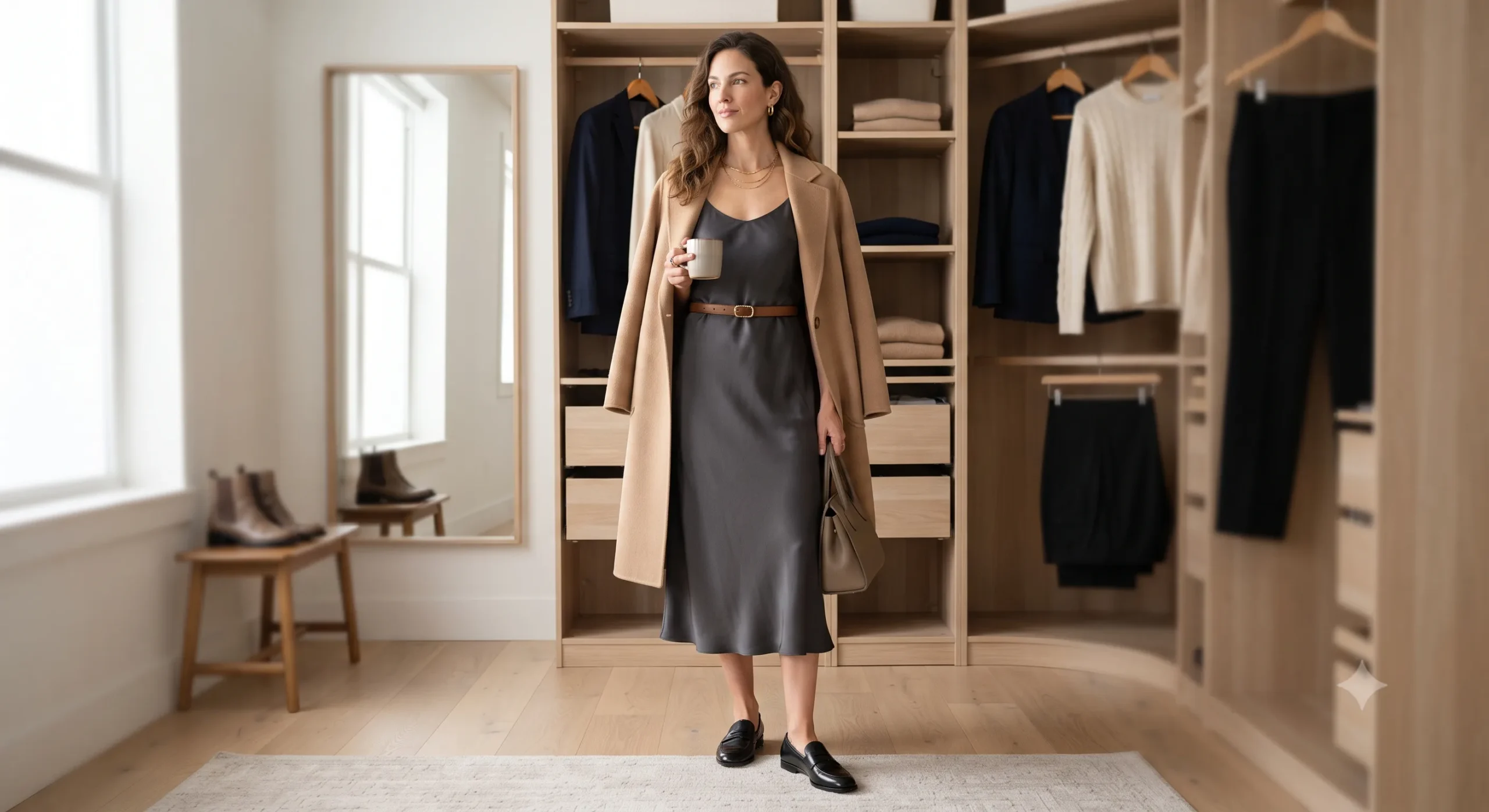
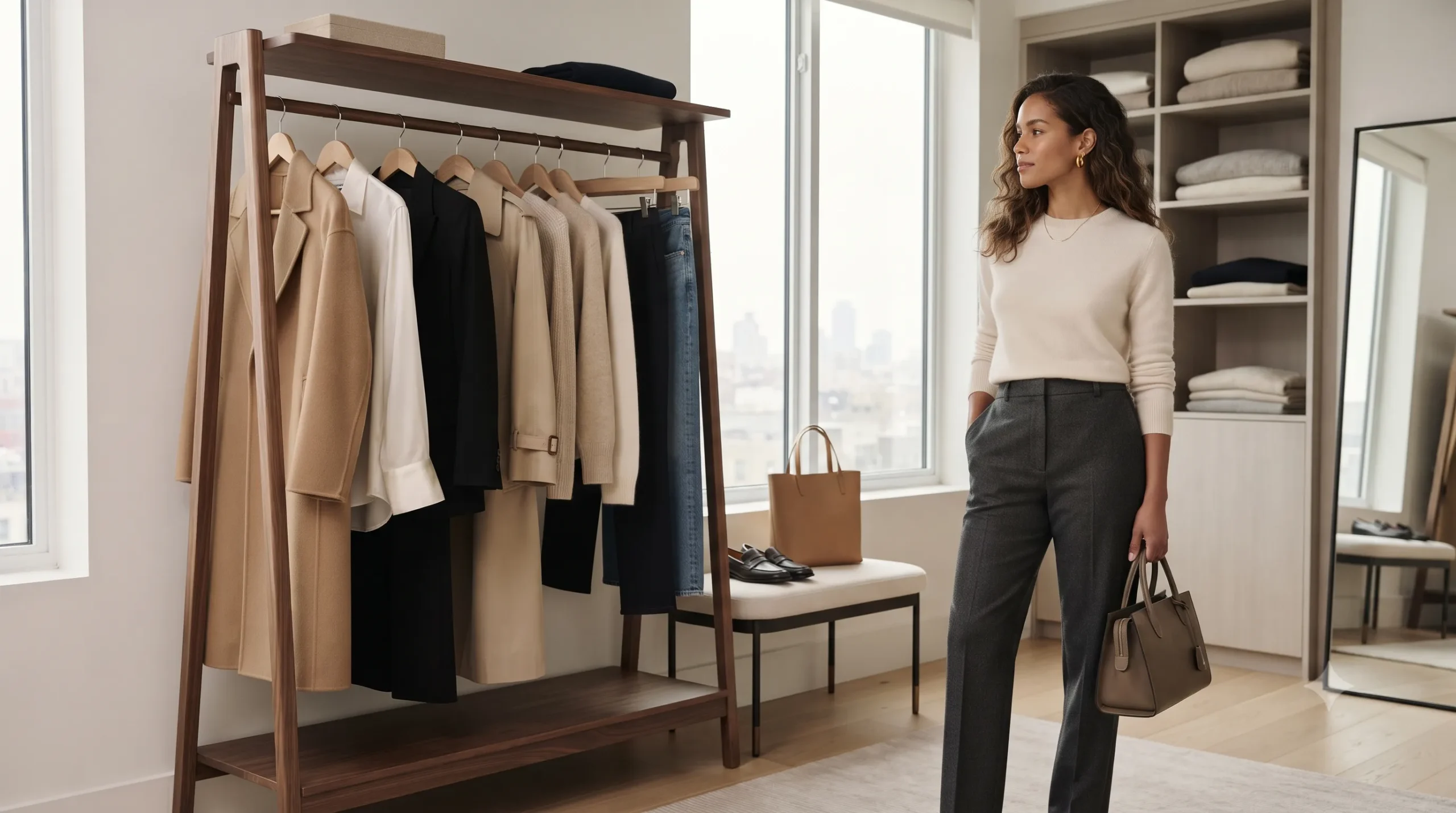
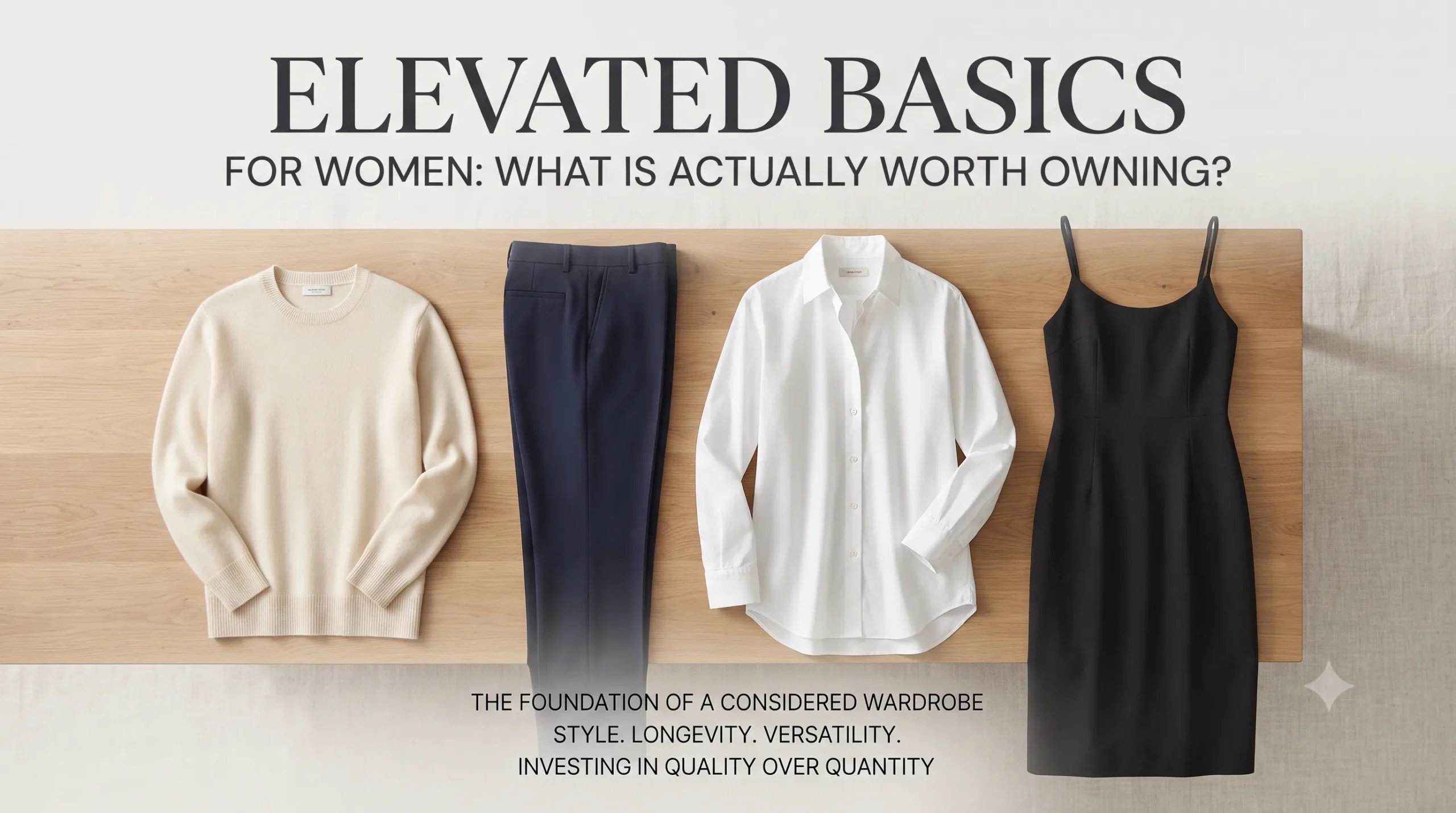
There is a specific kind of quiet frustration that occurs on a Tuesday morning when you are standing in front of a closet full of clothes, yet feel as though you have absolutely nothing to wear. The racks are crowded, the hangers are heavy, and the visual noise of various colors, textures, and silhouettes feels overwhelming rather than inspiring. This paradox—having too much but feeling like you have too little—is rarely a problem of quantity. Instead, it is usually a problem of cohesion.
A closet that feels chaotic often reflects a shopping habit driven by impulse, micro-trends, or the fleeting promise of a “new version of myself” that never quite manifests once the garment is home. When we buy for a fantasy version of our lives—the woman who attends every garden party or the professional who only wears structured blazers—we create a wardrobe that is functionally disconnected from our actual days.
Creating a closet that feels calm, useful, and personal requires a shift in perspective. It is a move away from the urgency of “more” and toward the clarity of “enough.” A thoughtful wardrobe is not a collection of individual items; it is an ecosystem where pieces are designed to work together, easing the mental load of daily decision-making while still expressing a sense of individual character.
The Psychology of the Calm Closet
To build a wardrobe that provides peace rather than stress, one must first understand what causes sartorial anxiety. Most wardrobe tension stems from three sources: visual clutter, decision fatigue, and a lack of utility.
Visual clutter happens when a closet lacks a unifying thread. When every piece is a different “statement,” nothing can actually make a statement. The eye has no place to rest. A calm closet relies on a degree of visual restraint—a cohesive color palette, a consistent approach to proportion, and a shared sense of quality.
Decision fatigue occurs when the relationship between your clothes is broken. If your trousers only work with one specific top, or if your favorite skirt requires a very specific type of heel that you rarely wear, that garment becomes a source of friction rather than a tool for ease. A useful closet is one where the pieces “talk” to one another. When you reach for a skirt, you should already know which three tops in your wardrobe will complement its silhouette.
Finally, utility is about the alignment between your clothes and your reality. A wardrobe is useful when it reflects the actual cadence of your life—the hours spent in meetings, the slow weekend mornings, the occasional wedding, and the necessity of travel.
Defining Your Wardrobe Architecture
Before you remove a single hanger, you must define the architecture of your style. This is not about following a trend, but about observing your own patterns. To achieve a sense of personal style that feels grown-up and refined, consider these three pillars of wardrobe architecture:
1. The Color Foundation
A cohesive wardrobe does not mean wearing only neutrals, but it does mean having a logical relationship between your colors. A common mistake is buying “pop” colors without a way to anchor them.
Instead, aim for a base of versatile neutrals—perhaps navy, cream, charcoal, or camel—and then introduce your personal colors (soft blues, deep olives, or muted roses) in a way that they can layer over those neutrals. When your color palette is intentional, getting dressed becomes a matter of simple combinations rather than complex color theory.
2. The Silhouette Logic
Refinement often comes down to proportion. A closet feels more “put together” when you understand which shapes work for your body and how they interact. Do you prefer the soft structure of a tailored trouser paired with a fluid blouse? Or the balance of an oversized knit with a more fitted skirt?
By deciding on a few “signature silhouettes”—the shapes you feel most confident in—you create a sense of visual consistency. This doesn’t mean you lack variety; it means your variety is expressed through texture and subtle detail rather than radical, unflattering changes in shape.
3. The Occasion Mapping
A useful closet must account for your different “modes.” Mapping your wardrobe involves categorizing pieces by where they actually live in your life:
- The Daily Uniform: Reliable, comfortable, yet polished pieces for work or errands.
- The Elevated Social: Pieces that transition from a lunch meeting to an evening event.
- The Special Occasion: The refined pieces kept for weddings, galas, or meaningful celebrations.
- The Restorative: High-quality, comfortable pieces for weekends and travel.
The Decision Framework: Does This Piece Earn Its Place?
To move away from the cycle of fast fashion and toward a more intentional wardrobe, every new acquisition should be put through a rigorous mental filter. We often buy based on how a garment looks on a mannequin or a model, but we wear it based on how it fits into our existing life.
To ensure long-term wardrobe value, ask yourself these four questions:
| The Question | The Purpose | The “Red Flag” Answer |
|---|---|---|
| Can I wear this in three different ways? | To ensure versatility and prevent “one-wear” items. | “I’ll need to buy a specific new shoe/bag to make this work.” |
| Does this align with my current daily reality? | To ensure the piece is actually useful for your life. | “I’ll wear this when I finally go on that vacation next year.” |
| Is the fabric quality worth the cost? | To ensure the piece will survive multiple washes and seasons. | “It looks great, but the fabric feels very thin/synthetic.” |
| How will I feel in this after four hours? | To prioritize comfort and emotional ease. | “It’s beautiful, but I’ll be constantly adjusting it.” |
A useful rule of thumb: A dress earns its place when it works for more than one kind of day. A beautiful midi skirt that can be worn with a cashmere sweater for a weekend brunch or a structured blazer for a dinner meeting is infinitely more valuable than a highly trendy piece that only works for one specific aesthetic.
Practical Steps to Auditing Your Current Closet
If your closet currently feels overwhelming, do not attempt to overhaul it in a single afternoon. That leads to exhaustion and poor decision-making. Instead, approach the audit as a slow, observational process.
Step 1: The “Current Life” Sort
Empty your closet and group items by how you actually wear them. You might find a large section of “aspirational” clothing—items that belong to a version of you that no longer exists or a lifestyle you don’t actually lead. These are the items that contribute most to the feeling of clutter.
Step 2: Identify the “Gaps” vs. the “Excess”
As you sort, you will notice patterns. You might realize you have ten beautiful blouses but no trousers that fit correctly, or twenty pairs of jeans but nothing suitable for a formal dinner.
The goal is not to have a “perfect” wardrobe, but a “complete” one. A complete wardrobe means you have the right pieces to cover your mapped occasions without having to scramble. Identify the gaps—the missing links that would make your existing clothes more useful—and focus your future energy there.
Step 3: The Texture and Tone Check
Once you have the essentials, look at the visual weight of your closet. If everything is heavy wool and dark colors, your wardrobe will feel somber. If everything is thin, sheer, and bright, it may feel disorganized. Introduce “visual calm” by ensuring you have a balance of textures: a crisp cotton, a soft knit, a structured wool, and a fluid drape. This variety provides interest without needing loud patterns or excessive colors.
Common Mistakes in Wardrobe Building
Even with the best intentions, it is easy to fall into traps that undermine the goal of a calm and personal closet.
- Buying for the “Micro-Trend”: Micro-trends move too fast for a thoughtful wardrobe. By the time you have integrated a trending silhouette into your life, the trend has often passed, leaving you with a piece that feels dated and difficult to style.
- Neglecting the “Middle Ground”: Many women own either very casual clothes (leggings, t-shirts) or very formal clothes (evening dresses, structured suits), but lack the “middle ground”—the polished, everyday pieces that allow them to look put-together without looking stiff.
- Ignoring Fit and Tailoring: A high-quality garment that fits poorly will always feel less “calm” than a mid-range garment that has been tailored to your proportions. Personal style is often found in the details of how a garment sits on the shoulders, the waist, and the hem.
- Overlooking Fabric Behavior: A piece might look beautiful on a hanger, but if the fabric wrinkles instantly or feels abrasive against the skin, it will not be a “useful” part of your wardrobe. Long-term value is found in fabrics that age gracefully and behave predictably.
The Goal: Decision Clarity
Ultimately, the objective of creating a closet that feels calm, useful, and personal is to achieve decision clarity.
When your wardrobe is composed of pieces chosen with care—pieces that respect your proportions, honor your color palette, and serve your actual lifestyle—the act of getting dressed changes. It stops being a source of negotiation and starts being a moment of quiet preparation. You are no longer fighting your clothes; you are using them as a foundation to move through your day with confidence.
A thoughtful closet gives you fewer decisions, not fewer options. It provides you with a curated selection of your best selves, ready to be worn whenever the occasion calls.