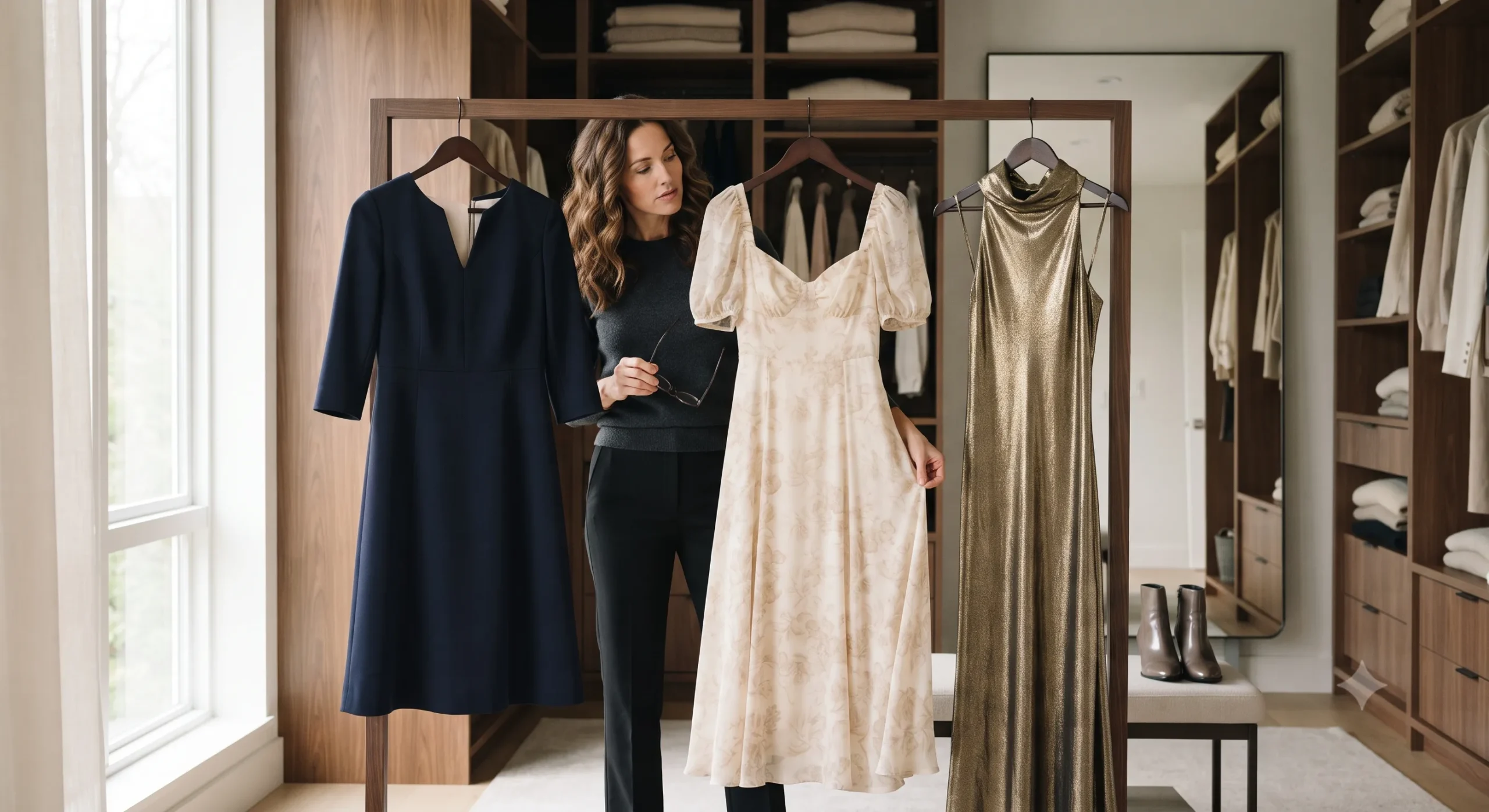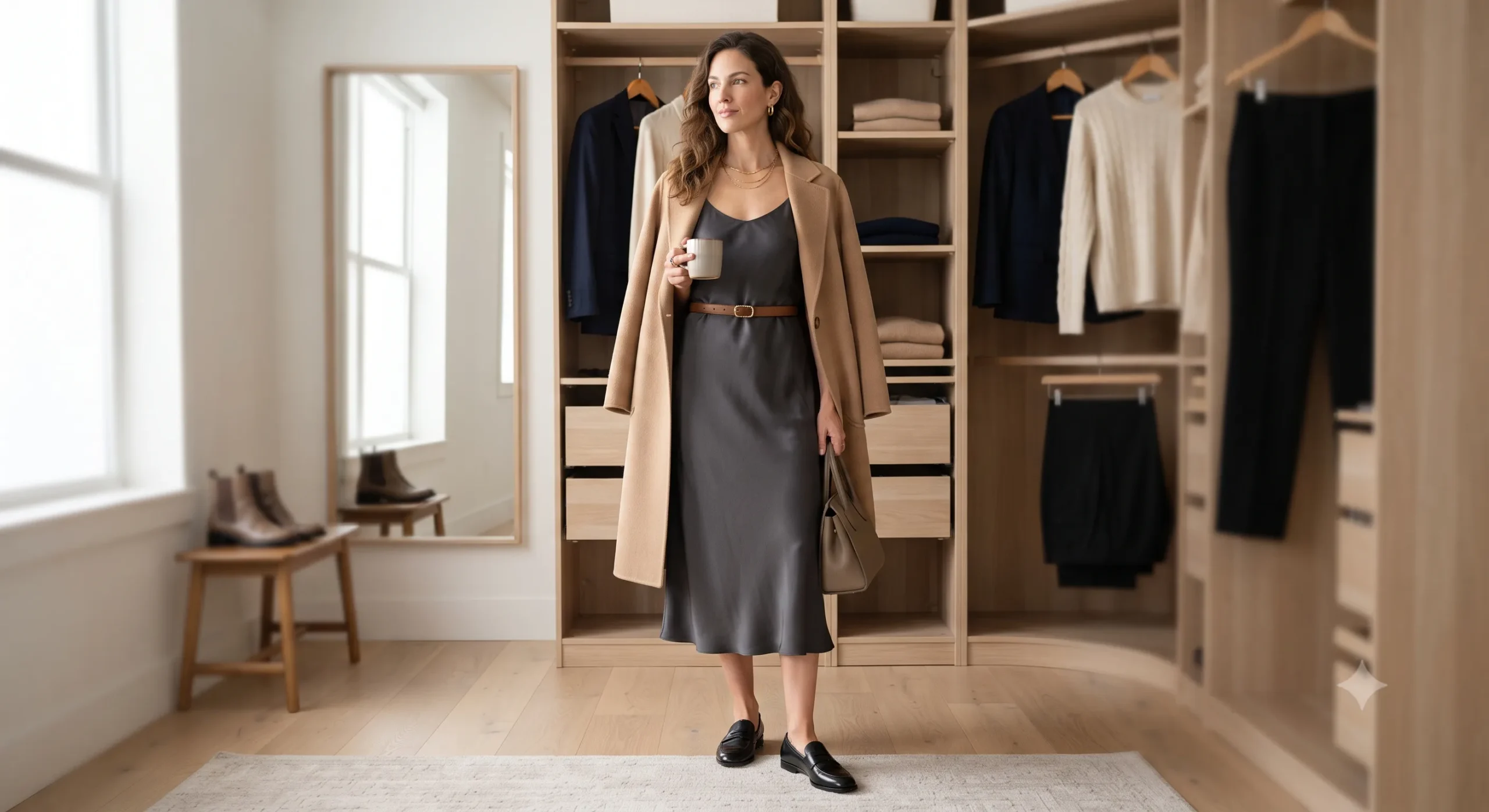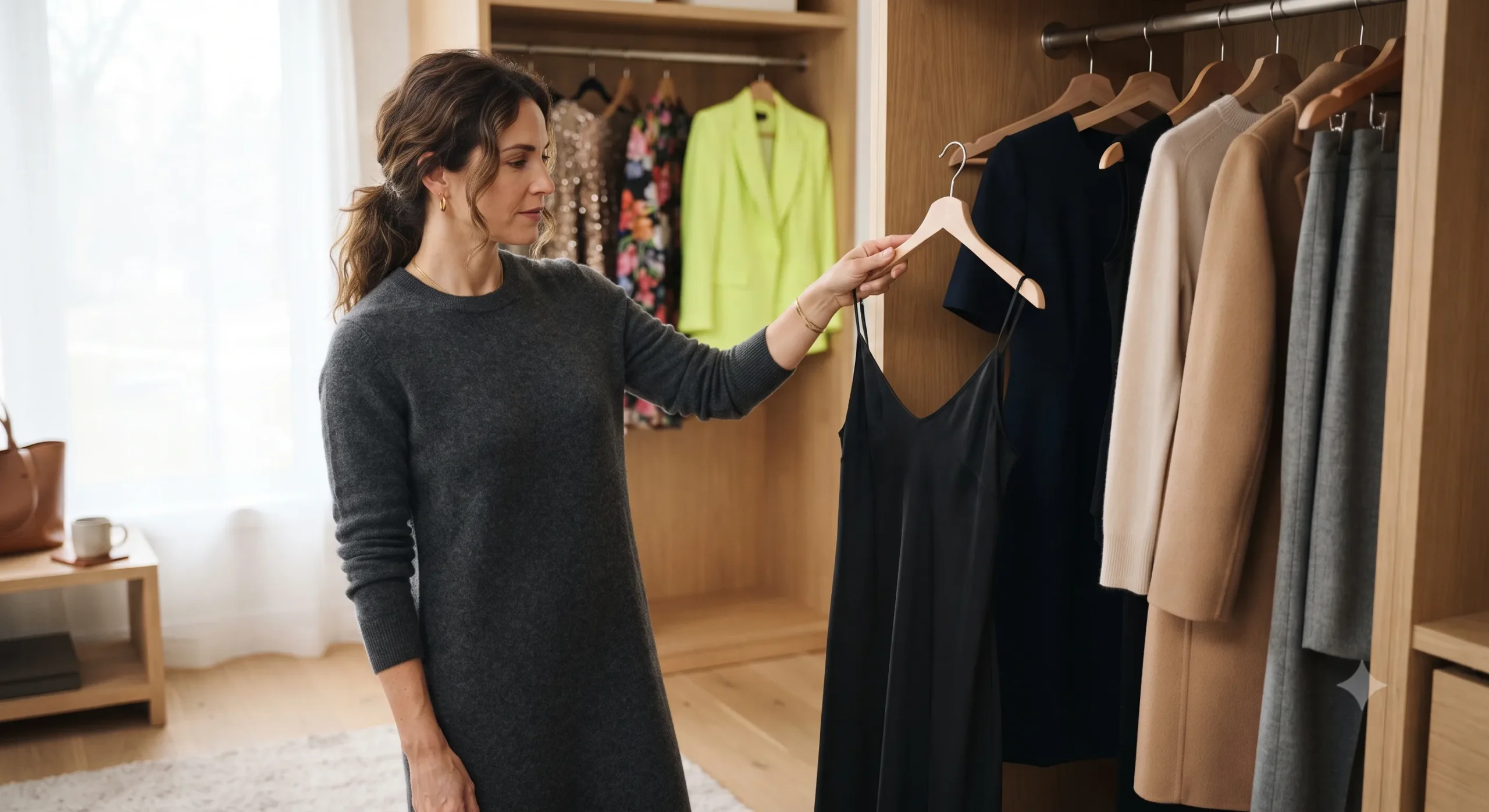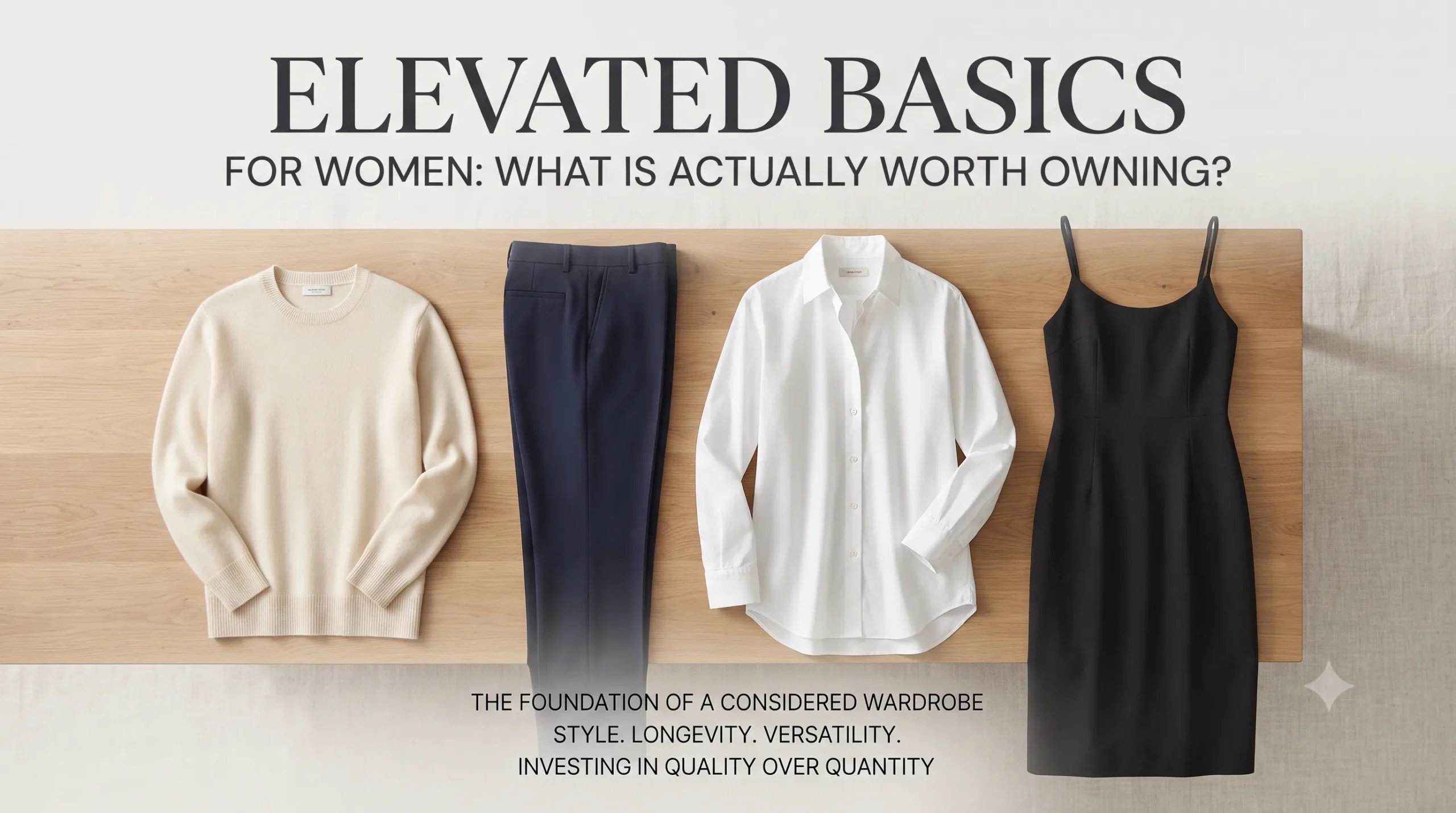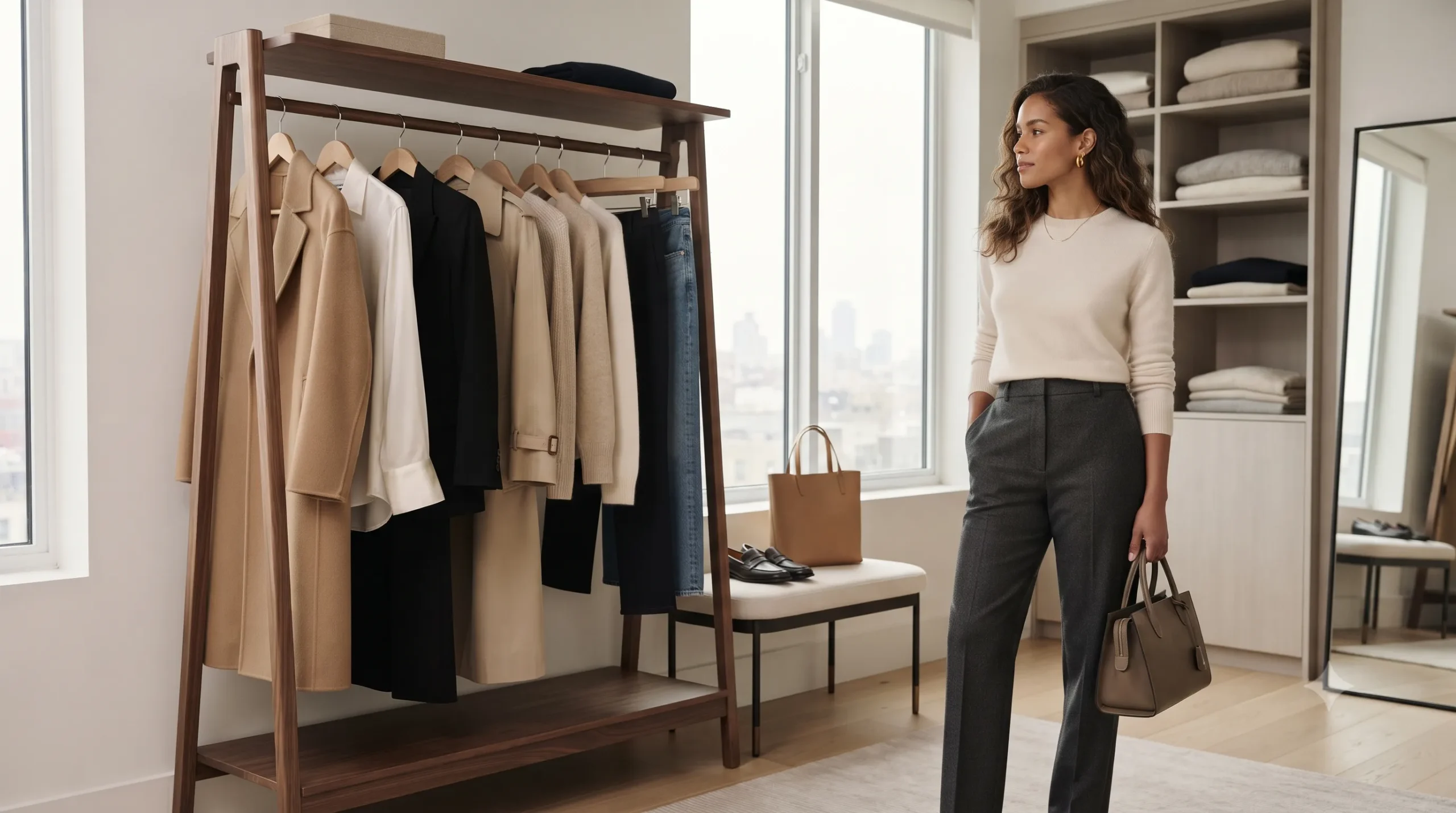
There is a specific kind of quiet frustration that occurs when you stand before a closet brimming with clothes, yet feel as though you have absolutely nothing to wear. It is a symptom of a wardrobe built on impulse rather than intention—a collection of pieces that were exciting in a fitting room or on a digital storefront, but which fail to communicate a cohesive sense of self when brought together. This disconnection often stems from a pursuit of “more” rather than a pursuit of “better.”
Elevated minimalism is the antidote to this cycle. It is not about owning the fewest number of garments possible, nor is it about stripping away personality in favor of a sterile, monochromatic uniform. Instead, elevated minimalism is the art of curation. It is a deliberate approach to dressing that prioritizes quality, proportion, and versatility, ensuring that every piece earns its place through its ability to transcend fleeting trends and serve the realities of a woman’s life.
By mastering this philosophy, you move away from the exhausting rhythm of trend-chasing and toward a more grounded, sophisticated way of inhabiting your clothes.
Defining Elevated Minimalism
To master this style, one must first distinguish it from its more extreme counterpart. While “pure” minimalism can sometimes feel restrictive or even clinical, elevated minimalism embraces texture, subtle femininity, and a sense of warmth. It is less about what you subtract and more about what you choose to keep.
At its core, elevated minimalism relies on three foundational pillars:
- Refined Restraint: This is the practice of choosing garments that speak through subtle details—a beautiful seam, a specific drape, or a high-quality weave—rather than through loud logos or heavy ornamentation.
- Intentional Composition: Every item is selected based on how it interacts with what you already own. A piece is not judged in isolation, but by its ability to be styled in multiple ways across different settings.
- Visual Calm: There is a certain serenity in an elevated minimalist wardrobe. The color palettes are often cohesive, and the silhouettes are balanced, creating an aesthetic that feels organized and composed rather than chaotic.
In practical terms, quiet luxury is less about price and more about restraint, fit, fabric choice, and visual calm. It is the difference between a garment that shouts for attention and one that commands respect through its mere presence.
The Architecture of a Timeless Wardrobe
Building a wardrobe that lasts requires a shift in perspective from “buying for the moment” to “investing for the decade.” A timeless wardrobe is built around pieces that can be worn repeatedly across real occasions, from a Tuesday morning meeting to a weekend gallery opening.
The Importance of Proportion and Silhouette
When ornamentation is stripped away, the silhouette becomes the most important element of a garment. In elevated minimalism, the way a fabric falls against the body dictates the level of sophistication.
A well-chosen piece often plays with proportion to create visual interest without needing busy patterns. For example, a pair of wide-leg trousers in a heavy drape can provide a sense of authority and grace, especially when paired with a more fitted, soft-knit top. This interplay of volume—structure versus softness—is a hallmark of refined feminine dressing.
The Role of Texture and Materiality
Without heavy prints to provide visual depth, texture becomes your primary tool for adding dimension. A monochromatic outfit can feel flat if every fabric has the same sheen or weight. However, when you layer a matte wool crepe with a slight luster in a fine knit, or pair a crisp cotton poplin with a textured weave, the outfit gains a sophisticated complexity.
Choosing materials that behave predictably and age gracefully is essential. Fabrics that maintain their shape, resist excessive wrinkling, and feel substantial to the touch are the true workhorses of a thoughtful wardrobe.
The Cohesive Color Palette
While you do not need to dress exclusively in beige or black, an elevated minimalist wardrobe thrives on a disciplined color story. This does not mean a lack of color, but rather a selection of hues that complement one another.
A palette of neutrals—cream, navy, charcoal, camel, and olive—serves as a stable foundation. Within this foundation, you can introduce “soft” colors that feel integrated rather than disruptive. Think of muted terracottas, dusty blues, or sage greens. These tones allow for variety while ensuring that any combination of clothes remains visually harmonious.
A Decision Framework for Intentional Purchasing
One of the greatest challenges in modern fashion is resisting the “novelty trap”—the urge to buy something simply because it is new. To master elevated minimalism, you must adopt a more rigorous decision-making process. Before a new piece enters your wardrobe, it should pass a series of internal checks.
| Decision Criterion | The Question to Ask Yourself | The Goal |
|---|---|---|
| Versatility | Can I style this in at least three different ways with my current wardrobe? | To maximize utility and reduce clutter. |
| Longevity | Will I still feel comfortable and confident wearing this in three to five years? | To ensure emotional and aesthetic relevance. |
| The “Five-Year Test” | Does this piece rely on a specific trend to look “right,” or is the beauty in its construction? | To prioritize timelessness over trend-chasing. |
| Occasion Alignment | Does this garment serve a genuine need in my actual life (work, travel, social)? | To avoid buying “fantasy” clothes for a life you don’t lead. |
| Cost-Per-Wear | If I wear this 50 times, is the price justified compared to a cheaper item I’ll wear twice? | To move toward long-term wardrobe value. |
Using a framework like this helps move the act of shopping from an emotional impulse to a strategic curation. It transforms you from a consumer into an editor of your own style.
Common Pitfalls in Minimalist Styling
Even with the best intentions, it is easy to fall into certain traps that can make a minimalist wardrobe feel uninspired or even boring. Understanding these nuances is key to achieving “elevated” rather than merely “basic” styling.
Mistake 1: The “Basic” Trap
There is a fine line between a minimalist staple and a generic basic. A “basic” white t-shirt is often thin, poorly fitted, and prone to losing shape after three washes. An elevated minimalist staple is a heavy-weight organic cotton tee with a substantial neckline and a silhouette that holds its structure. The difference lies in the attention to detail. If a piece feels “cheap” or “disposable,” it is not a minimalist staple; it is just fast fashion.
Mistake 2: Neglecting the Third Piece
A common error in minimalist dressing is wearing only two pieces—for example, trousers and a sweater—and feeling like the outfit is “incomplete.” While this is functional, it can lack intention. The “third piece rule” suggests that adding one more element—a structured blazer, a long coat, a refined belt, or even a deliberate layering of a different texture—elevates the look from “getting dressed” to “styling an outfit.”
Mistake 3: Ignoring Fit and Tailoring
Minimalism leaves nowhere for flaws to hide. In a highly decorated outfit, a slightly loose waist or a hem that hits at the wrong point can be masked by patterns or accessories. In an elevated minimalist look, the fit is everything. A piece that is slightly too long or too voluminous in the wrong places will look sloppy rather than intentional. Investing in a tailor to ensure your core pieces fit perfectly is perhaps the most impactful way to elevate your style.
Practical Scenarios: Applying the Principles
To see how these concepts translate into real-life dressing, consider how a few well-chosen pieces can navigate different demands of a modern woman’s schedule.
Scenario A: The Professional Transition
- The Foundation: A pair of charcoal wide-leg wool trousers and a cream silk-alternative blouse.
- The Morning (Work): Pair with a structured blazer and loafers. The look is authoritative, polished, and calm.
- The Evening (Dinner): Remove the blazer, add a sculptural gold earring, and swap the loafers for a pointed-toe kitten heel. The silhouette remains sophisticated, but the mood shifts to something more romantic and intentional.
Scenario B: The Elevated Weekend
- The Foundation: High-quality dark denim and a fine-gauge knit turtleneck.
- The Morning (Coffee/Errands): Layer with a long, camel-colored wool coat and clean leather sneakers. It is practical and comfortable but feels much more considered than loungewear.
- The Afternoon (Gallery/Lunch): Swap the sneakers for a refined leather boot and add a structured crossbody bag. The texture of the knit against the denim provides enough visual interest to feel “styled” without appearing overdone.
Building Your Personal Archive
Mastering elevated minimalism is a journey of self-discovery. It requires you to observe how you move, how you work, and how you want to be perceived by the world. As you curate your wardrobe, think of it as building a personal archive—a collection of garments that act as a reliable backdrop to your life.
Aunomay approaches this concept through a lens of modern romanticism: creating pieces that feel feminine, polished, and capable of surviving the five-year test. The goal is to reach a point where getting dressed is no longer a source of stress, but a quiet moment of confidence.
When you focus on proportion over decoration and thoughtful ownership over constant consumption, you do more than just improve your style. You cultivate a sense of practical elegance that carries through every aspect of your life. You begin to wear your clothes, rather than letting your clothes wear you.