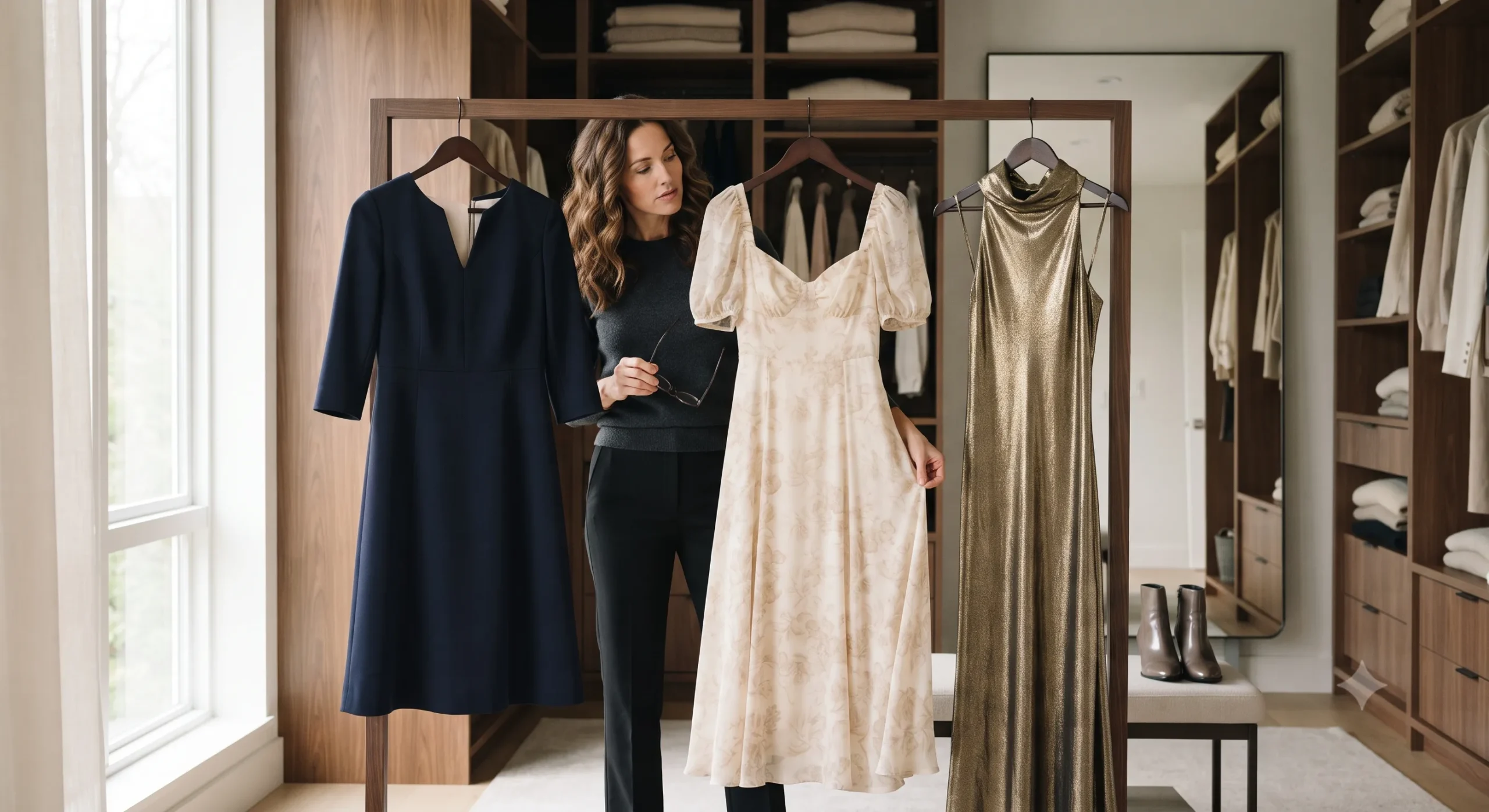
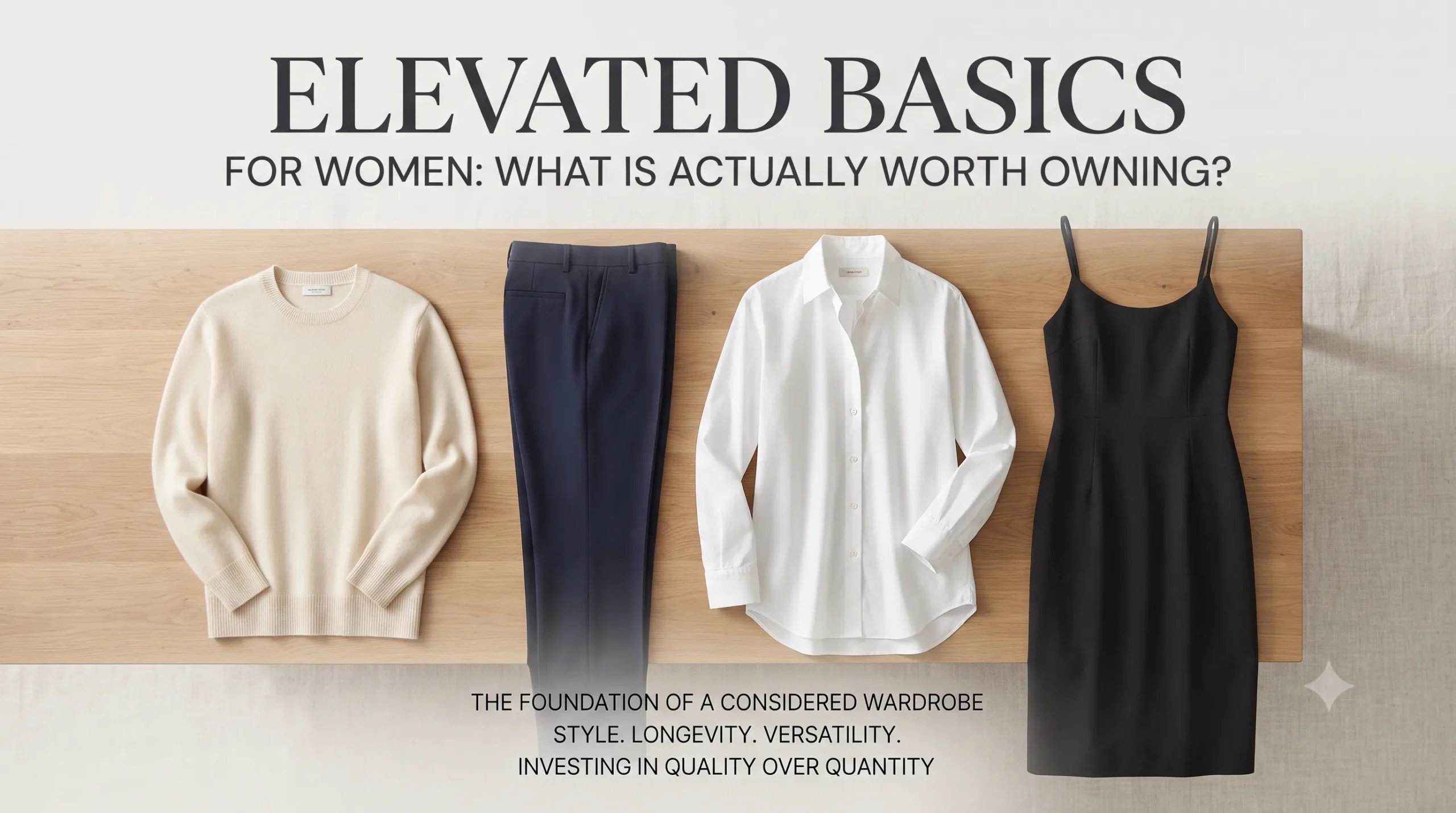
We have all experienced that specific, quiet frustration of standing before a closet that is physically full, yet feels functionally empty. You see rows of garments—some worn, some with tags still attached, some forgotten in the back corners—but when you reach for something to wear, nothing feels quite right. The pieces feel disconnected, tied too closely to a version of yourself that no longer exists, or perhaps to a micro-trend that has already begun to lose its luster.
This disconnect is rarely a lack of clothing; it is a lack of curation. Building a timeless wardrobe is not about owning a specific number of items, nor is it about adhering to a rigid, ascetic minimalism. Rather, it is an exercise in discernment. It is the process of deciding which pieces earn the right to occupy your physical and mental space. To achieve this, one must learn the art of the three-way split: knowing what to keep, having the courage to skip what no longer serves you, and—perhaps most importantly—learning how to repeat what works.
The Logic of the Edit: What to Keep
Keeping the right pieces is about looking past the immediate “newness” of a garment and evaluating its long-term utility. A timeless wardrobe is built on a foundation of pieces that possess what we might call “emotional and functional longevity.” This means the item must be able to navigate different settings, seasons, and versions of your personal style.
Evaluating Fit and Proportion
The most immediate indicator of a keeper is how a garment interacts with your body. A timeless piece should feel comfortable yet structured. It shouldn’t just “fit” in a technical sense; it should honor your proportions. Consider a well-tailored blazer or a midi skirt; if the silhouette feels awkward or requires constant adjusting, it will rarely become a staple. A garment that you feel confident in—even on your most rushed mornings—is a candidate for your permanent collection.
The Versatility Test
Before deciding to keep an item, ask: How many different scenarios can this inhabit? A dress that can be paired with a structured blazer for a professional setting, but also with a soft knit and boots for a weekend brunch, has high wardrobe value. If a piece is so specific in its styling that it only works in one very narrow context, it may be a “moment” rather than a staple.
Quality and Material Integrity
While we avoid making sweeping claims about every fabric, it is a practical truth that the physical integrity of a garment dictates its lifespan. When deciding what to keep, examine the seams, the weight of the fabric, and how the color holds up after washing. Items that maintain their shape and texture over time are the ones that form the backbone of a considered wardrobe.
The Courage of the Skip: What to Let Go
The hardest part of wardrobe building is often not the acquisition, but the subtraction. Skipping items is not a sign of failure in your past shopping choices; it is an intentional step toward a more cohesive future.
The Trap of “Conditional” Clothing
We often keep clothes for a version of ourselves that doesn’t currently exist. We keep the hyper-trendy pieces that only work if we follow a specific, fleeting aesthetic, or the high-fashion items that feel “too much” for our actual daily lives. If you find yourself saying, “I’ll wear this when I go to that specific event” or “I’ll wear this when I lose five pounds,” you are holding onto conditional clothing. A timeless wardrobe is built for the woman you are today, in the life you are actually living.
The Trend Fatigue Factor
Trends are designed to create a sense of urgency, but they also create a sense of obsolescence. If a piece feels “dated” within three months, it is likely a trend-driven item rather than a foundational one. While there is certainly room for a bit of playfulness in a wardrobe, relying too heavily on seasonal fads creates a cycle of constant replacement. Skipping pieces that are heavily reliant on a specific “look” of the moment allows room for pieces that possess a more permanent grace.
Identifying “Friction” Pieces
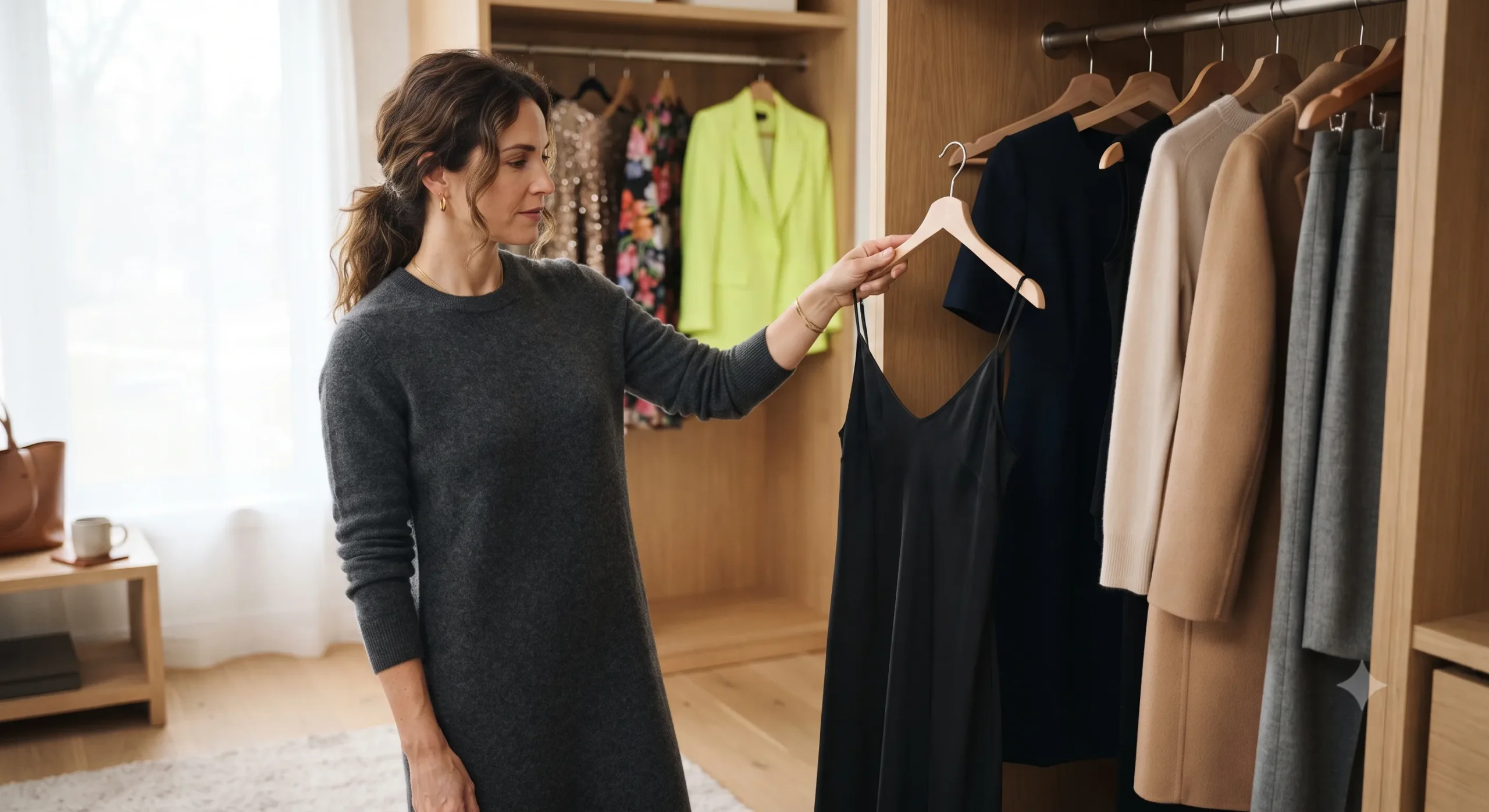
Every wardrobe has “friction” pieces—items that you love in theory but find difficult to wear in practice. Perhaps the fabric is itchy, the zipper is temperamental, or the color clashes with almost everything else you own. These items create mental clutter. Letting them go reduces the “decision fatigue” that often occurs when getting dressed in the morning.
| Decision Factor | Keep If… | Skip If… |
|---|---|---|
| Versatility | It works across multiple settings and seasons. | It only works for one specific trend or occasion. |
| Comfort | You feel composed and at ease while wearing it. | It requires constant adjusting or feels restrictive. |
| Sentiment | It evokes a sense of confidence or pleasant memory. | You keep it out of guilt or “what if” scenarios. |
| Condition | The structure and fabric remain intact. | It has lost its shape or shows significant wear. |
The Art of the Repeat: Maximizing Value
In a culture that often equates “newness” with “value,” the ability to repeat outfits is perhaps the most sophisticated skill a woman can develop. Repeating pieces is not a sign of a limited wardrobe; it is the hallmark of a woman with a defined, intentional style.
The Concept of Cost-Per-Wear
To understand the true value of a garment, one should look beyond the price tag and toward the concept of cost-per-wear. A high-quality, timeless dress that costs more upfront but is worn forty times a year has a much lower real-world cost than a cheap, trendy piece worn only twice. Repeating your favorites is a way of honoring the investment you made in them.
Styling as a Tool for Variation
Repetition does not have to mean monotony. The secret to a successful, repeated wardrobe lies in how you rotate your accessories and layers.
- The Base Layer: A simple, refined top can be paired with a skirt for a formal dinner, then layered under a cardigan with denim for a casual afternoon.
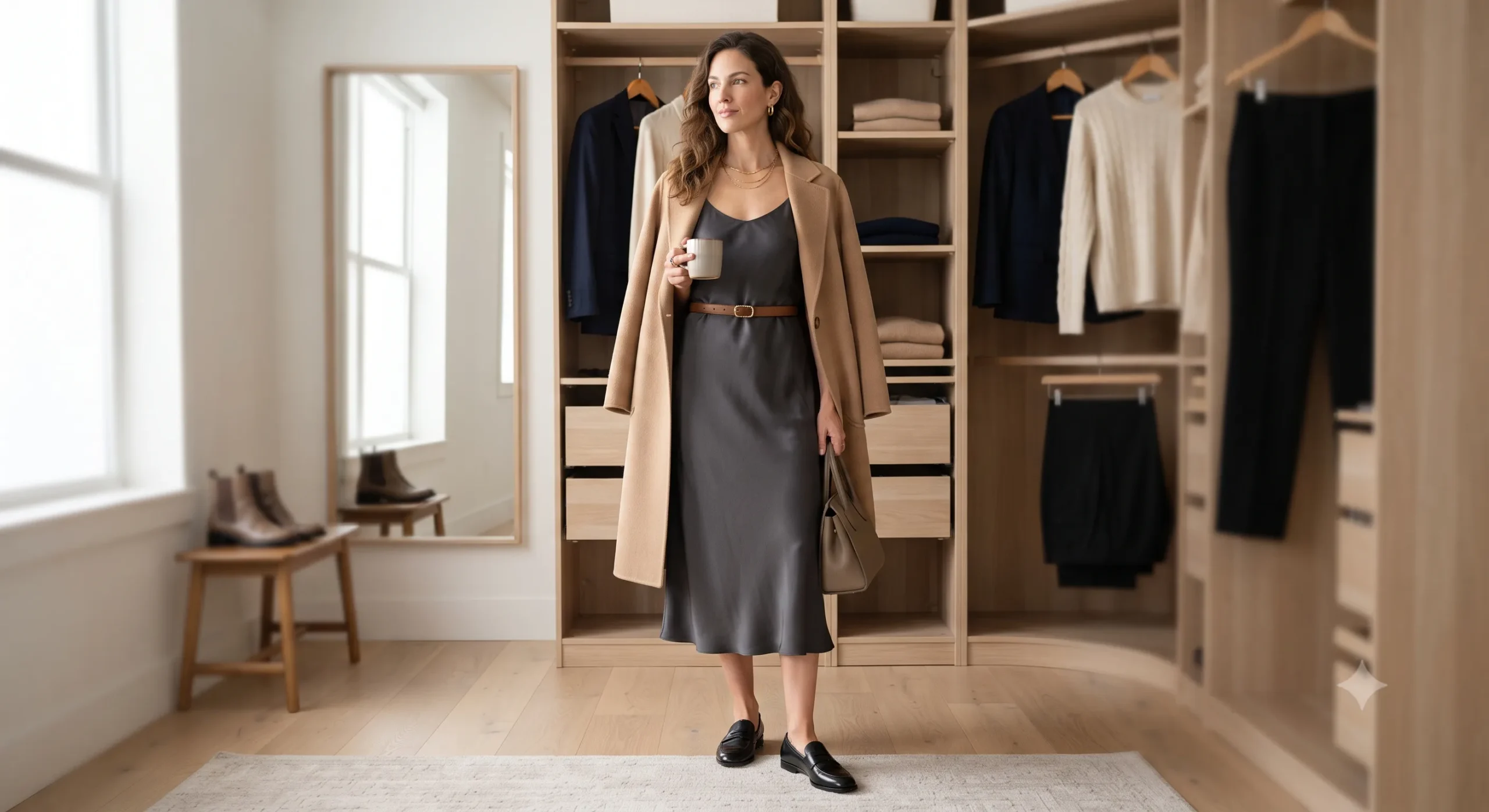
- The Accessory Shift: A classic midi dress can be transformed by swapping a structured handbag for a soft clutch, or by changing from polished loafers to a more relaxed flat.
- Proportional Play: Changing how you tuck a shirt or how you layer a jacket can completely alter the silhouette of a repeated item.
Building “Style Formulas”
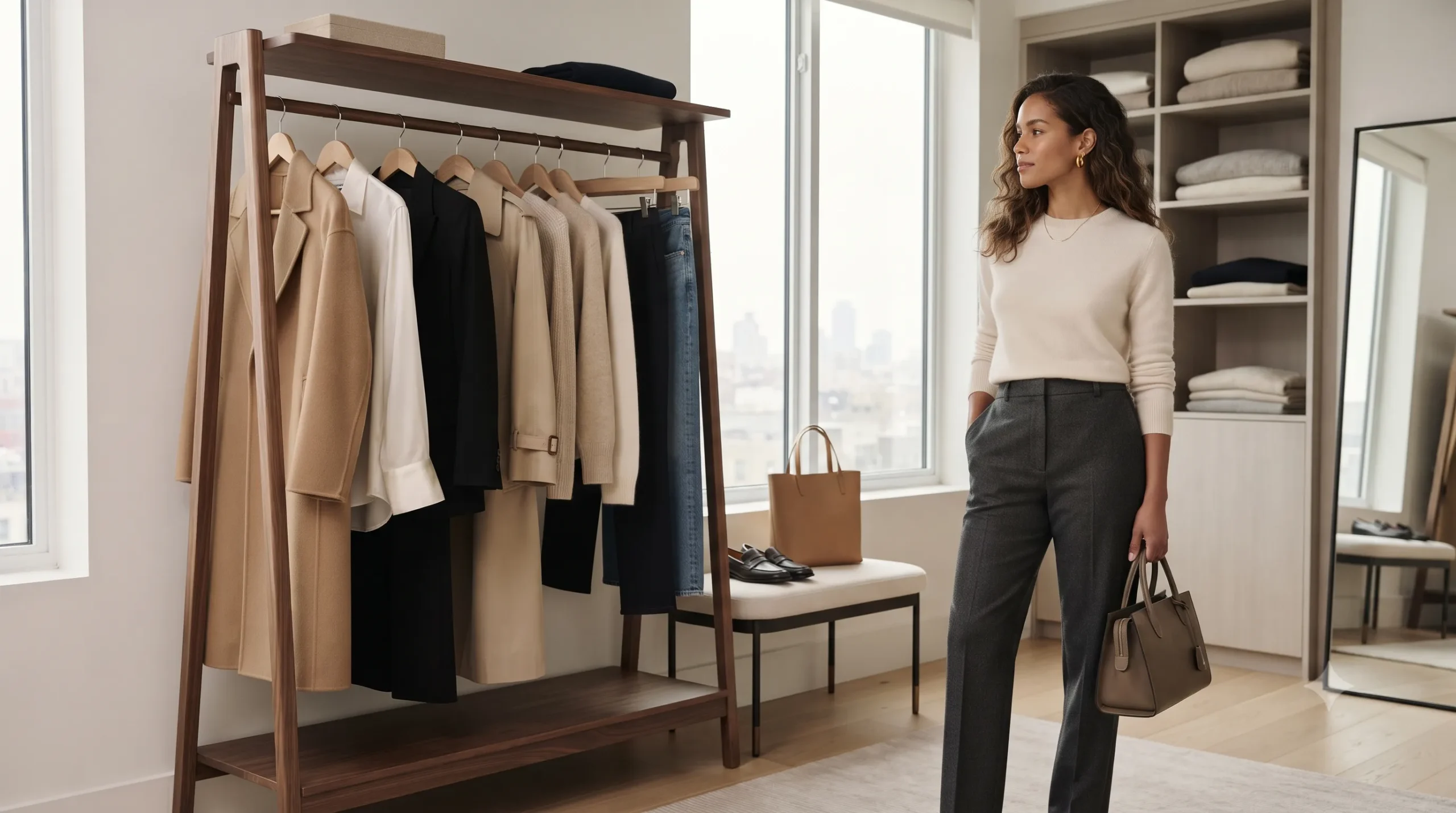
As you repeat certain combinations, you will begin to notice patterns. These are your “style formulas.” For example, you might realize that a certain cut of trouser always feels best when paired with a tucked-in knit. Recognizing these formulas allows you to get dressed with greater ease and confidence, knowing that certain combinations are “proven” winners for your body and lifestyle.
Decision Criteria for Future Acquisitions
Once you have edited your current wardrobe, the next challenge is ensuring you don’t fall back into old patterns. Moving forward, every new addition should be viewed through a lens of intentionality.
The Three-Way Rule
A practical way to vet a potential purchase is to ensure you can immediately think of at least three different ways to style it using items you already own. If a piece requires you to buy three more things just to make it wearable, it is not a foundational piece; it is a catalyst for more consumption.
Assessing the “Quiet Luxury” of Design
When looking at new pieces, look for “discreet polish.” This isn’t about the absence of detail, but the presence of thoughtful detail. Look for clean lines, interesting but not distracting textures, and a silhouette that feels balanced. High-quality construction—the way a sleeve is set or how a hem is finished—is often more important than a visible label.
Common Mistakes in Wardrobe Building
- Buying for “Someday”: This leads to a closet full of clothes that don’t match your current reality.
- The “Single-Item” Purchase: Buying a piece because it’s beautiful in isolation, without considering how it integrates into your existing color palette and silhouettes.
- Neglecting the Basics: Focusing on statement pieces (the “loud” items) while neglecting the high-quality, elevated basics (the “quiet” items) that actually make outfits work.
- Overlooking Maintenance: Thinking that a timeless wardrobe is “set it and forget it.” A true wardrobe requires care—proper storage, occasional repairs, and mindful washing—to ensure the pieces actually last for years.
Summary of Intentional Dressing
Building a wardrobe that feels both effortless and sophisticated is a slow process. It requires a shift from a consumer mindset to a curator mindset. By focusing on the quality of the pieces you keep, having the discipline to skip the fleeting and the ill-fitting, and finding joy in the repetition of your most reliable favorites, you create more than just a collection of clothes. You create a personal archive—a wardrobe that supports your life, reflects your taste, and offers a sense of calm in an often overwhelming world.
A thoughtful wardrobe is not a destination, but a practice of continuous refinement. It is about choosing pieces that feel beautiful today, remain relevant for years, and ultimately, let the woman—not the clothes—carry the room.