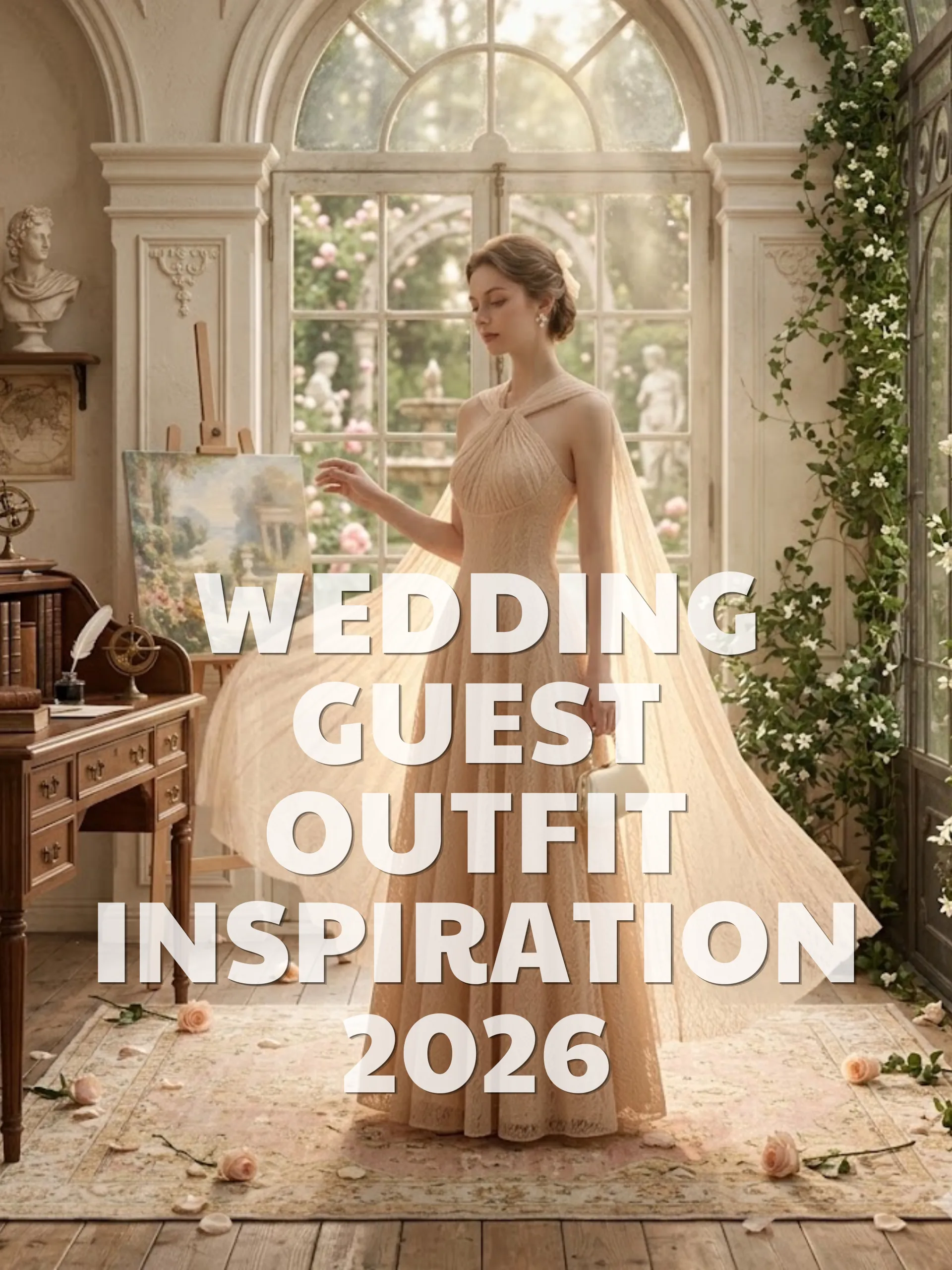
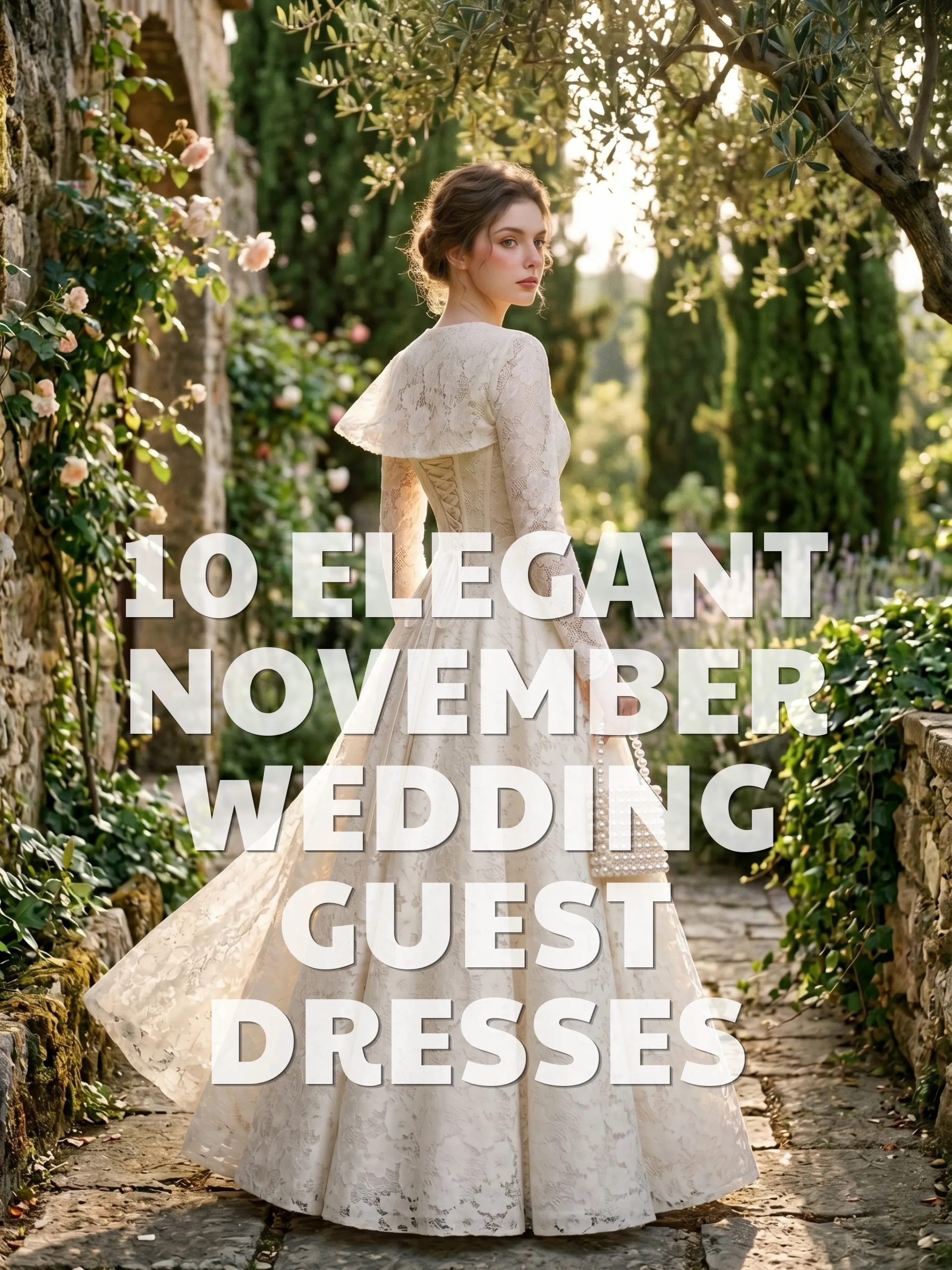
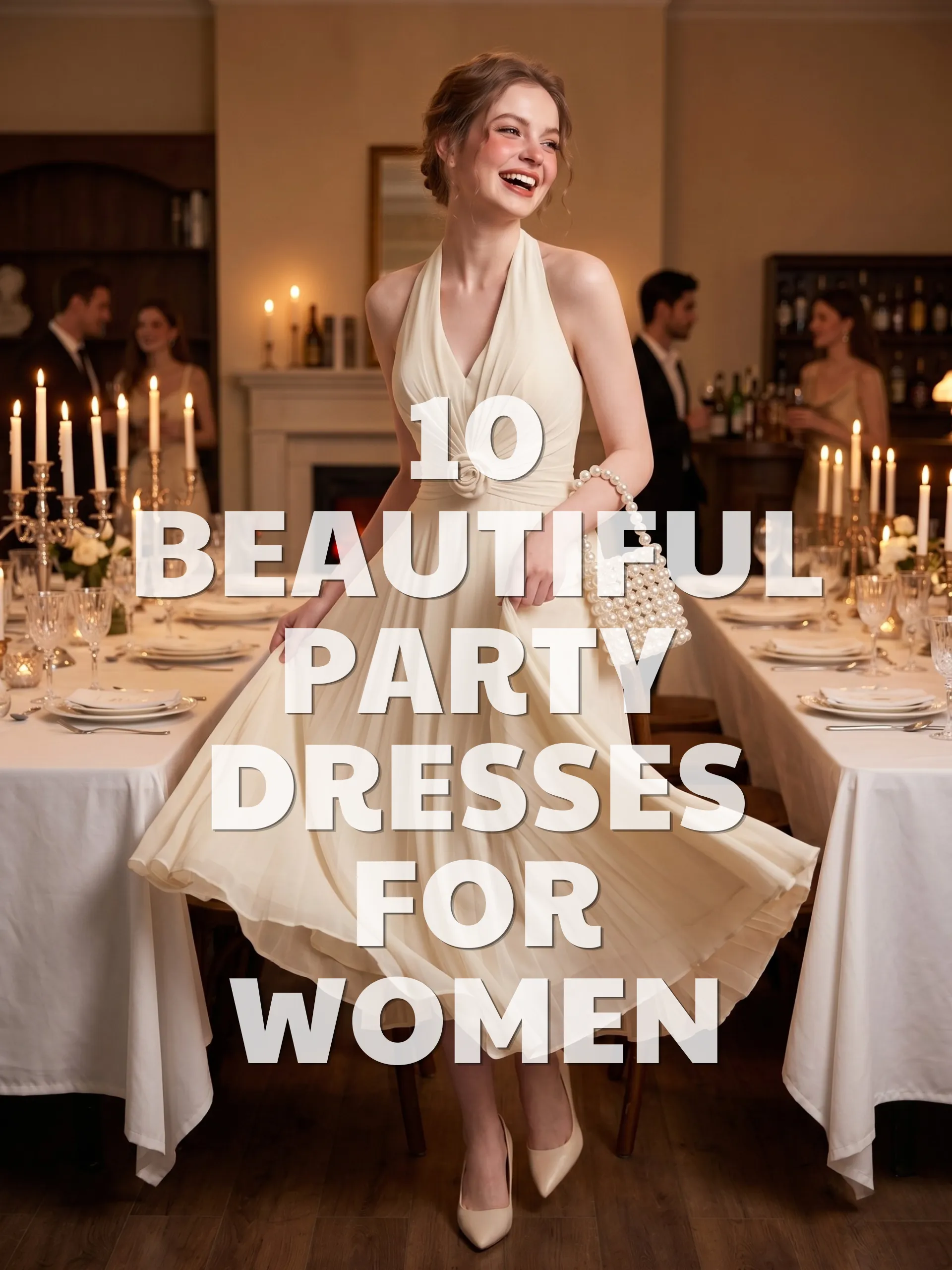
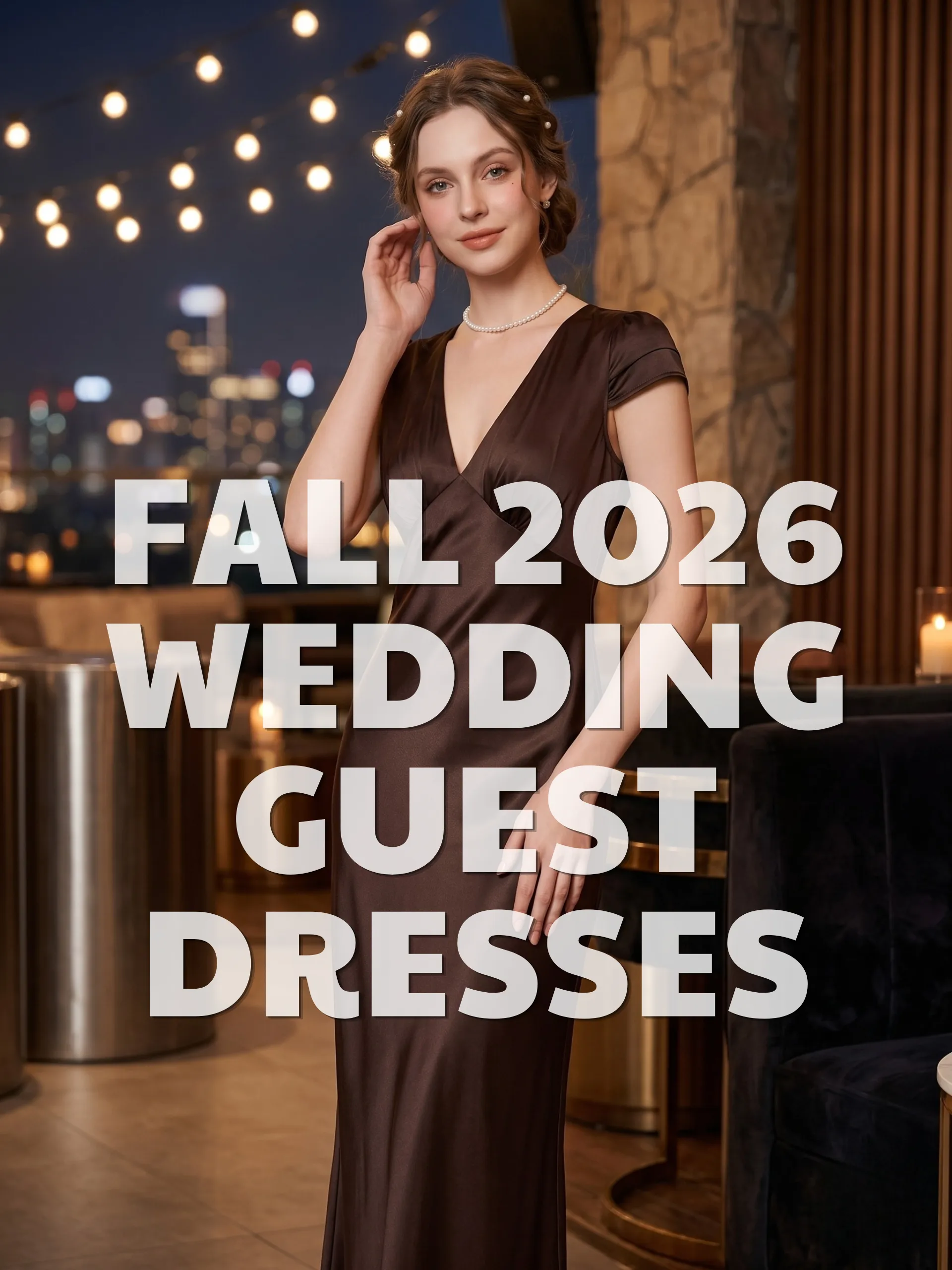
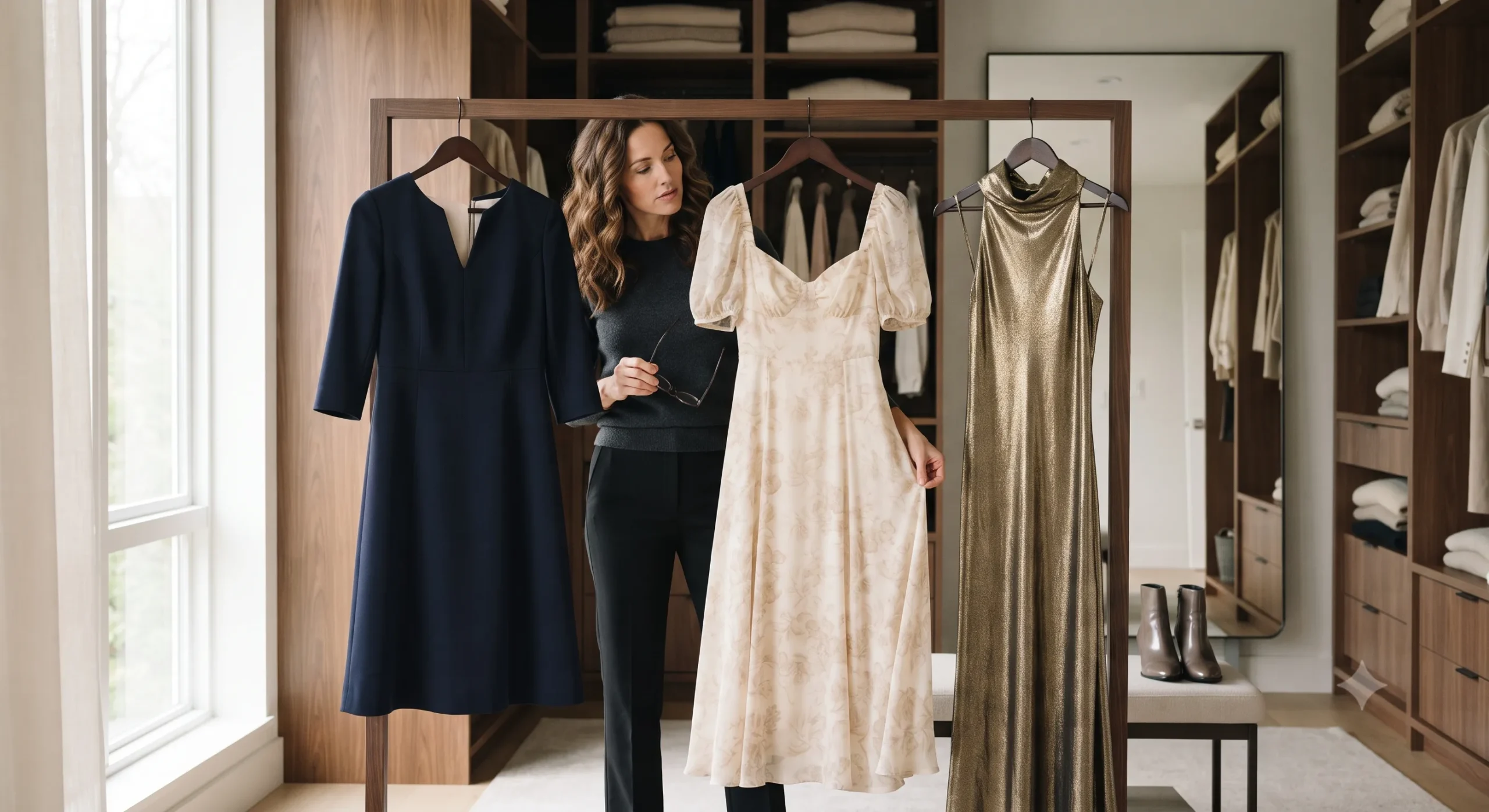
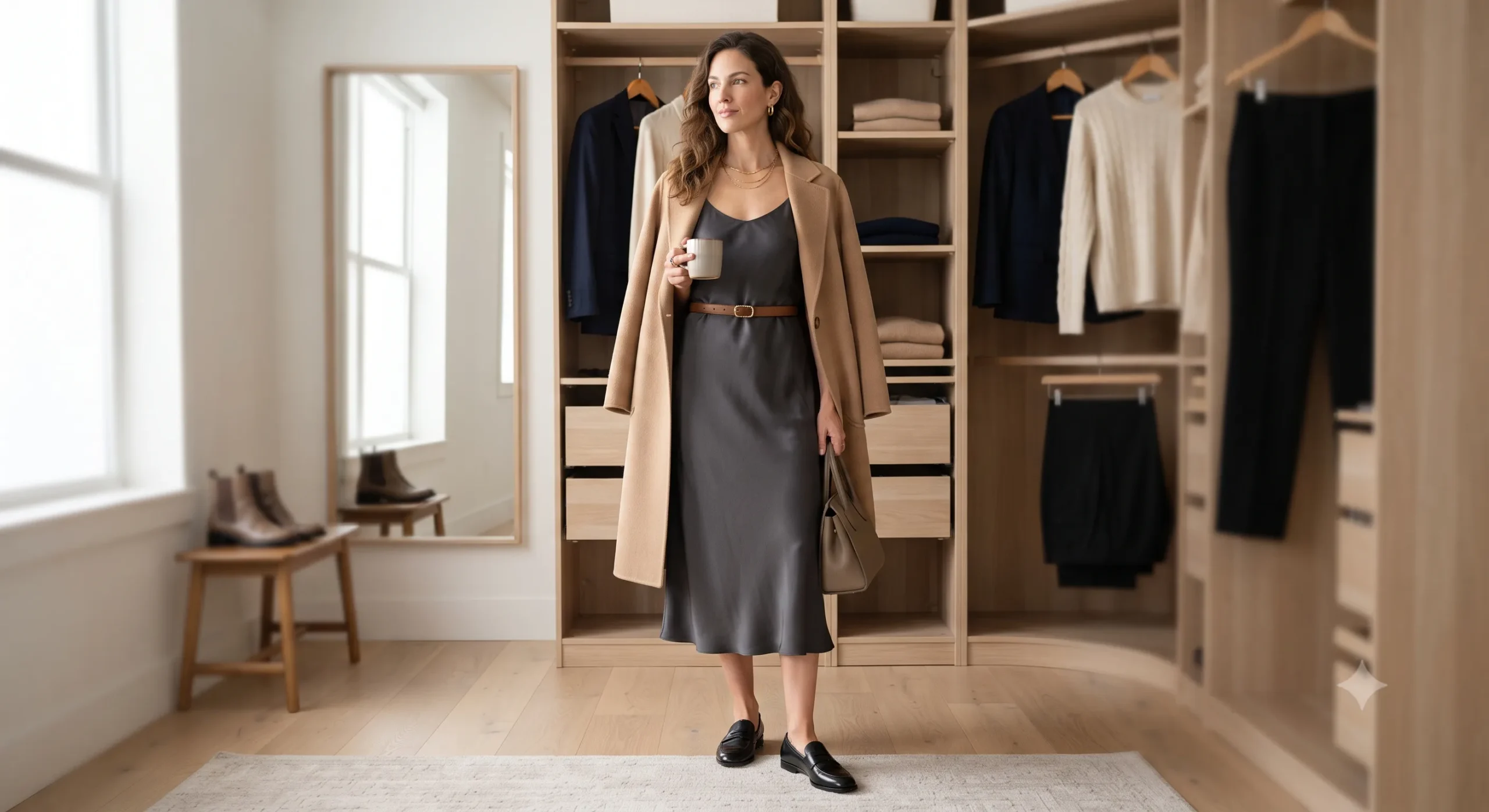
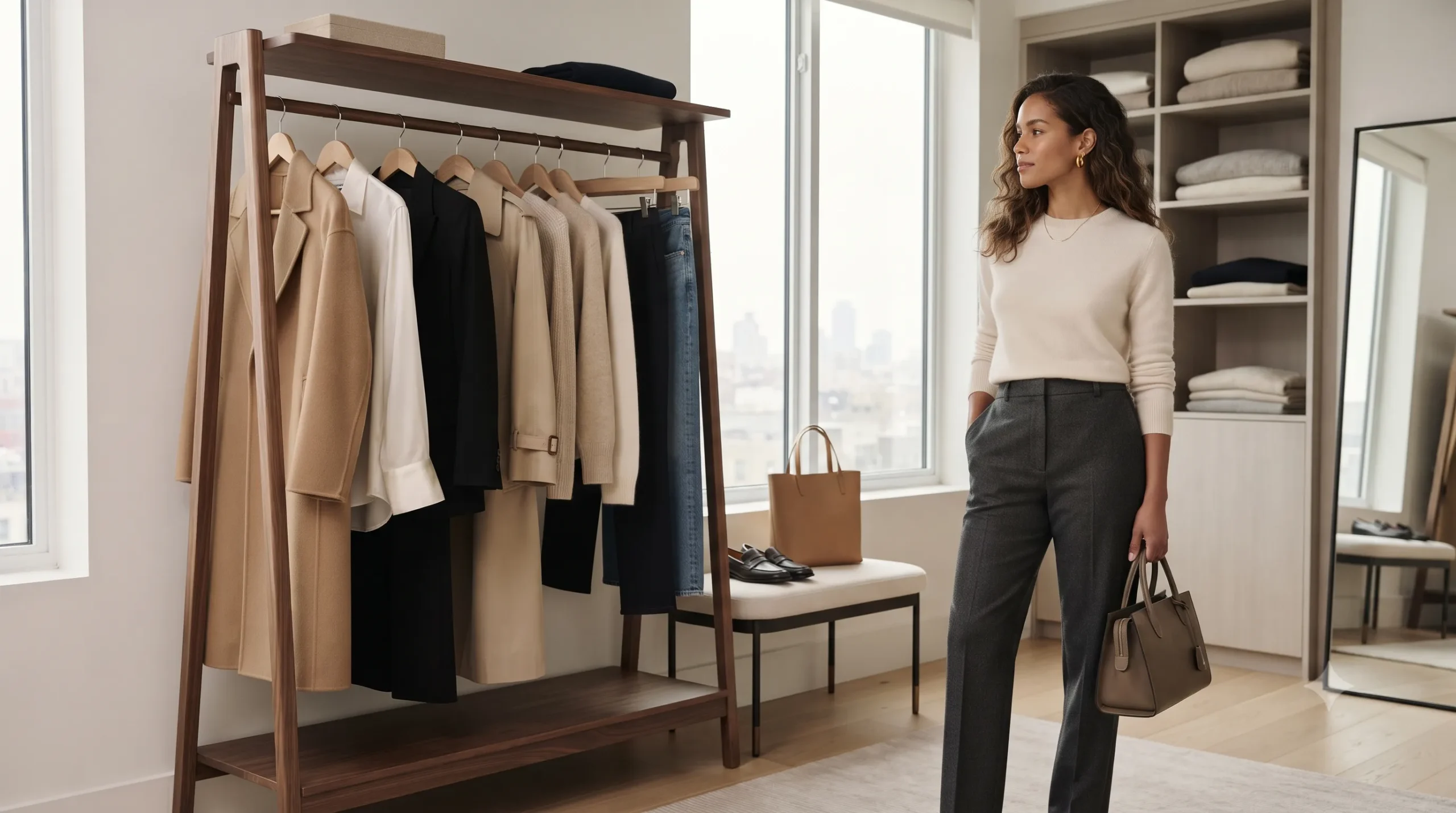
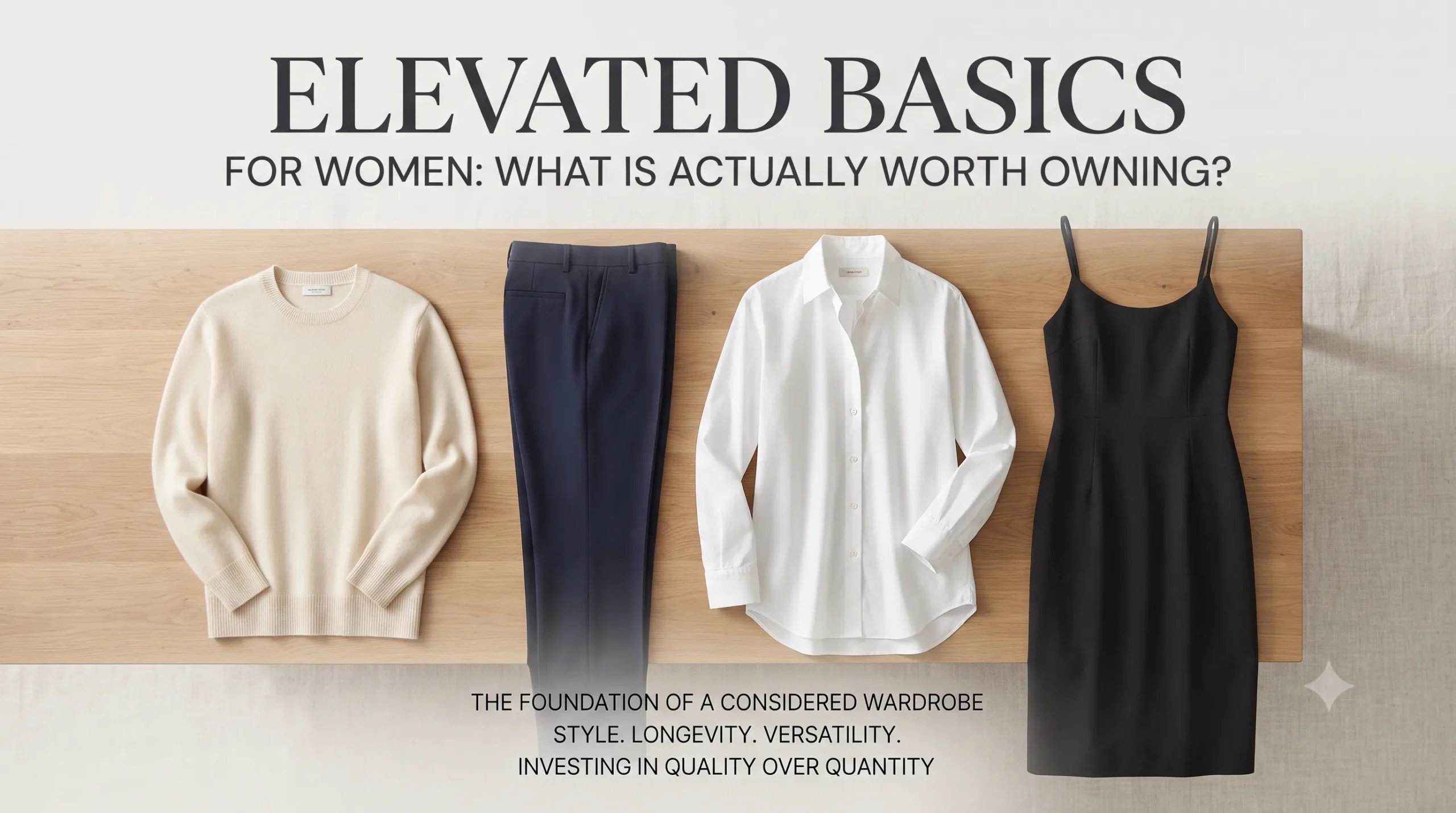
There is a specific, quiet tension that occurs when opening a wardrobe full of clothes but feeling as though nothing quite fits the person you are today. Often, the culprit isn’t a lack of pieces, but a lack of cohesion. We find ourselves caught between two extremes: the hyper-feminine aesthetic that feels overly precious or costume-like, and the ultra-minimalist trend that can feel cold, clinical, and perhaps a bit disconnected from the nuances of a woman’s personality.
In the pursuit of a more intentional wardrobe, many women find themselves searching for a middle ground—a way to dress that feels soft yet structured, romantic yet grounded, and elegant without being performative. This is the essence of refined femininity.
Refined femininity in fashion is not about adhering to a specific silhouette or a singular color palette. Rather, it is a philosophy of dressing that prioritizes graceful proportions, subtle details, and a sense of polished softness. It is a way of wearing clothes that respects the wearer’s agency, allowing the woman to remain the focal point rather than the garment itself.
Defining Refined Femininity: Beyond the Surface
To understand refined femininity, we must first distinguish it from its more common stylistic neighbors. In a fashion landscape often dominated by loud logos or extreme seasonal trends, refined femininity operates on a different frequency.
If we look at traditional femininity, we often see an emphasis on hyper-decorative elements: ruffles, bows, lace, and high-contrast floral prints. While beautiful, these can sometimes lean into a “girlish” territory that lacks the weight or authority required for a modern professional or social life.
If we look at pure minimalism, we see a focus on stark lines, neutral palettes, and a reduction of all detail. While efficient, this can sometimes feel austere, lacking the emotional warmth and tactile richness that many women desire in their daily dressing.
Refined femininity sits at the intersection of these two worlds. It adopts the softness and romanticism of the former, but tempers it with the discipline and clean lines of the latter. It is “romantic restraint.” It is the difference between a dress covered in excessive lace and a dress with a single, beautifully draped neckline that hints at softness through movement and silhouette.
The Core Pillars of the Aesthetic
For those looking to cultivate this style, it helps to view it through four distinct lenses:
- Soft Structure: This refers to garments that have a defined shape—perhaps a tailored waist or a structured shoulder—but are executed in fabrics that move with the body. It is the avoidance of stiffness in favor of a silhouette that feels lived-in and fluid.
- Graceful Proportions: Instead of chasing extreme trends (like ultra-cropped tops or oversized, shapeless tunics), refined femininity relies on balance. It considers how a voluminous skirt interacts with a tucked-in knit, or how a midi-length hemline elongates the leg.
- Subtle Sophistication: The “details” in this style are never loud. They are found in the texture of a weave, the weight of a hem, or the way a sleeve gathers slightly at the wrist. These are details that a person notices upon closer inspection, rather than from across a room.
- Emotional Longevity: A refined piece is one that feels as relevant during a quiet Tuesday morning as it does during a meaningful evening event. It is clothing designed for a life of substance, not just for a social media moment.
The Anatomy of a Refined Wardrobe
Moving from a theoretical understanding to a practical wardrobe requires a shift in how we evaluate our clothing. When shopping or editing an existing closet, the goal is to move away from “outfit pieces” (items that only work in one specific combination) and toward “considered pieces” (items that serve as the foundation for multiple, high-quality looks).
| Element | Traditional Feminine | Minimalist | Refined Femininity |
|---|---|---|---|
| Primary Goal | Decoration & Adornment | Efficiency & Neutrality | Balance & Poise |
| Key Silhouettes | Frills, Peplums, Tight Fits | Straight lines, Oversized, Boxy | Soft tailoring, Fluidity, Drape |
| Detailing | High (Lace, Bows, Prints) | Low (Clean, Seamless) | Moderate (Texture, Subtle Draping) |
| Emotional Tone | Sweet, Playful, Ornate | Cold, Sharp, Intellectual | Warm, Polished, Calm |
Building the Foundation
A thoughtful wardrobe built on refined femininity typically relies on a few key categories of garments that offer maximum versatility.
1. The Art of the Softly Tailored Layer
Instead of a sharp, rigid blazer that feels like armor, consider a structured cardigan or a relaxed-fit blazer in a high-quality wool or crepe. The goal is to provide a sense of “polish” to an outfit without sacrificing the ability to move comfortably.
2. The Versatile Midi-Length Dress
The midi dress is a cornerstone of this aesthetic. By selecting lengths that hit between the knee and the mid-calf, you achieve a sense of modesty and elegance that works across various settings. When the fabric has a natural drape, the dress feels romantic; when the cut is clean, it feels sophisticated.
3. Elevated Basics with Texture
A plain white T-shirt can feel too casual, and a heavily embellished blouse can feel too formal. The “middle way” is found in elevated basics: a high-neck knit in a fine gauge, a heavy-weight cotton poplin shirt, or a beautifully cut trouser. The “elevation” comes from the quality of the material and the precision of the fit.
Practical Styling: From Morning to Evening
One of the most frequent questions regarding this style is how to actually wear it without feeling like you are wearing a uniform. The secret lies in the interplay of textures and the intentionality of your accessories.
Scenario A: The Professional Day
Imagine a Tuesday morning where you have back-to-back meetings and a lunch engagement.
- The Base: A pair of wide-leg trousers in a neutral tone (camel, navy, or cream) paired with a fine-knit sweater.
- The Refined Touch: The sweater should be tucked in to create a clear waistline, providing a “soft structure” to the silhouette.
- The Polish: Add a leather loafer and a structured handbag. The look is professional and authoritative, yet the softness of the knitwear ensures you don’t appear unapproachable.
Scenario B: The Weekend Transition
For a Saturday spent at a gallery or a brunch with friends.
- The Base: A midi-length skirt in a slightly heavier fabric (like a structured cotton or a light wool blend) paired with a simple, well-fitted bodysuit or tucked blouse.
- The Refined Touch: Layer with a long, lightweight coat that mirrors the lines of the skirt.
- The Polish: A pair of ballet flats or refined ankle boots. The focus here is on “graceful proportion”—ensuring the volume of the skirt is balanced by the streamlined nature of the top.
Scenario C: The Occasion Evening
For a wedding guest outfit or a formal dinner.
- The Base: A dress with subtle romantic details—perhaps a subtle gathering at the waist or an elegant neckline—in a deep, muted jewel tone or a soft pastel.
- The Refined Touch: Avoid excessive jewelry. Instead, let the silhouette of the dress be the statement.
- The Polish: A single pair of sculptural earrings or a delicate necklace. The goal is “low-key elegance,” where the quality of the garment does the heavy lifting.
Common Pitfalls and How to Avoid Them
Even with the best intentions, it is easy to accidentally veer into the extremes we discussed earlier. Understanding these common mistakes can help you maintain the delicate balance of refined femininity.
1. Mistaking “Simple” for “Unfinished”
Because this style relies on subtle details, there is a risk of wearing clothes that look plain or even sloppy. A refined piece must look intentional. This means checking the fit: a relaxed silhouette should still follow the lines of the body, and a loose garment should never look like it is simply too large. If a piece lacks detail, it must compensate with superior fabric and impeccable tailoring.
2. Over-Accessorizing
In an attempt to “add femininity,” many women reach for heavy jewelry, large floral prints, or bright colors. In refined femininity, the accessory should serve to highlight the garment, not compete with it. If your dress has a beautiful drape, a heavy statement necklace will actually disrupt the visual flow.
3. Ignoring Fabric Behavior
A significant part of this aesthetic is how clothing moves. If you purchase a garment that is beautiful in a photo but feels stiff or “crunchy” in reality, it will fail to achieve that sense of polished softness. When investing in pieces, ask yourself: How does this fabric behave when I walk? Does it cling awkwardly, or does it flow gracefully?
4. The “Costume” Trap
Romanticism can easily become “costumey” if you lean too heavily into historical or overly decorative tropes. To avoid this, always pair one romantic element with one grounded element. If you are wearing a skirt with a delicate print, pair it with a structured blazer or a crisp button-down. This creates a “modern romantic” look rather than a period-piece aesthetic.
A Decision Framework for Your Next Purchase
When you find yourself standing in a fitting room or browsing an online collection, use the following checklist to determine if a piece aligns with a refined, long-term wardrobe.
- The Versatility Test: Can I think of at least three different ways to wear this using pieces I already own? (e.g., Can this dress work with sneakers for the weekend and heels for a wedding?)
- The Texture Check: Does the fabric feel substantial and high-quality? Does it have a visual depth that makes it look “expensive” without needing a logo?
- The Proportion Check: Does this garment create a balanced silhouette, or does it feel like it’s wearing me?
- The Longevity Question: Will I still feel comfortable and elegant in this piece two years from now, regardless of what the current “it-girl” trend is?
Summary: The Quiet Power of Intentional Dressing
Refined femininity is ultimately about a sense of ease. It is the confidence that comes from knowing your clothes are an extension of your character—polished, thoughtful, and respectful of both tradition and modernity.
By focusing on soft structure, graceful proportions, and a degree of romantic restraint, you move away from the exhaustion of trend-chasing and toward a more sustainable, emotionally fulfilling relationship with your wardrobe. You stop dressing for the “moment” and start dressing for the woman you are becoming.
In the end, the most beautiful thing a woman can wear is a sense of composed, quiet grace. The clothes are simply the medium through which that grace is expressed.