We have all experienced that specific, quiet frustration of standing before a closet brimming with clothes, yet feeling as though we have nothing to wear. It is a phenomenon that rarely stems from a lack of quantity; rather, it arises from a lack of cohesion. Most wardrobes are filled with “momentary” pieces—items that captured a fleeting trend or served a singular, highly specific purpose—leaving a void where functional, beautiful, and reliable style should live.
True modern feminine style is not about the pursuit of more; it is about the pursuit of better. It is the art of building a wardrobe that feels like a personal sanctuary rather than a collection of disparate impulses. Refined everyday dressing moves away from the loud, logo-driven aesthetics of fast fashion and moves toward a more considered approach: one rooted in proportion, texture, and a sense of calm sophistication. When we shift our focus from “what is new” to “what is lasting,” we stop dressing for the scrutiny of others and start dressing for the reality of our own lives.
The Philosophy of Refined Everyday Dressing
To dress with refinement is to embrace a certain level of restraint. This does not mean dressing in a way that is colorless or boring; rather, it means ensuring that every piece earns its place through its ability to communicate quality and intent.
Refined style often intersects with the concept of quiet luxury. While the term is frequently used in marketing, in a practical sense, quiet luxury is less about a price tag and more about the visual calm created by excellent fit and thoughtful fabric choices. It is the difference between a garment that looks “expensive” because of a brand name and a garment that looks high-quality because the drape is perfect and the seams are precise.
Modern feminine dressing today is also characterized by “polished softness.” We are moving away from the overly rigid, hyper-structured corporate wear of previous decades and toward silhouettes that allow for movement and grace. This involves a balance of textures—pairing a structured blazer with a fluid skirt, or a crisp cotton shirt with a soft knit—to create depth without needing excessive ornamentation.
Key Principles of a Thoughtful Wardrobe
To transition from a trend-heavy closet to a refined everyday wardrobe, consider these three foundational pillars:
- Cohesion Over Collection: Every new addition should ideally speak to at least three items you already own. If a piece requires a completely new set of shoes, accessories, and a specific top just to work, it is a high-maintenance outlier, not a wardrobe builder.
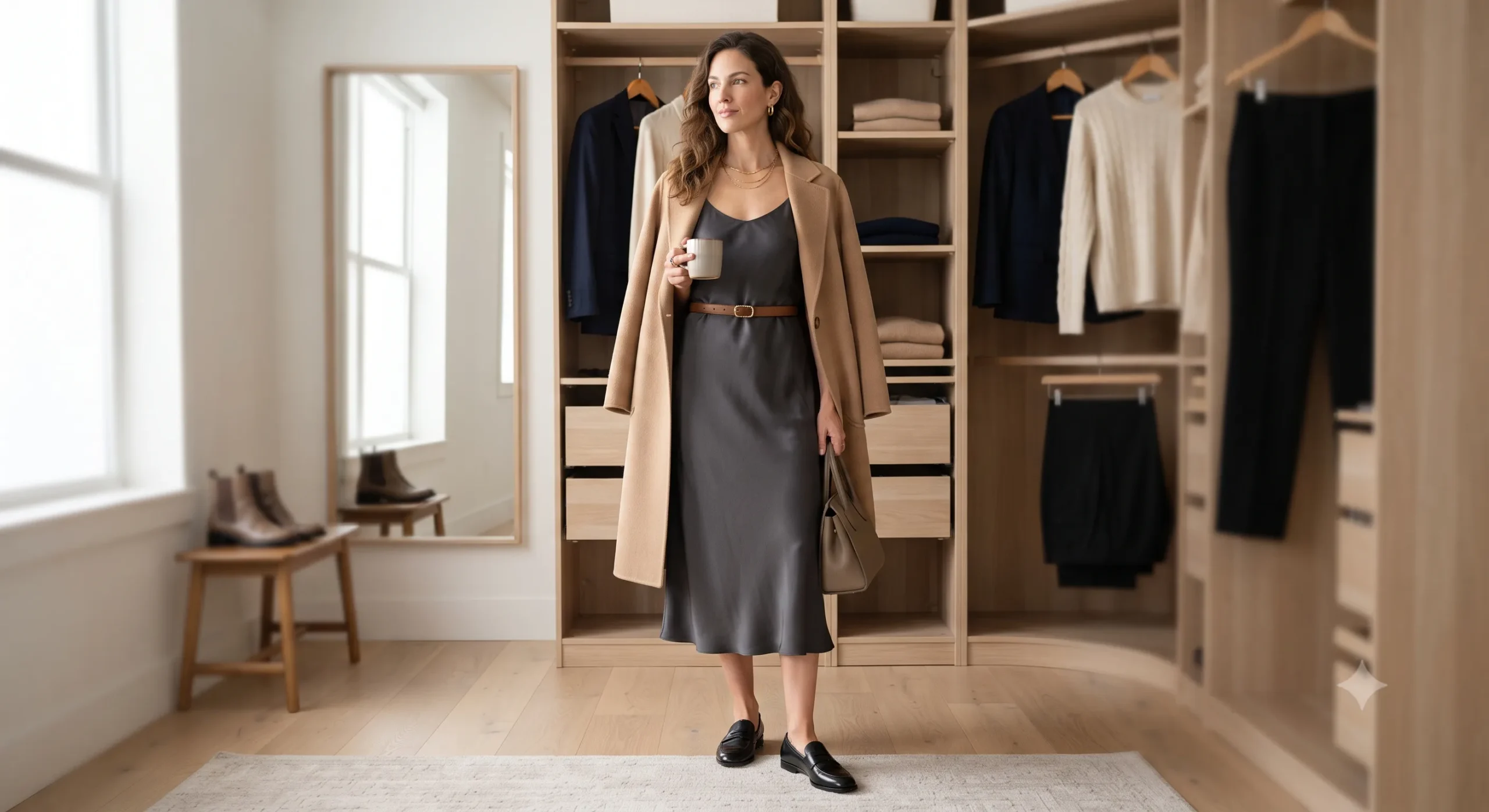
- The Logic of Versatility: A refined wardrobe prioritizes pieces that bridge the gap between different contexts. A well-cut midi dress can work for a professional meeting with a blazer, or for a weekend brunch with a light knit and loafers.
- Emotional Longevity: We often buy clothes based on an idealized version of ourselves—the version that goes to every gala or attends every gallery opening. Refined dressing asks: Does this piece work for the woman I am on a Tuesday morning? If a garment doesn’t feel comfortable or appropriate for your actual daily rhythm, it will eventually become “closet clutter.”
Navigating the Nuances: Texture, Proportion, and Color
When we move away from loud patterns and logos, the “work” of an outfit shifts to the more subtle elements of design. This is where true style is expressed.
The Power of Texture
Texture is the most underrated tool in the pursuit of refined dressing. In a monochromatic or neutral outfit, texture provides the visual interest that prevents the look from appearing flat. For example, a cream-colored outfit composed of a heavy wool trouser and a fine-gauge knit sweater feels intentional and rich. The contrast between the matte wool and the soft knit creates a sensory experience that a single-fabric outfit simply cannot replicate.
Mastering Proportion
Refined style relies heavily on how a garment interacts with the body’s silhouette. The goal is often “graceful proportion”—the ability to balance volumes so that the wearer feels both held and free.
- The Rule of Balance: If you are wearing a more voluminous bottom, such as wide-leg trousers, a more fitted or tucked-in top helps define the waist and prevents the silhouette from looking overwhelming.
- The Role of Length: The hemline of a skirt or the length of a coat can fundamentally change the “vibe” of an outfit. A midi-length skirt offers a classic, modest elegance, while a slightly shorter hemline can feel more contemporary and energetic.
A Sophisticated Color Palette
While many associate refined style with strictly neutrals, a modern romantic approach allows for a more nuanced palette. The key is to choose colors that feel grounded. Instead of neon or highly saturated primary colors, look toward “desaturated” tones: sage green instead of bright green, dusty rose instead of hot pink, or navy instead of electric blue. These colors are easier to layer and tend to age more gracefully within a wardrobe.
| Element | Trend-Chasing Approach | Refined Everyday Approach |
|---|---|---|
| Focus | Seasonal fads and “must-haves” | Timelessness and personal utility |
| Fit | Often extreme (ultra-tight or ultra-oversized) | Balanced, intentional proportions |
| Detailing | Heavy logos, loud prints, excessive hardware | Subtle textures, fine seams, understated hardware |
| Color | High-contrast, seasonal “it” colors | Cohesive, versatile, and grounded palettes |
| Longevity | Low (intended for a single season) | High (intended for years of wear) |
Practical Scenarios: Bringing Theory into Reality
It is easy to discuss the philosophy of style, but the true test is the morning routine. How do these concepts apply when you are rushing to a meeting or preparing for a social engagement?
Scenario 1: The Professional Transition
The Goal: An outfit that commands respect in a meeting but feels soft enough for a post-work dinner.
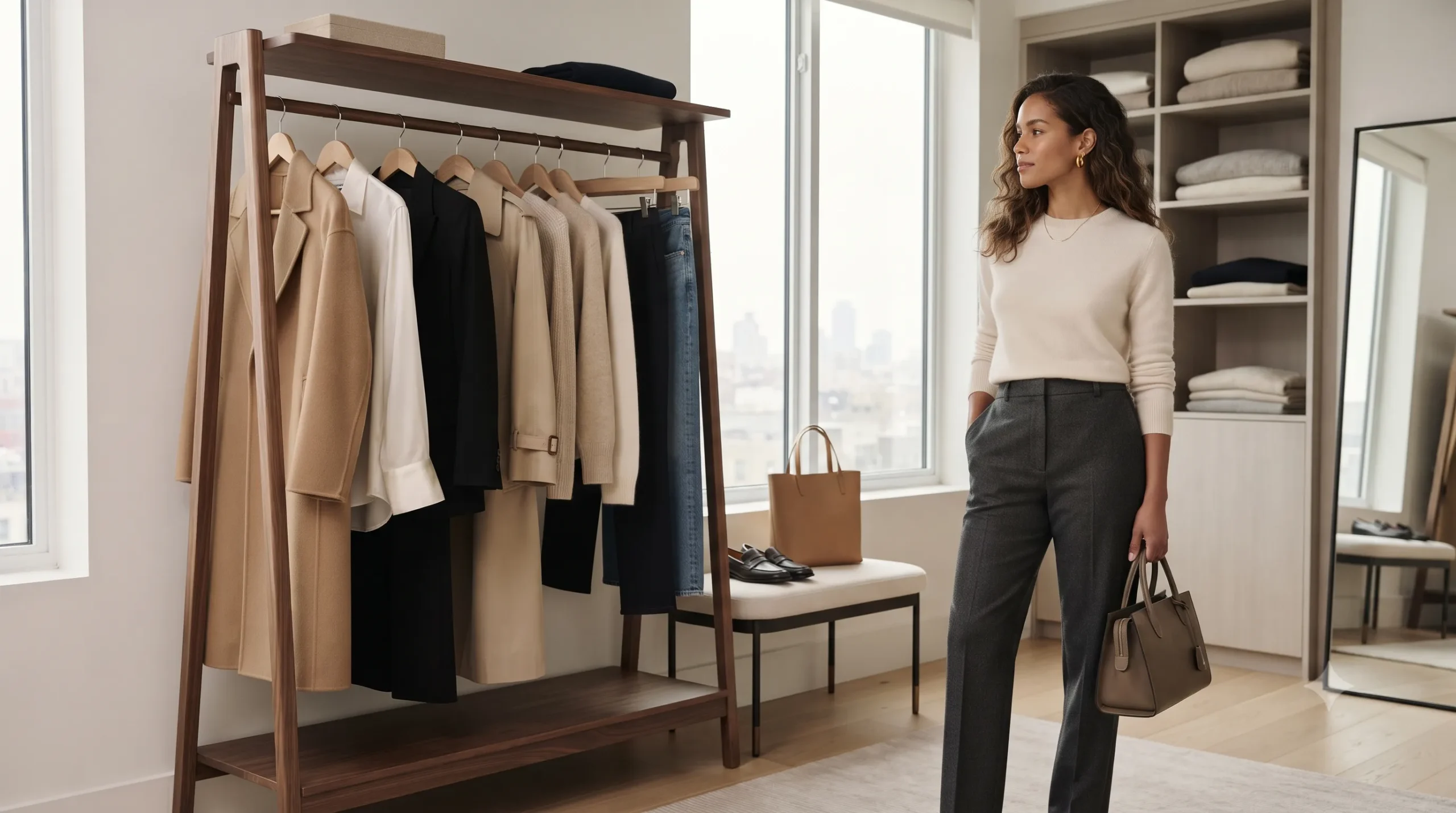
The Solution: A pair of high-waisted, tailored trousers in a mid-weight fabric like crepe or fine wool. Pair these with a modest, feminine blouse featuring a subtle detail—perhaps a soft pleat or a gentle neckline. To finish, add a structured blazer. This combination uses “soft structure” to project competence while maintaining a romantic, feminine edge.
Scenario 2: The Elevated Weekend
The Goal: Looking polished while prioritizing comfort for errands or a casual lunch.
The Solution: A high-quality knit midi dress. The midi length provides an elegant silhouette, while the knit fabric ensures ease of movement. Layering a structured trench coat or a classic denim jacket (in a dark wash) over the dress adds a layer of “practical elegance,” making the outfit feel complete rather than underdressed.
Scenario 3: The Occasion Event
The Goal: Attending a wedding or an evening event without feeling like you are wearing a costume.
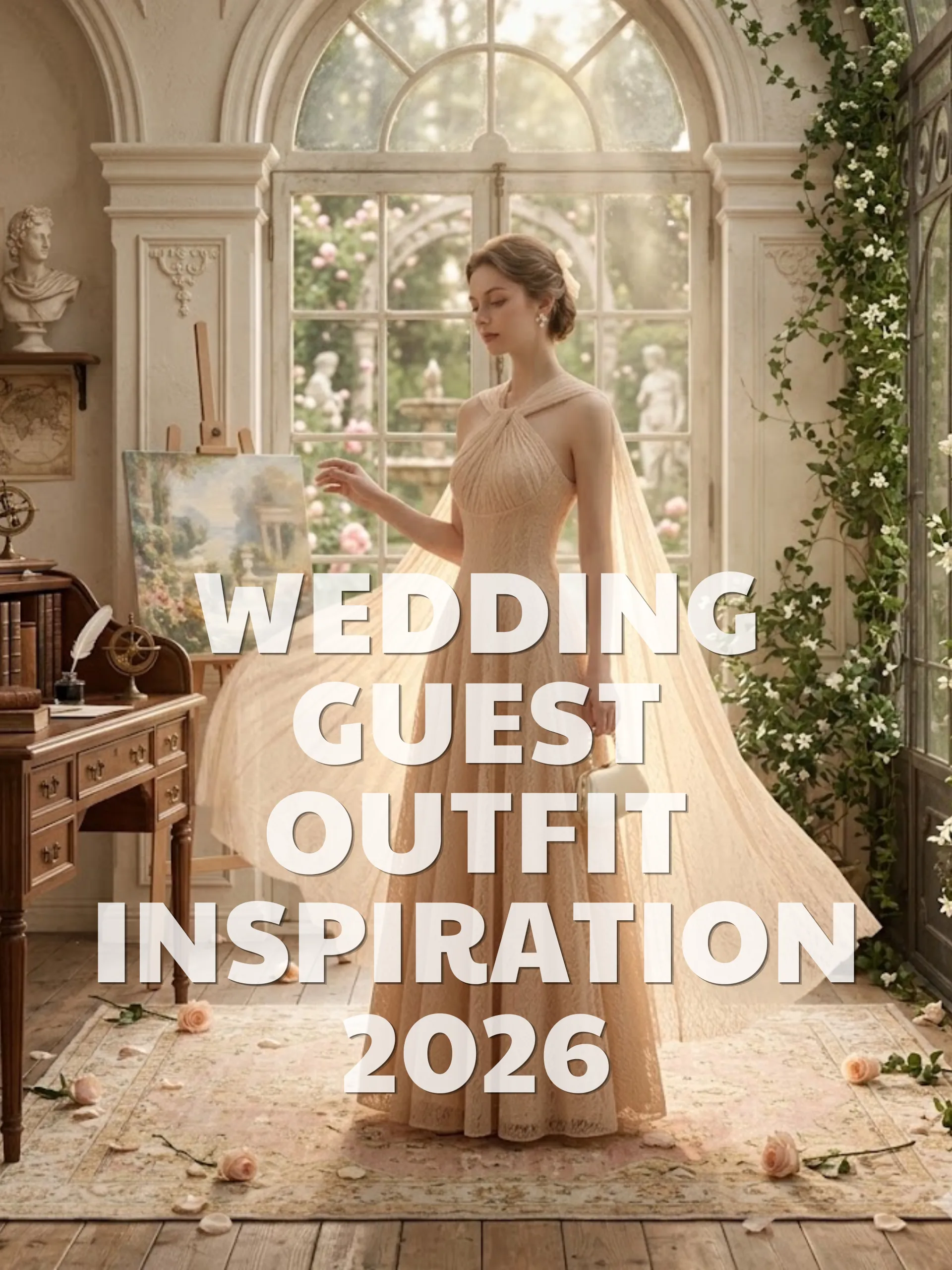
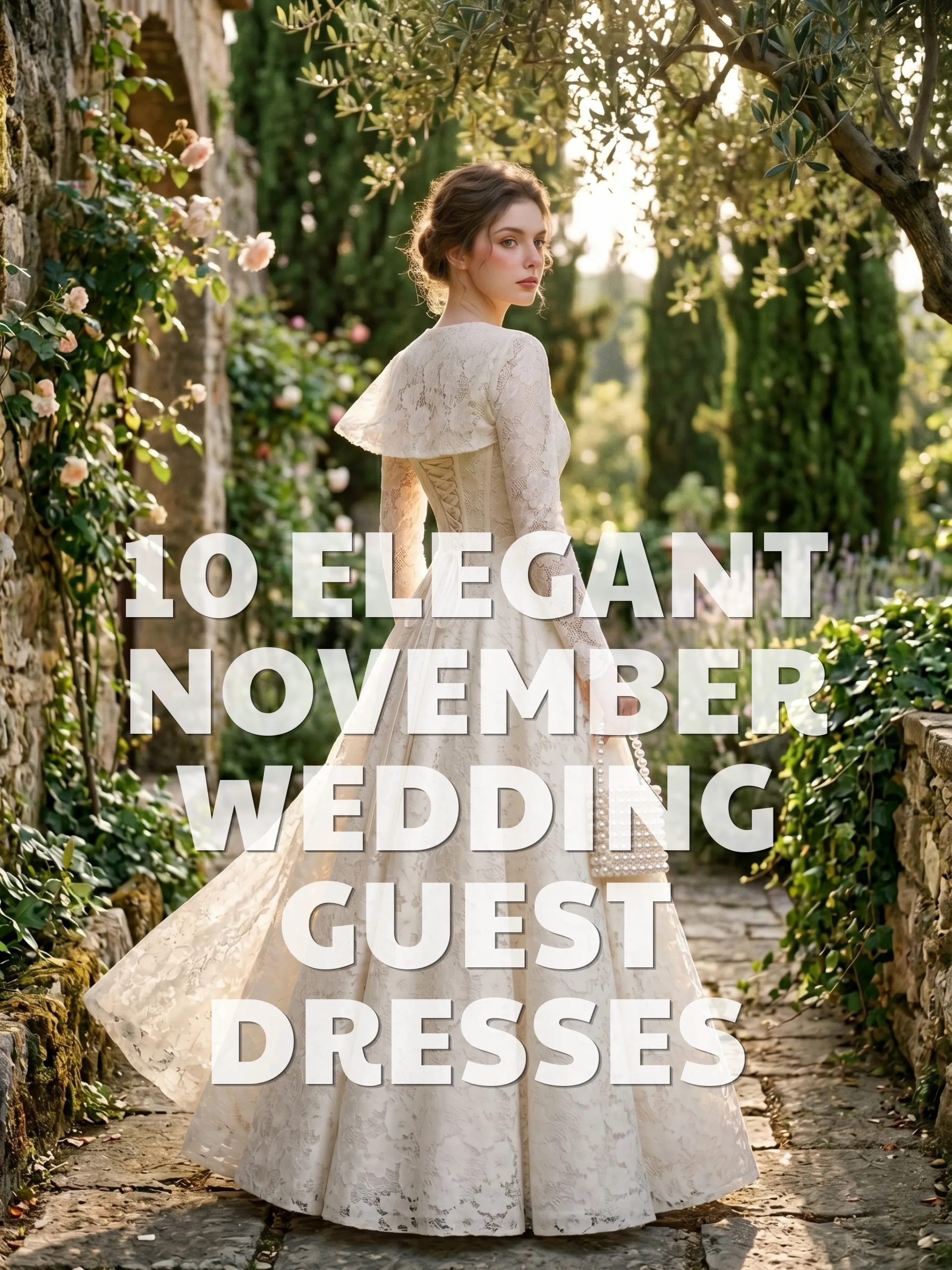
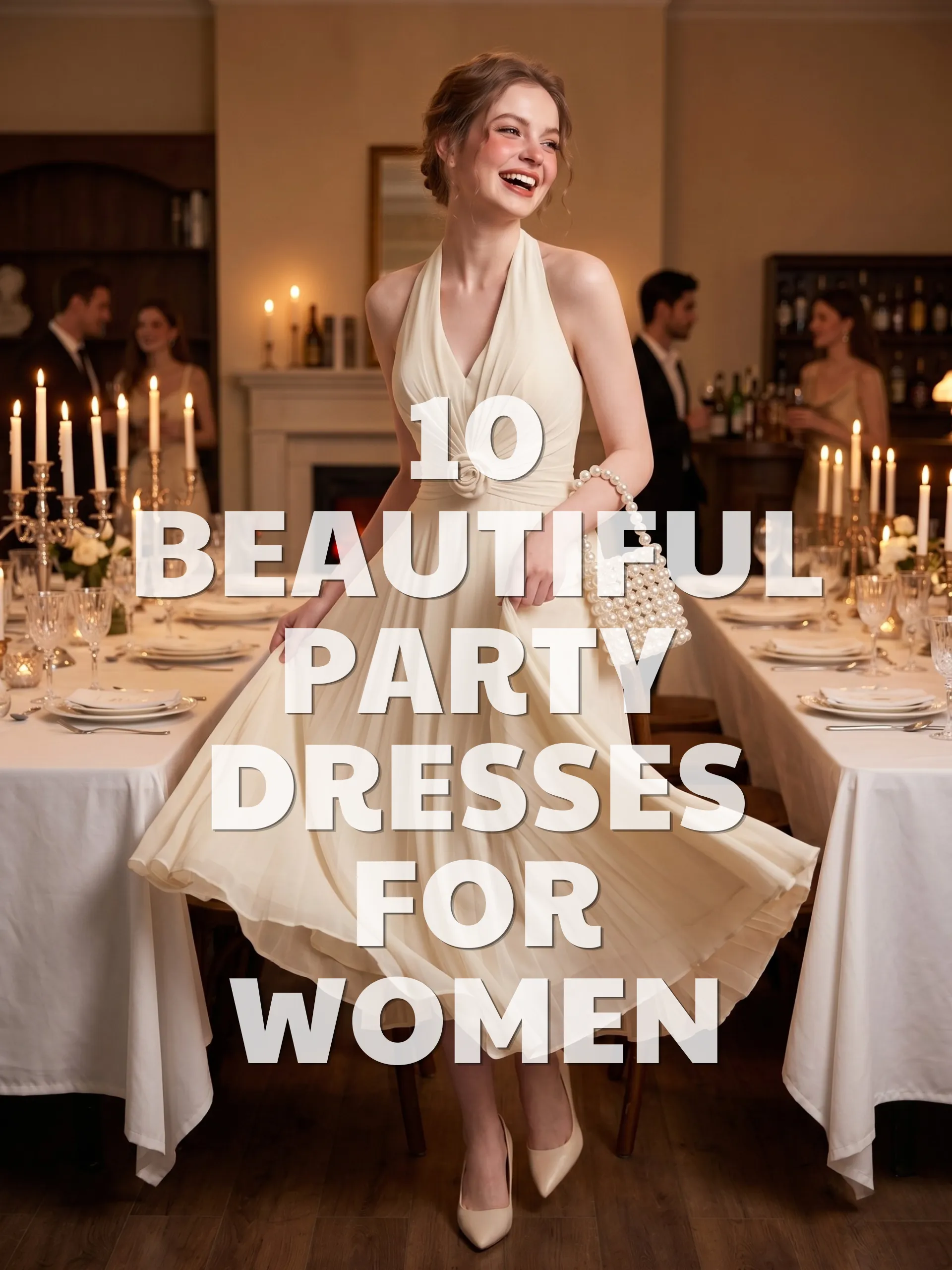
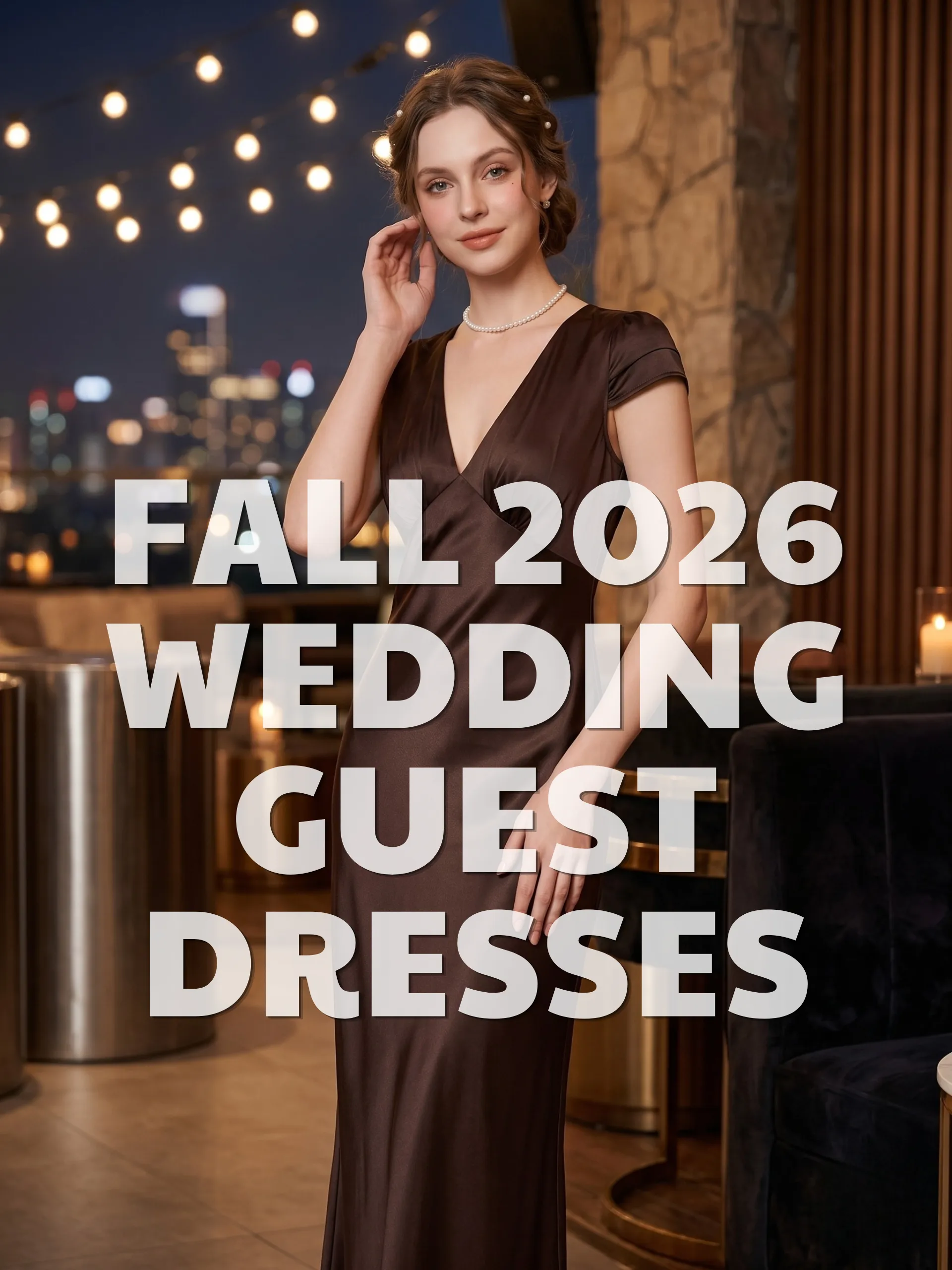
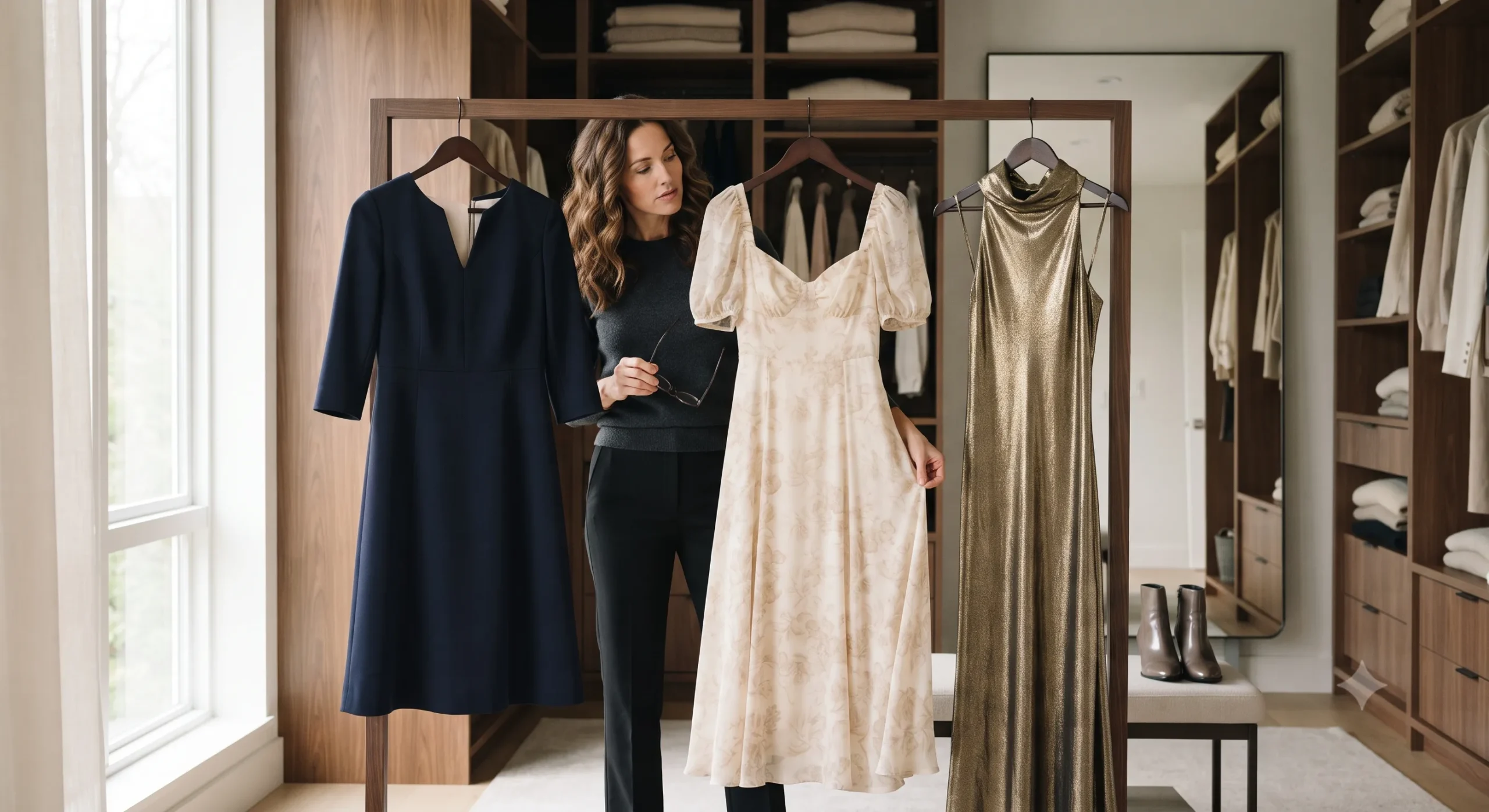
The Solution: Rather than reaching for something overly sequined or trend-heavy, opt for a dress with exceptional drape and a singular, beautiful detail—such as a sculptural sleeve or a refined neckline. Focus on the quality of the fabric. A garment that moves beautifully as you walk will always look more sophisticated than one that relies on embellishment to catch the eye.
Common Pitfalls in Building a Refined Wardrobe
Even with the best intentions, it is easy to fall into patterns that undermine a thoughtful wardrobe. Recognizing these mistakes is the first step toward correction.
1. The “Single-Use” Trap
Many women fall into the habit of buying “event” clothes—items that are beautiful but can only be worn once or twice. This creates a wardrobe of ghosts: clothes that take up space and mental energy but offer no daily utility. Before purchasing, ask: Can I wear this with at least three things I already own?
2. Ignoring the Importance of Maintenance
Refined dressing is heavily dependent on the condition of your clothes. A beautiful, high-quality sweater loses its elegance the moment it is covered in pills, or a tailored trouser looks unpolished if the hem is fraying. Investing in a “long-term wardrobe” means investing in garment care—learning how to properly steam, brush, and store your pieces.
3. Over-complicating the Silhouette
There is a common misconception that “more is more” when it comes to accessories. In refined dressing, accessories should serve to anchor an outfit, not overwhelm it. If you are wearing a statement earring, perhaps skip the heavy necklace. If your outfit has a beautiful texture, let that be the focal point rather than a loud belt or scarf.
4. Neglecting Fit for the Sake of Size
A garment may be the “correct” size on the tag, but if it pulls at the bust or sags at the waist, it will never look refined. Refined dressing often requires a relationship with a tailor. Small adjustments—shortening a hem, taking in a waist, or adjusting a sleeve—are what turn a “good” garment into a “perfect” one.
The Economics of Style: Cost-Per-Wear and Value
A common barrier to refined dressing is the perception that it is prohibitively expensive. However, this is often a misunderstanding of how value works in fashion. When we approach clothing with an “intentional wardrobe” mindset, we move away from the cycle of cheap, disposable purchases and toward a logic of cost-per-wear.
Cost-per-wear is a simple but transformative way to view a purchase. A $20 fast-fashion top that you wear three times before it loses its shape has a much higher “cost” in terms of long-term value than a $150 well-made blouse that you wear fifty times over two years.
By choosing fewer, better pieces, you are essentially pre-paying for your future wardrobe. This approach reduces the “decision fatigue” that comes with a cluttered closet and provides a sense of psychological calm. There is an inherent luxury in knowing that every item you reach for is something you genuinely love, fits well, and makes you feel like the best version of yourself.
Decision Framework for New Purchases
When you find a piece that captures your interest, run it through this mental checklist to ensure it aligns with a refined, modern romantic style:
- Versatility: Can I style this for at least two different settings (e.g., work and weekend)?
- Fabric Integrity: Does the material feel substantial? Will it hold its shape after several washes?
- Detailing: Are the closures, seams, and finishes high quality, or do they feel rushed?
- Emotional Connection: Does this garment reflect my actual lifestyle, or an idealized version of it?
- Longevity: If I look at a photo of myself in this five years from now, will I still feel it was a thoughtful choice?
Toward a More Intentional Way of Dressing
Refining your style is not a destination, but a practice. It is a continuous process of editing, observing, and refining your relationship with the things you wear. As you move away from the noise of the trend cycle, you will likely find that your style becomes quieter, more personal, and significantly more powerful.
Modern feminine style is not about performing a role or adhering to a rigid set of rules. It is about finding clarity in your choices. It is the confidence that comes from knowing you are dressed with intention, in pieces that respect both your body and your lifestyle. When we dress with restraint and care, we aren’t just putting on clothes; we are curating the visual language of our daily lives.