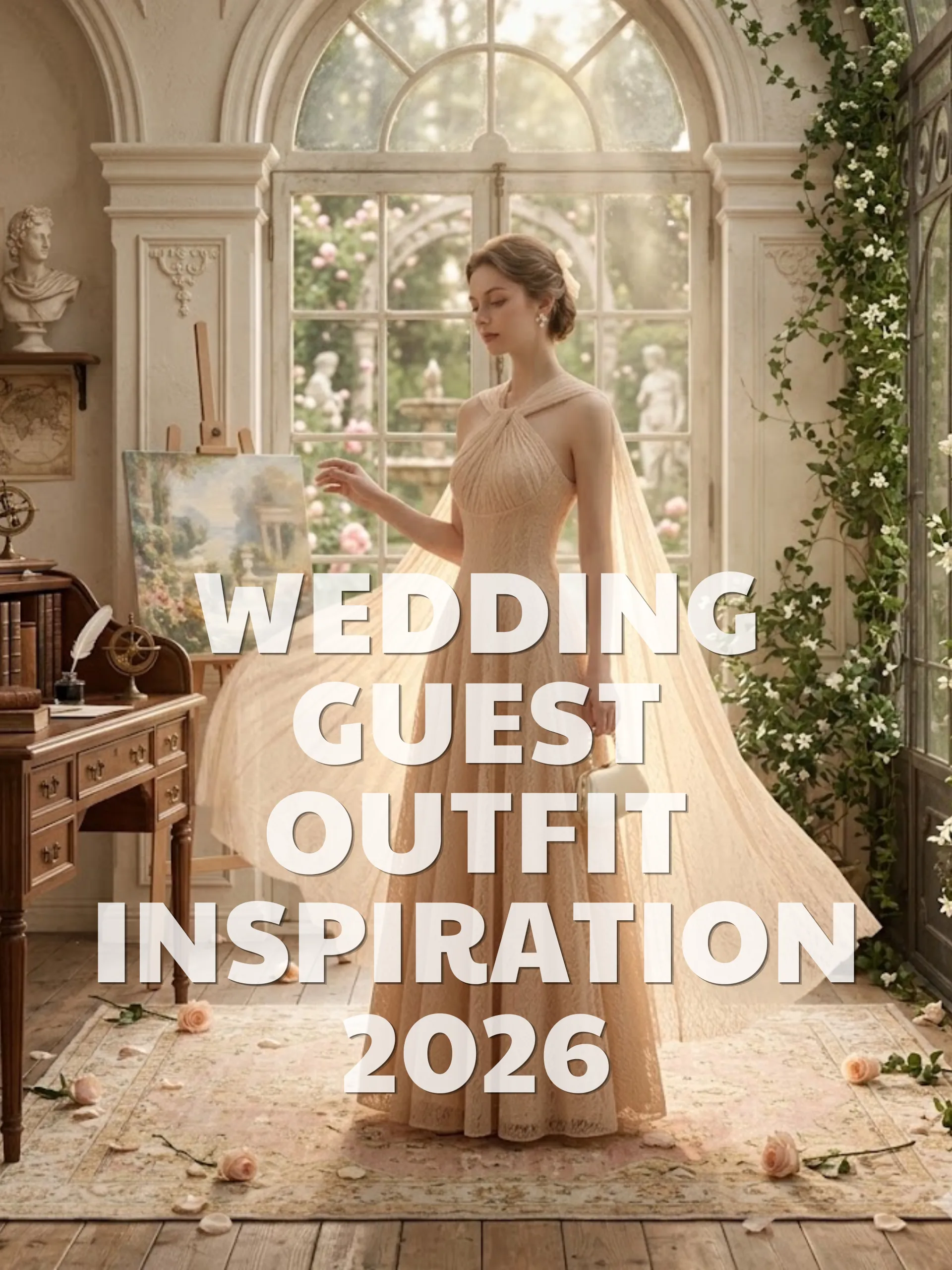
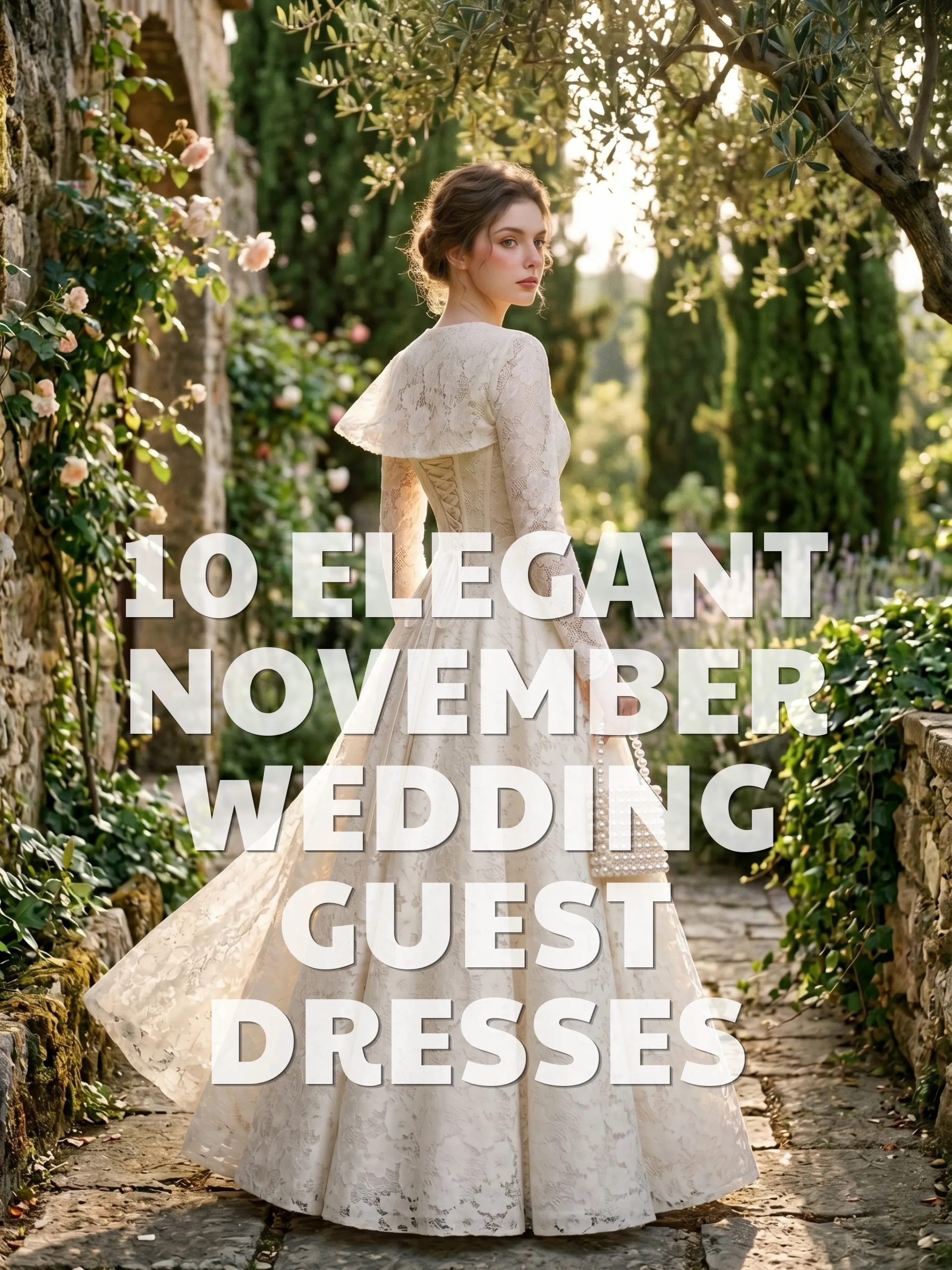
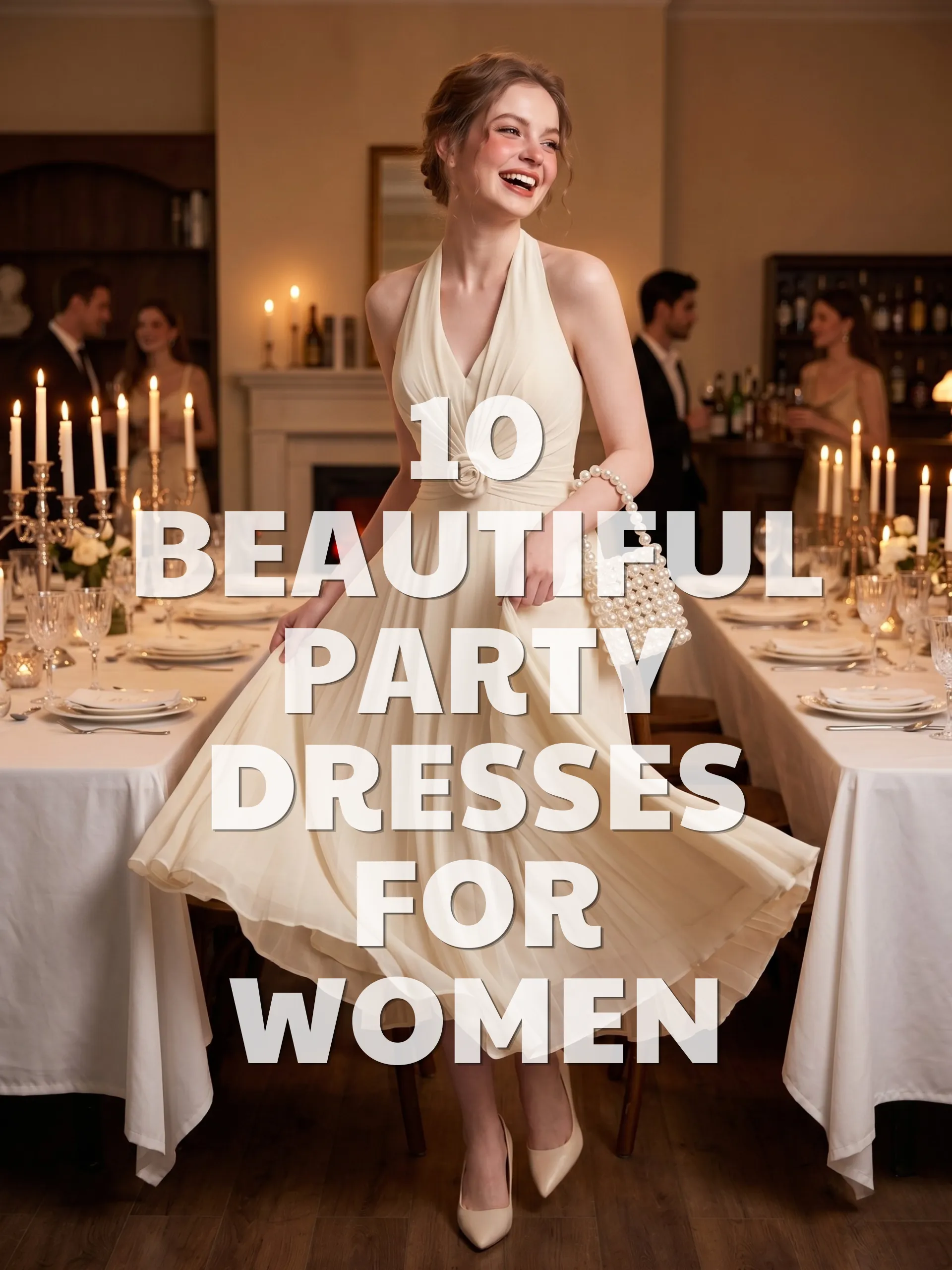
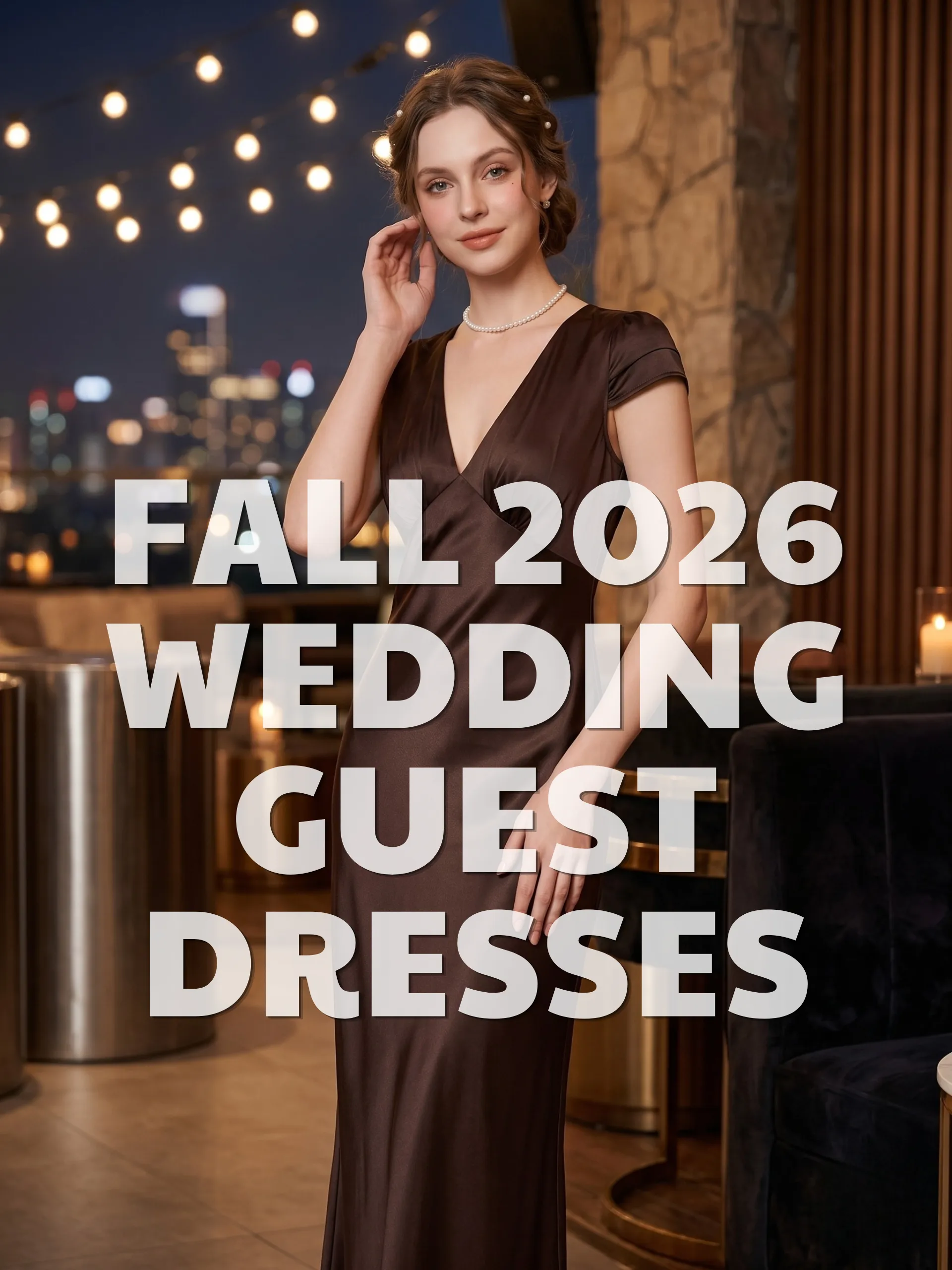
There is a specific, subtle tension in the act of dressing femininely. For many women, the desire to embrace softness—to lean into textures, flowing silhouettes, and romantic details—is often met with a sudden, unbidden hesitation: Will this make me look younger than I am?
We have all seen the sartorial pitfalls. A dress that is too short paired with a high-waisted skirt and a pastel bow can feel less like an intentional style choice and more like a costume. A ruffle that is too frothy or a print that is too saccharine can inadvertently strip a woman of her authority, making her appear decorative rather than commanding. This is the line between femininity and “childishness”—the difference between being perceived as a woman who embraces her grace and a girl who is playing dress-up.
Navigating this boundary requires more than just picking the right clothes; it requires an understanding of proportion, fabric weight, and the intentionality behind every detail. To dress femininely with maturity is to practice what we might call “romantic restraint.” It is about finding the intersection where softness meets structure, and where charm meets composure.
The Core Distinction: Softness vs. Sweetness
To master this balance, we must first redefine our terms. In fashion, “sweetness” is often associated with a lack of edge. It is characterized by high-contrast pastels, excessive bows, overly tiny floral prints, and fabrics that lack any sense of drape or weight. Sweetness is often reactive to trends and can feel fleeting and superficial.
Femininity, by contrast, is a foundational quality of style. It is found in the way a garment moves, the curve of a neckline, and the subtle interplay of light on a high-quality fabric. Feminine dressing is not about being “pretty”; it is about expressing a sense of grace and presence.
| Feature | Childish/Sweet Style | Mature/Refined Femininity |
|---|---|---|
| Color Palette | High-saturation pastels, neon pinks | Muted tones, neutrals, deep jewel tones, tonal palettes |
| Print Scale | Tiny, busy florals; repetitive polka dots | Large-scale botanicals, abstract prints, or solid colors |
| Fabric Behavior | Stiff organza, flimsy polyester, sheer tulle | Mid-weight crepe, structured linen, heavy satin, fine knit |
| Detailing | Excessive bows, lace trim on every edge | Single statement detail, subtle embroidery, sculptural seams |
| Silhouette | Oversized, shapeless, or ultra-tight “doll” styles | Defined waist, architectural drape, balanced proportions |
The goal is to move away from the “sweet” and toward the “refined.” A refined feminine wardrobe relies on the quality of the garment to speak, rather than the volume of its embellishments.
The Architecture of Maturity: Proportion and Structure
One of the most effective ways to prevent a feminine outfit from looking childish is to introduce structure. When an outfit is entirely soft—a flowing skirt, a loose blouse, and soft hair—it lacks a visual anchor. Without that anchor, the silhouette can appear lost or unkempt.
The Power of Soft Structure
“Soft structure” is the secret weapon of the sophisticated woman. This involves choosing pieces that possess a feminine essence but are built with enough integrity to hold a shape. Instead of a flimsy, unstructured sundress, consider a midi dress in a heavier crepe that skims the body without clinging. Instead of a sheer, ruffled blouse, opt for a silk-blend button-down with subtle pleating at the cuffs.
Structure provides the “bones” of the outfit. It tells the world that your choice of a floral print or a soft color was a deliberate, curated decision, not an accidental descent into whimsy.
Balancing Volume
When playing with feminine silhouettes, the rule of proportions is paramount. If you are wearing a skirt with significant volume or movement, pair it with a more tailored or streamlined top. Conversely, if you are wearing a structured, fitted bodice, a wider-leg trouser or a more flowing skirt can provide a beautiful, graceful counterpoint.
A common mistake is wearing volume on both the top and the bottom, which can obscure the wearer’s form and create a “swallowed by fabric” effect that leans toward a juvenile aesthetic.
Fabric as a Language of Sophistication
In the realm of quiet luxury and refined dressing, fabric is perhaps the most important communicator of maturity. The weight, drape, and texture of your clothing dictate how they are perceived.
Avoiding the “Synthetic Shine”
Many inexpensive, overly “sweet” garments rely on high-shine synthetic fabrics to mimic luxury. These fabrics often behave in a way that feels lightweight and cheap, catching the light in a way that can appear garish rather than luminous.
To elevate your look, prioritize natural-looking textures. A matte crepe, a substantial linen, or a heavy-weight knit conveys a sense of permanence and value. These materials don’t just look better; they hang better. They move with intention.
The Role of Texture
Texture allows you to experiment with femininity without relying on color or pattern. A monochromatic outfit in varying textures—perhaps a ribbed knit skirt paired with a smooth, heavy cotton top—is deeply feminine due to its tactile nature, yet it remains incredibly polished and mature. This is how you achieve “polished softness”: through the sophisticated layering of materials rather than the addition of decorative trimmings.
Strategic Use of Color and Print
Color and print are often the first places where a look can veer into childish territory. However, they are also the most powerful tools for expressing a romantic sensibility.
The Sophisticated Palette
While pastels can be beautiful, the key to wearing them maturely is to look for “dusty” or “muted” versions. A bright, candy-floss pink may feel juvenile, but a muted rose, a deep mauve, or a sophisticated terracotta offers a similar warmth with significantly more gravitas.
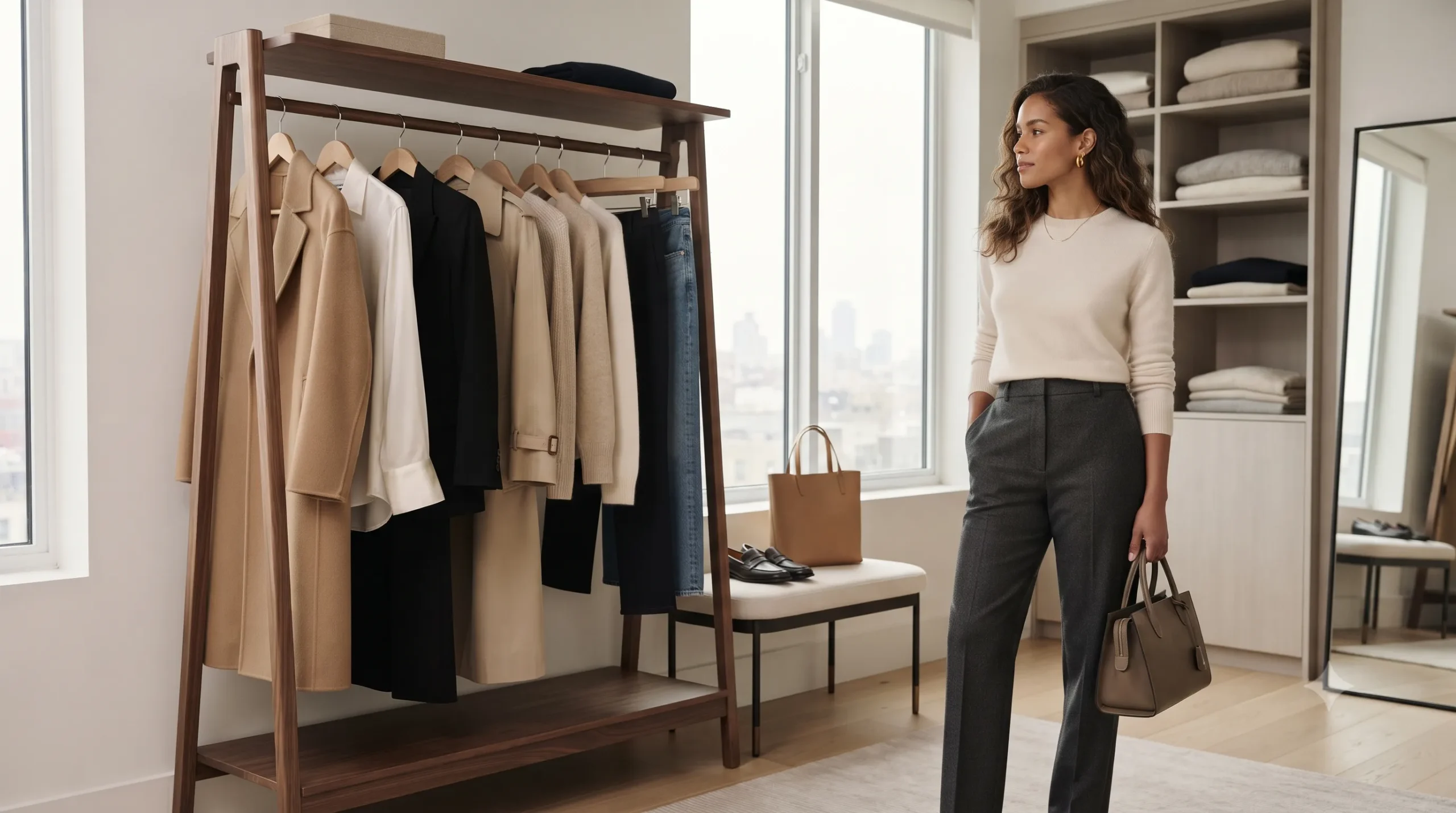
Similarly, building a wardrobe around neutrals—cream, navy, olive, charcoal, and camel—provides a stable foundation. When you introduce color into a neutral base, the femininity feels like an accent rather than the entire identity of the outfit.
Print Scale and Context
When it comes to florals, scale is everything. Small, repetitive “ditsy” florals are often associated with youth. For a more mature approach, look for:
- Large-scale botanical prints: These feel more like art and less like wallpaper.
- Abstracted florals: Prints where the floral element is suggested through color and shape rather than literal depiction.
- Tone-on-tone prints: Where the pattern is woven into the fabric (like a jacquard) rather than printed on top, creating a subtle, tactile effect.
Practical Styling Scenarios
To move from theory to practice, let’s look at how these principles apply to real-life moments. The challenge is often transitioning a feminine piece into an environment that requires a certain level of composure.
Scenario 1: The Weekend Garden Party
- The Childish Approach: A short, bright pink tiered sundress with ruffle sleeves and white ballet flats.
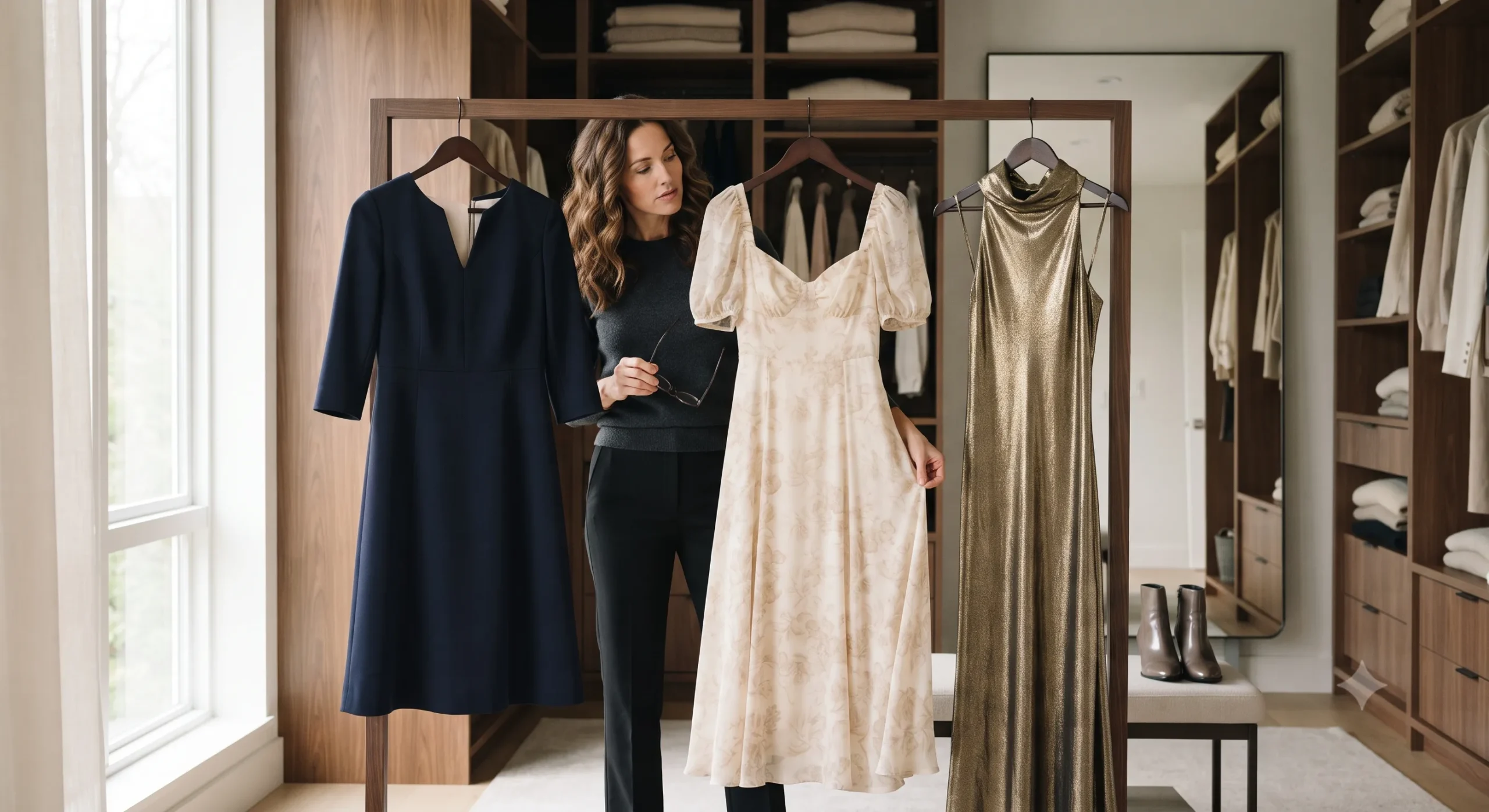
- The Refined Approach: A midi-length dress in a muted sage green or cream, featuring a subtle sweetheart neckline and a structured waist. Pair this with a leather slide or a low block heel and minimal gold jewelry. The silhouette is romantic, but the length and the color palette command respect.
Scenario 2: The Creative Office or Business Lunch
- The Childish Approach: A blouse with large, floppy organza bows and a colorful patterned skirt.
- The Refined Approach: A high-quality knit polo or a structured blouse in a soft pastel (like lavender or sky blue) tucked into wide-leg trousers in a contrasting neutral. The femininity is found in the color and the soft texture of the knit, but the tailoring of the trousers keeps the look professional.
Scenario 3: An Evening Dinner Date
- The Childish Approach: A sequined mini-dress in a bright color with excessive lace detailing.
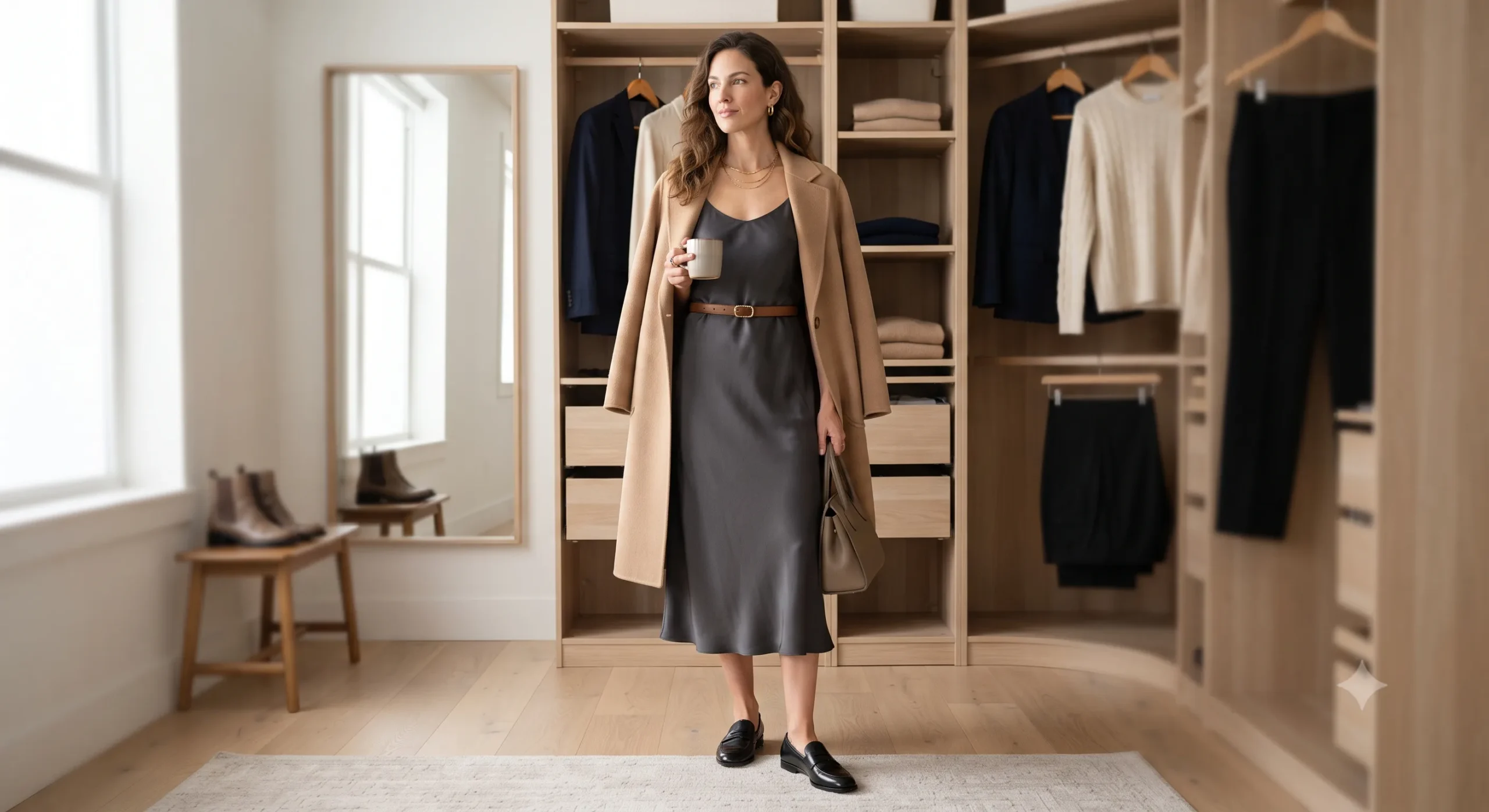
- The Refined Approach: A slip-style midi dress in a heavy, high-quality satin or a sophisticated crepe. The “femininity” comes from the way the fabric drapes over the body, but the midi length and the simplicity of the design make it elegant rather than performative.
Common Pitfalls to Avoid
Even with the best intentions, it is easy to slip into “sweetness.” Being mindful of these three common errors can help maintain your stylistic boundaries.
- Over-accessorizing: If your dress already has a romantic element—such as a puff sleeve or a subtle floral print—keep your accessories minimal. Adding a headband, a statement necklace, and a beaded bag to an already “soft” outfit creates visual clutter that feels juvenile. Let the garment be the hero.
- Ignoring the “Weight” of the Outfit: A common mistake is pairing a very light, airy top with very light, flimsy bottoms. This lacks the visual grounding needed for a mature look. Always ensure there is a sense of balance in the “weight” of your clothing.
- Neglecting Fit: A garment that is too tight in an attempt to look “cute” often loses its elegance. Feminine dressing thrives in the space between skin and fabric. Aim for clothes that celebrate the silhouette through drape and tailoring rather than through constriction.
Decision Framework: The “Intentionality Test”
Before adding a new piece to your wardrobe or stepping out of the house, ask yourself these three questions to determine if your outfit is leaning toward refined femininity or childish sweetness:
- Does this piece rely on a trend or a texture? (Trends like “coquette” or “ultra-feminine” can often lead to childishness; textures like crepe or fine knits lead to timelessness.)
- If I removed the color/print, would the shape still look sophisticated? (A well-designed garment should hold its own through its silhouette and construction alone.)
- Is there a sense of balance between softness and structure? (Ensure there is at least one element in your outfit that provides a visual “anchor,” such as a tailored blazer, a structured handbag, or a substantial shoe.)
Dressing femininely is not an act of regression; it is an act of self-expression that can be deeply powerful. By focusing on quality, proportion, and the concept of romantic restraint, you can embrace the softer side of your style while maintaining the polished, intentional presence of a woman who knows exactly who she is.