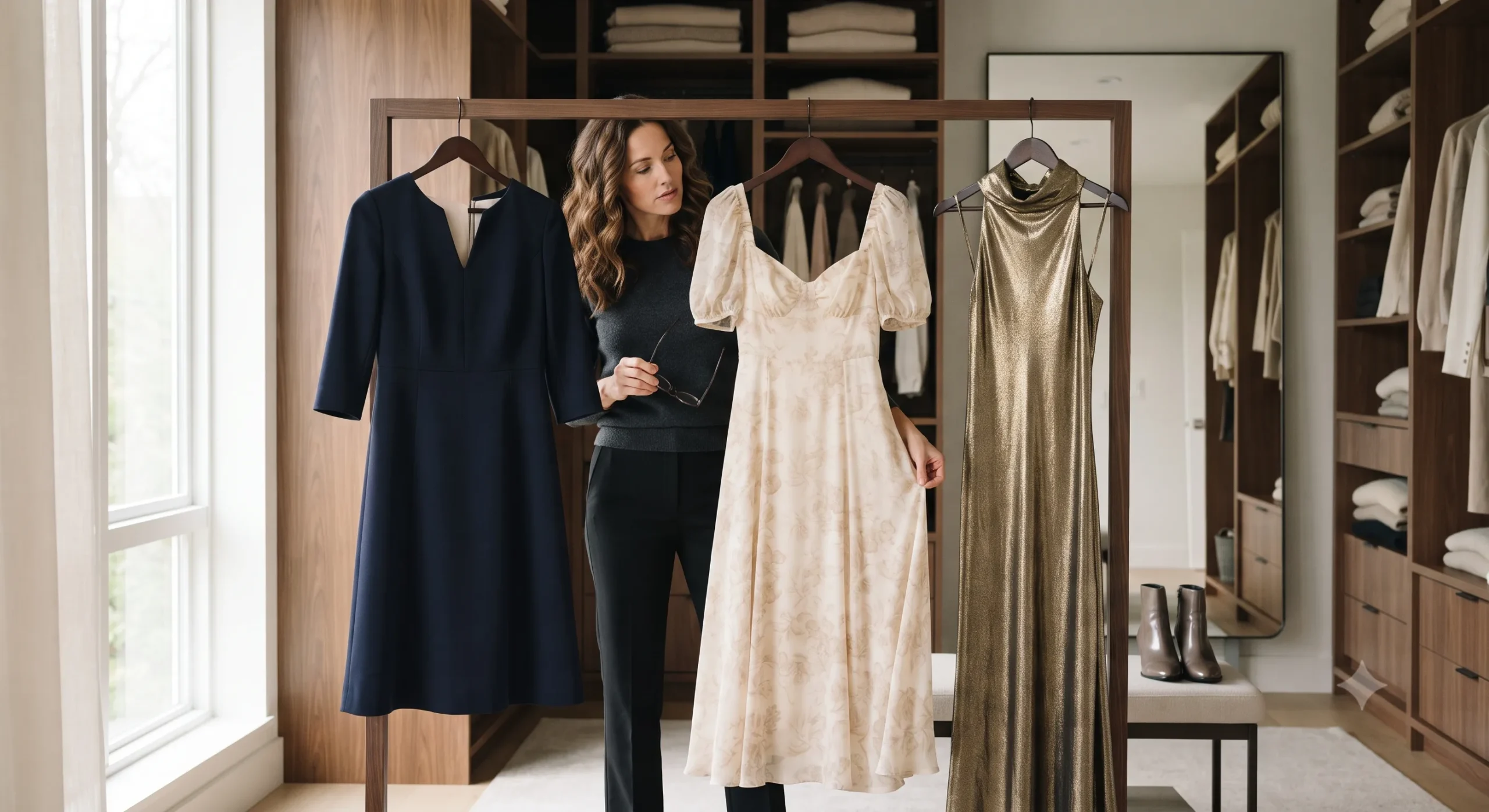
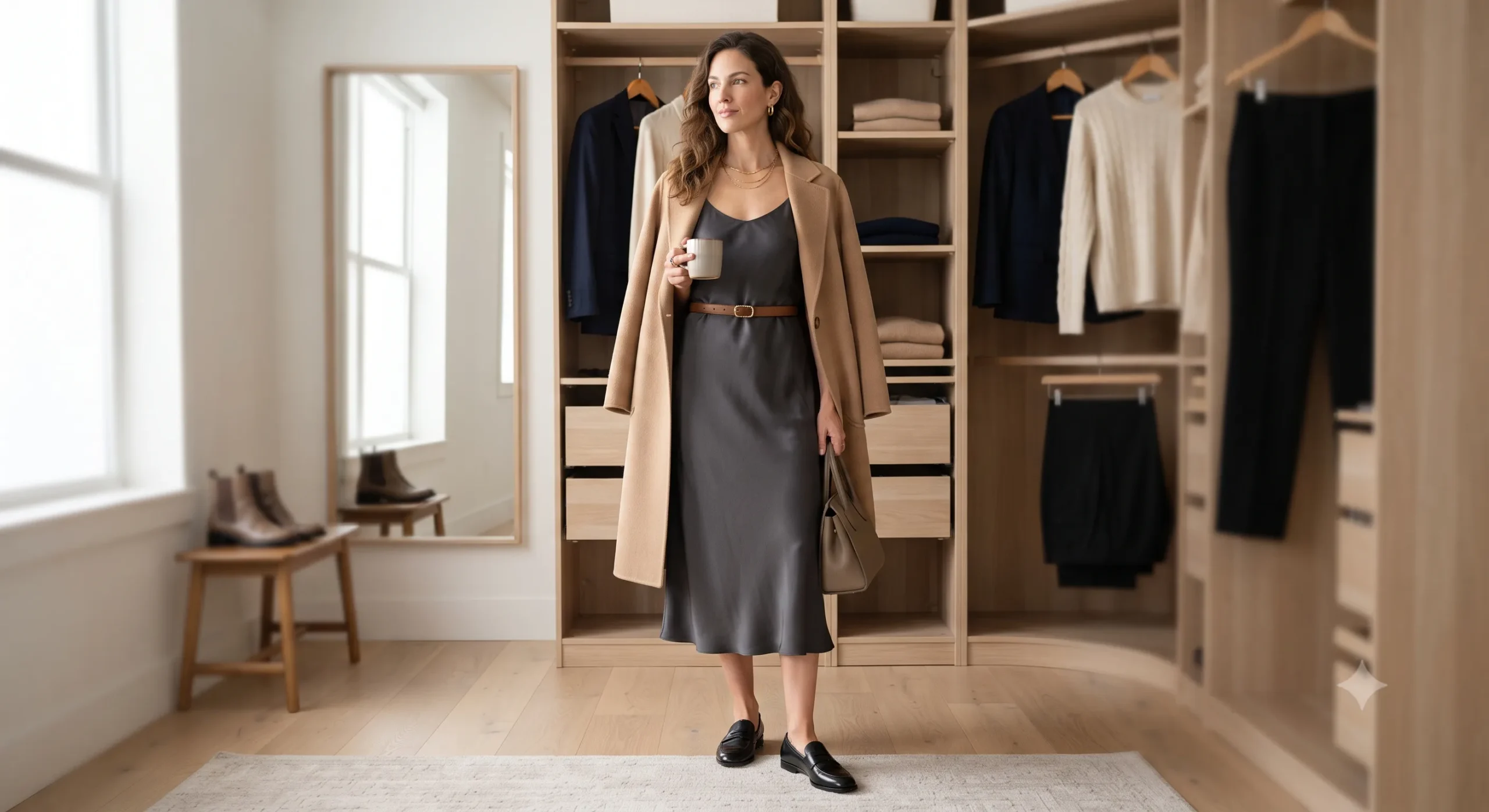
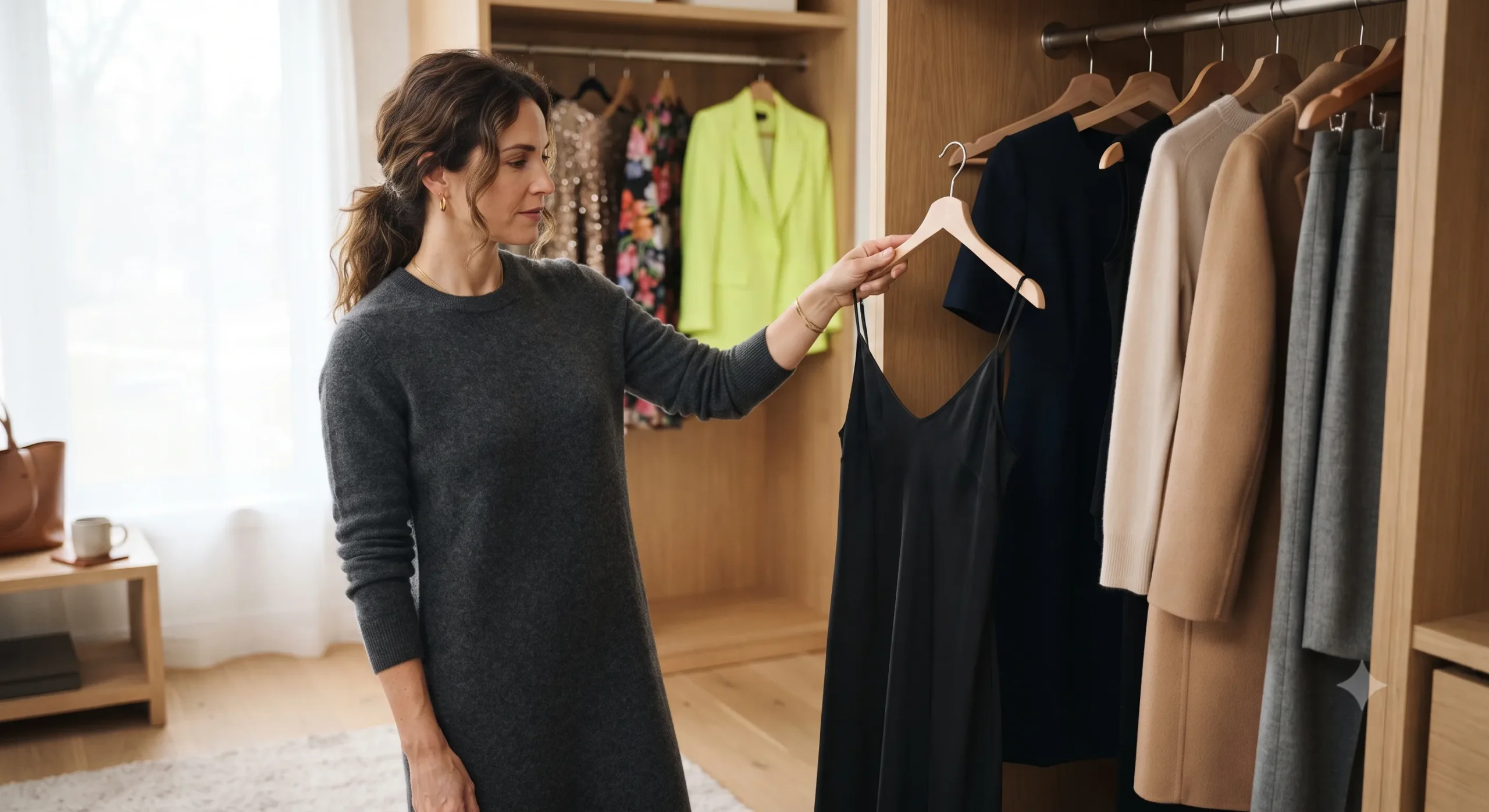
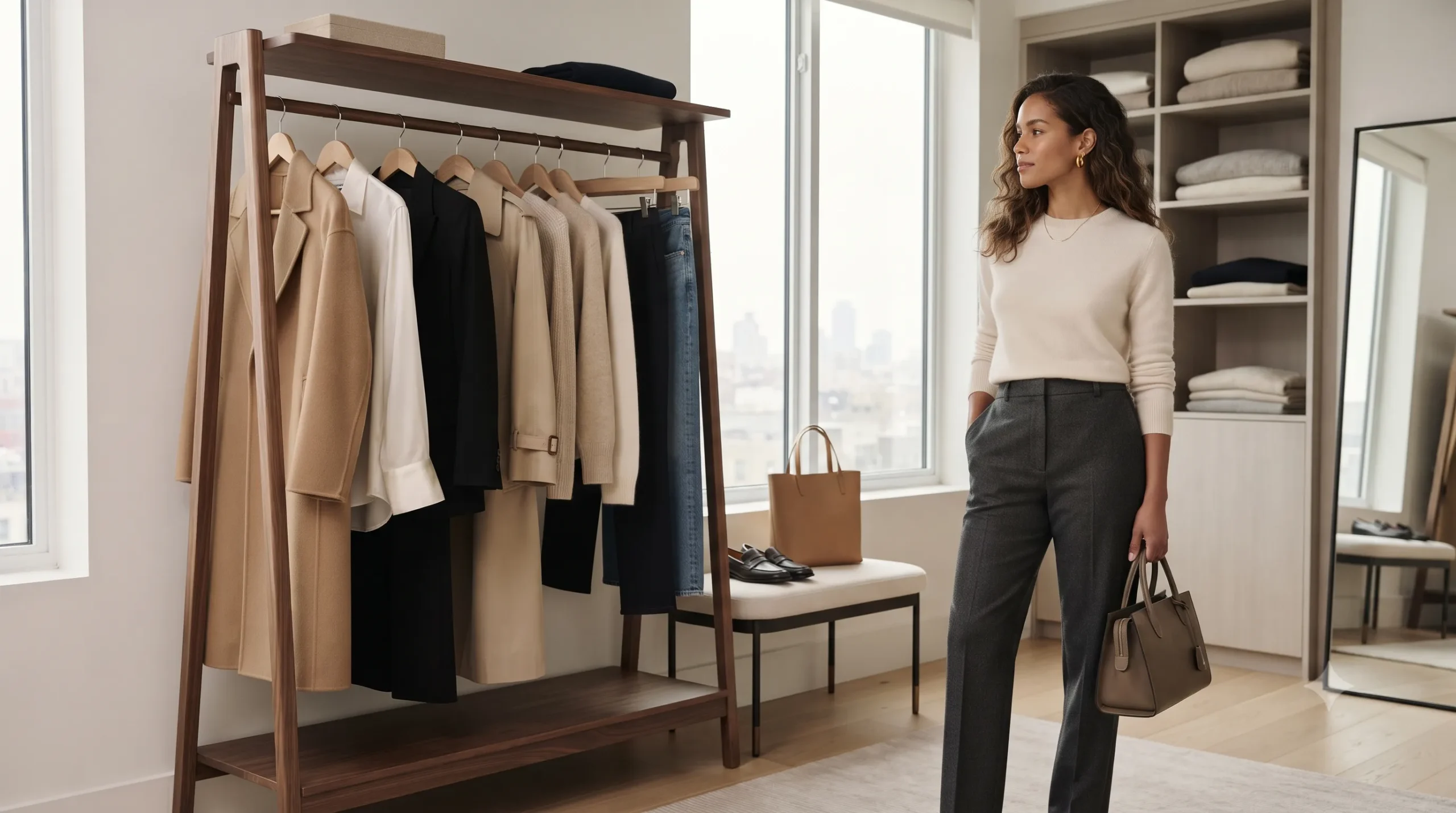
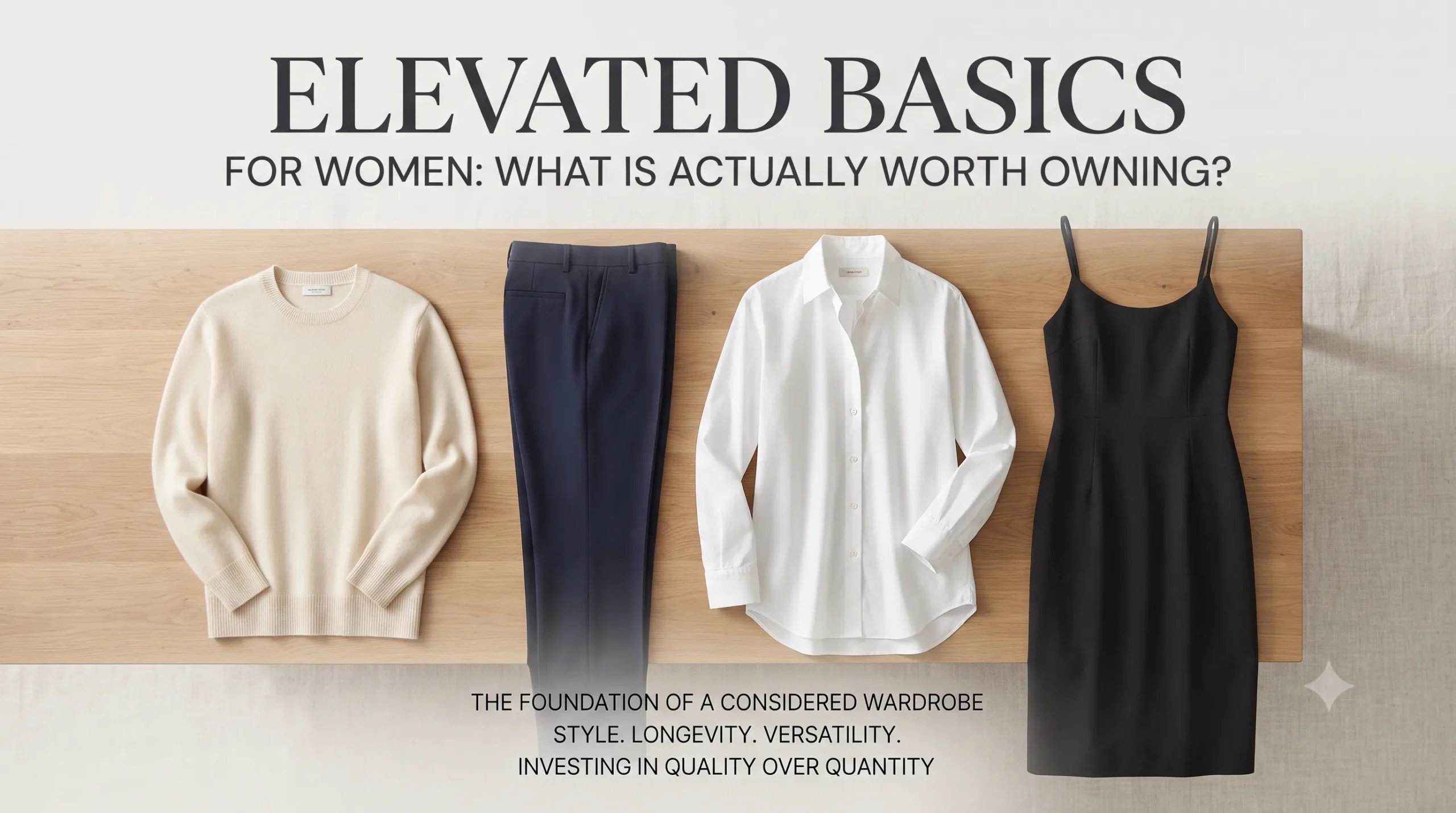
There is a specific, quiet anxiety that often strikes when standing before a full wardrobe. It is the feeling that despite having plenty of options, nothing feels quite “right.” You might find yourself gravitating toward safe, neutral pieces—the easy trousers, the unadorned knits, the standard button-downs—only to catch your reflection and feel a sudden sense of flatness. The fear is common: if I choose restraint, will I look invisible? If I avoid the loud trends and the heavy patterns, will I simply look like I am trying too hard to be unremarkable?
The misconception is that restraint is synonymous with absence. We often mistake “simple” for “plain,” assuming that to avoid being boring, we must add more—more color, more hardware, more texture, more volume. But in the realm of sophisticated dressing, restraint is not about what you take away; it is about the intentionality of what you leave in.
Dressing with restraint is an exercise in precision. It is the ability to let a single, well-cut silhouette or a particular fabric quality do the heavy lifting, rather than relying on visual noise to command attention. When done well, restraint doesn’t make you disappear; it makes you memorable through a sense of composure and clarity.
The Difference Between Restraint and Plainness
To master this balance, we must first define our terms. To look “plain” or “boring” usually means an outfit lacks a focal point, lacks depth, or feels accidental. It is often the result of wearing pieces that are poorly fitted, made of unremarkable materials, or paired without a sense of purpose.
Restraint, conversely, is a deliberate stylistic choice. It is a way of communicating through nuance rather than volume.
| Feature | Plain/Boring Dressing | Dressing with Restraint |
|---|---|---|
| Intent | Accidental or lack of effort. | Highly intentional and curated. |
| Focus | No clear point of interest; the eye wanders. | A single, subtle point of emphasis (e.g., a silhouette or texture). |
| Fabric | Standard, often low-quality, flat textures. | Rich, tactile, or structured fabrics that hold their shape. |
| Fit | Ill-fitting, either too loose or too tight without purpose. | Precise tailoring that honors the body’s proportions. |
| Color | Muddy or mismatched neutrals. | A cohesive palette with thoughtful tonal shifts. |
The key distinction lies in the “why.” A boring outfit happens because the wearer didn’t consider the relationship between the pieces. An outfit of restraint happens because the wearer decided that the most powerful thing they could wear was a perfectly draped midi skirt paired with a structured knit.
The Pillars of Interest: Texture, Proportion, and Tone
If you are stripping away loud prints and heavy embellishments, you must replace that visual energy with other elements. This is how you maintain “interest” without resorting to “noise.”
1. The Language of Texture
When color is quiet, texture must speak. Texture provides the visual depth that a busy print usually provides. An all-cream outfit can look incredibly expensive and dynamic if it combines a heavy wool crepe, a soft ribbed knit, and a smooth cotton poplin. The eye is kept busy by the way light hits these different surfaces, even though the color palette remains strictly limited.
Think of texture as the “soul” of a monochromatic or neutral outfit. A smooth, flat jersey top might feel one-dimensional, but a top with a subtle weave, a slight sheen, or a tactile grain adds a layer of complexity that feels sophisticated rather than loud.
2. The Power of Proportion
Proportion is the architecture of an outfit. When you aren’t using bright colors to draw the eye, the shape of your clothes becomes the primary communicator of style. This is where the concept of “soft structure” becomes vital.
Restraint is found in the balance of volumes. For example, pairing a slightly oversized, structured blazer with slim-cut trousers creates a silhouette that is visually interesting through its geometry. Or, pairing a voluminous, flowing skirt with a more fitted, tucked-in bodice. These choices create a “shape” that the eye can follow, providing a sense of intentionality that prevents the look from appearing sloppy or undifferentiated.
3. Tonal Sophistication
“Neutral” does not have to mean “beige.” Dressing with restraint allows you to explore the full spectrum of color through a tonal lens. Instead of wearing a single shade of grey, consider the interplay between charcoal, slate, and heather. This creates a “gradient” effect that adds depth.
Tonal dressing—wearing different shades and tints of the same color family—is one of the most effective ways to look polished without being flashy. It creates a long, unbroken line that is pleasing to the eye and suggests a high level of sartorial intelligence.
Common Mistakes When Attempting Minimalist Styling
Even with the best intentions, it is easy to slip from “refined” into “uninspired.” Recognizing these common pitfalls is the first step toward correcting them.
- The “Uniform” Trap: Sometimes, in an effort to be consistent, women fall into a pattern of wearing the exact same silhouette every day. While a signature style is good, a lack of variation in shape or fabric can lead to a wardrobe that feels stagnant and uncreative.
- Neglecting the “Third Piece”: An outfit consisting only of a top and a bottom is often functional but rarely “styled.” Adding a third element—a structured coat, a delicate belt, or a lightweight scarf—adds the necessary layer of thought that separates a basic outfit from a composed one.
- Ignoring Fit and Maintenance: Because restrained clothing lacks the “distraction” of patterns, every flaw is magnified. A poorly fitted hem, a wrinkled fabric, or a pill on a sweater becomes the focal point. When you dress with restraint, the quality of the garment’s condition becomes part of the aesthetic.
- Over-accessorizing the “Simple” Look: There is a temptation to “fix” a plain outfit by adding many pieces of jewelry. This often creates a visual clash. If the clothes are quiet, the accessories should be equally considered—perhaps one significant piece rather than five small ones.
A Framework for Building Interest
To help transition from “safe” to “sophisticated,” use this decision-making framework when getting dressed. If an outfit feels a bit dull, ask yourself which of these three levers you can pull to add depth without breaking your sense of restraint.
The “Interest Lever” Checklist
Before you leave the house, evaluate your outfit against these three criteria:
- Is there a tactile contrast?
- Scenario: I am wearing a navy midi dress.
- Adjustment: If it’s all matte cotton, it might look flat. Can I add a leather belt for shine? Or a suede boot to add weight?
- Is the silhouette intentional?
- Scenario: I am wearing wide-leg trousers and a sweater.
- Adjustment: If both are loose, I might look swallowed by fabric. Can I tuck the sweater in to define the waist, or add a structured bag to provide a hard edge to the soft clothes?
- Is the color palette cohesive but layered?
- Scenario: I am wearing an all-black outfit.
- Adjustment: Instead of pure black on black, can I mix a washed-black denim with a deep midnight navy, or a black wool with a black satin? The slight difference in light absorption creates visual movement.
Practical Scenarios: Applying Restraint to Real Life
Restraint should be practical. It should work for the boardroom, the garden party, and the weekend stroll. Below are examples of how to navigate different settings using these principles.
Scenario 1: The Professional Setting (Work/Meetings)
The goal here is authority and composure.
- The Boring Way: A standard black skirt and a white button-down shirt that is slightly too large.
- The Restrained Way: A high-waisted, wide-leg trouser in a heavy crepe fabric paired with a fine-gauge knit polo. The “interest” comes from the play between the structured drape of the trousers and the soft texture of the knit. Add a pointed-toe loafer to ground the look.
Scenario 2: The Social Occasion (Dinner/Weddings)
The goal is elegance and femininity without being “costumey.”
- The Boring Way: A simple floral sundress that feels a bit too casual for the venue.
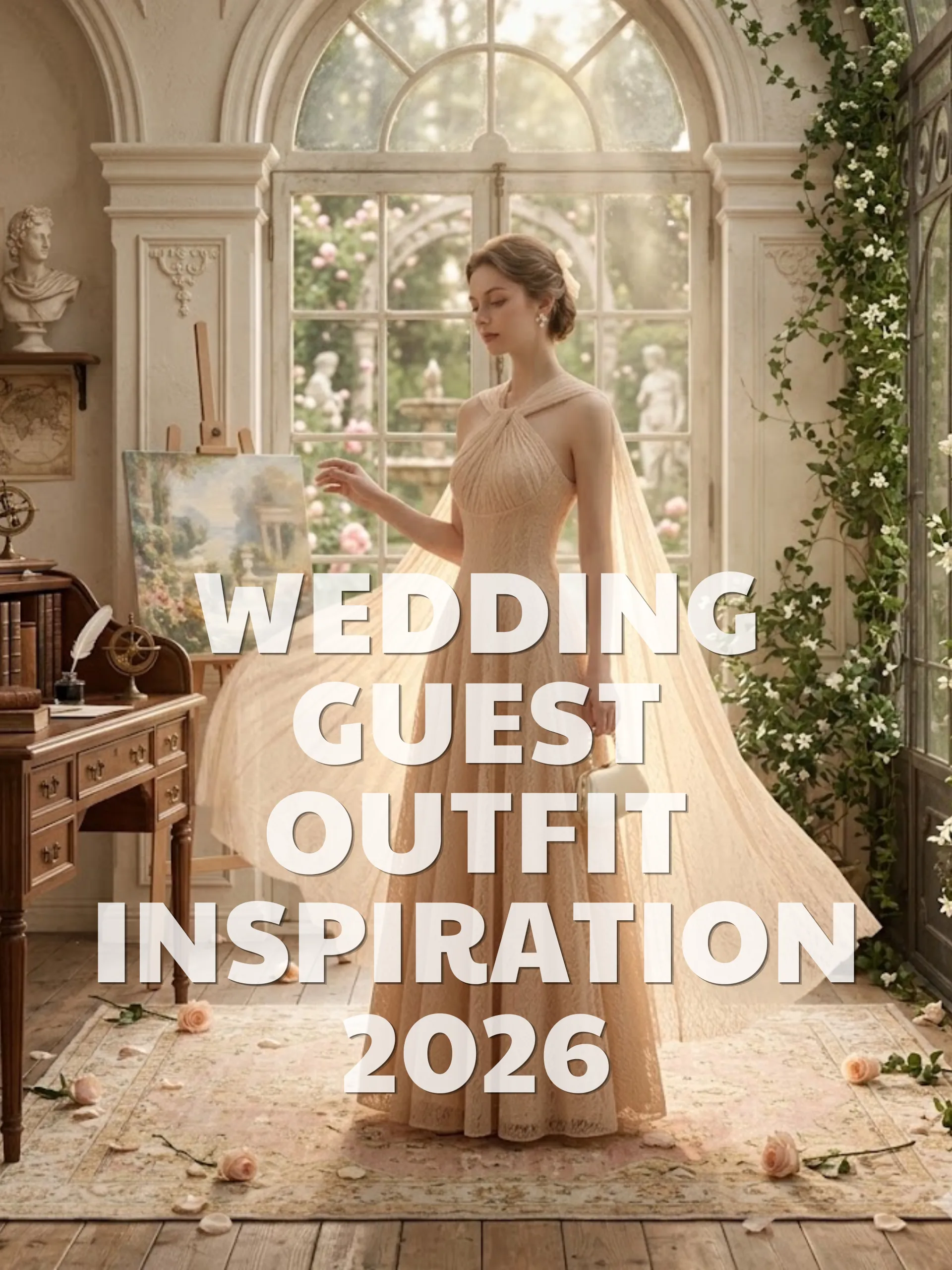
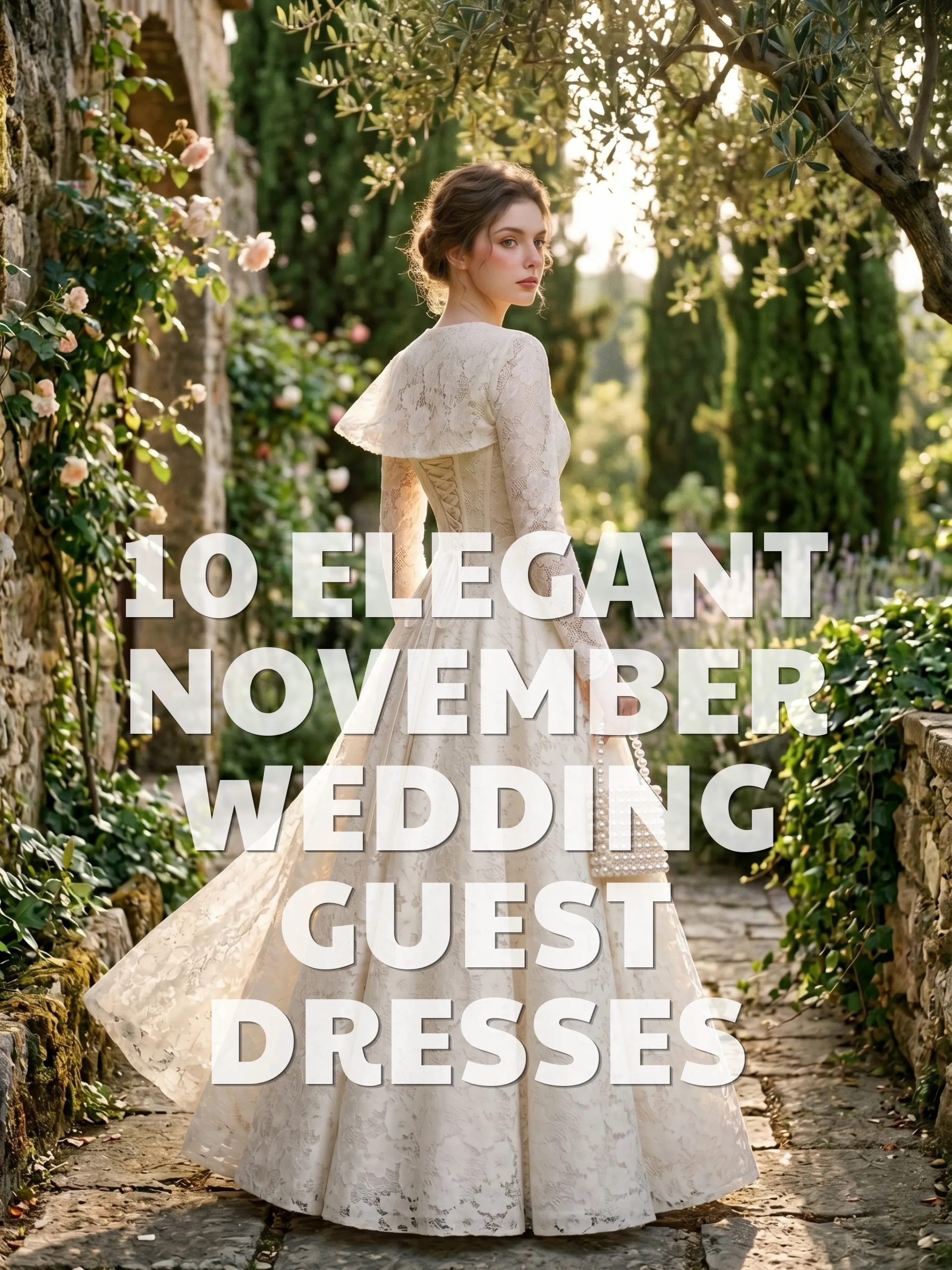
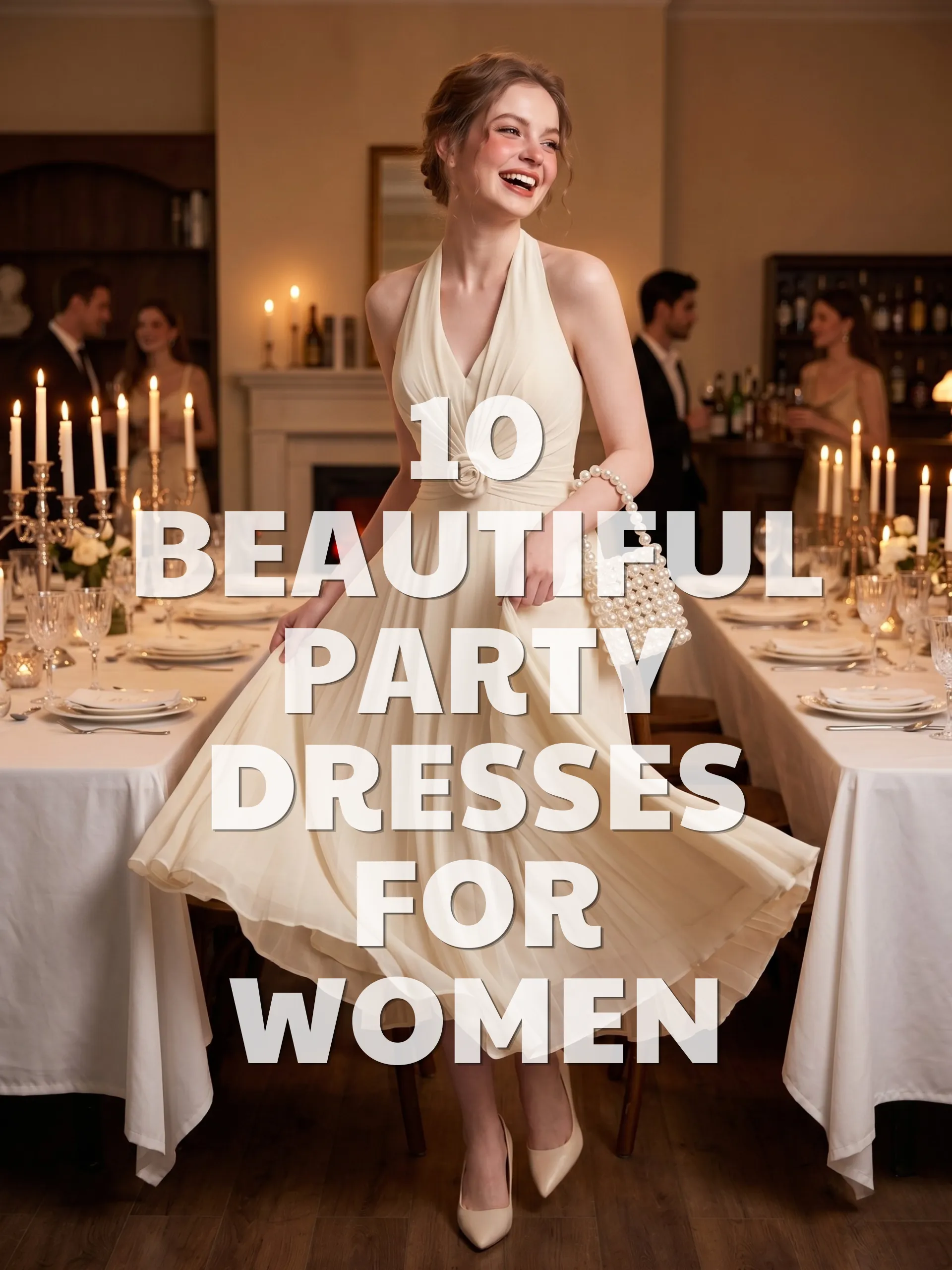
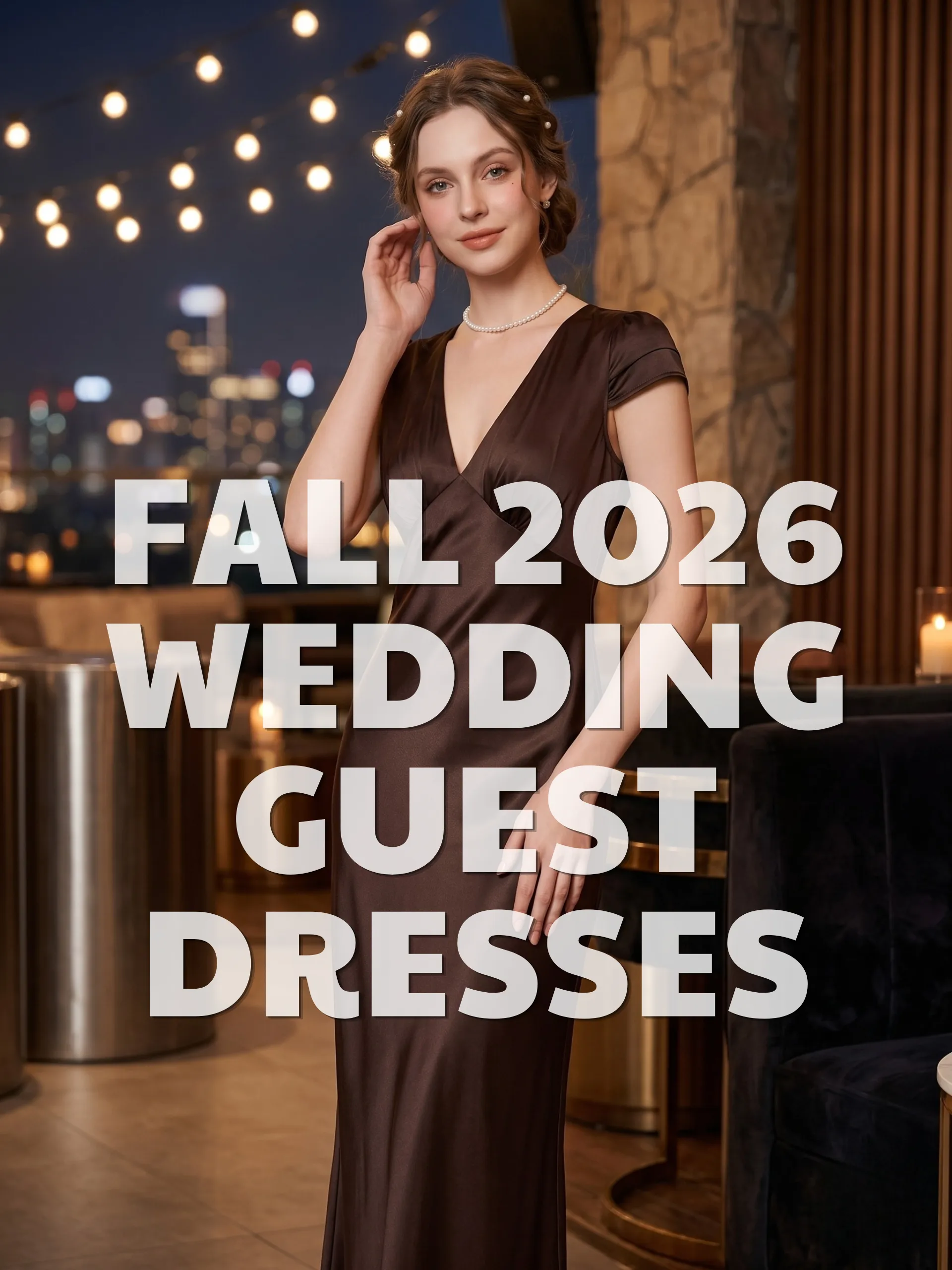
- The Restrained Way: A solid-colored midi dress in a rich, heavy fabric (like a structured cotton or a refined crepe) with an interesting neckline—perhaps a subtle cowl or a sculptural sleeve. The “interest” is in the architecture of the garment itself, rather than a print.
Scenario 3: The Elevated Weekend (Travel/Brunch)
The goal is comfort that still feels considered.
- The Boring Way: Leggings and a generic oversized hoodie.
- The Restrained Way: Straight-leg denim in a dark, clean wash, paired with a crisp, slightly oversized poplin shirt and a high-quality trench coat. The “interest” is in the layering and the classic, clean lines that suggest you are “dressed” even while being comfortable.
The Emotional Value of a Considered Wardrobe
Ultimately, dressing with restraint is about more than just looking “not boring.” It is about building a relationship with your clothes that is rooted in clarity and confidence.
When we chase micro-trends or loud, statement pieces, we are often dressing for the external gaze—for the social media feed or the immediate reaction of others. This can lead to a wardrobe that feels fragmented and a sense of “nothing to wear” despite a closet full of items.
When we choose restraint, we are dressing for ourselves and for the long term. We are selecting pieces that have emotional longevity—clothes that feel as relevant in three years as they do today. This approach reduces the mental fatigue of “getting ready” and replaces it with a sense of calm. There is a profound confidence that comes from knowing that your style isn’t shouting for attention, because it doesn’t need to. It is simply there, present, polished, and perfectly composed.
At Aunomay, we believe that beautiful clothing should be an extension of this intentionality. We approach fashion through a modern romantic lens, creating pieces that favor proportion, texture, and graceful silhouettes over loud visual impact. Because when you dress with restraint, you allow your own character to be the most interesting thing in the room.