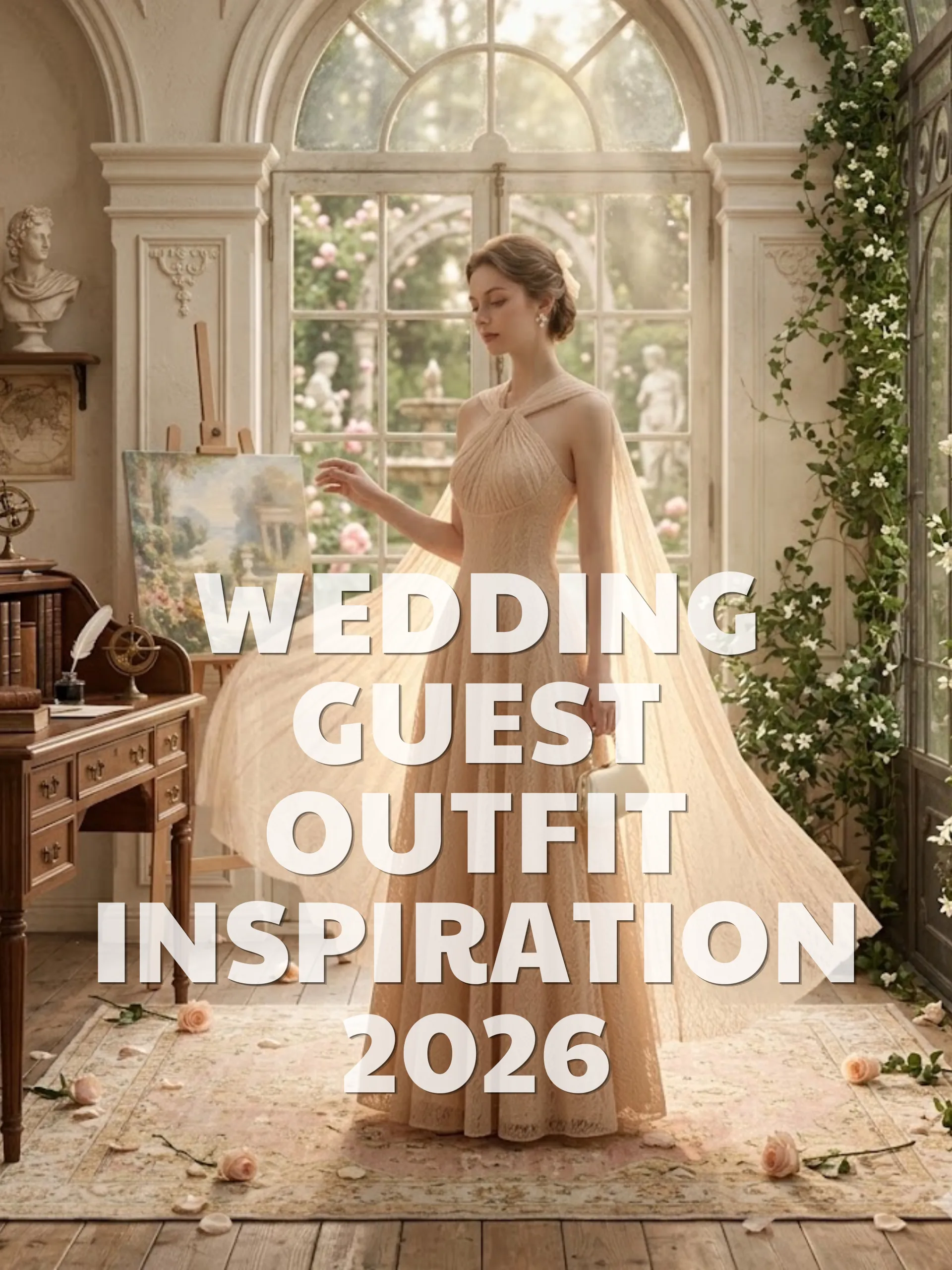
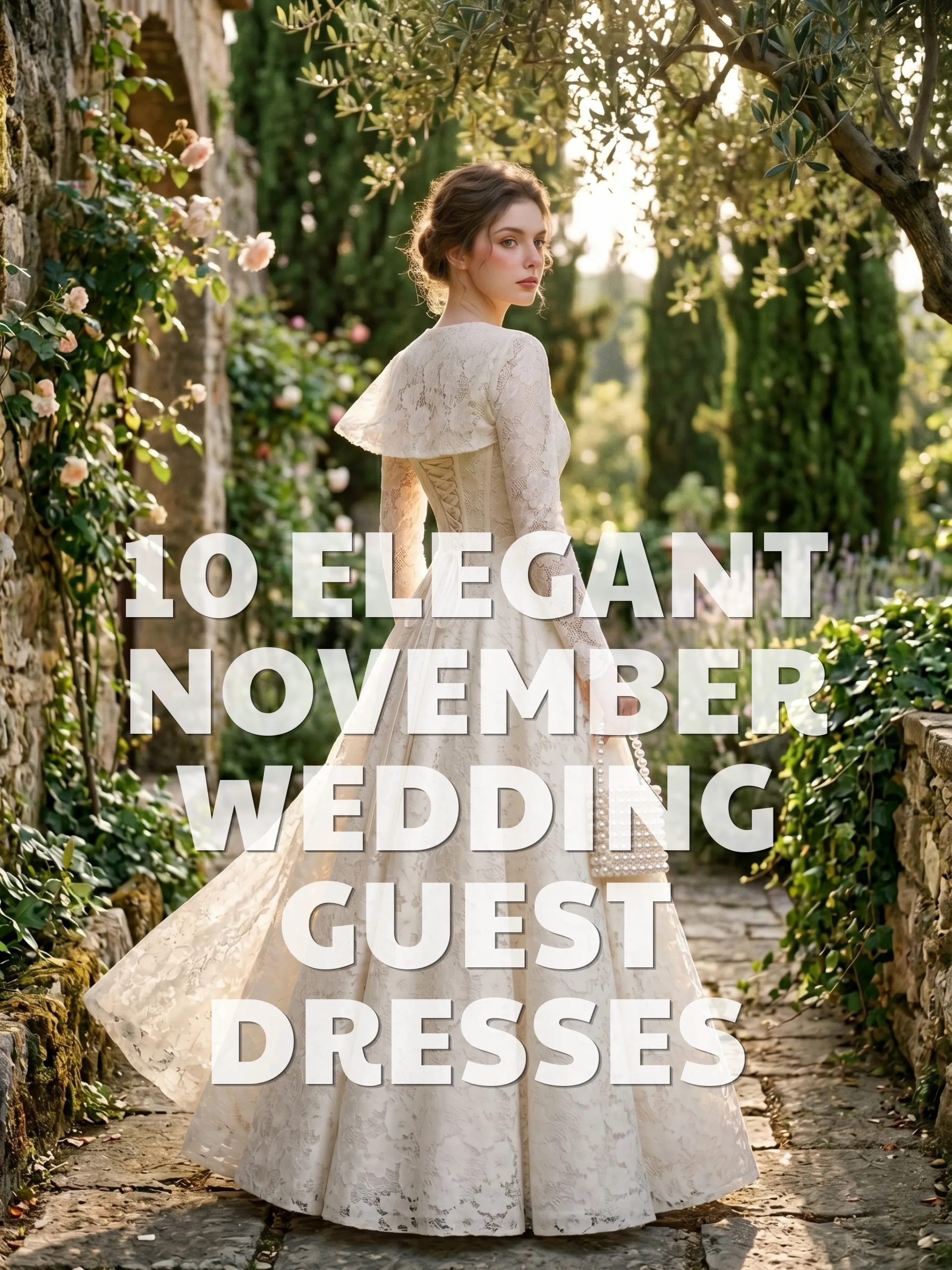
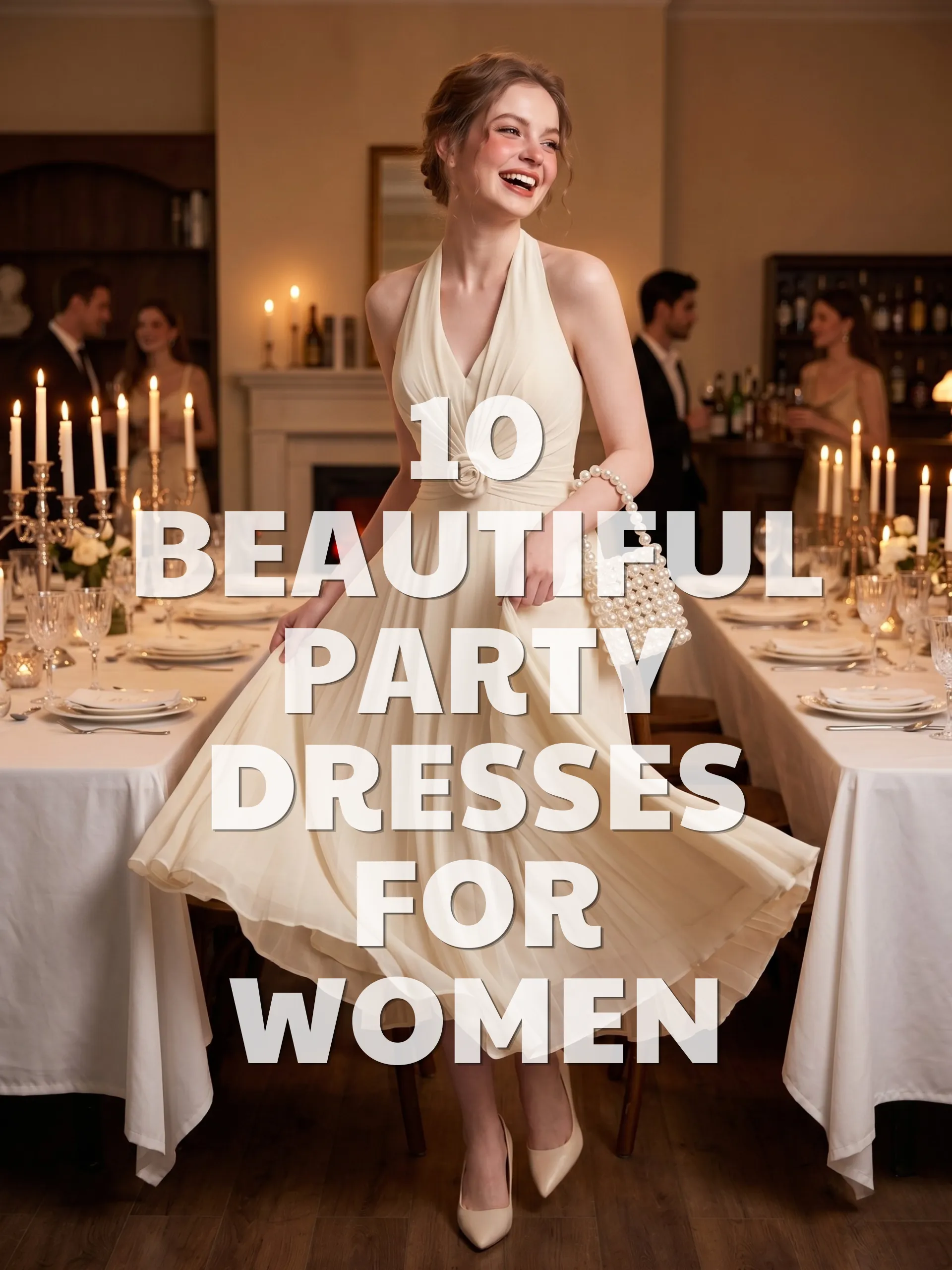
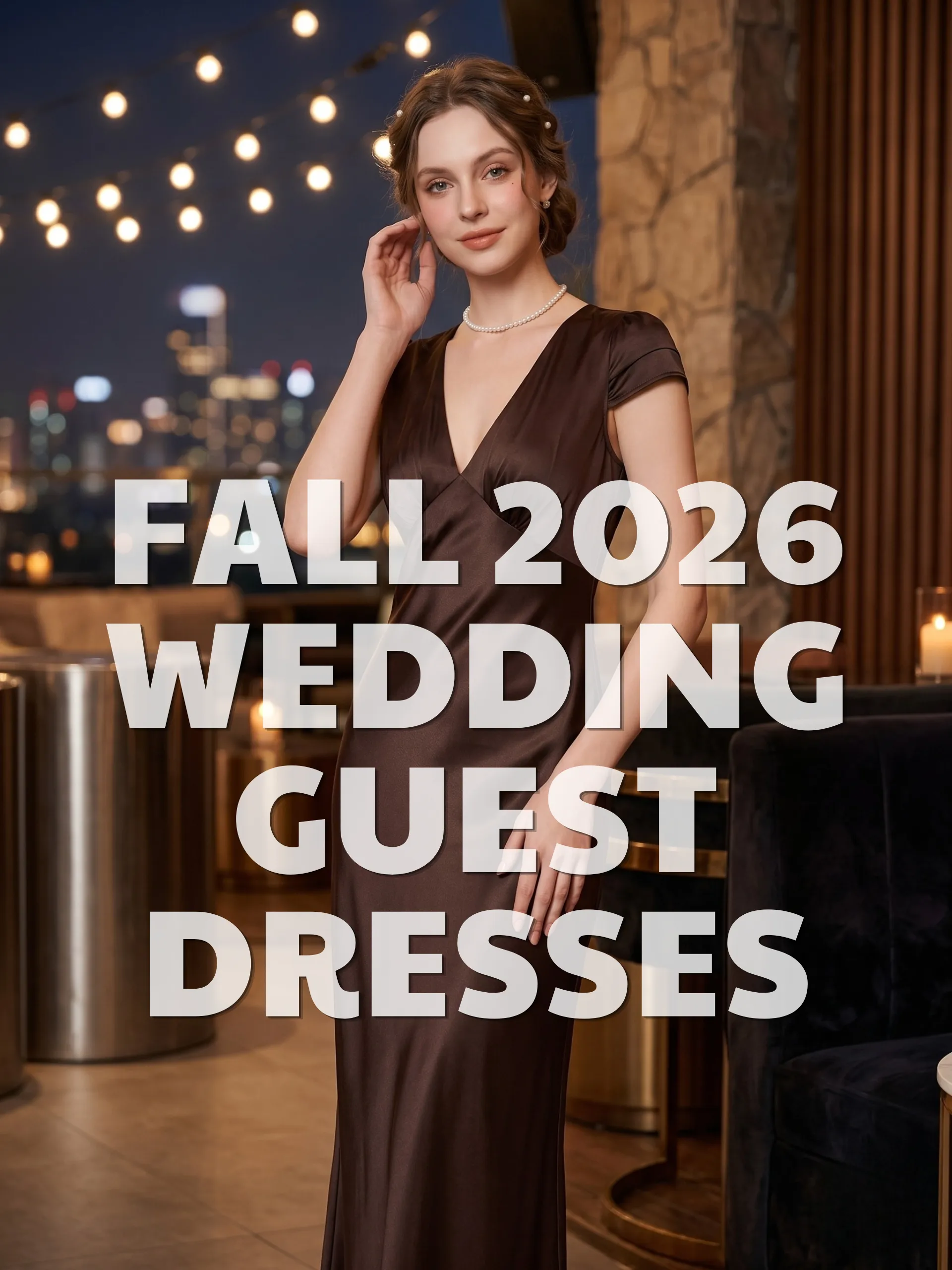
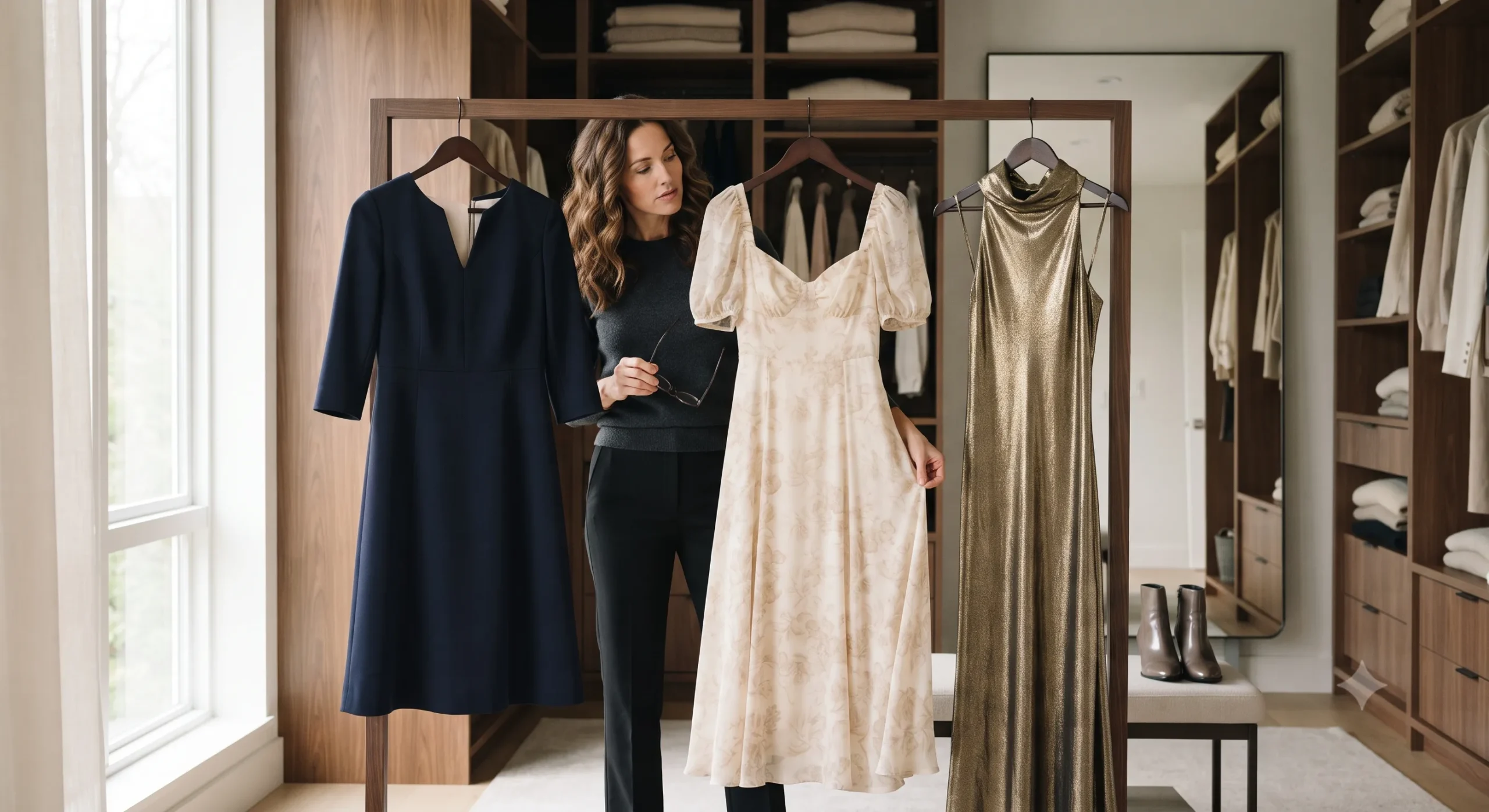
There is a common misconception that romantic style belongs exclusively to a bygone era—a world of excessive lace, heavy ruffles, and an almost costume-like fragility. For many women building a contemporary wardrobe, the word “romantic” can feel intimidating, even slightly impractical. It conjures images of dressing for a period drama rather than dressing for a morning meeting, a gallery opening, or a casual weekend lunch.
However, modern romanticism is not about costume; it is about a specific kind of aesthetic intentionality. It is the art of balancing softness with structure, and whimsy with restraint. When we strip away the hyper-feminine clichés of the past, we find a style language that is deeply grounded in grace, texture, and proportion. To wear romantic style in a modern way is to embrace beauty without letting it overwhelm your sense of self or your daily reality. It is about finding that sweet spot where a delicate silhouette meets a polished, decisive edge.
Defining Modern Romanticism: The Shift from Costume to Character
To navigate this style successfully, we must first define what separates “costume romanticism” from “modern romanticism.” Traditional romantic dressing often relies on a heavy saturation of feminine tropes: overwhelming floral prints, tiered skirts that lack shape, and an abundance of decorative trim. While beautiful, these elements can often feel “precious” or one-dimensional.
Modern romanticism, by contrast, operates through nuance. It is a way of dressing that prioritizes the emotional resonance of a garment while maintaining a sense of worldly sophistication. It is less about “looking like a princess” and more about “feeling a sense of poetic ease.”
In practical terms, this means focusing on three core pillars:
- Soft Structure: Instead of purely flowing fabrics that obscure the body, modern romanticism uses pieces that have a clear, intentional line. Think of a midi dress with a defined waist, or a blouse with a soft drape that still holds its shape at the shoulder.
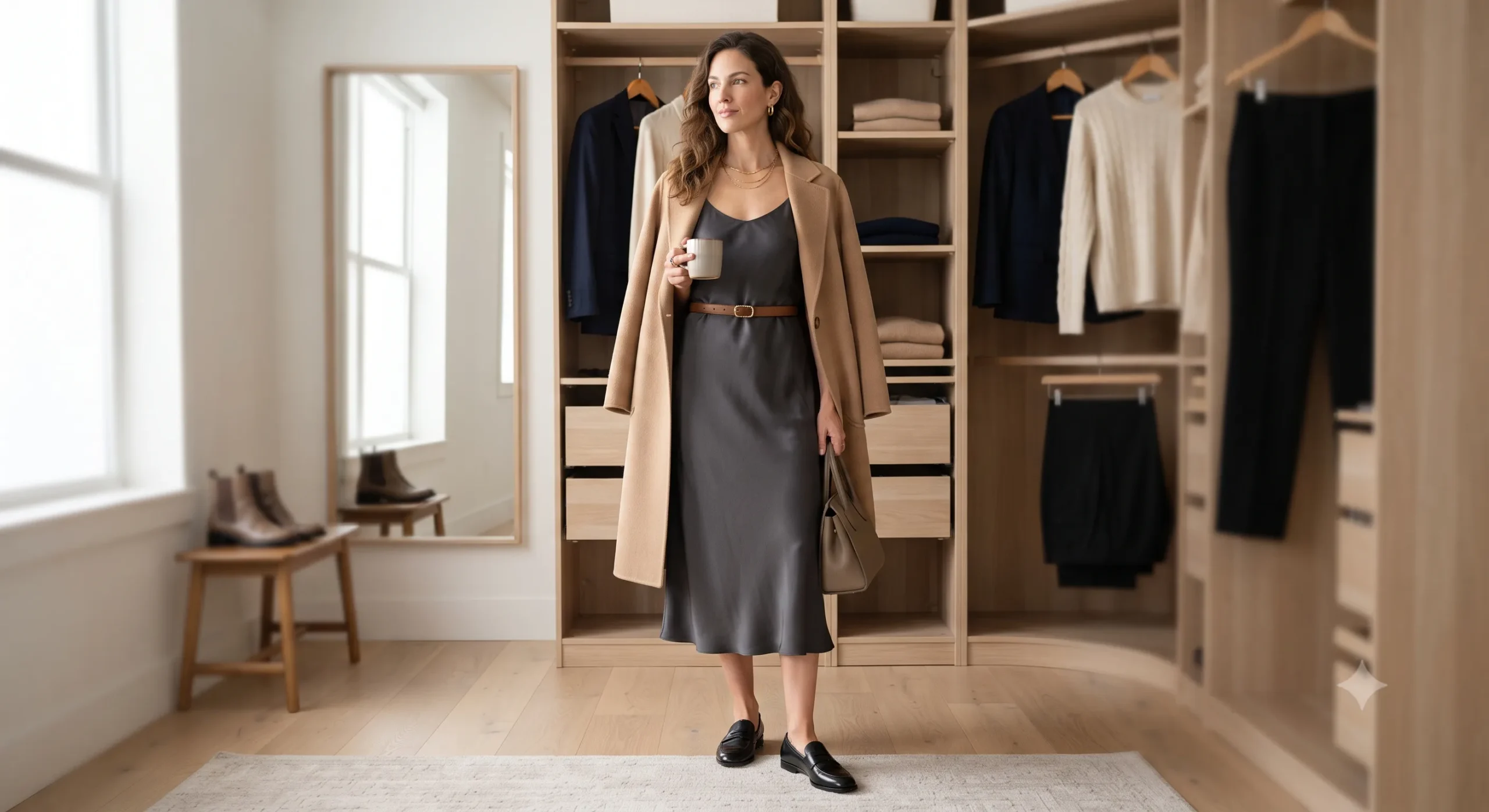
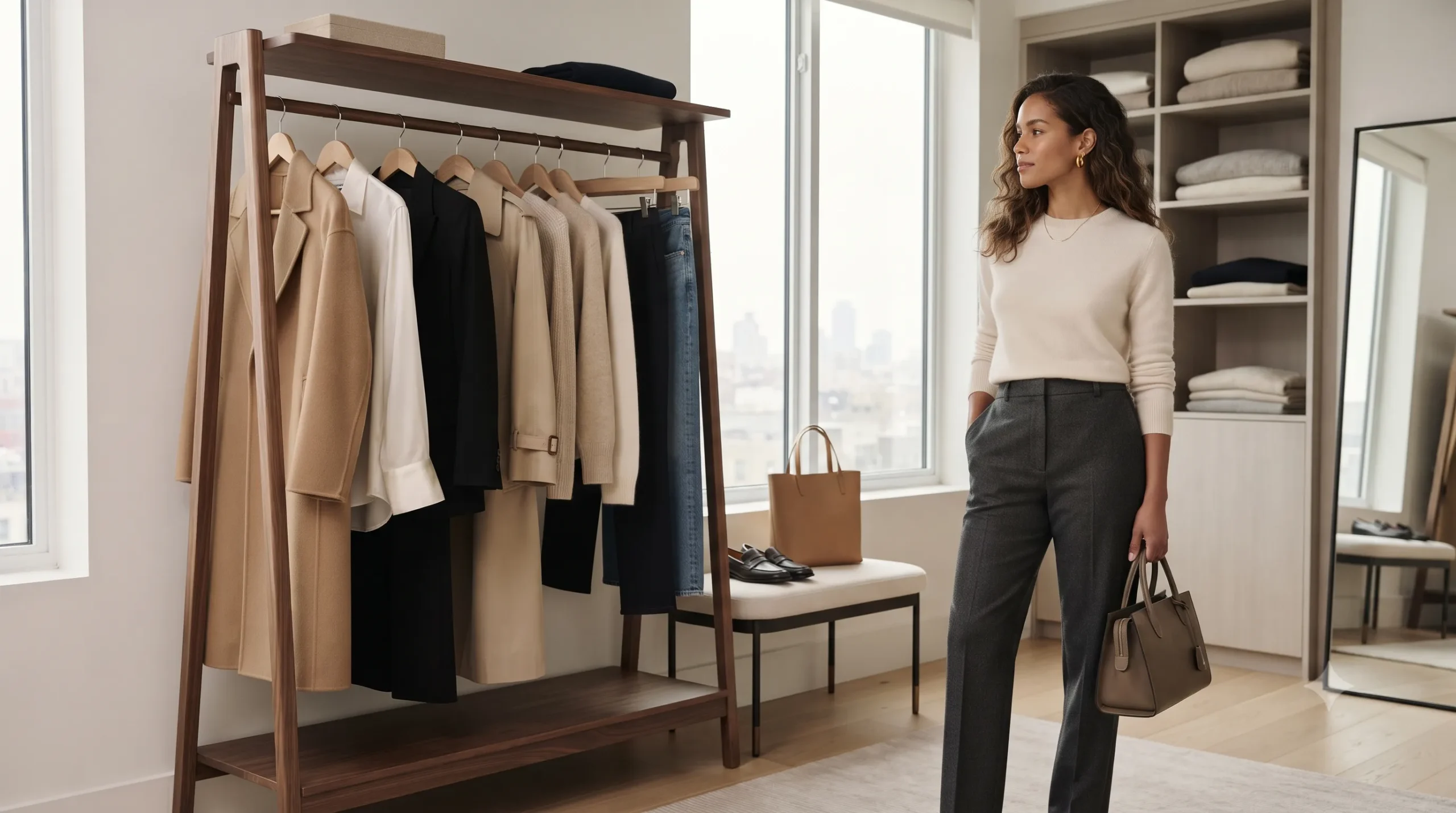
- Textural Contrast: Rather than relying on a single “sweet” texture, modern romantic looks are built by pairing different tactile experiences—such as a lightweight, ethereal blouse tucked into structured wool trousers, or a delicate knit paired with a sleek leather skirt.
- Restrained Ornamentation: Instead of head-to-toe ruffles, a modern romantic approach might feature a single subtle detail—a slight puff at the sleeve, a delicate tie at the neckline, or a soft scalloped edge—set against a minimalist backdrop.
The Art of Balancing Proportions
One of the primary reasons romantic clothing can feel “dated” or “too much” is a failure in proportion. When every piece in an outfit is voluminous or soft, the wearer can easily lose their silhouette, resulting in a look that feels disorganized rather than elegant.
The secret to a modern update lies in the principle of tension. If you are wearing a piece with significant volume—perhaps a skirt with a gentle sweep or a blouse with romantic sleeves—the rest of your outfit should provide a grounding, structural counterpoint.
The Rule of Opposites
A useful way to approach this is to look at your outfit through the lens of “soft” versus “sharp.”
- Scenario A: If you are wearing a romantic, flowing midi dress, avoid pairing it with overly delicate, spindly footwear which can make the look feel too ethereal or costume-like. Instead, opt for a structured loafer, a clean leather boot, or a more architectural heel. This adds a layer of “grown-up” polish.
- Scenario B: If you are wearing a sharp, tailored blazer (an element of quiet luxury), you can infuse romanticism by layering it over a dress with a soft, fluid skirt. The blazer provides the “modern” framework, while the skirt provides the “romantic” soul.
| Element | Romantic Trait | Modern Counterpoint | Resulting Aesthetic |
|---|---|---|---|
| Sleeves | Puff or balloon sleeve | Tailored blazer or structured vest | Polished & Poetic |
| Skirt | Flowing, ethereal fabric | Structured leather or heavy denim | Grounded & Feminine |
| Neckline | Sweetheart or tie-neck | Minimalist jewelry or clean hair | Refined & Intentional |
| Fabric | Sheer or lace details | Weighty knits or matte silks | Textured & Sophisticated |
Integrating Romantic Elements into an Everyday Wardrobe
The most successful romantic wardrobes are those where the “romantic” pieces do not sit idle in a closet waiting for a special occasion. They are integrated into the fabric of daily life. This requires moving away from the idea of “occasion dressing” as a separate category and instead viewing romanticism as a way to elevate your everyday basics.
1. The Elevated Everyday Base
Consider your wardrobe “anchors”—the pieces you wear most often, such as high-quality trousers, knitwear, and denim. You can introduce romanticism by subtly swapping the texture or the cut of these staples. Instead of a standard cotton button-down, look for one in a slightly more fluid fabric with a subtle sheen or a softened collar. Instead of a basic crewneck sweater, consider a fine-gauge knit with a slightly wider, more graceful neckline.
2. Using Accessories as a Bridge
If you are hesitant to commit to a full romantic garment, accessories serve as the perfect entry point. A ribbon tie used as a hair accessory, a piece of jewelry with organic, soft curves, or even a handbag in a soft, rounded shape can signal a romantic sensibility without requiring a total wardrobe overhaul. This allows you to experiment with the “mood” of the style before investing in more significant pieces.
3. Color Palettes of Restraint
Modern romanticism leans heavily into a sophisticated color palette. While pastels are a traditional staple, a modern approach often utilizes “muted” tones—colors that feel as though they have been softened by light. Think of dusty rose instead of bubblegum pink, sage green instead of bright emerald, or cream and oatmeal instead of stark white. These shades feel more mature and allow the romantic silhouettes to feel grounded in a sense of quiet luxury.
Common Pitfalls: When Romanticism Loses Its Edge
Even with the best intentions, it is easy to tip from “modern romantic” into “excessively precious.” Understanding these boundaries is essential for maintaining a polished, professional, and age-appropriate look.
Mistake 1: Over-accessorizing the “Sweetness”
If a garment already has romantic details—such as a floral print or a ruffled neckline—adding more “sweet” accessories like bows, pearls, and dainty jewelry can make the outfit feel juvenile.
- The Fix: Let the garment be the star. If the dress is romantic, keep the jewelry minimal and geometric.
Mistake 2: Ignoring Fabric Weight
A common error is choosing fabrics that are too light for the setting or the season. A sheer, gauzy fabric that lacks any structural weight can look flimsy and lose its sense of elegance.
- The Fix: Seek out “substantial softness.” Look for fabrics that drape beautifully but have enough weight to hold their shape and move with intention rather than just fluttering.
Mistake 3: The “Total Look” Trap
Attempting to wear a full romantic ensemble—romantic top, romantic skirt, romantic shoes—often results in a look that feels like a costume.
- The Fix: Use the 70/30 rule. Aim for 70% modern/structured and 30% romantic/soft, or vice versa. This tension is what creates a contemporary aesthetic.
A Decision Framework for Romantic Shopping
When you are considering a new piece, ask yourself these three questions to determine if it will serve your long-term wardrobe goals and fit within a modern romantic framework.
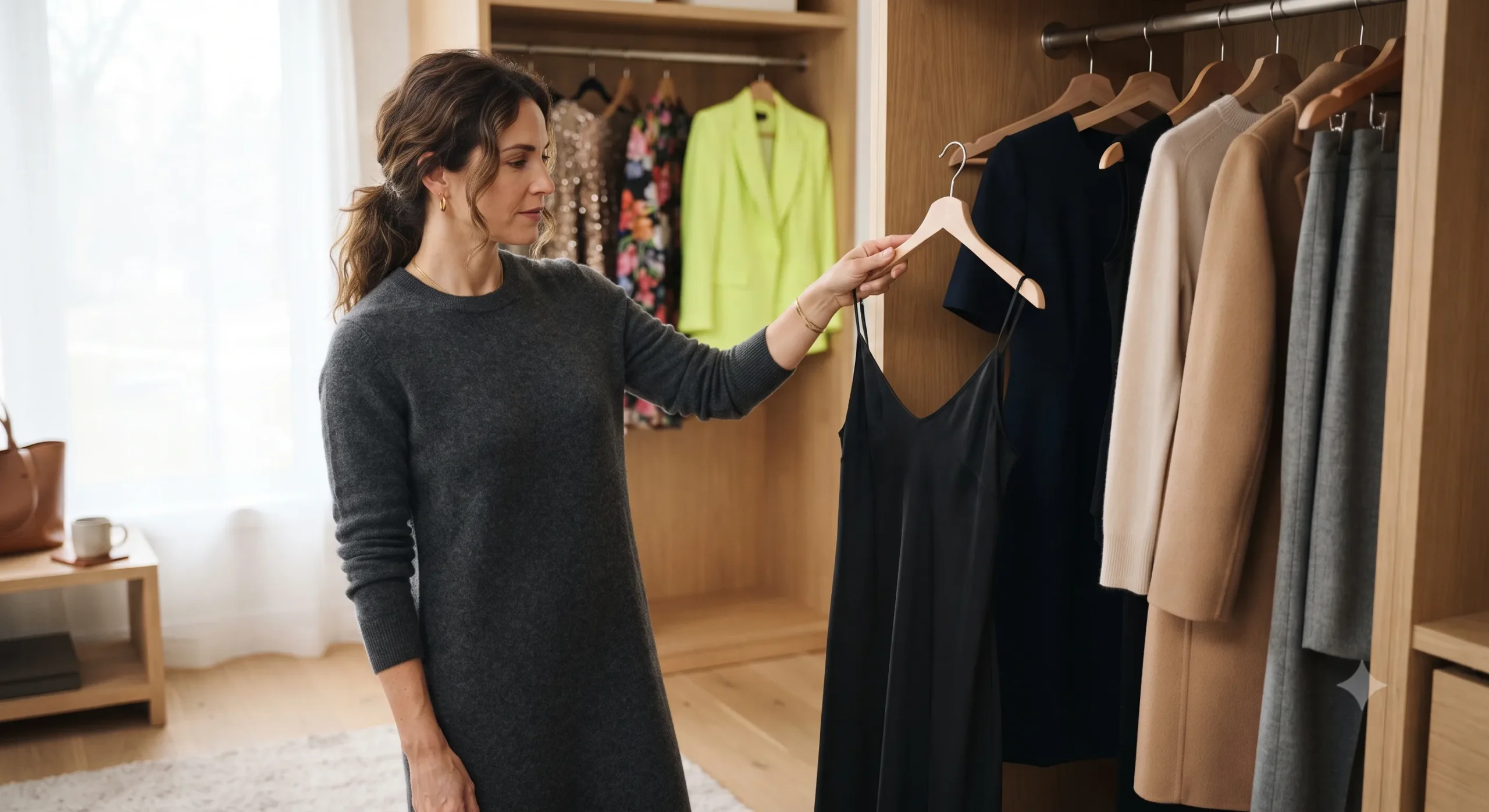
Can this be “de-romanticized”?
If you buy a floral midi dress, can you wear it with a leather jacket and boots for a casual look, or with a structured blazer for work? If the piece is so overtly “sweet” that it can only be worn in one specific, hyper-feminine way, it may lack the versatility needed for a thoughtful wardrobe.Does the detail feel intentional or decorative?
An intentional detail (like a well-placed pleat or a shaped sleeve) adds character to a garment. A purely decorative detail (like excessive plastic lace or unnecessary fringe) often detracts from the garment’s quality and longevity.Is the silhouette grounded in proportion?
Does the garment create a shape that feels balanced, or does it rely entirely on volume to make an impact? A piece that maintains a sense of graceful proportion will remain relevant far longer than one chasing a specific, voluminous trend.
The Emotional Longevity of Romantic Style
Ultimately, choosing to wear romantic style in a modern way is an exercise in emotional alignment. It is a rejection of the “loud” fashion culture that prioritizes shock value and fleeting trends. Instead, it embraces a more quiet, observant form of beauty.
When we choose pieces that possess a certain poetic quality—a way a sleeve falls, the softness of a color, the subtle texture of a fabric—we are dressing for ourselves. We are building a wardrobe that feels as though it has a soul. This approach aligns closely with the principles of a considered wardrobe: choosing items based on their beauty, their craftsmanship, and the way they make us feel, rather than simply because they are “in.”
By applying restraint, focusing on proportion, and prioritizing texture over trope, you can master a romantic style that feels entirely yours: sophisticated, modern, and deeply, gracefully feminine.