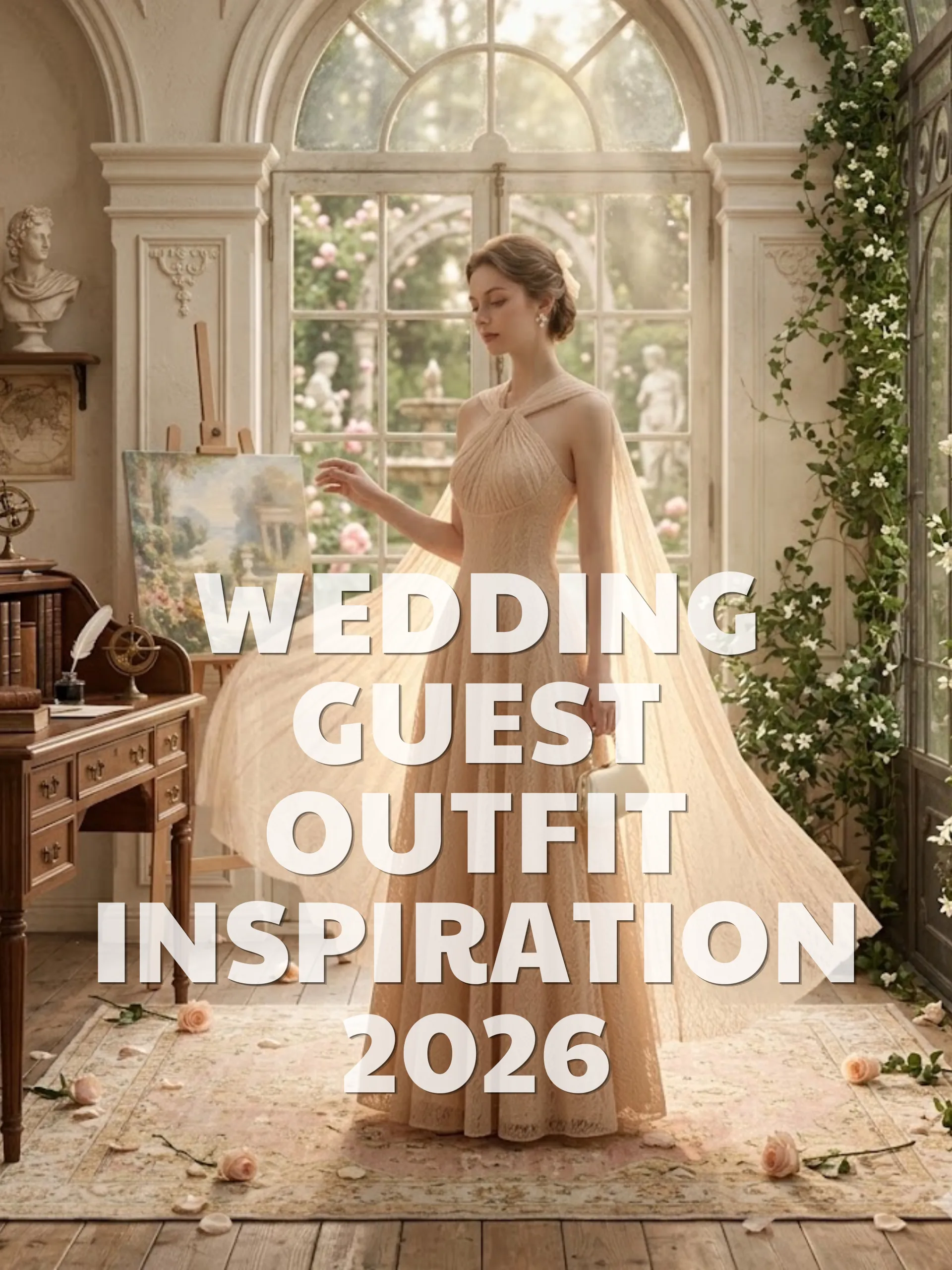
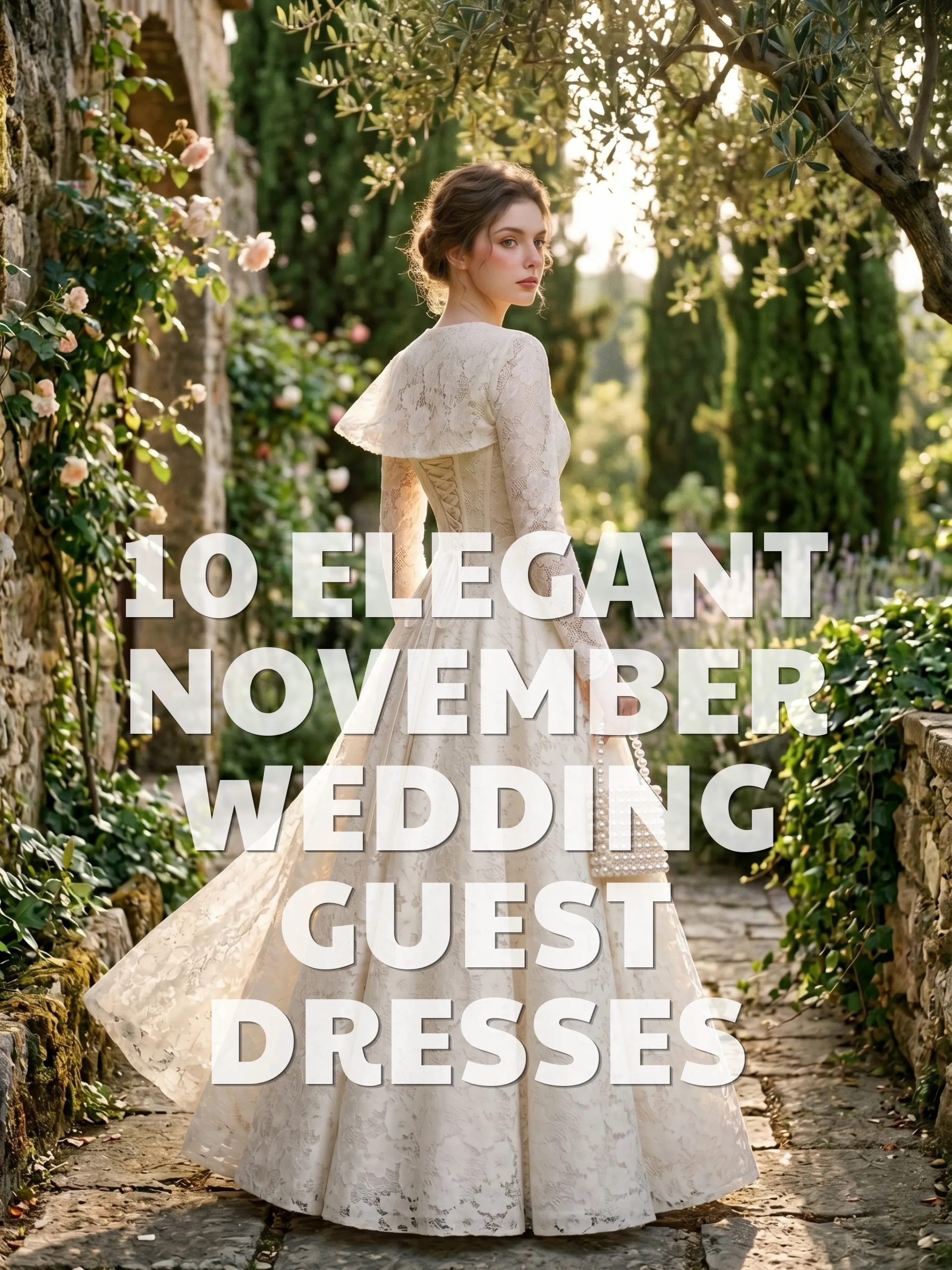
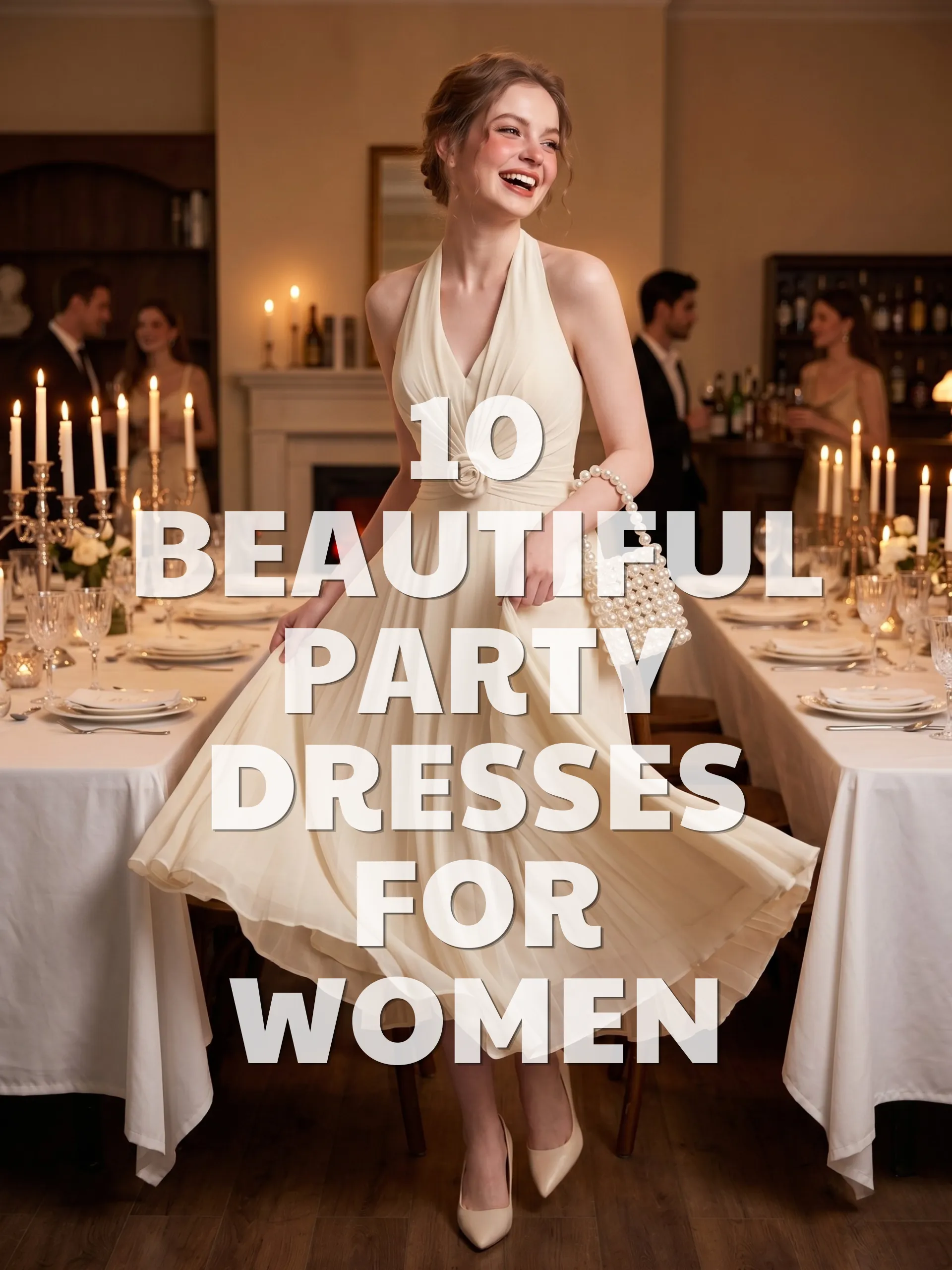
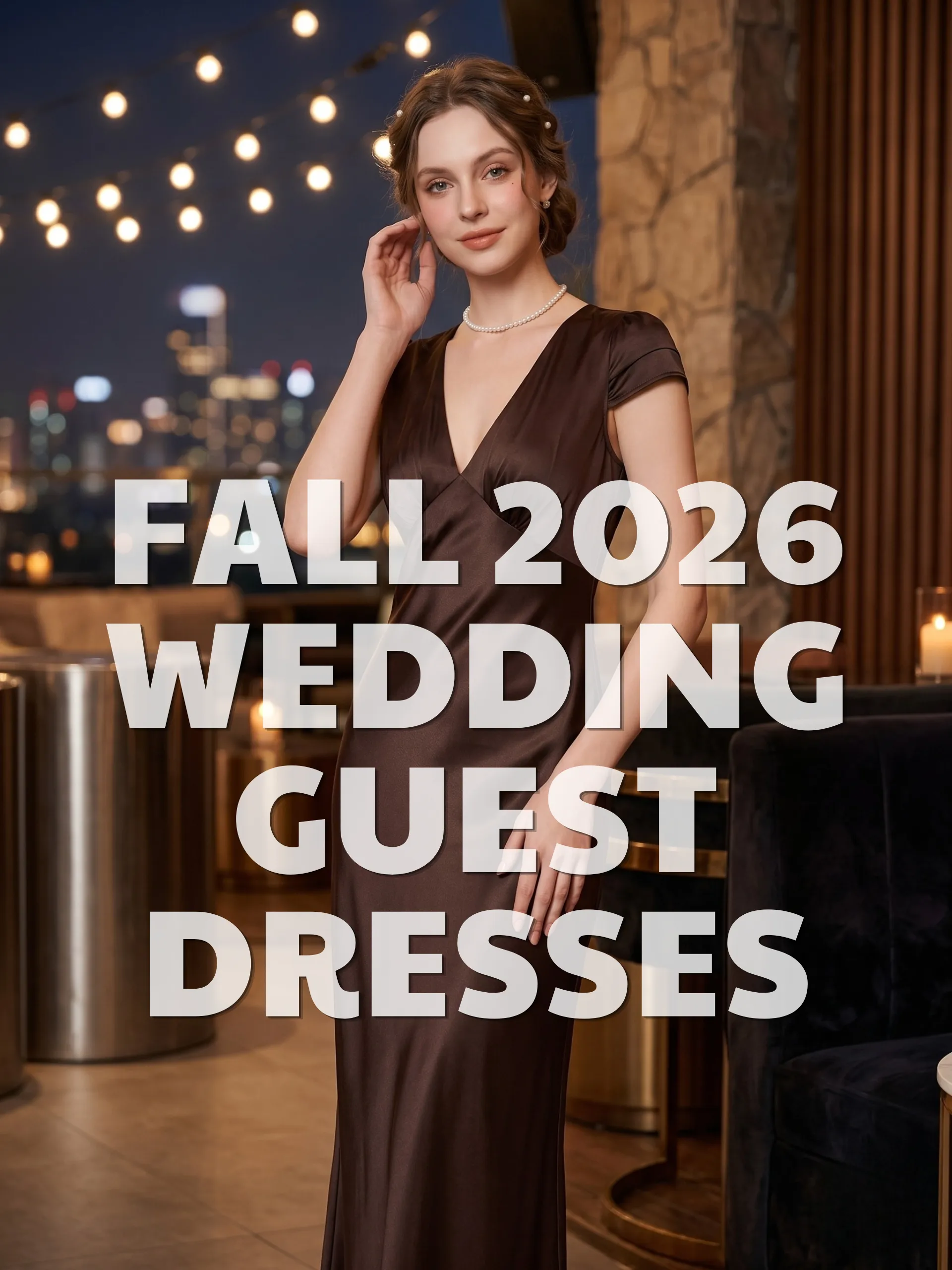
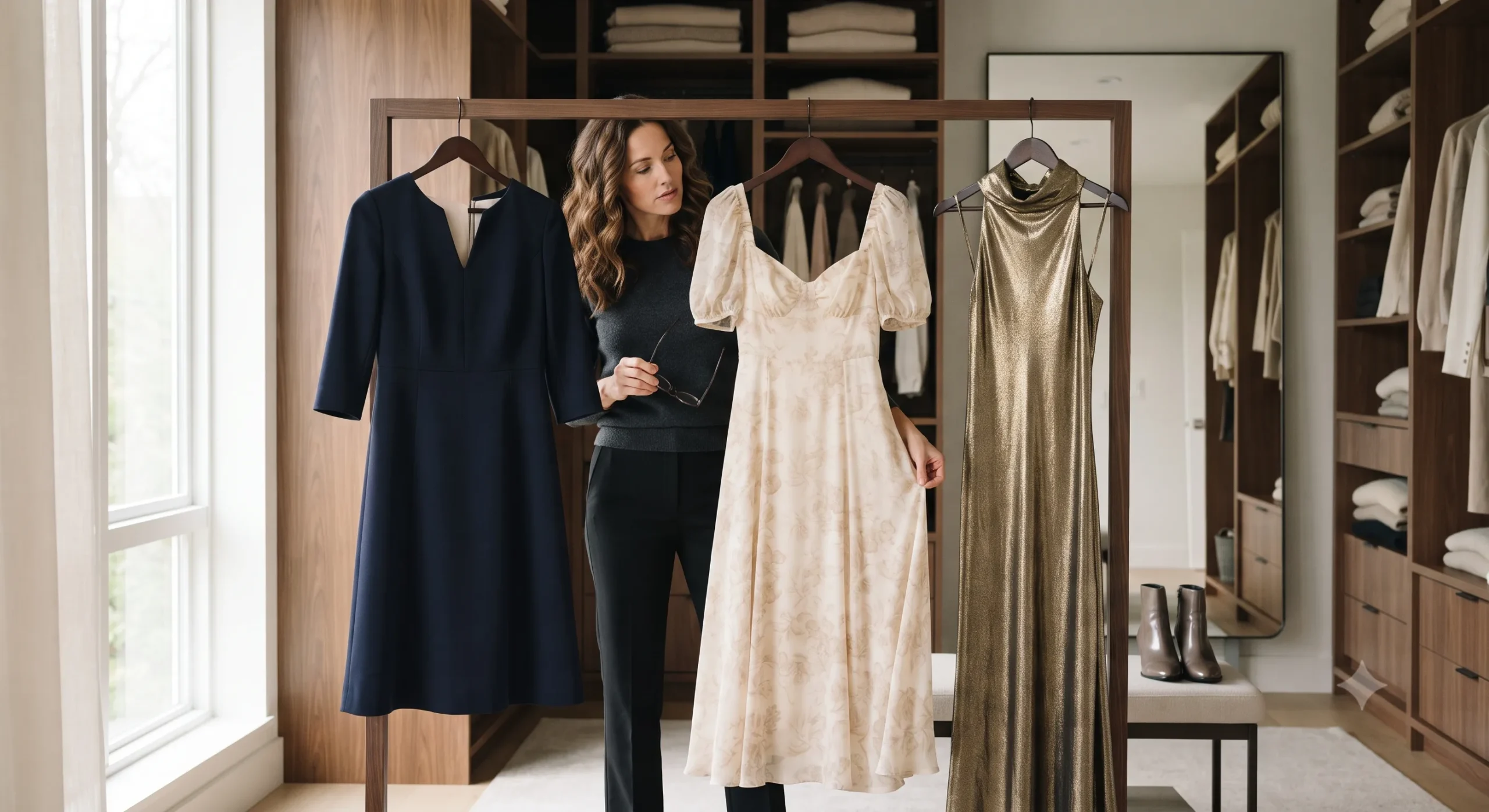
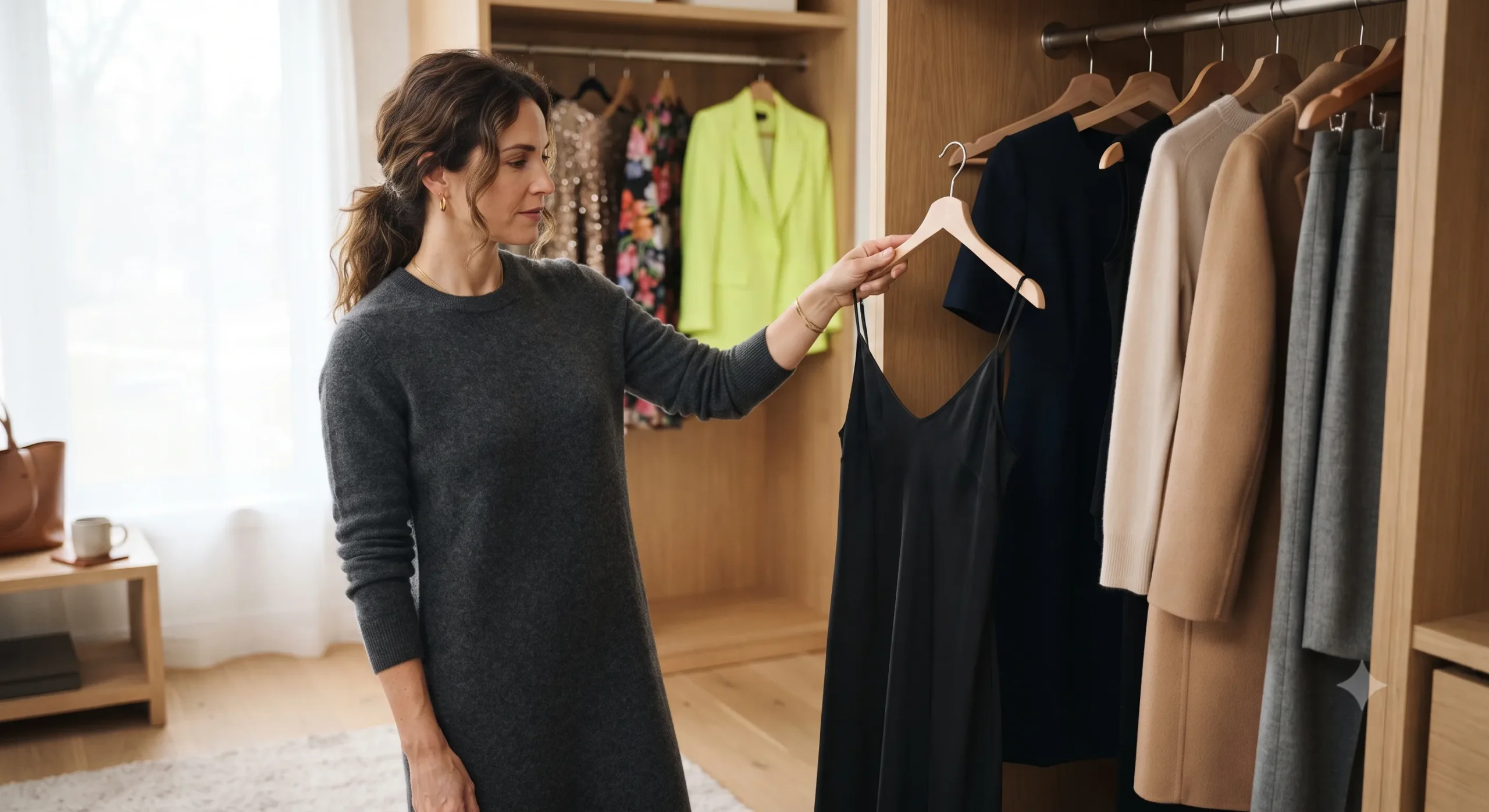
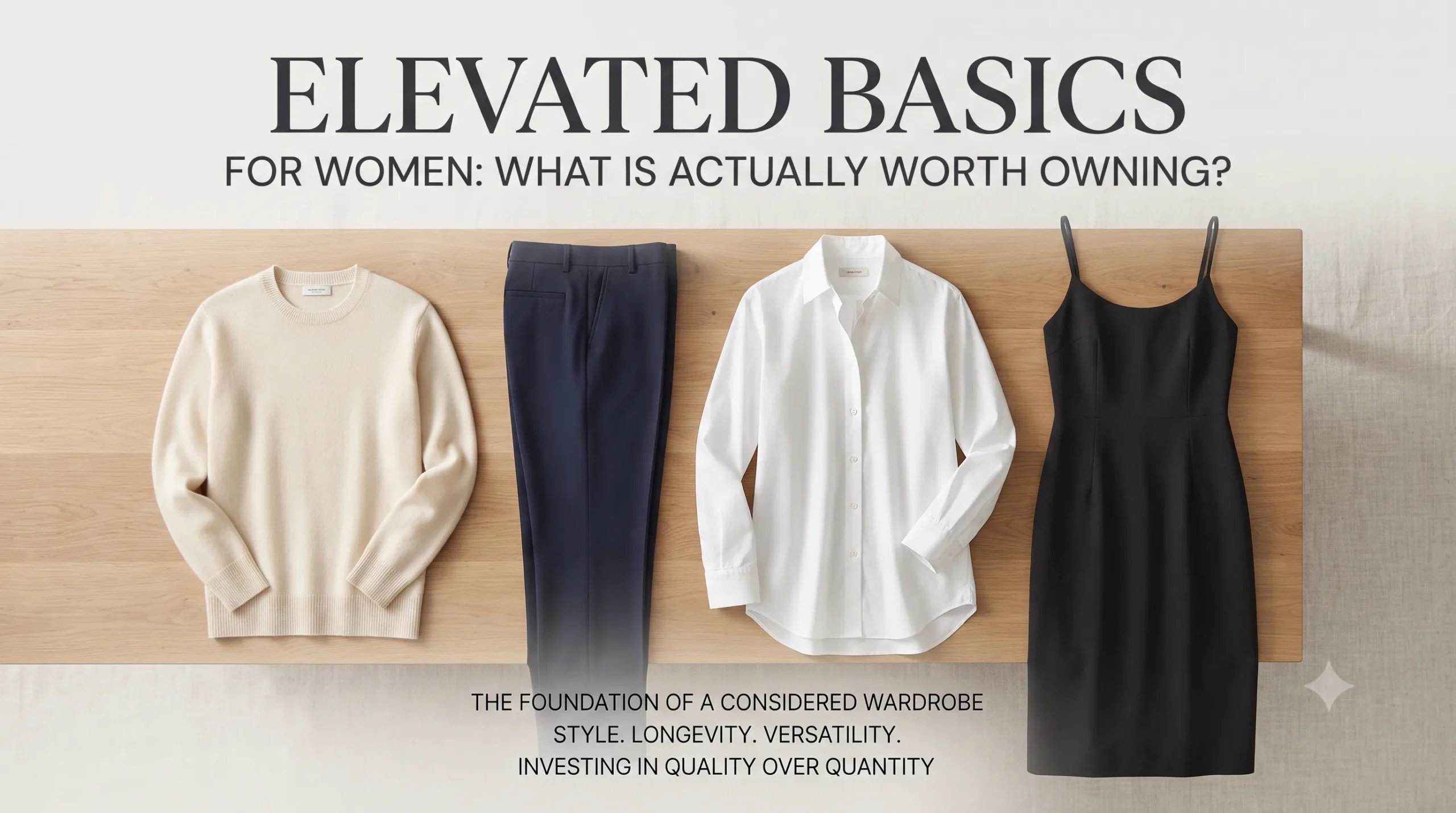
There is a specific, quiet tension that many women face when standing before a full closet of clothes: the feeling that despite having plenty of options, nothing quite feels “right.” Often, the wardrobe is a collection of extremes. On one side, there are pieces that feel overly youthful—perhaps too trendy, too casual, or too literal in their femininity—that leave you feeling like you are playing dress-up. On the other side, there are pieces that feel overly severe or corporate, leaning into a professional armor that lacks warmth, softness, or personal character.
The gap between these two extremes is where a truly sophisticated personal style lives. To look feminine, polished, and grown-up is not about adhering to a rigid set of rules or adopting a costume of “adultness.” Instead, it is an exercise in balance. It is the ability to blend soft, romantic elements with structured, intentional tailoring. It is about moving away from the loud, transient energy of fast fashion and toward a way of dressing that feels stable, considered, and deeply aligned with who you are as a woman in her prime.
Achieving this look requires a shift in how we view our clothes. We must stop looking at garments as mere trends to be consumed and start seeing them as tools for expressing a refined, mature presence.
The Anatomy of Polished Femininity
To understand how to bridge the gap between “sweet” and “sophisticated,” we must first define what these terms mean in a modern context. When we speak of looking “grown-up” in fashion, we are rarely talking about age; we are talking about intentionality.
A feminine aesthetic that feels mature is characterized by graceful proportion rather than exposure. While youthful femininity often relies on micro-trends—think ultra-short hemlines, excessive ruffles, or hyper-saturated colors—mature femininity relies on how a garment interacts with the body and the space around it.
1. The Role of Soft Structure
A common mistake is assuming that femininity must be shapeless or overly delicate. In reality, the most polished feminine looks utilize “soft structure.” This means choosing pieces that have a defined silhouette but are made from fabrics that move with the body.
Consider a blazer. A highly structured, heavy wool blazer can feel aggressive or strictly corporate. However, a blazer in a slightly more fluid crepe or a lightweight wool with a softer shoulder line provides a sense of authority while maintaining a feminine grace. This balance ensures you look capable and serious without losing your softness.
2. Texture Over Ornamentation
As we refine our style, we often find that “decoration” begins to feel unnecessary. Instead of seeking out sequins, loud prints, or heavy embroidery to make an impact, the grown-up wardrobe looks to texture. The way a matte fabric absorbs light, the subtle grain of a high-quality weave, or the way a heavy knit drapes against the skin creates a sense of luxury that doesn’t need to shout. This is the essence of understated elegance: the visual interest comes from the quality of the material and the precision of the cut, not from an external embellishment.
3. The Power of a Controlled Palette
Color plays a significant role in how “polished” an outfit appears. While vibrant colors certainly have their place, a foundation of sophisticated, muted tones—think sand, charcoal, navy, cream, and olive—provides a sense of visual calm. When your wardrobe is built around a cohesive palette, the pieces work together more effortlessly, reducing the mental friction of getting dressed and ensuring that your overall presence feels cohesive rather than fragmented.
Moving Beyond Trend-Chasing: The Decision Logic
A major hurdle in looking polished is the cycle of fast fashion. Trends are designed to create a sense of urgency and a feeling of being “out of date,” which is the antithesis of a mature, timeless style. To look grown-up, one must develop a different set of decision criteria when evaluating a new piece.
Instead of asking, “Is this in style right now?” try asking the following questions:
- Does this garment have longevity in my current wardrobe? Can I wear this with at least three things I already own?
- How does the fabric behave? Does it hold its shape, or does it look limp after an hour of wear? Does it require high-maintenance care that I won’t realistically provide?
- Is the proportion balanced? Does the silhouette complement my body in a way that feels intentional, or does it feel like I am fighting against the garment?
- Does this align with my lifestyle? If I am a professional or a creative, does this piece bridge the gap between my daily responsibilities and the woman I want to present to the world?
Understanding Cost-Per-Wear and Value
A hallmark of a grown-up approach to fashion is the transition from “price” to “value.” A $30 fast-fashion top that loses its shape after two washes has a much higher cost-per-wear than a $150 well-constructed blouse that remains a staple for five years.
Cost-per-wear is a simple but transformative way to think about your wardrobe. It is calculated by dividing the cost of the item by the number of times you expect to wear it. When you prioritize pieces with high long-term value—those that are versatile, durable, and stylistically stable—you aren’t just saving money in the long run; you are building a collection of “reliable” clothes that make you feel confident every time you reach for them.
| Feature | Youthful/Trend-Led Style | Polished/Mature Style |
|---|---|---|
| Primary Focus | Novelty and “The Moment” | Longevity and Personal Expression |
| Silhouette | Often extreme (ultra-tight or ultra-oversized) | Balanced and intentional proportions |
| Fabric Choice | Synthetic, often thin or high-shine | Natural fibers, varied textures, substantial weight |
| Detailing | Heavy logos, loud prints, trendy embellishments | Subtle tailoring, tonal details, texture-driven |
| Wardrobe Goal | Accumulation of many items | Curation of meaningful pieces |
Practical Styling Scenarios: From Theory to Reality
Knowing the principles is one thing; applying them to a Tuesday morning or a Saturday evening dinner is another. The following scenarios illustrate how to apply the concepts of soft structure, proportion, and restraint to real-life situations.
Scenario A: The Professional Creative (Work/Meetings)
The Goal: To appear authoritative and capable, yet approachable and feminine.
Avoid the “stiff suit” trap. Instead, opt for a combination of structured and fluid elements.
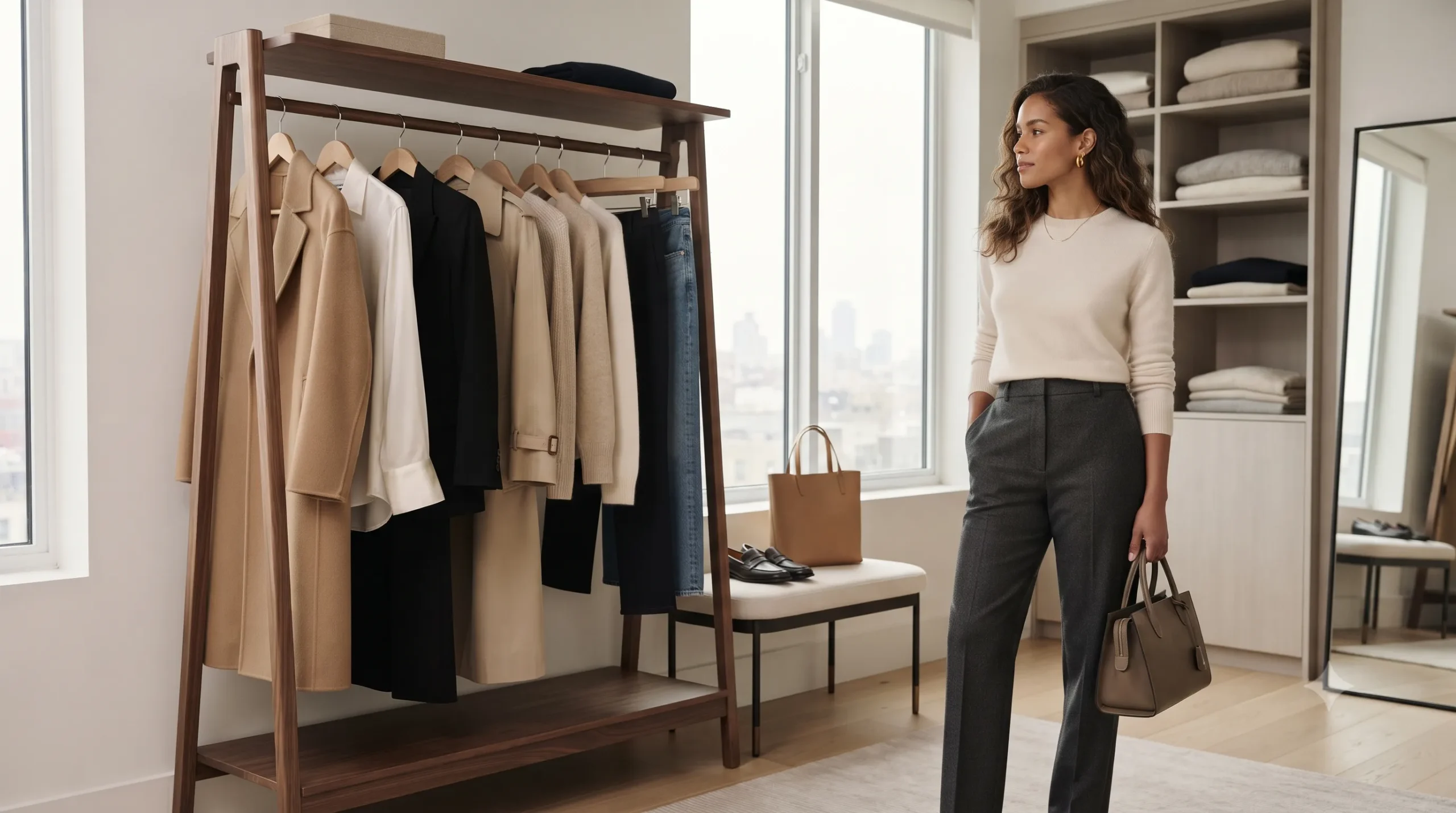
- The Outfit: A pair of high-waisted, wide-leg trousers in a heavy drape fabric (like wool crepe) paired with a tucked-in, soft knit top or a subtle button-down.
- The Logic: The trousers provide the “grown-up” structure and authority, while the soft fabric of the top prevents the look from feeling clinical. Adding a leather loafer or a pointed-toe flat keeps the look grounded and practical.
Scenario B: The Elegant Weekend (Brunch/Gallery/Travel)
The Goal: To look put-together without appearing like you’ve tried too hard.
This is where “elevated basics” shine. The key is to take a casual silhouette and elevate it through fabric and fit.
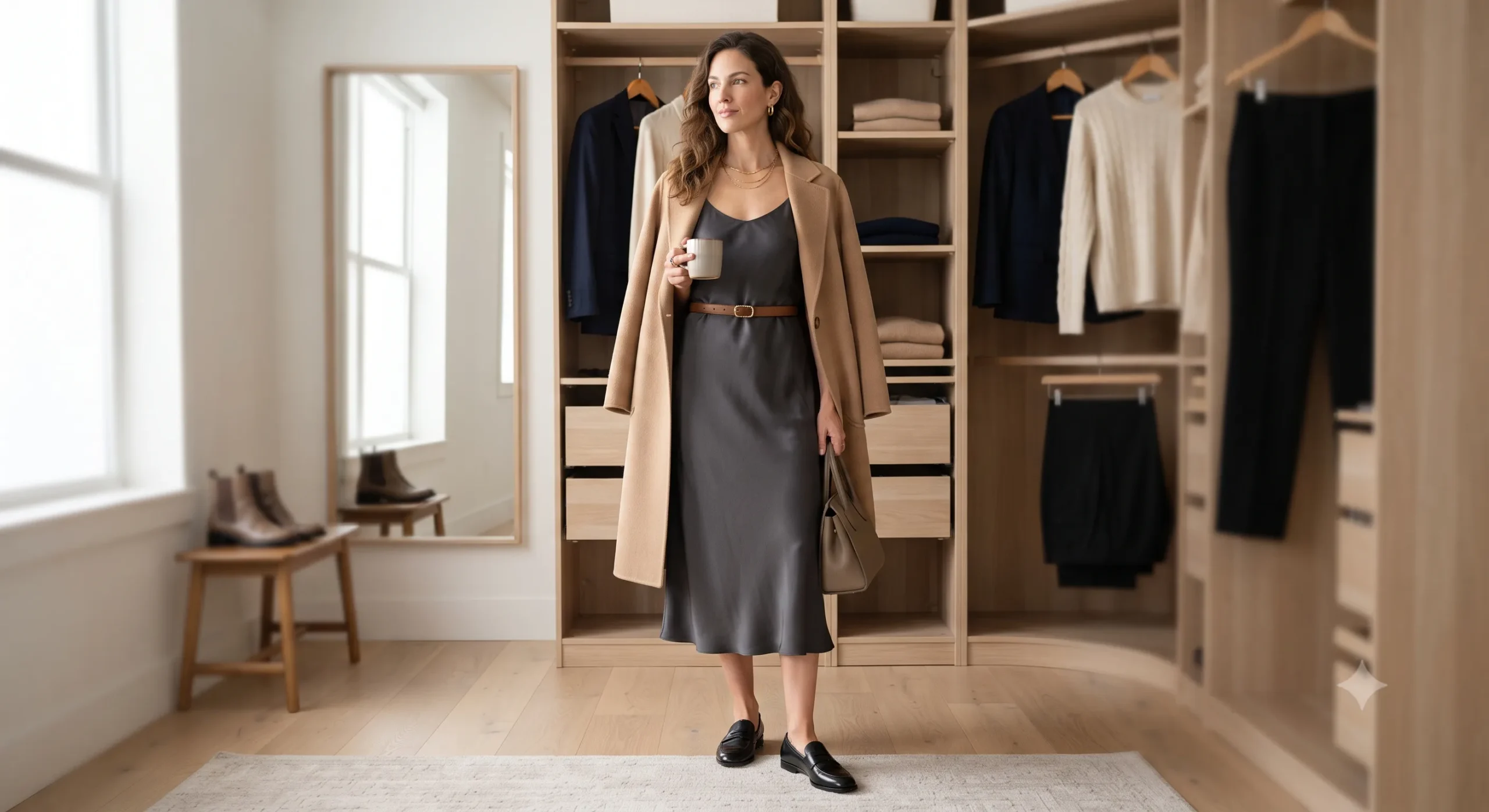
- The Outfit: A mid-length skirt in a substantial fabric (perhaps a heavy cotton or a matte satin-finish weave) paired with a high-quality, slightly oversized sweater.
- The Logic: The skirt provides a sense of occasion and femininity, while the sweater keeps it relaxed and modern. The interplay of the textures (the weight of the knit against the smoothness of the skirt) creates visual depth without needing loud colors.
Scenario C: The Evening Event (Dinner/Celebration)
The Goal: To lean into romanticism without looking “precious” or overly costume-like.
For evening wear, focus on the silhouette and the way the light hits the fabric.
- The Outfit: A midi-length dress with a defined waist and a modest neckline, perhaps in a deep jewel tone or a sophisticated neutral.
- The Logic: By choosing a midi length rather than a mini, you immediately signal a more mature sensibility. By focusing on a clean, singular silhouette rather than many ruffles or cut-outs, you allow the quality of the dress and your own presence to take center stage.
Common Misconceptions and Styling Pitfalls
Even with the best intentions, it is easy to veer off course. Recognizing these common mistakes can help you course-correct your styling.
The “Too Much” Trap
When we want to feel “dressed up,” our instinct is often to add more. More jewelry, more color, more layers. However, the most polished women often master the art of subtraction. If you are wearing a statement earring, skip the necklace. If your dress has a beautiful texture, keep your accessories minimal. Polished style is about creating a single, clear point of focus rather than a visual cacophony.
Forgetting the Importance of Fit
A beautiful, expensive garment will look cheap if it fits poorly. Conversely, a simple, well-fitted garment can look incredibly luxurious. A “grown-up” wardrobe requires an awareness of tailoring. This might mean having your trousers hemmed to the perfect length for your favorite shoes, or having a blazer nipped in slightly at the waist. Fit is the invisible element that separates “wearing clothes” from “wearing an outfit.”
Neglecting the “Third Piece”
One of the easiest ways to move from “casual” to “polished” is the addition of a third piece. A casual outfit is often just a top and a bottom. Adding a “third piece”—a structured blazer, a long cardigan, a trench coat, or even a refined scarf—adds a layer of intentionality. It completes the silhouette and makes the outfit look curated rather than accidental.
Building a Thoughtful Wardrobe
Transitioning to a more polished, feminine, and grown-up style is a gradual process. It is not about an overnight overhaul of your closet, but rather a shift in your relationship with clothing. It is about moving toward a more intentional, considered way of dressing—one that prioritizes quality, comfort, and a sense of personal history.
A thoughtful wardrobe is one that grows with you. It is a collection of pieces that feel like an extension of your character—pieces that are graceful, wearable, and resonant with the life you actually lead. As you curate your closet, remember that elegance is rarely about being the loudest person in the room; it is about being the most composed, the most intentional, and the most authentically yourself.
By focusing on proportion, texture, and long-term value, you move away from the frantic energy of consumption and into the calm, confident space of a woman who knows exactly who she is, and exactly how she wishes to be seen.