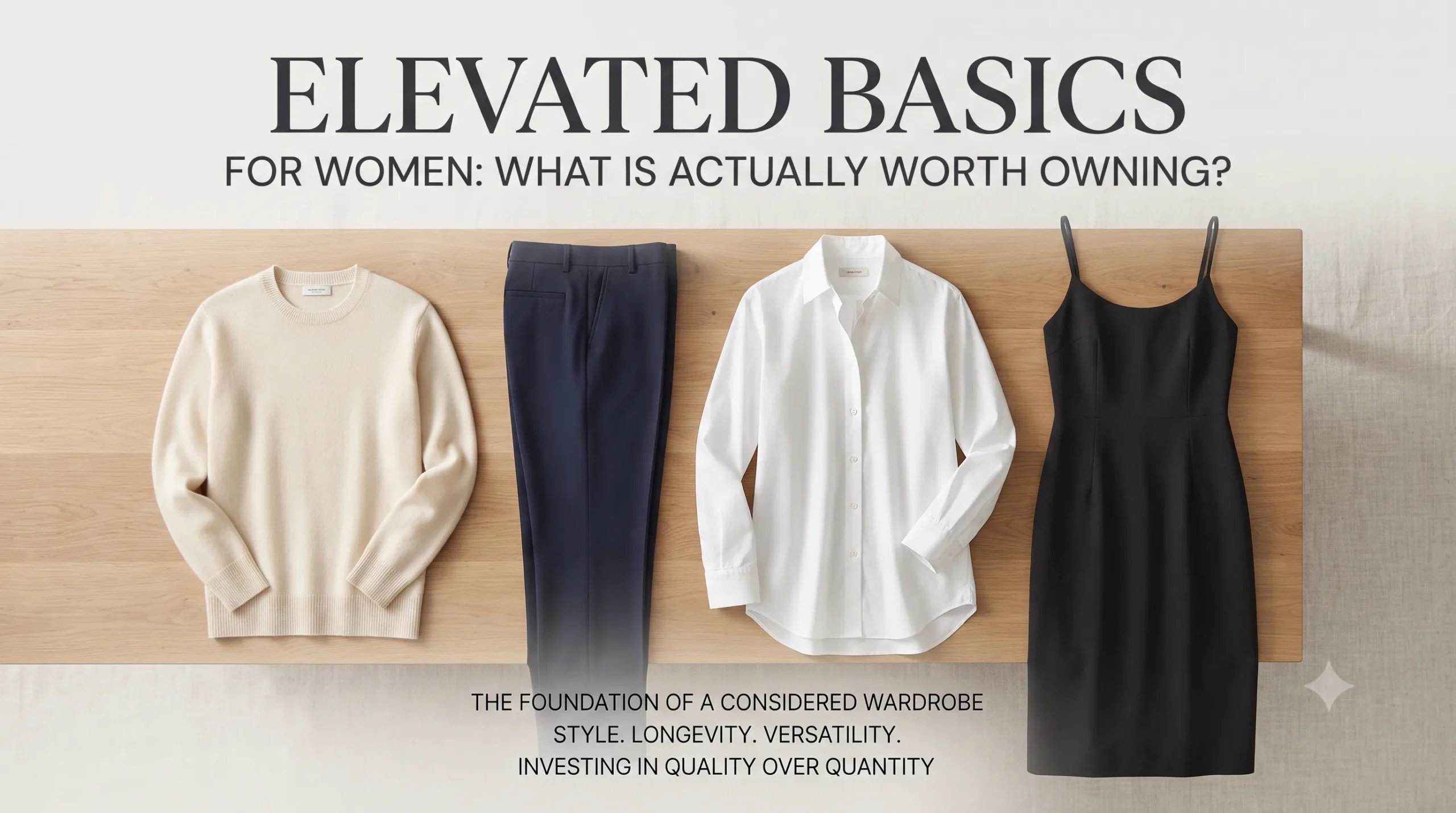
There is a specific, recurring tension in the way many women approach their wardrobes. On one hand, there is the desire for precision—the sharp blazer, the tailored trouser, the structured coat that feels like armor for a busy workday. On the other, there is the craving for softness—the fluid drape of a skirt, the tactile comfort of a knit, the sense of being a person rather than a polished silhouette.
Often, we feel forced to choose. We fear that adding “softness” will make us look unkempt, juvenile, or overly casual, as if we have surrendered our professionalism to a state of perpetual loungewear. Conversely, we worry that leaning too heavily into structure will make us appear rigid, unapproachable, or even cold.
The most sophisticated way to dress lies in the middle ground. It is the art of intentional contrast: using structure to provide a framework and softness to provide soul. Achieving this balance allows you to look composed and authoritative while maintaining an air of grace and approachability.
Understanding the Tension: Structure vs. Softness
To master this balance, we must first define what these two elements actually do for an outfit. They are not just about the stiffness of a fabric; they are about the visual language they communicate.
Structure is defined by intentional lines, defined shoulders, and fabrics that hold their own shape regardless of the body beneath them. It communicates competence, boundaries, and organization. When an outfit is purely structured, it can feel architectural and impressive, but it can also lack movement and warmth.
Softness is defined by drape, texture, and fluidity. It is the way a fabric follows the movement of the body rather than forcing the body into a shape. Softness communicates ease, femininity, and sensory comfort. However, an outfit composed entirely of soft elements can easily lose its visual impact, appearing shapeless or overly relaxed.
The goal of “soft structure” is to create a silhouette that has a clear beginning and end—a sense of being “put together”—but is softened by elements that invite the eye to linger. It is the difference between a room that is merely functional and a room that feels inhabited and warm.
The Logic of Counterpoints
The most effective method for adding softness without losing structure is the principle of counterpoints. Rather than trying to find a single garment that is both rigid and fluid, you layer the two opposing energies against one another.
1. Fabric Weight and Texture
One of the most immediate ways to achieve this is through the interplay of textile weights. A heavy, structured wool trouser provides a grounded base. If you pair that with a crisp, starched cotton shirt, the look remains strictly formal and perhaps a bit stiff. However, if you replace that shirt with a fine-gauge knit or a blouse in a fluid crepe, the outfit immediately gains a layer of approachable elegance. The structure of the trouser keeps the look “anchored,” while the texture of the top introduces a human, tactile element.
2. The Rule of Proportions
Structure often comes from volume control. A common mistake is to wear oversized, soft pieces from head to toe, which results in a loss of silhouette. To maintain structure, use a structured piece to “frame” a soft one.
- Scenario A: A voluminous, flowing midi skirt (soft) paired with a fitted, tailored waistcoat or a structured blazer (structured).
- Scenario B: Wide-leg, fluid trousers (soft) paired with a tucked-in, structured button-down or a bodysuit with a defined neckline (structured).
By defining the waist or the shoulders, you provide the eye with a roadmap of your silhouette, even when the rest of the clothing is moving freely.
3. Hard vs. Soft Accessories
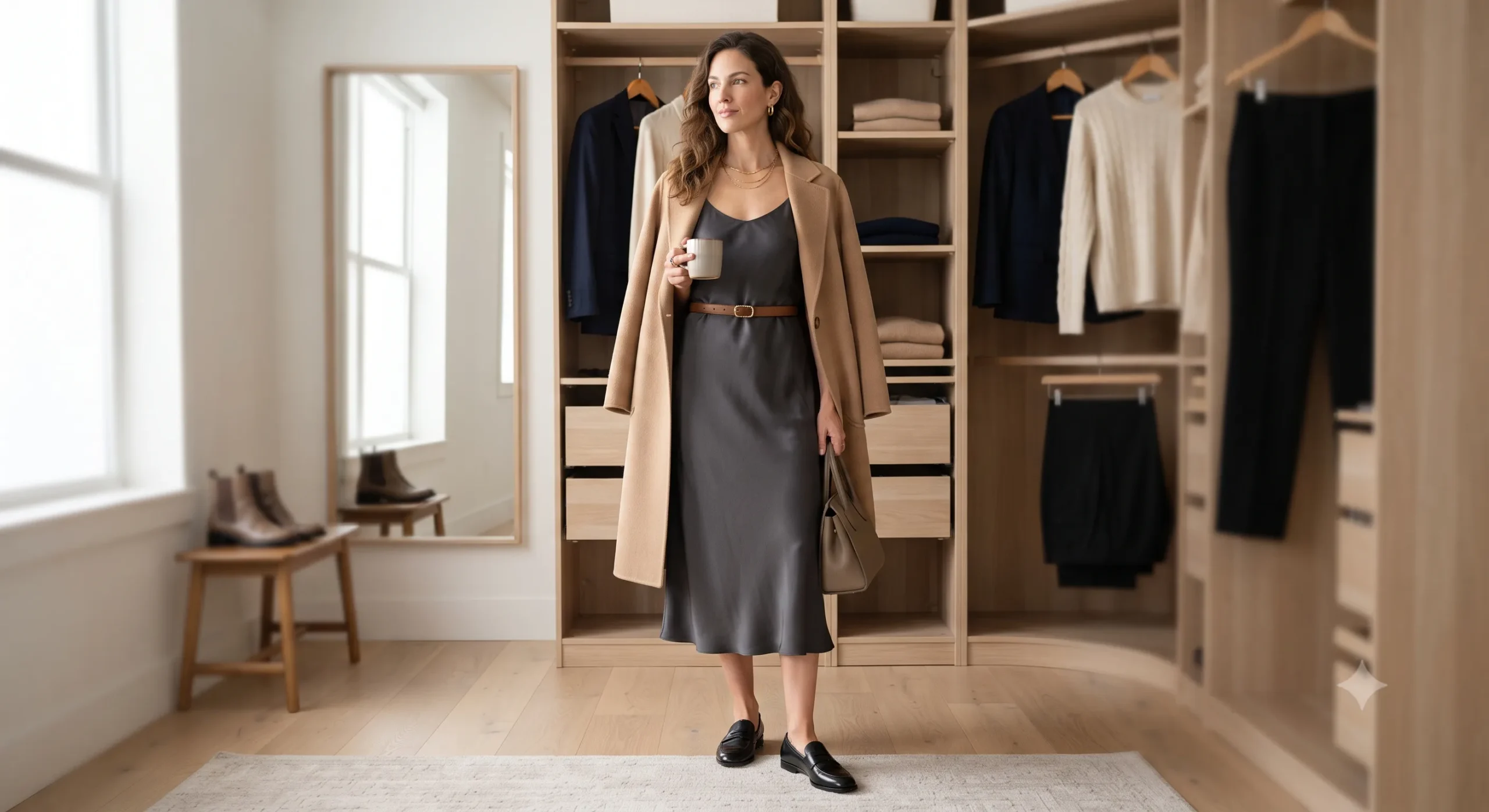
Accessories act as the final “punctuation” of an outfit. If your clothing is leaning heavily toward the romantic and soft—perhaps a floral midi dress or a pleated skirt—you can use accessories to inject necessary structure. A structured leather belt, a sharp-edged handbag, or a pair of pointed-toe boots can prevent a soft outfit from feeling too “precious” or costume-like.
A Decision Framework for Outfit Composition
When standing before a mirror, it can be difficult to tell if an outfit has crossed the line from “graceful” to “shapeless.” Use the following logic to evaluate your look.
| Element | If you want more Structure… | If you want more Softness… |
|---|---|---|
| Shoulder Line | Opt for a seam that sits exactly on the bone or a slight pad. | Look for dropped shoulders or raglan sleeves. |
| Fabric Behavior | Choose fabrics that “stand” (denim, heavy wool, twill). | Choose fabrics that “fall” (silk-alternatives, crepe, fine knits). |
| Hemlines | Aim for clean, straight lines (straight-leg trousers, pencil skirts). | Look for asymmetrical, ruffled, or flowing hems. |
| Fastenings | Use visible buttons, zippers, or belts to create points of interest. | Rely on draping, ties, or seamless construction. |
Practical Styling Scenarios
To see how this works in real life, let’s look at how these principles apply to common wardrobe requirements.
The Elevated Workday
The modern professional environment often demands a level of polish that doesn’t feel like a costume.
- The Mistake: Wearing a full suit that feels too severe or a soft sweater and leggings that feel too casual.
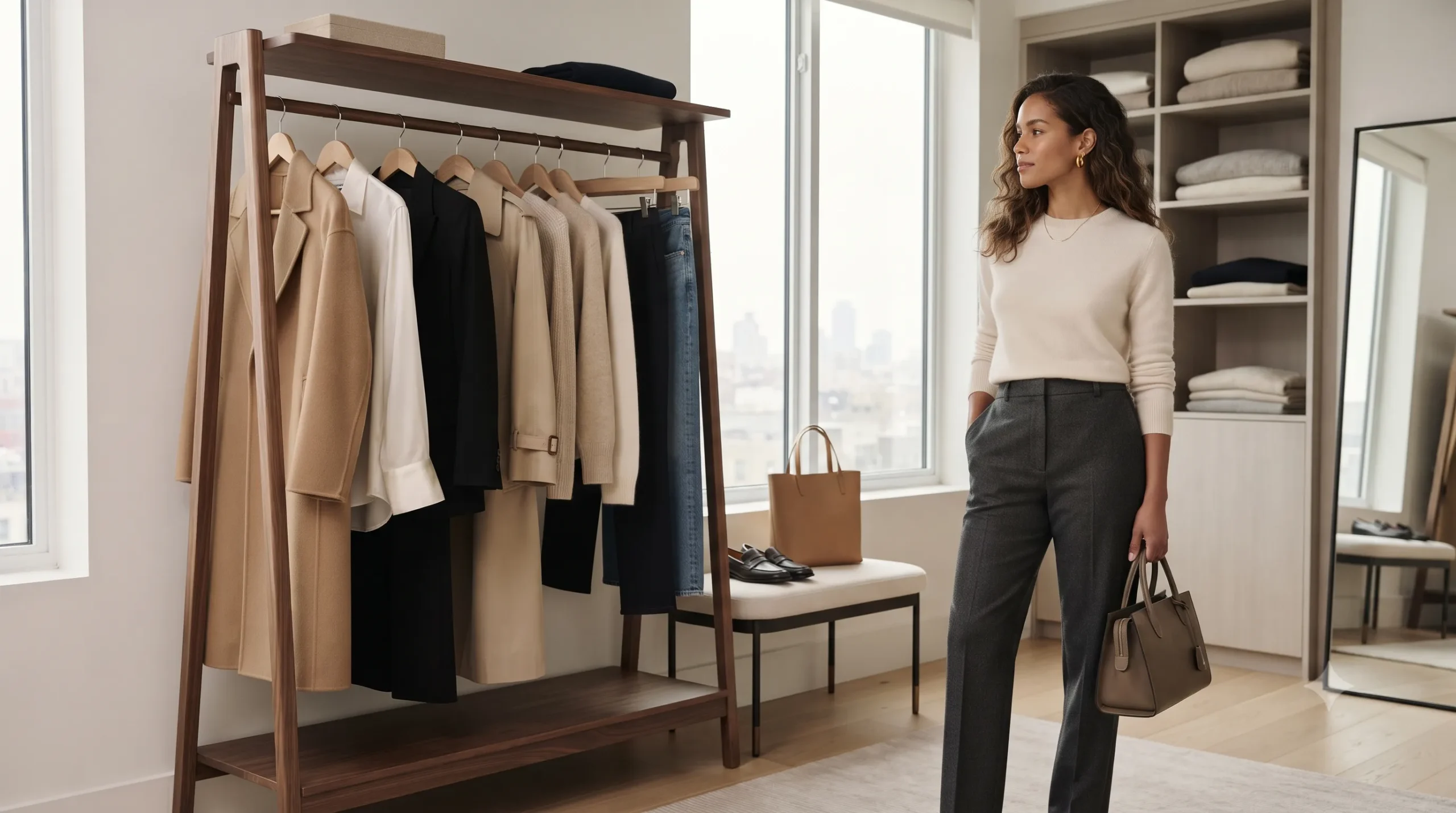
- The Balanced Approach: A pair of high-waisted, tailored trousers in a neutral tone (structure) paired with a high-quality knit polo or a soft, draped blouse (softness). Add a structured loafer to ground the look. The structure of the trousers provides the “authority,” while the knit provides the “comfort” and ease.
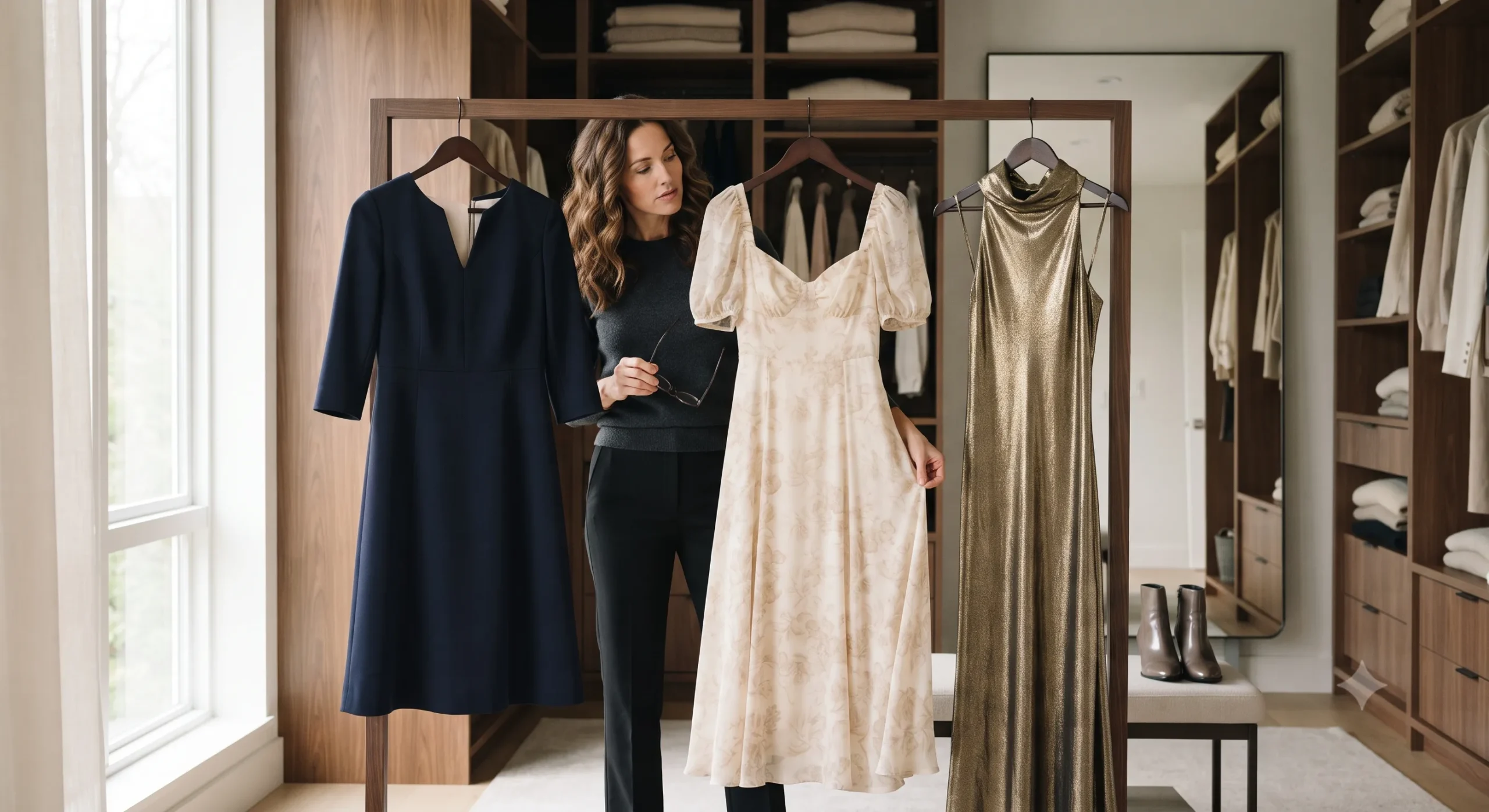
The Weekend Occasion (Garden Party or Brunch)
For social events, you want to feel special without looking like you are trying too hard.
- The Mistake: A very puffy, tiered dress that lacks a defined shape, making you look lost in fabric.
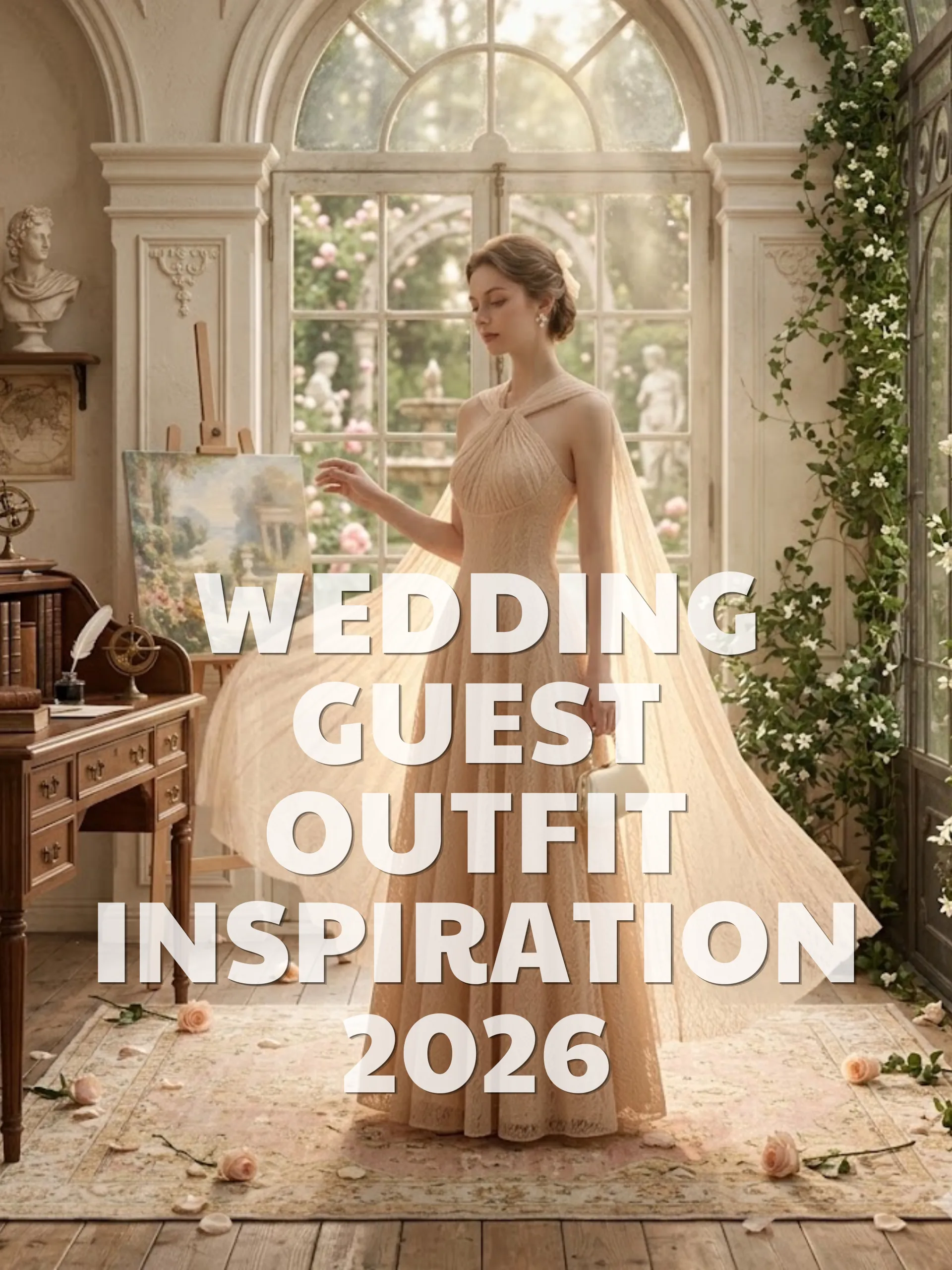
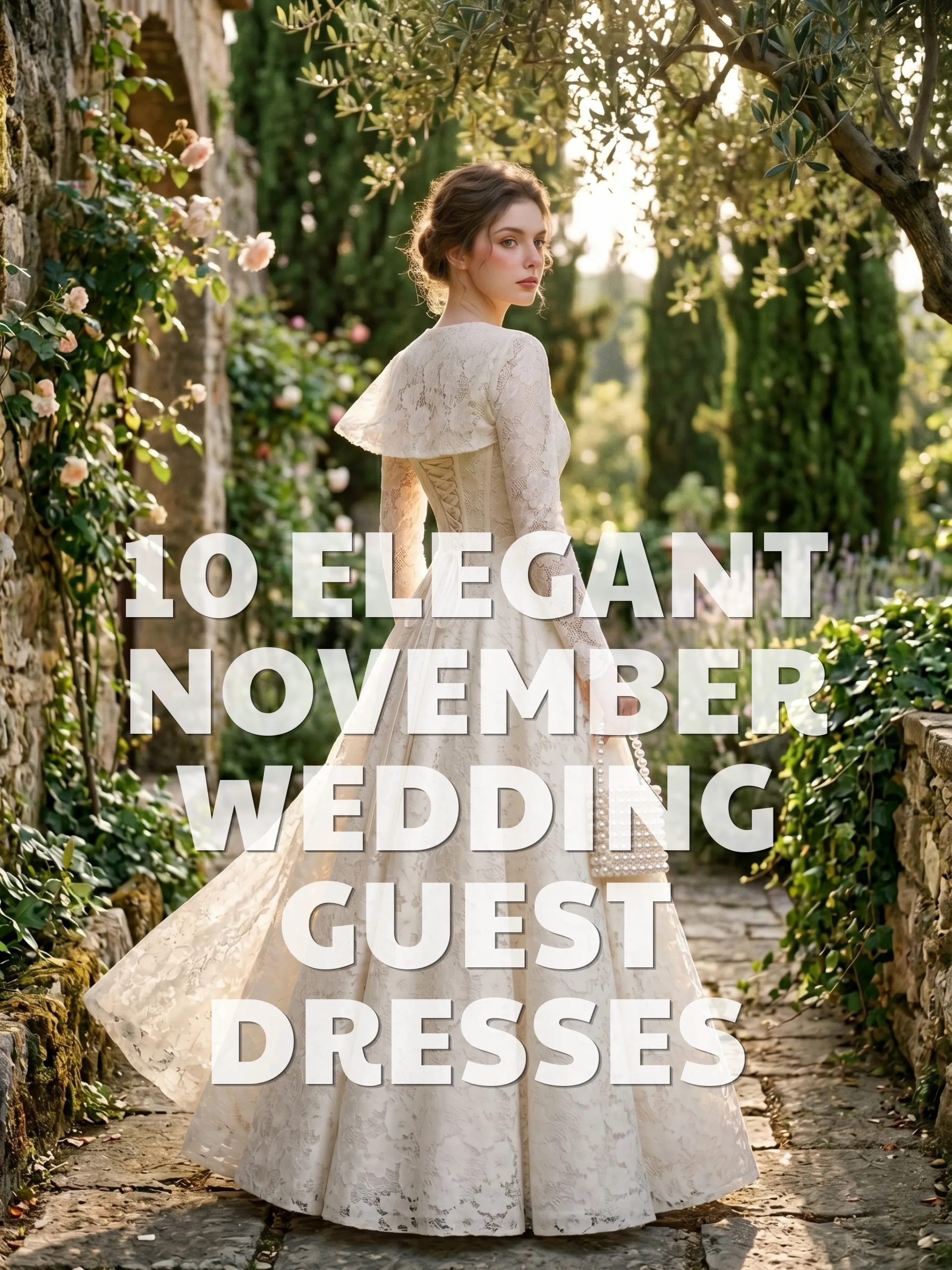
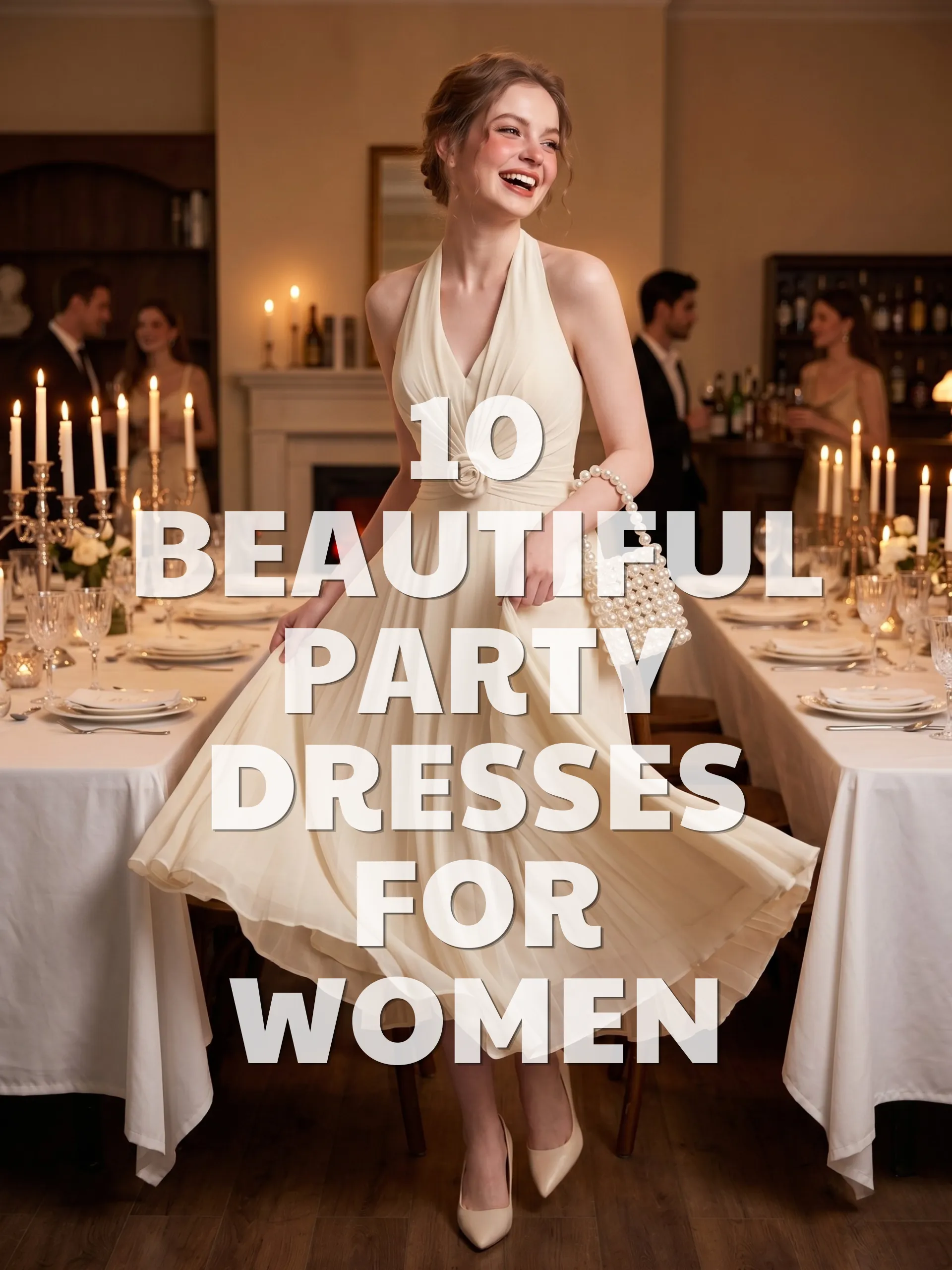
- The Balanced Approach: A dress with a defined waist or a structured bodice (structure) that flows into a soft, airy skirt (softness). Alternatively, a pair of structured denim paired with a romantic, soft-sleeve blouse creates a look that is both grounded and feminine.
The Travel Wardrobe
Travel requires a delicate balance between being able to move freely and wanting to look presentable upon arrival.
- The Mistake: Choosing only soft joggers and oversized hoodies, which can feel uninspiring and lead to a “slumped” appearance.
- The Balanced Approach: A structured trench coat or a longline cardigan (structure) layered over soft, wide-leg jersey trousers and a simple tee (softness). The outer layer provides the “frame” that makes the soft underlayers look intentional rather than accidental.
Common Pitfalls: Avoiding the Extremes
Even with a clear intention, it is easy to veer too far in one direction. Recognizing these mistakes is the first step toward refinement.
Mistake 1: The “Lost in Fabric” Effect
This occurs when too many soft elements compete for attention. If you are wearing a wide-leg trouser, a flowing blouse, and an oversized cardigan, there is no visual “anchor.”
- The Fix: Introduce a single point of structure. This could be a belt to define the waist, or simply tucking in the blouse to create a clear line between the upper and lower body.
Mistake 2: The “Stiff Armor” Effect
This happens when every piece in the outfit is designed to hold its shape. While this can look striking in a high-fashion editorial, in real life, it can make a person look uncomfortable and unapproachable.
- The Fix: Soften one element. If your blazer and trousers are both very sharp, swap the structured shirt for something with a more fluid drape, or choose a shoe with a softer silhouette.
Mistake 3: Misinterpreting Softness as “Childishness”
Sometimes, in an attempt to add softness, women reach for overly sweet details like excessive ruffles, bright pastels, or bow motifs. This can inadvertently lead to a look that feels immature rather than elegant.
- The Fix: Focus on texture and drape rather than ornamentation. Softness can be achieved through the weight of a fabric or the way a neckline falls, which feels much more sophisticated and “quietly luxurious” than decorative frills.
Developing Your Own “Soft Structure” Signature
Style is ultimately a personal negotiation between how we want the world to see us and how we want to feel within our own skin. Adding softness to a structured outfit is an act of emotional intelligence; it acknowledges that while we have roles to play and boundaries to maintain, we are also human beings who value comfort, grace, and movement.
As you build your wardrobe, look for pieces that offer “modular versatility.” A well-tailored blazer is a classic example—it provides structure to a soft dress, but it can also be worn over a structured trouser for a more formal look. The goal is to curate a collection of pieces that can be combined to create this tension intentionally.
When you stop viewing structure and softness as opposites and start seeing them as partners, your dressing becomes much simpler. You no longer ask, “Is this professional?” or “Is this comfortable?” Instead, you ask, “Does this outfit have enough frame to hold me, and enough fluidity to let me move?”
A thoughtful wardrobe is not about having more clothes; it is about having more clarity. By mastering the interplay of lines and textures, you create a style that is as resilient as it is refined—a wardrobe that serves you through every occasion, with a quiet, polished grace.