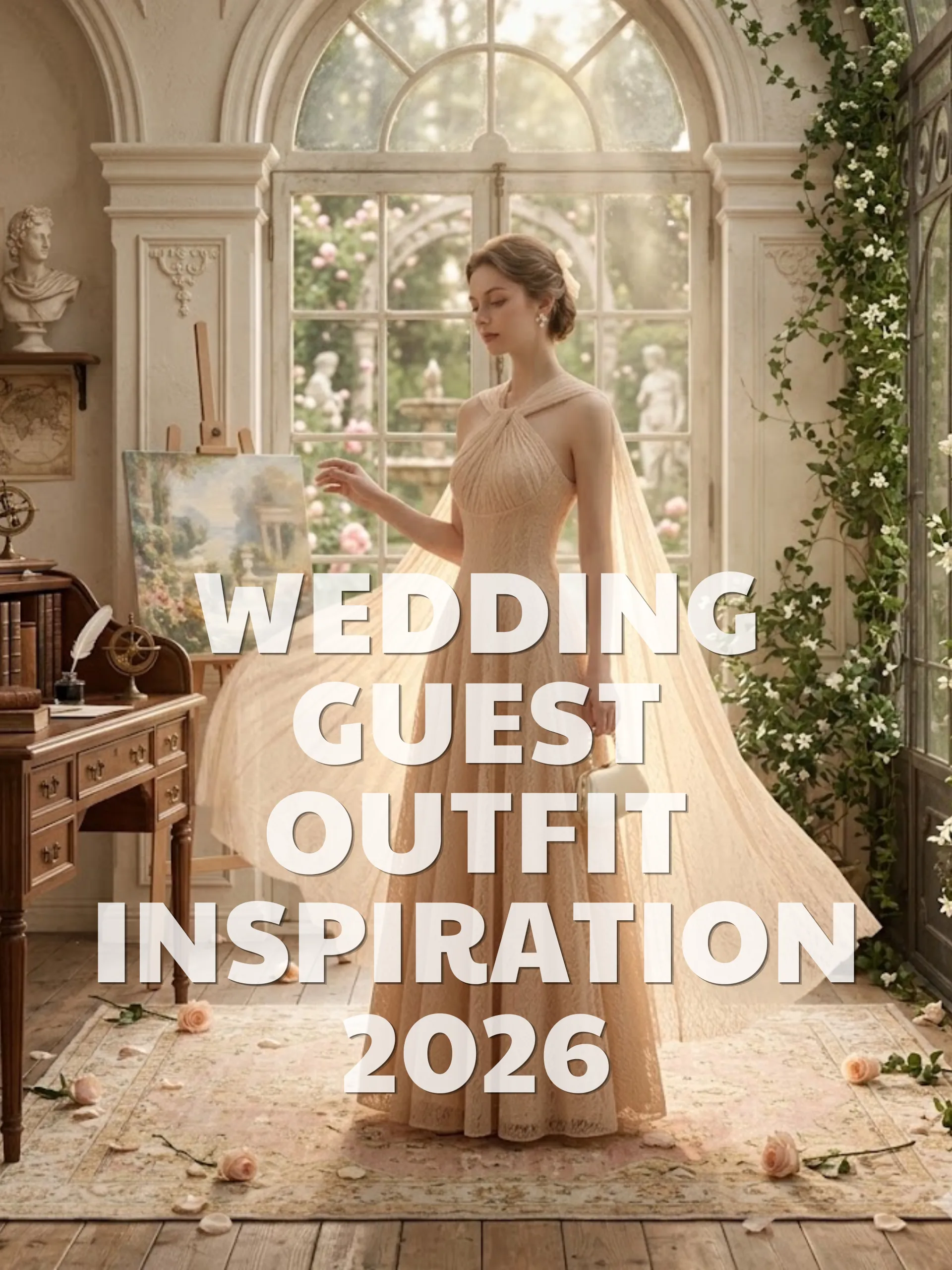
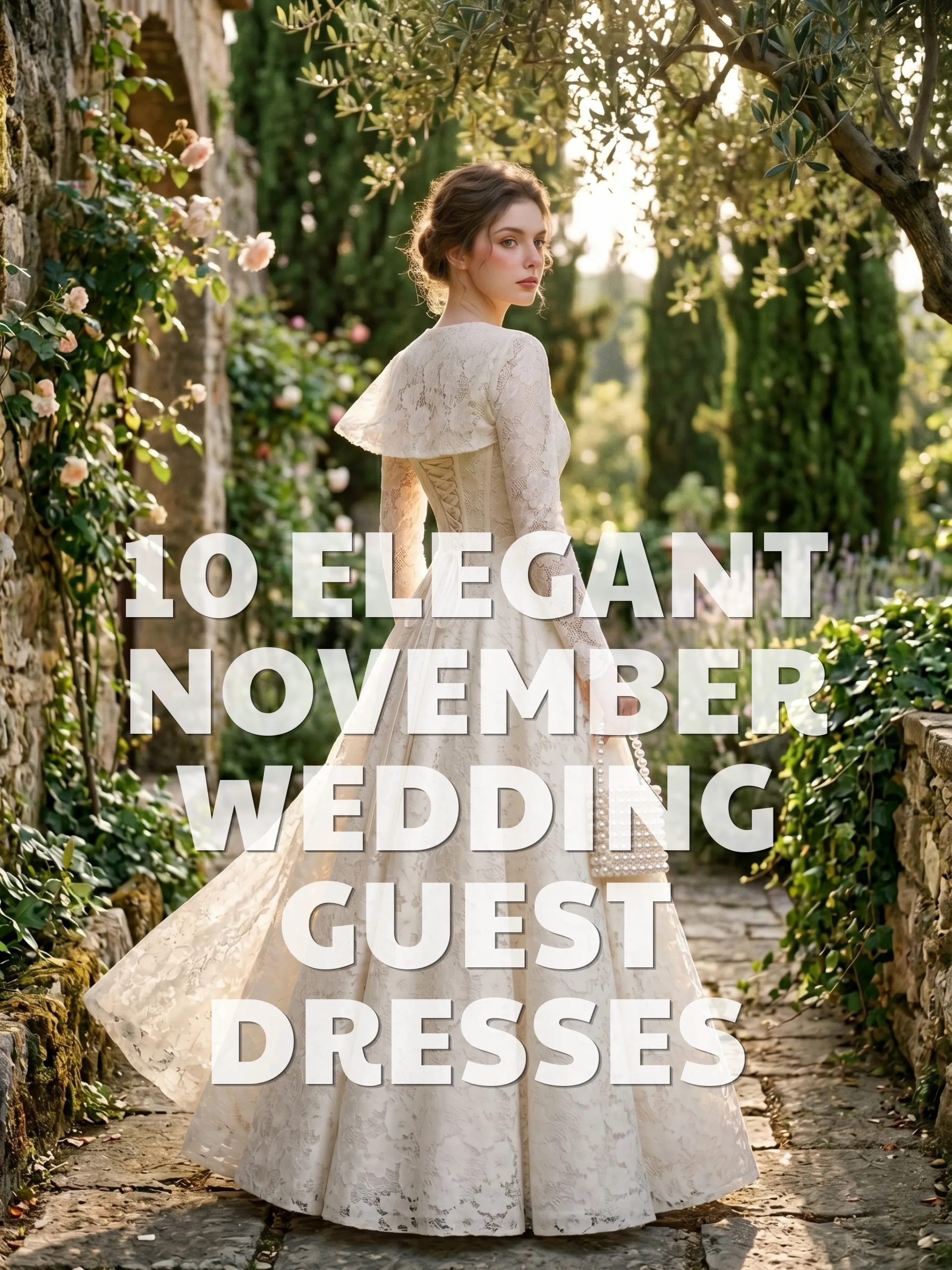
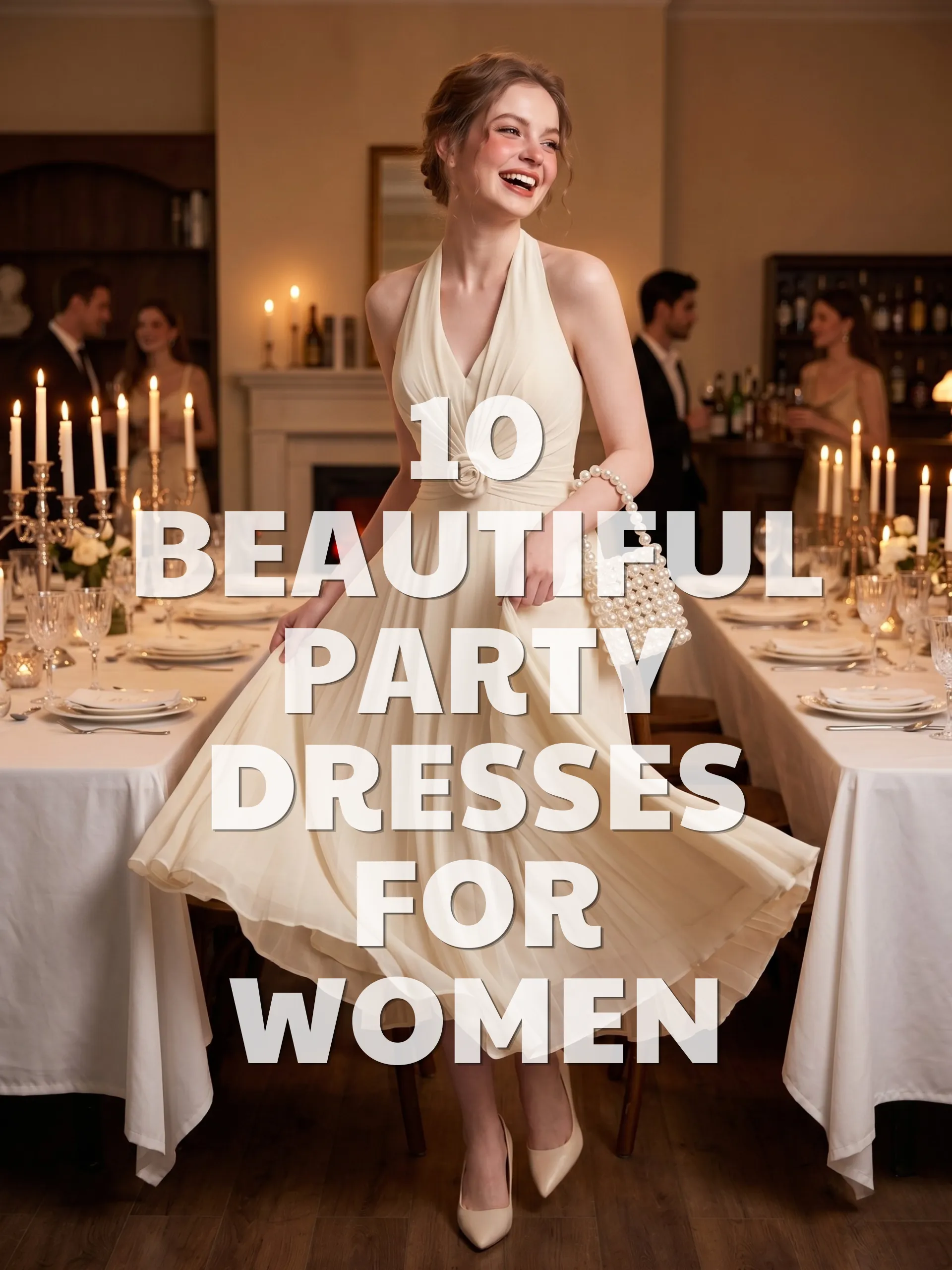
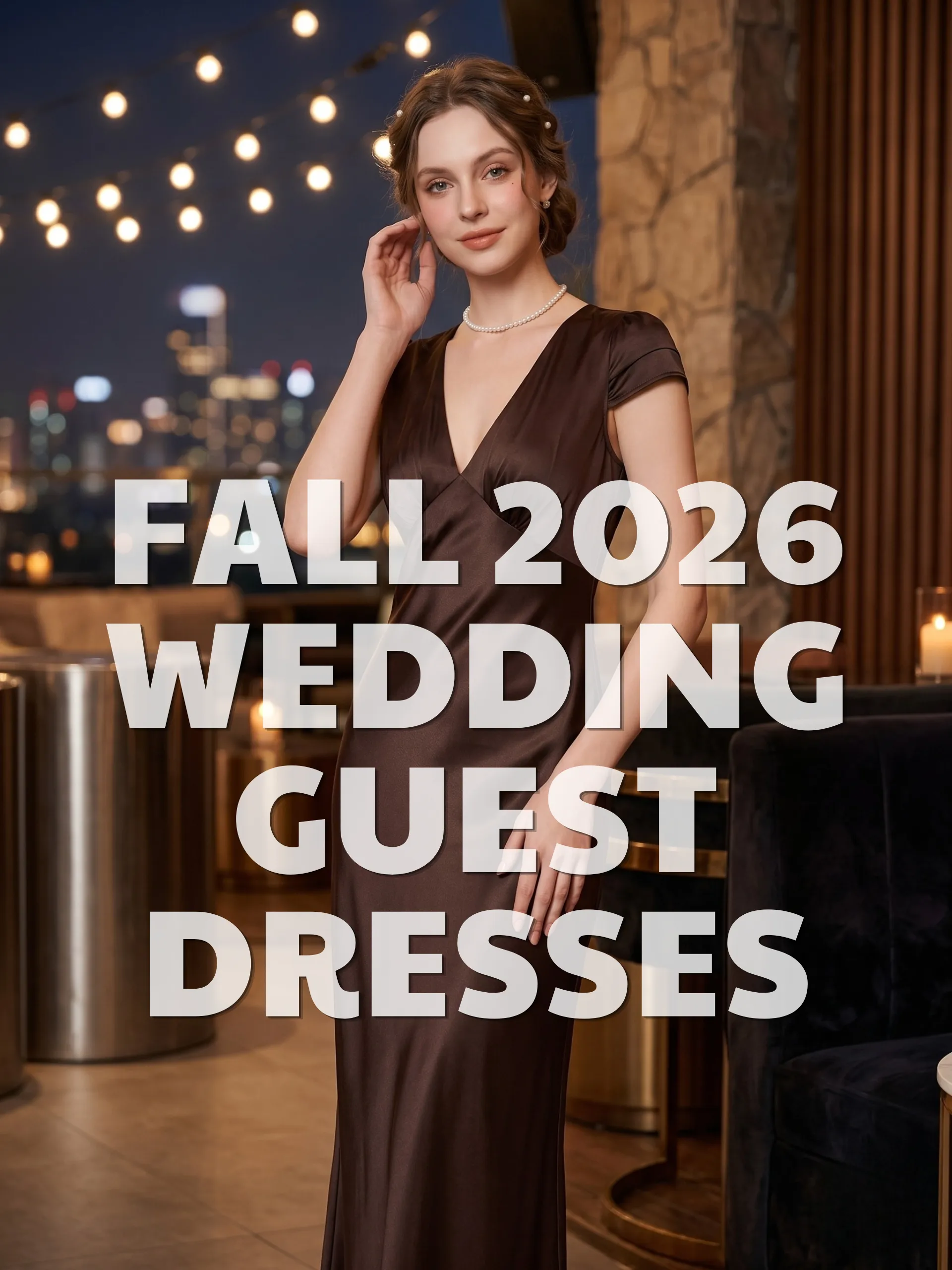
There is a specific, subtle moment that occurs when standing before a mirror, wearing a garment that feels “too much.” It is rarely about the quality of the fabric or the intention of the design. Instead, it is a sensation of being overshadowed by one’s own clothes—a feeling that the outfit is wearing you, rather than the other way around.
In the pursuit of femininity, many women find themselves walking a fine line between two very different aesthetic territories: the enduring allure of romantic style and the often fleeting, precarious territory of “sweet” dressing. One feels like an expression of character; the other can often feel like a costume.
Understanding this distinction is not merely an exercise in fashion terminology. It is a foundational step in building a thoughtful, intentional wardrobe. It is the difference between choosing pieces that offer emotional longevity and buying items that lose their charm the moment you step out of a highly specific, perhaps even juvenile, stylistic context.
Defining the Boundary: Romance vs. Sweetness
To navigate these styles, we must first define what we mean by each. While they share a common vocabulary of soft colors, flowing fabrics, and delicate details, their execution and intent are fundamentally different.
Romantic style is rooted in mood, texture, and proportion. It draws inspiration from history, nature, and art, utilizing elements like soft tailoring, subtle draping, and thoughtful layering to create a sense of grace. It is an aesthetic of depth. A romantic wardrobe relies on the interplay of light and shadow, the way a sleeve falls against the wrist, or the way a midi skirt moves during a walk. It is sophisticated because it embraces nuance.
Overly sweet dressing, by contrast, tends to lean heavily on literal interpretations of “girlishness.” It is often characterized by an abundance of high-contrast embellishments—think oversized bows, excessive ruffles, saccharine pastel palettes, and repetitive floral prints that lack a grounding element. Sweet dressing often lacks “friction.” In design, friction is what makes an outfit interesting; it is the tension between a soft fabric and a structured silhouette, or a delicate print and a modern cut. Without this tension, sweet dressing can feel one-dimensional and, ultimately, costume-like.
The Core Distinctions at a Glance
| Feature | Modern Romantic Style | Overly Sweet Dressing |
|---|---|---|
| Primary Focus | Texture, silhouette, and mood | Embellishment and literal motifs |
| Color Palette | Sophisticated neutrals, muted tones, tonal depth | High-saturation pastels, sugary pinks |
| Detailing | Subdued (e.g., a single tie-neck, a subtle pleat) | Excessive (e.g., multiple bows, heavy lace trim) |
| Proportion | Balanced and intentional | Often exaggerated or overly diminutive |
| Longevity | High; pieces work across seasons and settings | Low; highly dependent on specific trends |
| The “Feeling” | Poised, expressive, and grounded | Juvenile, decorative, and costume-like |
The Role of Structure and Subtlety
The most significant technical difference lies in the presence of structure. A common misconception is that femininity requires a lack of shape. In reality, the most successful romantic looks utilize “soft structure” to prevent the wearer from being lost in the fabric.
Consider a dress with a floral motif. In a sweet aesthetic, the dress might be made of a lightweight, unstructured cotton with tiered ruffles from shoulder to hem, rendered in a bright candy pink. This creates a visual silhouette that is purely decorative.
In a modern romantic approach, that same floral motif might be rendered in a more sophisticated, muted palette—perhaps a deep sage or a dusty rose. The fabric would have more weight or a more controlled drape, perhaps featuring a defined waist or a tailored bodice that provides a clear architectural foundation. This structure allows the femininity of the print to feel like a choice made by a woman of substance, rather than a requirement of the garment itself.
Understanding “Visual Weight”
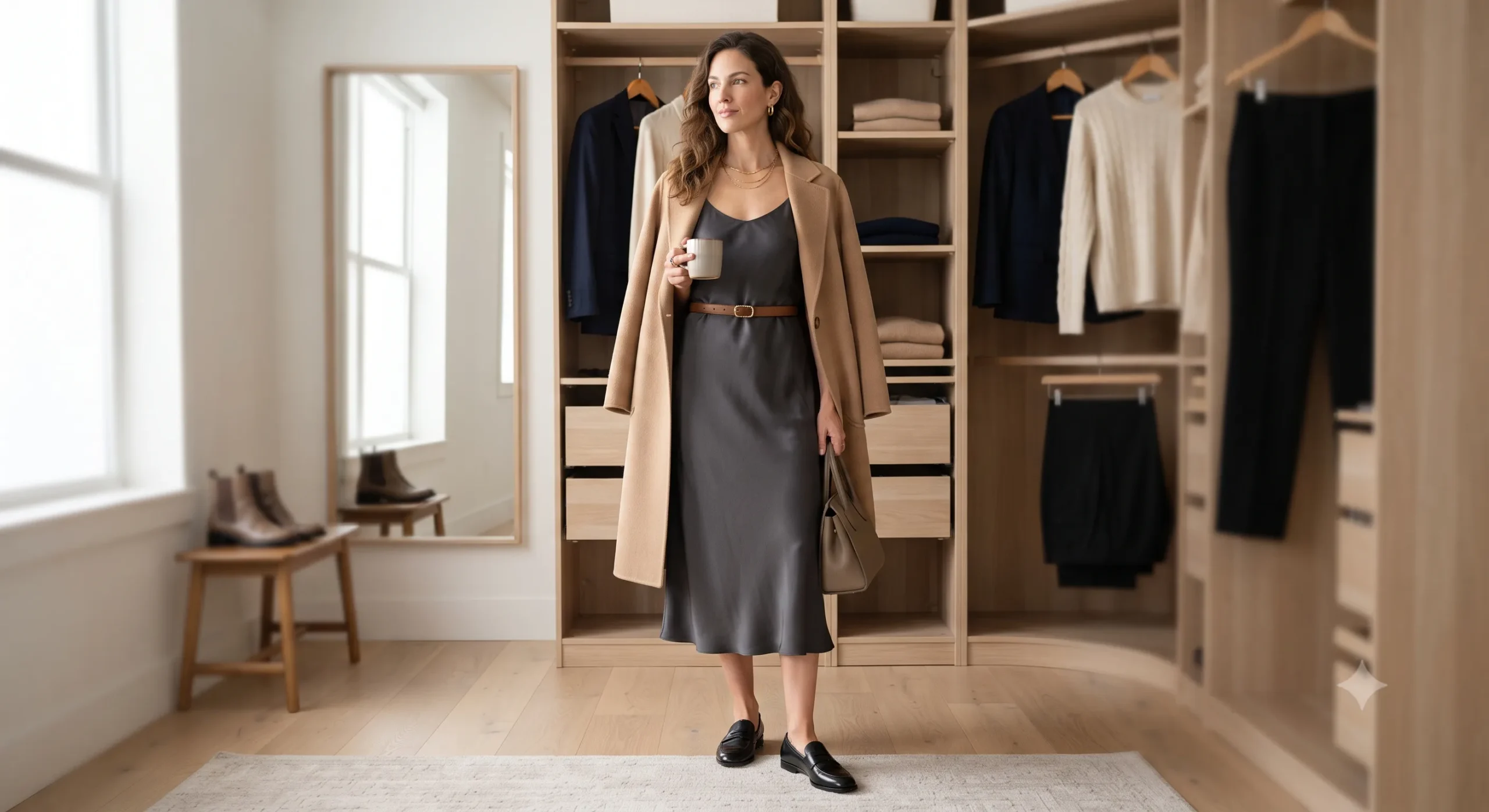
When we talk about romantic style, we are often talking about managing visual weight. A garment with a lot of movement (like a wide-leg trouser or a long skirt) needs a point of stability. This might be a more fitted knit, a structured blazer, or a carefully chosen belt.
Overly sweet dressing often ignores visual weight, treating the entire outfit as a singular, soft mass. This lack of contrast is what leads to the “costume” feeling. To avoid this, look for pieces that offer a dialogue between softness and strength.
The Psychology of Color and Print
Color is perhaps the most immediate tool used to signal “sweetness,” but it is also the easiest to mismanage.
The “sweet” aesthetic often relies on a palette of primary pastels—baby blue, mint green, pale lemon. While beautiful, when used in excess, these colors can strip a look of its maturity. They lack the complexity required for an elevated, everyday wardrobe.
Modern romanticism leans toward “complex neutrals” and “earthy tones.” Instead of a stark white, a romantic wardrobe might favor cream, ecru, or champagne. Instead of a bright pink, it might utilize terracotta, mauve, or a deep burgundy. These colors possess a certain “gravity” that allows them to be worn in professional settings, formal occasions, and casual weekend outings alike.
How to Use Prints Without Losing Sophistication
Prints are a hallmark of romantic style, but they require a disciplined hand. To keep prints from feeling “too sweet,” consider these three criteria:
- Scale: Extremely small, repetitive “ditsy” florals can sometimes veer into the juvenile. Larger, more organic floral patterns or abstract botanical prints often feel more sophisticated.
- Grounding: A print is most successful when it has a dark or neutral ground. A white floral on a white background is purely decorative; a cream floral on a navy or forest green background feels intentional and grounded.
- Frequency: Limit the amount of print in an outfit. If you are wearing a romantic floral blouse, pair it with structured trousers or a heavy knit rather than a matching floral skirt. This creates the necessary tension to keep the look from becoming a “set” that feels too precious.
Practical Scenarios: Translating Theory to the Wardrobe
To understand how these concepts function in real life, let’s examine how a woman might approach common dressing scenarios using both philosophies.
Scenario 1: The Weekend Brunch
- The Sweet Approach: A tiered, pastel pink sundress with lace trim and ribbon ties at the shoulders, paired with white ballet flats. This look is undeniably cute, but it is highly situational and lacks versatility.
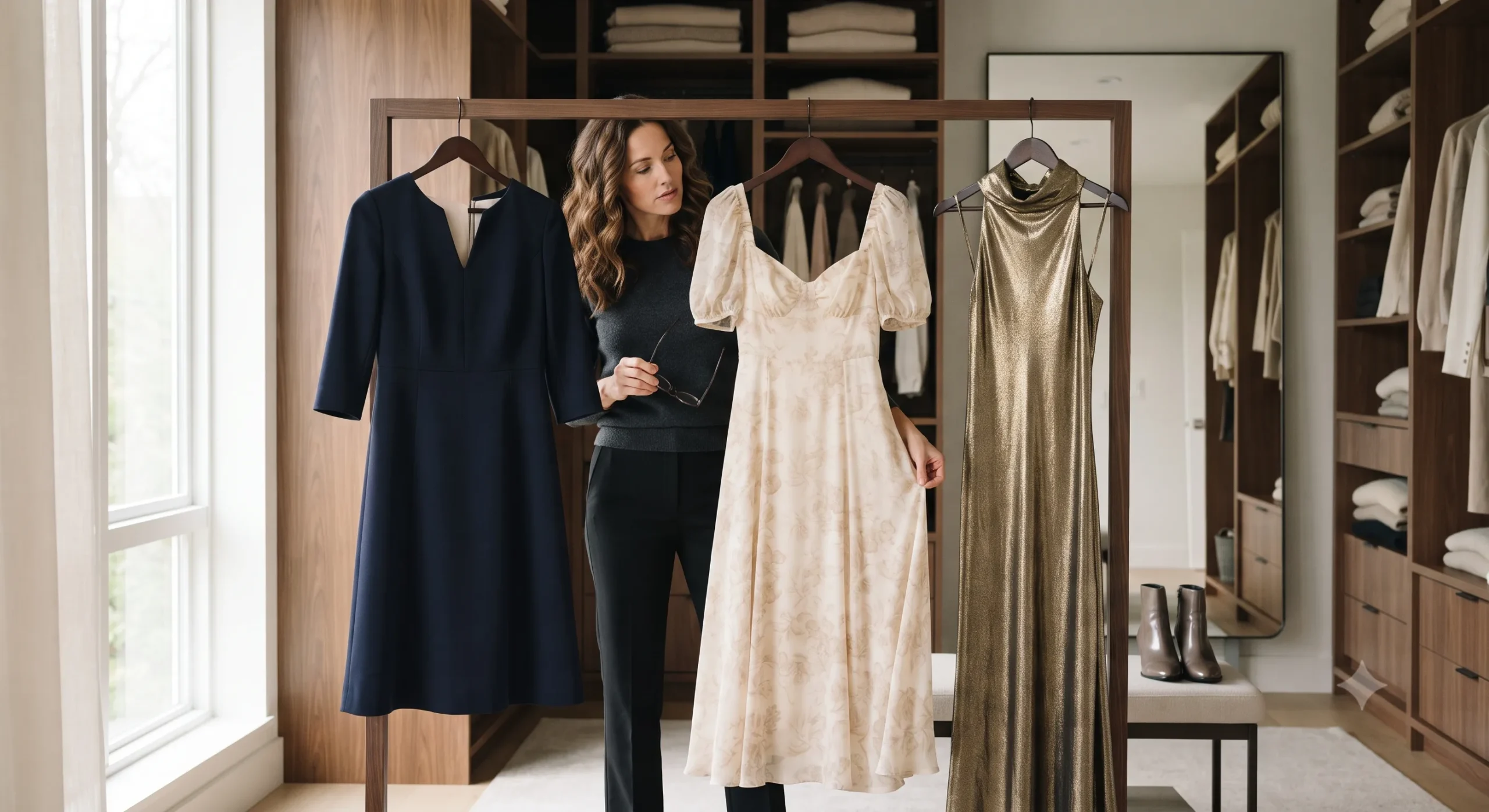
- The Romantic Approach: A midi-length dress in a muted floral print with a subtle wrap detail and a soft, structured sleeve. Paired with tan leather sandals or a minimalist loafer, the look feels polished yet relaxed—suitable for a brunch, but equally appropriate for a stroll through a museum or a casual afternoon meeting.
Scenario 2: An Evening Event or Wedding Guest
- The Sweet Approach: A satin dress in lavender with heavy ruffle detailing along the neckline and hem. While festive, it may feel out of place in a formal or sophisticated setting.
- The Romantic Approach: A floor-length gown in a deep jewel tone (like emerald or plum) featuring elegant draping across the bodice and a graceful, flowing skirt. The “romance” comes from the way the fabric catches the light and the fluidity of the silhouette, rather than from added embellishments.
Avoiding the “Costume” Trap: A Decision Framework
As you curate your wardrobe, you may encounter pieces that feel beautiful but difficult to style. To determine if a piece leans toward “modern romantic” or “overly sweet,” ask yourself the following questions:
- Does this piece have a “point of tension”? (Is there a balance between softness and structure? Between a print and a solid? Between a delicate fabric and a defined silhouette?)
- Can I wear this in more than two distinct settings? (A piece that only works for a garden party is likely too specialized/sweet. A piece that works for brunch and a casual dinner is likely a romantic staple.)
- If I remove the “prettiest” element, is there anything left? (If you take the bows off a blouse and it becomes a plain, shapeless rag, the design was likely reliant on “sweetness” rather than true romantic construction.)
- Does the color feel grounded? (Does the shade have depth, or is it a singular, flat pastel?)
Common Mistakes in Feminine Dressing
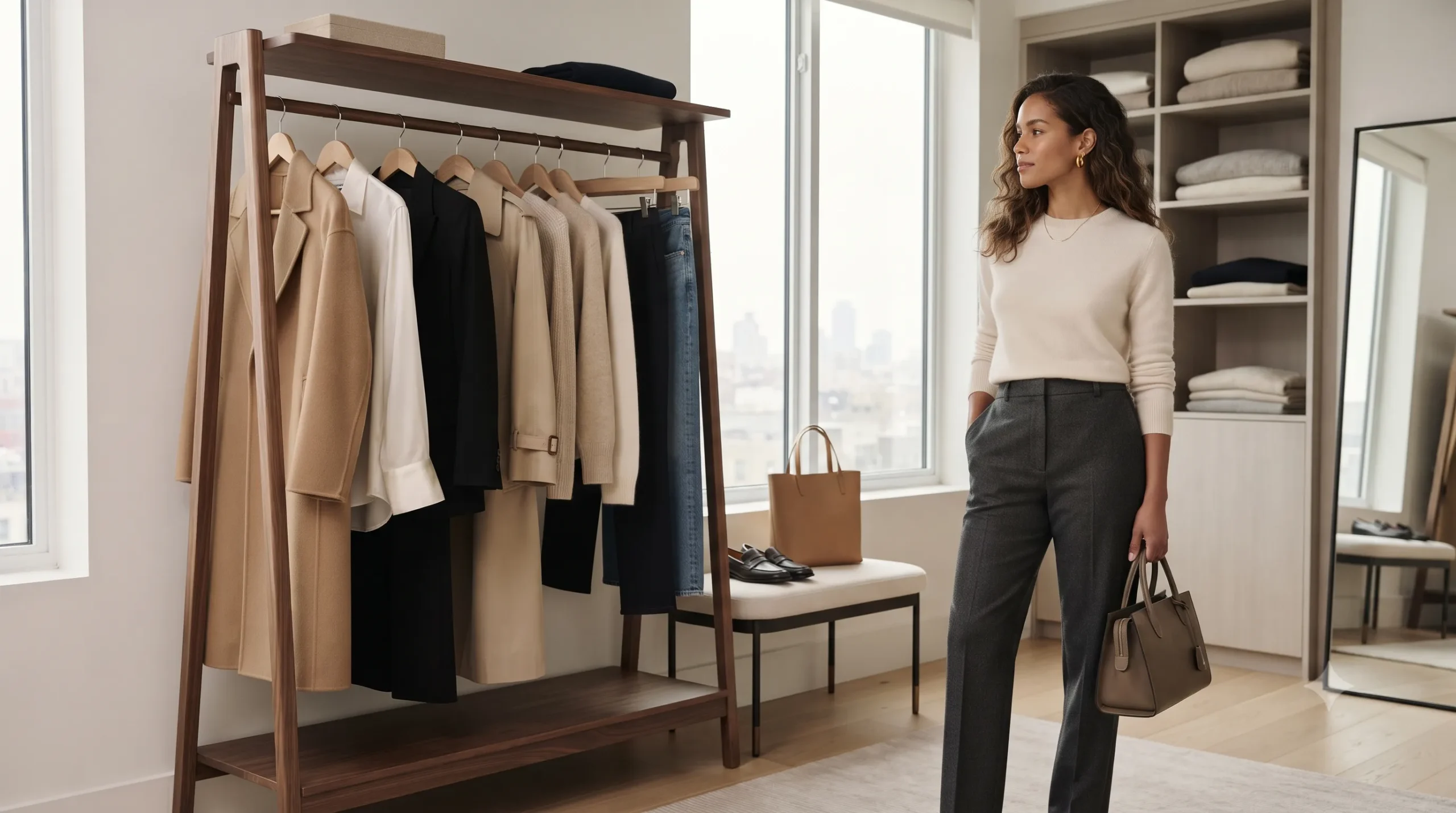
- The “All-or-Nothing” Fallacy: Thinking that to be feminine, every single item must be soft. A truly sophisticated romantic look often involves pairing a feminine blouse with a more structured coat or a sharp trouser.
- Over-Accessorizing: If a garment already has romantic details (like a puffed sleeve or a subtle print), adding bows, pearls, and floral hair accessories will push the look into the “overly sweet” category. Let the garment’s inherent details breathe.
- Ignoring Fabric Quality: Sweetness is often associated with cheap, synthetic fabrics that hold ruffles in a stiff, unnatural way. Romanticism relies on the drape and “behavior” of high-quality natural fibers that move with the body.
The Long-Term Value of Romantic Restraint
Ultimately, the goal of a modern romantic wardrobe is to build a collection of pieces that offer emotional longevity.
When we buy into “sweetness,” we are often chasing a momentary feeling—a desire to feel youthful, delicate, or whimsical. However, because these trends are so tied to a specific aesthetic “type,” they often fail to age with us. They can feel restrictive as our personal style matures and our life roles evolve.
Modern romanticism is different. It is an aesthetic of restraint. By focusing on subtle details, sophisticated color palettes, and balanced proportions, you create a wardrobe that is not just a collection of clothes, but a collection of tools for self-expression.
A wardrobe built on romantic restraint allows for a sense of “quiet luxury”—where the elegance is felt in the way a garment moves and the way it respects the wearer’s presence. It is a way of dressing that honors femininity without sacrificing strength, and romance without sacrificing sophistication. This is how a wardrobe achieves true value: by being as resilient and multifaceted as the woman wearing it.