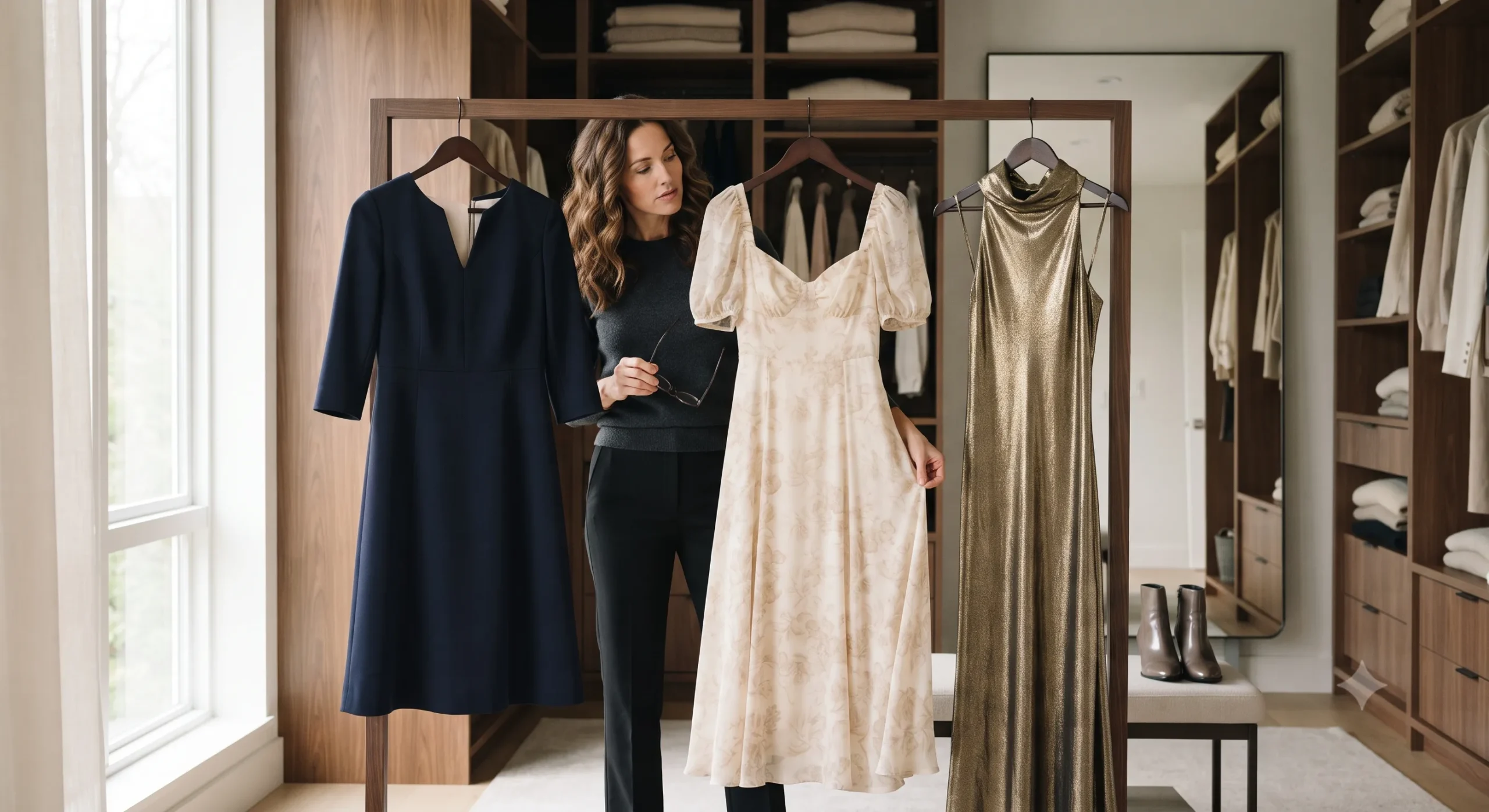
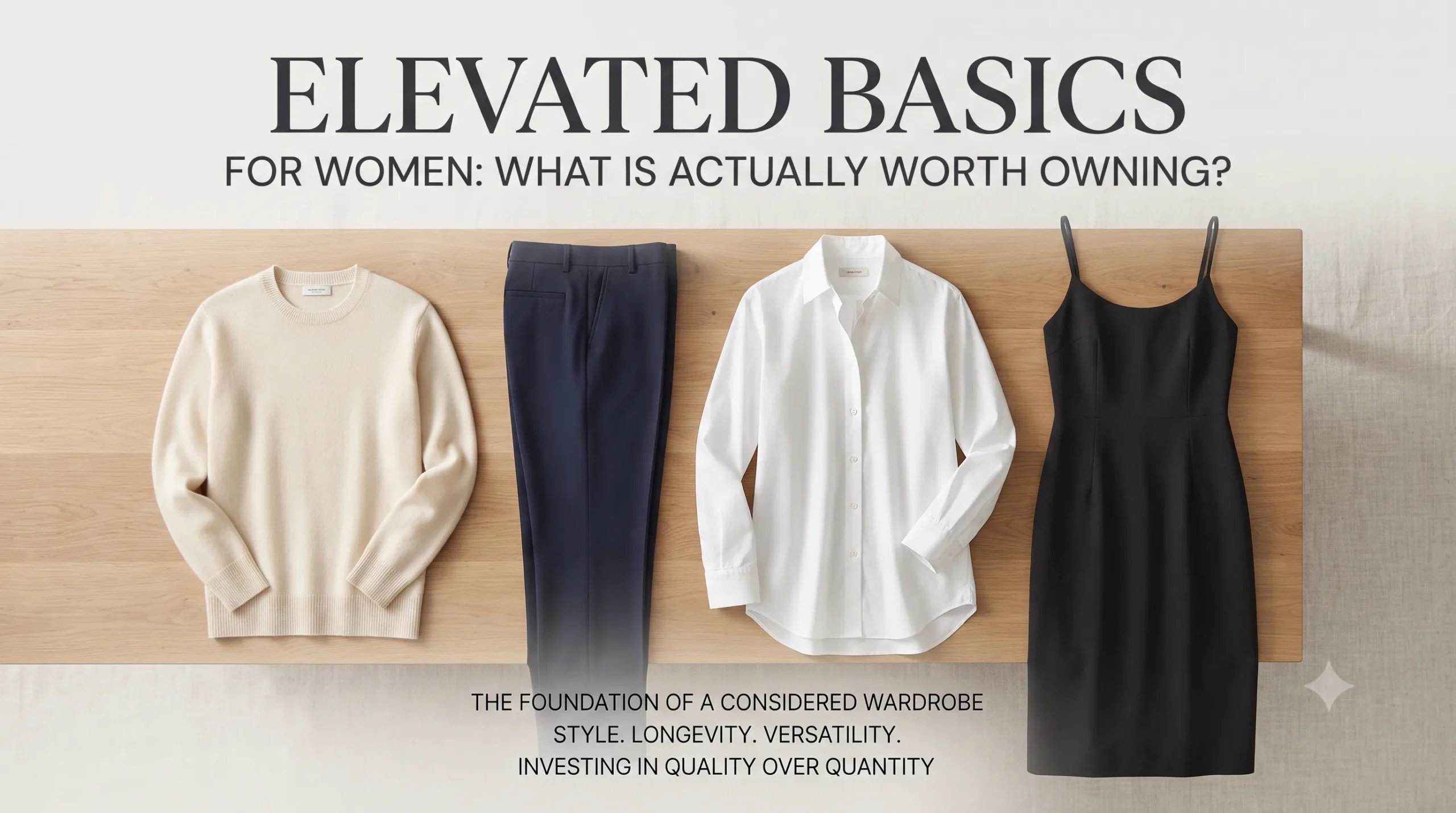
There is a specific, quiet frustration that occurs on a Tuesday morning when you stand before a closet full of clothes and feel, quite acutely, that you have nothing to wear. It is a paradox of the modern wardrobe: we often own more than we did a decade ago, yet the selection of garments that actually feel “right”—those that align with our current lifestyle, our body, and our mood—seems to have shrunk.
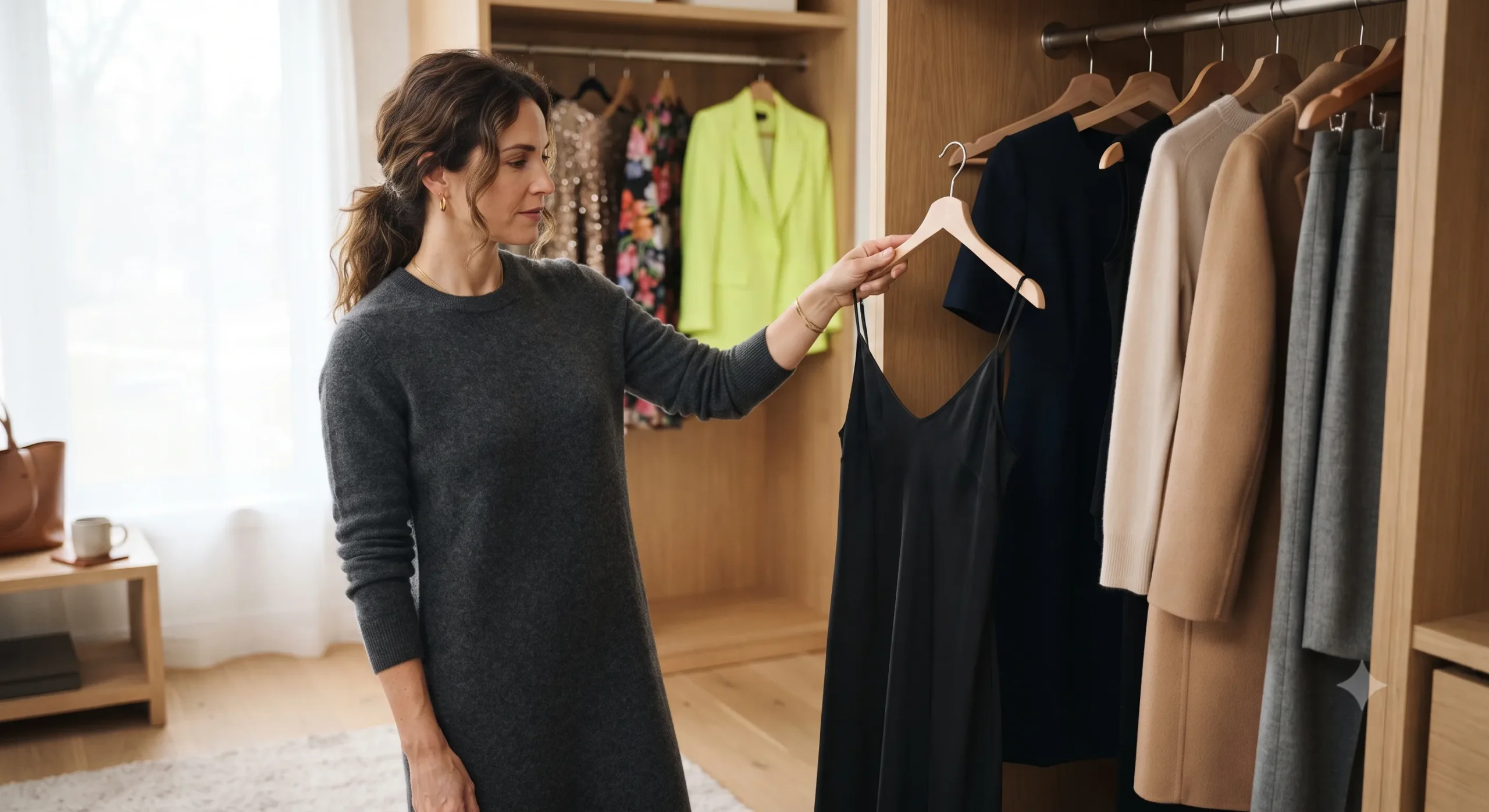
When we look closer at these closets, a pattern usually emerges. Most of the volume is occupied by “aspirational” pieces: the trend-driven item bought on a whim, the highly specific garment intended for a single event, or the piece that looked beautiful on a mannequin but feels awkward in motion. Meanwhile, the small group of clothes we actually reach for—the reliable trousers, the perfectly weighted knit, the dress that requires zero mental energy to style—often feel like an afterthought in our shopping habits.
Building a wardrobe around these frequent flyers is not about deprivation or living in a tiny capsule. Rather, it is about shifting the center of gravity. It is the process of identifying the garments that provide the most emotional and practical utility, and then intentionally selecting new pieces that support, rather than compete with, that existing foundation.
Identifying Your Personal Uniform
Before you can build around your most-worn pieces, you must first identify them with precision. This requires a period of observation rather than an immediate impulse to shop.
For the next two weeks, pay attention to the garments that feel like a relief to put on. Avoid judging them by their “fashionability.” You might find that your most-worn item is a mid-weight cotton shirt because the collar sits exactly where you like it, or a specific pair of wide-leg trousers because the drape accommodates your movement throughout a workday.
To find your baseline, ask yourself these three questions:
- The Friction Test: Which pieces do I avoid because they require constant adjusting, tugging, or rethinking? (These are your “noise” pieces).
- The Versatility Test: Which items can I wear to a casual lunch and, with a change of footwear, to a more formal evening setting?
- The Sensory Test: Which fabrics and silhouettes make me feel calm and composed rather than self-conscious?
A timeless wardrobe is built around pieces that can be worn repeatedly across real occasions. By identifying these, you are essentially creating a blueprint of your own style logic. You aren’t just finding “favorites”; you are finding the structural pillars of your personal aesthetic.
The Logic of Cost-Per-Wear and Long-Term Value
When we build a wardrobe based on frequency of use, we naturally move toward a different way of valuing clothing. In traditional retail, value is often equated with the price tag or the brand name. In an intentional wardrobe, value is determined by cost-per-wear.
Cost-per-wear is a practical metric that helps compare the long-term value of a garment against how often it will realistically be used. A $300 dress worn fifty times throughout the year has a much lower cost-per-wear ($6) than a $50 trend piece worn only once ($50).
However, the logic goes deeper than simple mathematics. Building around frequently worn pieces encourages a focus on quality and construction. If you know you will be wearing a particular navy blazer three times a week, you are more likely to prioritize a fabric that breathes well and a cut that maintains its shape after repeated cleaning. You begin to seek out “quiet luxury”—clothes that prioritize texture, proportion, and restraint over loud logos or fleeting embellishments.
Decision Matrix: The Intentional Buyer’s Framework
When considering a new addition to your wardrobe, run it through this mental framework to see if it aligns with your “frequently worn” foundation.
| Criterion | The “Trend” Purchase (Avoid) | The “Foundation” Purchase (Seek) |
|---|---|---|
| Primary Driver | An impulse triggered by a social media trend or a sale. | A recognized gap in your current rotation. |
| Versatility | Works only with one specific, already-owned item. | Works with at least three different items you already wear. |
| Occasion | Tied to a very specific, niche event. | Transitions between different types of days (work to dinner). |
| Durability | Focus is on the immediate visual impact. | Focus is on the fabric behavior and longevity of the silhouette. |
| Styling Effort | Requires specific accessories or “correct” styling to look right. | Feels inherently finished and easy to wear. |
Strategic Expansion: How to Add New Pieces
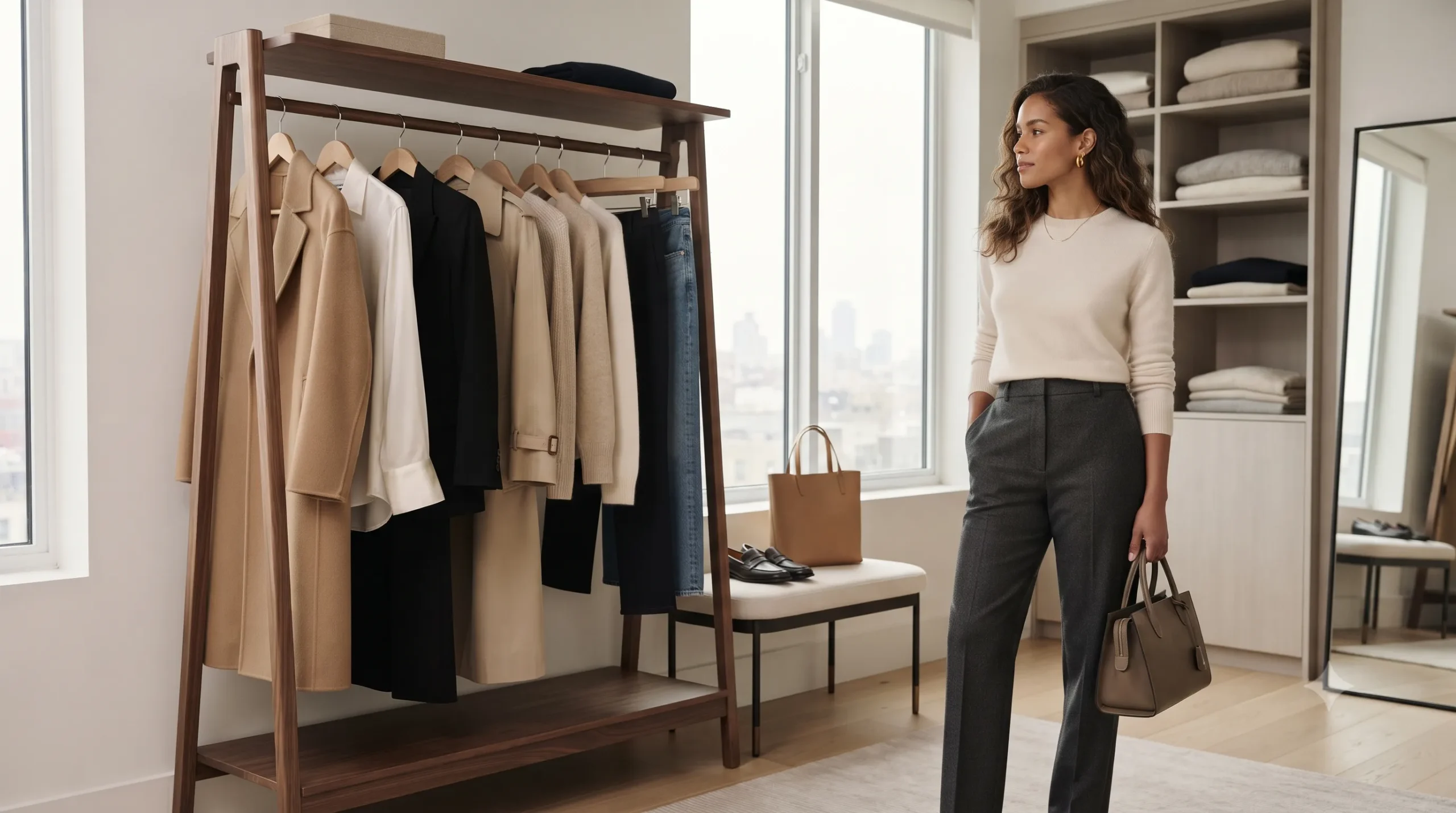
Once you have identified your pillars—let’s say they are a collection of high-quality knitwear, tailored trousers, and soft, romantic midi dresses—the goal is to expand that ecosystem without cluttering it.
The mistake many make is trying to “complete” a look by buying more of the same. If you realize you love your navy trousers, you don’t necessarily need five more pairs of navy trousers. Instead, you need the pieces that make those trousers more useful.
1. The Rule of Three Versatilities
Before adding a new piece, mentally style it in three distinct ways using only items you currently reach for often. If you are looking at a new cream blouse, can it work with your favorite denim for a weekend, your tailored trousers for a meeting, and a midi skirt for a dinner engagement? If it can only be styled one way, it is a “single-use” piece and likely won’t become a frequent flyer.
2. Prioritizing Texture and Proportion
A wardrobe built around a few reliable silhouettes can easily become monotonous if you only stick to one type of fabric or one way of dressing. To prevent this, look for “connective tissue” pieces—items that introduce new textures while respecting your established proportions.
If your most-worn pieces are all smooth and structured, consider adding a piece with soft texture, such as a fine-gauge knit or a subtle crepe. This adds visual interest and “depth” to your outfits without requiring you to learn entirely new styling rules. Quiet style does not need to be plain; it simply needs proportion, texture, and restraint.
3. Color Cohesion vs. Color Monotony
Building around frequent pieces often leads to a more cohesive color palette, which is a hallmark of an edited closet. However, there is a difference between a coherent palette and a boring one.
Aim for a “base” of neutrals that work with your most-worn items (such as navy, cream, charcoal, or camel) and then introduce “bridge” colors—shades that feel personal and romantic but still harmonize with your base. This allows you to add personality while ensuring that almost anything you pull from your closet will, in some capacity, work with something else.
Common Pitfalls in Wardrobe Building
Even with the best intentions, it is easy to fall back into old habits. Recognizing these patterns is key to maintaining a wardrobe that feels calm and coherent.
The “Perfect Occasion” Trap
We often buy pieces for a hypothetical version of ourselves: the woman who goes to garden parties every weekend, or the woman who attends frequent black-tie galas. These pieces often sit with their tags on, or worse, they sit in the closet as a source of guilt. If a piece doesn’t fit into the reality of your actual calendar, it will never become a piece you reach for.
The Disconnect of Silhouette
Sometimes we buy a piece because we love the idea of it, but the silhouette contradicts our most-worn items. If you realize you almost always wear high-waisted, mid-length bottoms, buying a series of low-rise, cropped trousers will create a disconnect. You will find yourself staring at a beautiful garment that you simply cannot integrate into your existing flow.
Overlooking the “In-Between” Moments
Many people focus their wardrobe building on either “extreme casual” (loungewear) or “extreme formal” (occasionwear). The most successful wardrobes—the ones that feel the most effortless—are built for the “in-between” moments: the dinner with friends, the casual office day, the weekend travel. Ensuring your core pieces cover these transitions is the most effective way to reduce decision fatigue.
A Scenario-Based Approach to Testing New Pieces
To make this practical, let’s look at how this logic applies to a real-world scenario.
Imagine your “frequent flyer” list consists of:
- A pair of dark wash, straight-leg denim.
- A cream-colored fine knit sweater.
- A black tailored blazer.
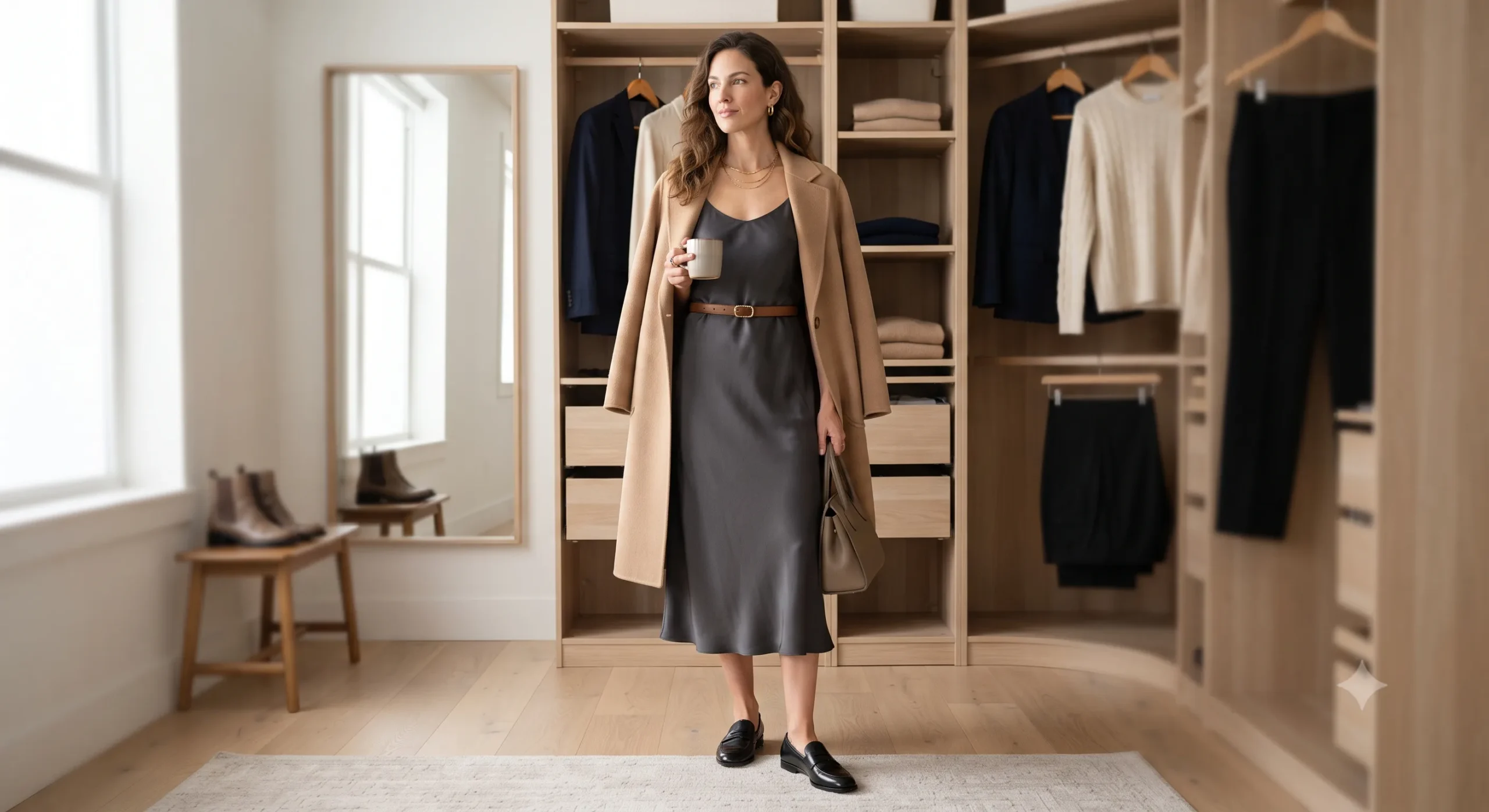
- A midi-length slip dress in a neutral tone.
If you are considering buying a structured, heavy wool coat in a bold color, you should evaluate it through the lens of these pieces.
- Will it work with the denim and knit? Yes, it provides a polished layer for a weekend outing.
- Will it work with the slip dress? Yes, it can elevate the dress for an evening event.
- Is the weight appropriate? If it is too heavy or bulky, it might ruin the “soft structure” of the slip dress.
If the answer to these questions is yes, the coat is a strategic addition. It isn’t just a “new item”; it is an extension of the style language you have already mastered.
Summary of Intentional Dressing
Building a wardrobe is less about the act of acquisition and more about the act of curation. It is a move away from the urgency of the “new” and toward the stability of the “known.”
- Identify your pillars: Use observation to find the clothes that provide comfort and ease.
- Value through utility: Use cost-per-wear to guide your investment in quality over quantity.
- Expand with purpose: Only add pieces that bridge the gap between what you own and how you live.
- Seek cohesion: Prioritize textures and colors that allow for effortless mixing and matching.
A thoughtful closet gives you fewer decisions, not fewer options. When your wardrobe is built around the pieces you truly love and use, getting dressed ceases to be a chore and becomes a moment of quiet, composed confidence. It allows you to move through your day knowing that your clothing is not a distraction, but a supportive, elegant foundation for the life you are actually living.