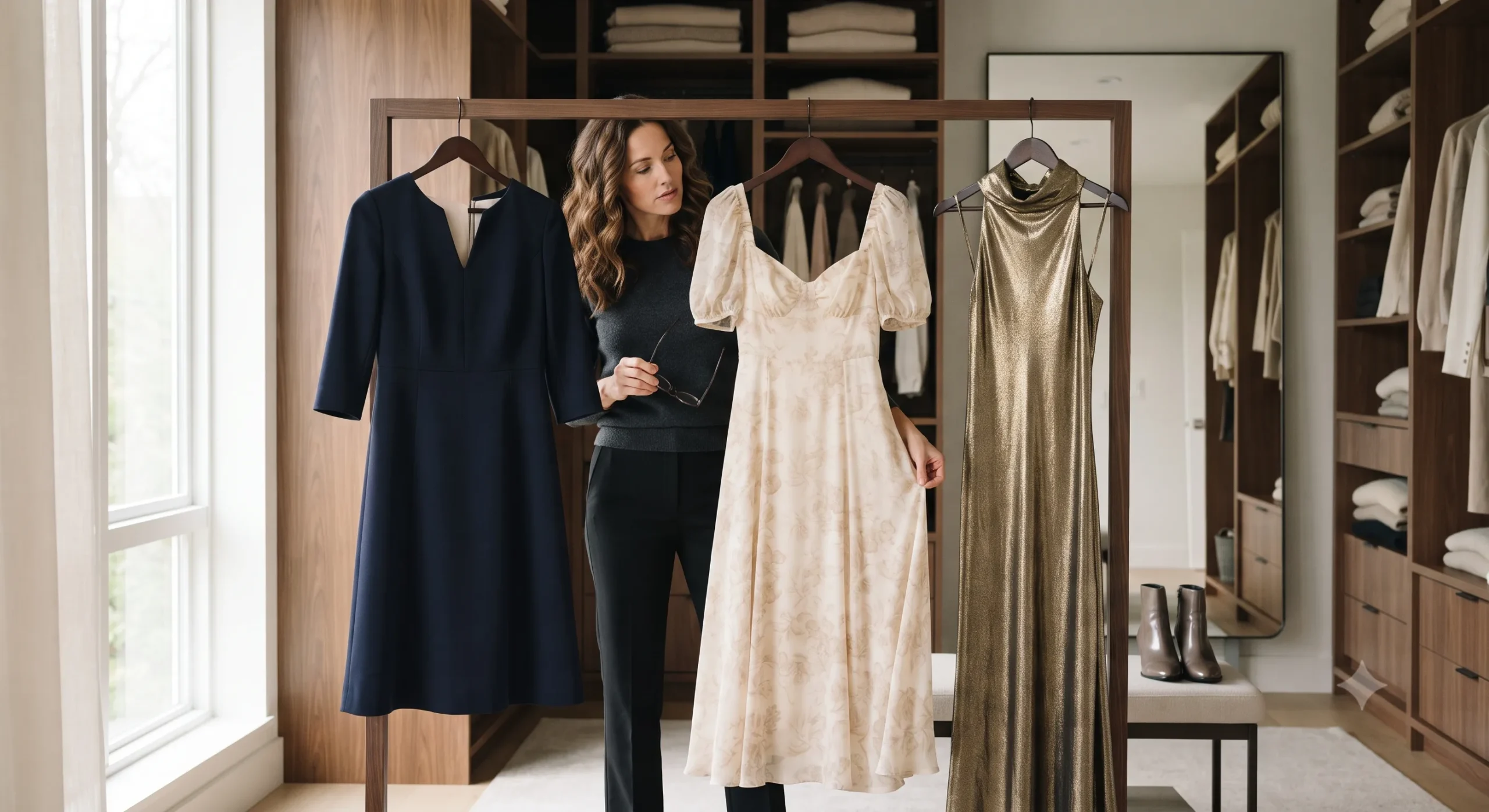
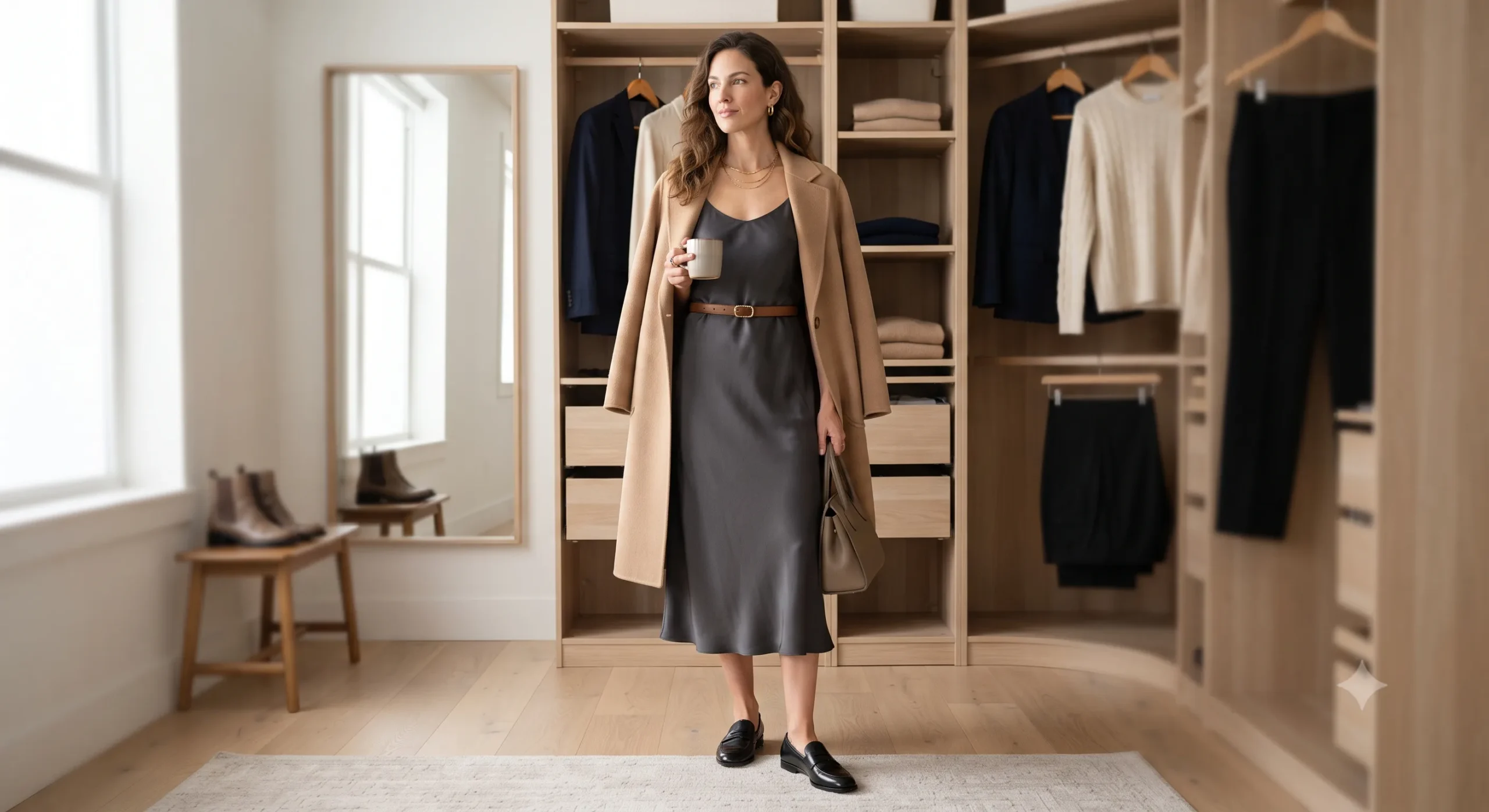
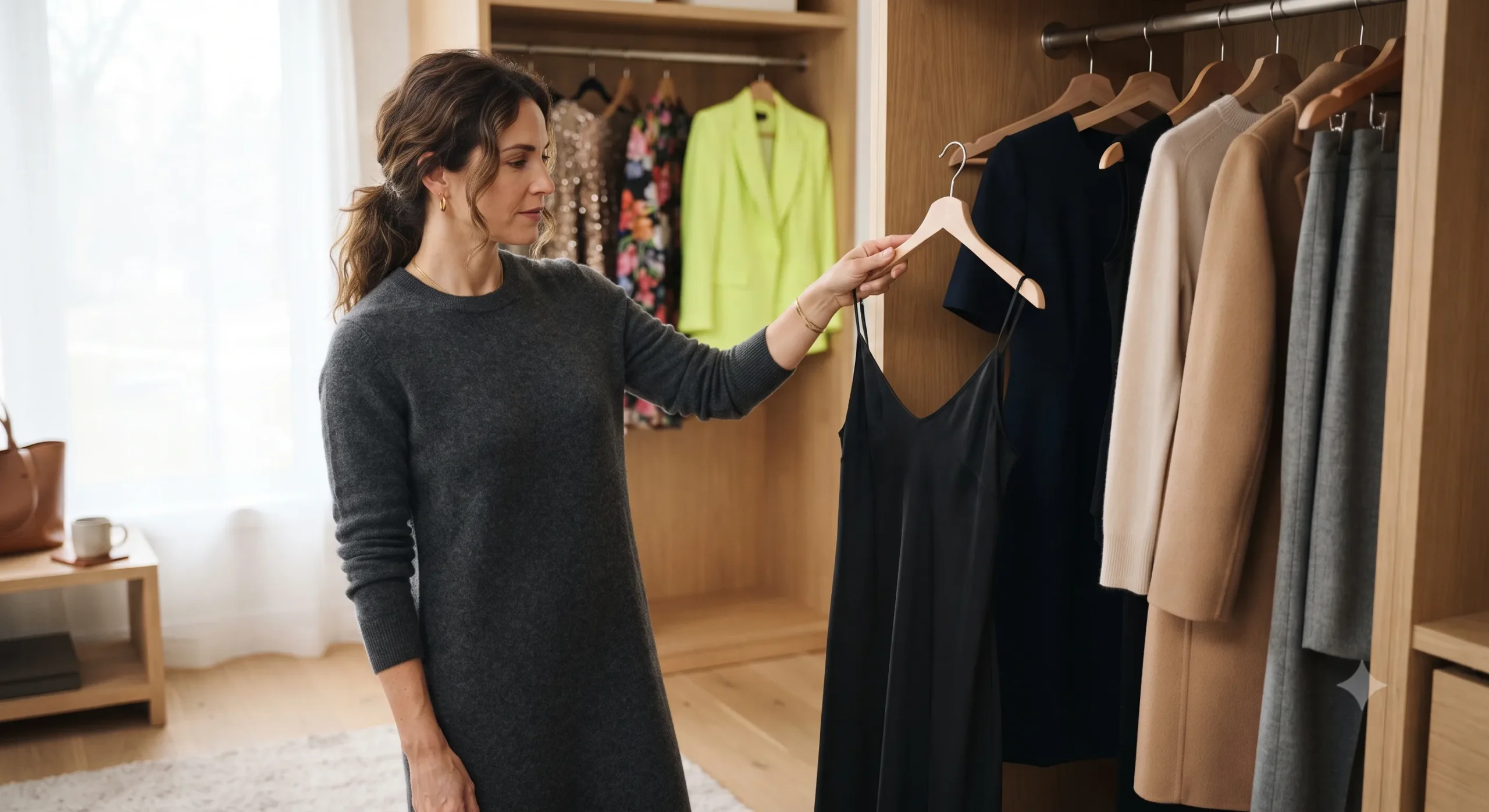
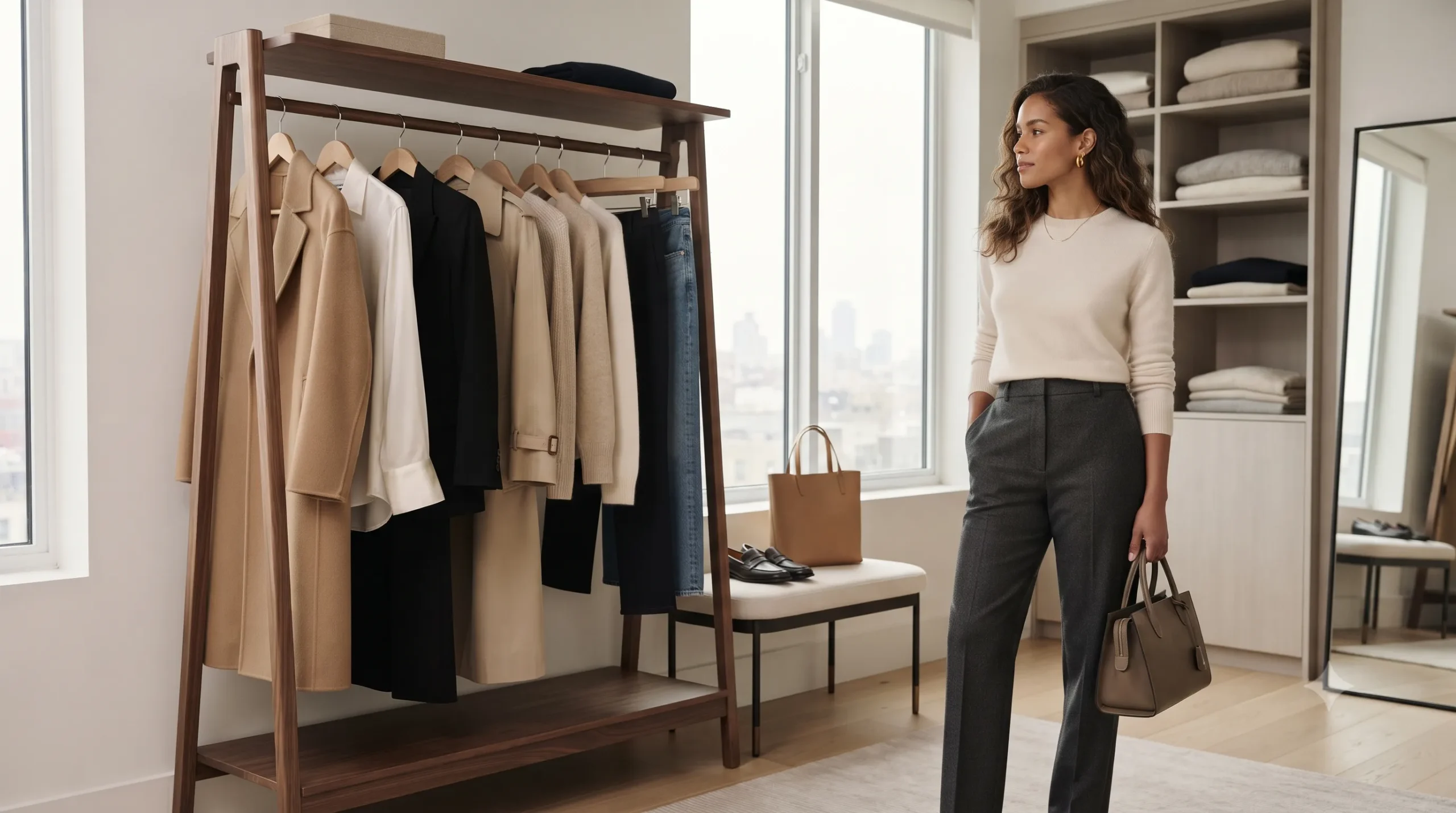
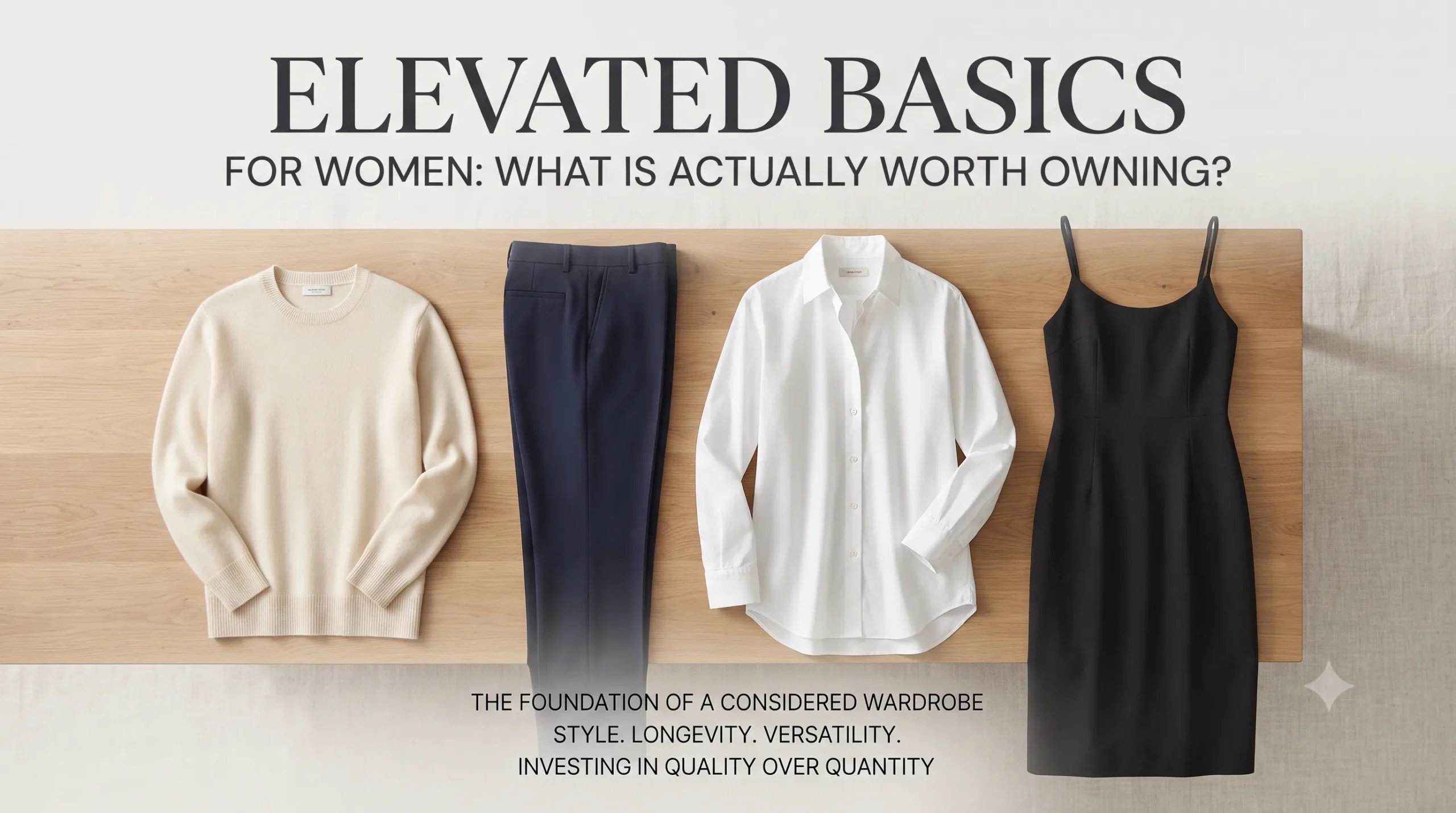
There is a specific, quiet kind of exhaustion that comes from standing in front of a closet filled with clothes, only to feel as though you have nothing to wear. It is a common modern paradox: we have more options than any generation in history, yet the act of dressing has become a source of decision fatigue rather than a moment of personal expression. We find ourselves caught in a cycle of micro-trends, scrolling through endless feeds of “must-have” items that promise a transformation but often deliver only a fleeting sense of novelty.
The tension lies in the gap between our “fantasy selves”—the versions of us that live for specific, high-octane moments—and our real lives, which consist of Tuesday morning meetings, weekend errands, and unexpected dinner invitations. When we shop for the fantasy self, we accumulate pieces that look striking on a screen but feel awkward, stiff, or entirely out of place in the cadence of our actual days.
The remedy is not necessarily to own fewer clothes in a way that feels restrictive or ascetic. Rather, it is to aim for fewer, better outfit decisions. This means shifting the focus from the quantity of choices to the quality of the connections between those choices. By building a wardrobe based on intentionality rather than impulse, we can reduce the mental load of getting dressed while increasing our ability to feel composed and authentic.
The Cognitive Load of the “Infinite Closet”
Decision fatigue is a real psychological phenomenon, and it is particularly acute in the realm of fashion. Every time we stand before our wardrobe, we are performing a complex series of evaluations: Does this match? Is this appropriate for the weather? Am I following a trend that will be obsolete by next month? Does this reflect who I am today?
When a wardrobe is composed of disparate, trend-driven pieces, these questions multiply. A closet filled with “one-hit wonders”—garments that only work with one specific, highly niche item—creates a high-friction environment. If you buy a top that only looks right with a specific pair of trousers you don’t own, you haven’t actually gained an outfit; you have gained a chore.
A thoughtful wardrobe seeks to minimize this friction. A cohesive collection of pieces allows for “modular dressing,” where items can be swapped and layered with ease. When your clothes share a common language of color, texture, and silhouette, the decision-making process shifts from an arduous interrogation of every item to a calm, intuitive selection. A well-curated closet doesn’t give you fewer options; it gives you more meaningful ones.
Defining “Better” in Wardrobe Investment
What does it actually mean to choose “better”? In the context of long-term value, “better” is rarely about the highest price tag or a prominent logo. Instead, it is about the intersection of three critical pillars: durability, versatility, and emotional resonance.
1. Versatility: The Multi-Day Test
A garment earns its place in a meaningful wardrobe when it can navigate more than one kind of day. A dress that works for a professional luncheon but can be easily transitioned to a garden party with a change of footwear is infinitely more valuable than a cocktail dress that is only suitable for a single evening. When evaluating a potential purchase, ask: Can I wear this in at least three different scenarios? If the answer is no, the piece may be a beautiful object, but it is likely a poor decision for your wardrobe.
2. Durability: The Reality of Wear
True value is found in the relationship between cost and longevity. This is often understood through the lens of “cost-per-wear.” A mid-priced, well-constructed skirt that you wear fifty times a year for three years is significantly more economical—and environmentally responsible—than a low-priced, trend-heavy piece that loses its shape after three washes. Look for thoughtful construction: reinforced seams, substantial fabric weights, and linings that ensure the garment retains its silhouette over time.
3. Emotional Resonance: Dressing for the Real You
We often fall into the trap of buying clothes for a life we imagine we lead—the woman who attends endless galas or the woman who spends every weekend in a minimalist art gallery. However, a wardrobe that feels “right” is one that serves the woman you actually are. Pieces should feel like an extension of your temperament. If your daily life is active and mobile, a wardrobe of highly restrictive, delicate fabrics will only cause frustration. If you value grace and soft structure, choosing pieces that move with you will provide a sense of calm that a rigid, “fashion-forward” item cannot.
| Feature | Trend-Driven Decision | Thoughtful Wardrobe Decision |
|---|---|---|
| Primary Driver | Novelty and social urgency | Functionality and personal style |
| Visual Language | Loud logos, fleeting silhouettes | Subdued colors, classic proportions |
| Wearability | High friction (requires specific styling) | Low friction (modular and versatile) |
| Longevity | One or two seasons | Years of seasonal transitions |
| Mental Impact | Decision fatigue and clutter | Clarity and ease |
Common Pitfalls in the Pursuit of Style
Even with the best intentions, it is easy to slip back into old habits. Understanding the mistakes that lead to wardrobe clutter can help us make more disciplined choices.
The “Single-Use” Trap
This occurs when we buy an item because it is perfect for a specific event—a wedding, a vacation, or a seasonal trend. While occasional dressing is necessary, a wardrobe that is heavily weighted toward “event-only” pieces creates a sense of emptiness for everyday life. The goal is to find pieces that feel special enough for an occasion but are grounded enough for regular wear.
Buying for the “Fantasy Self”
This is perhaps the most common error. We buy the hyper-feminine, delicate piece because we want to feel that way, even if our daily reality is more pragmatic. This leads to a closet full of beautiful “costumes” that we rarely touch because they don’t fit the rhythm of our actual lives.
The Allure of the “Sale” Urgency
Aggressive sales language often mimics a sense of scarcity, triggering an impulsive “buy now” response. However, a sale does not create value if the item does not serve a purpose in your existing wardrobe. A discount on a piece you will only wear once is still a waste of resources.
A Framework for Intentional Selection
To move from reactive shopping to intentional curation, it helps to have a decision-making framework. Before any purchase, run the item through this mental checklist:
- The Three-Outfit Rule: Can I immediately visualize this piece styled in three distinct ways with items I already own?
- The Texture and Proportion Check: Does the fabric behave the way I need it to? Does the silhouette complement my body in a way that feels comfortable rather than restrictive?
- The Occasion Spectrum: Does this piece bridge the gap between casual and formal? Can it move from a work setting to a social setting?
- The Longevity Assessment: Will I still appreciate the aesthetic of this piece in two years? Is it a reaction to a micro-trend, or is it a fundamental silhouette?
By applying these criteria, you are not just buying a garment; you are making a strategic decision for your future self. You are choosing to reduce the number of future decisions you have to make.
Cultivating a Calmer Wardrobe
A thoughtful wardrobe is a form of self-care. It is an acknowledgment that your time and mental energy are valuable. When your clothing choices are clear, your mornings become quieter. When your wardrobe is coherent, your confidence becomes more stable because it isn’t dependent on the “correctness” of a trend, but on the reliability of your own style.
This approach to fashion is not about being plain or boring. Quiet style—the kind that relies on proportion, texture, and refined restraint—is often far more interesting than loud, logo-heavy dressing. It is the difference between a garment that shouts for attention and a garment that commands respect through its presence.
As you move forward, view your wardrobe as a living archive of your life rather than a rotating gallery of trends. Choose pieces that earn their place through repetition and reliability. In doing so, you will find that having fewer, better outfit decisions leads to a much richer and more elegant way of moving through the world.