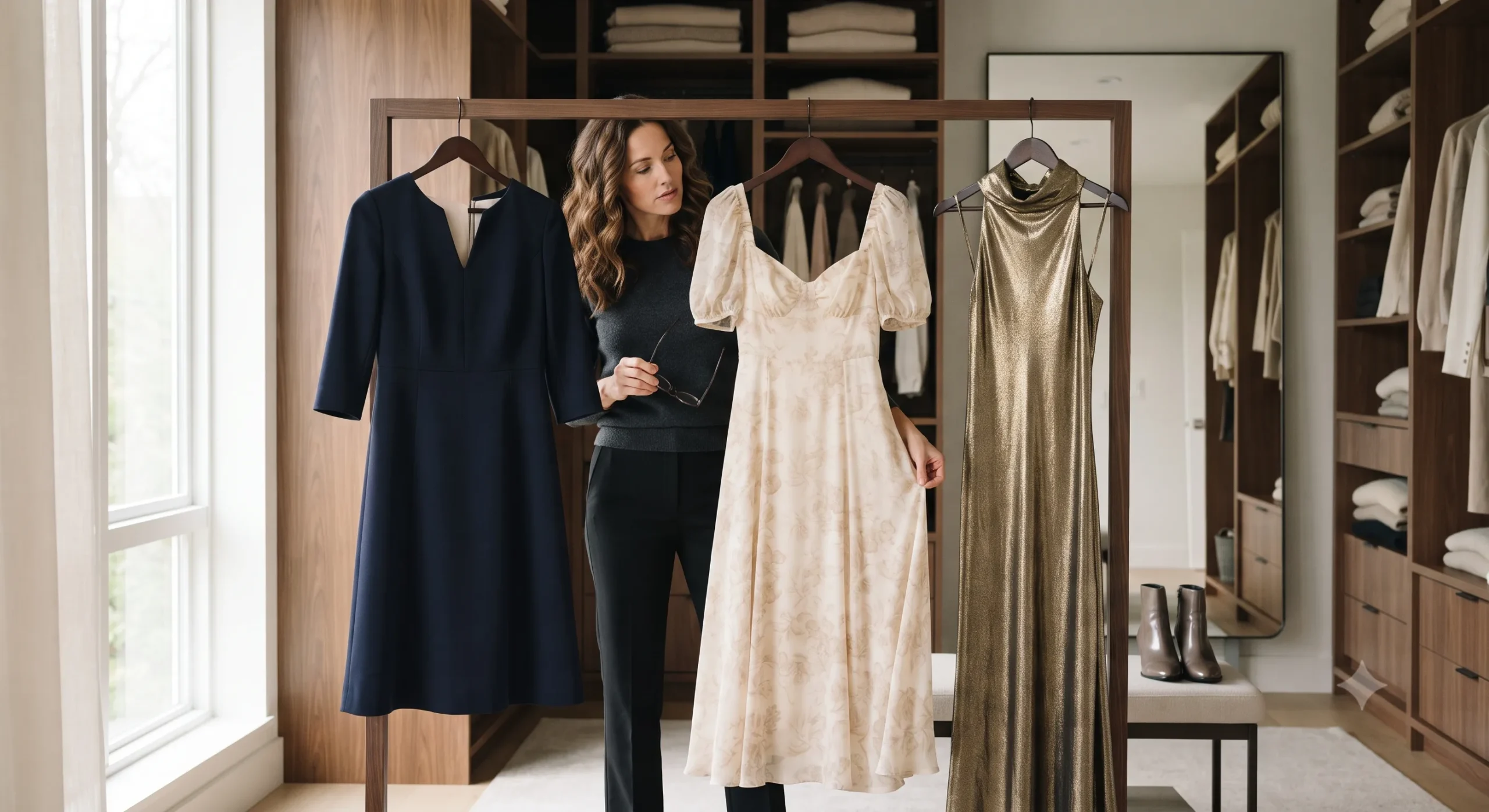
We have all experienced that specific, hollow frustration of standing before an overflowing closet, staring at rows of hangers, and feeling as though we have absolutely nothing to wear. It is a strange paradox of modern life: the more we acquire, the less we seem to have. We buy a piece because it looks striking on a mannequin or fits a fleeting social media aesthetic, only to find that once it enters our homes, it refuses to speak to anything else we own. It sits in isolation—a beautiful but lonely garment that requires a completely new outfit to function.
The impulse to shop is often a search for a solution to a feeling of style incoherence. We think that the missing ingredient is a new skirt, a sharper blazer, or a more current color. But dressing better is rarely a matter of addition; more often, it is a matter of curation, understanding, and the strategic use of what is already present. True style is found in the relationships between garments, not in the volume of the collection.
To dress better without constant consumption, one must shift the focus from acquisition to articulation. It is about learning how to speak through your clothes rather than simply collecting new vocabulary words that don’t quite fit the sentence.
The Psychology of the “Newness” Trap
Before we can change how we dress, we must understand why we feel the urge to buy. Modern fashion cycles are designed to create a sense of perceived obsolescence. Even if a garment is physically intact, the cultural momentum shifts so quickly that the piece can feel “out of date” within months. This creates a cycle of dissatisfaction where the wardrobe feels stagnant, prompting a new purchase to spark a sense of novelty.
However, there is a significant difference between trend-driven dressing and style. Trends are temporal; they are borrowed aesthetics that require constant upkeep to remain relevant. Style, by contrast, is a personal language. When you dress with style, you are choosing pieces that reflect your silhouette, your lifestyle, and your temperament.
When we stop chasing the “new” and start focusing on the “coherent,” the pressure to shop diminishes. A wardrobe built on coherence is one where a single pair of trousers can be styled for a weekend brunch, a professional meeting, or a formal dinner simply by changing the accompanying layers and accessories.
Mastering the Art of Wardrobe Re-Contextualization
The most effective way to dress better without spending money is to practice re-contextualization. This is the ability to take a familiar item and move it into a completely different social or functional setting.
Most women have “category silos” in their wardrobes. They have “work clothes,” “weekend clothes,” and “occasion clothes.” These silos are often too rigid. If you only wear a specific midi skirt for garden parties, you are limiting its value.
Consider these three methods of re-contextualization:
1. Shifting the Formality via Proportions
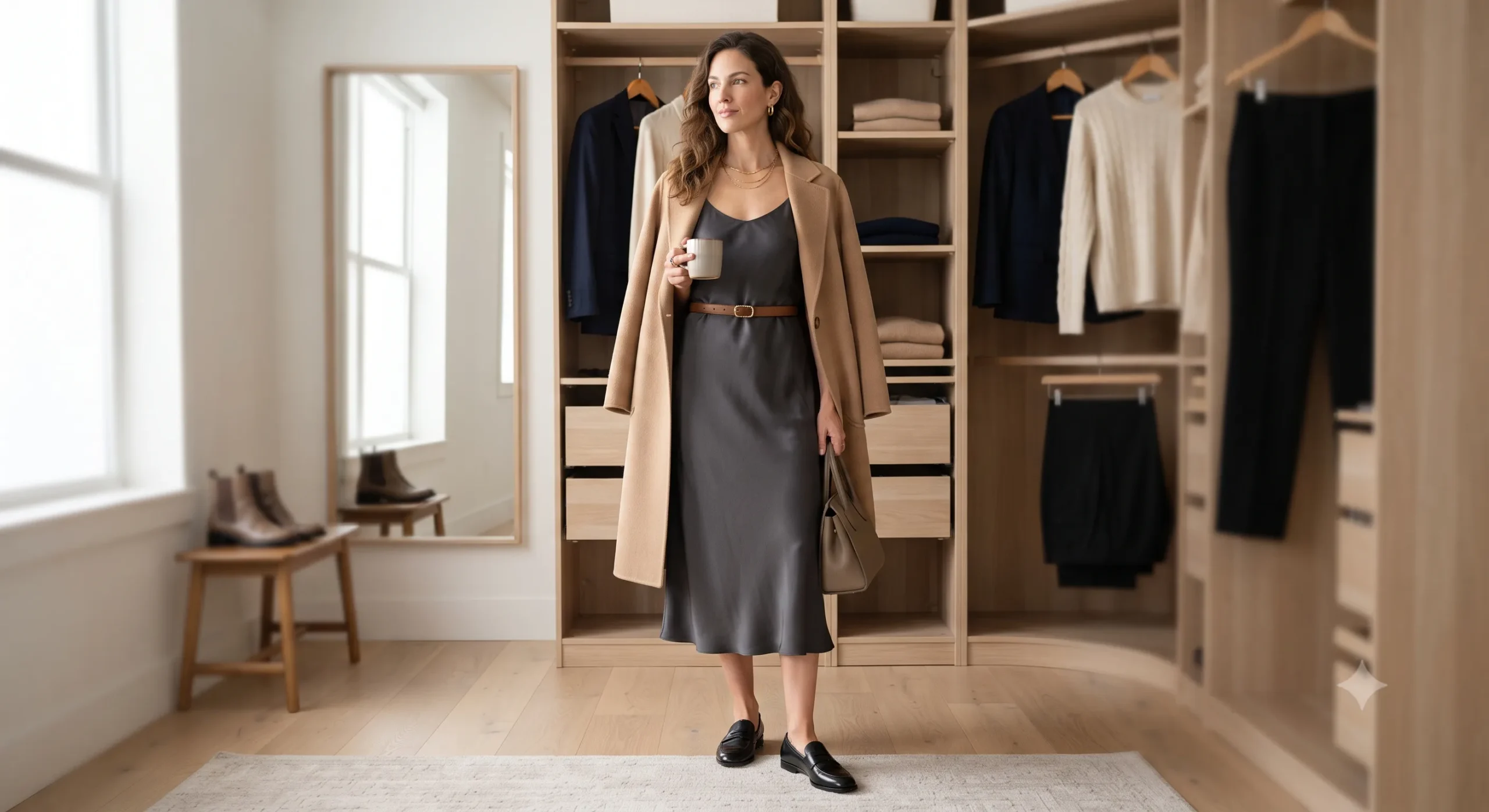
A common mistake is assuming a certain garment is locked into a single level of formality. A slip dress might feel “too much” for a casual lunch, but when layered under a structured knit sweater with leather loafers, it becomes a sophisticated daytime ensemble. Conversely, a tailored blazer that usually feels strictly professional can be softened for a weekend outing by pairing it with high-quality denim and a simple cotton tee.
2. The Power of “High-Low” Styling
Dressing well often involves playing with contrast. If you wear an entirely formal outfit, you may feel stiff or overdressed. If you wear an entirely casual outfit, you may feel unpolished. The “sweet spot” of elegance often lies in the middle. Pairing a more structured, feminine piece—like a dress with soft tailoring—with more practical elements (like a trench coat or a structured handbag) creates a balanced, intentional look that feels modern rather than costume-like.
3. Seasonal Layering and Transition
We often think we need a new wardrobe for every change in temperature. In reality, seasonal dressing is about layering. A lightweight summer dress can be extended into autumn by adding opaque tights, tall boots, and a heavy wool coat. By viewing your clothes through the lens of layering rather than replacement, you increase the utility of every item you own.
The Decision Framework: Evaluating Value Beyond the Price Tag
When you do eventually need to add something to your wardrobe, the goal is to ensure that the new piece serves the whole, rather than standing alone. To avoid the “one-wear wonder,” apply a rigorous decision framework before making a purchase.
The Cost-Per-Wear Calculation
While often discussed in financial terms, cost-per-wear is actually a stylistic tool. A $300 dress that you wear twenty times a year for three years has a much lower “cost” (both emotional and financial) than a $50 top that you wear once and then leave in the back of the closet. Before buying, ask yourself: “Can I envision wearing this at least ten different ways with what I currently own?”
The Three-Way Rule
A practical litmus test for any potential purchase is the Three-Way Rule. Before purchasing an item, you must be able to mentally construct three distinct outfits using pieces you already own. If you can only imagine it working with one specific pair of shoes or one particular top that you also need to buy, the item is a liability, not an asset.
The “Coherence Check”
Ask yourself: Does this piece harmonize with my existing color palette and silhouettes? A wardrobe that feels “calm” and “polished” usually relies on a degree of visual repetition. This doesn’t mean wearing the same thing every day, but it does mean having a core of reliable neutrals and textures that allow different pieces to interlock seamlessly.
| Criteria | The Trend Purchase (Avoid) | The Intentional Purchase (Aim For) |
|---|---|---|
| Longevity | Based on a specific seasonal micro-trend. | Based on personal silhouette and timelessness. |
| Versatility | Works with only one specific outfit. | Integrates easily with existing pieces. |
| Fabric/Construction | Focuses on visual impact over durability. | Focuses on drape, texture, and long-term wear. |
| Emotional Connection | An impulsive reaction to a “sale” or “newness.” | A considered addition to a functional wardrobe. |
| Styling Potential | Requires new accessories to look “right.” | Can be dressed up or down with ease. |
Identifying and Avoiding Common Wardrobe Mistakes
Often, the reason we feel we have nothing to wear isn’t a lack of clothes, but the presence of “clutter pieces”—items that take up physical and mental space without providing styling utility.
- The “Fantasy Self” Wardrobe: We often buy clothes for the person we think we should be, rather than the person we actually are. This might mean buying hyper-formal pieces for a lifestyle that is actually quite casual, or buying restrictive silhouettes that we find uncomfortable to wear for more than an hour. When your clothes don’t match your daily reality, they become useless.
- Over-reliance on “Statement” Pieces: While a beautiful, unique garment can be a joy, a wardrobe composed mostly of loud statements is difficult to manage. Without a foundation of “quiet” pieces—items with subtle textures, clean lines, and understated colors—your statement pieces will always feel disconnected and difficult to style.
- Neglecting Fit and Maintenance: A garment that fits poorly or looks worn-out will never make you feel polished, no matter how expensive it was. Learning basic garment care—proper washing, steaming, and even minor repairs—can breathe new life into old pieces, making them feel “new” without a purchase.
Building a Foundation of Practical Elegance
To dress better with less, you must cultivate an appreciation for what we call discreet polish. This is the art of looking put-together through subtle details rather than overt displays of fashion.
A foundation of practical elegance usually consists of:
- Reliable Silhouettes: Pieces that respect your body’s proportions and offer comfort across various activities.
- Textural Depth: Instead of relying on bright patterns, look for interest in the fabric itself—the weave of a linen, the weight of a knit, or the drape of a heavy cotton.
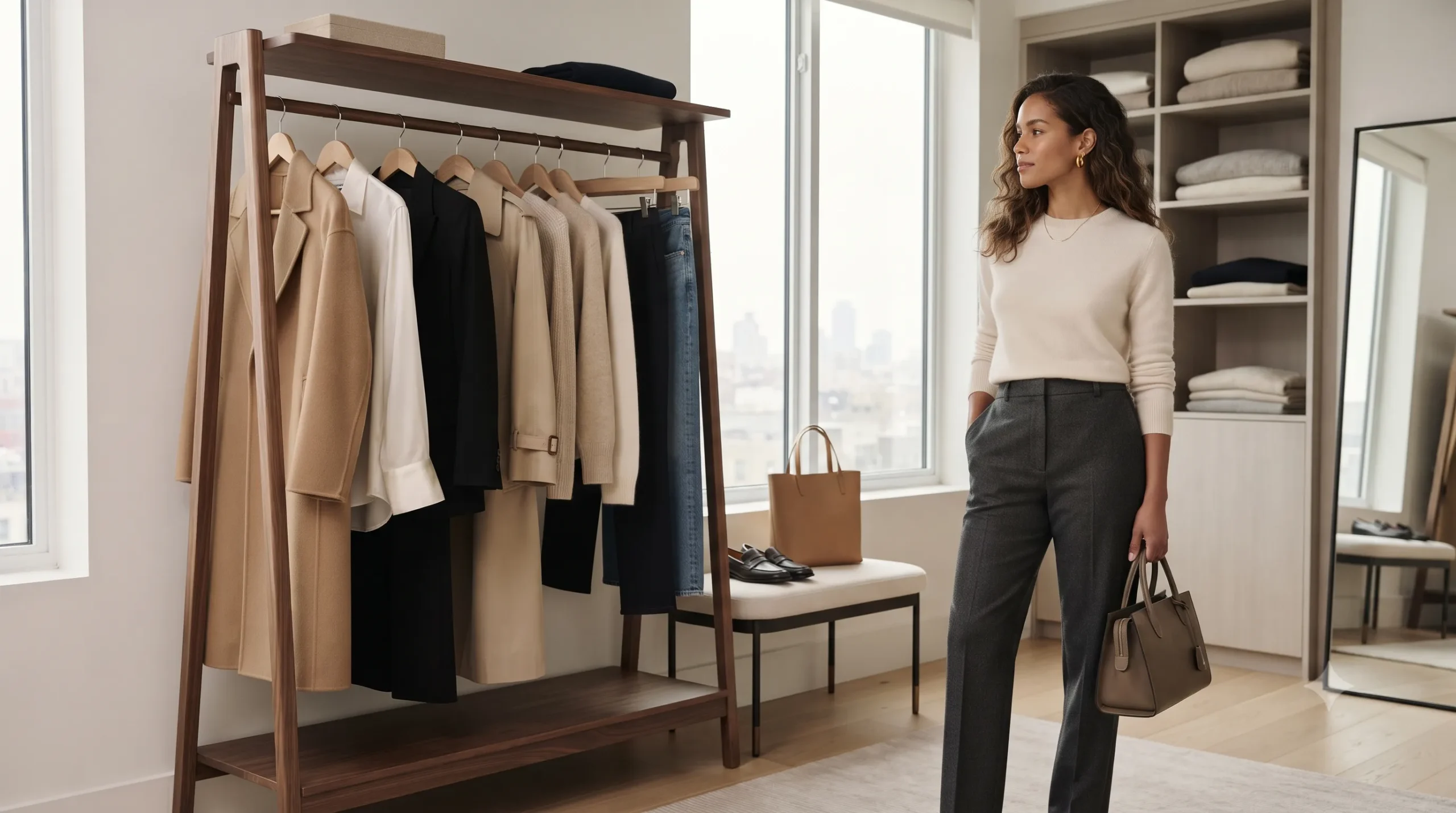
- A Cohesive Color Story: A palette of interconnected tones (such as creams, navy, charcoal, or soft earth tones) ensures that almost any top will match any bottom.
When your wardrobe is built on these pillars, the act of getting dressed ceases to be a stressful negotiation and becomes a calm, intuitive process. You aren’t searching for something to “fix” your look; you are simply selecting components from a well-designed system.
Summary of Actionable Steps
If you feel overwhelmed by your wardrobe today, do not reach for your credit card. Instead, follow this sequence to reclaim your style:
- Audit with Intention: Go through your closet and remove anything that doesn’t fit, doesn’t feel like “you,” or hasn’t been worn in a year. This clears the mental fog.
- Identify Your “Uniforms”: Note the combinations you already love. These are your baseline. Understanding your successful formulas gives you confidence.
- Shop Your Own Closet: Before any purchase, spend one morning trying to create new outfits from your existing pieces. Force yourself to pair things you’ve never tried together—like a formal skirt with a casual knit.
- Focus on Quality Over Volume: When you eventually do need something, prioritize the “Three-Way Rule” and the “Cost-Per-Wear” logic.
Dressing better is not a destination reached through a series of purchases; it is a continuous practice of refinement. It is the quiet realization that elegance is not about how much you own, but about how much intention you bring to what you choose to wear. By shifting your focus from the novelty of the new to the utility of the lasting, you create a wardrobe that doesn’t just sit in your closet, but actually supports the life you lead.