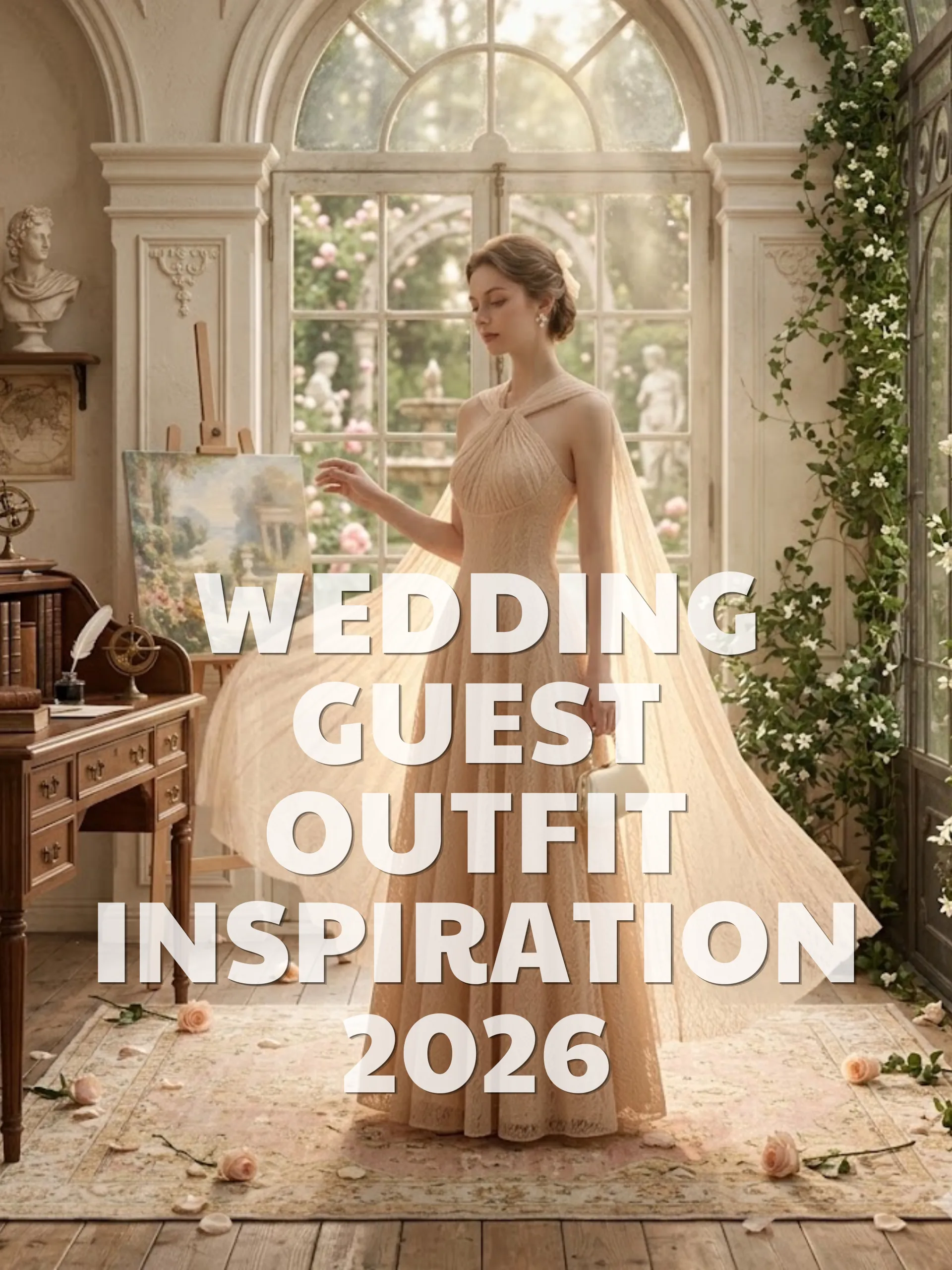
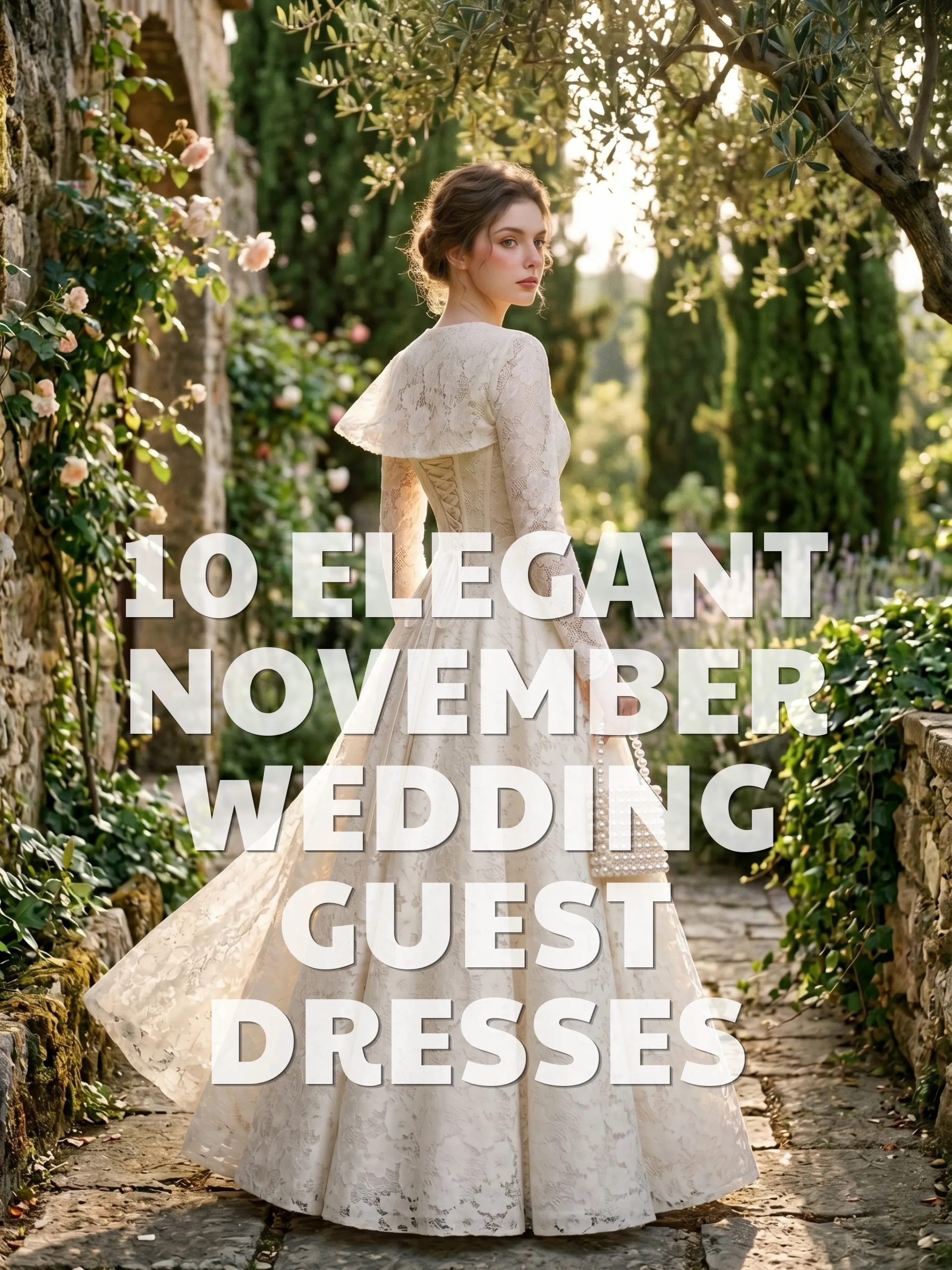
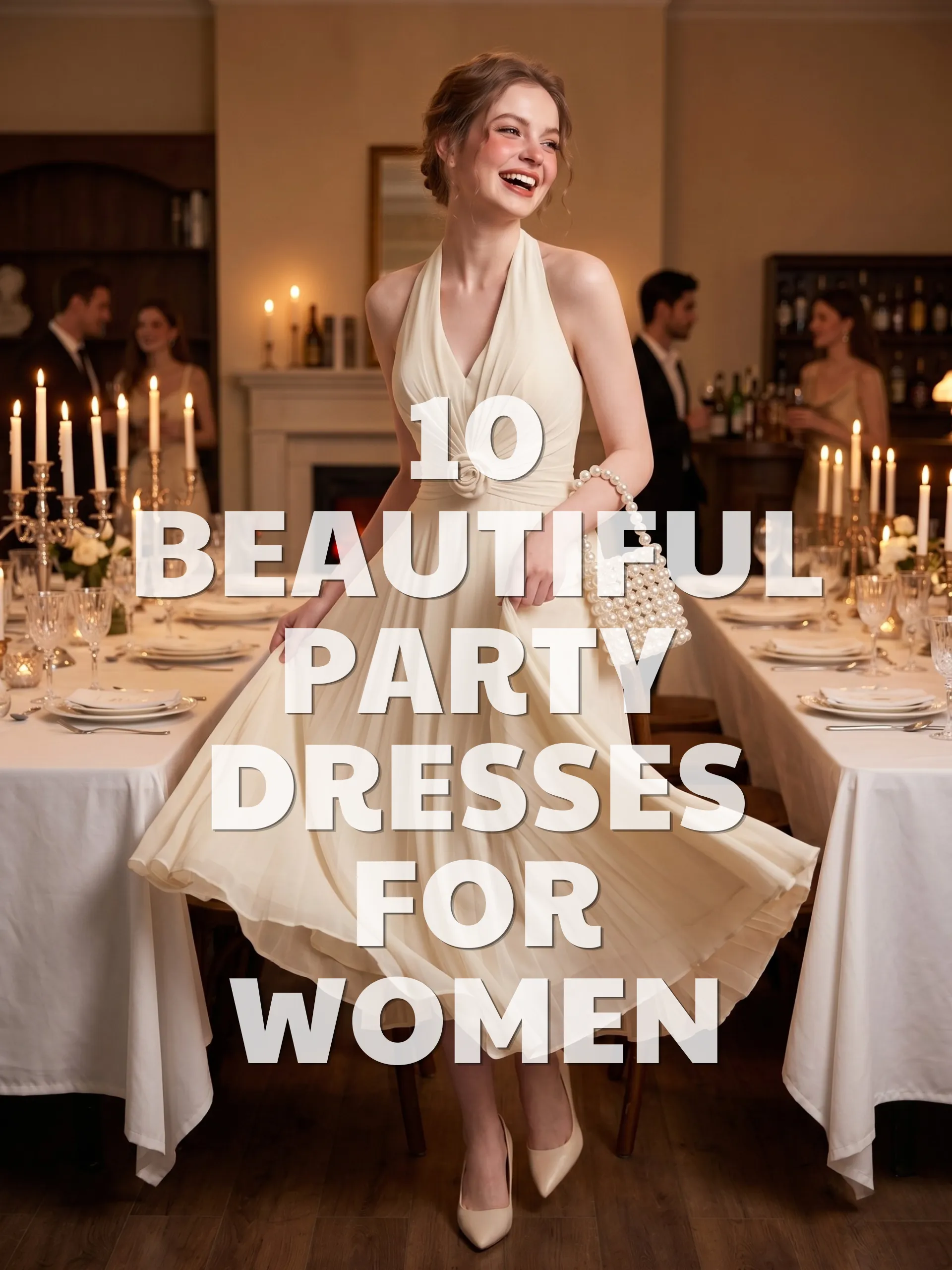
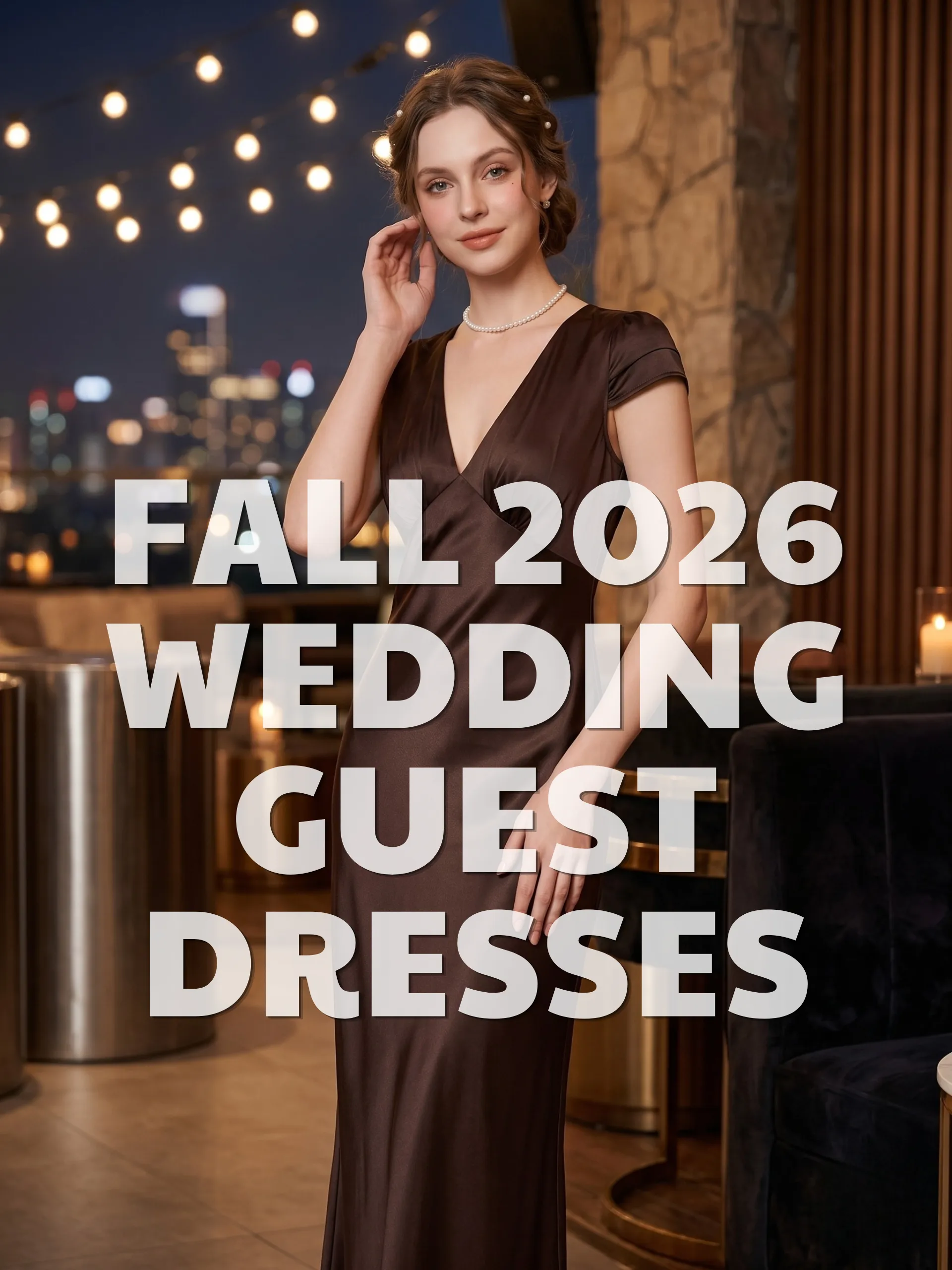
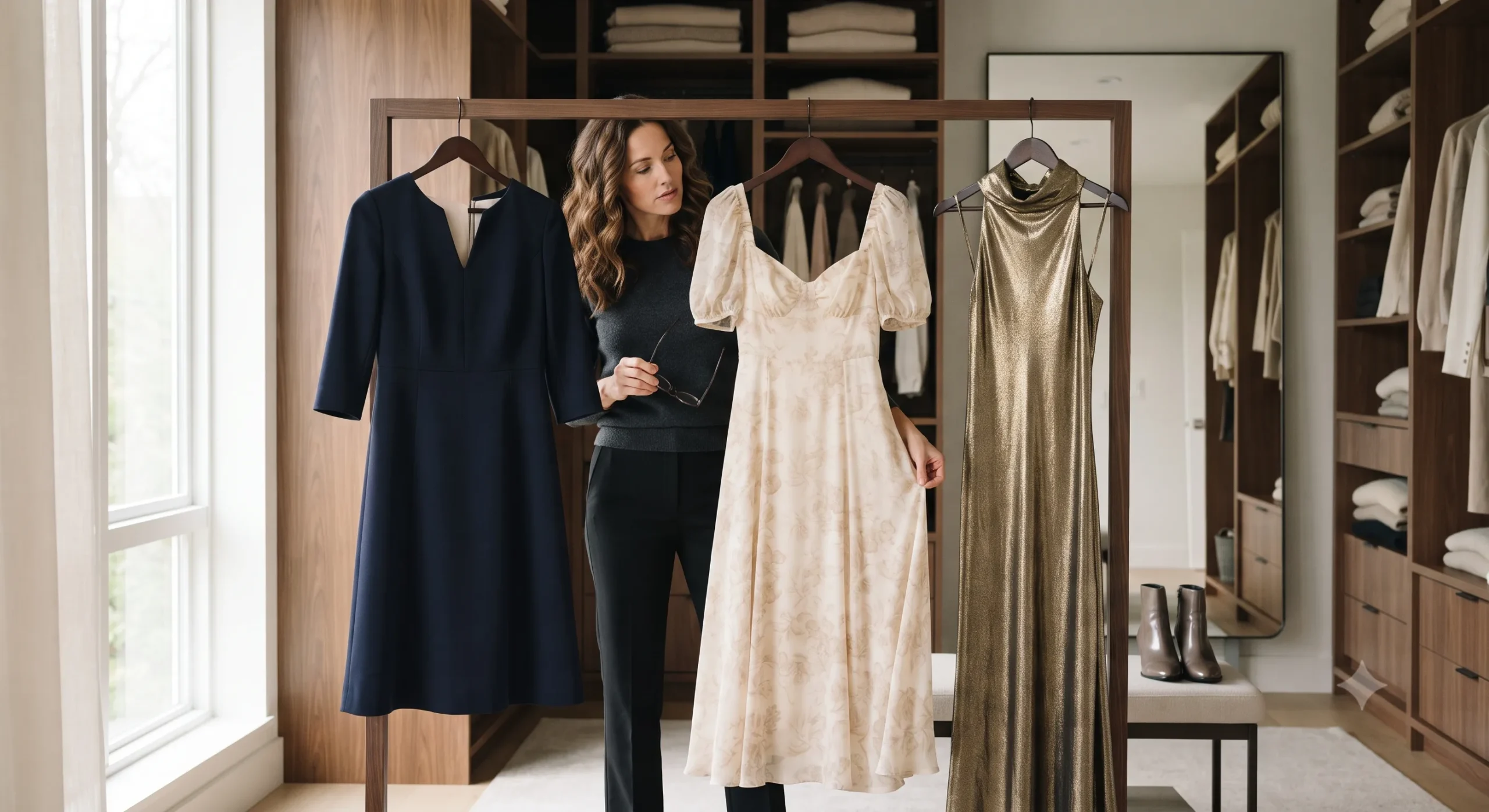
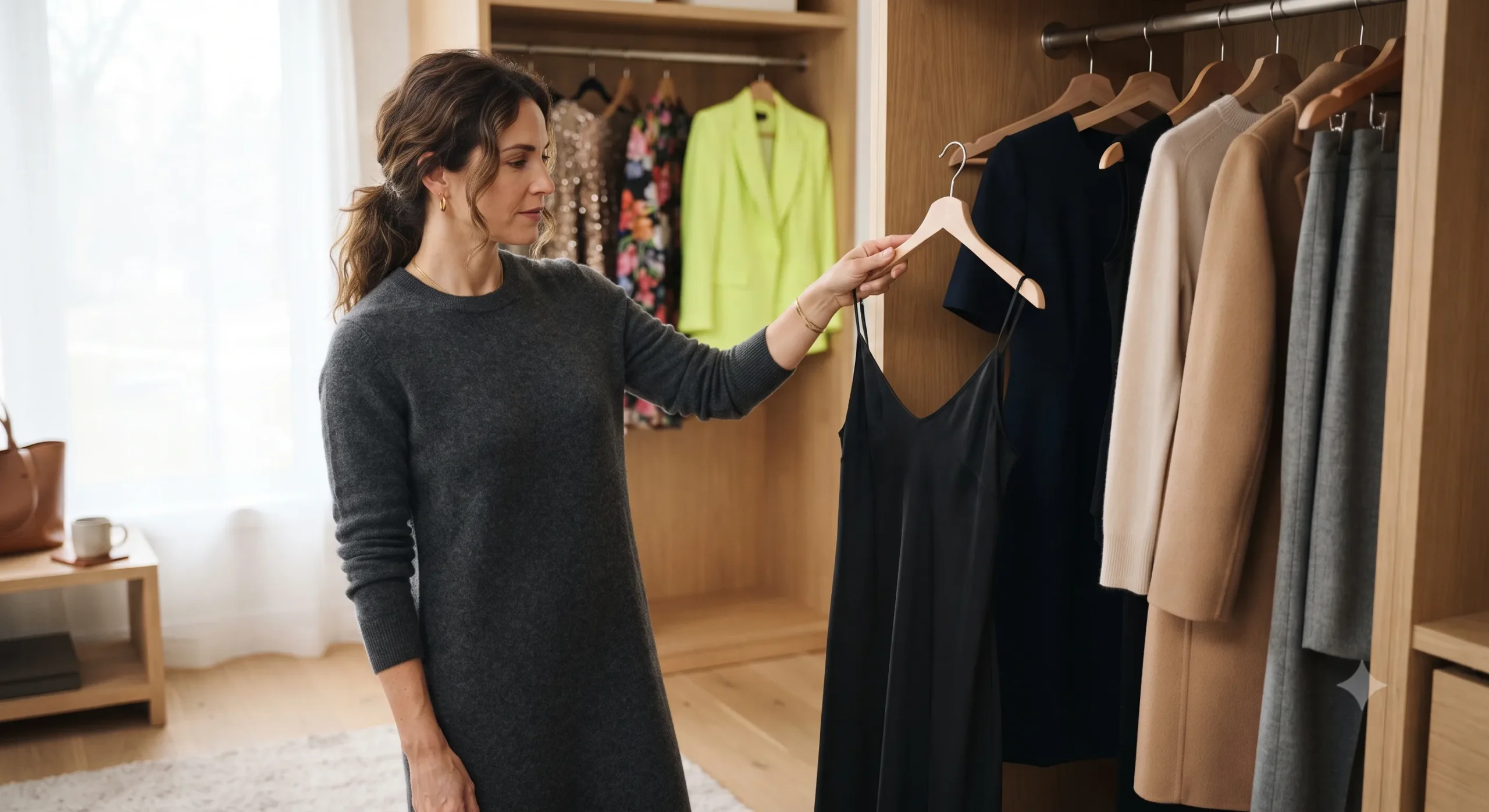
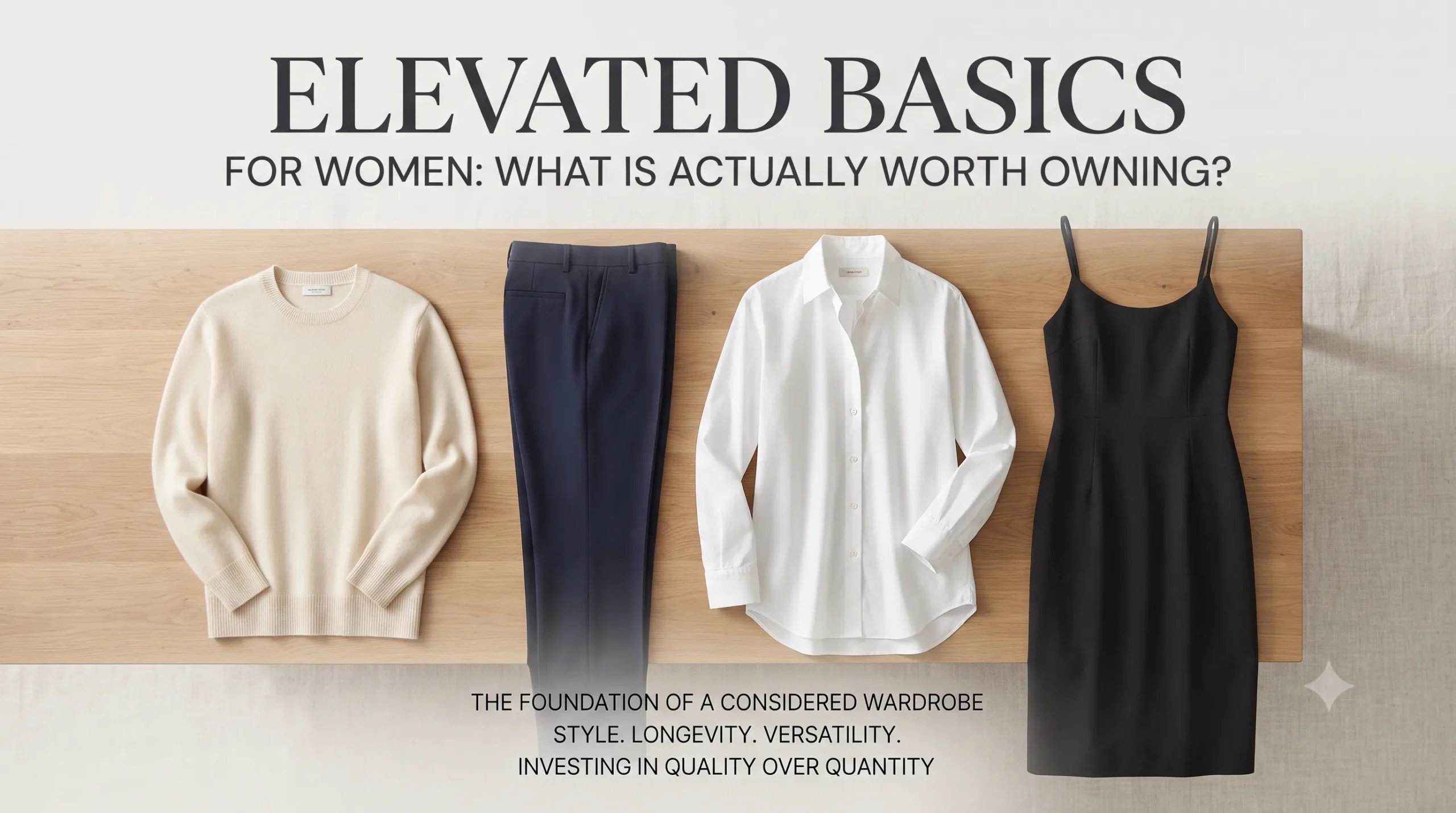
There is a specific, quiet frustration that comes with opening a wardrobe filled with “event” clothes. You might find a dress that felt perfect for a wedding three seasons ago, or a piece that captured a specific social media aesthetic for a fleeting moment, only to find that when you reach for it today, it feels like a costume. It belongs to a version of yourself that no longer exists, or to a stylistic moment that has already passed.
The dilemma of occasion dressing often feels like a choice between two extremes: the predictable, safe garment that lacks personality, or the hyper-trendy piece that feels dated the moment the next season arrives. However, the most successful wardrobes are not built on these polarities. Instead, they are anchored by pieces that possess a sense of permanence—dresses that feel as relevant to your life five years from now as they do today.
Choosing an occasion dress that transcends trends is not about avoiding style; it is about prioritizing silhouette, proportion, and emotional resonance over the temporary noise of the fashion cycle. It is about recognizing that true elegance is often found in restraint rather than in the loudest details.
The Anatomy of a Timeless Silhouette
When we speak of a “timeless” dress, we are rarely talking about a lack of design. Rather, we are talking about design that relies on fundamental principles of geometry and the human form rather than decorative whimsy. Trends often manifest in specific, exaggerated details—extreme puff sleeves, asymmetrical cut-outs, or heavy embellishments that dictate a specific “look.” While these can be beautiful, they are also the first elements to date a garment.
To find a piece with longevity, look toward these three foundational pillars of silhouette:
1. Proportional Balance
A timeless dress respects the natural lines of the body. This doesn’t mean it must be form-fitting; in fact, many of the most enduring styles rely on volume and drape to create interest. The key is balance. A dress with a voluminous skirt often finds its equilibrium through a structured bodice or a defined waistline. A column dress relies on a clean, uninterrupted vertical line to create an aura of calm. When the proportions are balanced, the dress provides a canvas for the woman wearing it, rather than competing with her.
2. The Versatility of Necklines and Sleeves
Certain necklines have remained staples of the feminine wardrobe for decades because they offer a specific kind of polished softness. A modest boat neck, a graceful V-neck, or a classic square neckline provide structure without being aggressive. Similarly, sleeve lengths play a massive role in how “dated” a dress feels. A well-tailored long sleeve or a classic three-quarter length often feels more permanent than a highly specific, trend-heavy sleeve shape that mimics a current runway moment.
3. Hemline Intentionality
The length of a dress dictates its formality and its lifespan. Midi lengths, which fall between the knee and the ankle, are remarkably resilient. They bridge the gap between casual and formal, making them suitable for everything from a garden wedding to an upscale dinner. While maxi dresses offer a different kind of sweeping elegance, the midi remains the gold standard for a multi-purpose occasion wardrobe.
Distinguishing Between Trend and Taste
It is helpful to view fashion through the lens of a distinction between trends and taste. A trend is a collective, temporary movement—a specific color, a specific texture, or a specific shape that everyone is wearing simultaneously. Taste, however, is the internal compass that allows you to select pieces that align with your own aesthetic identity and long-term wardrobe goals.
| Feature | Trend-Driven Occasionwear | Timeless Occasionwear |
|---|---|---|
| Primary Focus | The “Look” of the moment | The wearer and the silhouette |
| Visual Impact | High-contrast, loud, or decorative | Subtle, balanced, and refined |
| Longevity | Usually limited to one or two seasons | Can be worn for many years |
| Styling Ease | Requires specific, trend-aligned accessories | Versatile; adapts to various accessories |
| Emotional Connection | Driven by the desire to be “current” | Driven by personal resonance and ease |
When shopping, ask yourself: “Am I buying this because it reflects who I am, or because it reflects what is being seen right now?” If the answer is the latter, the piece may eventually become a source of closet clutter rather than a source of confidence.
The Decision Framework: How to Evaluate an Occasion Piece
To move away from impulsive, trend-based purchasing, it is useful to apply a structured decision-making process. Before committing to an occasion dress, run it through this mental checklist to assess its long-term value.
The “Three Scenarios” Test
A truly useful occasion dress should be able to inhabit at least three different life scenarios without feeling out of place. For example:
- Scenario A: A formal event (a wedding, a gala, or a milestone celebration).
- Scenario B: A semi-formal social gathering (a cocktail party, a refined dinner, or a gallery opening).
- Scenario C: A slightly more relaxed, elevated setting (a holiday brunch or a sophisticated seasonal event).
If a dress is so heavily embellished or so specific in its cut that it can only be worn to one specific wedding, it is a “single-use” garment. While not inherently wrong, it lacks the practical elegance of a piece that earns its place through versatility.
The Texture and Weight Check
While we avoid making specific claims about every fabric, it is a universal truth in fashion that the “hand” (how a fabric feels) and the “drape” (how it hangs) determine much of a garment’s perceived value. A dress that relies on a very specific, trendy texture—such as a highly patterned lace that is currently “in”—is more susceptible to dating than a dress made of a solid, high-quality material with a beautiful, consistent drape. Look for fabrics that move with you, providing a sense of quiet luxury through their behavior rather than their pattern.
The Color Strategy
While color is a matter of personal preference, certain palettes offer more longevity than others. Neutral tones—midnight navy, forest green, charcoal, cream, or black—are the bedrock of a thoughtful wardrobe. They are easy to style, they do not scream for attention, and they naturally lend themselves to a sense of understated sophistication. If you do choose a color, consider whether it is a “seasonal” color (one that is tied to a specific year’s palette) or a “classic” color.
Common Pitfalls in Occasion Dressing
Even with the best intentions, it is easy to fall into patterns of consumption that favor the temporary over the enduring. Recognizing these mistakes can help you refine your approach.
1. Over-relying on Embellishment for “Formality”
Many women believe that for a dress to be “special” enough for an occasion, it must have sequins, heavy beadwork, or intricate embroidery. While these elements have their place, they often act as a distraction. A dress with exceptional tailoring and a beautiful silhouette often feels more formal and more expensive than one that is covered in trend-heavy decorations.
2. Ignoring the Importance of Fit and Proportion
A trend-driven piece often forces the wearer to adapt to its shape. A timeless piece is designed to work with the wearer. If you find yourself constantly adjusting a strap, pulling down a hem, or feeling restricted by a specific cut, the dress is not serving you. A well-chosen piece should feel like an extension of yourself, providing a sense of ease that allows you to focus on the event rather than your clothes.
3. The “Cost-Per-Wear” Oversight
It is tempting to see an occasion dress as a one-time expense. However, the true cost of a garment is better understood through its utility over time. A $300 dress that is worn five times over three years is significantly more valuable—both financially and stylistically—than a $100 dress that is worn once and then sits at the bottom of a drawer because it feels “too trendy” to wear again.
Building a Modern Romantic Wardrobe
The concept of modern romanticism in fashion is not about being “precious” or overly decorative. It is about a refined femininity that feels grounded in reality. It is about pieces that evoke a sense of grace and soft structure, but are practical enough to be lived in.
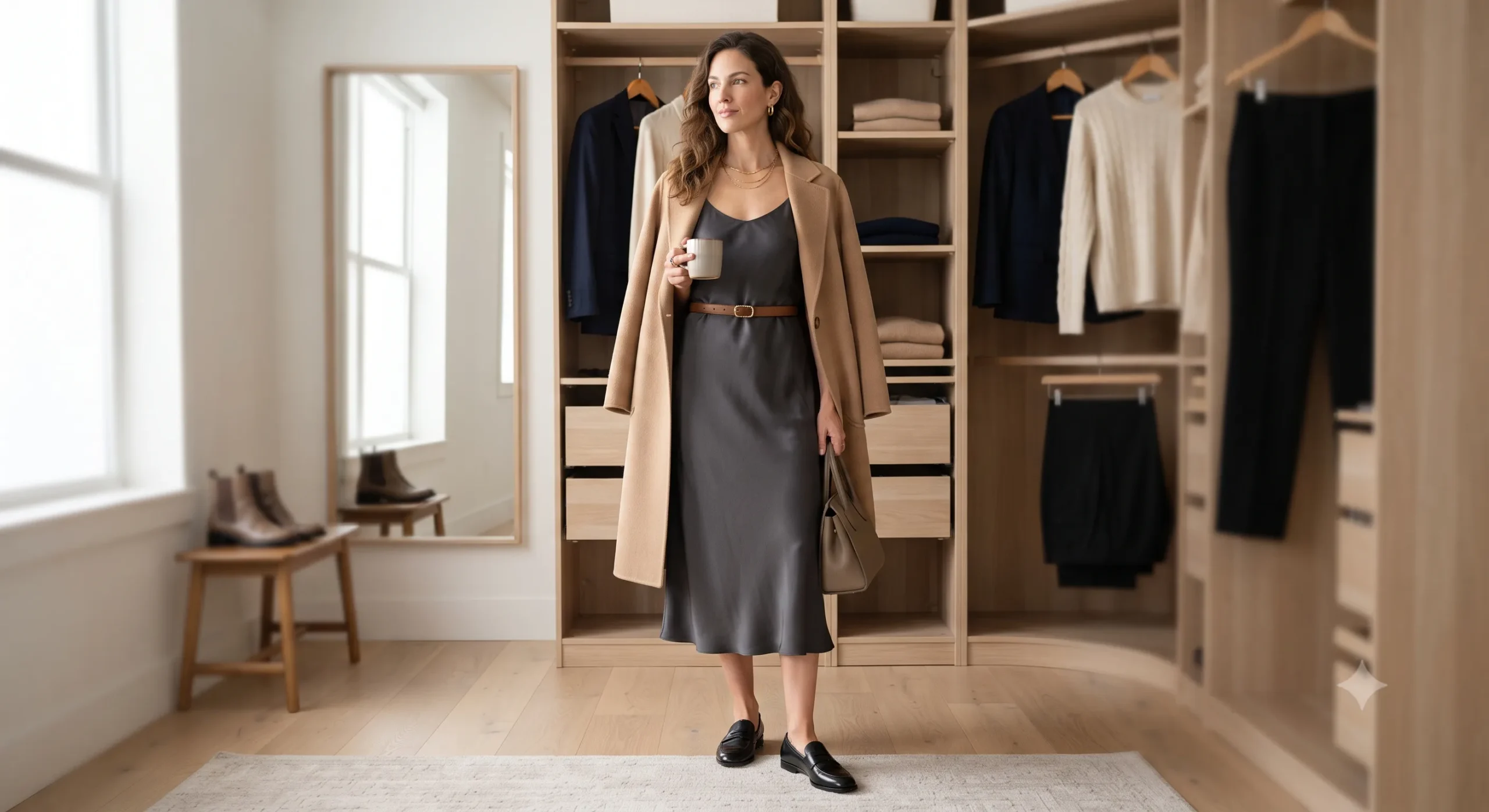
When building an occasion-focused wardrobe, aim for a collection of pieces that can be layered and re-interpreted. A refined midi dress can be paired with a structured blazer for a more professional event, or with delicate jewelry and a softer shoe for a romantic dinner. This ability to pivot is the hallmark of a thoughtful wardrobe.
Aunomay approaches this philosophy through a lens of intentionality: creating pieces that feel feminine and polished, yet remain wearable across a variety of real-life moments. By focusing on proportion and restrained elegance, you move away from the cycle of constant consumption and toward a more meaningful relationship with your style.
Conclusion: Dressing with Clarity
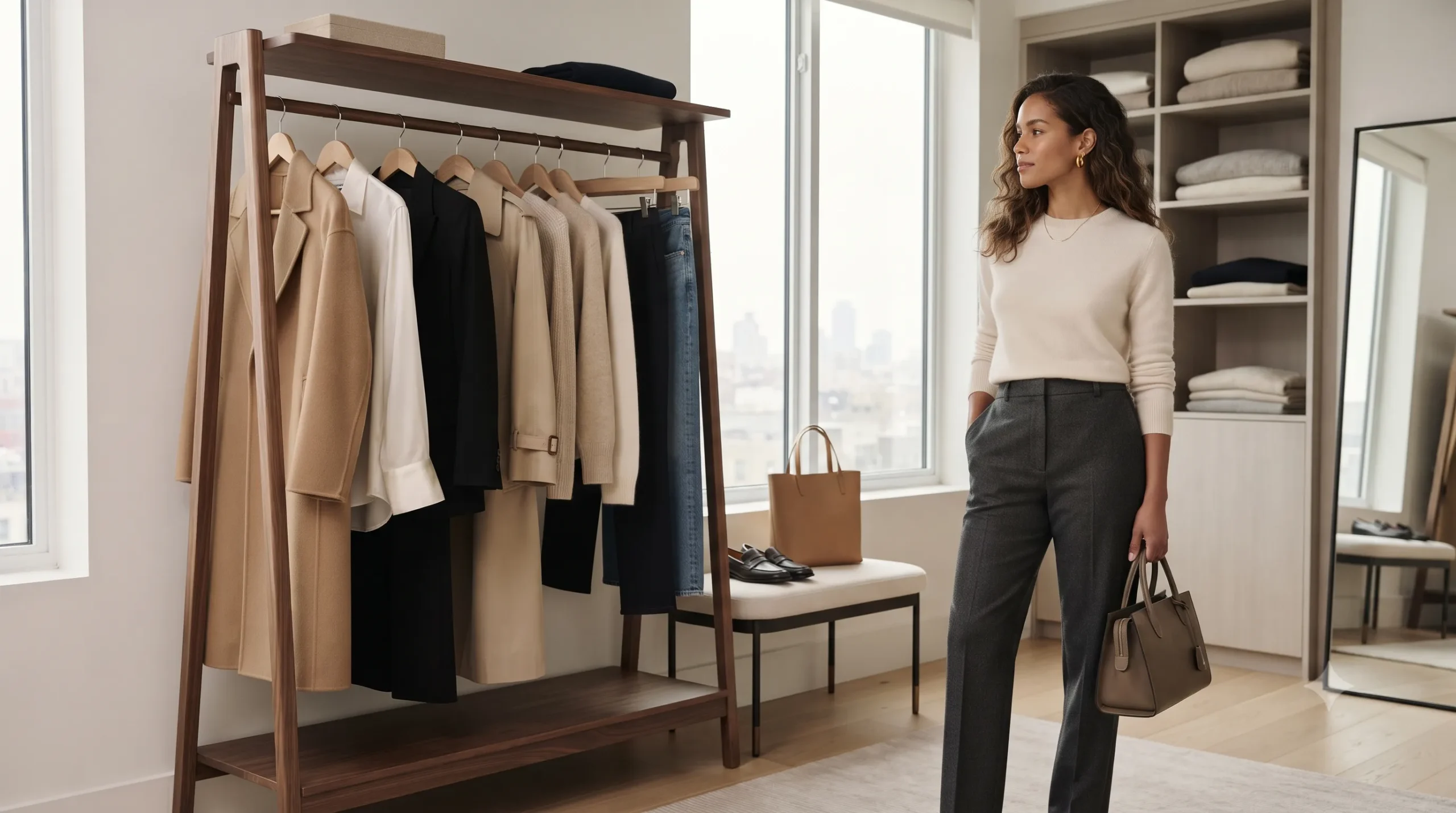
The goal of occasion dressing should not be to match the current zeitgeist, but to reflect your own evolving sense of self. When you choose dresses that prioritize silhouette, fabric behavior, and versatile proportions, you are doing more than just buying clothes; you are investing in a personal archive.
A timeless wardrobe is built one considered decision at a time. It is a collection of pieces that don’t just work for a single evening, but carry a sense of quiet confidence that remains steady as the seasons and trends shift. By seeking out pieces that feel graceful and useful beyond a single moment, you allow yourself the freedom to show up to any event feeling truly, authentically present.