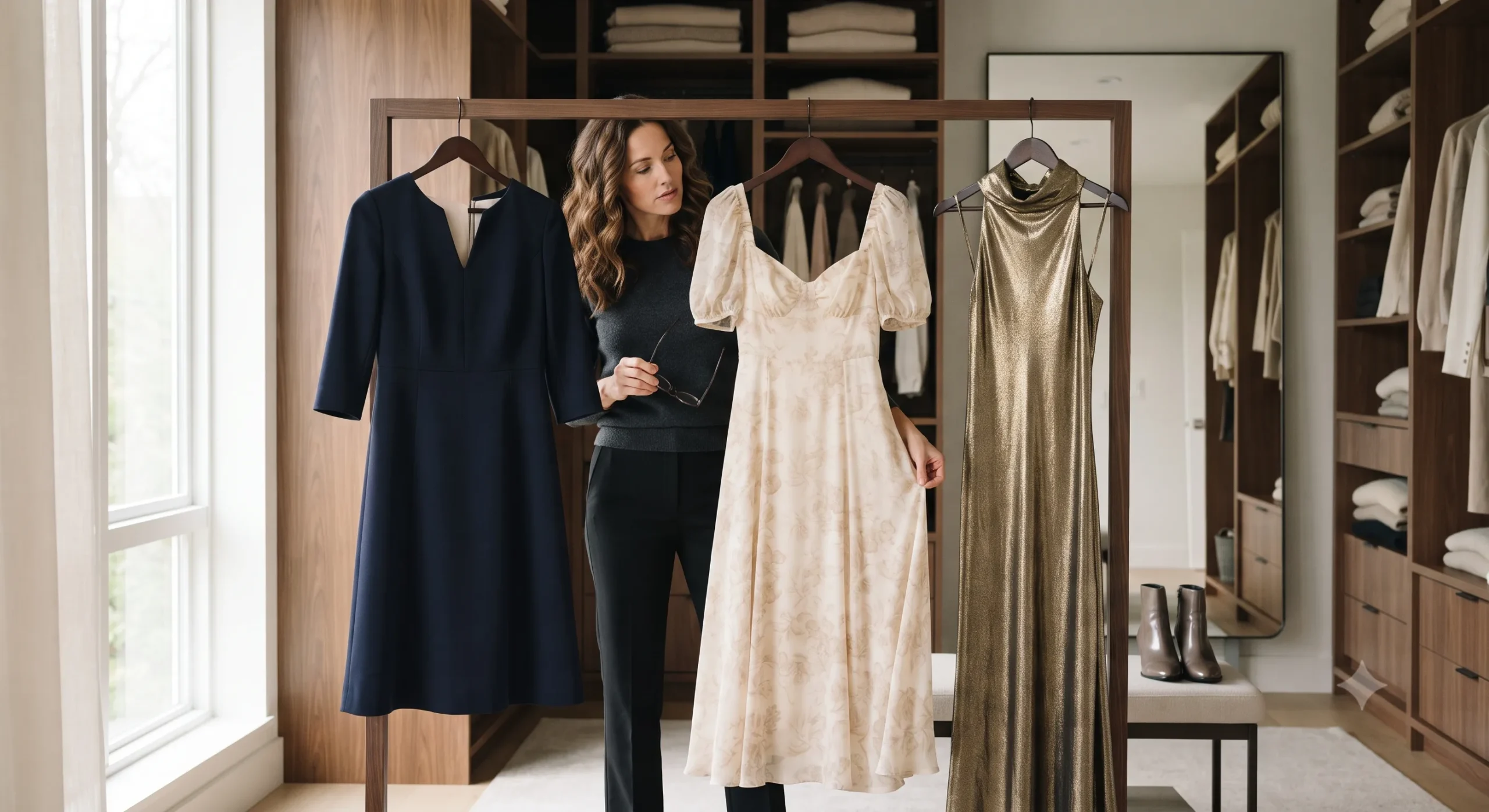
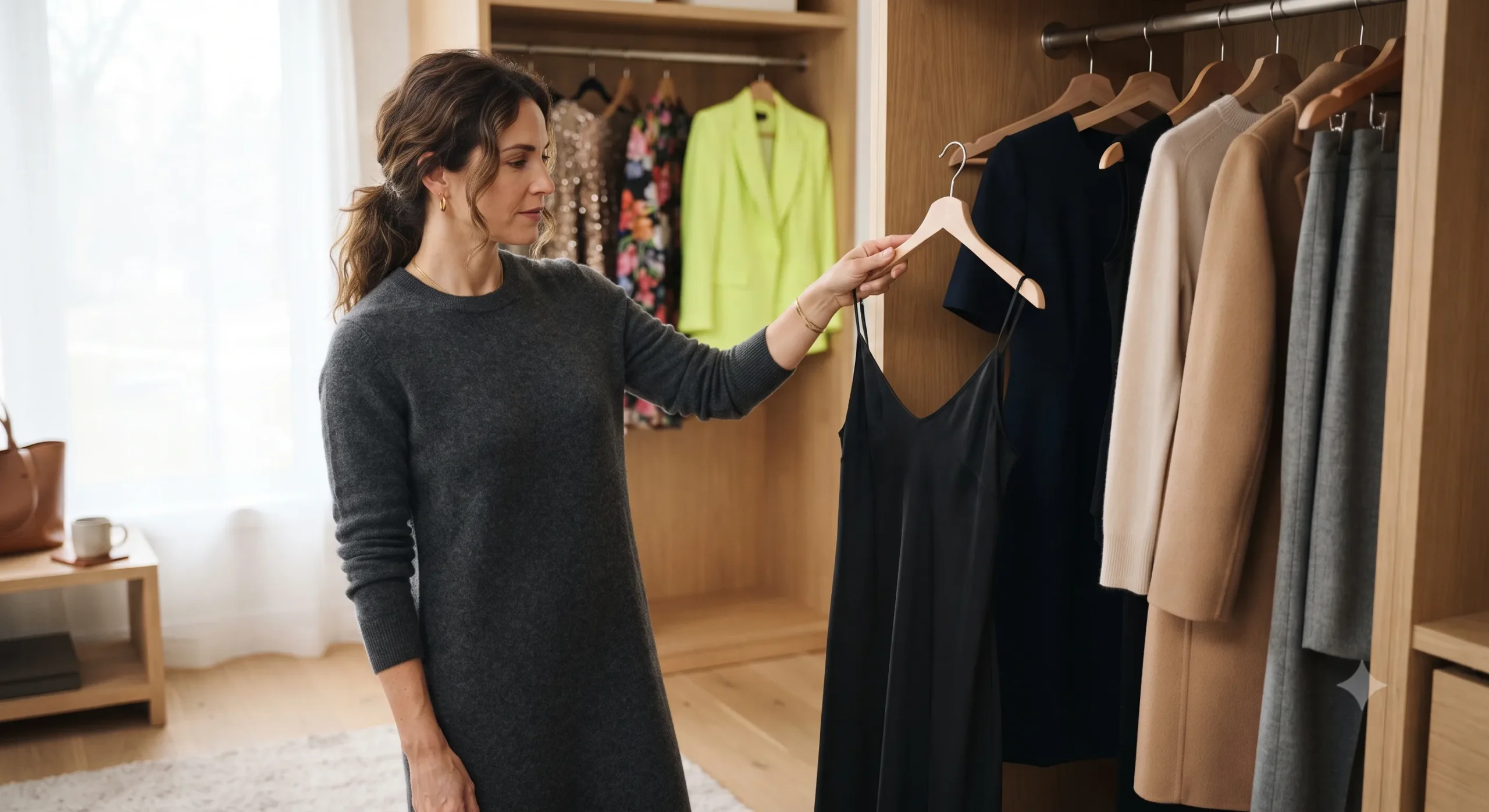
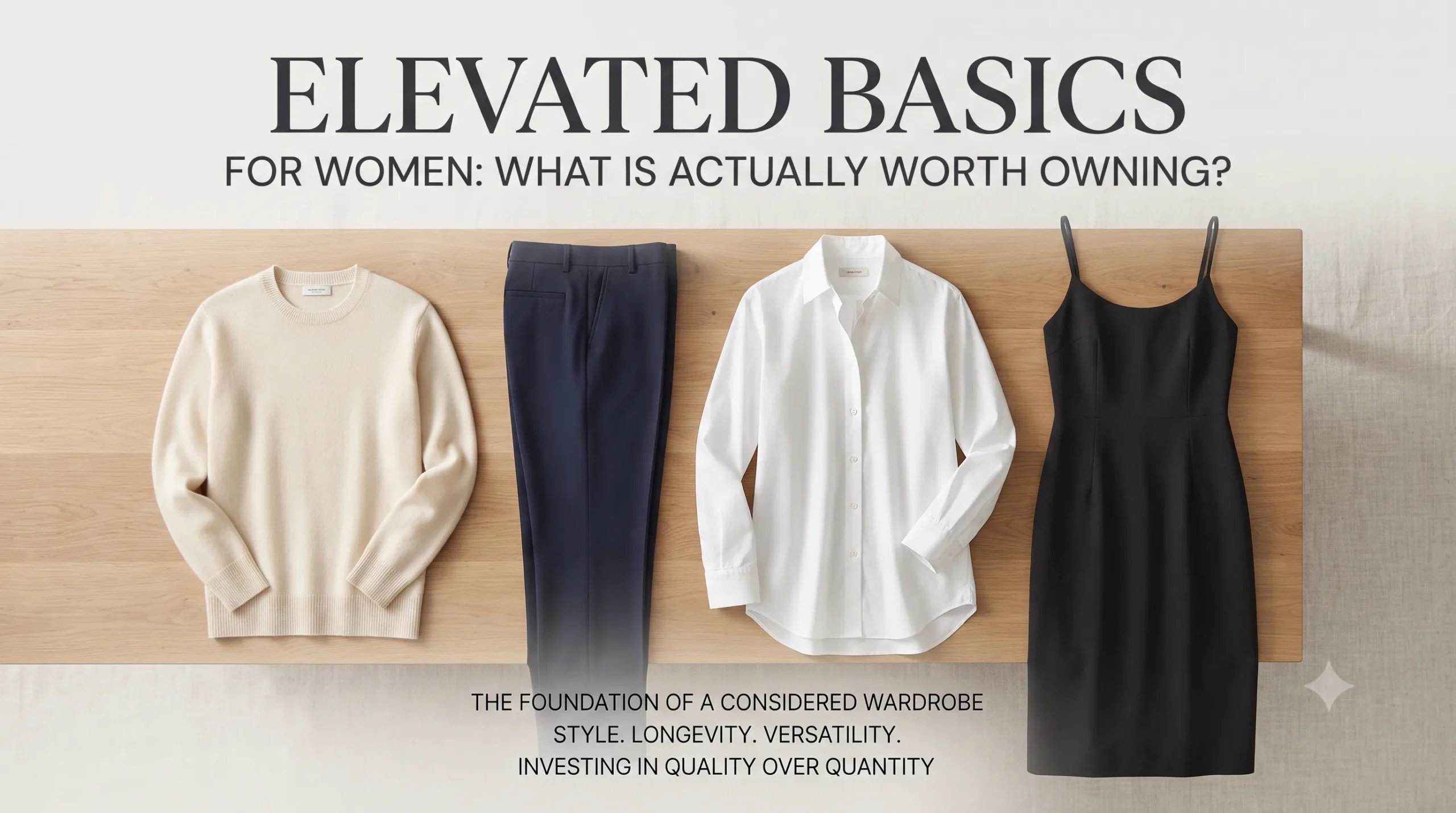
There is a specific, subtle tension in the modern wardrobe: the space between looking “dressed up” and looking “put together.” We have all experienced that moment of morning hesitation, standing before a closet full of options, only to settle on a pair of jeans and a t-shirt that, while comfortable, feels somewhat unfinished. It isn’t that the clothes are wrong; it is that the outfit lacks a certain intentionality.
The misconception many hold is that “polished” is a synonym for “formal.” We often assume that to look polished, we must reach for structured blazers, heels, or restrictive silhouettes. However, true polish is less about the level of formality and more about the level of care. It is the difference between wearing clothes that simply cover the body and wearing clothes that look as though they were chosen with purpose.
Looking polished in casual clothes is an exercise in restraint, proportion, and fabric choice. It is about finding the middle ground where comfort meets a sense of self-awareness. Whether you are navigating a creative studio, meeting a friend for coffee, or managing a busy day of personal errands, achieving this equilibrium allows you to feel composed without feeling performative.
The Anatomy of a Polished Casual Look
To transition from “casual” to “polished casual,” we have to look at the individual components of an outfit and evaluate how they interact. When an outfit feels sloppy, it is rarely because of a single item; rather, it is often a lack of cohesion between texture, fit, and finish.
1. The Role of Fabric Integrity
The most immediate indicator of a polished appearance is the condition and weight of your fabrics. Casual clothing often relies on knits, denim, and cotton. While these are inherently relaxed, their quality dictates the visual outcome.
A thin, slightly translucent cotton t-shirt can quickly look unkempt, especially after several washes. In contrast, a heavy-weight cotton tee with a structured neckline maintains its shape and provides a clean line. Similarly, denim that has lost its structure through excessive stretching can feel overly relaxed in a way that leans toward lounge-wear rather than intentional street style. Seeking out fabrics with a bit of “heft” or a clean drape is a primary way to elevate casual basics.
2. The Importance of Proportion and Silhouette
Polished dressing is deeply rooted in how a garment interacts with the body’s shape. A common mistake in casual dressing is wearing clothes that are uniformly oversized or uniformly tight. This often results in a silhouette that looks accidental rather than curated.
The most effective way to achieve polish is through the principle of balance. If you are wearing wide-leg trousers or relaxed denim, pairing them with a more fitted top—perhaps a fine-gauge knit or a tucked-in tee—creates a clear silhouette. Conversely, if you prefer an oversized sweater, pairing it with slimmer-cut trousers or a more structured skirt prevents the frame from being lost in the fabric.
3. The “Third Piece” Rule
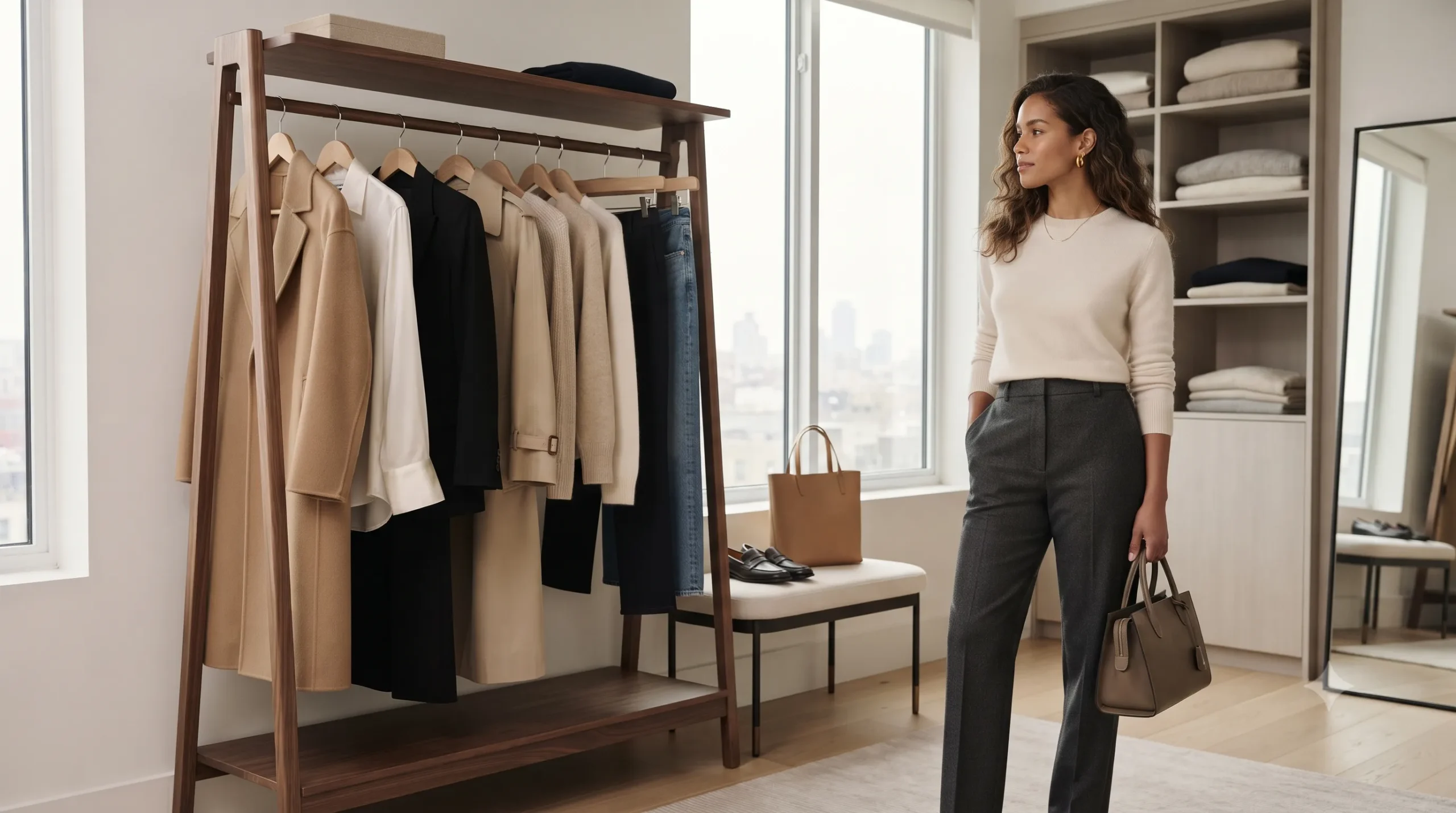
In editorial styling, the “third piece” is a concept used to transform a basic outfit into a complete look. A base outfit consists of a top and a bottom (e.g., jeans and a sweater). The third piece is the element that adds intention: a trench coat, a structured cardigan, a denim jacket in a dark wash, or even a sophisticated scarf. This extra layer provides visual depth and signals that the outfit was assembled with thought.
| Element | Casual Approach | Polished Approach |
|---|---|---|
| Tops | Oversized, thin cotton tees | Structured knits, heavy-weight tees, crisp button-downs |
| Bottoms | Distressed or overly loose denim | Dark wash denim, tailored trousers, mid-weight chinos |
| Footwear | Athletic sneakers, flip-flops | Leather loafers, clean minimalist sneakers, ballet flats |
| Outerwear | Hoodies, unshaped windbreakers | Trench coats, wool coats, structured blazers |
| Accessories | Minimal or none | A leather belt, a structured bag, simple gold/silver jewelry |
Strategic Styling: Practical Scenarios
Theory is helpful, but the true test of a wardrobe is how it performs in real life. Below are several common scenarios where the line between casual and polished can feel thin, along with guidance on how to navigate them.
The Creative Professional’s Daily Uniform
For many women, the workday involves a blend of meetings, deep work, and movement. You need to be comfortable, but you also need to command respect.
- The Strategy: Lean into “soft structure.” Replace a hoodie with a high-quality knit polo or a fine-gauge crewneck sweater. Instead of leggings, opt for a tapered jogger in a premium fabric or a straight-leg chino.
- The Look: A pair of dark-wash straight-leg jeans, a tucked-in cream sweater, and a leather loafer. The tucking of the sweater is a small but vital detail that defines the waist and creates a more intentional silhouette.
The Weekend Errands & Socializing Blend
The goal here is to look “effortless,” a term that often masks a very deliberate set of choices. You want to be able to walk through a grocery store and then transition into a casual lunch without feeling underdressed.
- The Strategy: Focus on tonal dressing. Wearing shades of the same color family (for example, varying tones of beige, oatmeal, and cream) creates a cohesive, expensive-looking aesthetic that requires very little effort.
- The Look: An oversized button-down shirt in a crisp poplin, worn open over a fitted tank top, paired with relaxed linen trousers and clean, white leather sneakers. The leather sneaker is key here; it is more structured than a mesh running shoe, which maintains the polished tone.
The Travel and Transit Wardrobe
Travel often demands comfort, but being “comfortable” should not mean being “disheveled.”
- The Strategy: Prioritize fabrics that resist wrinkling and maintain their shape through long periods of sitting. Monochromatic sets (matching knit tops and bottoms) are an excellent way to look intentional while feeling like you are wearing pajamas.
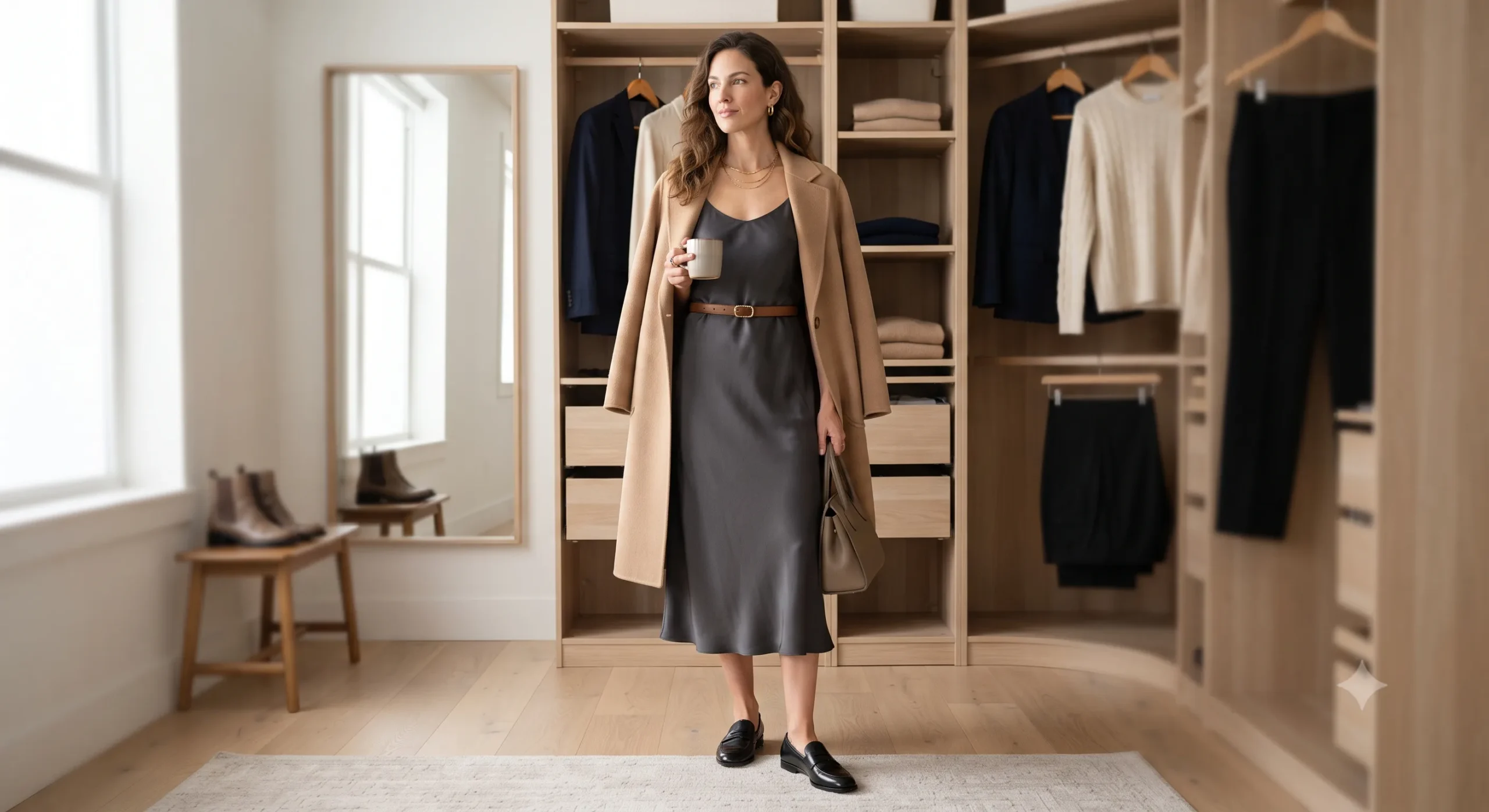
- The Look: A matching knit set in a neutral tone, layered with a long trench coat. The coat acts as the “third piece,” instantly elevating the loungewear into an outfit suitable for an airport lounge or a hotel lobby.
Common Mistakes That Undermine Polish
Even with high-quality pieces, certain habits can inadvertently pull a look back into the realm of “sloppy.” Recognizing these is the first step toward more disciplined dressing.
Neglecting the Details of Maintenance
A polished look is heavily dependent on the condition of the clothes. A beautiful cashmere sweater loses its elegance the moment it begins to pill excessively. A pair of expensive leather boots looks unkempt if they are scuffed and dusty.
- The Fix: Invest in a lint roller, a fabric shaver, and a basic shoe care kit. Taking ten minutes a week to maintain your garments ensures they continue to look “new” and intentional.
Over-Accessorizing or “Loud” Styling
In the pursuit of looking “done,” it is easy to overcompensate with heavy jewelry, bright patterns, or large logos. In the context of polished casual dressing, “loud” often works against “refined.”
- The Fix: Follow the principle of restraint. If you are wearing a statement earring, skip the necklace. If your outfit features a subtle pattern, keep your accessories minimal and neutral. True polish often lies in the absence of noise.
Ignoring the Importance of Fit and Tailoring
Casual clothes are often designed with a “one size fits most” mentality, leading to excess fabric in awkward places—such as the crotch of trousers or the shoulder seams of a shirt.
- The Fix: Understand that even casual pieces benefit from a tailor. A simple hem on a pair of trousers to ensure they hit at exactly the right point on your shoe can make a $50 pair of pants look like they cost $500.
A Framework for Intentional Dressing
As you build your wardrobe, it is helpful to move away from impulse buying and toward a more considered approach. Polished dressing is a long-term skill, not a one-time purchase.
How to evaluate a new piece for its “polish potential”:
- Does it have structure? Look at the neckline, the cuffs, and the hem. Will it hold its shape after three hours of wear?
- Is the fabric versatile? Can this item be worn with both denim and a more formal skirt?
- Is the color grounded? While bright colors have their place, a polished wardrobe relies on a foundation of neutrals (navy, black, cream, camel, grey) which allow for easier coordination.
- What is the cost-per-wear? A more expensive, well-made cotton tee that lasts three years is a better value than five cheap tees that lose their shape in three months.
Aunomay approaches this idea through a modern romantic lens: creating pieces that feel feminine, polished, and wearable beyond a single season. By focusing on the intersection of beauty and utility, we move away from the cycle of disposable fashion and toward a wardrobe that actually serves our lives.
Conclusion
Looking polished in casual clothes is not about adhering to a rigid set of rules or spending an exorbitant amount of money. It is an act of mindfulness. It is the decision to choose the heavier knit over the thin one, the leather loafer over the gym shoe, and the intentional tuck over the loose hang.
When we dress with intention, we are not just presenting a version of ourselves to the world; we are setting a standard for how we carry ourselves. Polished casual dressing allows for a sense of ease and comfort without sacrificing the grace and composure that comes from knowing you look your best. It is a quiet kind of confidence—one that doesn’t need to shout to be noticed.