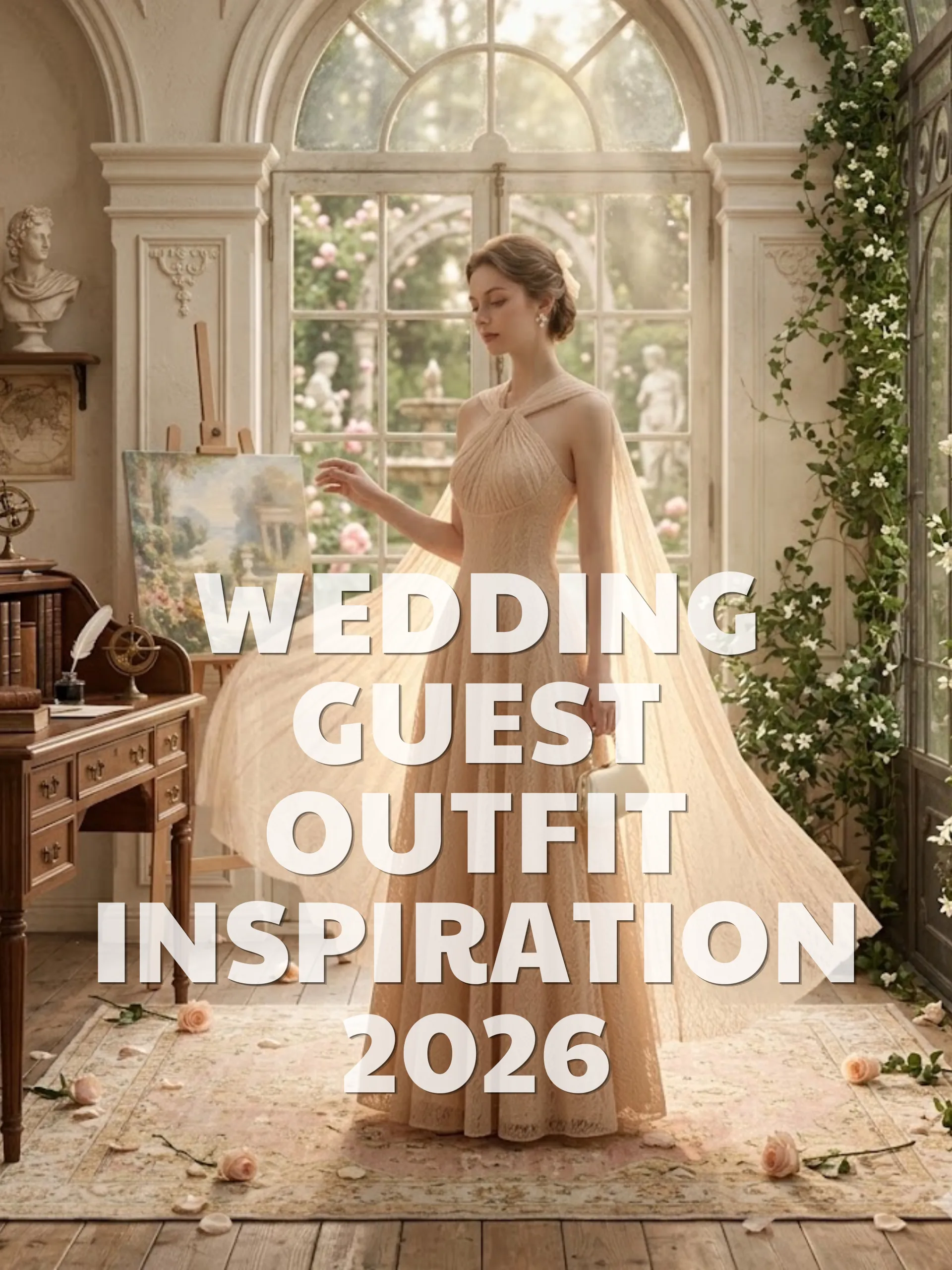
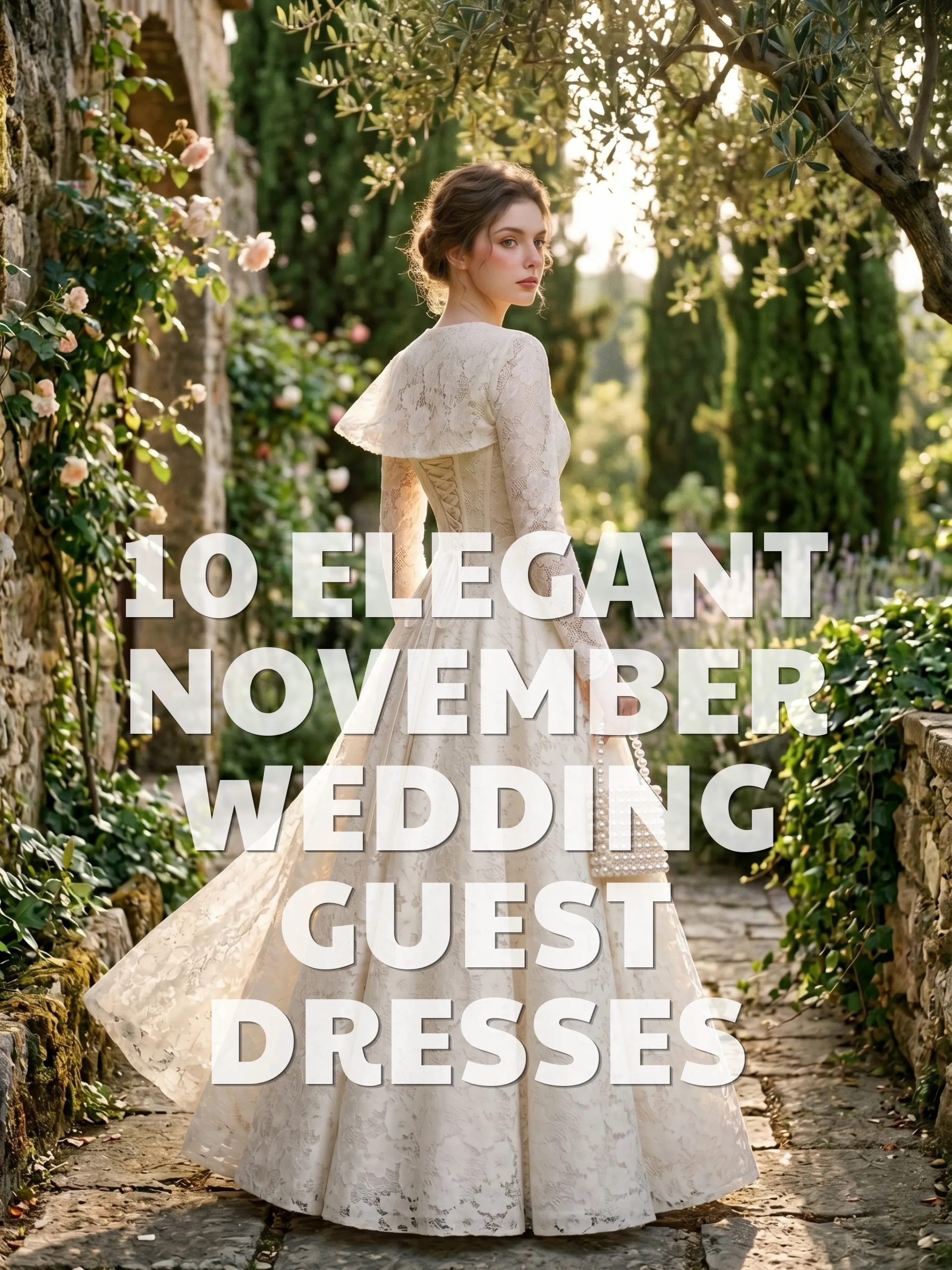
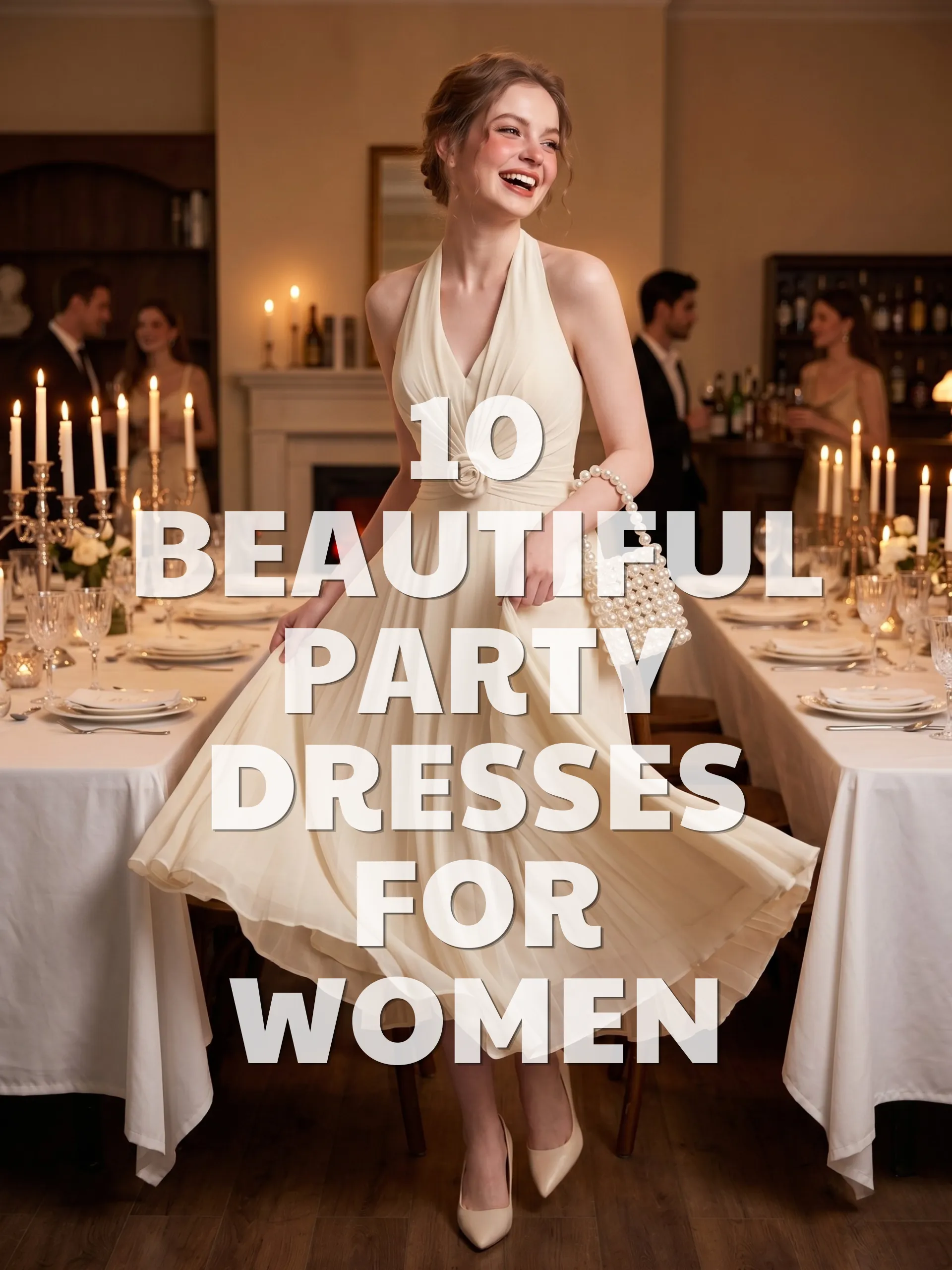
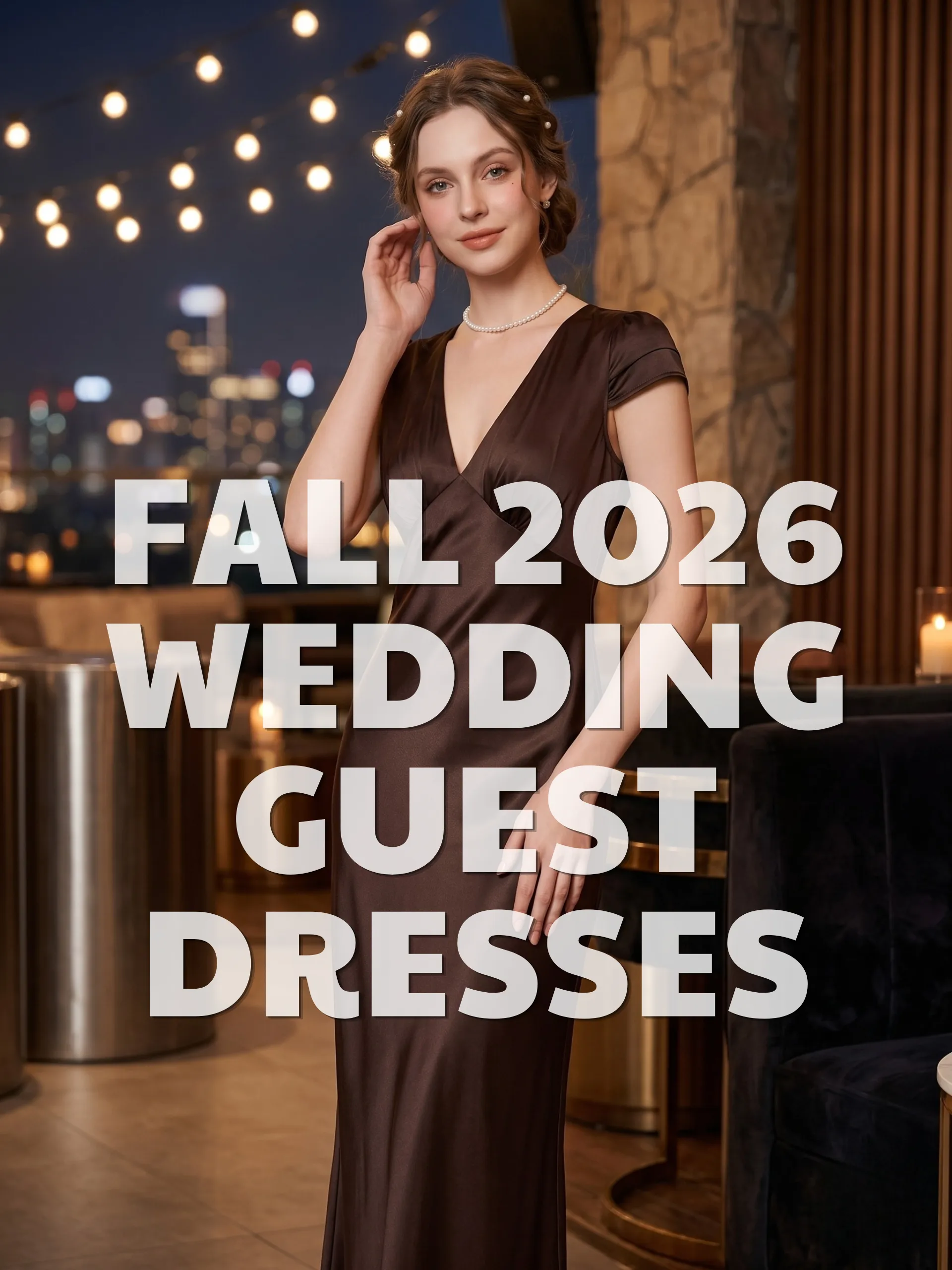
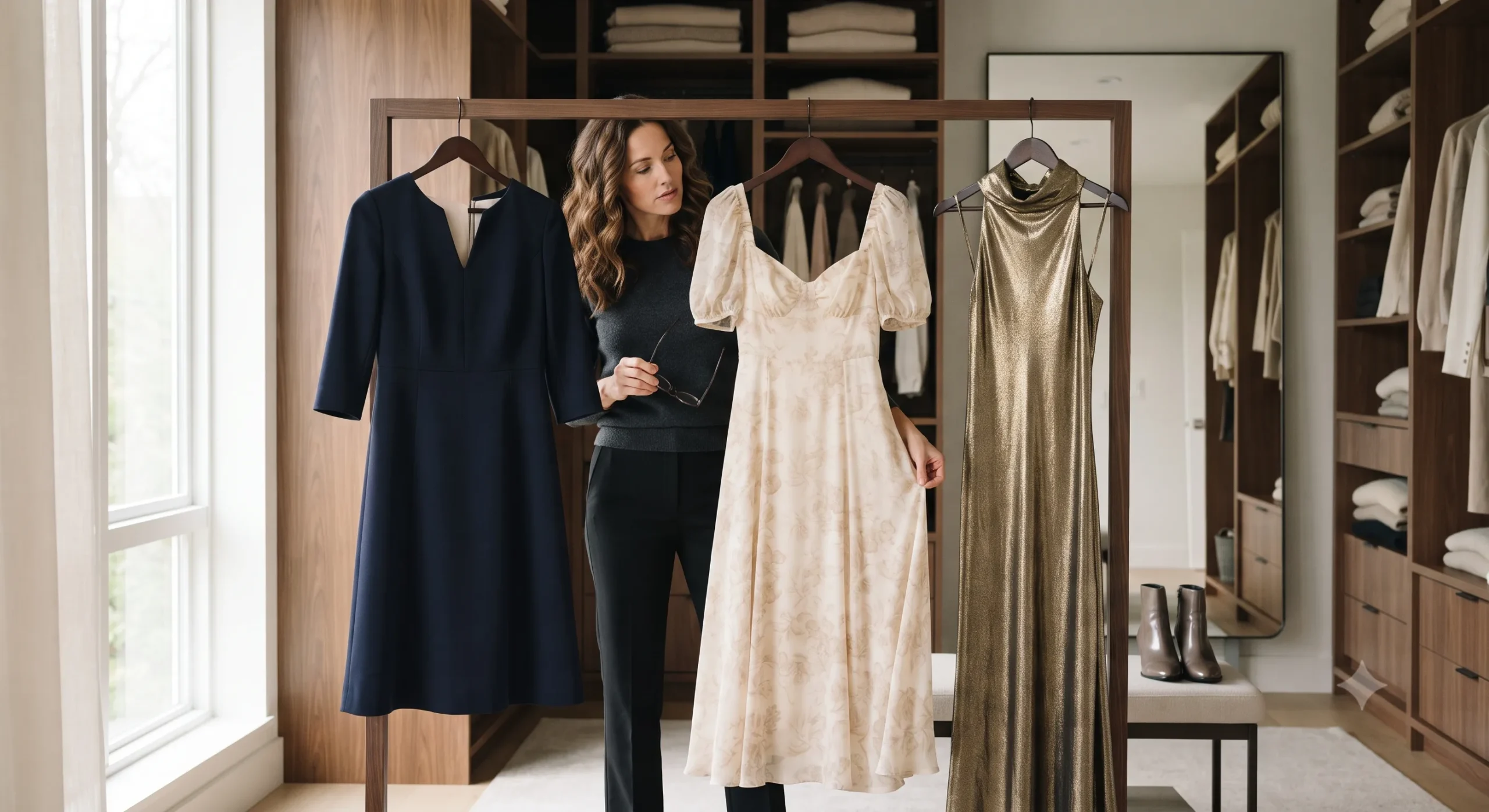
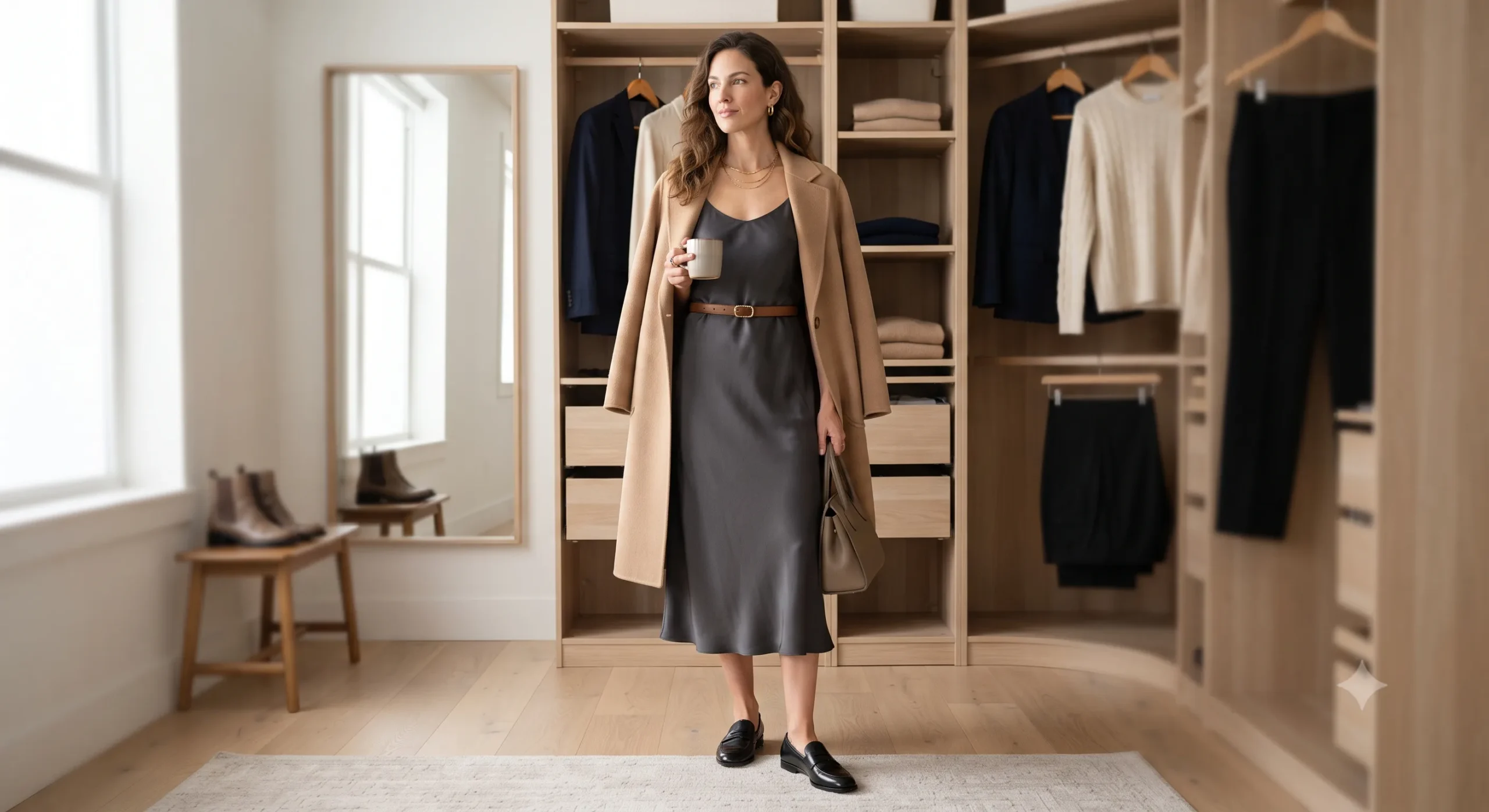
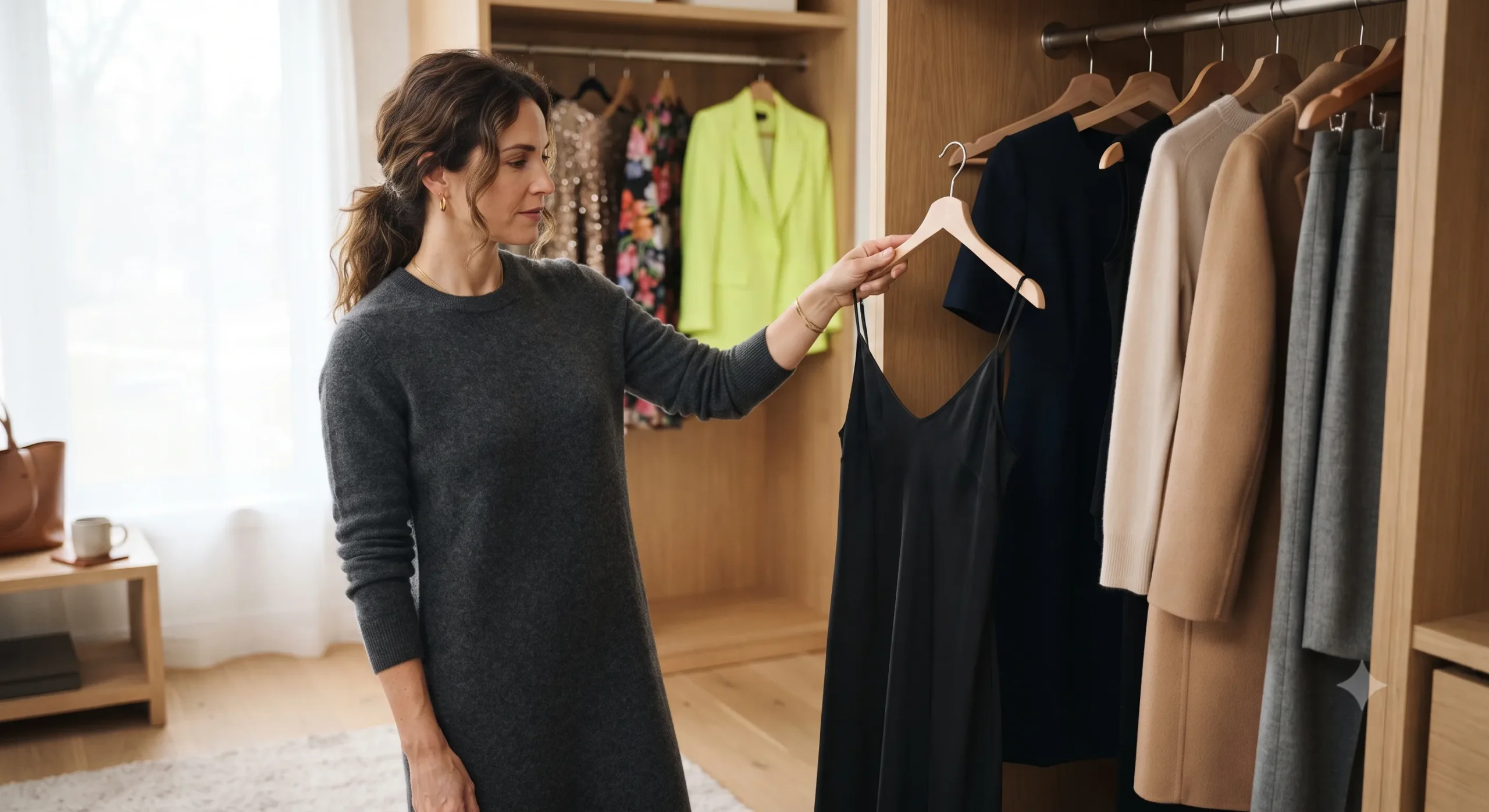
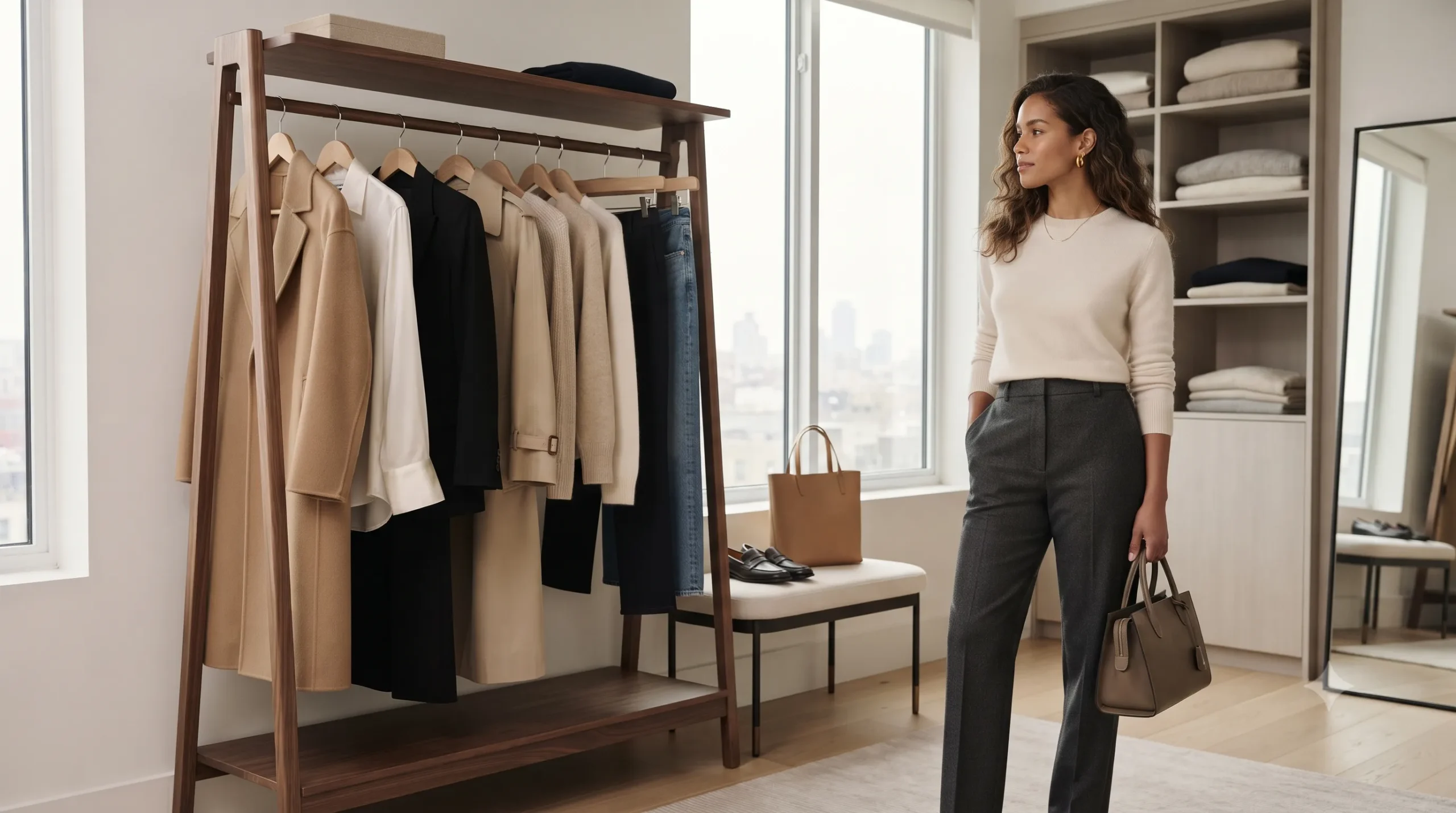
We have all experienced that specific, quiet frustration that occurs on a Tuesday morning: standing before a closet filled with clothes, yet feeling as though there is nothing to wear. It is rarely a lack of quantity that causes this dilemma; rather, it is a lack of cohesion. Often, we find ourselves gravitating toward “statement pieces”—that bold patterned skirt, the highly structured blazer, or the dress with intricate embellishments—only to realize that while the piece is beautiful, it is difficult to pair with anything else.
The secret to a functional, polished wardrobe does not lie in the accumulation of these singular, loud moments. Instead, it lies in the ability to build outward from simple pieces. When your wardrobe is anchored by garments characterized by clean lines, neutral tones, and versatile silhouettes, the act of getting dressed shifts from a stressful problem-solving exercise into a creative, rhythmic process. Building outfits around simple pieces is the foundation of what many call a thoughtful wardrobe—a collection of clothes that work together, rather than against one another.
The Philosophy of the Anchor Piece
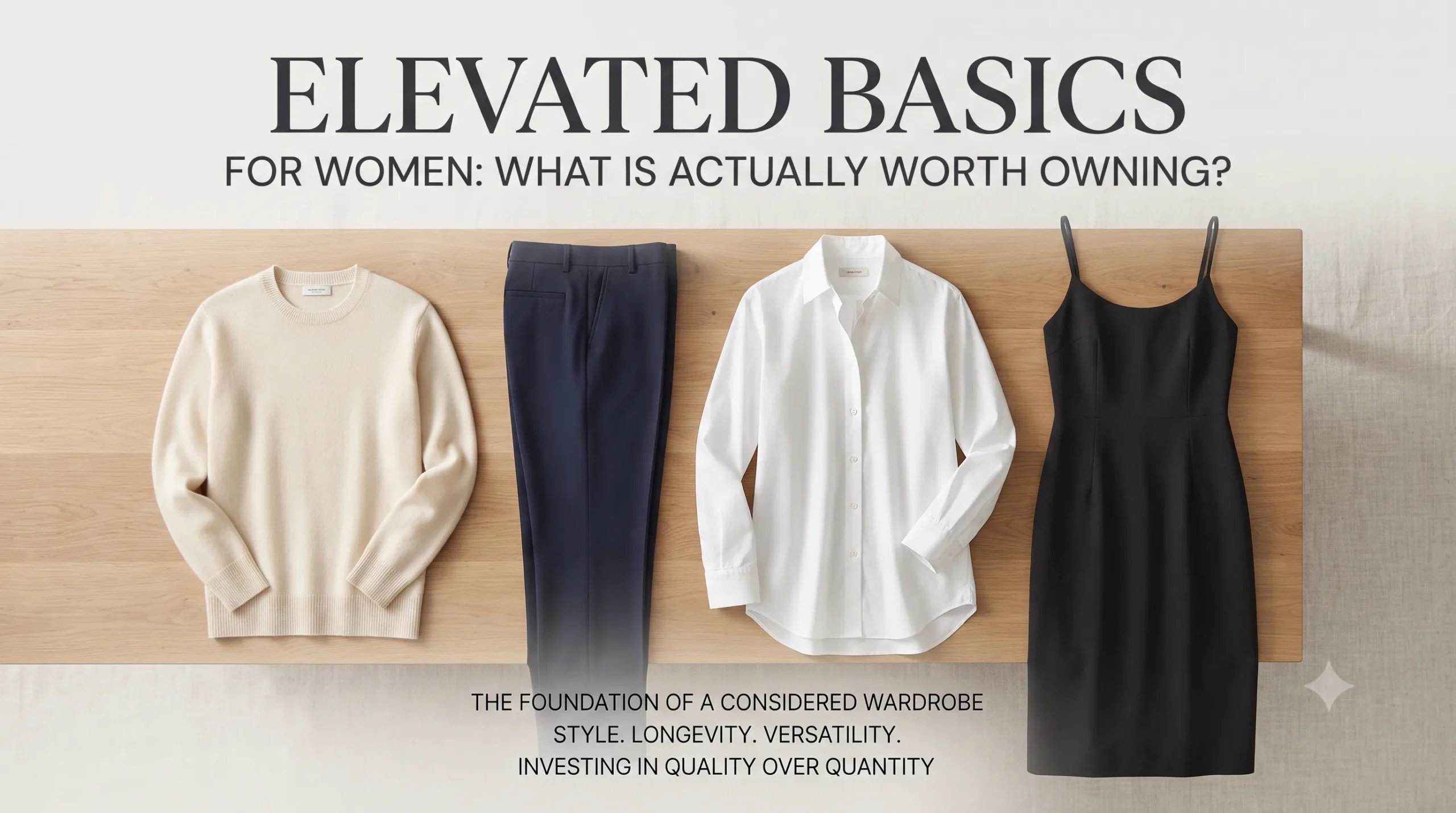
In professional styling, we often refer to “anchor pieces.” These are the quiet workers of your closet. An anchor piece is a garment that possesses enough visual calm to serve as a foundation for multiple different aesthetics. Think of a well-cut cream blouse, a pair of straight-leg trousers in a mid-weight fabric, or a classic slip dress in a matte finish.
An anchor piece should ideally possess three qualities:
- Neutrality of Character: It does not demand attention through loud prints or extreme trends. Instead, it provides a canvas.
- Structural Integrity: It has enough weight and shape to hold its own, ensuring that the outfit looks intentional rather than accidental.
- Ease of Integration: It can be dressed up for a formal setting or dressed down for a weekend errand with nothing more than a change of footwear.
When you prioritize these pieces, you are essentially investing in “outfit potential.” A single statement piece might offer you one or two specific looks. A single anchor piece, however, can offer you ten. This is the essence of long-term wardrobe value: maximizing the utility of every garment you own.
Mastering the Art of Proportion and Silhouette
One of the most common mistakes when styling simple pieces is ignoring the interplay of volume. Because simple pieces lack heavy ornamentation, the “interest” in the outfit must come from the silhouette. If every piece you wear is loose and unstructured, the outfit can appear shapeless or unintentional. Conversely, if every piece is tight and restrictive, the look can feel dated or uncomfortable.
To build a polished look around basics, consider the rule of balancing proportions.
The Volume Balance Formula
A helpful way to visualize this is through a simple ratio of volume. If you are wearing a voluminous piece on the bottom, aim for something more fitted or structured on the top, and vice versa.
- Scenario A: Wide-Leg Trousers + Fitted Top. If you have a pair of flowing, wide-leg trousers, pairing them with a tucked-in, slim-fitting knit or a structured bodysuit creates a clear waistline and prevents the fabric from overwhelming your frame.
- Scenario B: An Oversized Knit + Slim Bottoms. On cooler days, a heavy, slightly oversized sweater looks most intentional when paired with more tailored trousers or a streamlined skirt. This prevents the “heavy” feeling that comes from wearing two large volumes simultaneously.
- Scenario C: The Midi Skirt + Structured Layer. A simple midi skirt has a beautiful, sweeping movement. To ground this, adding a slightly cropped jacket or a tucked-in shirt provides the necessary architecture to make the outfit feel “finished.”
Understanding how fabric behaves—how a heavy wool drapes differently than a light cotton—is key to mastering this. A simple piece becomes a sophisticated outfit when the silhouette communicates a sense of balance and grace.
Using Texture and Tone to Create Depth
When an outfit is composed of simple pieces, there is a risk of it looking “flat” or uninspired, especially if you are working within a limited color palette. This is where the concept of tonal dressing and textural layering becomes essential.
Tonal Dressing: The Art of Monochromatic Layers
Tonal dressing—wearing various shades of the same color family—is a hallmark of understated elegance. It creates a long, continuous visual line that is inherently slimming and sophisticated. However, to prevent a monochromatic look from looking like a uniform, you must vary the textures.
Imagine an outfit consisting entirely of shades of beige and cream:
- A heavy, ribbed knit sweater.
- A smooth, silk-like satin skirt.
- A matte wool coat.
Even though the colors are nearly identical, the way light hits the ribbed knit versus the way it reflects off the satin creates a visual depth that makes the outfit look expensive and considered. This is how you achieve a sense of “quiet luxury” without relying on logos or bright colors.
The Role of Tactile Contrast
Texture is the “silent” decorator of a wardrobe. When you are building an outfit around a simple white button-down shirt, the shirt itself provides the structure, but the texture of what you pair it with provides the personality. Pairing a crisp cotton shirt with a textured tweed skirt creates a sophisticated contrast. Pairing that same shirt with denim creates a casual, approachable look. The shirt remains the constant; the texture of the companion piece dictates the mood.
| Element | Purpose | Example |
|---|---|---|
| Color | Sets the mood and tone | Neutrals for calm; jewel tones for drama |
| Texture | Adds visual depth and prevents flatness | Pairing silk (smooth) with wool (rough) |
| Silhouette | Defines the shape and proportion | Balancing wide legs with fitted tops |
| Hardware/Detail | Provides the final “finish” | A gold buckle, a pearl button, or a leather belt |
A Practical Framework for Daily Styling
To move from theory to practice, it helps to have a decision-making framework. Instead of looking at your clothes as individual items, look at them as components of a formula.
The Three-Piece Rule
A widely respected technique in the fashion industry is the “Three-Piece Rule.” This rule suggests that an outfit consisting of just a top and a bottom (two pieces) often feels incomplete—it is merely “clothes.” Adding a third piece—a layer, an accessory, or a structured element—transforms those clothes into an “outfit.”
- Piece 1: The Base (e.g., a simple tank top).
- Piece 2: The Bottom (e.g., tailored trousers).
- Piece 3: The Modifier (e.g., an oversized blazer, a trench coat, a statement belt, or even a silk scarf).
The third piece is what provides the intention. It can bridge the gap between casual and professional, or it can add the necessary structure to a soft, feminine look. For example, a simple slip dress (Piece 1 & 2) can be worn to a wedding with a delicate heel, but when you add a structured blazer (Piece 3), it becomes an appropriate ensemble for a creative office.
Scenario-Based Styling Guide
To illustrate how simple pieces adapt to different realities, consider the following scenarios using a few core “anchor” items: a white button-down shirt, black tailored trousers, and a navy sweater.
| Scenario | The Base | The Third Piece | The Footwear/Accessory | Resulting Vibe |
|---|---|---|---|---|
| Professional Meeting | White button-down + Black trousers | Structured Blazer | Pointed-toe loafers | Polished & Authoritative |
| Weekend Brunch | Navy sweater + Black trousers | Denim Jacket (or none) | Clean white sneakers | Casual & Refined |
| Evening Dinner | White button-down + Black trousers | Gold Statement Belt | Strappy heels | Elegant & Intentional |
| Travel/Transit | Navy sweater + Black trousers | Long Wool Coat | Comfortable flats | Practical & Chic |
Common Pitfalls to Avoid
Even with a collection of beautiful, simple pieces, certain mistakes can undermine the intended effect of a polished look.
1. Neglecting Fit and Tailoring
A simple piece relies entirely on its fit to convey quality. A basic T-shirt that is too long in the torso or a pair of trousers that bunch awkwardly at the ankles will never look “elevated,” no matter how expensive the fabric is. Because there are no patterns or embellishments to distract the eye, the eye will naturally gravitate toward the fit. Investing in a local tailor to adjust the hem or the waist of your simple pieces is perhaps the most effective way to increase their perceived value.
2. Over-Accessorizing
When building around simple pieces, there is a temptation to “fill the gaps” with heavy jewelry or loud accessories. However, the beauty of a minimalist foundation is its restraint. If you are wearing a beautifully draped, simple dress, adding a heavy, chunky necklace can compete with the silhouette. Aim for one focal point: either a bold earring or a statement belt, but rarely both.
3. Ignoring Fabric Weight
Wearing a very light, summer-weight cotton top with heavy, winter-weight corduroy trousers can create a visual “disconnect” that feels accidental rather than styled. Try to match the seasonal weight of your garments so the outfit feels cohesive in its purpose.
The Long-Term Value of a Thoughtful Wardrobe
Building an outfit around simple pieces is more than a styling hack; it is a shift in how we consume fashion. It moves us away from the cycle of buying “disposable” trend pieces that only work in one specific context, and toward a mindset of curation.
When you view your wardrobe through the lens of cost-per-wear and versatility, you begin to value the garment not for how it looks in a photograph, but for how it performs in your actual life. A well-made, simple piece that can be styled for a wedding, a workday, and a weekend getaway is infinitely more valuable than five trendy items that each only serve one purpose.
This approach fosters a sense of “style confidence.” When you know that your pieces are compatible, the morning ritual of dressing becomes a moment of calm rather than a source of chaos. You are no longer searching for something to “match”; you are simply selecting from a collection of pieces that already belong together.
In the end, true elegance is often found in what is left out. By embracing the simple, the structured, and the timeless, you create space for your own personality to be the most prominent part of your outfit. Let the clothes serve as the framework, and let your presence be the focus.