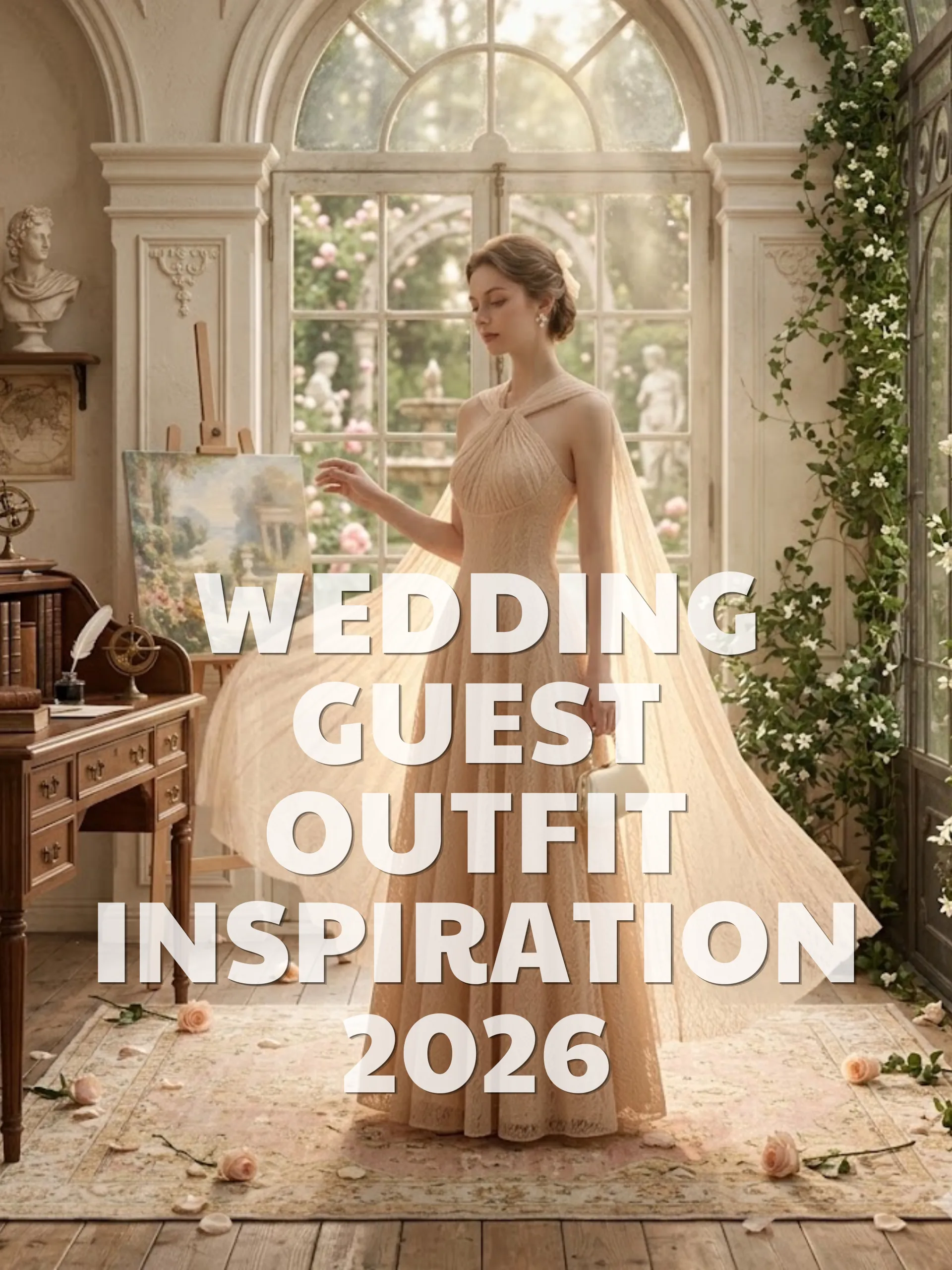
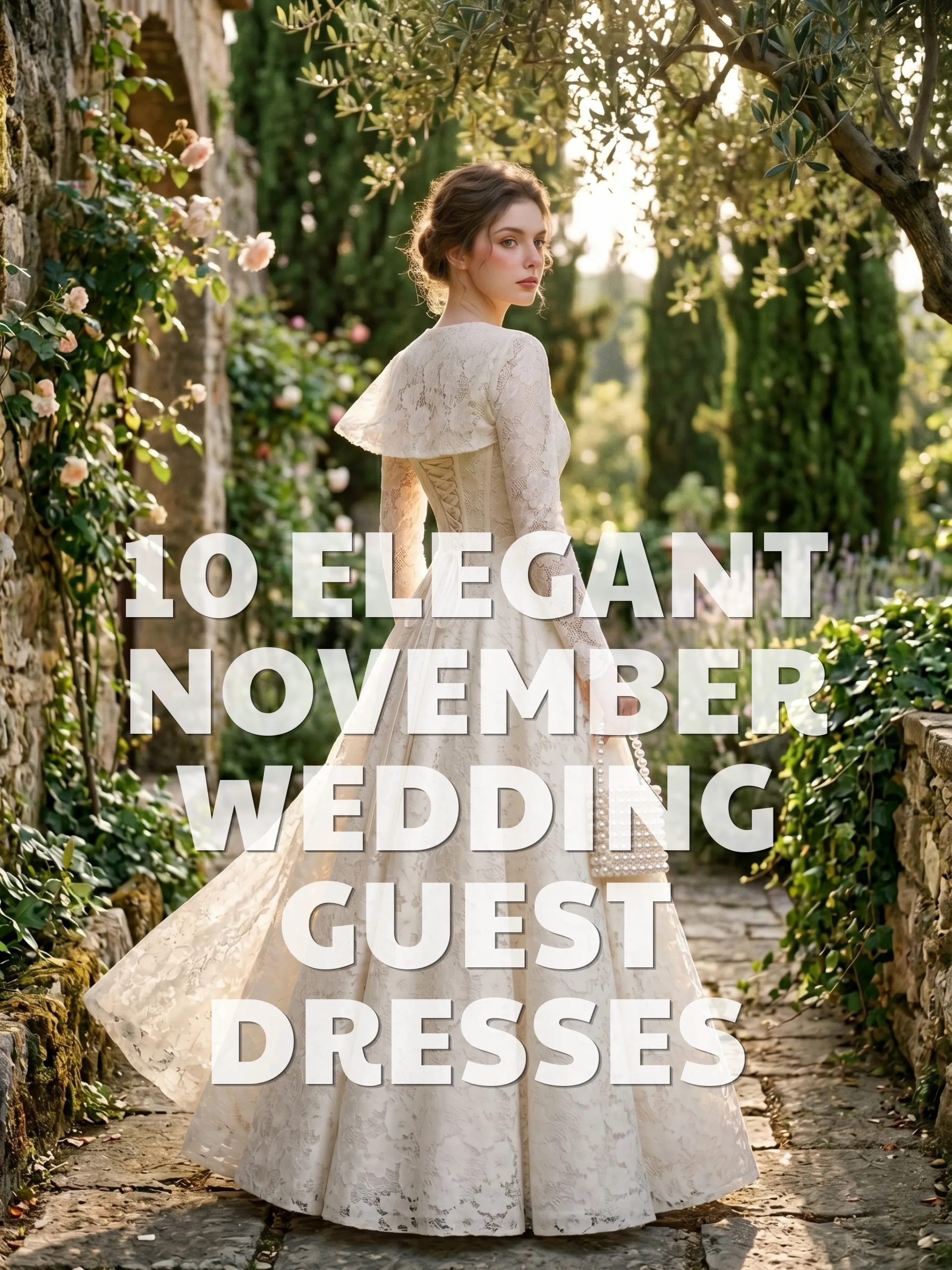
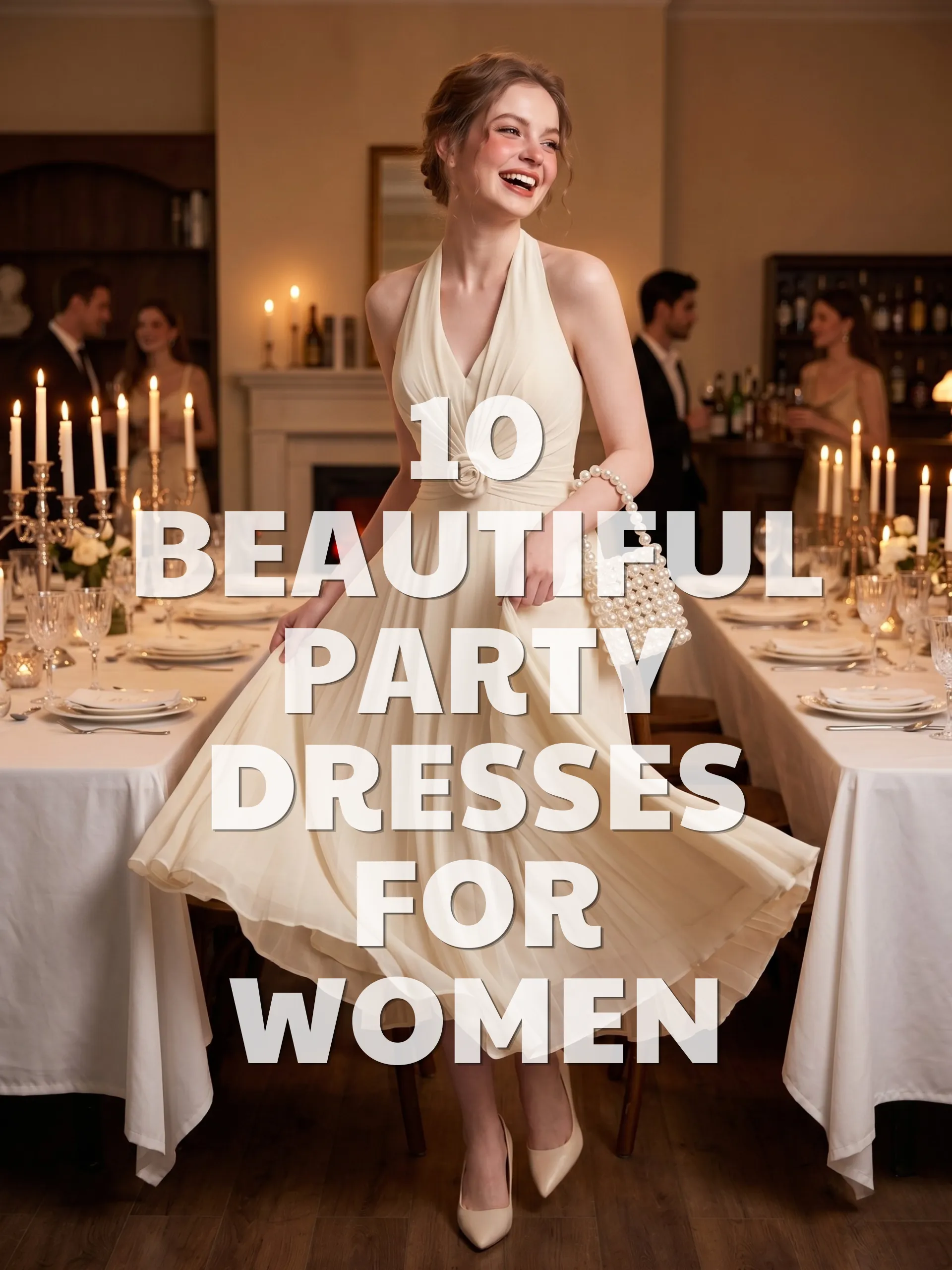
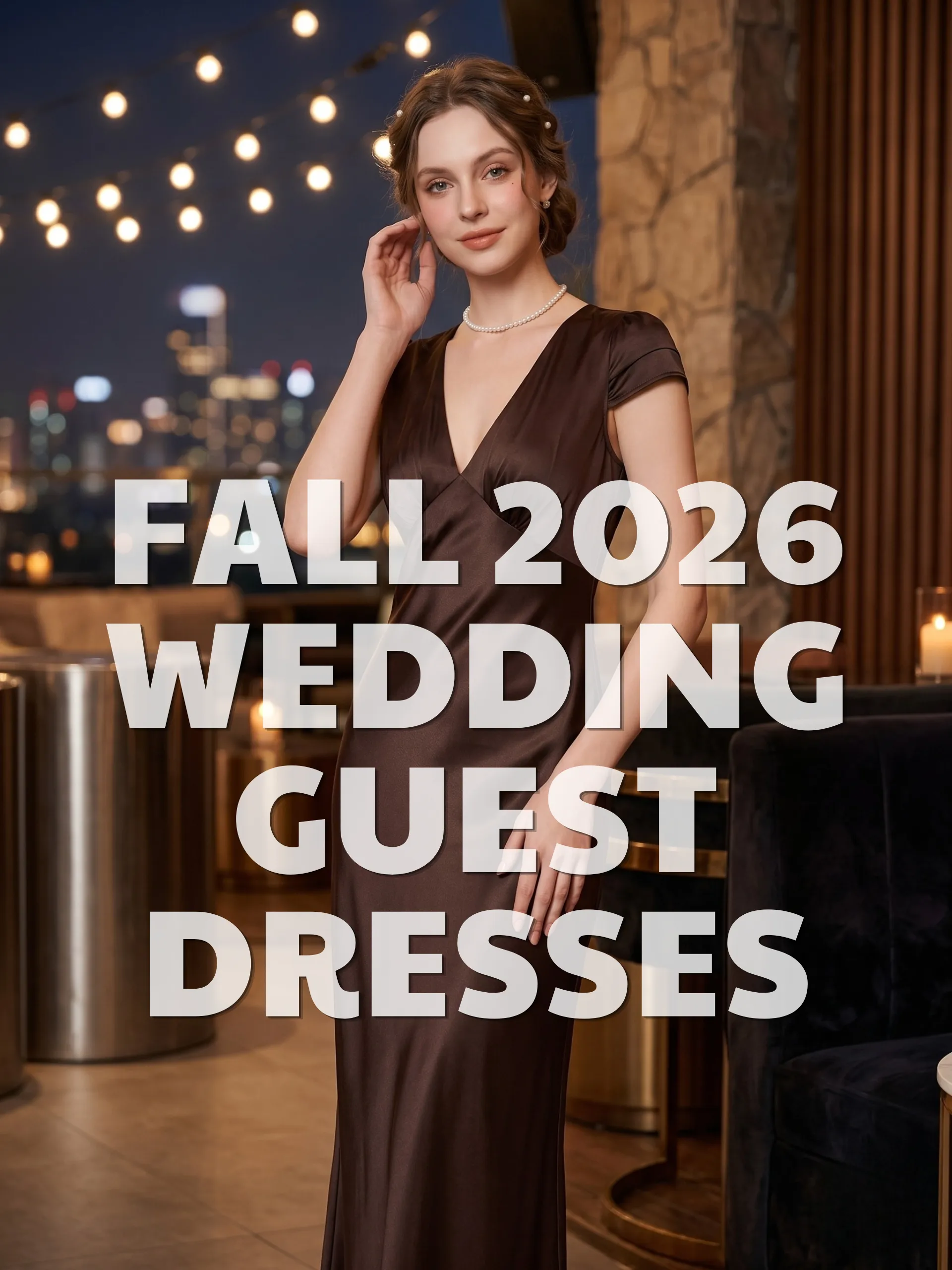
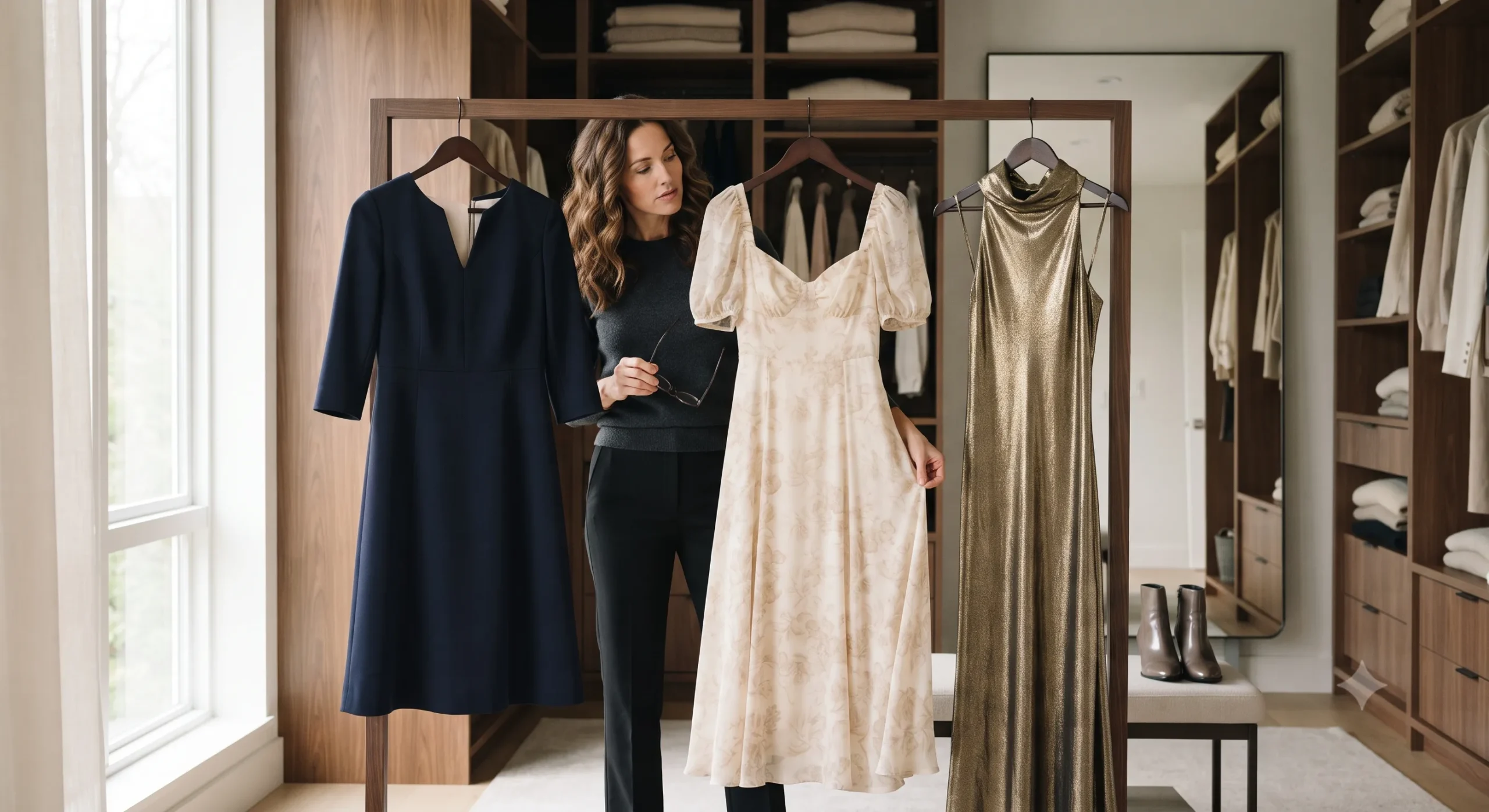
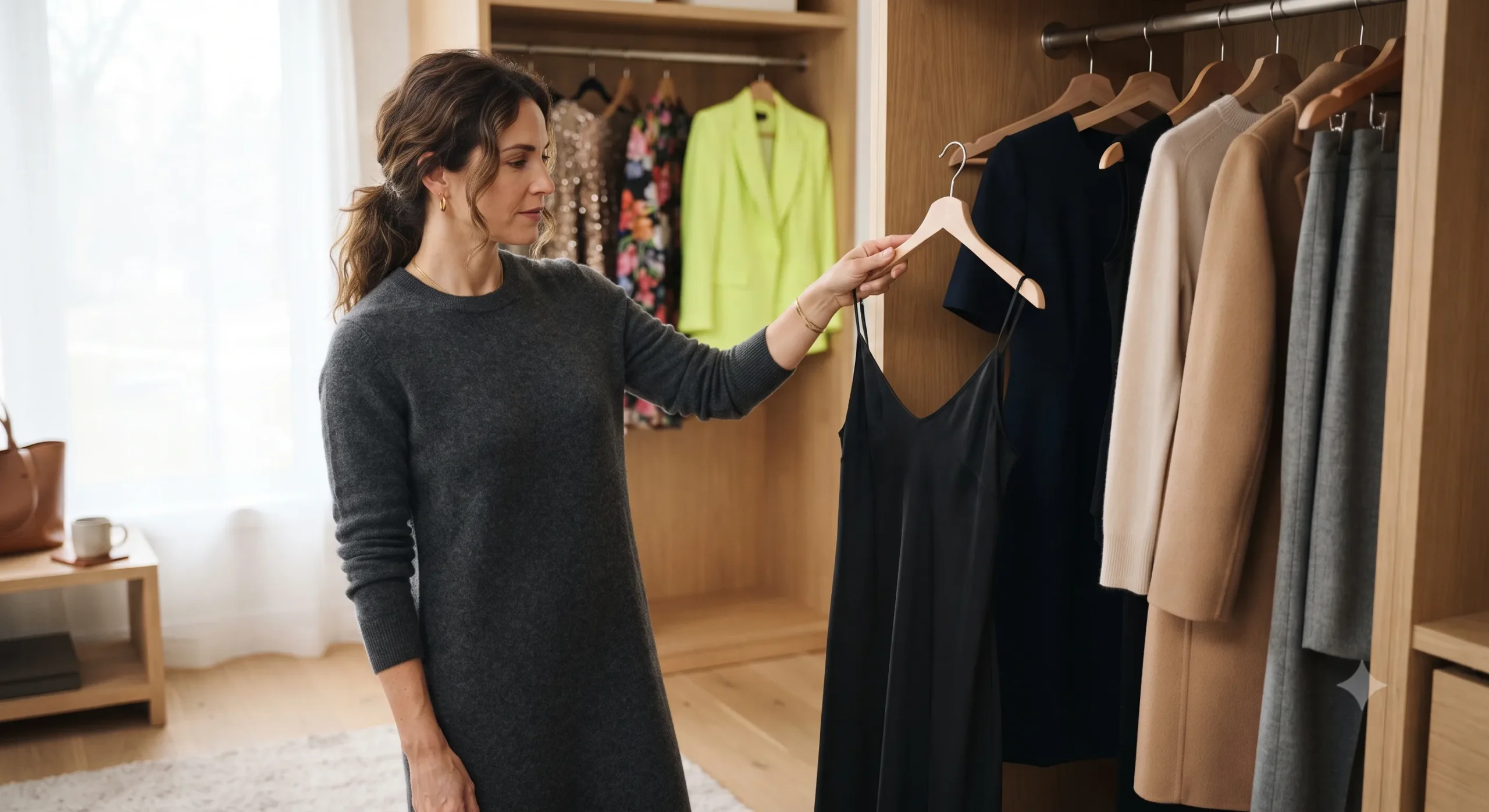
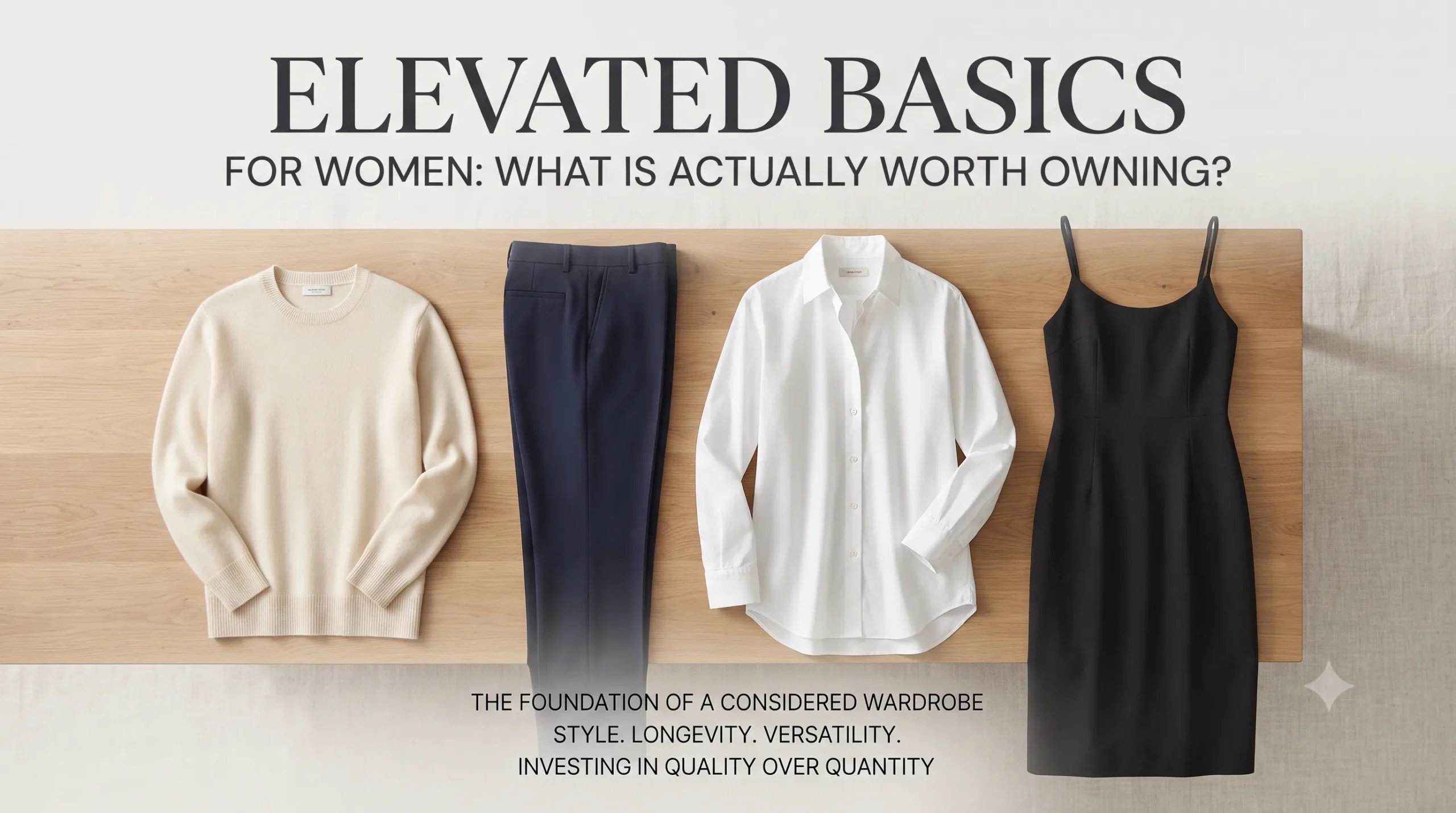
There is a specific kind of frustration that comes with standing in front of a closet filled with clothes, only to feel as though you have nothing to wear. It is rarely a shortage of garments; rather, it is a shortage of utility. We often find ourselves caught in a cycle of buying pieces that look beautiful on a mannequin or a social media feed, only to realize upon arriving at a weekend brunch, a gallery opening, or a professional meeting that the piece feels misplaced. It is either too precious for the setting, too casual for the mood, or simply too rigid to move with us through a long day.
Building a feminine wardrobe should not be about accumulating more; it should be about increasing the number of ways your existing clothes can serve you. When we shift our focus from “What is trending?” to “Where am I actually going?”, the logic of dressing changes. We stop chasing micro-trends that expire in months and start investing in a cohesive collection of pieces that bridge the gap between different facets of our lives.
To build a wardrobe with purpose, we must align our aesthetic preferences—perhaps a preference for soft structures and graceful proportions—with the actual rhythm of our calendars. This is the essence of intentional dressing: creating a visual language that feels consistent, whether you are attending a wedding, navigating a workday, or enjoying a quiet Sunday.
The Concept of Occasion-Based Wardrobe Building
Most traditional fashion advice categorizes clothing by season or trend. However, a more functional approach is to categorize by occasion density. Every woman has a different distribution of life events: some spend most of their time in professional environments, while others navigate a social calendar filled with garden parties, dinners, and travel.
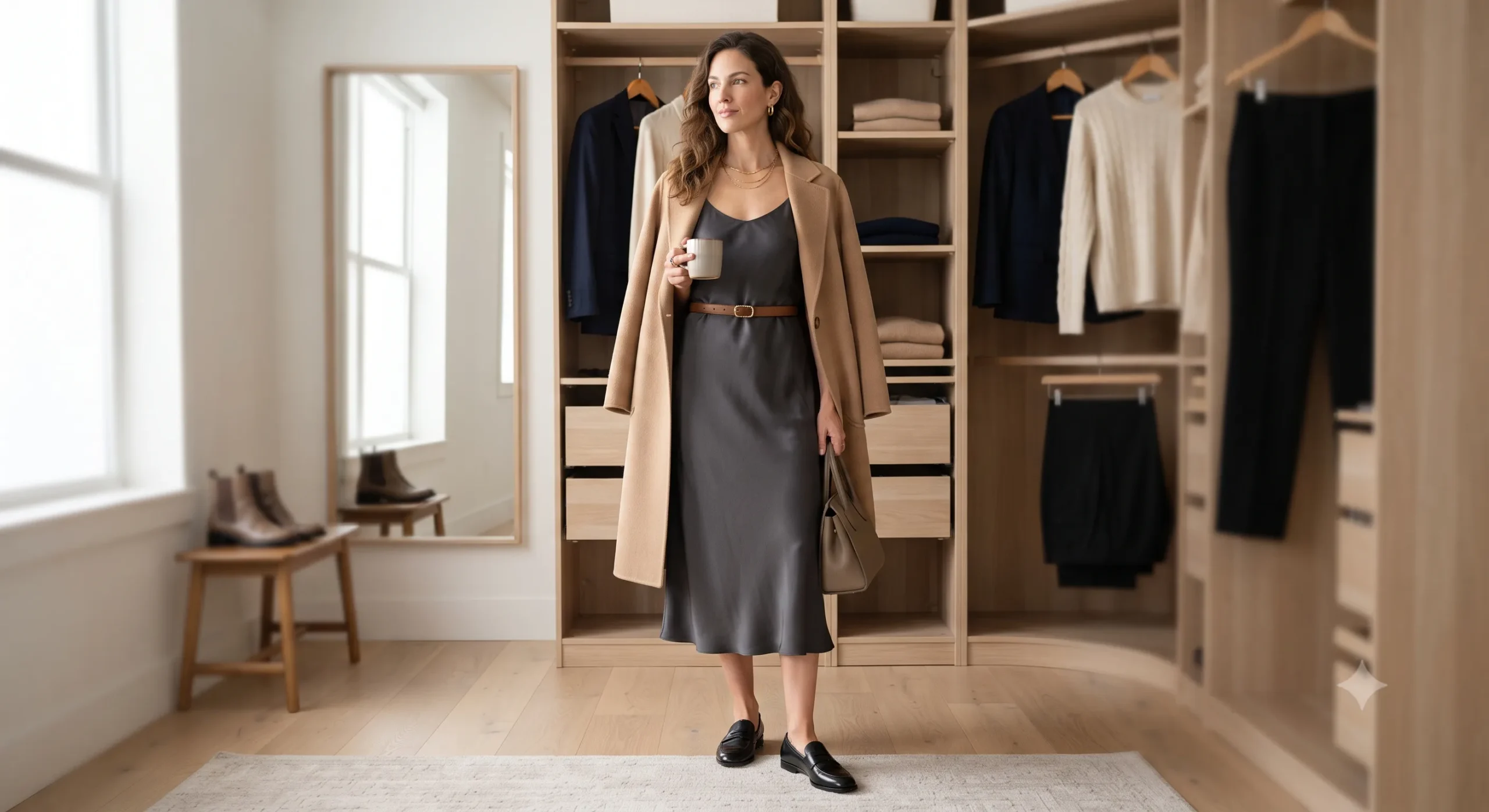
Building a wardrobe around real-life occasions means identifying your “core settings.” These are the environments where you spend the majority of your time and the social layers that surround them. Instead of buying a “party dress” that can only be worn to a party, the goal is to find a piece that possesses enough refinement for an event, but enough versatility to be styled down for a dinner date or a sophisticated weekend outing.
Defining Your Core Occasions
To begin this process, take a moment to review your typical week and month. Where do you find yourself needing to feel “put together”? Common categories include:
- The Elevated Everyday: Errands, coffee dates, weekend markets, and casual social gatherings.
- The Professional Sphere: Client meetings, office days, or professional networking.
- The Social Occasion: Dinners, weddings, cocktail hours, or gallery openings.
- The Restorative Moment: Travel, weekend getaways, or relaxed leisure.
By identifying these, you can see where your wardrobe currently fails. If you have twenty “Elevated Everyday” tops but zero pieces that work for “The Social Occasion,” your closet will always feel imbalanced, regardless of how many new items you purchase.
Navigating the Spectrum: From Casual to Formal
One of the greatest challenges in feminine dressing is the fear of being overdressed or underdressed. This discomfort usually stems from a lack of “middle ground” pieces. A wardrobe built around real life requires a mastery of the spectrum—the ability to move fluidly between levels of formality through layering and fabric choice.
The Role of Texture and Fabric Behavior
In a thoughtful wardrobe, fabric does much of the heavy lifting regarding occasion. A skirt in a heavy, structured cotton might feel strictly daytime and casual, whereas the same silhouette in a more fluid, draped fabric can immediately transition into evening wear.
When choosing pieces, consider how the fabric behaves in different settings. A garment with a matte finish tends to feel more grounded and practical for daytime, while a slight luster or a more substantial weight can elevate a look for evening. This is not about being “flashy”; rather, it is about using the inherent qualities of the material to signal the mood of the occasion.
The Strategy of Versatile Silhouettes
To avoid the “one-wear” trap, prioritize silhouettes that offer multiple styling possibilities. Consider the following decision matrix when evaluating a potential new piece:
| Garment Type | The “Single-Use” Version (Avoid) | The “Multi-Occasion” Version (Target) |
|---|---|---|
| A Dress | Highly embellished, neon colors, or extreme cut-outs. | A midi-length dress in a refined color with a classic neckline. |
| A Blouse | Heavily sequined or sheer styles that require specific undergarments. | A silk-style or high-quality crepe blouse with elegant sleeve details. |
| Trousers | Ultra-distressed denim or overly trendy wide-leg styles. | Tailored trousers in a neutral tone with a perfect drape. |
| Outerwear | A seasonal trend coat in a loud pattern. | A well-structured wool coat or a refined trench. |
Practical Scenarios: Putting Theory into Practice
To understand how a refined, feminine wardrobe functions in the real world, let us look at how a few key pieces can be deployed across different scenarios.
Scenario 1: The Transition from Work to Evening
Imagine you have a professional meeting at 3:00 PM followed by a dinner engagement at 7:00 PM.
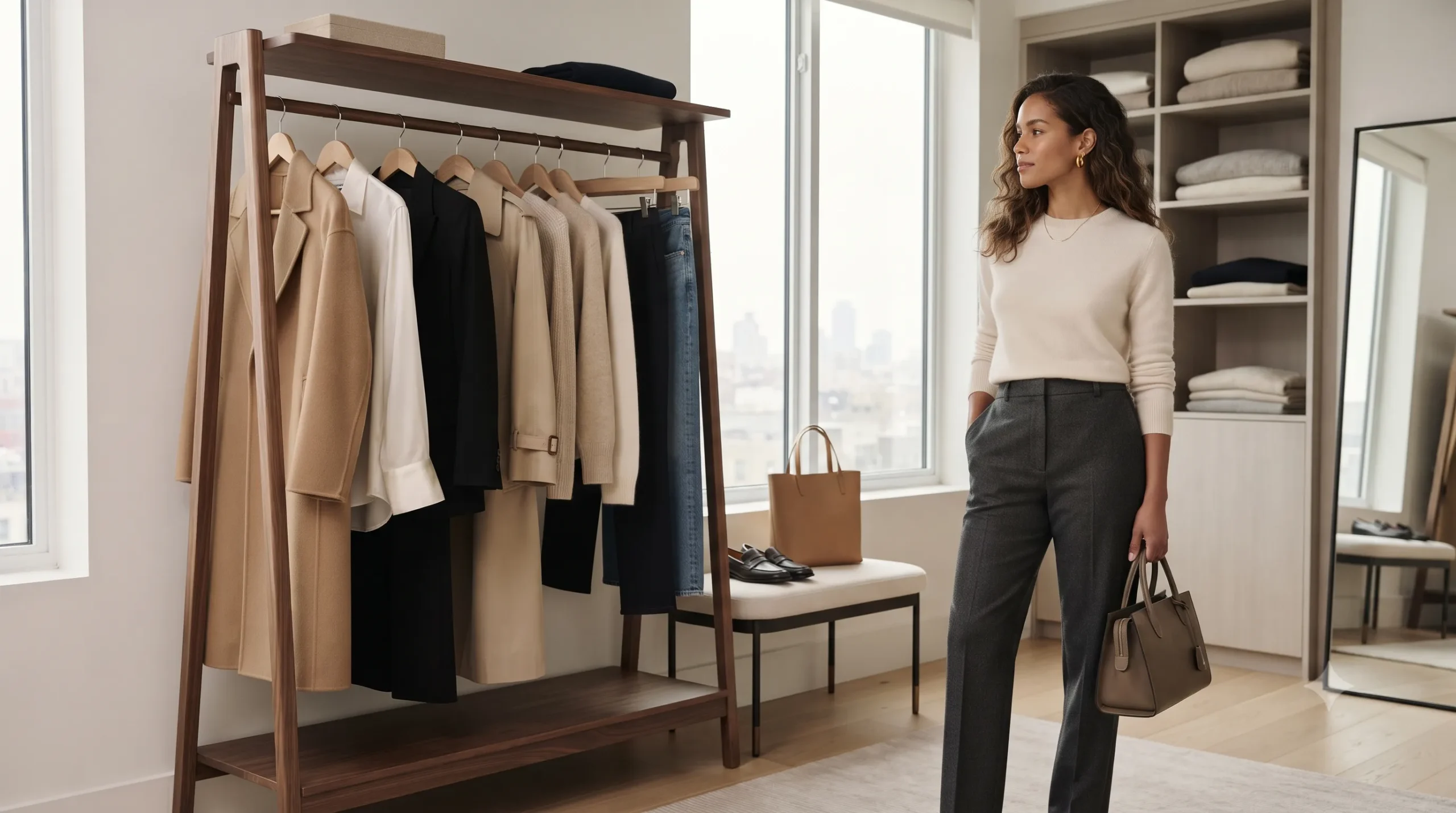
- The Base: A pair of well-tailored, dark-toned trousers and a refined knit top.
- The Work Layer: A structured blazer.
- The Evening Shift: Remove the blazer, add a pair of more delicate jewelry, and perhaps a different shoe (switching from a loafer to a low heel).
The success of this transition relies on the fact that the base pieces were chosen for their “quiet polish” rather than being strictly “office-only” or “party-only.”
Scenario 2: The Weekend Social Calendar
You have a brunch with friends in the morning and a more formal garden event in the afternoon.
- The Base: A feminine midi dress in a soft, mid-weight fabric.
- The Brunch Look: Pair the dress with a casual knit cardigan and comfortable flats or leather loafers.
- The Garden Event Look: Swap the cardigan for a light, structured jacket and add a more intentional accessory, such as a small leather bag and a more polished shoe.
Avoiding the Common Pitfalls of Occasion Dressing
Even with the best intentions, it is easy to fall into habits that clutter a wardrobe without adding value. Recognizing these patterns is the first step toward more disciplined, long-term style.
The “Cost-Per-Wear” Fallacy
Many women avoid buying higher-quality pieces because the upfront cost is higher. However, viewing fashion through the lens of cost-per-wear is far more accurate. A $300 dress that you wear twenty times for various occasions ($$15$ per wear) is a significantly better value than a $50 dress that you wear once because it is too impractical for real life ($$50$ per wear). When building your wardrobe, ask: “How many different ways can I wear this, and how many different occasions can it inhabit?”
The Trap of Trend-Driven Occasionwear
It is tempting to buy pieces that are “in” for a specific season, such as a specific color or a highly specific silhouette. While a nod to the current zeitgeist is fine, extreme trend-chasing often results in pieces that feel dated within six months. A feminine wardrobe thrives on timelessness—pieces that rely on proportion, fit, and subtle details rather than the fleeting whims of the fashion cycle.
The “Too Precious” Problem
A common mistake in feminine dressing is choosing pieces that are so delicate or difficult to care for that they remain untouched in the closet. If a garment requires excessive maintenance or is so structured that you cannot sit comfortably in it, it is not a practical piece for a real-life occasion. True elegance includes the ability to move, sit, and exist comfortably in your clothes.
A Framework for Intentional Purchasing
When you are ready to add to your collection, do not shop by “category” (e.g., “I need more tops”). Instead, shop by “gap.”
- Audit your calendar: Look at the next three months. Do you have an upcoming wedding? A series of business lunches? A vacation?
- Identify the gap: If you have plenty of casual wear but no options for a “polished dinner,” your gap is in the semi-formal/social category.
- Define the criteria: Instead of looking for “a dress,” look for “a refined midi dress in a neutral tone that works for both dinner and travel.”
- Evaluate the candidates: When you find a piece, run it through the “Three-Way Test”:
- Can I wear this with at least three items I already own?
- Can I wear this to at least two different types of occasions?
- Does the fabric and fit feel appropriate for my actual lifestyle?
Summary of Wardrobe Building Principles
To help synthesize these concepts, the following checklist can serve as a guide for your next wardrobe edit or shopping trip:
- Prioritize Versatility: Does this piece bridge the gap between casual and formal?
- Focus on Fabric Behavior: Does the material lend itself to the setting (e.g., matte for day, subtle luster for evening)?
- Analyze Proportions: Does the silhouette offer a balanced, feminine shape without being restrictive?
- Apply Cost-Per-Wear Logic: Am I investing in a piece that will earn its place through frequent use?
- Seek Timelessness over Trends: Will I still feel confident in this piece in two years?
- Check for Comfort and Utility: Can I realistically move and exist in this piece throughout a full day?
Building a wardrobe around real-life occasions is an act of self-awareness. It requires us to look past the ephemeral noise of the fashion industry and listen to the requirements of our own lives. By choosing pieces that offer clarity, restraint, and multi-functional elegance, we do more than just “get dressed.” We build a personal archive of style that supports us through every chapter of our daily lives, allowing us to show up as our most composed and authentic selves, regardless of the setting.