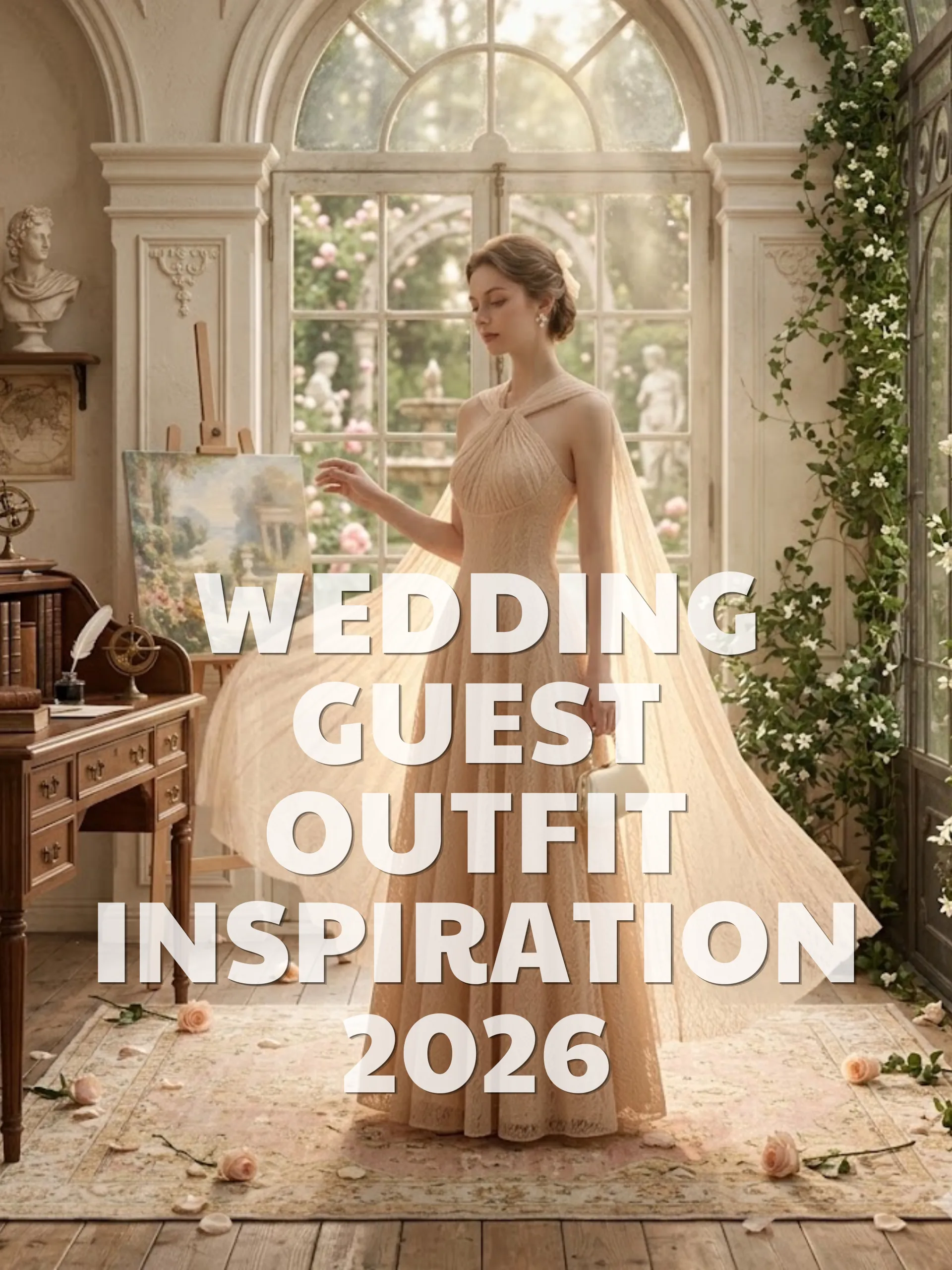
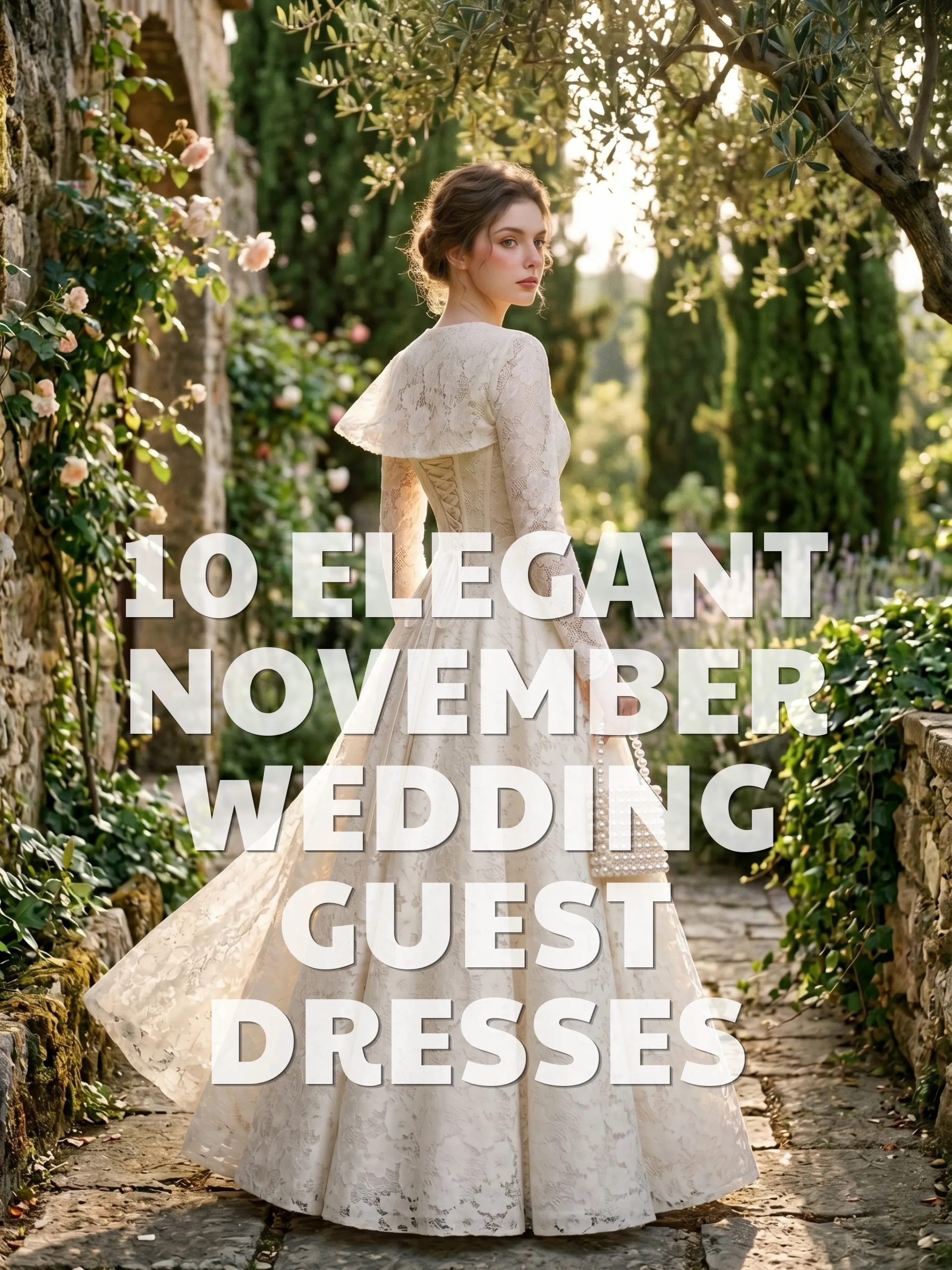
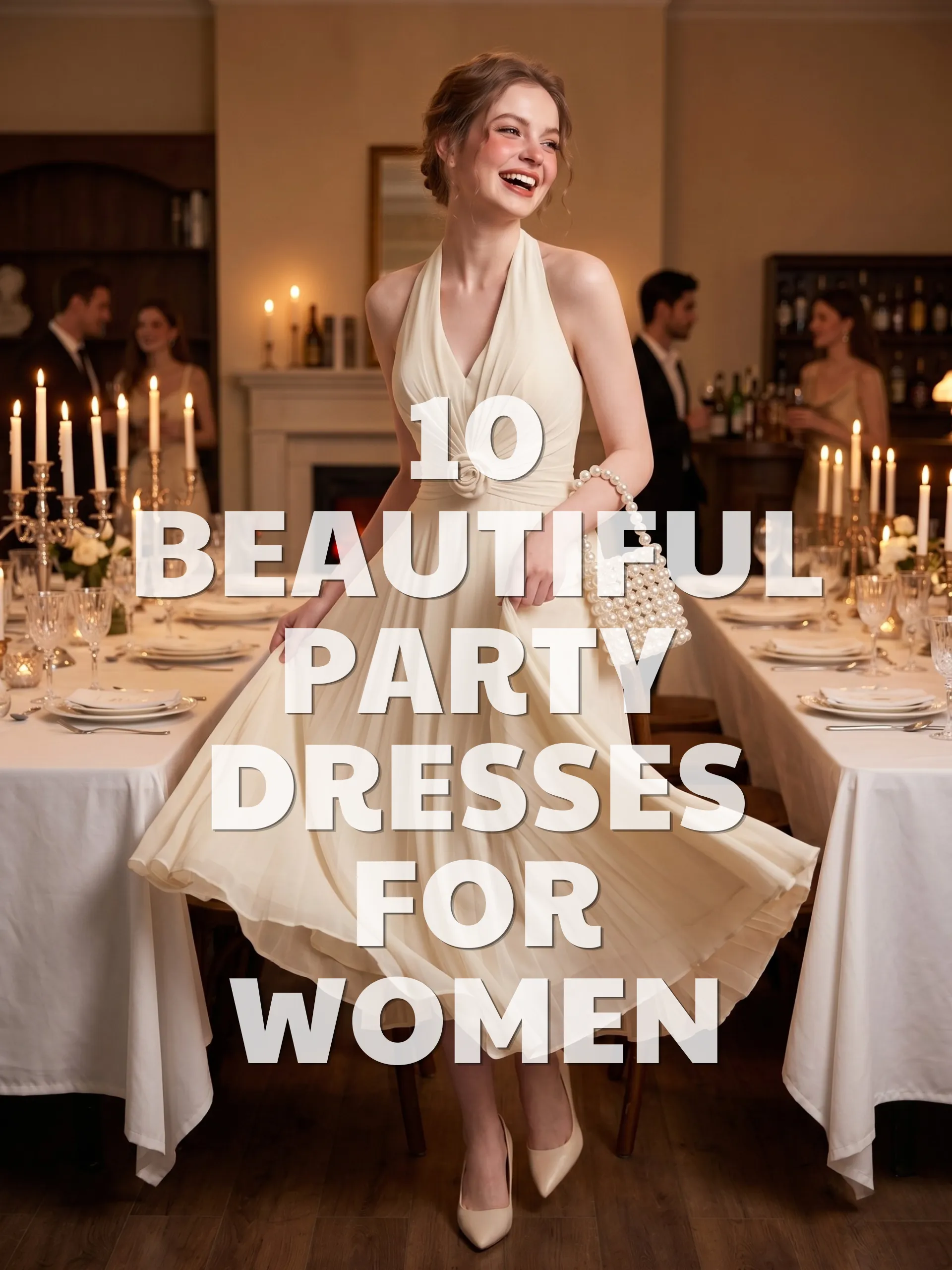
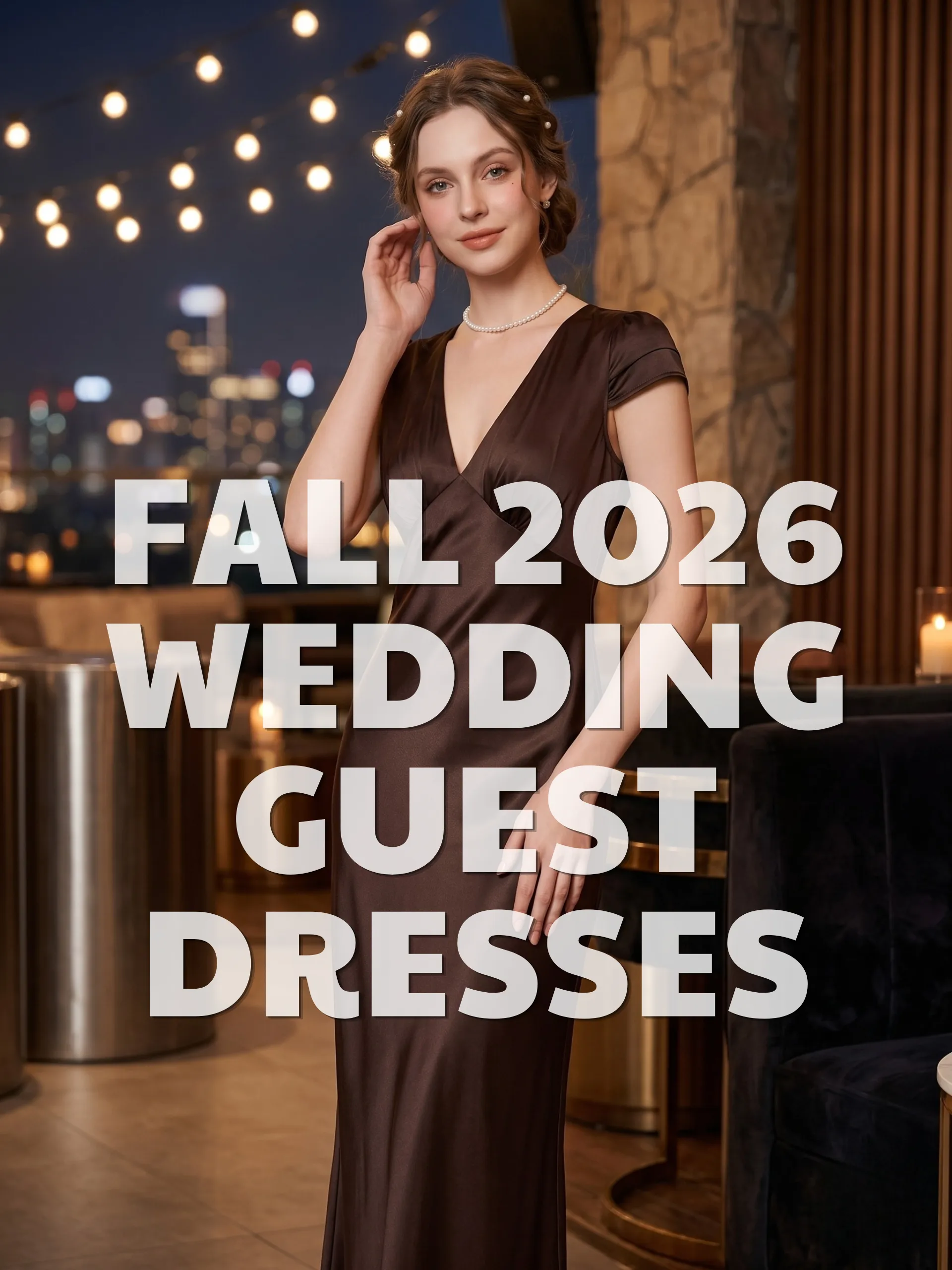
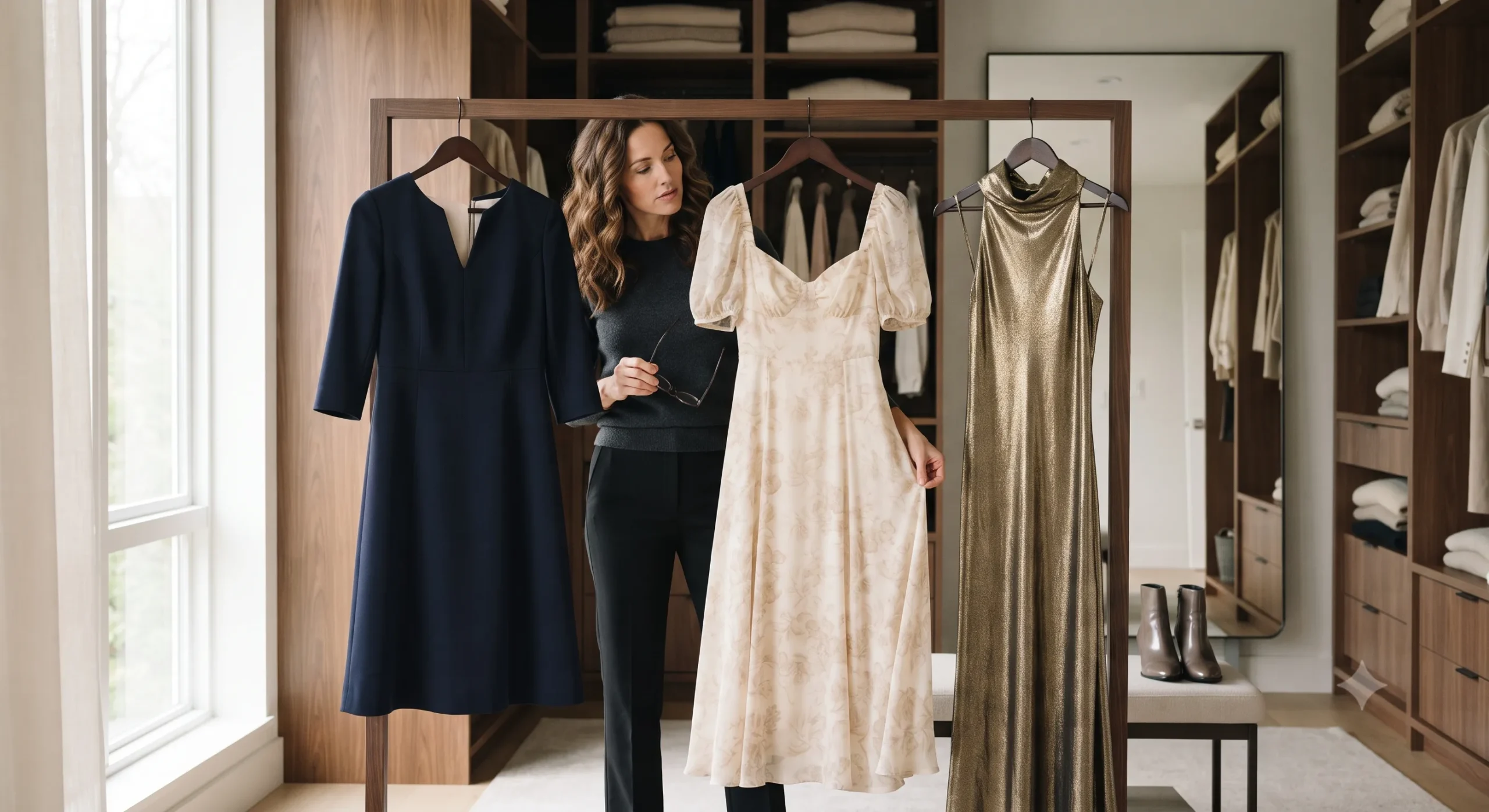
There is a specific, fleeting tension that occurs when a woman stands before a full-length mirror, wearing something undeniably feminine, only to feel strangely disconnected from the reflection. A floral print might feel too “sweet”; a pleated skirt might feel too “costume-like”; a lace detail might suddenly feel like it belongs to a different era rather than a modern life.
This discomfort usually stems from a misalignment between the garment’s intent and the wearer’s reality. When we embrace femininity through a lens of pure sentimentality, we risk looking like we are playing a part rather than inhabiting a style. The goal of modern feminine dressing is not to lean into archetypes—the ingenue, the Victorian, or the princess—but to integrate soft, romantic elements into a wardrobe that feels grounded, intelligent, and functional.
True modern femininity is found in the balance of textures, the precision of tailoring, and the deliberate use of restraint. It is about choosing pieces that possess a certain “soft structure”—garments that offer beauty through their silhouette and movement, but maintain enough architectural integrity to work in a professional setting, a casual weekend lunch, or a formal evening.
The Architecture of Modern Romance
To avoid the “costume” trap, one must understand the difference between a romantic garment and a costume. A costume is often a singular, overwhelming statement: a dress with excessive ruffles, extreme puff sleeves, and a saccharine print. A modern feminine outfit, by contrast, is a composition of contrasts.
The secret lies in what we might call “romantic restraint.” This involves pairing high-sentiment pieces with high-utility foundations. If a blouse features a delicate, feminine neckline, the rest of the outfit should provide a sense of visual calm. If a skirt has a flowing, ethereal movement, the upper half of the ensemble should offer some degree of structure.
The Power of Proportion and Weight
One reason feminine clothes can feel “too much” is a lack of weight. Many romantic garments are made of lightweight, airy fabrics. Without a counterweight, the outfit can feel unanchored or even flimsy.
Consider the interplay of fabrics: pairing a lightweight, flowing midi skirt with a structured knit or a slightly oversized, crisp button-down creates an immediate sense of contemporary relevance. This tension between the soft and the structured prevents the look from drifting into the realm of theatricality.
Defining Modern Femininity through Style Formulas
When building these looks, it is helpful to move away from “matching” and toward “balancing.” Below is a framework for thinking about how to integrate feminine pieces into a daily rotation without losing your sense of modern edge.
| Element Type | Romantic Example | Modern Counterbalance | The Resulting Aesthetic |
|---|---|---|---|
| The Silhouette | A voluminous puff-sleeve blouse | High-waisted, straight-leg trousers | Polished, architectural, and intentional |
| The Texture | A delicate lace camisole | An oversized, structured blazer | Sophisticated evening wear with an edge |
| The Pattern | A soft floral midi dress | A leather belt and minimal loafers | Grounded, effortless, and seasonal |
| The Detail | A pleated skirt | A simple, high-quality cashmere sweater | Refined, quiet luxury, and comfortable |
Practical Styling Scenarios: From Morning to Evening
A common critique of highly feminine clothing is that it lacks versatility. “I can only wear this to a wedding,” or “This feels too precious for my actual life.” This perspective ignores the potential of thoughtful styling to bridge the gap between occasionwear and everyday elegance.
The Refined Workday
The challenge of dressing femininely for a professional environment is maintaining authority while embracing softness. The key is to prioritize “feminine tailoring”—pieces that acknowledge the female form without being overtly decorative.
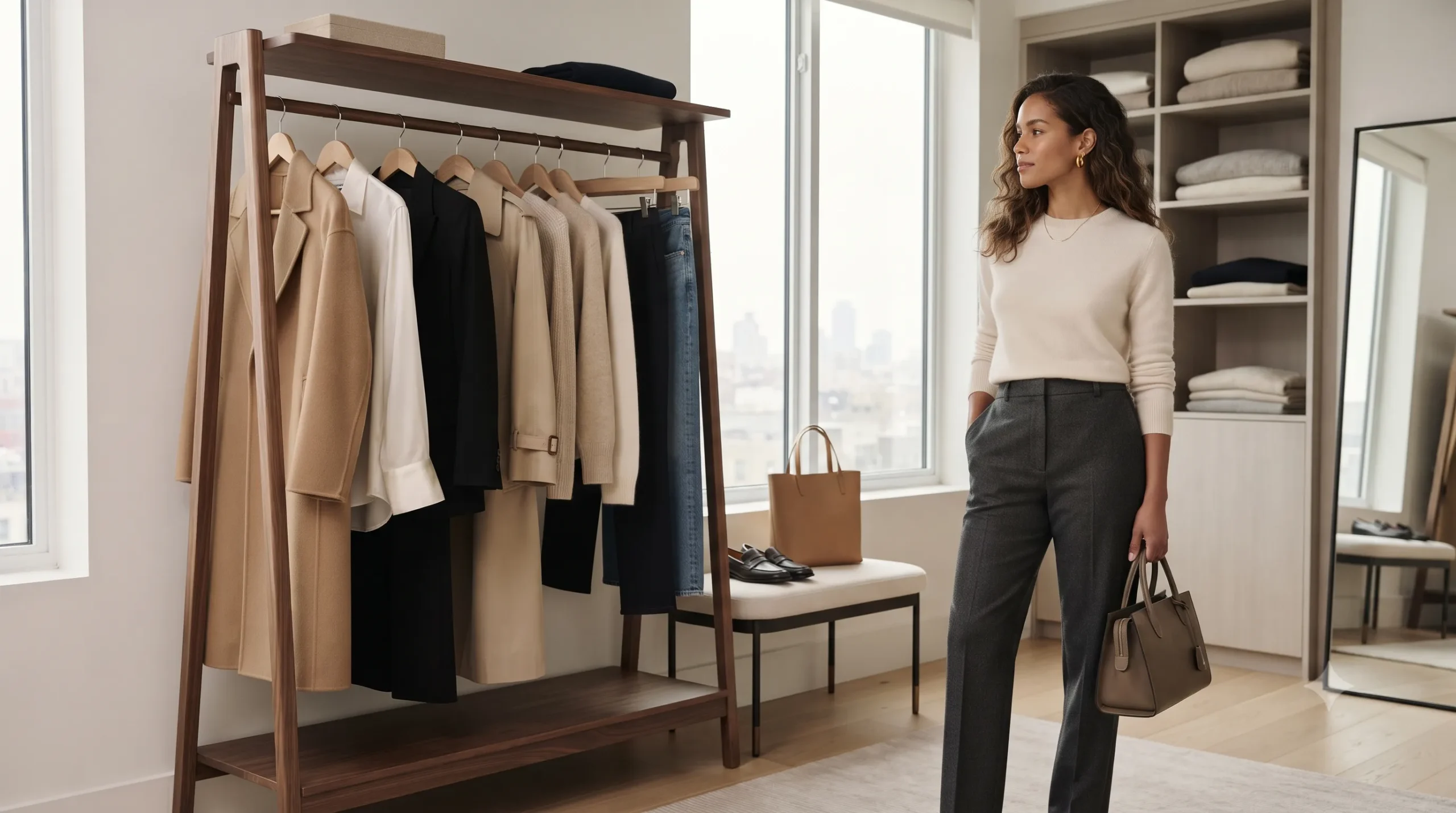
Instead of a traditional, stiff power suit, consider a pair of wide-leg trousers in a soft wool crepe paired with a blouse that has a subtle, feminine detail, such as a soft pussy-bow or a gentle drape at the neckline. The structure of the trousers provides the professional “anchor,” while the blouse introduces a sense of personality and grace. This approach avoids the “costume” feel by keeping the color palette neutral and the silhouettes clean.
The Elevated Weekend
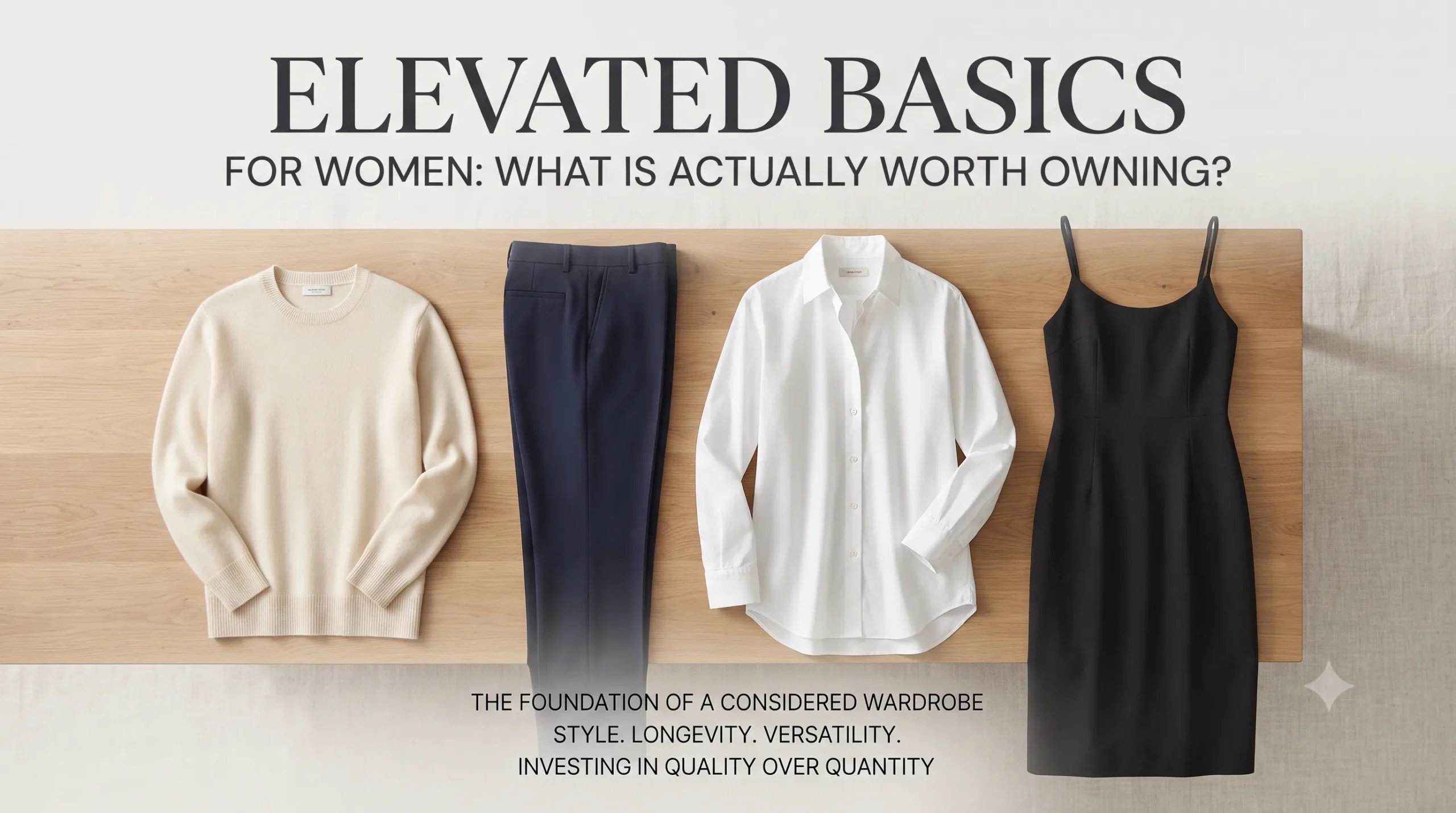
Weekend dressing often falls into two extremes: overly casual (sweatpants and tees) or overly precious (a sundress that feels out of place at a coffee shop). To find the middle ground, look for “elevated basics” that possess a romantic undertone.
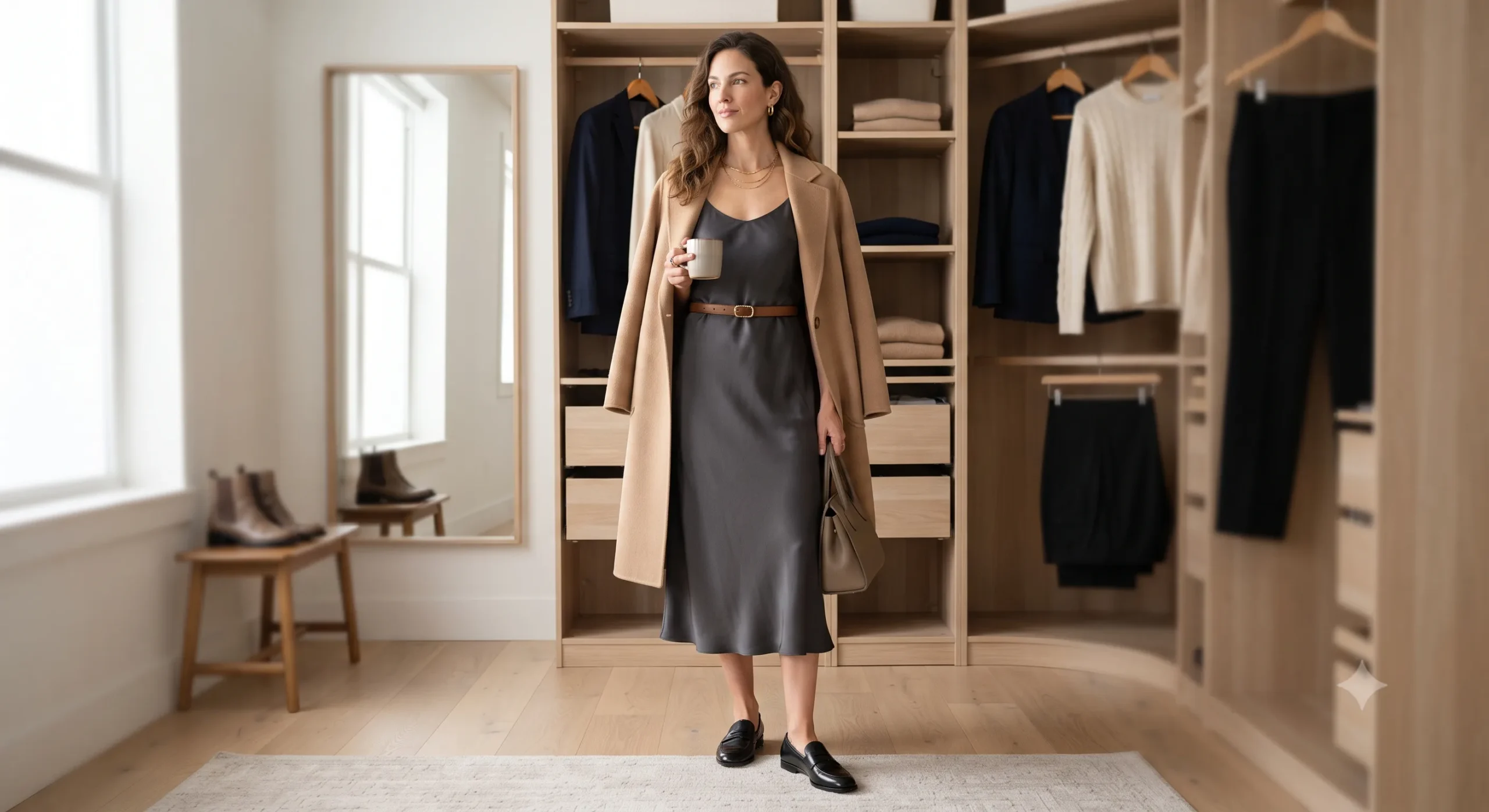
A slip skirt in a heavy, matte fabric paired with a high-quality cotton tee and a denim jacket creates a look that is feminine but inherently casual. The weight of the skirt makes it feel substantial and modern, while the denim and cotton keep the overall vibe relaxed. This is an example of using texture to signal femininity rather than relying on overwhelming patterns.
The Intentional Evening
For dinners or social events, the goal is often “refined occasion-dressing.” To avoid looking like you are wearing a costume, focus on the “quiet” side of luxury. Rather than opting for a dress with loud embellishments, look for a garment where the beauty is found in the cut and the way the fabric interacts with light.
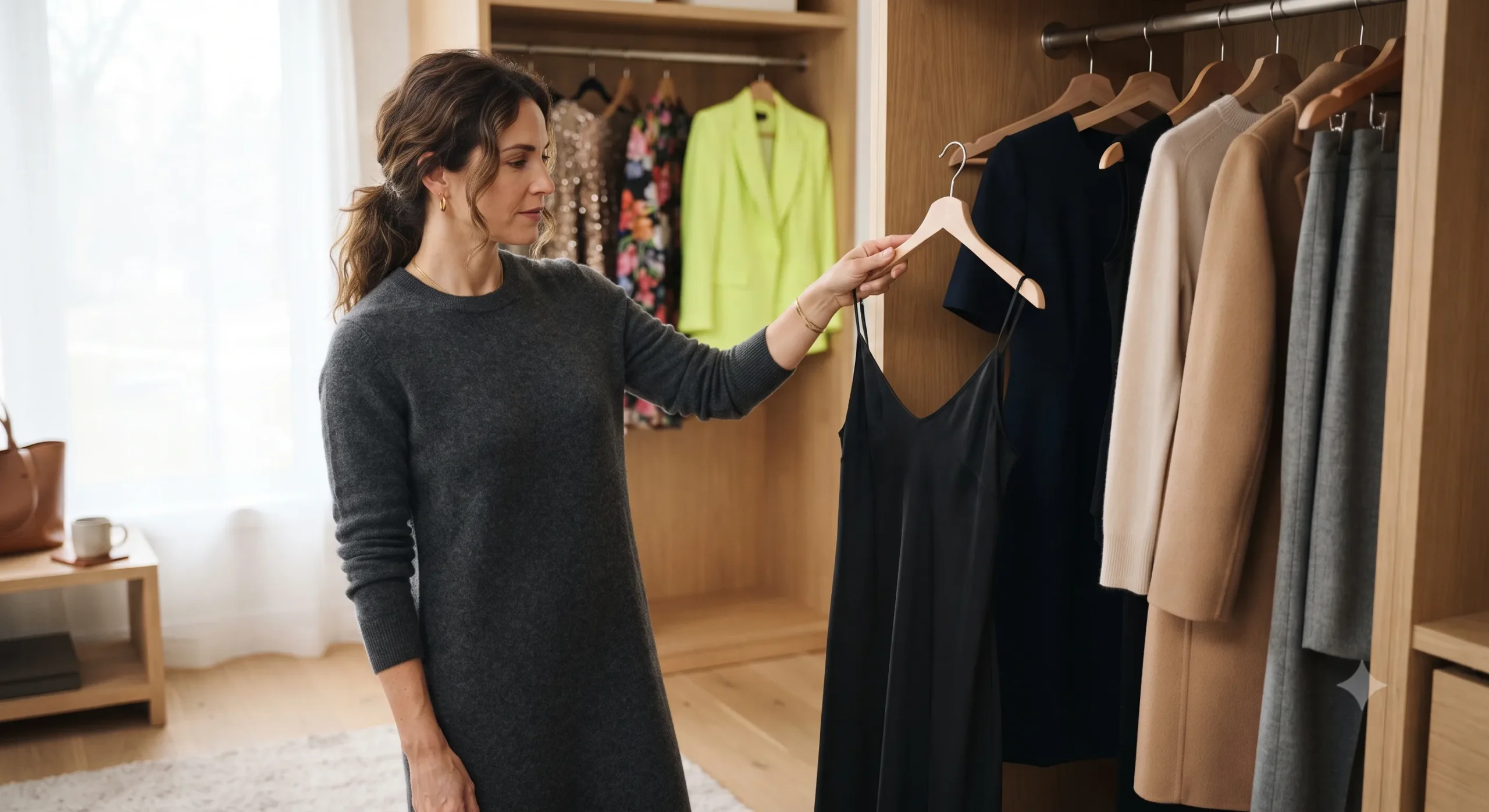
A bias-cut dress in a solid, deep tone—such as navy, forest green, or chocolate—is far more modern than a heavily printed one. When the silhouette is the star, the outfit feels sophisticated and timeless. Adding a single, sculptural piece of jewelry can elevate the look further without adding unnecessary “noise.”
Avoiding the Common Pitfalls of Romantic Dressing
Even with the best intentions, it is easy to veer into territory that feels outdated or overly saccharine. Understanding these common mistakes can help you refine your approach to a thoughtful wardrobe.
1. The “All-or-Nothing” Error
The most frequent mistake is wearing too many romantic elements at once. If your top is ruffly, your skirt is floral, and your hair is styled in soft, vintage waves, you have moved from “feminine” into “period piece.”
The Fix: Follow the rule of one. Choose one major romantic element—be it a print, a silhouette, or a detail—and let it be the protagonist of the outfit. Let the other pieces play supporting roles through texture and fit.
2. Neglecting Fabric Integrity
A garment can only look modern if it holds its shape or moves with intention. Cheap, overly synthetic fabrics often lack the “drape” required for feminine silhouettes, leading to a look that feels messy rather than effortless.
The Fix: Prioritize natural fibers or high-quality blends. A garment that has a bit of “heft”—even if it is a light fabric—will always look more expensive and intentional than one that feels thin and disposable.
3. Ignoring the “Grounded” Factor
Footwear and accessories act as the gravity for any outfit. Wearing a very soft, romantic dress with overly delicate, “precious” sandals can make the whole look feel unstable.
The Fix: Use your accessories to provide contrast. A feminine dress paired with a structured leather loafer, a sleek boot, or even a minimalist sneaker can instantly modernize the look. This creates a visual “anchor” that tells the world this is a contemporary outfit, not a costume.
Building a Wardrobe with Emotional Longevity
When we talk about a “thoughtful wardrobe,” we are talking about a collection of pieces that possess emotional longevity. This means choosing clothes that you will still feel connected to two, five, or even ten years from now.
Modern romantic style is uniquely suited for this kind of long-term value because it relies on elements that are inherently timeless: the curve of a neckline, the drape of a skirt, and the interplay of soft colors. Unlike trend-driven pieces that rely on a specific “moment” (like a specific neon color or a hyper-specific silhouette), romantic pieces are grounded in classical aesthetics.
Decision Criteria for New Purchases
As you build your wardrobe, ask yourself these three questions to ensure new pieces will serve you well:
- Can I wear this in at least three different settings? (e.g., Work, a casual lunch, and a dinner event). If a piece only works for one specific “type” of day, its value is limited.
- Does the femininity of this piece come from its construction or its decoration? Pieces where femininity is built into the cut (like a beautiful drape) tend to last longer in a wardrobe than those that rely on surface decoration (like excessive lace or sequins).
- How does this piece interact with what I already own? A modern wardrobe is an ecosystem. A new romantic blouse should be able to “speak” to your existing trousers, denim, and blazers.
Summary of Styling Logic
To simplify the process of dressing with modern romanticism, you can utilize this quick decision framework:
The Modern Romantic Formula:[One Romantic Statement Piece] + [One Structured/Utility Piece] + [One Grounded Accessory] = A Modern Feminine Outfit
- Statement: A floral midi, a puff-sleeve blouse, a lace detail, or a flowing skirt.
- Structure: A blazer, straight-leg denim, a tailored trouser, or a structured knit.
- Grounded: A leather loafer, a minimalist bag, a sleek belt, or a structured boot.
By approaching your wardrobe with this sense of balance, you move away from the anxiety of “getting it wrong” and toward a style that feels cohesive, intentional, and—most importantly—entirely your own. Femininity is not a costume to be put on; it is a way of carrying oneself, reflected through clothes that respect both your grace and your reality.