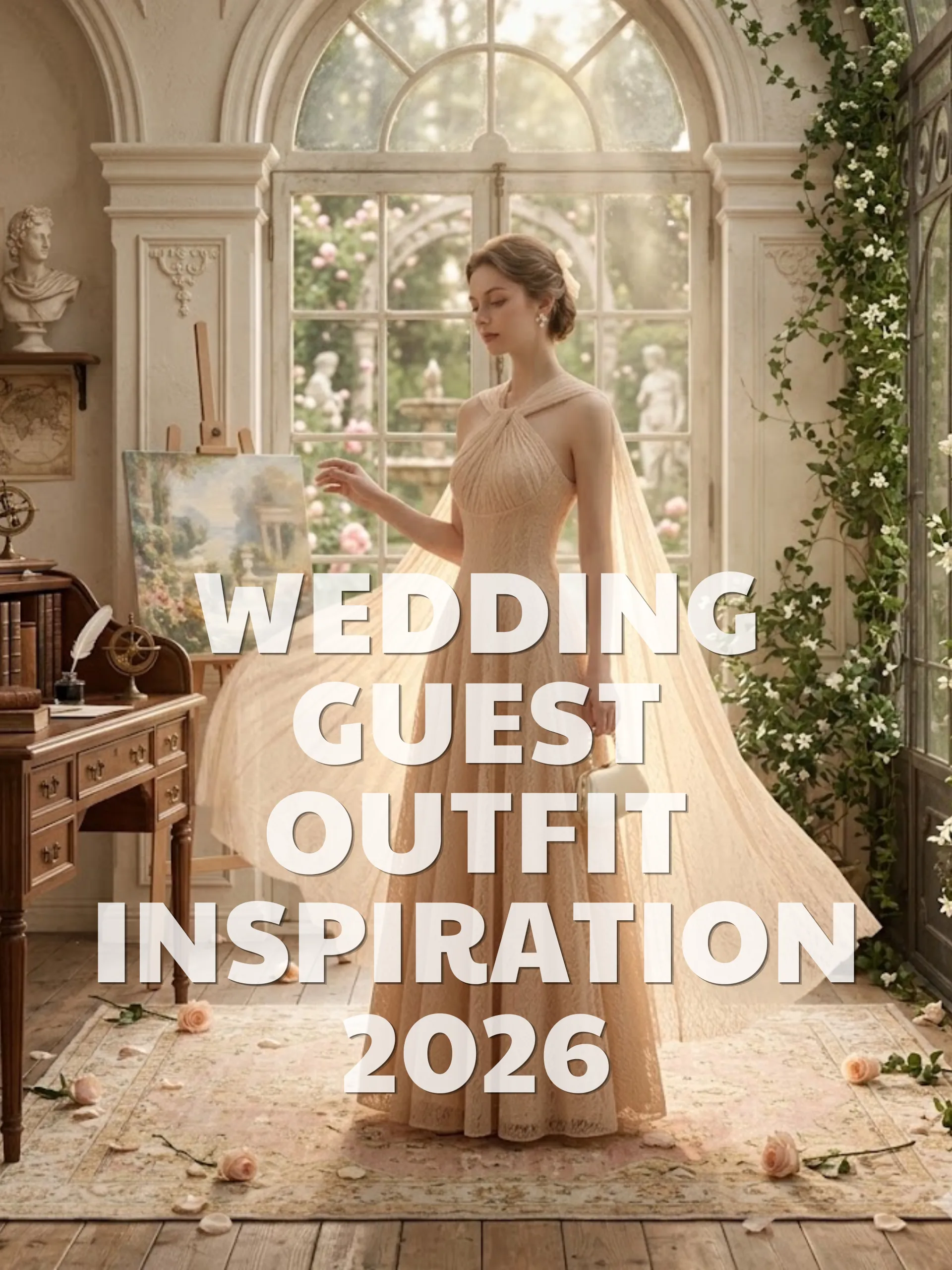
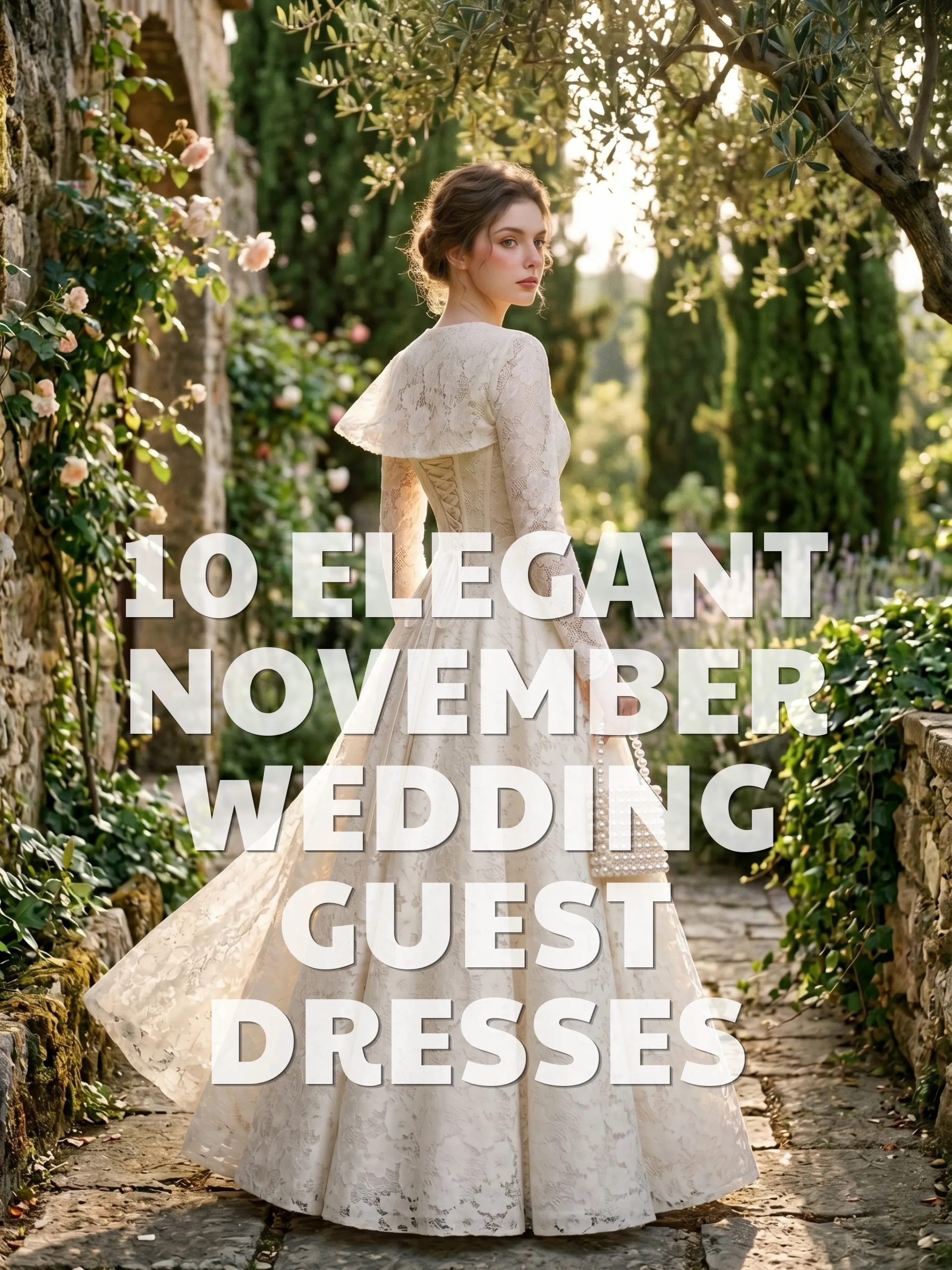
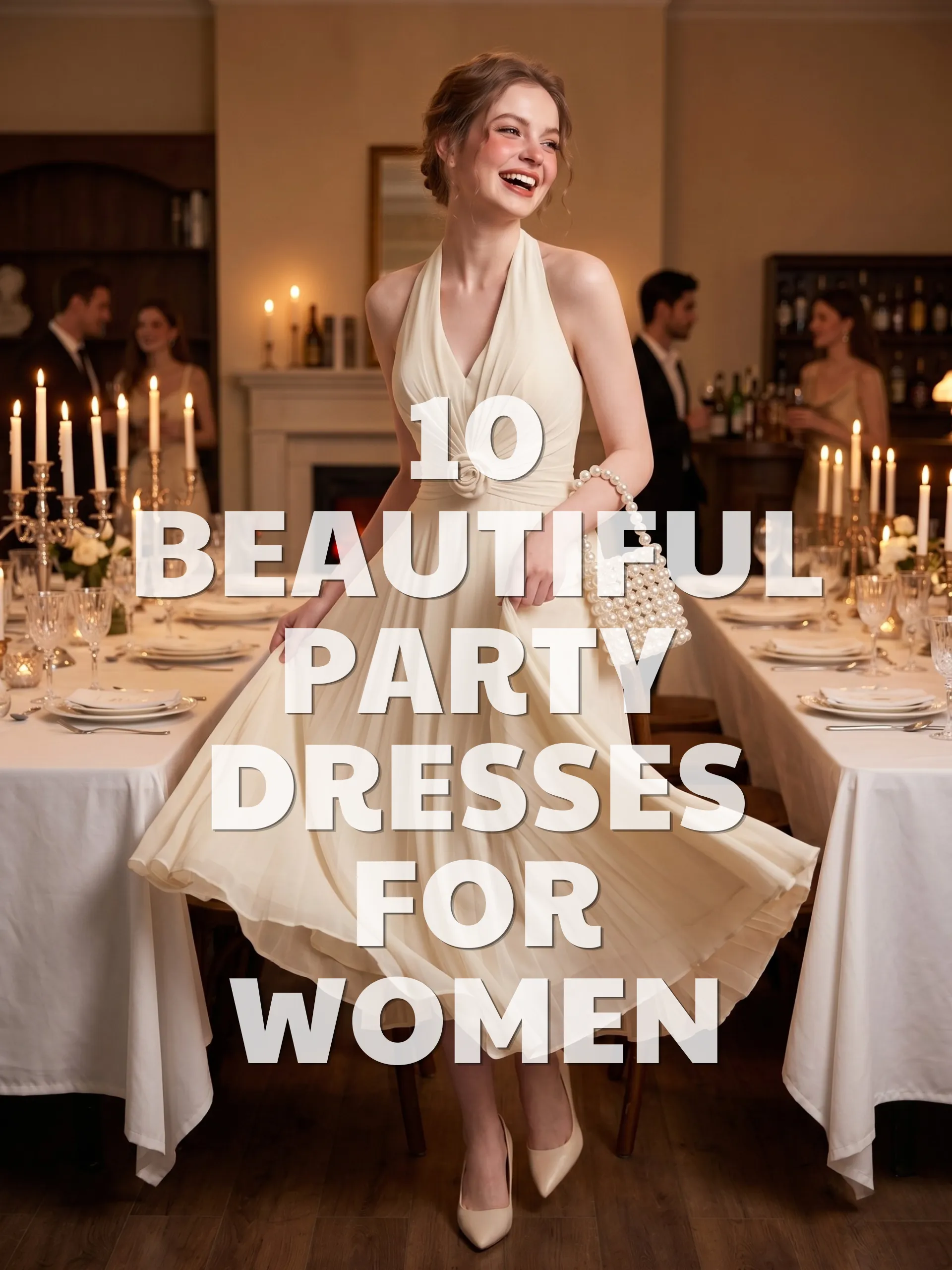
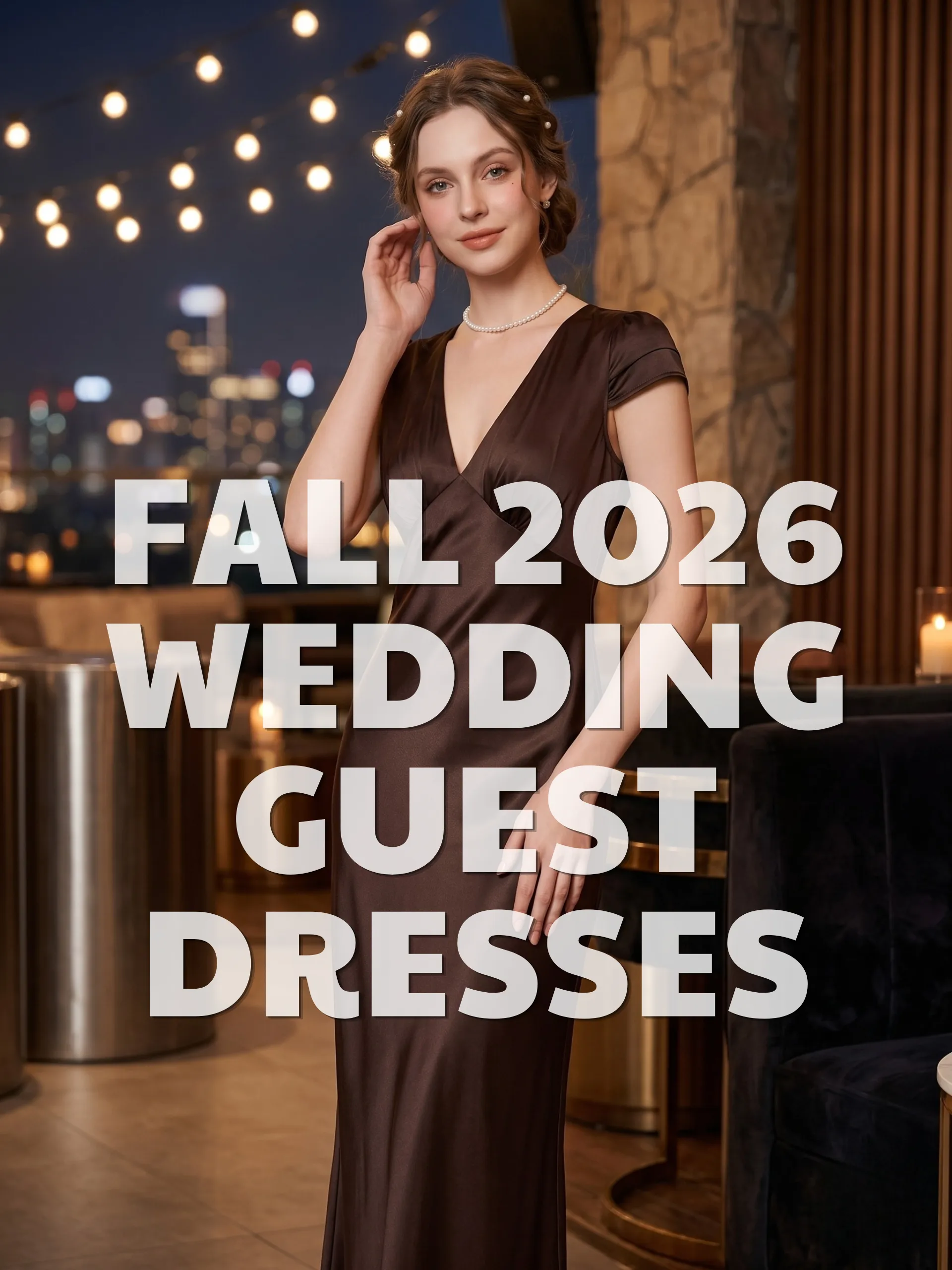
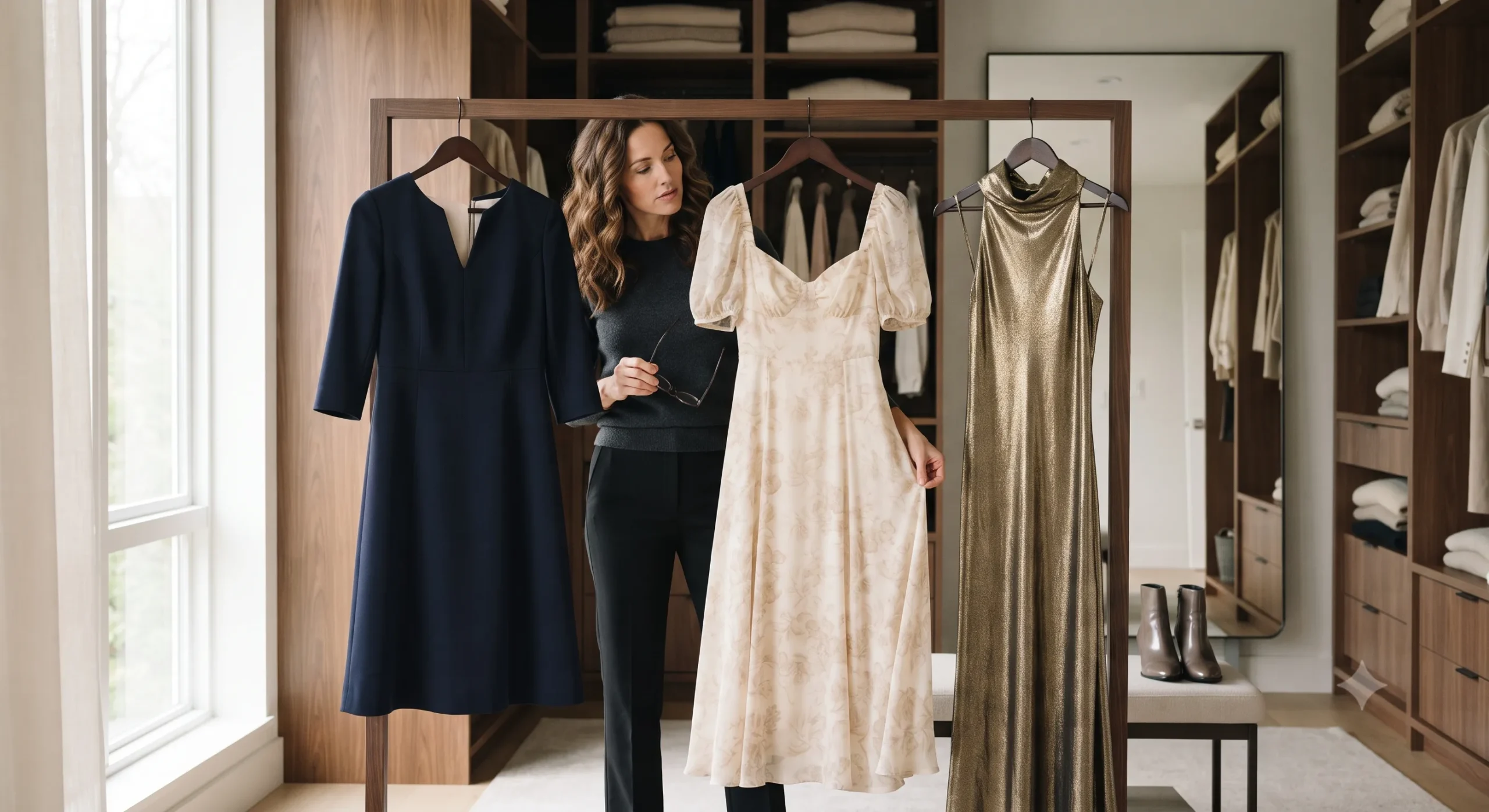
There is a common misconception that “romantic” dressing requires an elaborate commitment to costume—a heavy reliance on ruffles, lace, or an overly precious aesthetic that feels disconnected from a modern, working life. We often associate romance in fashion with the hyper-feminine silhouettes of a bygone era, styles that feel beautiful in a photograph but impractical when you are navigating a morning commute, a series of back-to-back meetings, or a casual weekend lunch.
The reality of modern romantic dressing is much more subtle and, frankly, much more useful. It is not about wearing a costume; it is about a specific approach to softness, proportion, and intention. Modern romanticism is the art of balancing delicate, feminine details with structured, grounded elements. It is about finding that intersection where grace meets capability. It is a style that favors the tactile quality of a fabric and the way a silhouette moves through space, rather than the loudness of a trend.
This guide is intended to move beyond the surface level of “pretty clothes” and explore how to build a wardrobe rooted in modern romanticism—one that offers emotional longevity and practical elegance for the woman who wants to feel composed and feminine without feeling performative.
Defining Modern Romanticism: The Balance of Softness and Structure
To understand modern romantic dressing, one must first distinguish it from its historical counterparts. Traditional romanticism often leans into excess—excessive volume, excessive ornamentation, and an aesthetic that can feel fragile. Modern romanticism, however, is tempered by a sense of contemporary realism.
At its core, the style is defined by polished softness. This means choosing garments that possess feminine qualities—perhaps a gentle drape, a soft color palette, or a subtle texture—but pairing them with pieces that provide architectural integrity.
The Three Pillars of the Aesthetic
- Tactile Intelligence: In this style, the “romance” is often felt before it is seen. It is found in the way a mid-weight crepe falls, the subtle sheen of a high-quality weave, or the softness of a fine knit. Instead of relying on loud patterns, the modern romantic relies on the sensory experience of the garment.
- Refined Proportions: Rather than overwhelming the frame with ruffles, modern romanticism uses silhouette to create interest. This might mean a blouse with a slightly voluminous sleeve paired with a sharply tailored trouser, or a midi-length skirt that moves gracefully but is anchored by a structured blazer.
- Understated Femininity: The goal is to evoke a sense of grace through restraint. It is the difference between a dress covered in bows and a dress with a single, beautifully placed tie-waist or a delicate neckline. It is about “quiet” details that reward close observation.
Navigating the Wardrobe: Key Elements and Styling Logic
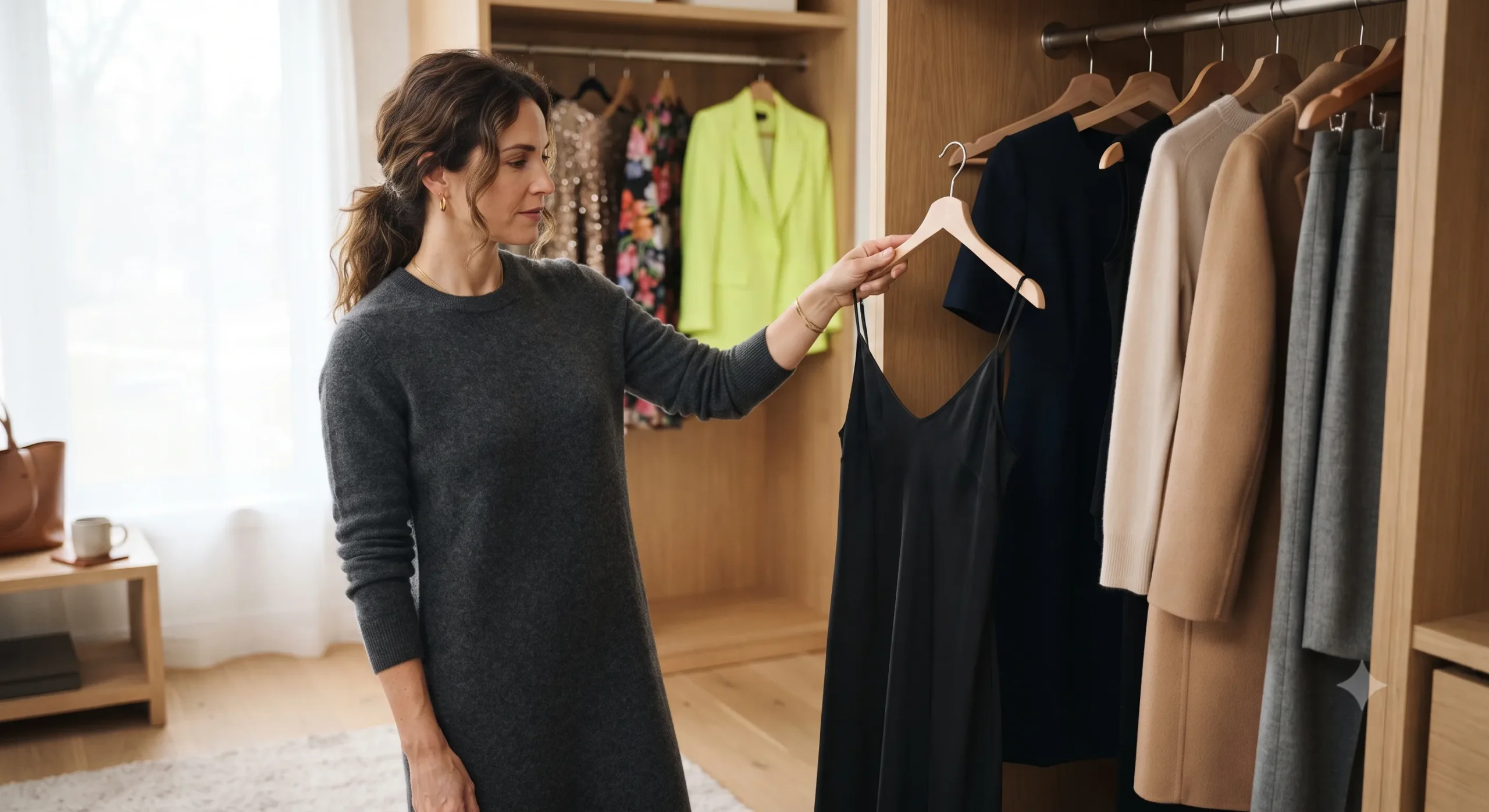
Building a romantic wardrobe does not mean buying a new set of clothes; it means selecting pieces that possess a certain “emotional resonance”—items that make you feel more like yourself when you wear them. For many women, this means looking for pieces that bridge the gap between “elevated everyday” and “refined occasionwear.”
The Foundation: Elevated Basics with a Soft Edge
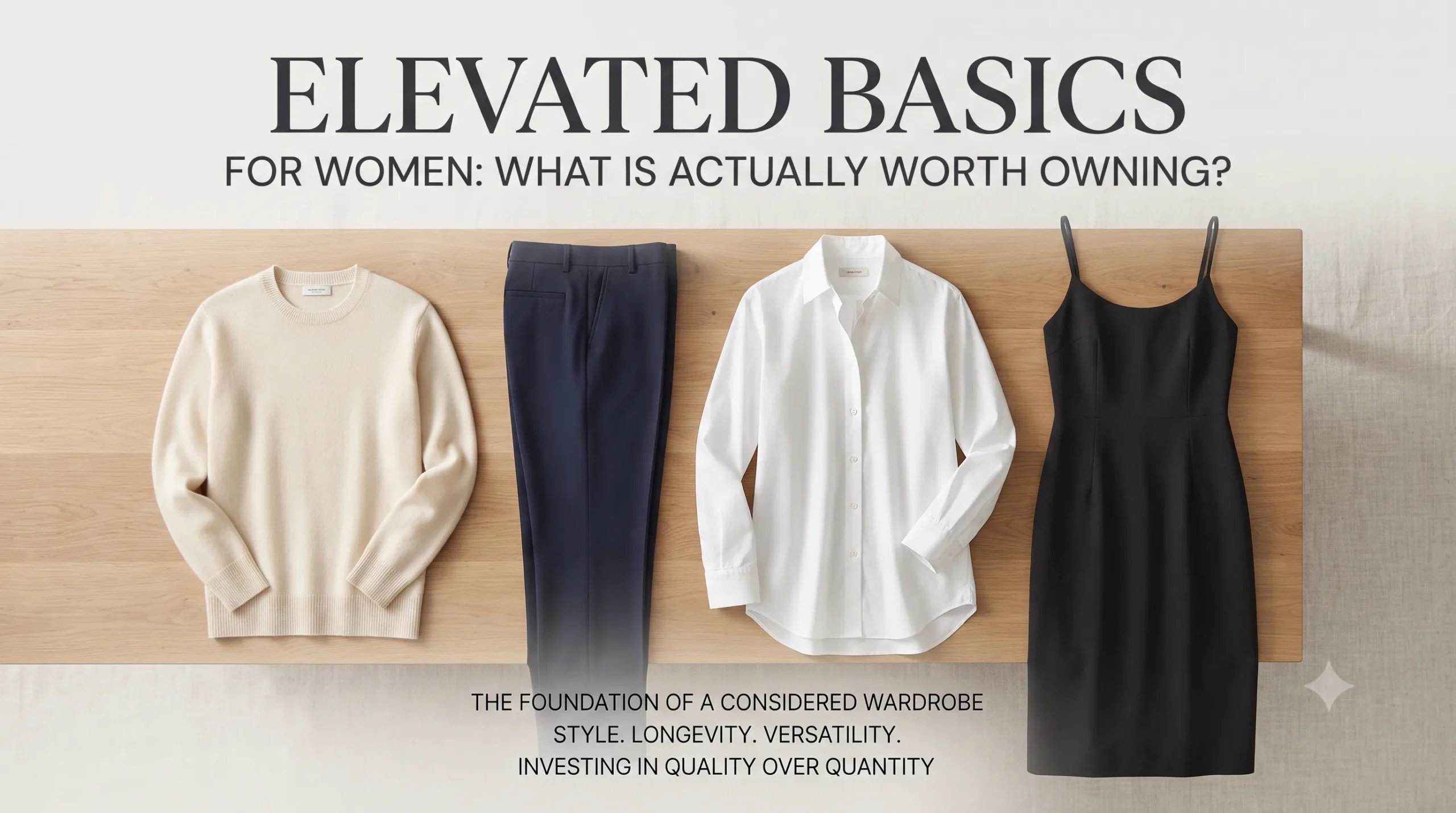
The most successful romantic wardrobes are built on a foundation of versatile pieces that can be dressed up or down. The trick is to avoid the “starkness” of purely minimalist dressing by selecting basics that have a hint of softness.
- The Fluid Blouse: Instead of a rigid, starch-collared button-down, consider a blouse in a fluid fabric with a soft neckline. This adds a layer of approachability to a professional outfit.
- The Graceful Knit: A fine-gauge sweater in a soft hue (cream, sage, or dusty rose) can replace a standard jersey tee, providing more texture and a more polished appearance.
- The Structured Midi: A skirt with weight and movement—perhaps in a heavy satin or a fine wool blend—serves as a cornerstone. It is formal enough for a wedding but can be worn with a knit sweater for a weekend outing.
Creating Contrast: The Rule of Tension
The most common mistake in romantic dressing is staying entirely within the “soft” zone. If every piece of an outfit is flowing, voluminous, and light, the result can feel unstructured and even slightly disheveled. To achieve modern romanticism, you must apply the Principle of Tension.
| Element | Soft/Romantic Component | Structured/Grounded Component | Resulting Aesthetic |
|---|---|---|---|
| Silhouette | A flowing, pleated skirt | A tailored, slightly oversized blazer | Polished and intentional |
| Texture | A delicate lace-trimmed camisole | High-waisted denim or heavy trousers | Effortlessly chic |
| Volume | A blouse with bishop sleeves | A slim-fitting pencil skirt | Balanced and feminine |
| Color | A palette of pastels or creams | Deep neutrals like navy or charcoal | Sophisticated and grounded |
By introducing a “grounding” element—like a structured coat, a leather belt, or a sharp trouser—you prevent the romantic elements from feeling too precious or costume-like.
Practical Scenarios: From Morning Meetings to Evening Events
A common concern with romantic dressing is its perceived lack of versatility. “How do I wear something ‘romantic’ to a business lunch without looking like I’m heading to a garden party?”
The answer lies in how you layer and how you choose your “anchors.”
Scenario 1: The Professional Environment
- The Goal: To feel feminine and composed while maintaining authority.
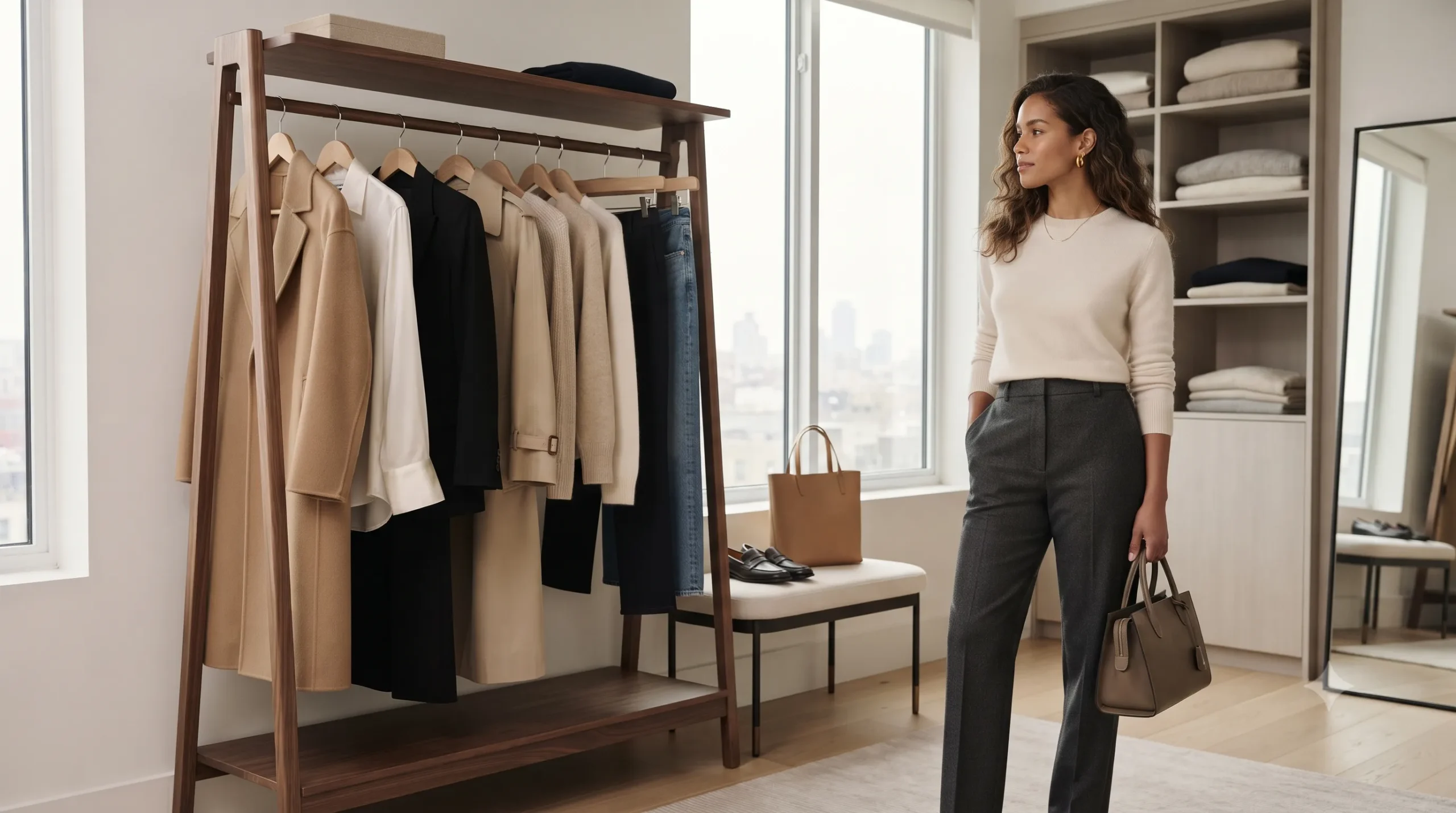
- The Outfit: A high-neck blouse in a soft cream tone, tucked into charcoal tailored trousers. Add a structured blazer in a matching or complementary neutral.
- Why it works: The blouse provides the “romantic” softness, while the trousers and blazer provide the “modern” structure. The femininity is present but contained within a professional silhouette.
Scenario 2: The Casual Weekend
- The Goal: To feel elevated but comfortable.
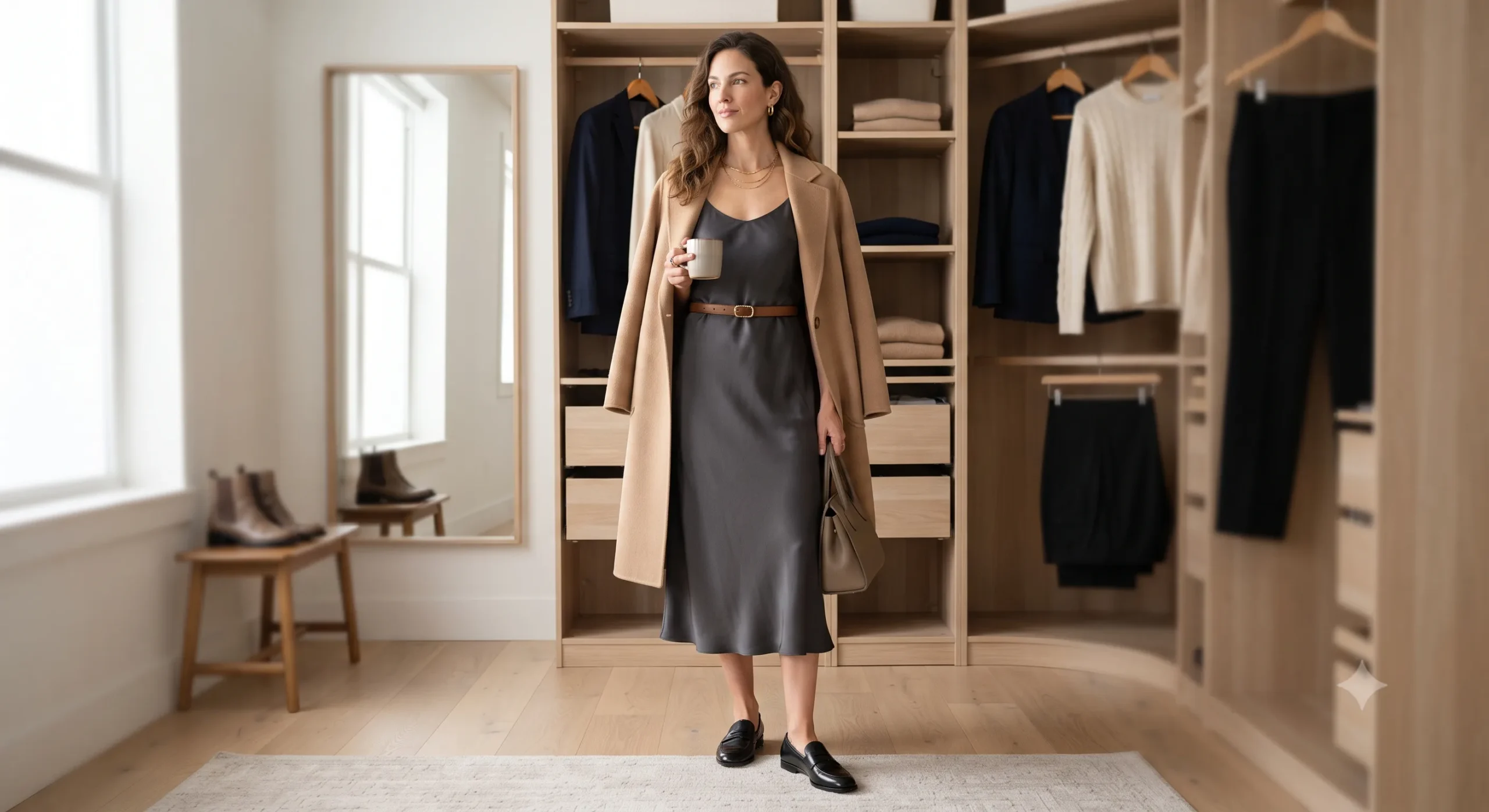
- The Outfit: A midi-length slip skirt in a matte finish, paired with a slightly oversized, high-quality cashmere sweater and leather loafers.
- Why it works: This leans into the “quiet luxury” aspect of the style. The textures (silk-like skirt vs. knit sweater) create visual interest, while the loafers keep the look grounded in reality.
Scenario 3: The Refined Occasion
- The Goal: To dress for a wedding, dinner, or formal event.
- The Outfit: A dress with a defined waist and a subtle, flowing skirt in a deep jewel tone or a sophisticated neutral. Pair with minimal, architectural jewelry.
- Why it works: Because the romanticism is built into the cut and the fabric rather than excessive embellishment, the look remains timeless. It won’t look “dated” in photos ten years from now.
Avoiding the Pitfalls: Common Mistakes in Romantic Dressing
Even with a clear understanding of the aesthetic, it is easy to veer into territory that feels either too trendy or too precious.
1. Over-Accessorizing
In modern romanticism, the garment should be the protagonist. Many women attempt to “complete” a romantic look by adding excessive pearls, ribbons, or floral accessories. This often results in a look that feels cluttered. If your garment has a beautiful drape or a unique neckline, let that be the statement. A single, well-chosen piece of jewelry is almost always more effective than a collection of small ones.
2. Ignoring Fabric Integrity
The romantic aesthetic relies heavily on how light hits a fabric and how it behaves when you move. Choosing cheap, highly synthetic fabrics that “crinkle” easily or have an artificial shine can immediately undermine the sense of quiet luxury. When investing in romantic pieces, prioritize natural fibers or high-quality blends that offer weight and a beautiful drape. A garment that holds its shape while still moving gracefully is the hallmark of a well-chosen piece.
3. Mismanaging Proportion
As mentioned earlier, the lack of structure is a primary risk. If you are wearing a voluminous skirt, ensure your top is either tucked in or has a more defined shape. If you are wearing a voluminous sleeve, ensure your lower half is streamlined. Failing to manage these proportions can make the wearer appear lost in their clothes rather than empowered by them.
The Decision Matrix: Should You Buy It?
When shopping for pieces that fit this aesthetic, move away from the “does this look good on me today?” mindset and toward a more long-term, intentional way of thinking. Use the following criteria to evaluate a potential purchase.
The Modern Romantic Evaluation Checklist:
- Versatility: Can I wear this with at least three items I already own? (e.g., Can this skirt work with a blazer and a knit sweater?)
- Fabric Behavior: How does this fabric feel against my skin, and more importantly, how does it move when I walk? Does it look “expensive” in motion?
- Detail Check: Are the “romantic” details (ruffles, lace, ties) integrated into the construction, or do they feel like they were tacked on?
- Longevity: Is this piece tied to a specific, passing trend (like a particular print or a very specific “micro-trend” silhouette), or does it rely on classic proportions?
- The “Grounding” Test: Do I have something in my current wardrobe that can “ground” this piece to make it wearable for everyday life?
A Philosophy of Lasting Style
Ultimately, modern romantic dressing is a rejection of the frantic pace of fast fashion. It is a style for the woman who views her wardrobe as a curated collection of meaningful objects rather than a revolving door of disposable trends.
By focusing on the tension between softness and structure, and by prioritizing the tactile quality of your garments, you create a style that is both deeply personal and universally elegant. It is a way of dressing that respects the wearer’s need for both beauty and utility—a way to navigate the complexities of modern life without sacrificing a sense of grace.
True style does not shout; it resonates. When you dress with this kind of intentionality, you aren’t just putting on clothes; you are curating an atmosphere of quiet, confident, and enduring femininity.