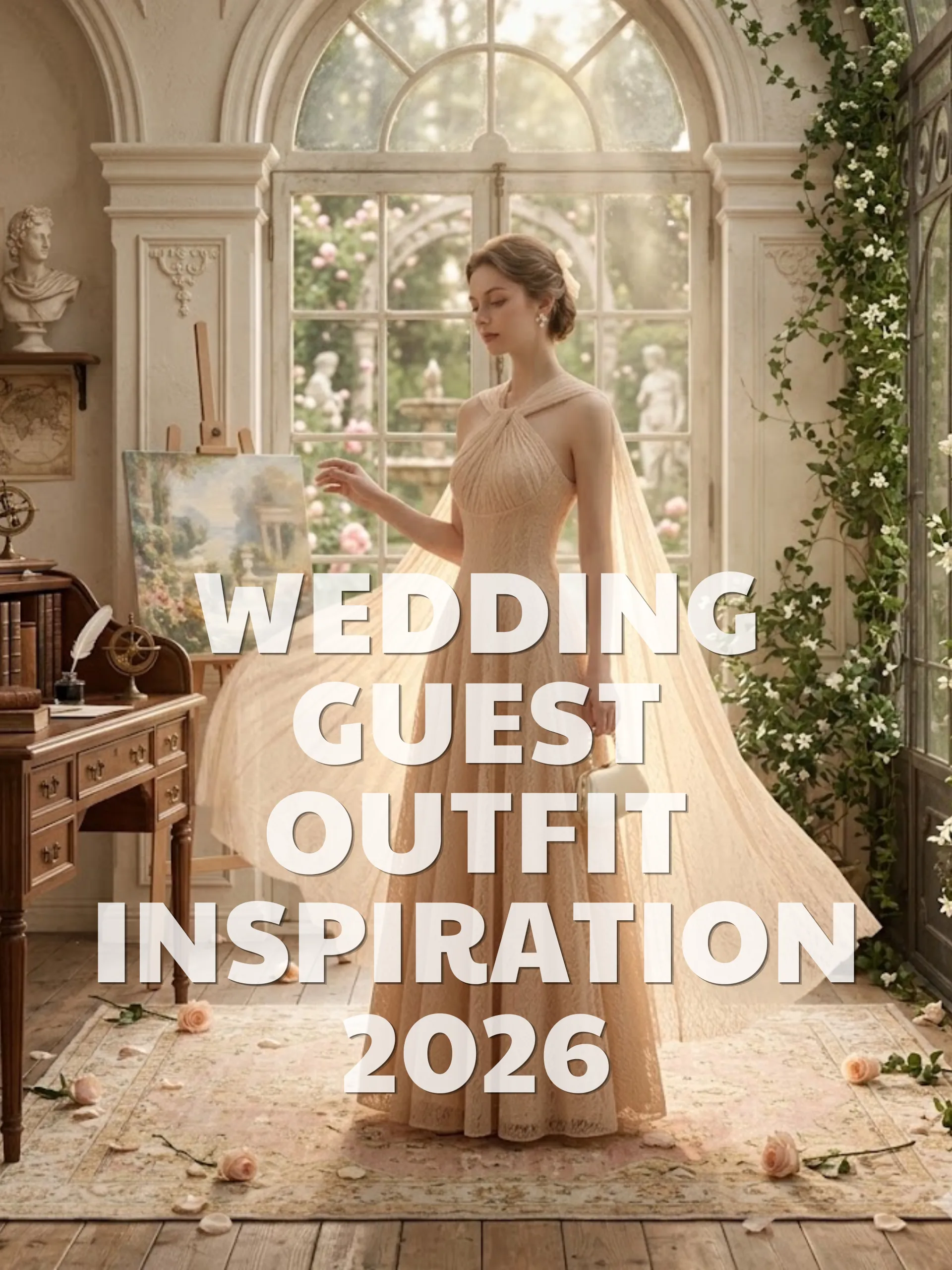
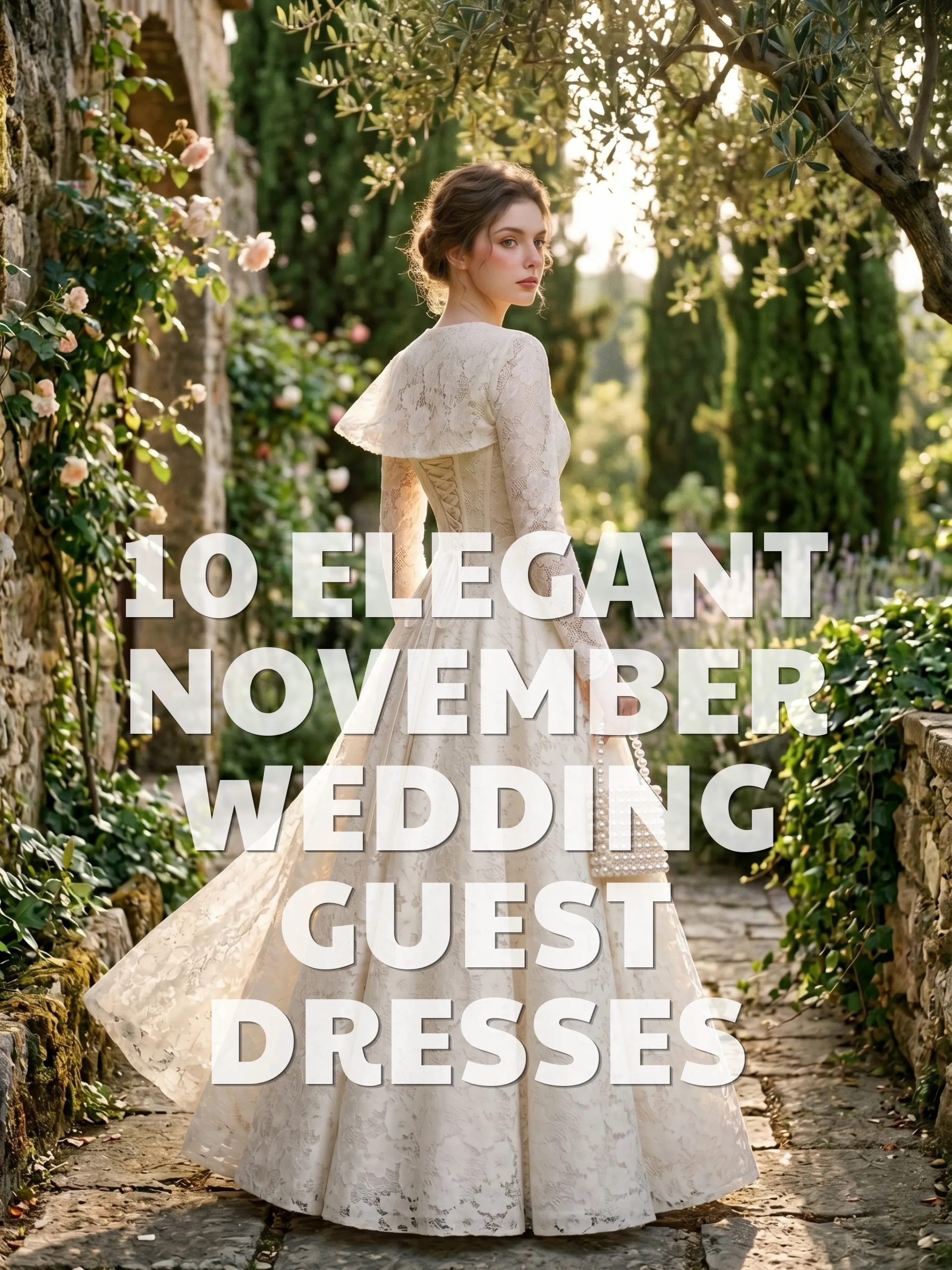
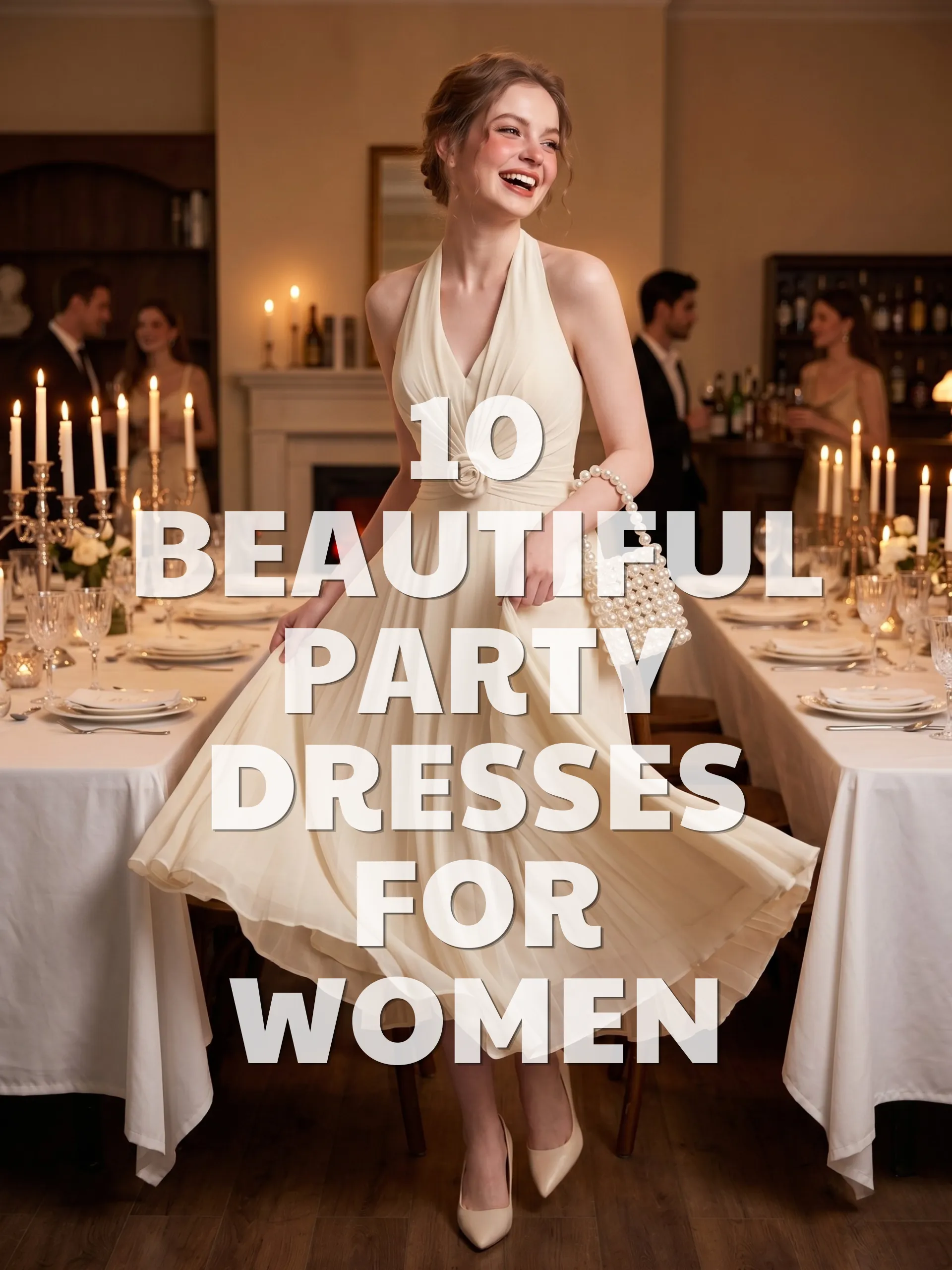
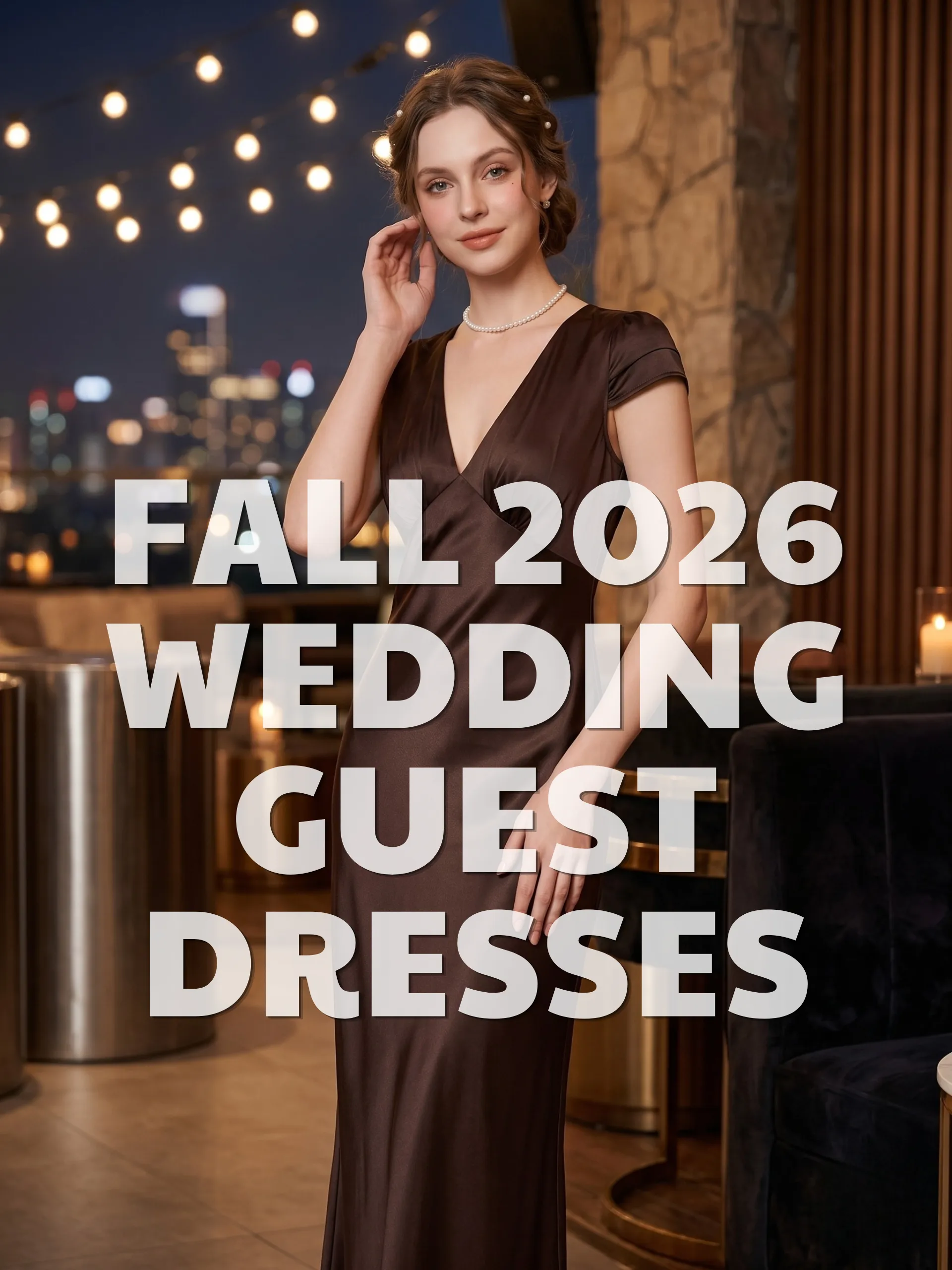
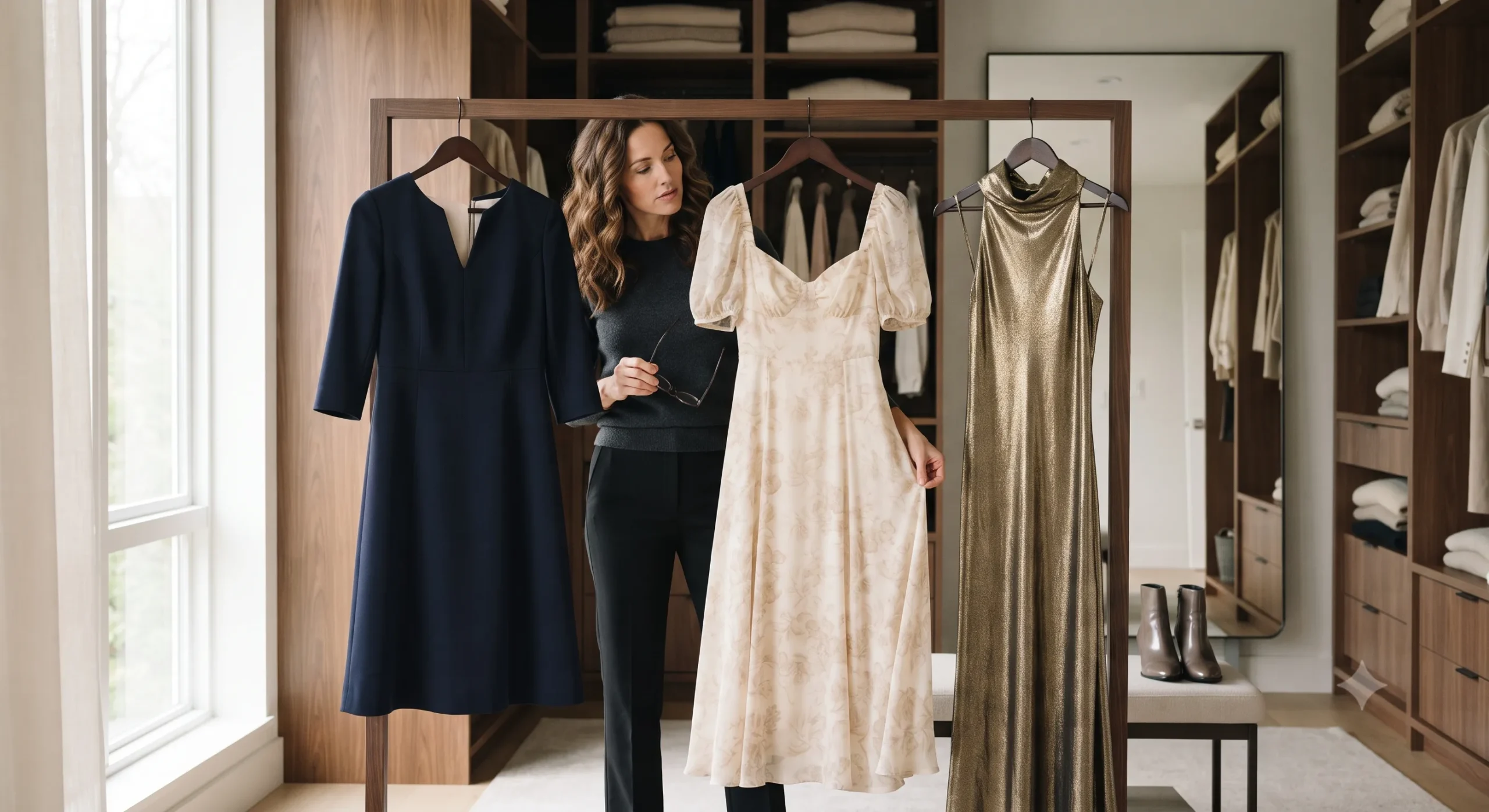
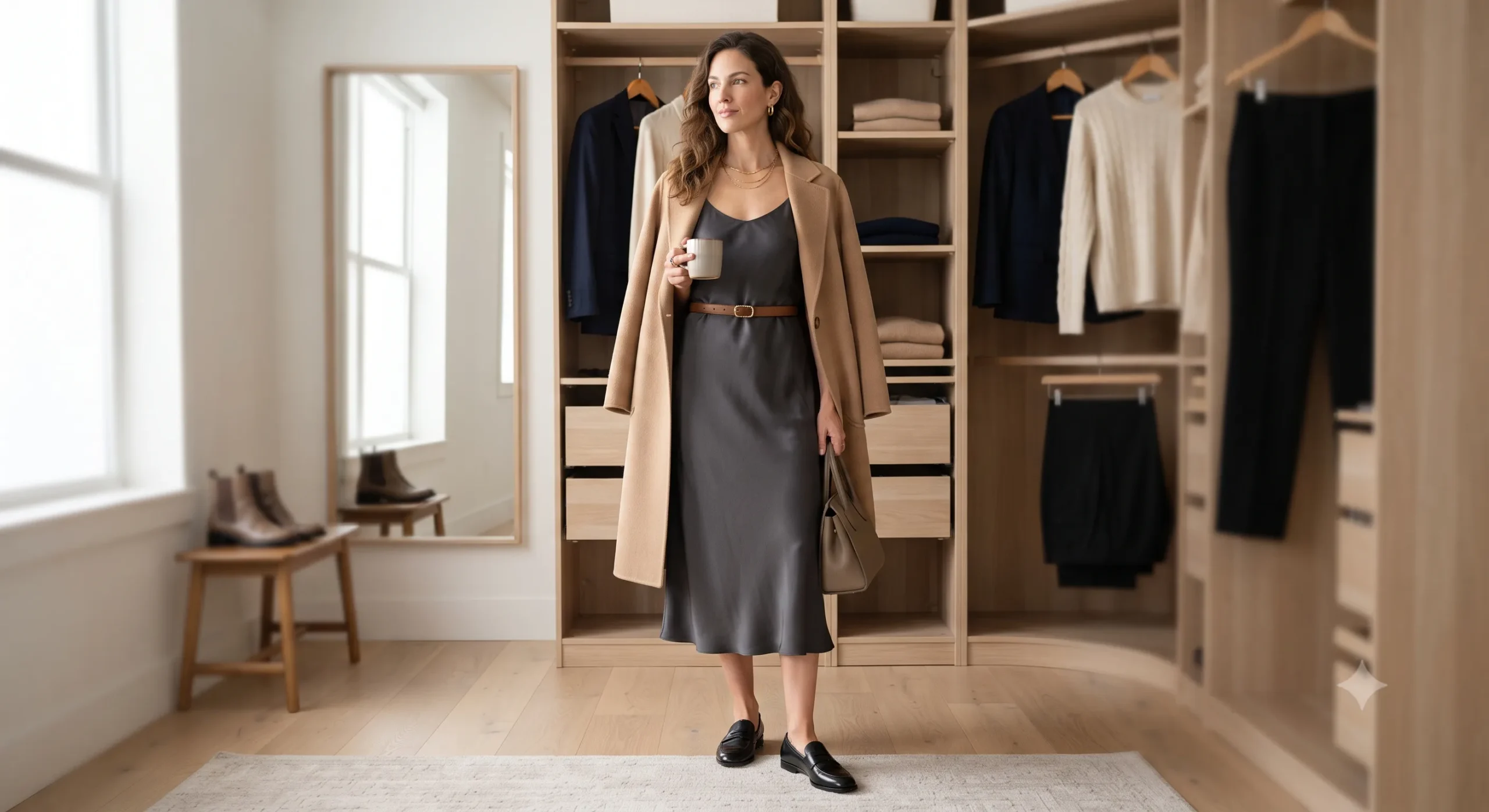
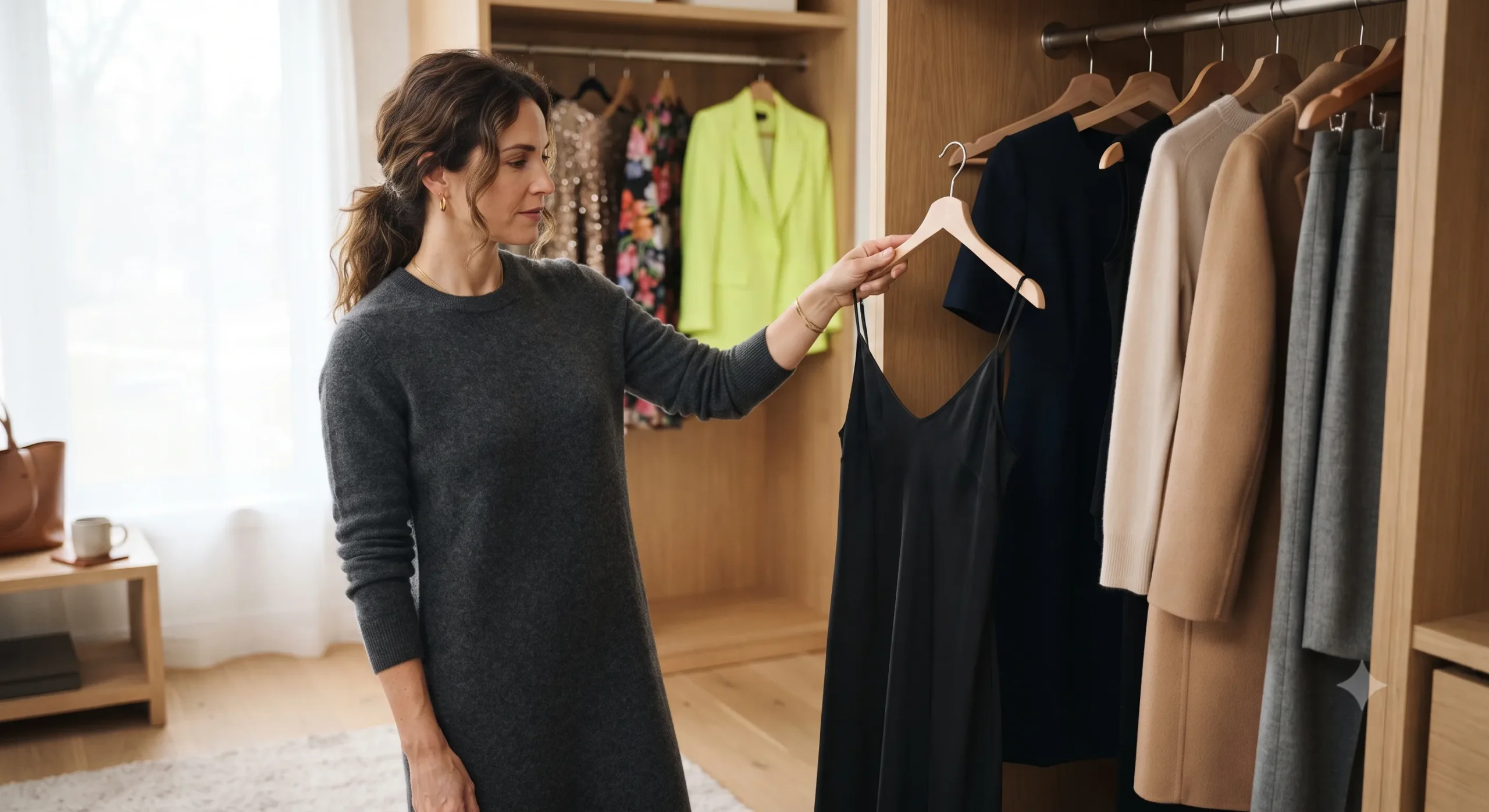
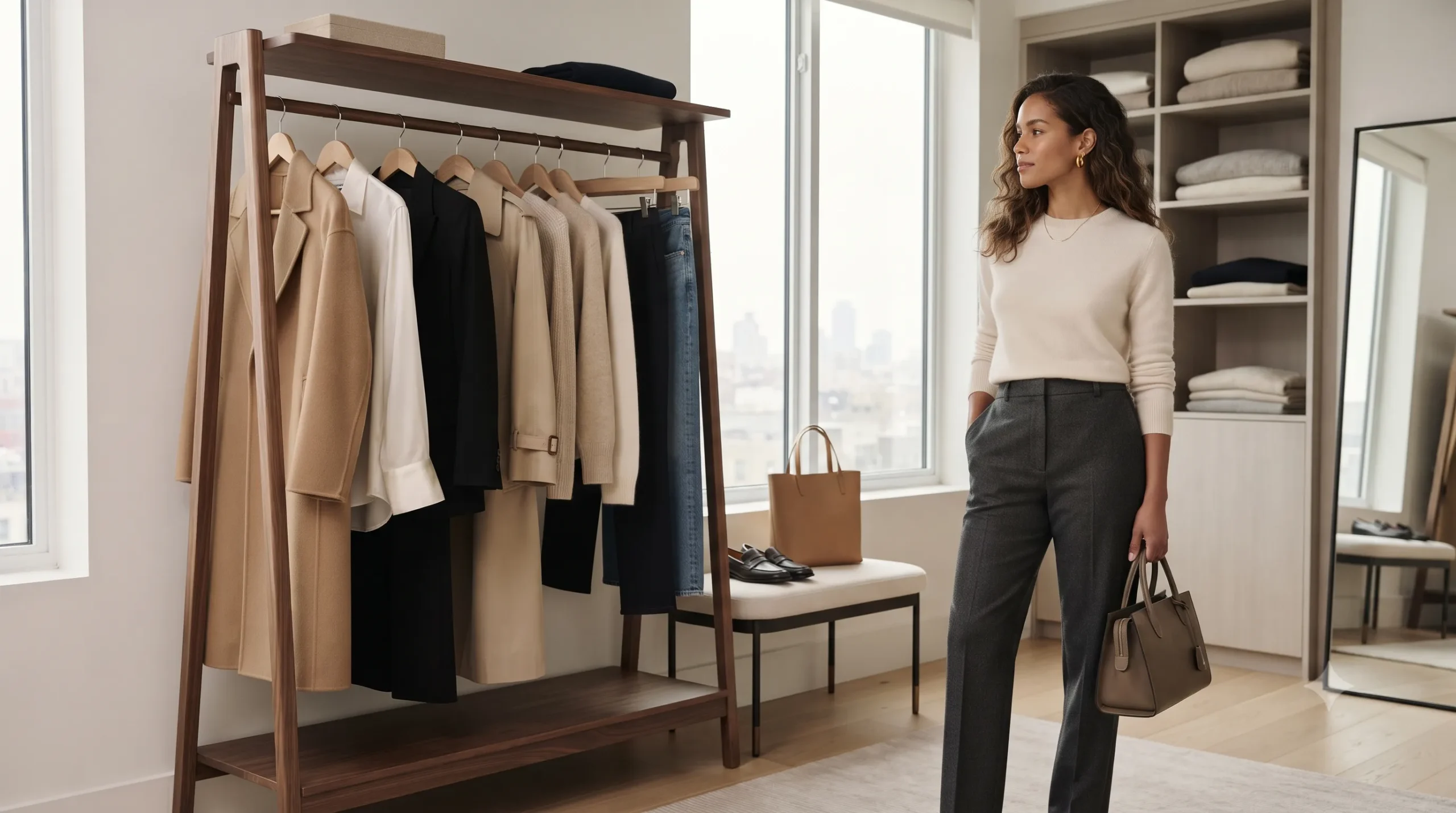
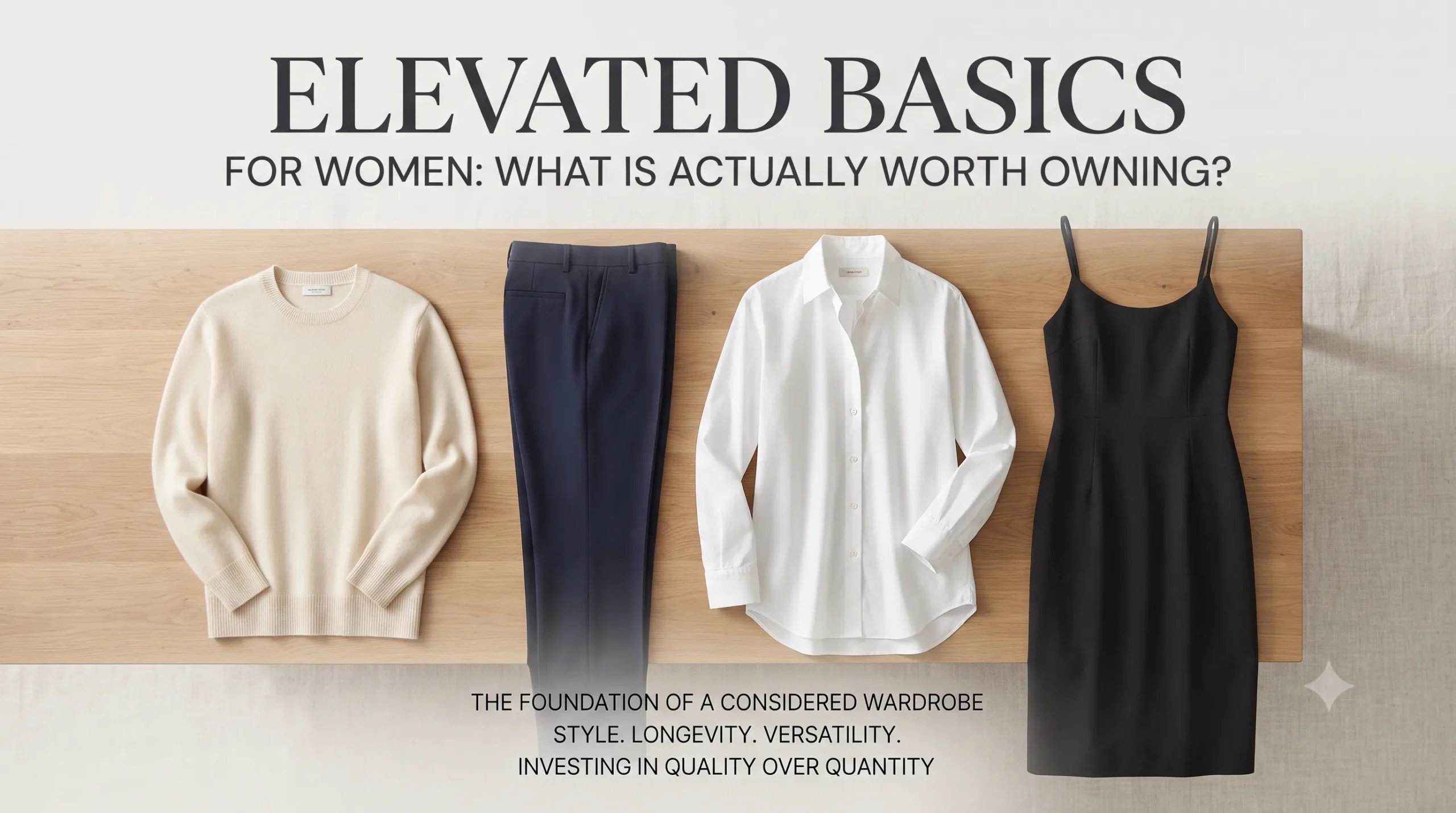
There is a specific kind of frustration that comes from standing in front of a full closet and feeling as though you have nothing to wear. Often, this feeling isn’t caused by a lack of clothing, but by a surplus of noise. We accumulate pieces that serve a single, fleeting moment—a specific trend, a loud logo, or a color that felt right in a shop window but feels exhausting in the light of a Tuesday morning. When our wardrobes are built on the transient, getting dressed becomes a chore of coordination rather than an act of self-expression.
The shift toward quiet luxury—often described as understated style or discreet polish—is, at its heart, a response to this exhaustion. It is a move away from the visual clamor of fast fashion and toward a more considered way of dressing. Quiet luxury is less about an exorbitant price tag and more about restraint, fit, fabric choice, and visual calm. It is the art of looking polished without appearing as though you are trying too hard.
For the modern woman, applying these principles to everyday life doesn’t mean dressing like a formal mannequin. Instead, it means finding a way to infuse daily routines—the morning coffee run, the mid-week office hours, the casual weekend brunch—with a sense of intentionality. It is about building an edited closet where every piece earns its place through its versatility and its ability to remain relevant across seasons.
Defining the Aesthetic: Beyond the Trend
To implement quiet luxury into an everyday wardrobe, one must first understand what it is not. It is not "minimalism" in the sense of stripping away personality to reach a sterile, colorless void. It is also not "luxury" in the traditional sense of heavy branding or conspicuous consumption.
True understated sophistication relies on several pillars:
- Tactile Quality: Because there are no loud logos to do the talking, the texture of the garment becomes the protagonist. The way a heavy cotton knit drapes, the matte finish of high-quality wool, or the subtle sheen of a well-constructed blouse provides the visual interest.
- Proportion and Silhouette: Quiet luxury favors graceful proportions. This might mean a slightly oversized blazer paired with slim-tapered trousers, or a flowing midi skirt balanced by a structured top. The goal is a silhouette that feels architectural yet comfortable.
- A Muted Palette: While color is not forbidden, the foundation of this style typically rests on neutrals—cream, camel, navy, charcoal, and olive. These shades allow for easy mixing and matching, ensuring that your clothes work together without effort.
- Attention to Detail: This refers to the "quiet" elements: a perfectly placed seam, a button made of natural horn rather than plastic, or a neckline that sits just right. These are details that are noticed by the wearer and those in close proximity, rather than shouted from across a room.
By focusing on these elements, you transition from chasing trends to cultivating a personal archive of pieces that feel as appropriate today as they will in five years.
The Foundations of an Everyday Polished Wardrobe
Building a wardrobe with purpose requires a shift in how we view "basics." In a fast-fashion mindset, a basic is a disposable item. In a quiet luxury framework, a basic is a cornerstone. To achieve everyday elegance, certain categories of clothing must be elevated.
The Structured Outerwear
A coat or blazer is often the first thing people notice. In an understated wardrobe, the outerwear should provide a sense of "soft structure." A well-tailored trench coat in a sand tone or a navy wool overcoat acts as a frame for the rest of your outfit. When you layer a structured piece over something softer, such as a knit sweater, you create a sophisticated tension between textures that looks inherently expensive.
The Elevated Knit
Knitwear is the ultimate tool for practical elegance. Instead of thin, synthetic blends that lose shape after three washes, look for weights and weaves that hold their form. A heavy cashmere crewneck or a fine-gauge merino turtleneck provides warmth and a sense of refined restraint. These pieces are essential for transitioning from a professional setting to a casual evening without feeling underdressed.
The Versatile Bottom
The "everyday" part of quiet luxury relies heavily on trousers and skirts that bridge the gap between formal and casual. A wide-leg trouser in a heavy crepe or wool blend can be worn with a crisp shirt for a meeting, or with a high-quality t-shirt and loafers for a weekend outing. The key is the drape; the fabric should move with you, not cling to you.
| Garment Type | Fast Fashion Approach | Quiet Luxury Approach |
|---|---|---|
| Blazer | Synthetic blend, shiny buttons, stiff structure. | Natural fibers (wool/linen), matte buttons, soft tailoring. |
| Trousers | Trend-driven cuts, thin fabric, prone to wrinkling. | Classic silhouettes, substantial weight, impeccable drape. |
| T-Shirts | Thin, prone to losing shape, visible logos. | Heavyweight cotton, opaque, clean neckline. |
| Knitwear | Acrylic/Polyester blends, pilling quickly. | Natural fibers (wool, cotton, cashmere), structural integrity. |
Practical Styling Scenarios
The true test of a thoughtful wardrobe is how easily it adapts to the unpredictable nature of a real life. Below are three scenarios demonstrating how to apply understated style to common daily situations.
Scenario 1: The Professional Mid-Week
The Goal: To project competence and calm without looking overly formal or rigid.
Avoid the "suit" trap if your environment allows for more flexibility. Instead, aim for a combination of soft textures and sharp lines.
- The Outfit: A pair of high-waisted, navy wool trousers paired with a cream-colored, fine-gauge knit top. Layer with a structured beige blazer.
- The Logic: The navy and cream provide a classic, high-contrast look that feels professional. The knitwear adds a touch of "polished softness," making the outfit approachable rather than intimidating.
- Footwear: A leather loafer or a pointed-toe flat in a neutral tone.
Scenario 2: The Elevated Weekend
The Goal: To feel comfortable and relaxed while maintaining a sense of intentionality.
Even on days meant for rest, your clothing can reflect a sense of personal standards. This is where "low-key elegance" shines.
- The Outfit: Straight-leg dark denim (free of distressing or heavy washing) paired with a crisp, oversized white button-down in a heavy cotton poplin. Add a lightweight sweater draped over the shoulders.
- The Logic: The heavy cotton and the layering of the sweater elevate the denim from "casual" to "considered." It is an outfit that feels effortless but looks deliberate.
- Footwear: A clean, minimalist leather sneaker or a suede Chelsea boot.
Scenario 3: The Transitional Evening
The Goal: To move from a day of errands or work into a dinner setting with ease.
The secret to evening elegance in a quiet wardrobe is often found in the interplay of light and fabric.
- The Outfit: A midi-length skirt in a heavy satin or a structured crepe, paired with a tucked-in turtleneck or a long-sleeved bodysuit.
- The Logic: The midi length is inherently graceful, and the single color palette (monochrome) creates a long, streamlined silhouette that is visually calming.
- Footwear: A low block heel or a refined ballet flat.
Avoiding the Common Pitfalls of Understated Dressing
When attempting to adopt a more refined style, it is easy to veer into extremes. There are several mistakes that can make an outfit feel either too stiff or accidentally sloppy.
1. Over-reliance on Black
While a black wardrobe is easy to manage, it can sometimes lack the depth required for true elegance. Relying solely on black can make an outfit look flat. To avoid this, incorporate "near-neutrals" like charcoal, chocolate brown, deep navy, or olive. These colors provide more visual texture and respond better to natural light.
2. Ignoring Fit and Tailoring
In the absence of logos, the way a garment fits becomes the primary indicator of its quality. An expensive-looking coat will look cheap if the shoulders are too wide or the sleeves are too long. Conversely, a mid-range piece that has been professionally tailored to your specific proportions will always look more luxurious than a high-end piece that fits poorly.
3. The "Minimalist" Mismatch
There is a difference between a thoughtful wardrobe and a lack of personality. Do not feel that you must abandon all color or pattern. A single, subtle pattern—such as a fine stripe or a small houndstooth—can add character to a quiet outfit. The key is restraint; the pattern should complement the silhouette, not compete with it.
4. Neglecting Fabric Care
Quiet luxury is an investment in longevity. If you wear high-quality natural fibers but fail to care for them, the "luxury" element quickly evaporates. Pilling on a sweater, wrinkles in a linen shirt, or scuffs on leather shoes break the illusion of polished elegance. Investing in a fabric shaver, a steamer, and proper storage is as much a part of your style as the clothes themselves.
A Framework for Conscious Purchasing
As you look to refine your closet, it is helpful to use a decision-making process that prioritizes long-term value over immediate gratification. Before purchasing a new piece, ask yourself these three questions:
- Can I style this in at least three different ways using items I already own? If a piece only works with one specific pair of shoes or one specific top, it is a trend-based item, not a wardrobe cornerstone.
- How does the fabric behave? Does it feel substantial? Does it have a predictable drape? Does it look like it will maintain its integrity after multiple wears?
- What is the cost-per-wear? A €300 wool sweater that you wear twice a week for three years is significantly more "economical" and valuable than a €40 polyester knit that loses its shape after three washes.
By applying these criteria, you move away from the cycle of constant acquisition and toward the satisfaction of a truly edited closet—one where you know that everything you own is a reflection of your taste and a partner in your daily life.
Conclusion
Embracing an understated style is not about following a set of rigid rules or adhering to an elitist standard of dress. Rather, it is a way of reclaiming your relationship with fashion. It is an acknowledgement that your time and your energy are better spent on pieces that offer emotional longevity and practical utility.
When you choose clothes characterized by refined restraint and graceful proportions, you are making a choice for yourself. You are choosing a sense of calm in a loud world. You are choosing to let your presence be defined by your character and your movements, rather than the brand emblazoned on your chest. In the end, true elegance is not something you put on; it is the quiet confidence that arises when you feel entirely at home in what you are wearing.