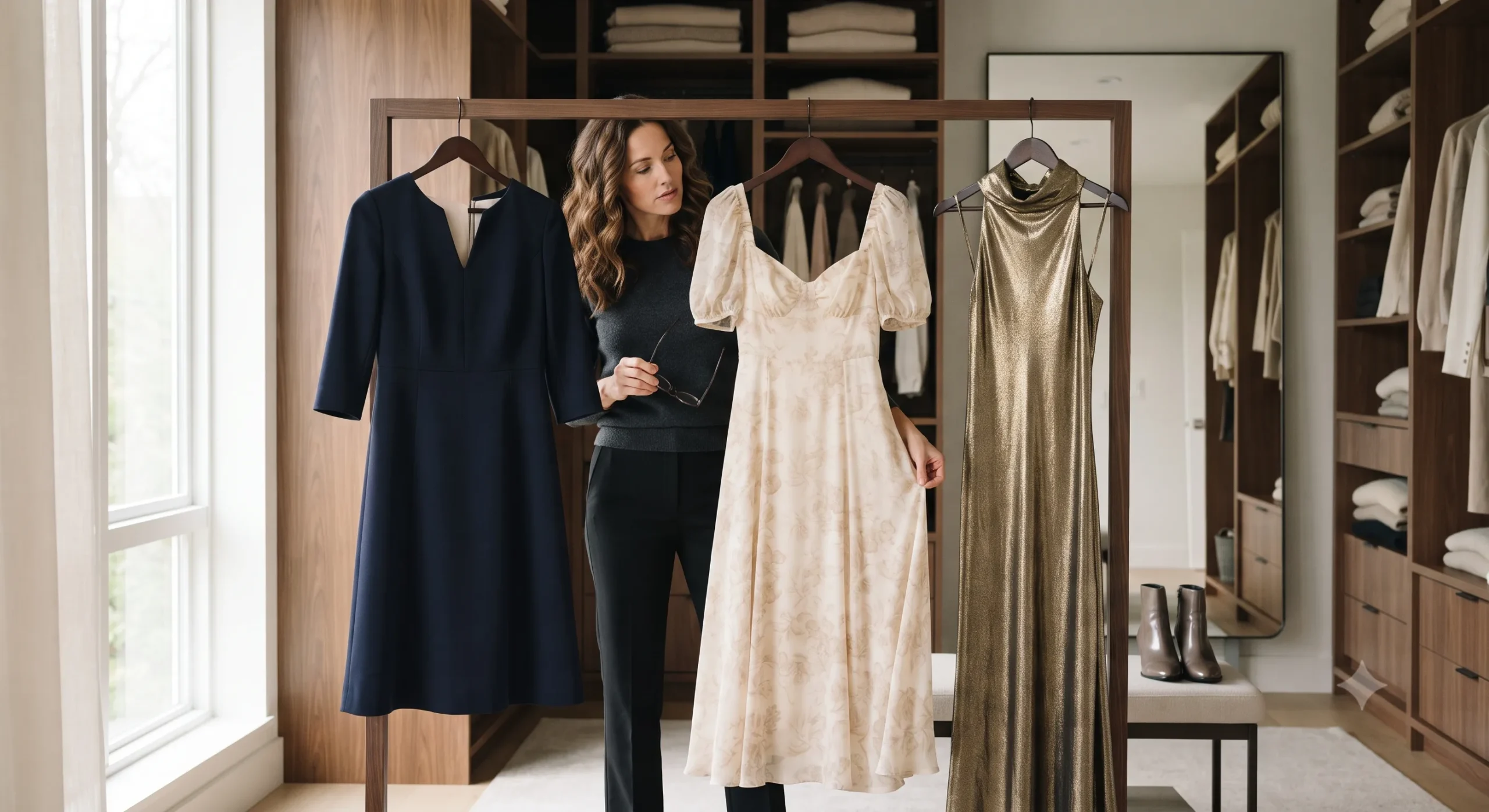
There is a specific kind of quiet frustration that comes from standing before a closet packed with clothes, only to feel as though you have absolutely nothing to wear. It is a common modern dilemma: a wardrobe filled with garments that felt right in the moment of purchase—perhaps a piece driven by a fleeting trend or a sudden impulse—but which fail to speak to one another in the light of a Tuesday morning. We often mistake quantity for variety, yet a large volume of disconnected items usually results in aesthetic clutter rather than a sense of style.
Looking put together is not a function of how much you own, but of how well your pieces communicate with each other. It is the difference between a collection of clothes and a cohesive wardrobe. To achieve a polished appearance with fewer items, one must shift the focus from acquisition to curation. This requires moving away from the cycle of disposable fashion and toward a more intentional way of dressing—one that prioritizes fit, fabric, and the way a garment integrates into the reality of your daily life.
The Architecture of a Cohesive Wardrobe
To look polished with a limited selection, you must first understand that a wardrobe functions like an ecosystem. Every piece should ideally serve more than one purpose. When we buy for a “fantasy self”—that version of us who attends endless galas or spends every weekend at art galleries—we often neglect the pieces that work for our actual lives. A cohesive wardrobe is built on the principle of interoperability.
A common mistake is buying “stand-alone” pieces. These are garments that look striking on a mannequin or in a social media post but possess no natural partners in your current closet. A highly patterned skirt that can only be worn with one specific top, or a neon blazer that clashes with everything else you own, creates a “dead end” in your styling options. Instead, look for pieces that act as bridges.
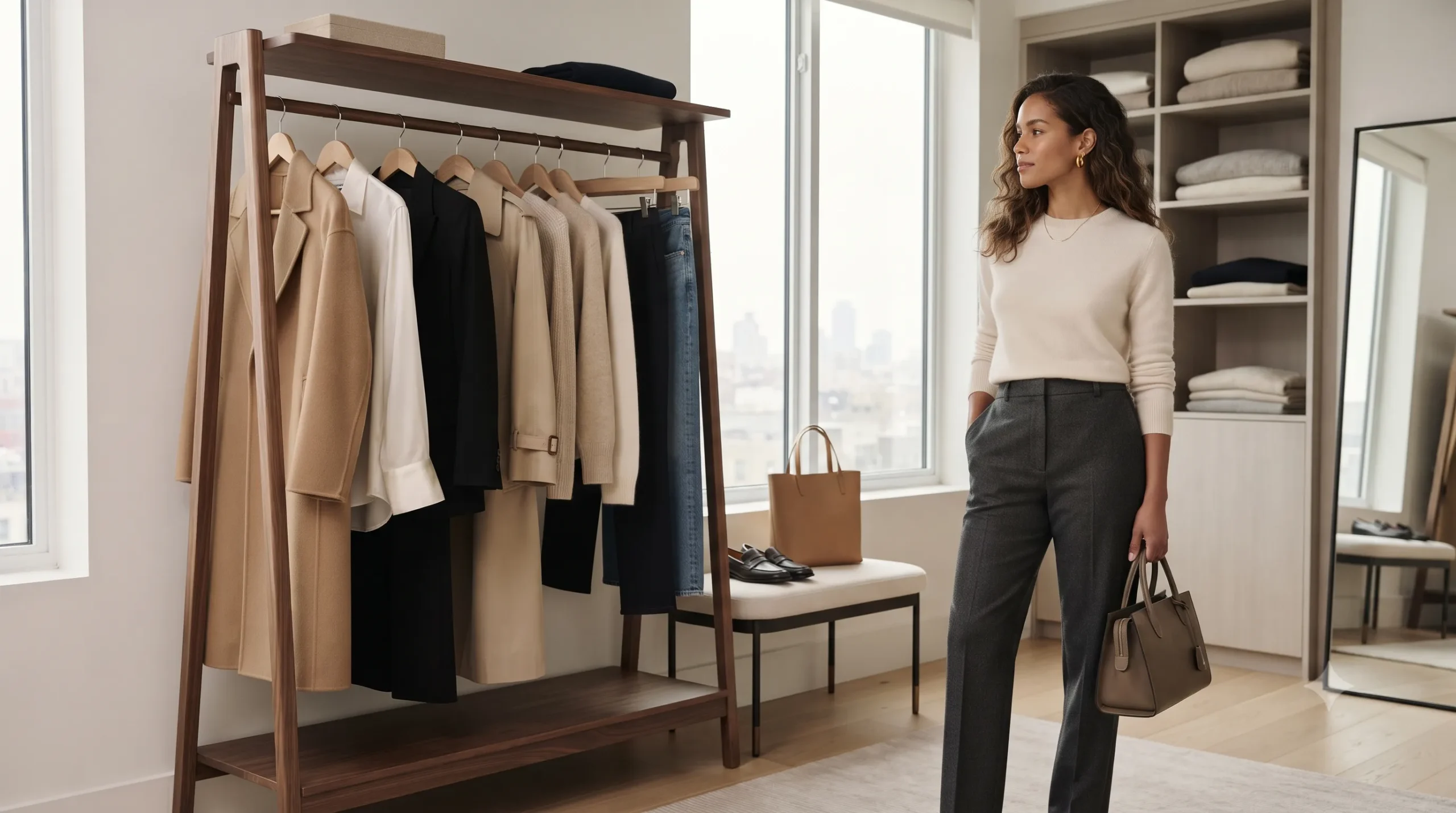
A timeless wardrobe is built around pieces that can be worn repeatedly across different occasions. This might mean a well-tailored trouser that works with a crisp button-down for a professional setting, but can be softened with a lightweight knit for a weekend brunch. When you prioritize neutral foundations and subtle textures, you increase the mathematical probability of any two items in your closet working together.
Defining the Core Elements of Polish
If you want to reduce your clothing count without sacrificing your sense of style, you must master the following three pillars:
- Proportion and Silhouette: A polished look often relies on the balance between volumes. If you are wearing a wider-leg trouser, a more fitted top helps define your frame. If you are wearing an oversized knit, a slimmer bottom prevents the silhouette from looking shapeless.
- Fabric Integrity: In a smaller wardrobe, the quality of your materials becomes much more visible. Because you are wearing your clothes more frequently, the way a fabric drapes and holds its shape matters immensely. Natural fibers and well-constructed seams provide a level of visual calm that synthetic, fast-fashion alternatives often lack.
- Color Cohesion: You do not need to wear only black and white to have a cohesive wardrobe, but you do need a color story. A palette consisting of a few base neutrals (such as navy, cream, or charcoal) supplemented by a couple of complementary accent colors makes getting dressed intuitive rather than a chore.
The Logic of Cost-Per-Wear
When we move toward a more curated way of dressing, we often encounter the tension between price and value. It is tempting to view a higher price tag as a barrier, but viewing clothing through the lens of “cost-per-wear” changes the decision-making process entirely.
Cost-per-wear is a simple way to compare the long-term value of a garment against how often it will realistically be used. A $200 sweater that you wear twice a week for three years has a significantly lower cost-per-wear than a $40 trendy top that loses its shape after three washes and is relegated to the back of the closet.
When you own fewer pieces, each piece must “earn” its place. Before adding something new to your collection, ask yourself: Can I style this in at least three different ways using what I already own? Does this fit into my current lifestyle, or am I buying it for a version of myself that doesn’t exist? This mental filter helps prevent the accumulation of aesthetic clutter and ensures that every item in your closet is a functional tool for expression.
| Feature | Trend-Driven Buying | Thoughtful Curation |
|---|---|---|
| Primary Goal | Immediate novelty | Long-term utility |
| Wardrobe Impact | Increases clutter/complexity | Increases versatility/simplicity |
| Visual Result | Disconnected, “noisy” outfits | Cohesive, polished silhouettes |
| Financial Logic | Low upfront cost, high frequency | Higher upfront cost, low cost-per-wear |
| Decision Driver | Impulse and micro-trends | Fit, fabric, and lifestyle fit |
Strategic Styling: How to Build Outfits
Looking put together is often an exercise in restraint. Many people attempt to compensate for a lack of pieces by adding more accessories or louder patterns, but this can often lead to an over-styled, frantic appearance. True polish often lies in the details of how a garment sits on the body and how textures are layered.
The Power of Layering
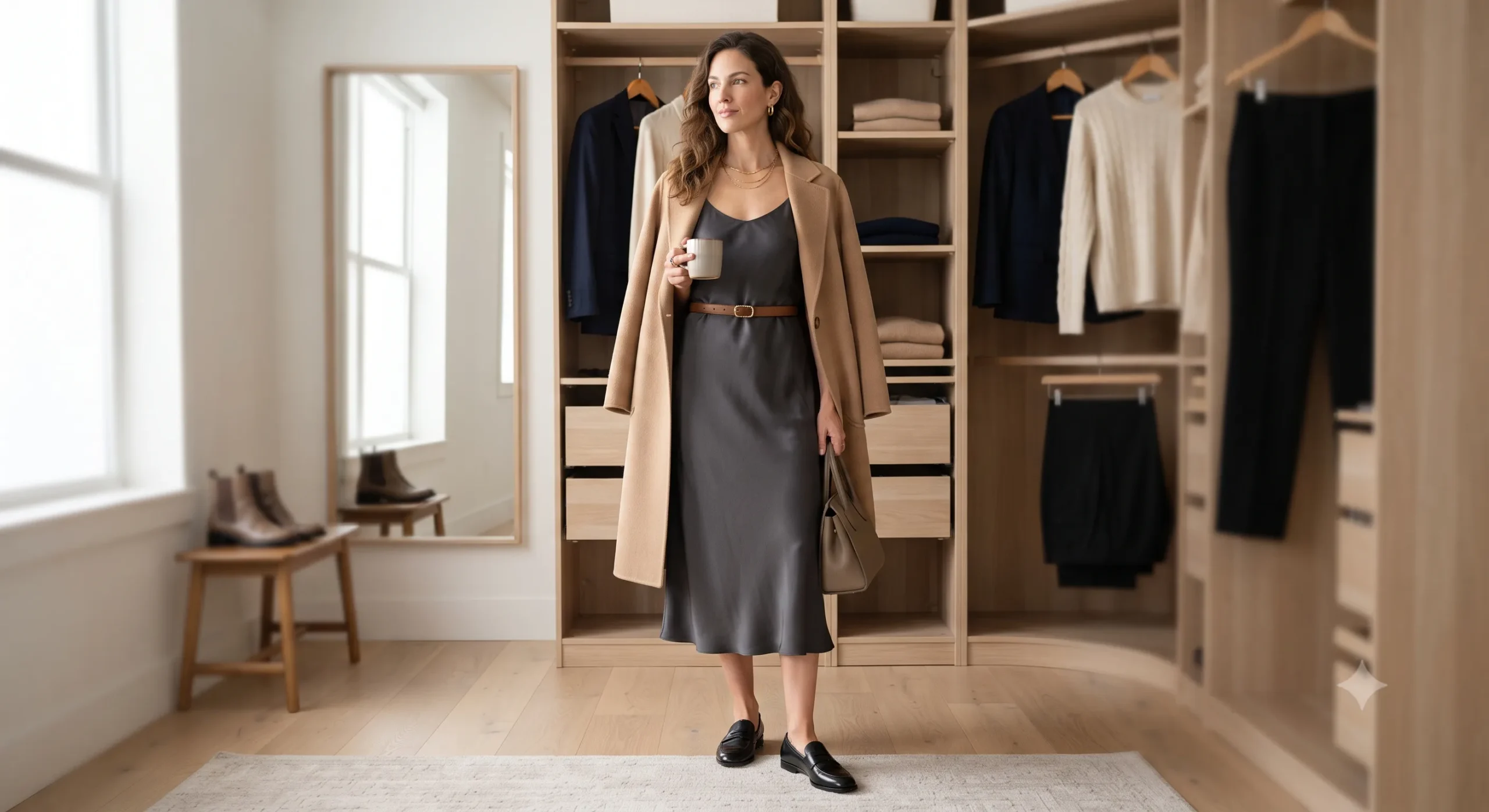
Layering is the most effective way to make a small wardrobe feel expansive. A single slip dress can serve as a summer staple on its own, but by adding a structured blazer or a soft cardigan, it transforms into a sophisticated ensemble suitable for cooler weather or a more formal setting. Layering also allows you to play with texture—pairing a smooth knit with a slightly structured wool or a crisp cotton—which adds visual depth without requiring new colors or loud prints.
Achieving “Quiet Luxury” Through Texture
While the term is often used loosely, in a practical wardrobe sense, quiet luxury is less about price and more about restraint, fit, fabric choice, and visual calm. It is an aesthetic that relies on the quality of the material to do the talking. When you have fewer pieces, the tactile nature of your clothing becomes a central part of your style. A well-made coat with a substantial weight or a blouse with a beautiful drape communicates a sense of being “put together” more effectively than a garment covered in logos.
The Importance of Tailoring
One of the most overlooked secrets to looking polished is the fit. Even an expensive garment will look unkempt if it pulls at the chest, bunches at the waist, or is too long in the sleeve. Because a minimal wardrobe relies on a few high-quality items, investing in a tailor is perhaps the most cost-effective way to elevate your entire look. Taking in the waist of a blazer or shortening the hem of a trouser ensures that the garment looks as though it was made specifically for you, which is the hallmark of a refined aesthetic.
Common Mistakes in Minimalist Dressing
Transitioning to a smaller, more intentional wardrobe is not without its pitfalls. Many women fall into certain traps that actually make them feel less prepared for their day.
- The “Uniform” Trap: There is a fine line between having a signature style and having a wardrobe that feels stagnant or boring. While consistency is good, ensure your pieces still allow for personal expression. If your wardrobe is entirely composed of the same grey sweater and black trousers, you may find yourself feeling uninspired.
- Neglecting the “In-Between” Pieces: Often, people focus on the “hero” pieces—the beautiful coats or the statement dresses—but neglect the essential middle layers. A wardrobe needs high-quality basics (the “connectors”) to bridge the gap between a formal dress and a casual trouser. Without these, you will find yourself with many beautiful items but no way to wear them together.
- Ignoring Seasonal Transitions: A common mistake is having a wardrobe that is heavily weighted toward either summer or winter. To look put together year-round with fewer pieces, prioritize mid-weight fabrics that can be layered up or down as the temperature shifts.
A Practical Framework for Wardrobe Editing
If you are feeling overwhelmed by your current collection, do not attempt to overhaul everything in a single afternoon. Instead, approach it with a sense of calm and clarity. Use the following checklist to evaluate your pieces:
- The Versatility Test: Can this item be worn in at least two different settings (e.g., work and weekend)?
- The Fabric Check: Does the material still look and feel high-quality? Does it hold its shape when worn?
- The Reality Check: Does this garment align with my actual daily activities, or am I holding onto it for a “fantasy” version of my life?
- The Condition Review: Does it need repair, steaming, or professional cleaning to look its best?
By removing the pieces that no longer serve you, you create the “negative space” necessary for your true style to emerge. You will find that the remaining items—the ones that actually fit well and work together—become much easier to navigate.
Moving Toward a More Considered Style
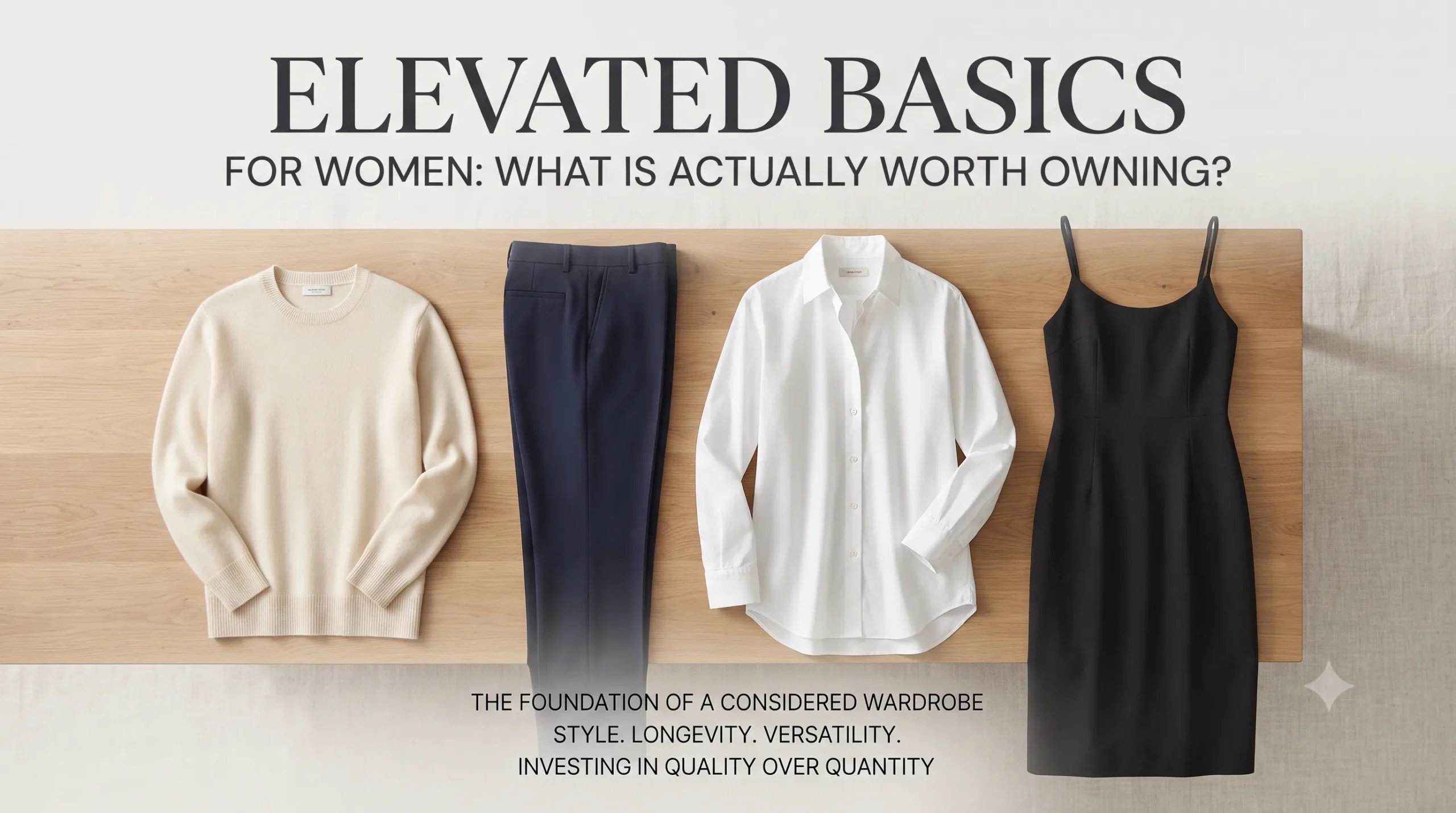
The journey toward looking put together with fewer pieces is ultimately a journey toward more intentional living. It is a rejection of the “more is more” philosophy in favor of a more thoughtful, refined approach to self-expression. When you stop chasing every micro-trend and start investing in clothes that reflect your real life and your sense of beauty, you gain something far more valuable than a full closet: you gain confidence.
A refined wardrobe does not shout; it speaks through the drape of a sleeve, the subtle sheen of a well-chosen fabric, and the effortless way a woman moves in clothes that truly belong to her. By choosing fewer, better pieces, you are not limiting your options—you are expanding your ability to show up in the world with clarity, poise, and a sense of enduring style.