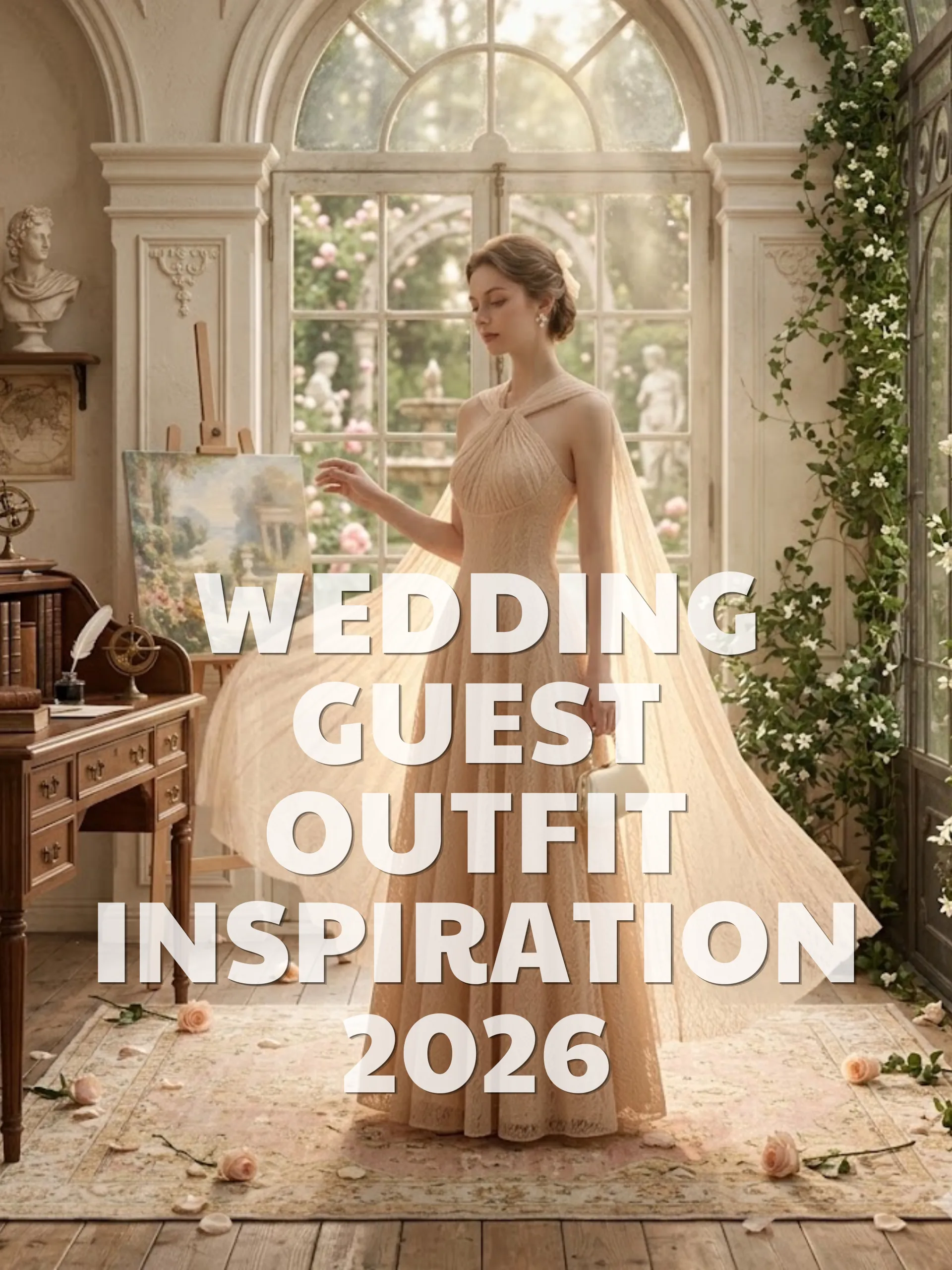
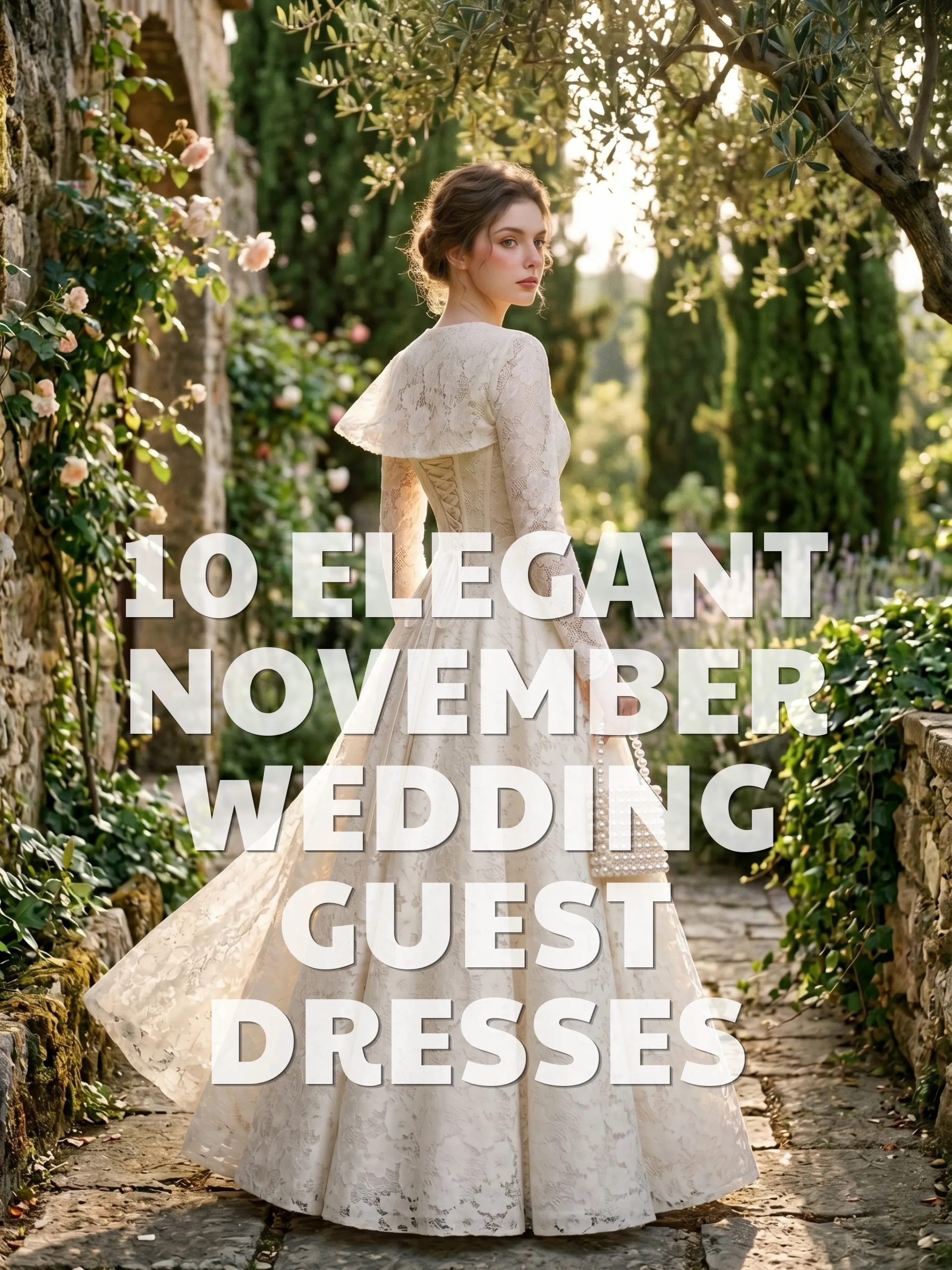
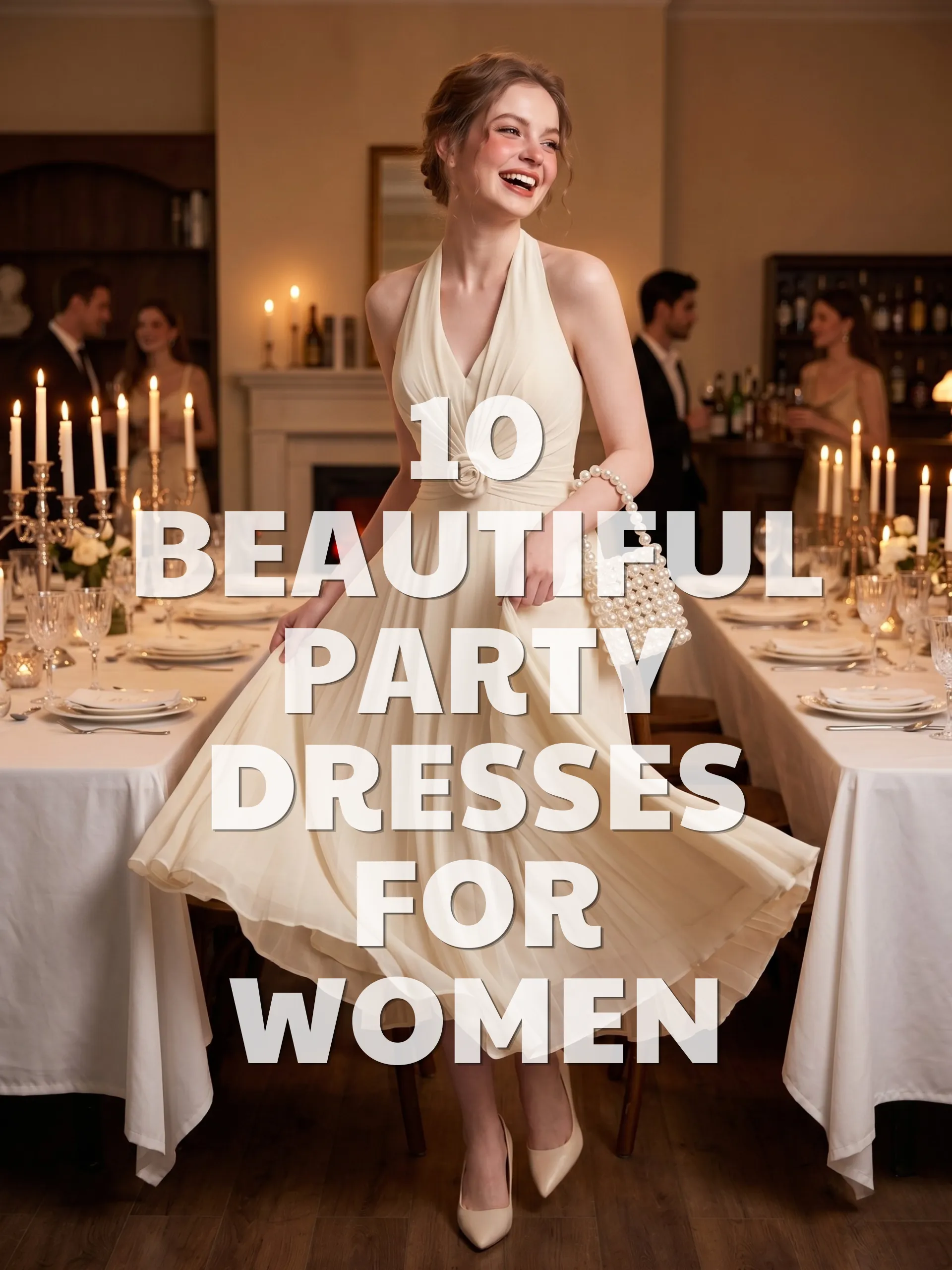
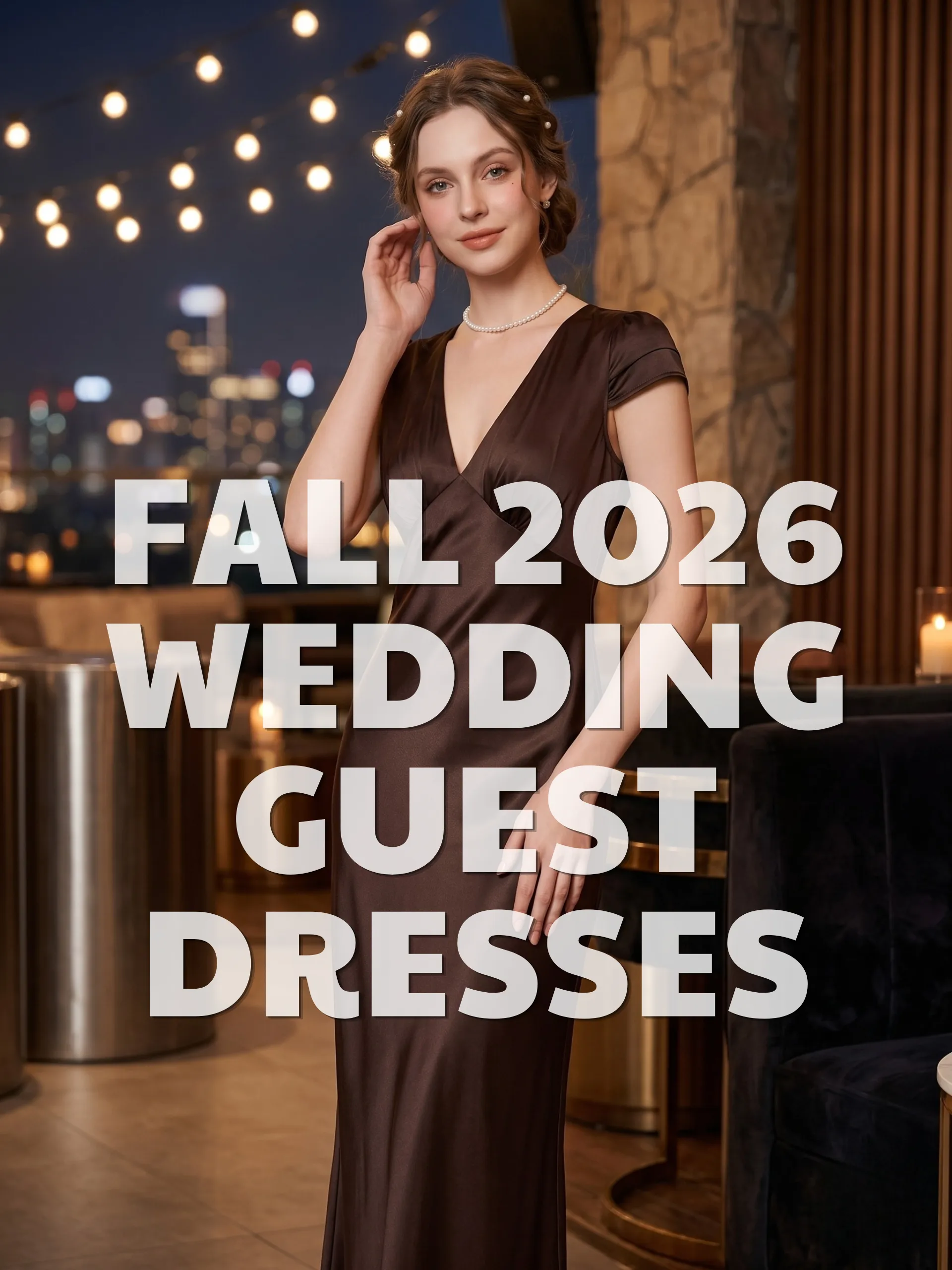
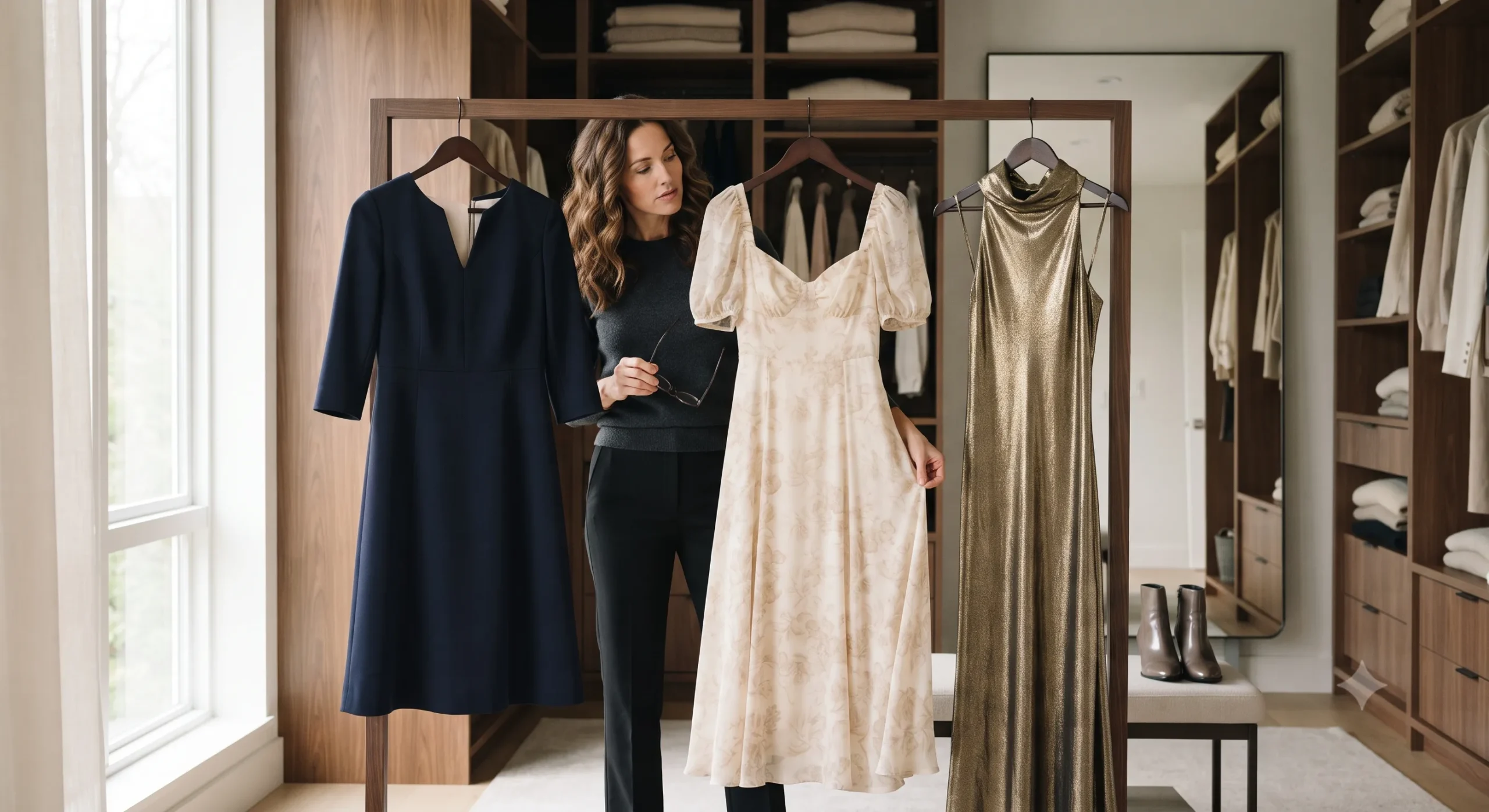
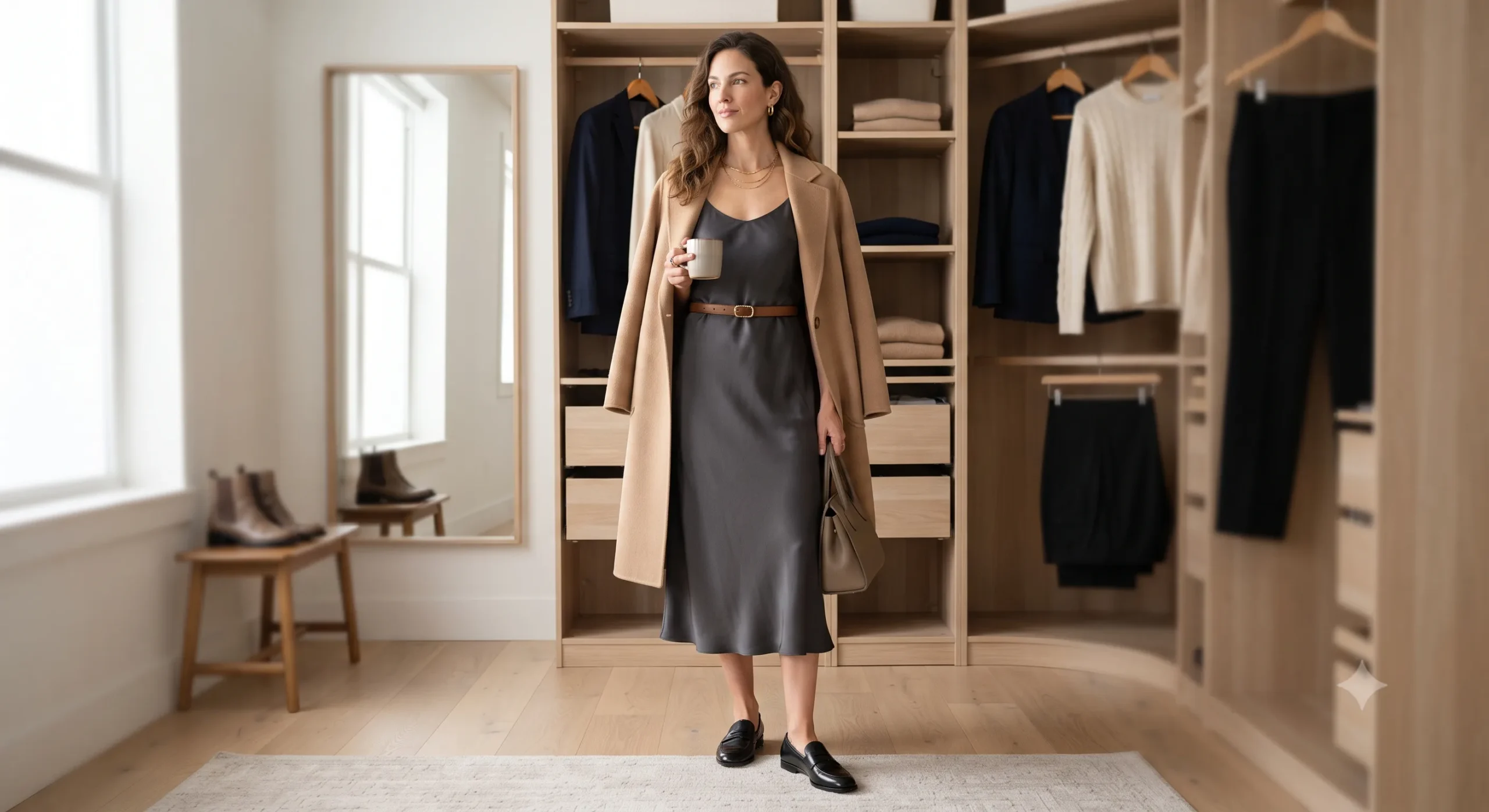
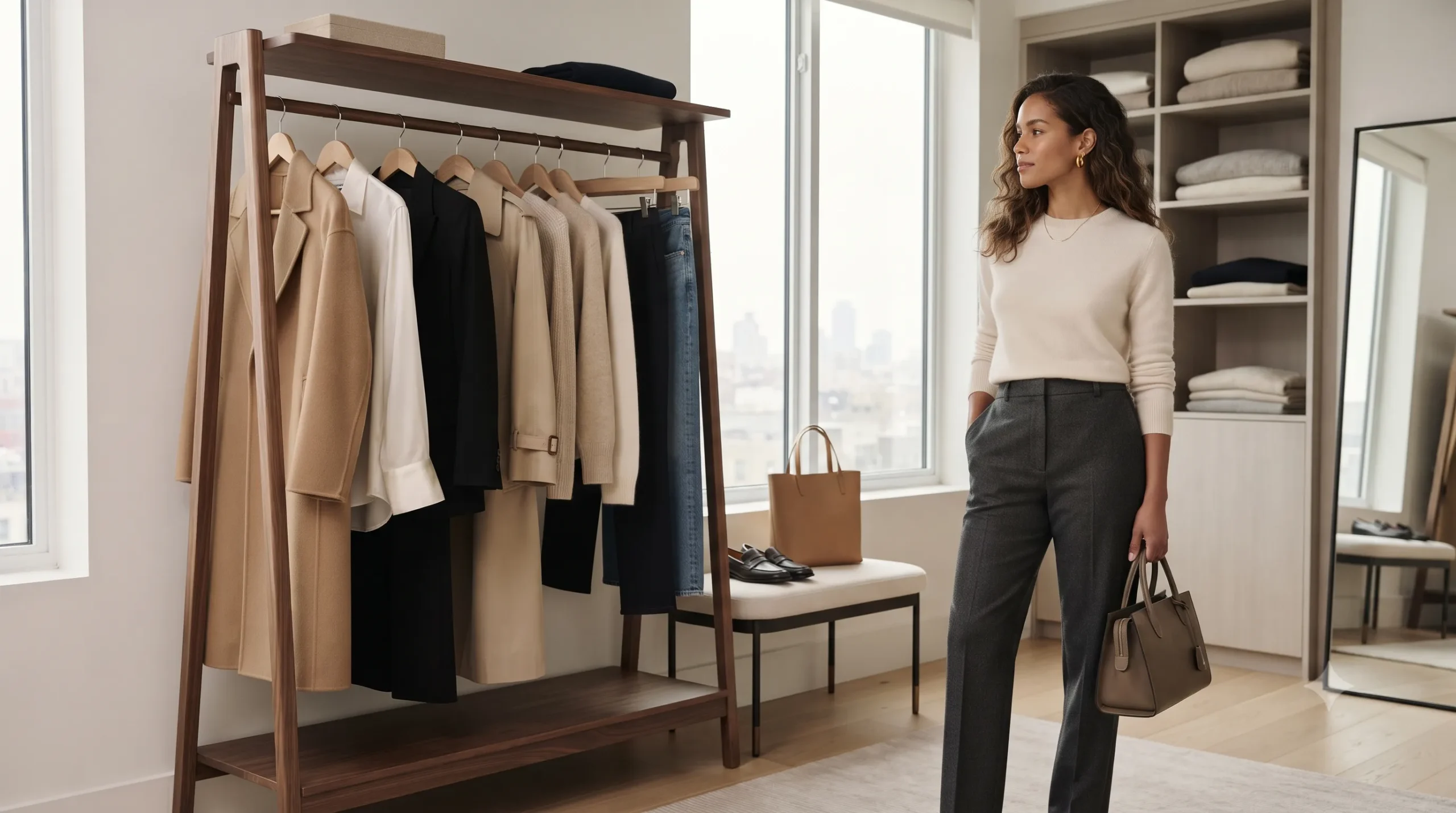
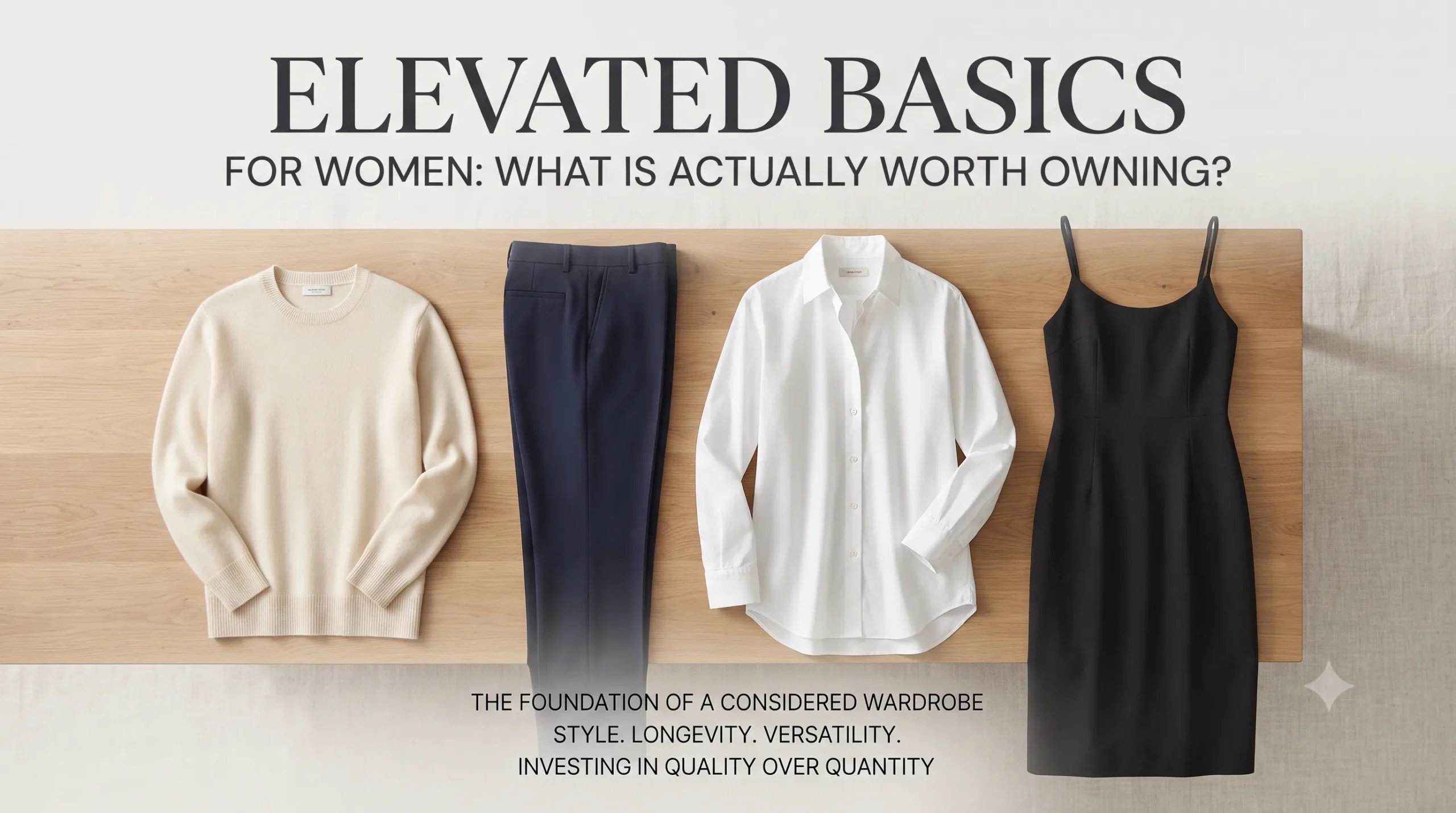
There is a specific, quiet frustration that comes with standing before a closet full of clothes on a Tuesday morning, only to feel as though you have nothing to wear. It is rarely a lack of options; rather, it is a lack of coherence. You might own a stunning cocktail dress that looks spectacular on a hanger, or a high-trend blazer that appeared everywhere on social media last month, yet when you put them on, they feel disconnected from your actual life. They feel like costumes rather than clothes.
We have all experienced the disconnect between the "online version" of a garment and its real-world performance. A piece might look sculptural and effortless in a curated editorial photograph, but in the context of a long lunch, a commute, or a sudden change in temperature, it becomes a source of discomfort or visual clutter. Choosing clothes that look refined in real life requires moving away from the impulse to buy for a fantasy self—the version of you that attends endless galas or lives a purely minimalist, sterile life—and moving toward a wardrobe that honors the texture, movement, and reality of your daily existence.
Refinement is not about the price tag or the presence of a logo. It is an exercise in restraint, a mastery of proportion, and a deep understanding of how fabric behaves when it meets human movement.
The Difference Between Trend-Driven and Refined Dressing
To understand how to dress with more clarity, we must first distinguish between chasing a trend and cultivating a refined aesthetic. Trend-driven dressing is often reactive. It responds to the rapid cycle of micro-trends that dominate digital feeds, prioritizing the "new" over the "lasting." While trends can be fun, they often result in a wardrobe of "one-hit wonders"—pieces that feel dated within six months and offer little utility for the rest of the season.
Refined dressing, conversely, is proactive. It is a way of engaging with fashion that prioritizes visual calm and long-term value. When we speak of quiet luxury or a modern romantic aesthetic, we are describing a preference for pieces that possess a certain structural integrity and tonal harmony.
A refined wardrobe relies on several key pillars:
- Material Integrity: Choosing fabrics that hold their shape or drape with intention, rather than those that cling or lose structure after a single wear.
- Color Cohesion: Building a palette that allows for easy mixing and matching, reducing the mental load of getting dressed.
- Subtle Detail: Focusing on the quality of a seam, the weight of a button, or the curve of a neckline rather than a loud brand name.
- Contextual Awareness: Selecting pieces that transition gracefully between the different roles we play—from professional to social to relaxed.
The Architecture of a Refined Silhouette
One of the most common reasons a garment fails to look "expensive" or "polished" in real life is a misunderstanding of proportion. A refined look often relies on the balance between volume and structure. If every piece in an outfit is oversized, the wearer can appear swallowed by the fabric; if every piece is skin-tight, the look can feel frantic rather than composed.
The Rule of Proportions
A helpful way to approach this is through the concept of counterbalancing. If you are wearing a wide-leg trouser with a generous drape, consider pairing it with a more structured or fitted top. Conversely, if you are wearing a voluminous, romantic blouse with puff sleeves, a more streamlined skirt or tailored pant will ground the outfit and prevent it from feeling overwhelming.
The Role of Fabric Weight
In real life, how a garment hangs is dictated by its weight. A lightweight chiffon may look beautiful in a still photo, but in a breeze or during movement, it can lack the "presence" required for a polished look. For a more refined appearance, look for fabrics that have a certain "memory"—materials that settle into place. A medium-weight crepe, a structured cotton poplin, or a soft wool blend provides a sense of intentionality that thinner, cheaper synthetics often lack.
Understanding the "Break" and the "Hem"
Nothing disrupts a refined silhouette faster than incorrect lengths. A hem that is too long can look sloppy, while one that is too short can feel unintentional. When choosing trousers, consider the "break"—the fold of fabric where the pant meets the shoe. A slight break suggests a relaxed elegance, while a clean, no-break hem feels modern and sharp. This attention to detail is what separates a wardrobe that looks "put together" from one that simply looks "clothed."
Decision Logic: The Cost-Per-Wear Framework
When we aim for a refined wardrobe, we often encounter the temptation to skip over higher-quality pieces in favor of cheaper, more frequent purchases. However, the most effective way to evaluate a garment’s value is through the lens of cost-per-wear.
A $300 dress that you wear once for a specific wedding has a cost-per-wear of $300. A $150 dress that you wear twenty times throughout the year—to dinners, weekend brunches, and office meetings—has a cost-per-wear of only $7.50.
To apply this logic to your shopping, ask yourself these three questions before making a purchase:
- The Rule of Three: Can I think of three distinct ways to style this piece using items I already own? If the answer is no, the piece is a "specialty" item that may end up sitting idle.
- The Occasion Audit: Does this piece serve a real-life occasion in my calendar, or am I buying it for a version of myself that doesn’t actually exist?
- The Texture Test: Does this fabric look as good in natural light as it does under the harsh lights of a dressing room or on a screen?
| Feature | Trend-Focused Piece | Refined/Timeless Piece |
|---|---|---|
| Primary Driver | Current social media aesthetic | Personal style and longevity |
| Fabric Quality | Often synthetic/thin for low cost | Natural fibers or high-quality blends |
| Versatility | Low (works for one specific "look") | High (works across various settings) |
| Visual Impact | Loud, logo-heavy, or high-contrast | Subtle, textural, and tonal |
| Longevity | 1–2 seasons | Many years |
Avoiding Common Wardrobe Pitfalls
Even with the best intentions, it is easy to fall into patterns that lead to "aesthetic clutter"—a closet full of clothes that feel loud, mismatched, or difficult to wear. Recognizing these mistakes is the first step toward building a more coherent style.
Mistake 1: Buying for the "Fantasy Self"
We often shop for the person we wish we were: the woman who hosts elaborate garden parties every weekend or the professional who never has a hair out of place. While aspirational, these purchases often fail in real life because they don’t account for our actual movements, our comfort levels, or our daily routines. A refined wardrobe is built for the woman you are—someone who needs to move, sit, travel, and live comfortably while still feeling elegant.
Mistake 2: Overlooking Texture in Favor of Pattern
High-contrast patterns can be visually stimulating, but they can also be distracting and difficult to layer. A common mistake is neglecting the power of texture. A monochromatic outfit in different textures—such as a knit sweater paired with a smooth wool skirt—creates visual interest and depth without the "noise" of a loud print. This is a hallmark of quiet luxury: looking sophisticated through subtle nuances rather than obvious graphics.
Mistake 3: Ignoring the Importance of Undergarments
A garment’s ability to look refined is heavily dependent on what is underneath it. Even the most beautifully constructed dress can lose its polished edge if the lines of undergarments are visible or if the fit is disrupted by improper support. Refinement requires a seamless foundation.
A Practical Scenario: Transitioning from Day to Evening
One of the true tests of a refined wardrobe is its ability to perform across different contexts. Consider the challenge of a "desk-to-dinner" transition.
The Scenario: You have a full day of meetings, followed by an elegant dinner at a new restaurant.
- The Unrefined Approach: Wearing a highly casual outfit (like denim and a t-shirt) and trying to "fix" it with heavy jewelry for dinner, or wearing a formal dress to work that feels out of place in a professional setting.
- The Refined Approach: Choosing a base of high-quality basics. Imagine a pair of well-tailored trousers in a neutral tone (navy, charcoal, or cream) paired with a refined blouse that has a beautiful neckline.
How to Pivot:
- For Work: Pair the trousers with a structured blazer and a loafer or a polished flat. The look is authoritative and composed.
- For Dinner: Remove the blazer. Add a pair of understated gold earrings and switch to a slim heel or a pointed-toe slingback. The silhouette remains the same, but the "energy" of the outfit shifts from professional to evening-ready through a simple change in accessories and layering.
This ability to pivot is the essence of a thoughtful wardrobe. It provides you with outfit clarity, ensuring you never feel overdressed or underdressed, regardless of the setting.
Summary Checklist for Refined Shopping
When you find yourself in a boutique or browsing online, use this mental checklist to ensure a piece is worthy of your long-term wardrobe.
- Movement: How does this fabric behave when I walk or sit? Does it wrinkle excessively?
- Construction: Are the seams straight? Are the buttons secure? Is the lining present and high-quality?
- Versatility: Can I wear this with at least three items I already own?
- Cohesion: Does the color and tone fit within my existing wardrobe palette?
- Proportion: Does the silhouette complement my body without requiring constant adjustment?
- Intentionality: Am I buying this because I love the piece, or because I am reacting to a trend?
The Path Toward Style Clarity
Choosing clothes that look refined in real life is less about following a set of rigid rules and more about developing a sense of observation. It is about paying attention to how light hits a fabric, how a hemline falls against a shoe, and how a certain color makes you feel when you catch your reflection in a window.
By prioritizing quality over quantity, proportion over trend, and practicality over fantasy, you move away from the exhaustion of "having nothing to wear" and toward the ease of a considered wardrobe. A refined style does not demand attention through volume or logos; instead, it earns it through a quiet, consistent sense of polish that allows the woman herself to remain the focal point. In the end, the most elegant thing you can wear is the confidence that comes from knowing your clothes were chosen with care, for a life well-lived.