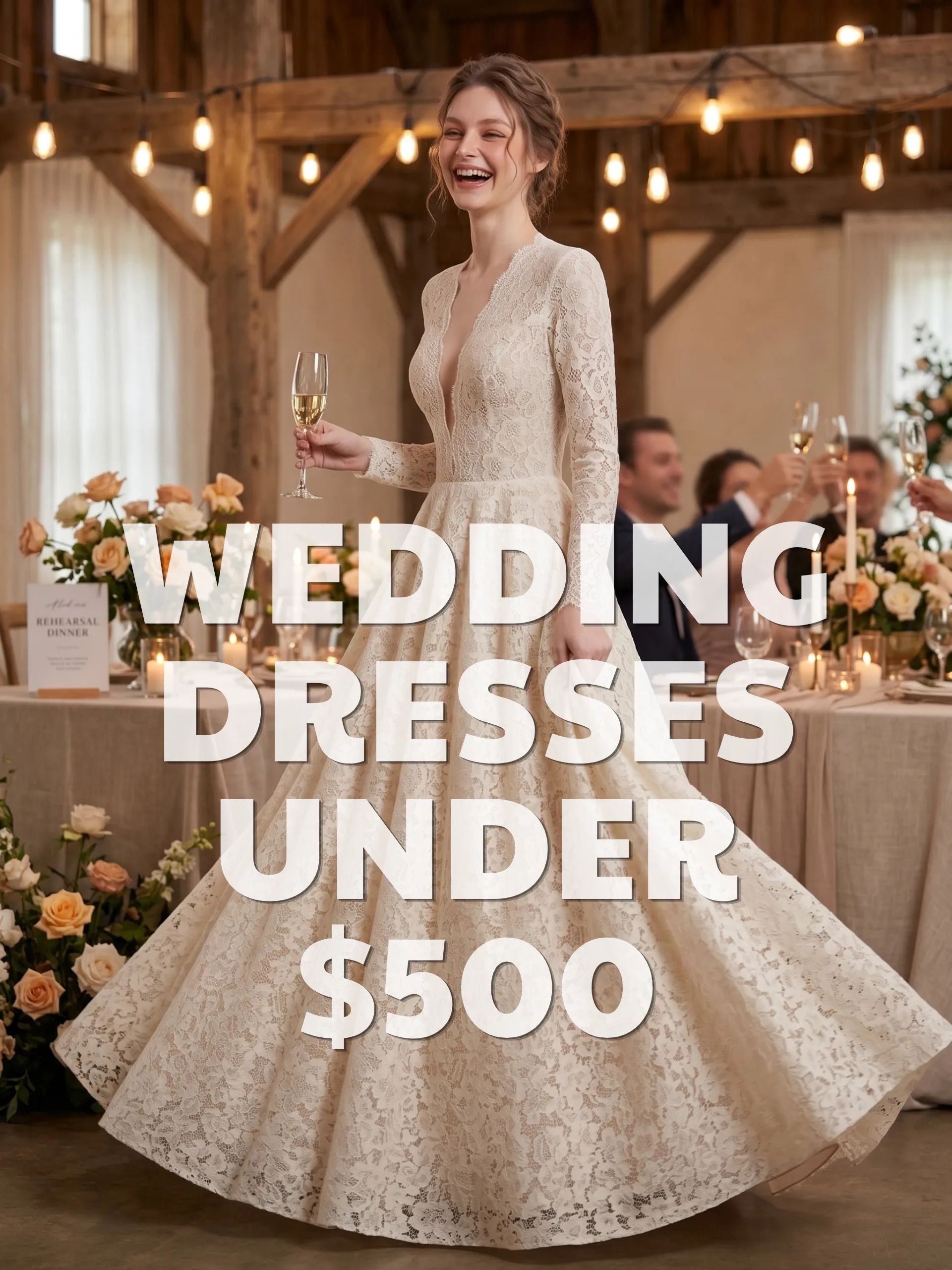
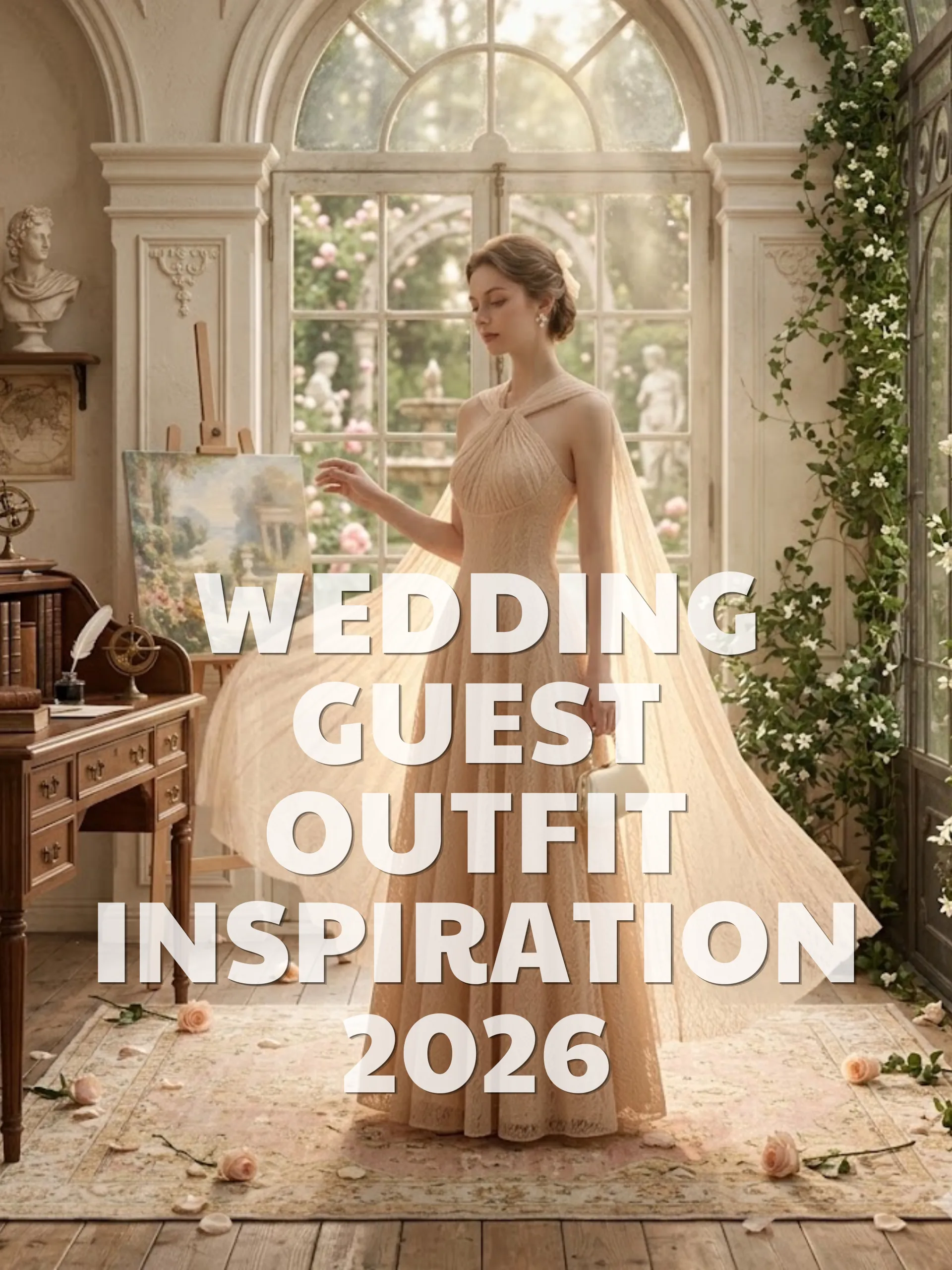
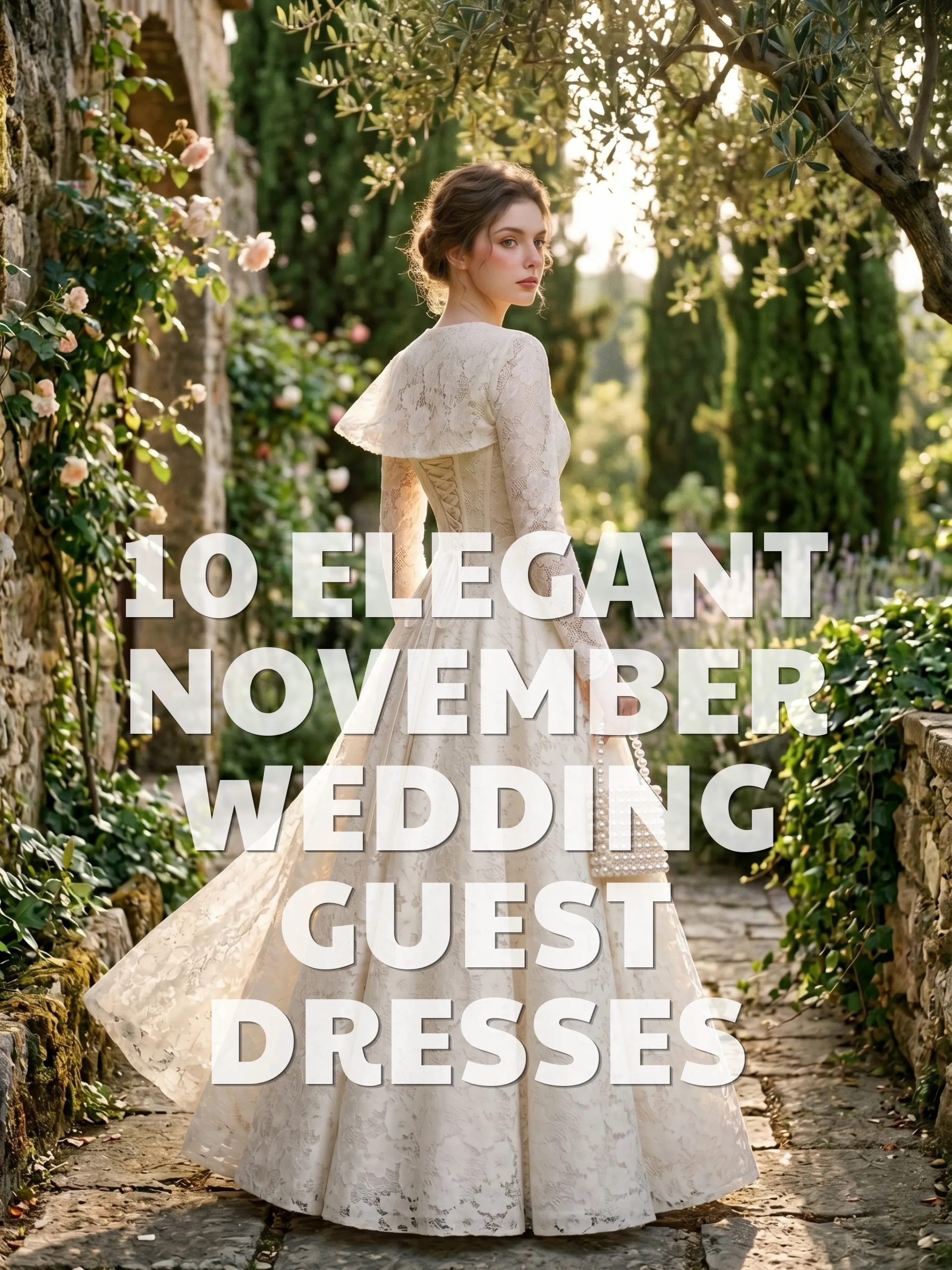
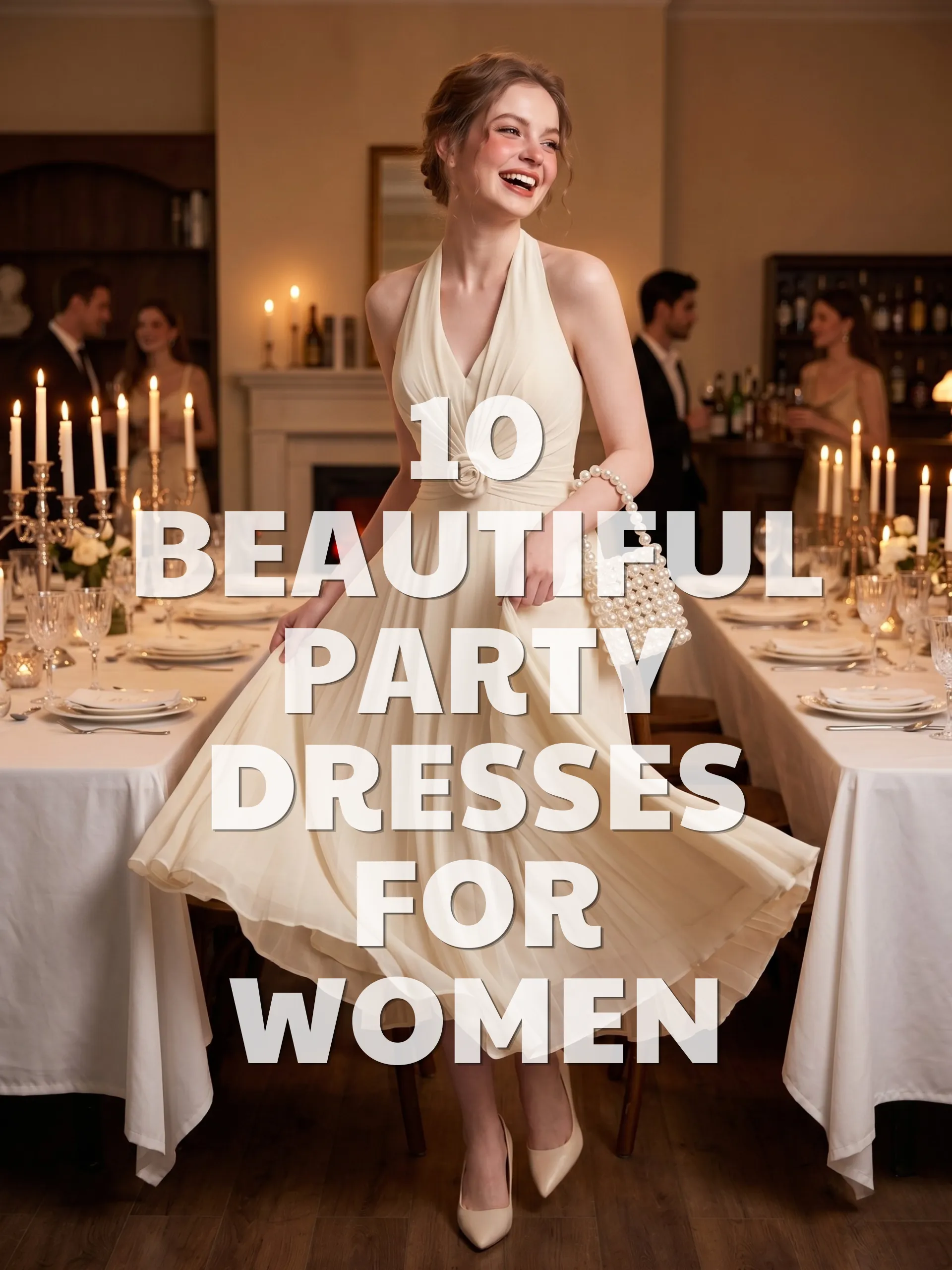
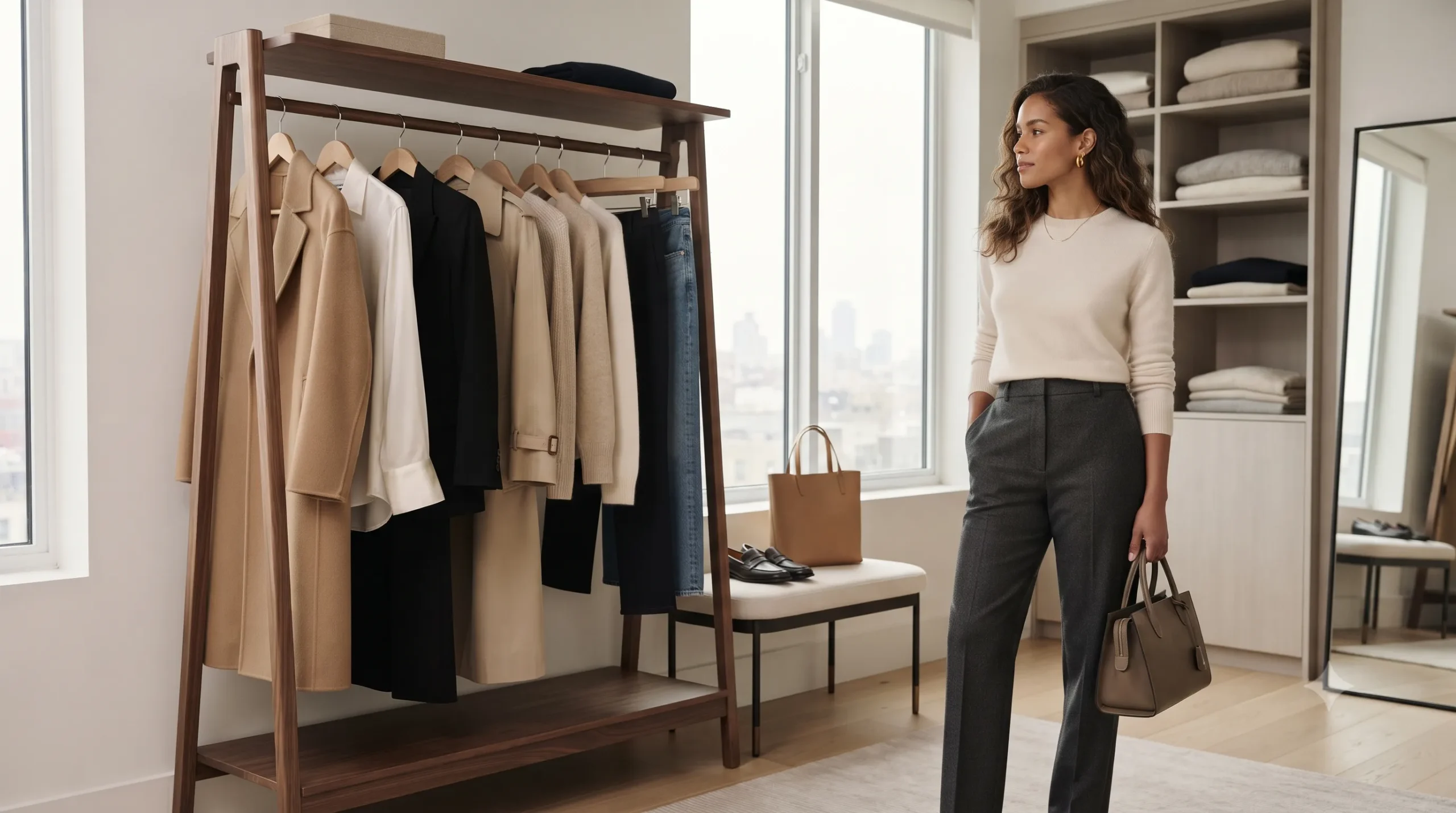
There is a specific, almost magnetic quality to a woman who looks impeccably put together, yet seems entirely unbothered by the effort. She doesn’t look like she spent three hours in front of a mirror or follows a rigid set of fashion rules; rather, she looks as though her clothes simply belong to her. This is the essence of dressing “expensively”—a term that, in a modern context, has shifted away from the price tag and toward the perception of quality, care, and restraint.
The tension many women feel when dressing for an important event, a professional meeting, or even a weekend lunch often stems from this exact dilemma: the fear of looking “overdone.” We worry that if we lean too far into luxury, we appear stiff, formal, or—perhaps most dauntingly—as if we are trying too hard to signal status. Conversely, we worry that dressing too casually might make us appear unpolished.
True sartorial wealth is found in the middle ground. It is the ability to project a sense of high value through fit, fabric, and intentionality rather than through visible logos or loud, trend-driven silhouettes. To dress expensively without looking like you tried too hard, one must master the art of understated polish.
The Psychology of Understated Luxury
To understand how to achieve this look, we must first define what we mean by “looking expensive.” In the realm of contemporary style, looking expensive is less about the brand name on a label and more about the visual calm an outfit projects. When a garment fits perfectly, when the colors are harmonious, and when the textures feel substantial, the brain registers “quality.”
This is often referred to as quiet luxury. Quiet luxury is less about price and more about restraint, fit, fabric choice, and visual calm. It is an aesthetic that prioritizes the wearer over the clothes. When you wear something that is overly branded or hyper-trendy, the clothes are speaking for you, often quite loudly. When you wear well-constructed, timeless pieces, you are the one speaking; the clothes simply provide a polished backdrop.
The reason this approach avoids the “trying too hard” trap is that it removes the performative aspect of fashion. Trying too hard usually involves an excess of signifiers: too many accessories, too many competing trends, or colors that clash in a way that feels intentional rather than accidental. By focusing on refinement and simplicity, you signal a level of confidence that suggests you don’t need to prove anything to anyone.
The Pillars of a Polished Appearance
Achieving this sense of effortless high-value dressing requires attention to several core pillars. If any one of these is neglected, the entire outfit can tilt toward looking unkempt or, conversely, overly staged.
1. The Supremacy of Fit and Proportion
A garment that fits poorly will never look expensive, regardless of its cost. Even a high-end designer piece will look cheap if the shoulders are too wide or the hemline is awkward. Conversely, a well-fitted piece from a mid-range brand can look like a bespoke creation.
The goal is not necessarily skin-tight clothing—which can often look dated or overly formal—but rather clothing that follows the lines of the body with grace. This involves understanding proportions: if you are wearing a voluminous wide-leg trouser, a more structured or tucked-in top provides the necessary balance. If you are wearing a midi skirt with soft drape, a slightly more tailored jacket prevents the look from becoming shapeless.
2. Material Integrity and Visual Texture
Fabric is the silent communicator of quality. Cheap fabrics often have a tell-tale sheen that looks artificial, or they lack the “weight” required to drape beautifully. When we talk about looking expensive, we are talking about fabrics that hold their shape and move with the body.
While we often think of heavy wools or structured cottons, expensive dressing also incorporates soft textures. The way a fabric catches the light or how it moves when you walk contributes to the overall perception of the outfit. Aim for materials that feel substantial to the touch. This doesn’t mean you must only wear high-end natural fibers, but rather that you should choose pieces where the fabric looks “real” and intentional.
3. The Color Palette of Cohesion
A common mistake when trying to look polished is introducing too many competing colors. A high-value aesthetic is often built on a foundation of neutrals: cream, navy, camel, charcoal, olive, and black. These colors are inherently easy to coordinate and tend to look more expensive because they allow the silhouette and texture to take center stage.
Monochromatic dressing—wearing different shades and textures of the same color—is one of the most effective ways to look expensive without effort. A cream knit sweater paired with ivory wool trousers creates a visual continuity that feels intentional and sophisticated.
Navigating the “Trying Too Hard” Trap: Common Mistakes
Even with the best intentions, it is easy to overstep. The transition from “polished” to “performative” often happens in the details.
| The Mistake | Why It Feels “Tried Too Hard” | The Refined Alternative |
|---|---|---|
| Logo Mania | It signals that the wearer is more interested in the brand’s status than their own style. | Focus on subtle details like unique buttons, interesting seams, or texture. |
| Over-Accessorizing | Too many rings, necklaces, and bracelets create visual noise and distraction. | Choose one “hero” piece—a classic watch, a sculptural earring, or a quality leather belt. |
| Trend Chasing | Wearing every micro-trend at once makes the outfit feel disposable and frantic. | Incorporate one modern element into a foundation of timeless pieces. |
| Improper Grooming | Even the finest clothes look unpolished if hair, nails, or shoes are neglected. | Prioritize neatness and subtle grooming over heavy makeup or dramatic hair. |
| The “Full Set” Look | Wearing a matching suit, shoes, and bag that all look like they came from the same box. | Mix textures and slightly vary tones to create a sense of personal curation. |
The Cost-Per-Wear Framework for Wardrobe Building
A significant part of dressing with intention is moving away from the cycle of constant consumption. When we buy pieces that only work for one specific trend or one single occasion, we are not building a wardrobe; we are accumulating clutter.
To dress expensively in the long term, consider the concept of cost-per-wear. Cost-per-wear helps compare the long-term value of a garment against how often it will realistically be used.
For example:
- Item A: A trendy, brightly patterned blouse costing $50, worn only twice before it goes out of style. Cost-per-wear: $25.
- Item B: A beautifully constructed, neutral-toned linen shirt costing $150, worn 30 times over the next year. Cost-per-wear: $5.
While Item B requires a higher initial investment, it provides more value, looks more consistent, and ultimately contributes to a more cohesive, “expensive-looking” wardrobe. By investing in pieces that have high utility across different seasons and settings, you create a sense of wardrobe stability that reflects in how you carry yourself.
Practical Scenarios: Applying the Logic
To move from theory to practice, let us look at how these principles apply to real-life situations.
Scenario 1: The Professional Transition (Work to Dinner)
The Goal: To look authoritative and polished for a meeting, but elegant and relaxed for an evening engagement.
- The Avoidance: A stiff, heavy formal suit that feels like a costume for dinner.
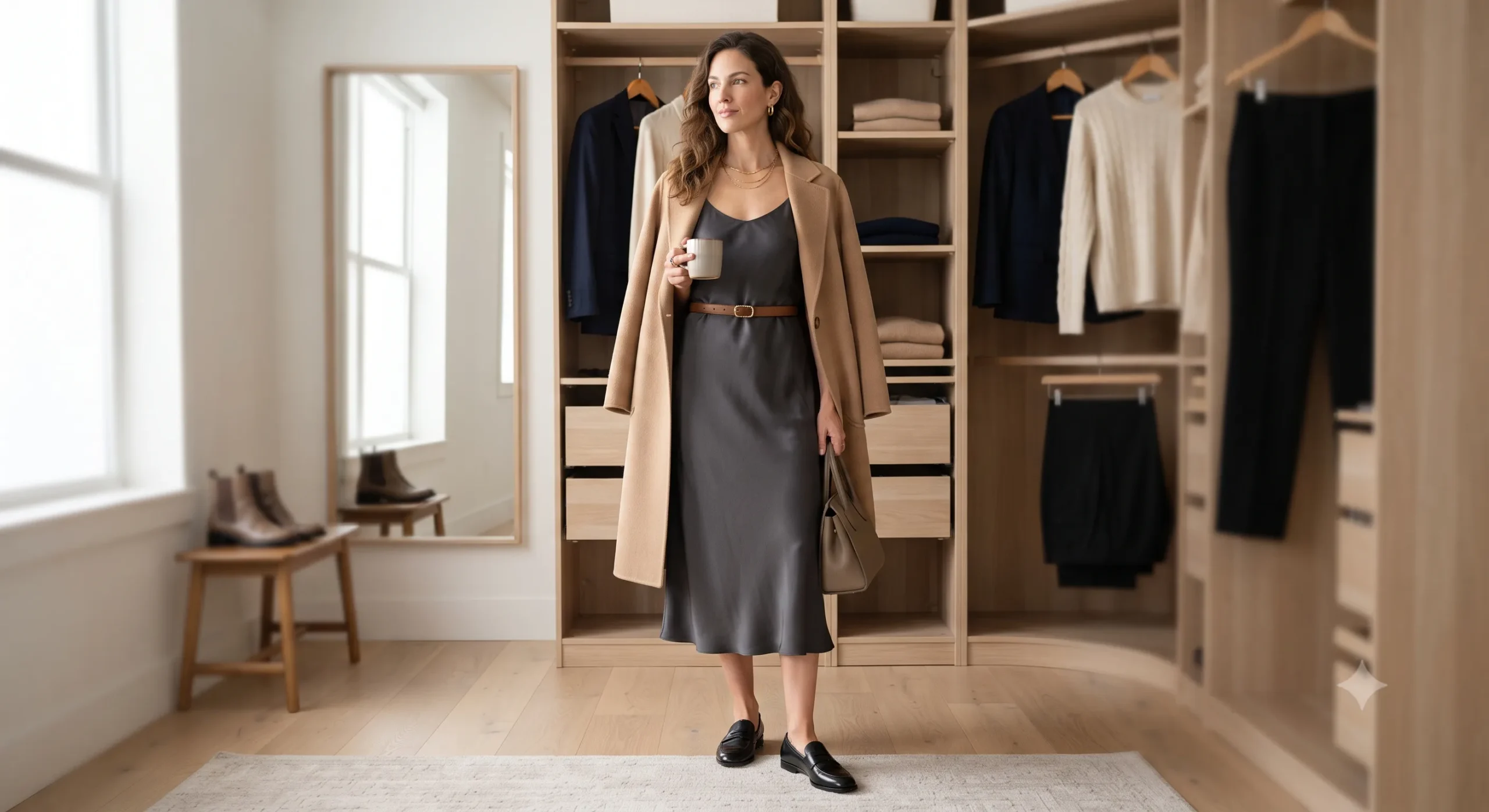
- The Approach: A pair of high-waisted, tailored trousers in a mid-weight fabric (like wool or a heavy crepe) paired with a refined knit top. For the meeting, add a structured blazer. For dinner, remove the blazer and swap the work shoes for a more sculptural loafer or a low, elegant heel. The trousers and knit remain the constant, providing a foundation of “quiet polish.”
Scenario 2: The Weekend Gallery Visit or Brunch
The Goal: To look “put together” without appearing as though you are dressed for an event.
- The Avoidance: Denim paired with a basic graphic tee and sneakers, which can feel overly casual or “unfinished.”
- The Approach: Straight-leg denim in a dark or mid-wash (avoid heavy distressing) paired with an oversized button-down shirt in a high-quality cotton or a soft sweater. Add a leather belt and a pair of clean, minimalist leather shoes. This outfit uses high-quality basics to create a look that is comfortable but clearly considered.
Scenario 3: The Wedding Guest (Semi-Formal)
The Goal: To respect the occasion without competing with the bride or looking overly formal.
- The Avoidance: A dress covered in sequins or loud, neon colors that demand immediate attention.
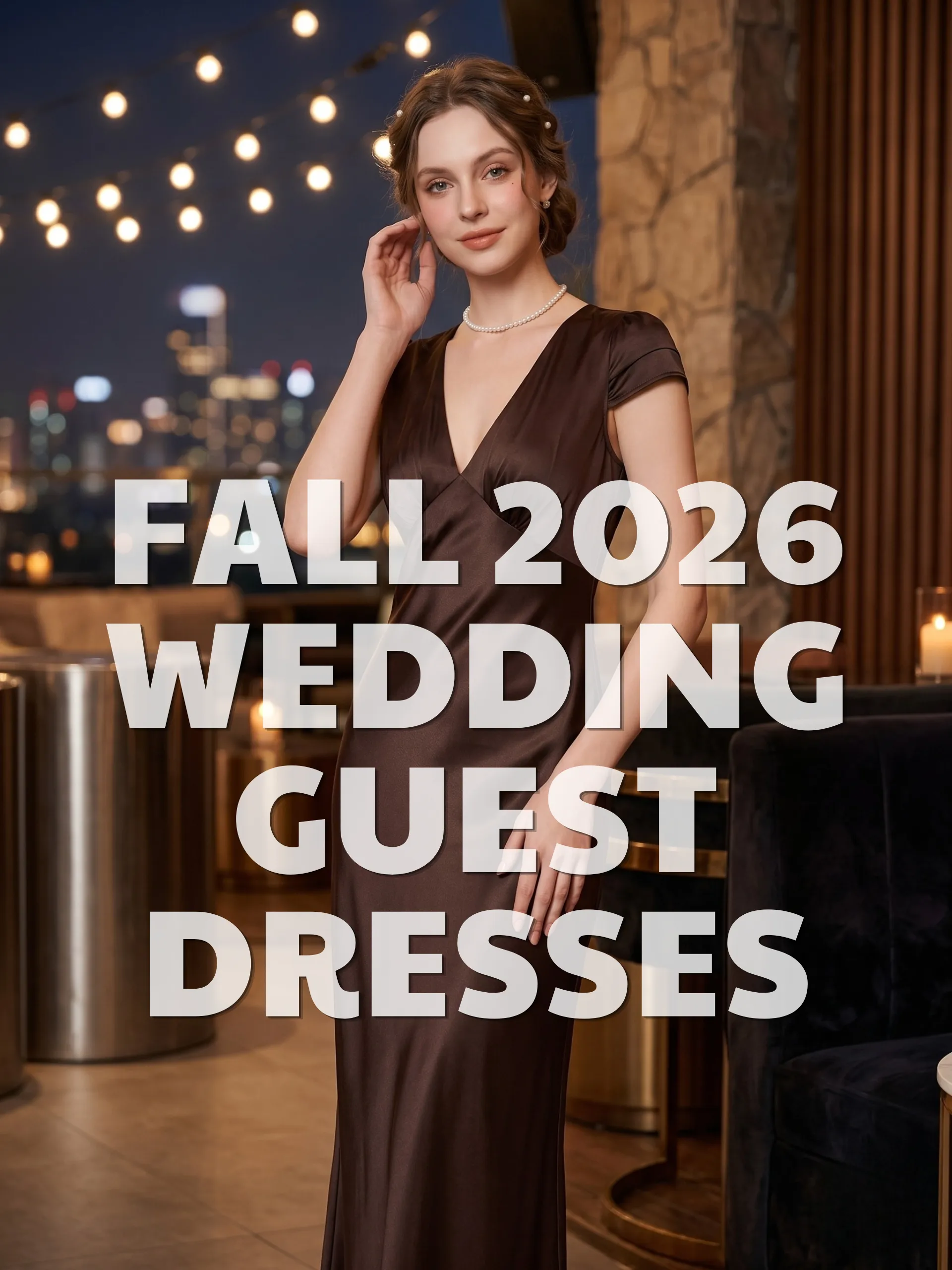
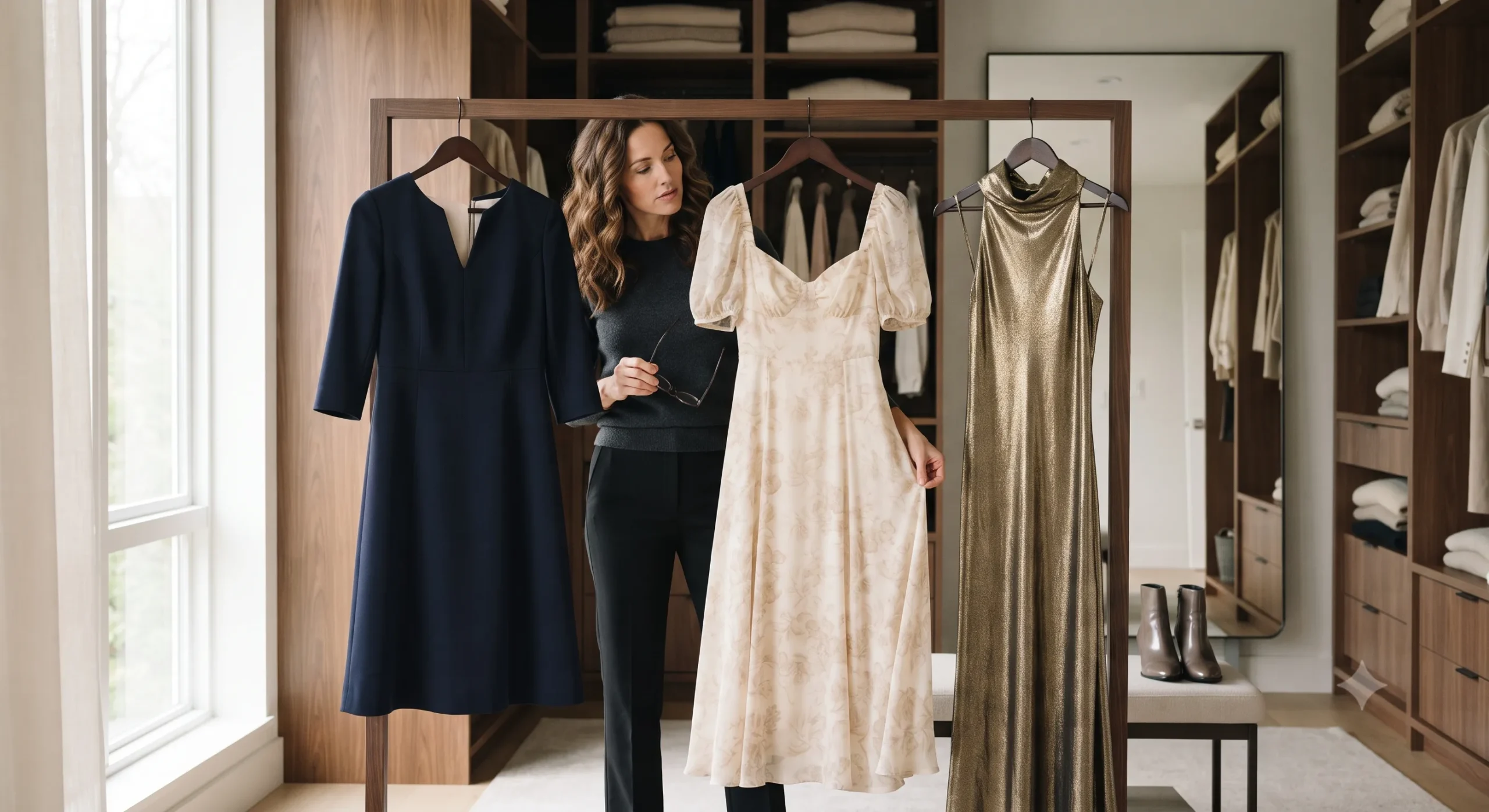
- The Approach: A midi-length dress in a soft, romantic silhouette with subtle architectural details—perhaps a unique neckline or an interesting sleeve shape. Choose a color that feels organic, such as sage, dusty rose, or navy. The focus is on the grace of the movement and the quality of the drape.
Building a Thoughtful Wardrobe
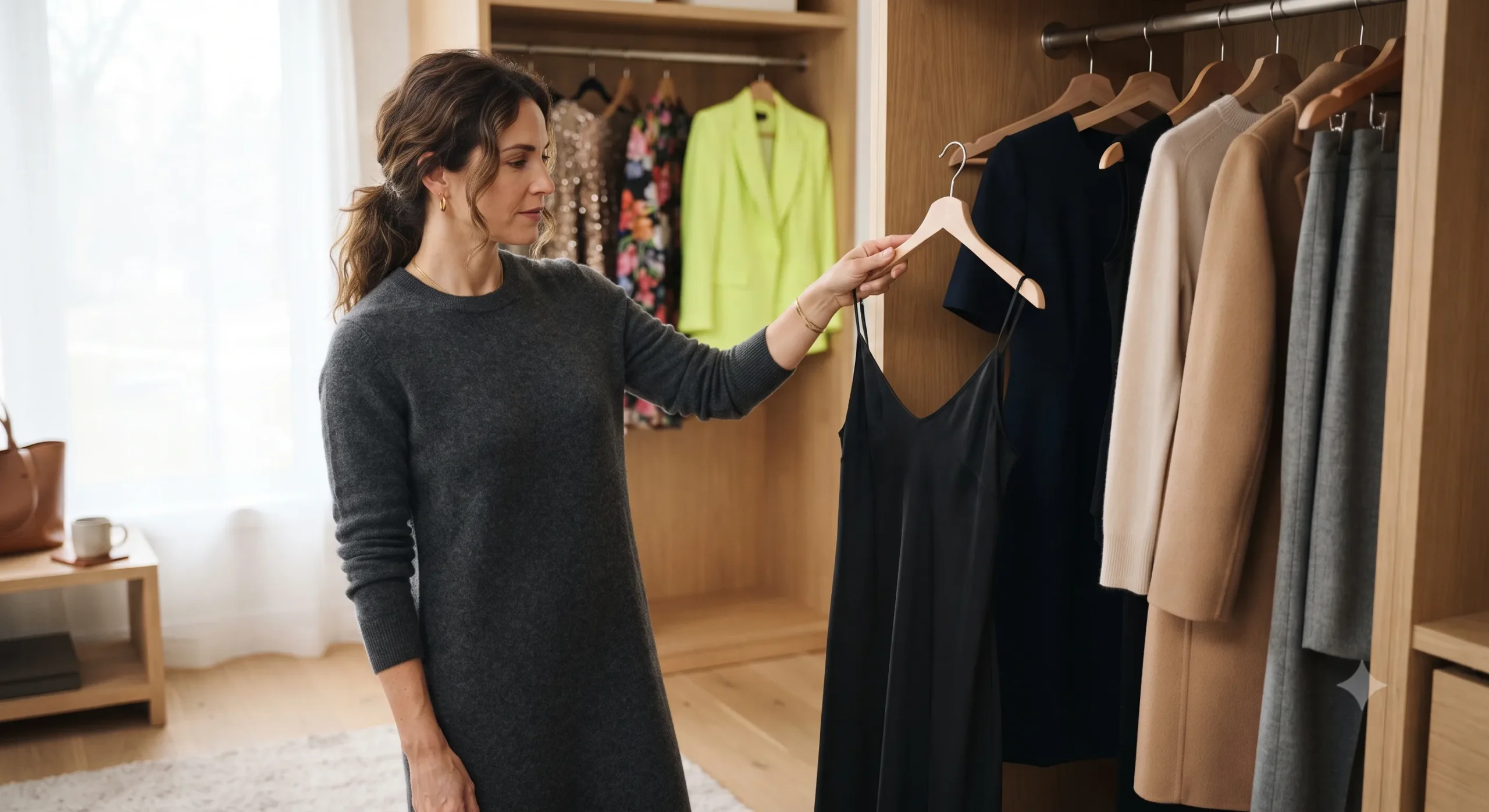
If you find yourself with “too many clothes but nothing that feels right,” the solution is rarely more shopping. It is usually more editing. A wardrobe that feels calm and coherent is one where the pieces “speak” to each other.
When selecting new pieces, ask yourself three questions:
- Does this garment have a clear purpose in my current life? (Will I wear this to work, for travel, or for social outings?)
- Can I style this in at least three different ways with what I already own?
- Does the fabric and construction feel like something I will want to wear two years from now?
Aunomay approaches this idea through a modern romantic lens: creating pieces that feel feminine, polished, and wearable beyond a single season. This philosophy of intentionality ensures that every addition to your closet serves a purpose and contributes to a sense of long-term value.
Summary of Principles for Effortless Sophistication
If you want to distill this advice into a daily practice, focus on these three core tenets:
- Prioritize Substance Over Signifiers: Let the quality of the fabric and the precision of the fit tell the story of your style, rather than logos or loud trends.
- Embrace Restraint: Whether in color, accessory count, or trend application, leaving “space” in an outfit allows your natural elegance to shine through.
- Invest in Versatility: Use the cost-per-wear mindset to build a foundation of pieces that transition across occasions, creating a wardrobe that feels intentional and calm.
Dressing well is not an act of vanity; it is an act of clarity. It is about deciding how you want to present yourself to the world and choosing the tools—the clothes—that best express that intention. When you strip away the noise of fast fashion and the pressure of constant trends, you find that looking expensive is actually quite simple: it is the art of being exactly who you are, presented with care.