Key Takeaways
- Definition: Quiet luxury is a fashion philosophy centered on understated elegance, high-quality craftsmanship, and the absence of visible logos.
- Core Values: It prioritizes longevity, intentional wardrobe building, and the use of premium, tactile materials over fleeting trends.
- The Shift: The movement represents a transition from “conspicuous consumption” (showing wealth through logos) to “discreet sophistication” (expressing taste through silhouette and texture).
- Wardrobe Impact: Embracing quiet luxury encourages a more sustainable, curated approach to dressing, focusing on pieces that offer long-term wardrobe value.
1. Introduction
For much of the last two decades, fashion has been defined by the “loud” era—a period characterized by prominent brand logos, rapid trend cycles, and the constant need for visible signaling. However, a subtle yet profound shift is occurring in how women approach their closets. A preference for restraint, quality, and timelessness is emerging, coalescing into a movement known as quiet luxury.
If you have found yourself feeling fatigued by the relentless pace of fast fashion, or if you feel that your wardrobe lacks a sense of cohesive elegance, you are likely feeling the pull of this movement. Quiet luxury is not merely a trend; it is a fundamental change in how we perceive value in clothing. It asks us to move away from the ephemeral and toward the enduring, choosing pieces that speak softly but carry significant weight through their construction and grace.
2. Defining Quiet Luxury: Beyond the Aesthetic
At its simplest, quiet luxury is the art of dressing well without seeking immediate attention. It is an aesthetic of “understated elegance” where the luxury lies in the details that are felt rather than seen.
The Pillars of Quiet Luxury
To understand quiet luxury, one must look at the specific elements that compose a garment’s value:
- Material Integrity: Because there are no logos to signal status, the quality of the fabric becomes the primary communicator of luxury. This involves choosing natural fibers with beautiful drapes and textures that age gracefully.
- Precision Tailoring: In the absence of branding, the silhouette must be impeccable. The way a shoulder sits, the fall of a hem, and the ease of movement are all indicators of high-end craftsmanship.
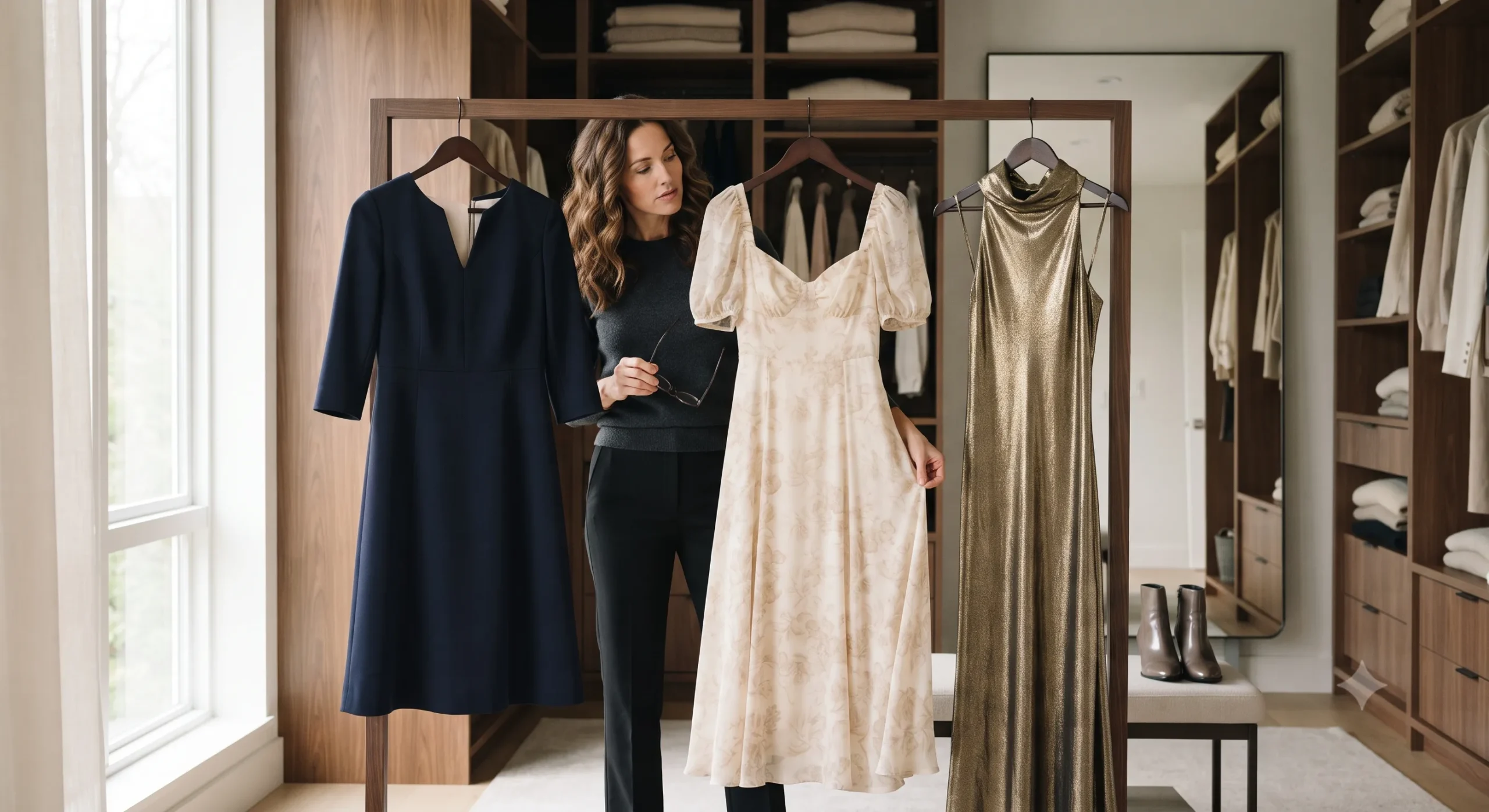
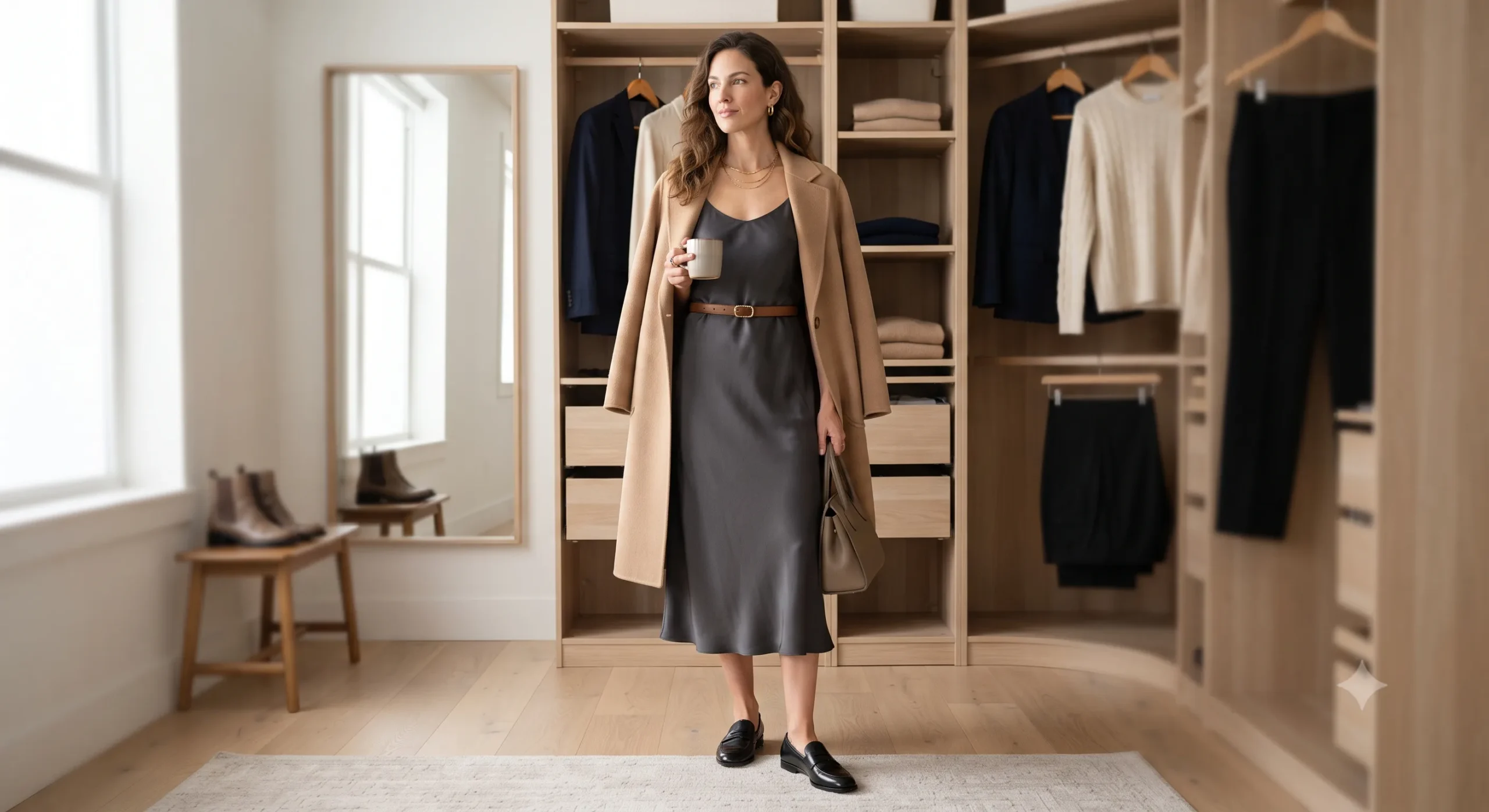
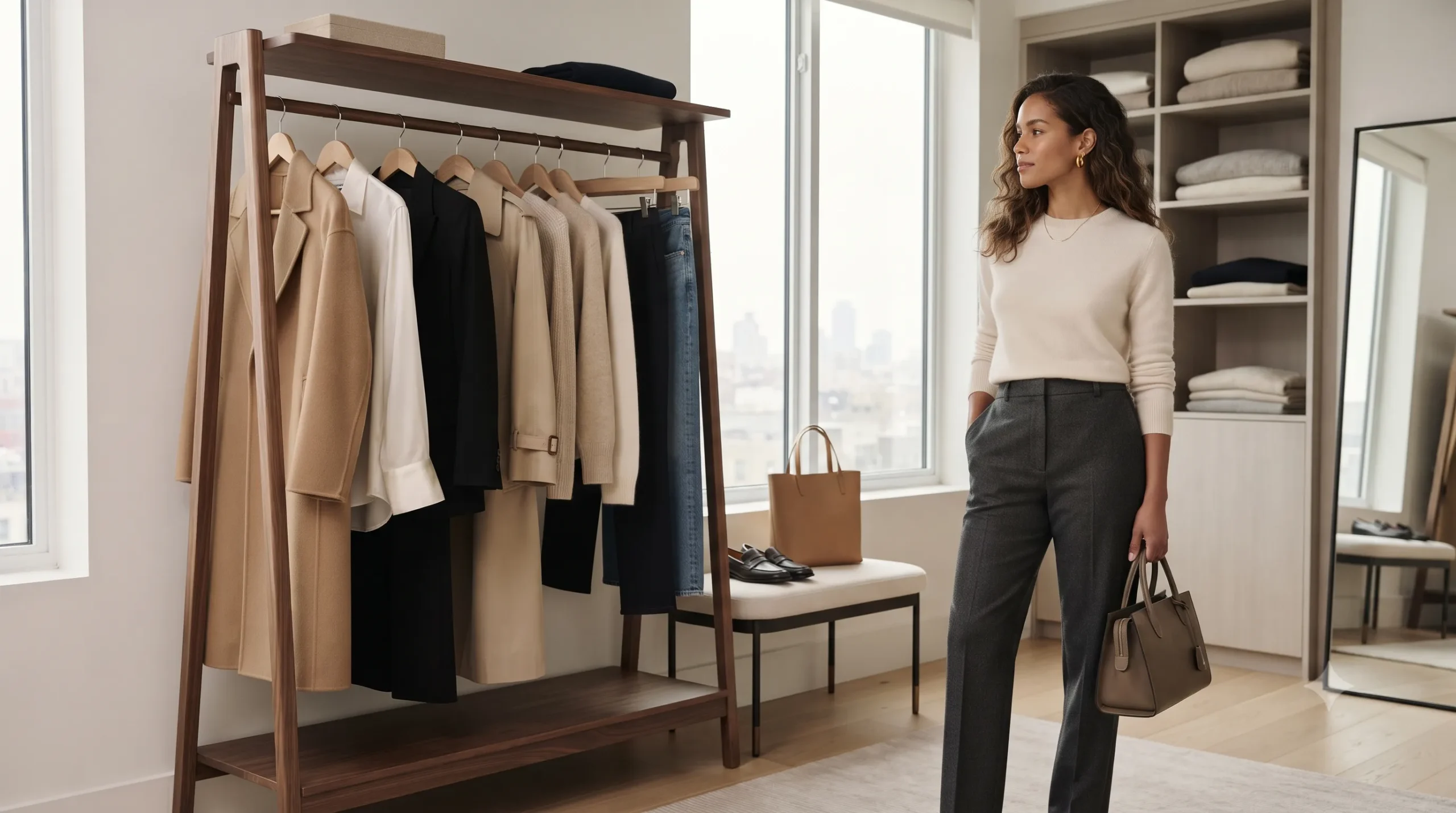
- A Neutral and Sophisticated Palette: Quiet luxury often relies on a foundation of “elevated basics” in tonal colors—cream, camel, navy, charcoal, and ivory. These colors allow for effortless layering and ensure pieces remain relevant across seasons.
- The Absence of Logos: The most defining characteristic is the rejection of overt branding. The goal is for an observer to recognize the quality of the garment through its beauty and fit, rather than a label.
Quiet Luxury vs. Old Money Style
While the terms are often used interchangeably, there is a nuance to distinguish them. “Old Money style” often refers to a specific, somewhat traditional aesthetic associated with inherited wealth and heritage leisurewear (think polo shirts and structured blazers). “Quiet luxury,” however, is a broader, more modern philosophy. It focuses on the quality of life and the intentionality of dressing, applying to everything from a perfectly cut midi dress to a minimalist cashmere knit.
3. Why the Shift? The Psychology of Intentional Dressing
The movement toward quiet luxury is a reaction to several cultural and economic shifts. It represents a collective desire for more meaningful consumption.
The Rejection of Trend Fatigue
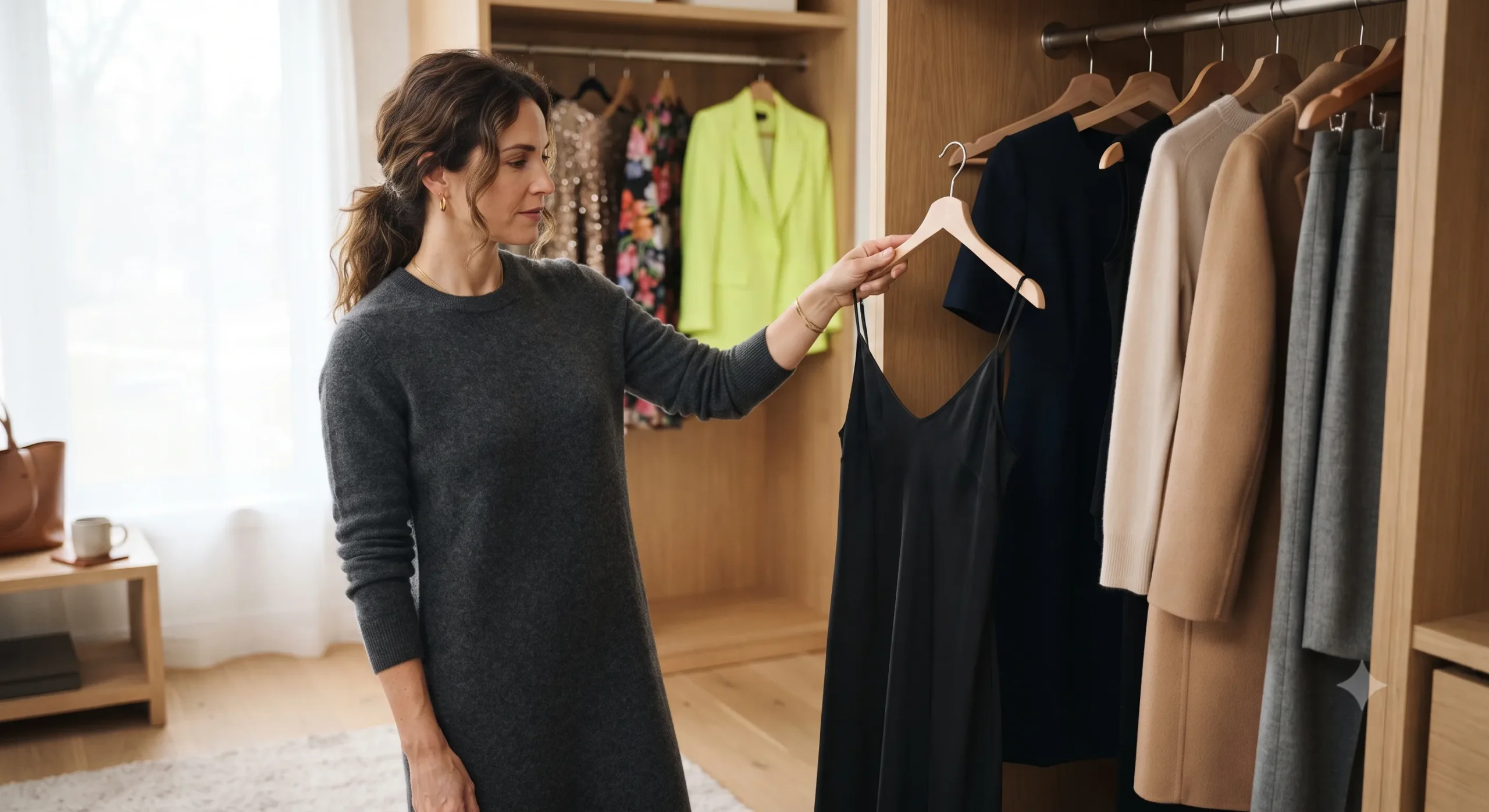
The rise of ultra-fast fashion has created a cycle of “disposable” clothing. This constant churn can leave a wardrobe feeling cluttered yet empty of style. Quiet luxury offers an antidote through “intentional wardrobe building.” By choosing pieces that pass the “five-year test”—garments that remain beautiful and wearable years after purchase—women are reclaiming their time and mental energy from the cycle of constant shopping.
The Value of Substance over Signage
In an era of digital saturation, where everything is photographed and shared, there is a growing desire for privacy and substance. Quiet luxury allows for a sense of “personal archive” dressing. When you wear a piece because of its exquisite feel and perfect silhouette, rather than its brand name, the clothing becomes an extension of your personal identity rather than a billboard for a corporation.
Sustainability through Longevity
While “sustainability” is a broad term, quiet luxury aligns perfectly with the concept of a sustainable wardrobe. By investing in higher-quality pieces that do not go out of style, the frequency of replacement is significantly reduced. This shift from quantity to quality is perhaps the most impactful way a consumer can practice responsible fashion.
4. Building a Quiet Luxury Wardrobe
Transitioning to a more refined, quiet luxury aesthetic does not require an immediate overhaul of your closet. Instead, it requires a strategic approach to curation.
Start with Elevated Basics
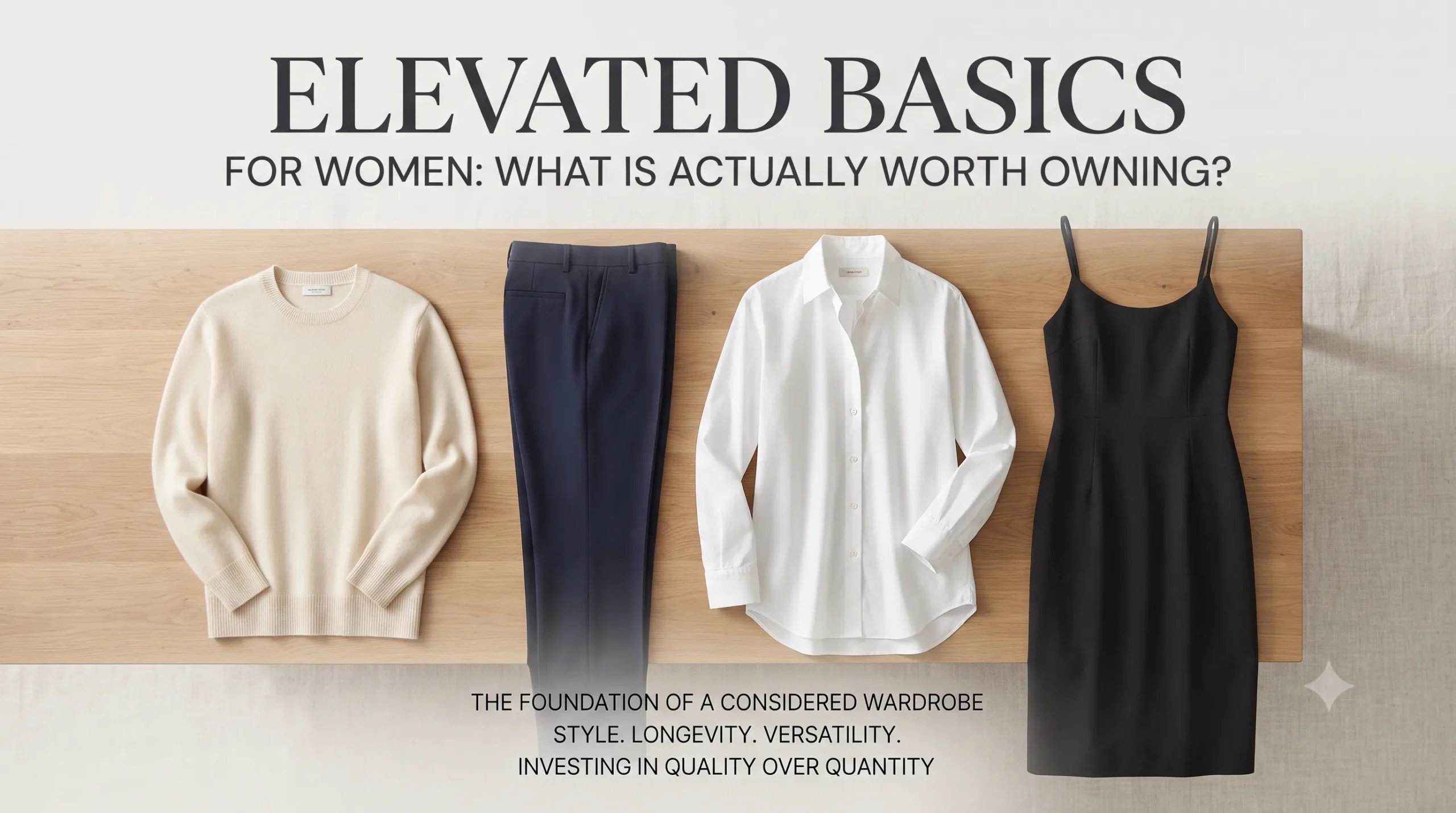
The foundation of a quiet luxury wardrobe consists of pieces that serve as the building blocks for many different looks. Think of a perfectly tailored trouser, a high-quality knit, or a timelessly cut dress. These are the pieces that provide the “calm” in your daily dressing routine.
Focus on Tactile Experiences
When selecting new pieces, prioritize how the fabric feels against the skin. A garment that looks expensive but feels flimsy will never truly embody quiet luxury. Look for weight, drape, and the natural luster of high-quality fibers.
The Power of Monochromatic Dressing
One of the easiest ways to achieve an air of sophistication is to dress in varying tones of the same color. This creates a continuous, elongated silhouette that feels incredibly polished and intentional.
5. The Quiet Luxury Decision Framework
When considering a new addition to your wardrobe, use this framework to determine if the piece aligns with the principles of quiet luxury and long-term value.
| Criteria | Question to Ask Yourself | Quiet Luxury Indicator | Fast Fashion Indicator |
|---|---|---|---|
| Material | Does the fabric feel substantial and natural? | Natural fibers (Wool, Cotton, etc.) | Synthetic blends, thin fabrics |
| Construction | Are the seams straight and the finishing clean? | Meticulous, reinforced stitching | Loose threads, uneven hems |
| Versatility | Can I wear this in at least three different settings? | High (Timeless silhouette) | Low (Trend-specific shape) |
| Branding | Is the first thing people notice the logo or the fit? | The silhouette and drape | A large logo or print |
| Longevity | Will I still want to wear this in three years? | Yes, it is a classic staple | No, it follows a micro-trend |
6. Common Mistakes to Avoid
- Mistaking Minimalism for Lack of Personality: Quiet luxury is not about being boring or “plain.” It is about using refinement to express your femininity. You can still incorporate romantic details, soft textures, and interesting silhouettes.
- Neglecting Fit: A high-quality garment will look cheap if it does not fit correctly. Part of the quiet luxury ethos is ensuring that your clothes respect your body’s proportions through proper tailoring.
- Over-complicating the Look: The essence of this style is “beauty with restraint.” Avoid adding too many accessories or loud patterns that distract from the quality of the primary pieces.
- Chasing “Quiet Luxury” Trends: Ironically, there are now “trends” that attempt to mimic this look. True quiet luxury is about avoiding trends entirely in favor of timelessness.
7. FAQ
Q1. Can someone with a smaller budget embrace quiet luxury?
Absolutely. Quiet luxury is a mindset of intentionality, not a price tag. It means buying fewer, better things over time. Instead of buying five cheap tops, you might save to buy one high-quality, beautifully constructed top that you will wear for years.
Q2. How do I identify quality without looking at the label?
Look at the weight of the fabric, the cleanliness of the seams, and the way the garment hangs on a hanger. High-quality garments usually have a certain “heft” and a structural integrity that synthetic, mass-produced items lack.
Q3. Does quiet luxury mean I can only wear neutral colors?
While neutrals are the foundation, you can certainly incorporate color. The key is to choose sophisticated, muted, or deeply saturated tones—such as forest green, burgundy, or navy—rather than neon or overly bright, trendy colors that may feel dated quickly.
8. Conclusion
Quiet luxury is more than a shift in aesthetic; it is an invitation to dress with more intention and less noise. By focusing on craftsmanship, material integrity, and timeless silhouettes, we move away from the exhaustion of the trend cycle and toward a more meaningful relationship with our clothing.
As you curate your wardrobe, remember that true elegance does not need to shout to be heard. It resides in the subtle details, the comfort of a perfect fit, and the enduring beauty of pieces that grow with you. In choosing quality over quantity, you are not just building a wardrobe; you are building a personal archive of style that honors both your aesthetic and the art of dressing well.