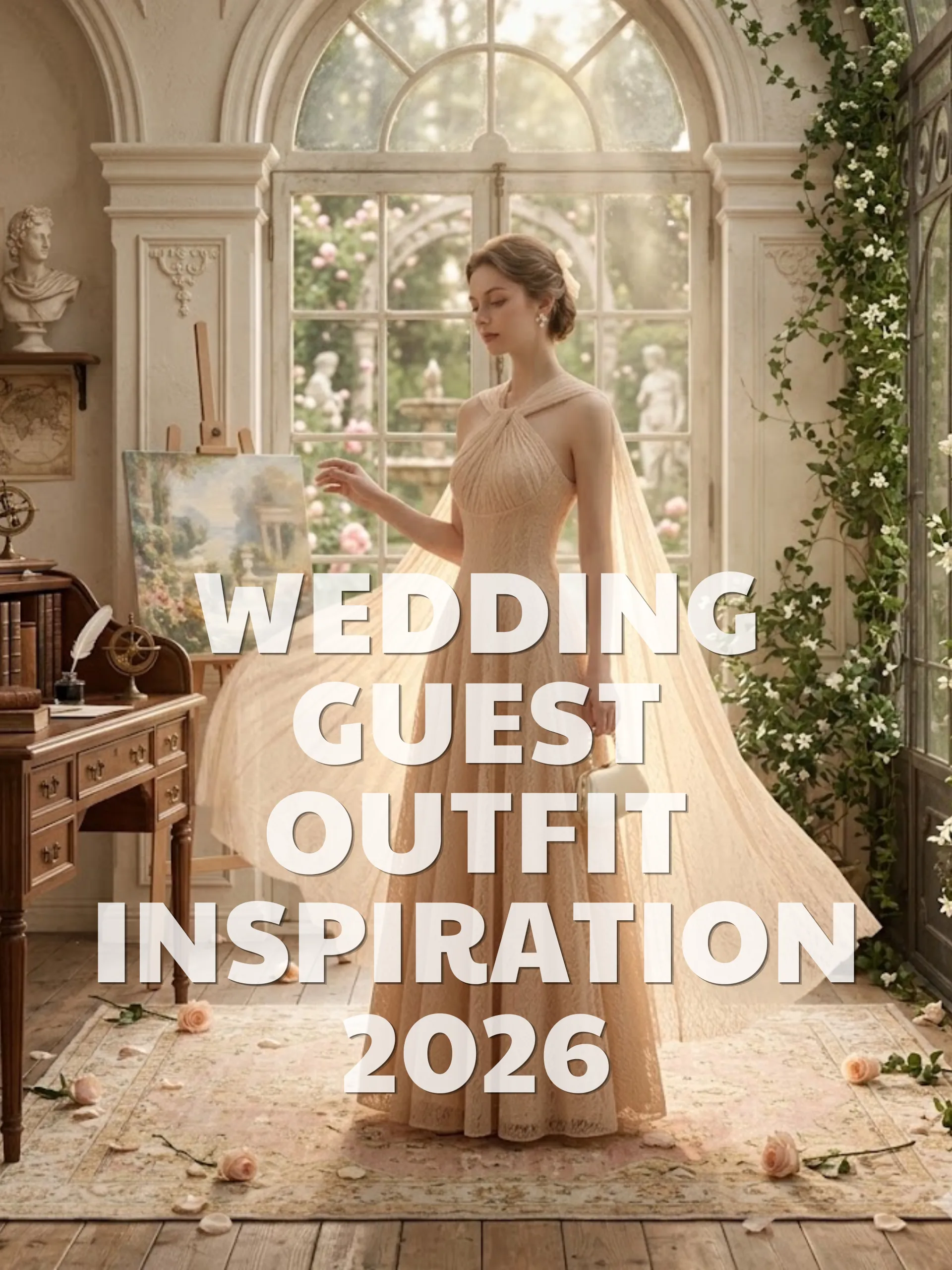
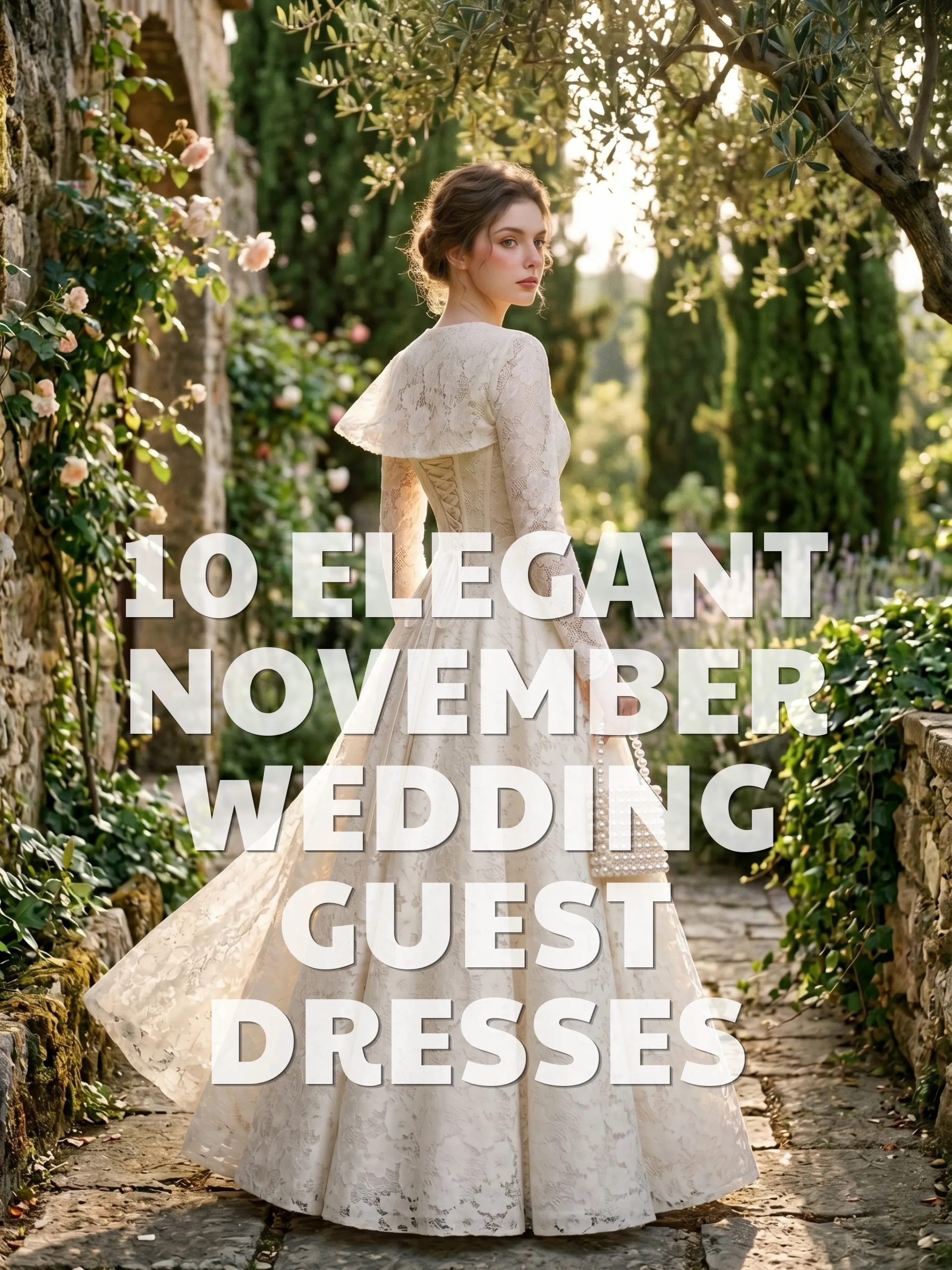
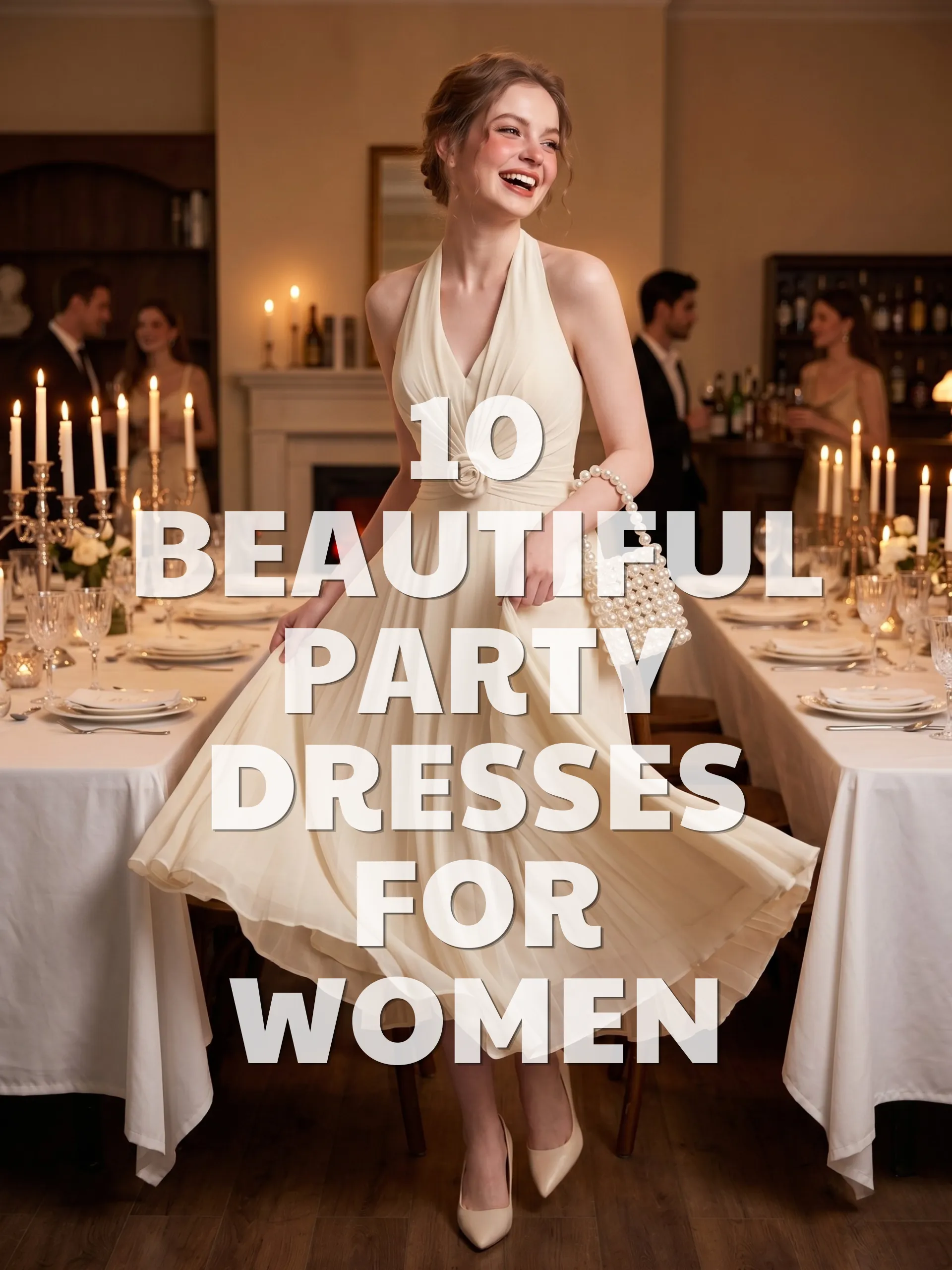
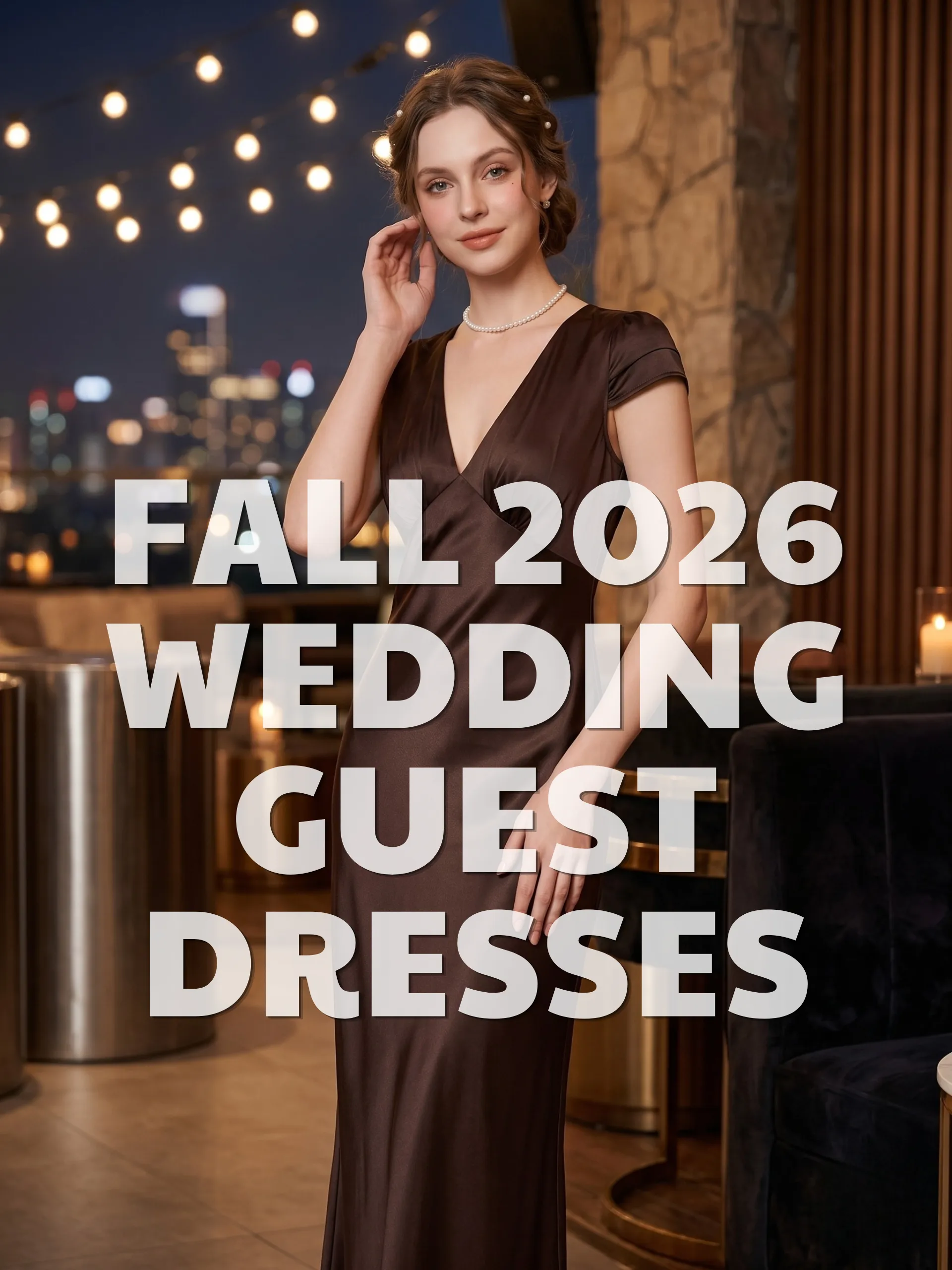
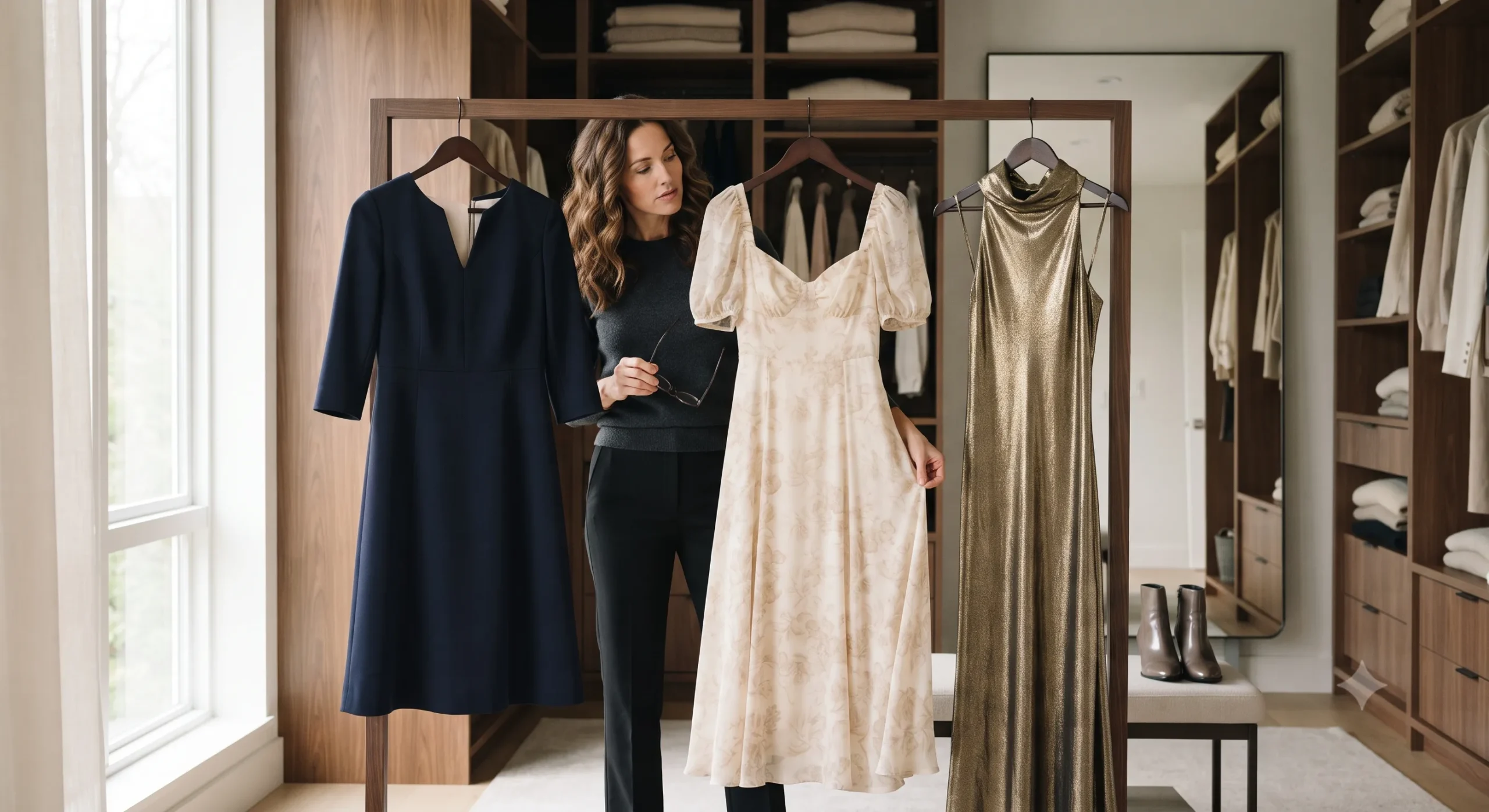
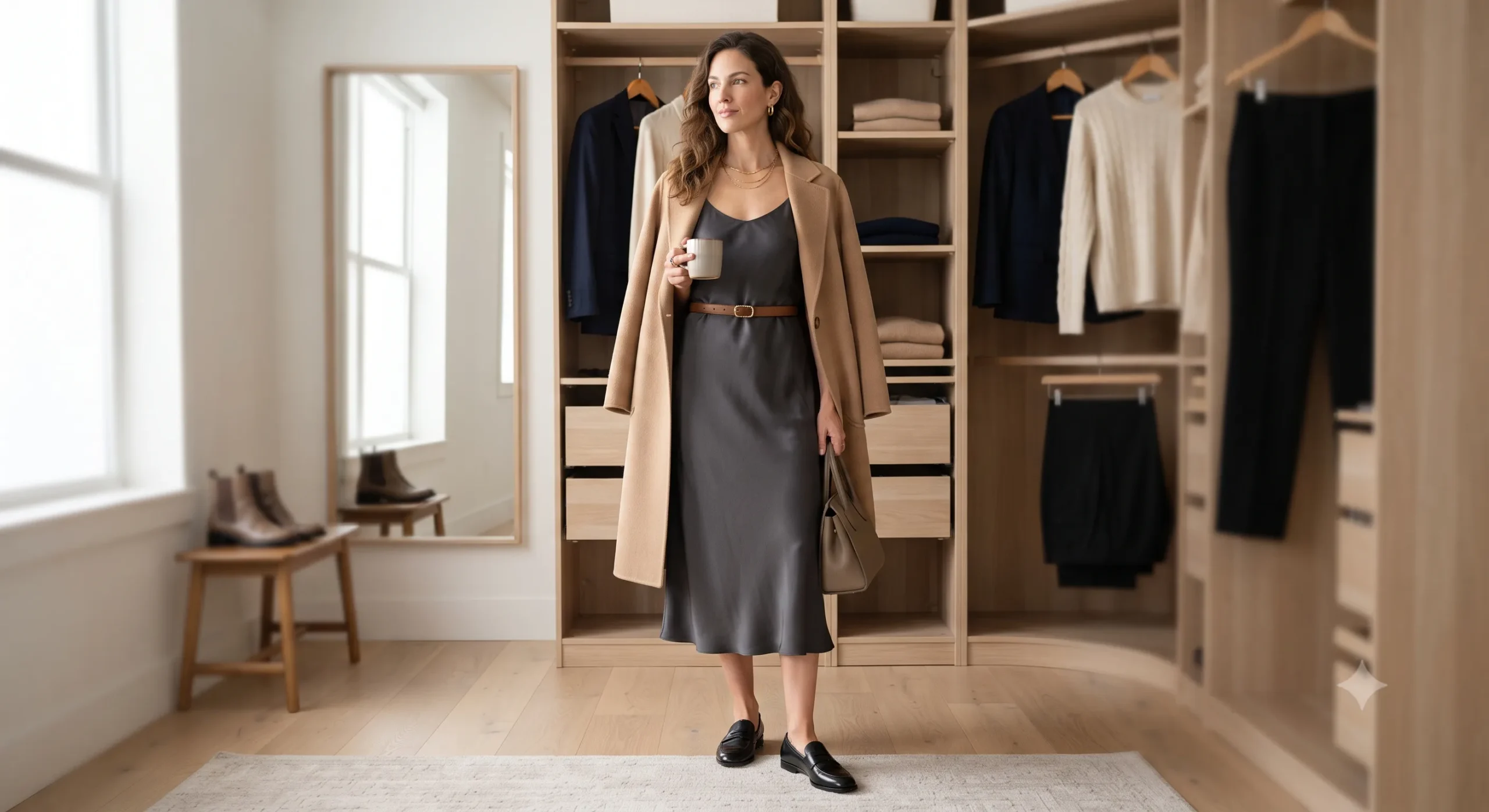
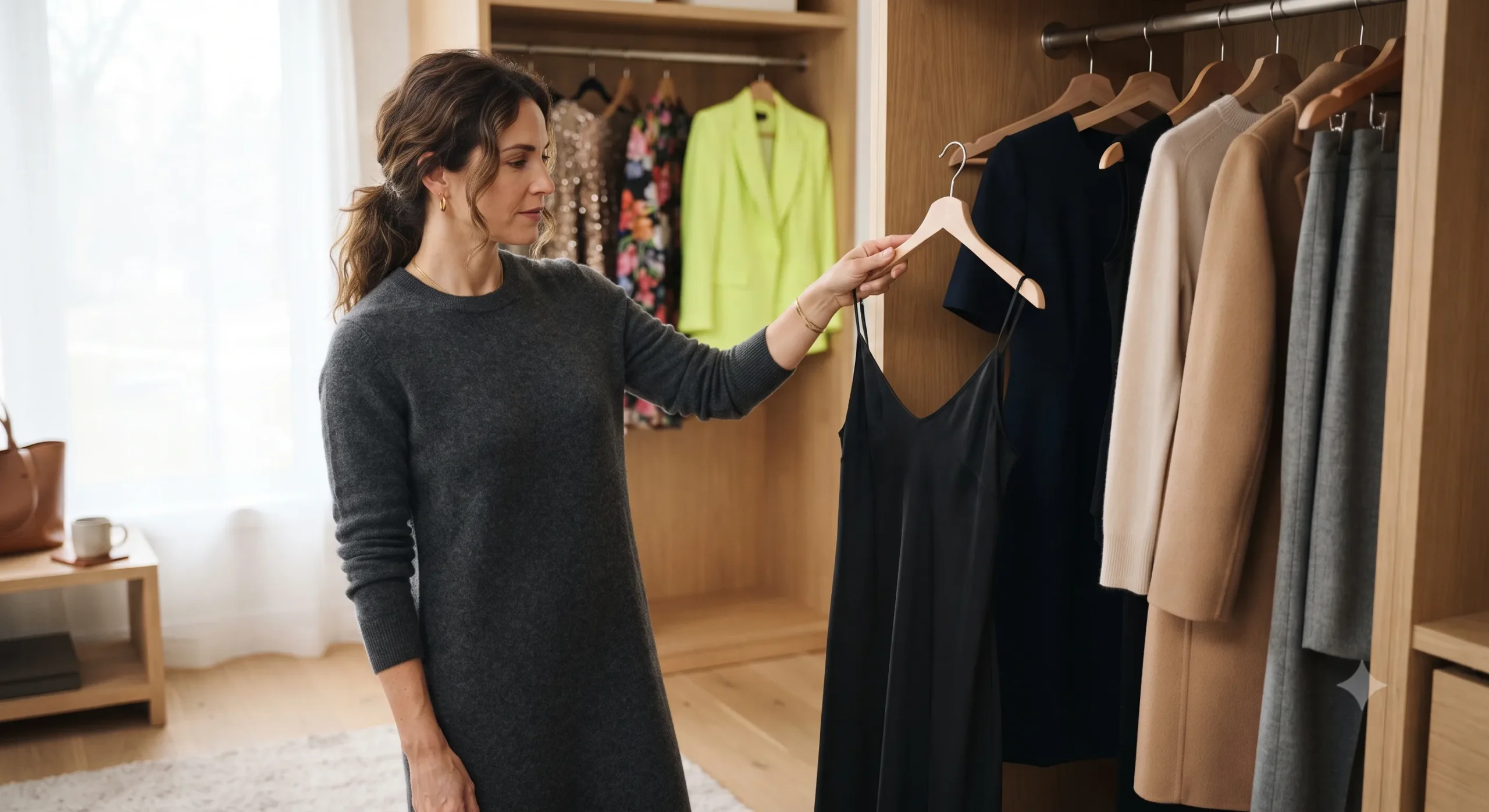
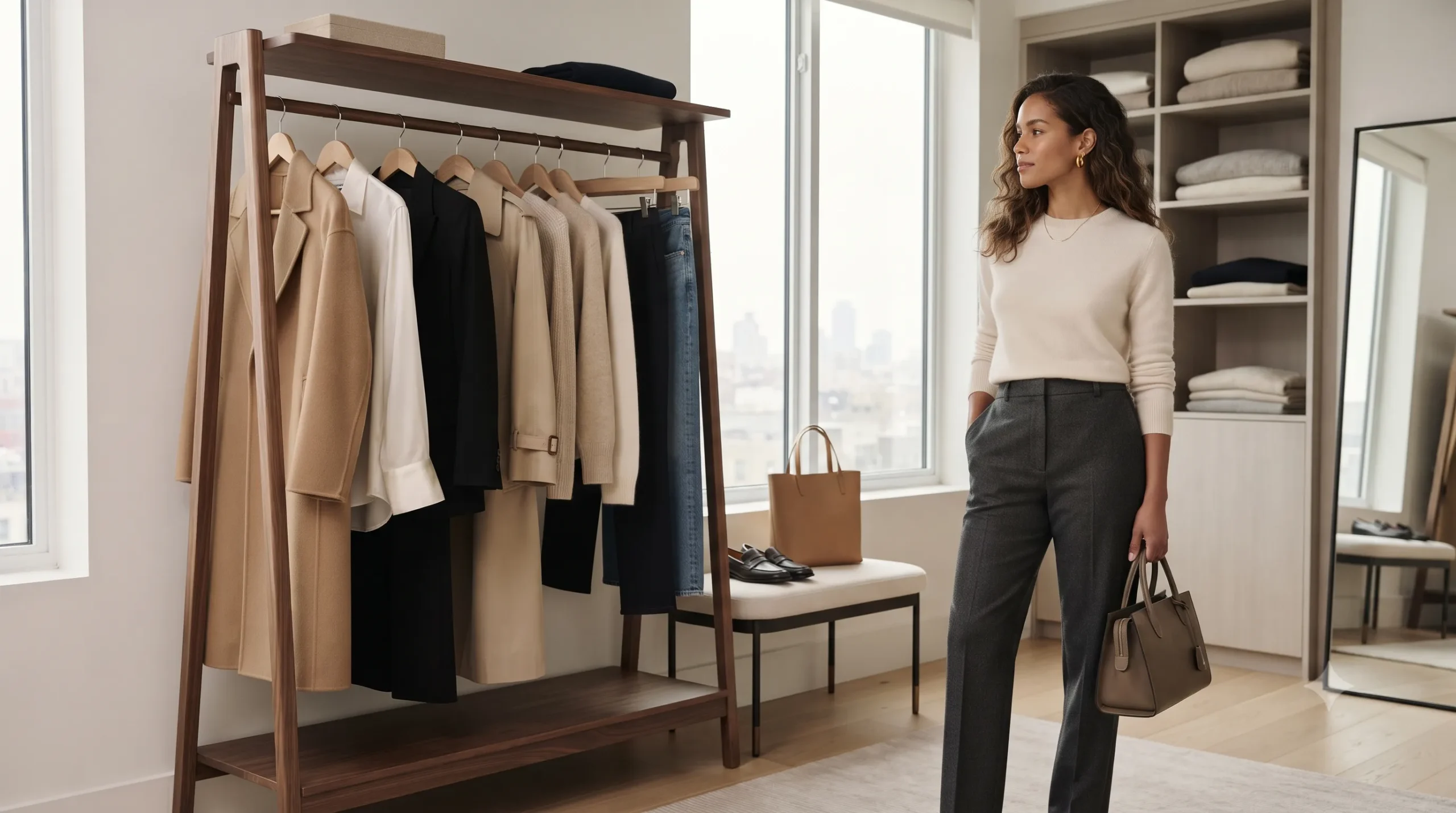
We have all experienced that specific, quiet frustration: standing before a closet filled with clothes, yet feeling as though we have nothing to wear. It is a common paradox of the modern era. We possess more garments than any generation before us, yet our wardrobes often feel fragmented, loud, or disconnected from the actual lives we lead. We buy pieces that look beautiful on a mannequin or a social media feed, only to find they lack the versatility to transition from a morning meeting to a late dinner, or they require a specific, fleeting trend to make them feel “current.”
A thoughtful wardrobe is the remedy to this fragmentation. It is not about owning a specific number of items, nor is it about adhering to a rigid, minimalist capsule that feels clinical or restrictive. Instead, a thoughtful wardrobe is defined by intention. It is a collection of pieces chosen with care, selected for their ability to work together, their longevity in both quality and style, and their capacity to serve the woman wearing them across many different contexts.
When we shift our focus from “adding more” to “selecting better,” we move away from the exhaustion of trend-chasing and toward a sense of composed, reliable style.
The Shift from Volume to Versatility
The most fundamental distinction of a thoughtful wardrobe is the move from volume to versatility. In a standard wardrobe, a garment’s value is often measured by its novelty—how new it is, how much it stands out, or how closely it aligns with this month’s aesthetic. In a considered closet, value is measured by a garment’s “utility per occasion.”
Consider the difference between a highly decorative, trend-heavy top and a piece with refined restraint. The trend-driven piece might feel exciting for a single evening, but it often sits idle in the closet once the season shifts. A piece with subtle sophistication—perhaps a well-tailored blouse in a soft, neutral tone or a dress with a graceful proportion—can be styled in multiple ways. It can be dressed up with a structured blazer for a professional setting, or softened with a knit cardigan for a weekend brunch.
A thoughtful wardrobe relies on these “bridge pieces.” These are items that bridge the gap between different areas of your life: work and leisure, casual and formal, summer and autumn. When your clothes can move with you, the act of getting dressed becomes a moment of ease rather than a series of logistical problems to solve.
Defining the Core Pillars of Intentional Dressing
To understand what a thoughtful wardrobe looks like in practice, it helps to identify the principles that govern its construction. These are not rules to be followed strictly, but rather a compass to guide your decisions.
- Longevity of Design: Choosing silhouettes that remain aesthetically relevant regardless of the current trend cycle. This doesn’t mean avoiding color or pattern, but rather choosing shapes that feel grounded.
- Fabric Integrity: Prioritizing how a fabric behaves. Does it drape well? Does it maintain its structure after being worn for several hours? Does it feel good against the skin?
- Cohesion of Palette: While a thoughtful wardrobe doesn’t need to be monochromatic, it benefits from a foundational color story. When your pieces share a certain level of tonal harmony, the number of successful outfit combinations increases exponentially.
- Emotional Resonance: This is perhaps the most overlooked element. A piece belongs in a thoughtful wardrobe only if it makes you feel like yourself. If a garment is “perfect” on paper but feels like a costume when you wear it, it lacks the emotional longevity required to be truly useful.
The Logic of Cost-Per-Wear and Long-Term Value
One of the most practical ways to evaluate a wardrobe is through the lens of cost-per-wear. This is a decision-making framework that moves us away from the initial price tag and toward the true economic and emotional value of a garment.
A common mistake in fashion consumption is the “cheap trap”—buying numerous low-quality items because the entry price is low. However, if a $30 skirt loses its shape after three washes and is only worn twice, its cost-per-wear is $15. Conversely, a well-constructed, high-quality skirt that costs $200 but is worn fifty times over several years has a cost-per-wear of only $4.
A thoughtful wardrobe prioritizes the latter. It recognizes that investing in pieces with better construction, better fabric, and more timeless design is actually more economical over time. This approach naturally leads to a smaller, more high-performing collection of clothing.
Decision Matrix: Should This Piece Enter My Wardrobe?
When considering a new acquisition, instead of asking “Do I like this?”, try applying these specific criteria. This helps move the decision from an impulsive emotional reaction to a reasoned wardrobe choice.
| Criteria | The “Trend” Impulse | The “Thoughtful” Decision |
|---|---|---|
| Versatility | “I can wear this with these specific shoes and this specific bag.” | “I can wear this with at least three different bottoms and two different shoe types.” |
| Context | “This is perfect for that one specific event next month.” | “This fits into my existing lifestyle (work, errands, dinners, travel).” |
| Durability | “It looks great on the hanger, but the fabric feels thin.” | “The weight and weave of this fabric suggest it will hold its shape.” |
| Styling | “I need to buy something else to make this work.” | “I can immediately see how this integrates with my current favorites.” |
| Feeling | “I feel like I’m following a trend.” | “I feel polished and composed when I put this on.” |
Navigating the Trade-offs: Elegance vs. Comfort
A common misconception is that a refined or polished wardrobe must be uncomfortable. There is a lingering cultural idea that “dressing up” requires restriction—stiff fabrics, tight silhouettes, or high heels that hinder movement.
A thoughtful wardrobe rejects this binary. True elegance is found in pieces that allow for ease of movement while maintaining a sense of structure. This is often achieved through “soft structure”—the use of tailoring that skims the body rather than constricting it, and the selection of fabrics that have enough weight to look polished but enough drape to feel effortless.
For example, instead of a stiff, heavy wool blazer that feels like armor, a thoughtful wardrobe might include a blazer in a high-quality crepe or a lighter wool blend. It provides the same professional silhouette but moves with the wearer. Instead of a restrictive, structured skirt, one might choose a midi skirt with a clean waistband and a fluid drape.
The goal is to find the equilibrium where you look put-together without feeling like you are performing a role. When you are comfortable in your clothes, your confidence becomes more natural and less forced. This ease is a key component of what many call “quiet polish.”
Common Pitfalls in Building a Considered Style
Even with the best intentions, it is easy to fall into habits that undermine the goal of a thoughtful wardrobe. Recognizing these patterns is the first step toward correcting them.
The “Event-Only” Trap
Many women build wardrobes around specific future events—a wedding in June, a gala in December, a vacation in July. This results in a closet filled with “costumes” that sit dormant for most of the year. A thoughtful approach involves looking for the “overlap.” If you are buying a dress for a summer wedding, choose a silhouette and color that can also function for a summer dinner or a professional event.
The Fragmented Aesthetic
This happens when we buy pieces that are beautiful in isolation but do not “speak” to one another. You might have a collection of very bohemian pieces, a collection of very corporate pieces, and a collection of very casual pieces, but nothing that connects them. A wardrobe with purpose requires a certain level of aesthetic continuity. You don’t need to dress the same way every day, but your pieces should feel like they belong to the same visual language.
Overlooking the “Foundational” Layers
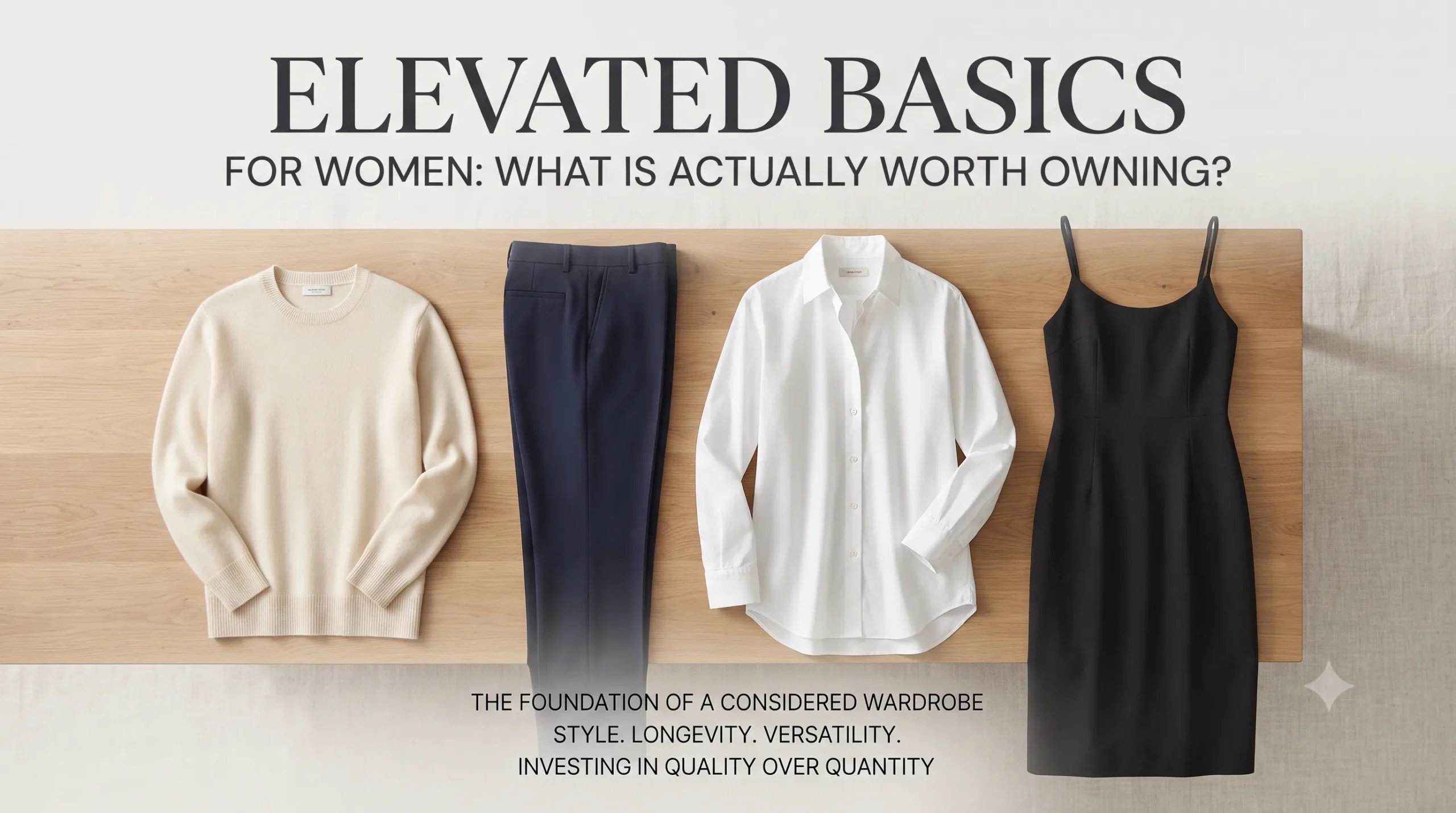
We often focus on the “statement” pieces—the beautiful coat, the striking dress, the patterned blouse. However, a wardrobe’s success depends heavily on its foundations. A thoughtful wardrobe invests as much thought into the “elevated basics” as it does into the occasion wear. High-quality tees, perfectly fitted trousers, and reliable knitwear are the glue that holds more complex outfits together.
Practical Application: Auditing Your Current Collection
Building a thoughtful wardrobe does not require an immediate, total overhaul. In fact, the most effective way to begin is by auditing what you already own. This is not about discarding everything; it is about understanding the logic of your current collection.
- The Wearability Test: Take every item out and ask: “Have I worn this in the last six months? If not, why?” If the answer is “it doesn’t fit,” “it’s uncomfortable,” or “I have nothing to wear it with,” you have identified a gap in your wardrobe logic.
- Identify the “Heroes”: Find the five to ten pieces you reach for instinctively. What do they have in common? Is it the color? The fabric? The way the waist sits? These pieces are the blueprint for your future purchases.
- Assess the Gaps: Once you know what works, you will see where the “holes” are. You might realize you have plenty of tops but no versatile trousers, or many statement pieces but no cohesive base layers.
- The “One-In, One-Out” Rule: To maintain an edited closet, consider adopting a rule where for every new piece you bring in, one piece that no longer serves your life or your style is donated or sold. This prevents the slow creep of clutter and forces a higher level of scrutiny for new purchases.
The Emotional Reward of Intentionality
Ultimately, a thoughtful wardrobe is about more than just fashion; it is about reclaiming time and mental energy. When you stop the cycle of constant acquisition and start focusing on the pieces that truly resonate with your life, you reduce the “decision fatigue” that accompanies getting dressed every morning.
There is a profound sense of calm that comes from knowing your clothes are ready for you. There is a quiet confidence that arises when you aren’t worried about whether an outfit is “in style” or whether a garment will hold up through a long day.
A thoughtful wardrobe allows the woman to take center stage. By choosing clothes characterized by graceful proportion and subtle sophistication, you ensure that your style supports your identity rather than distracting from it. It is an investment in yourself—not just in what you wear, but in how you present yourself to the world and how you feel in your own skin.