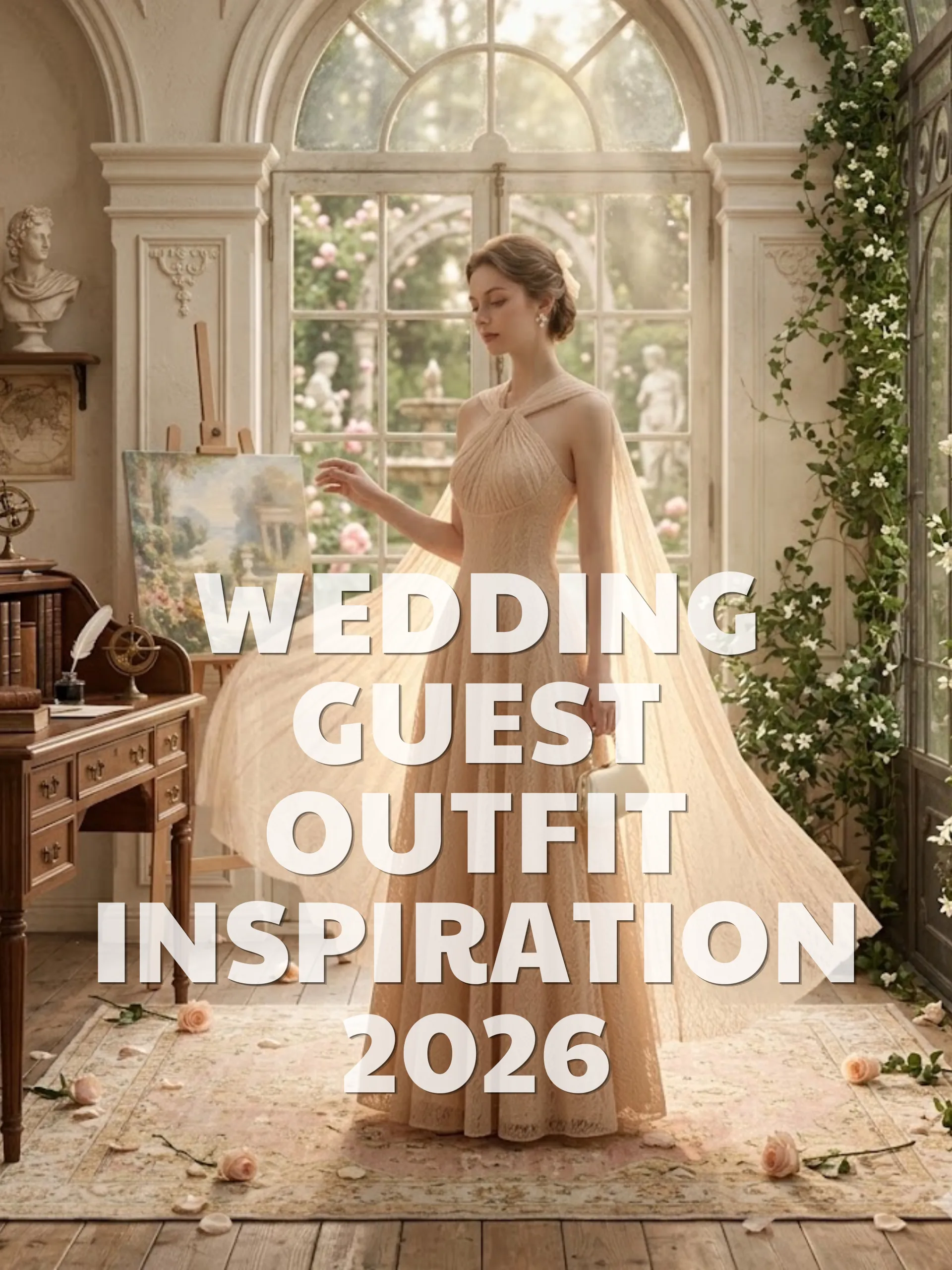
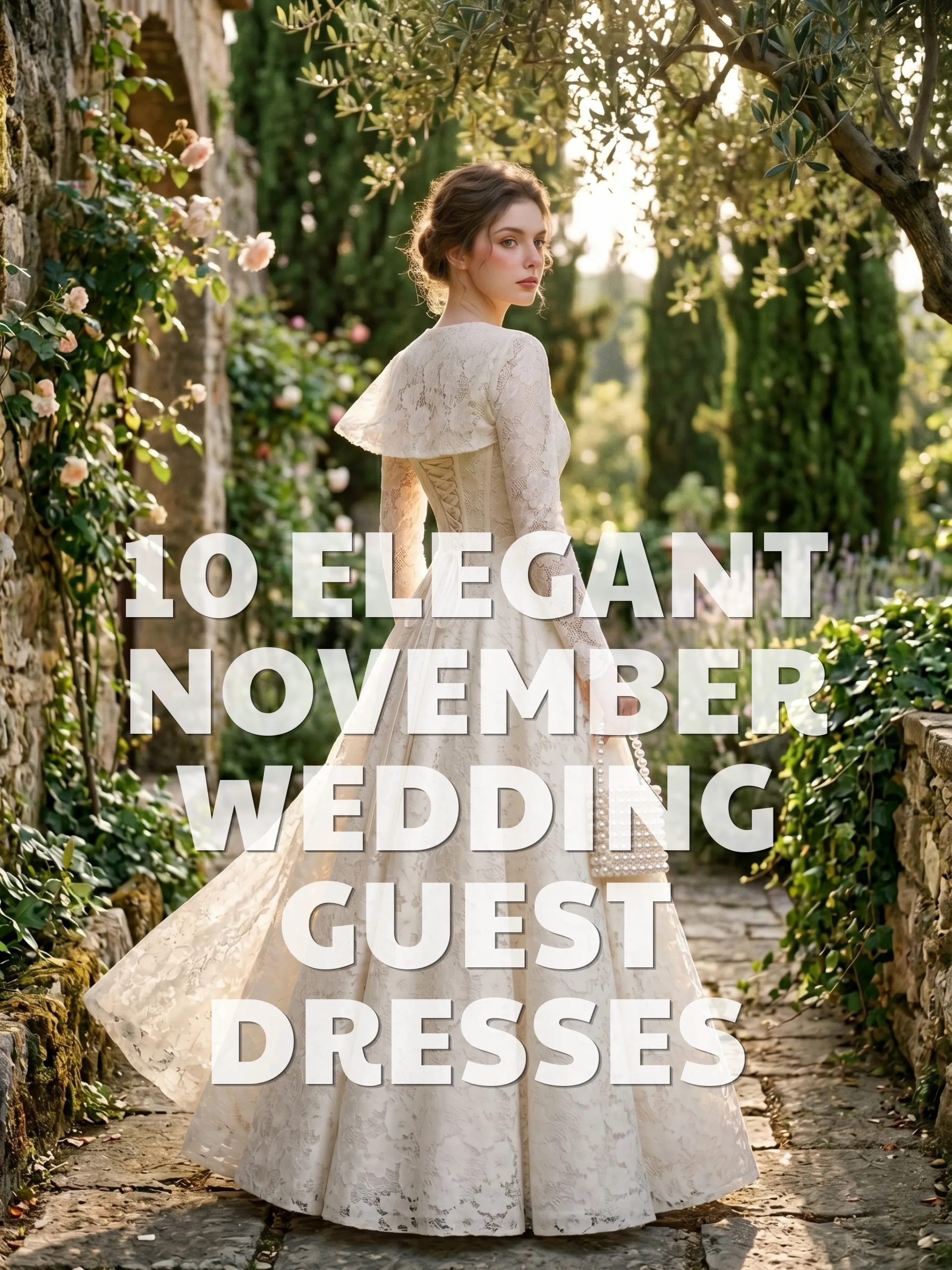
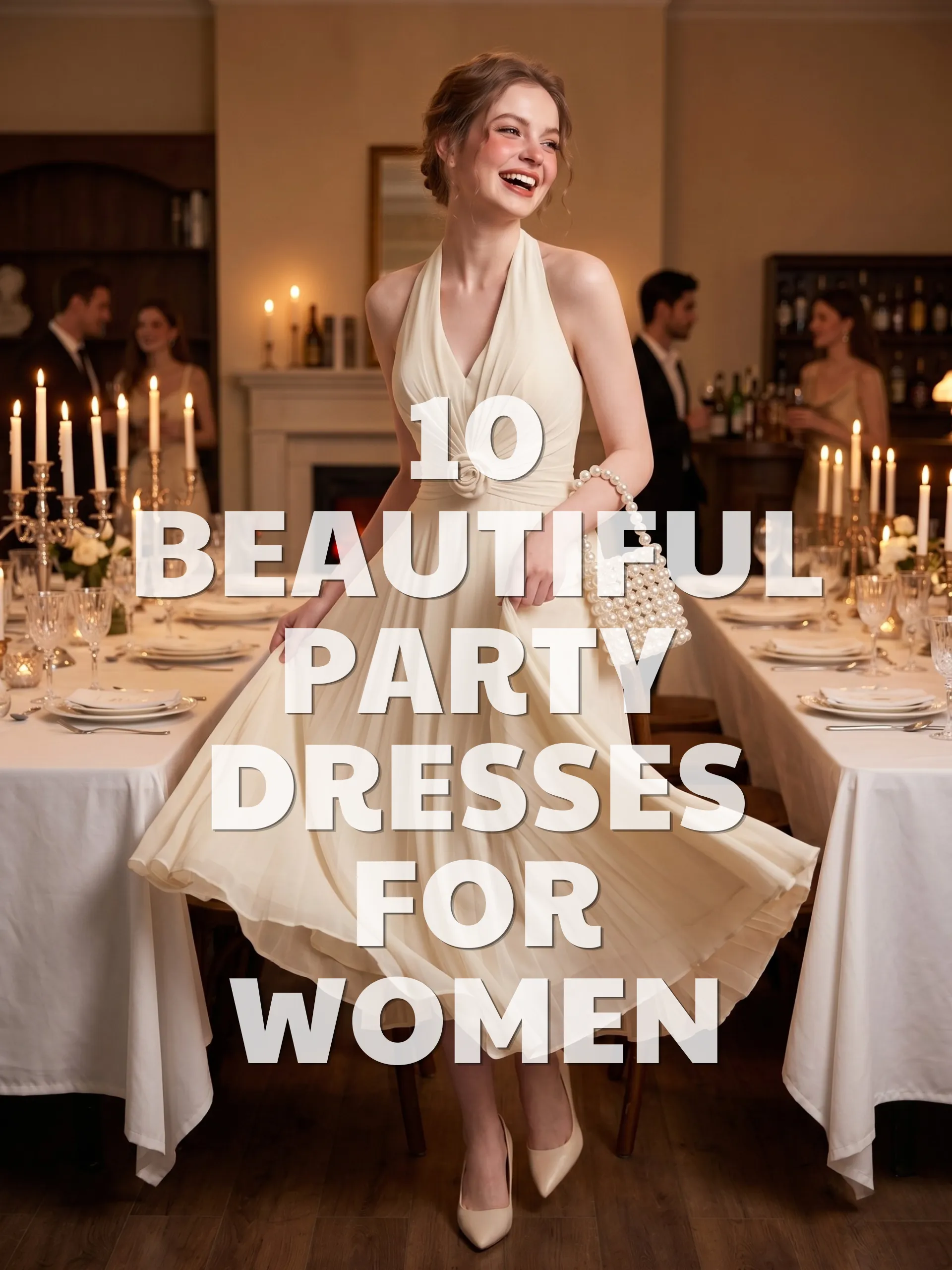
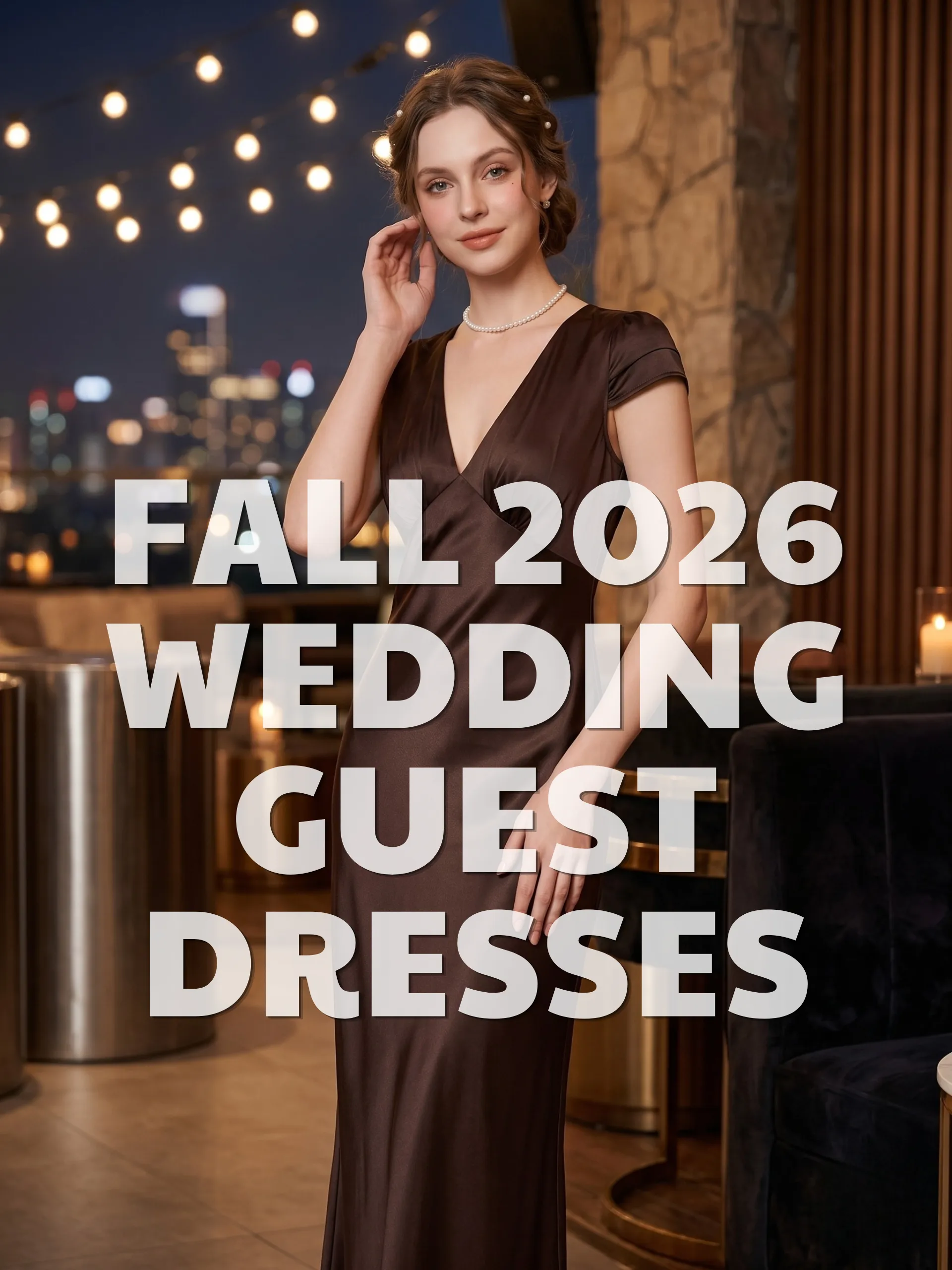
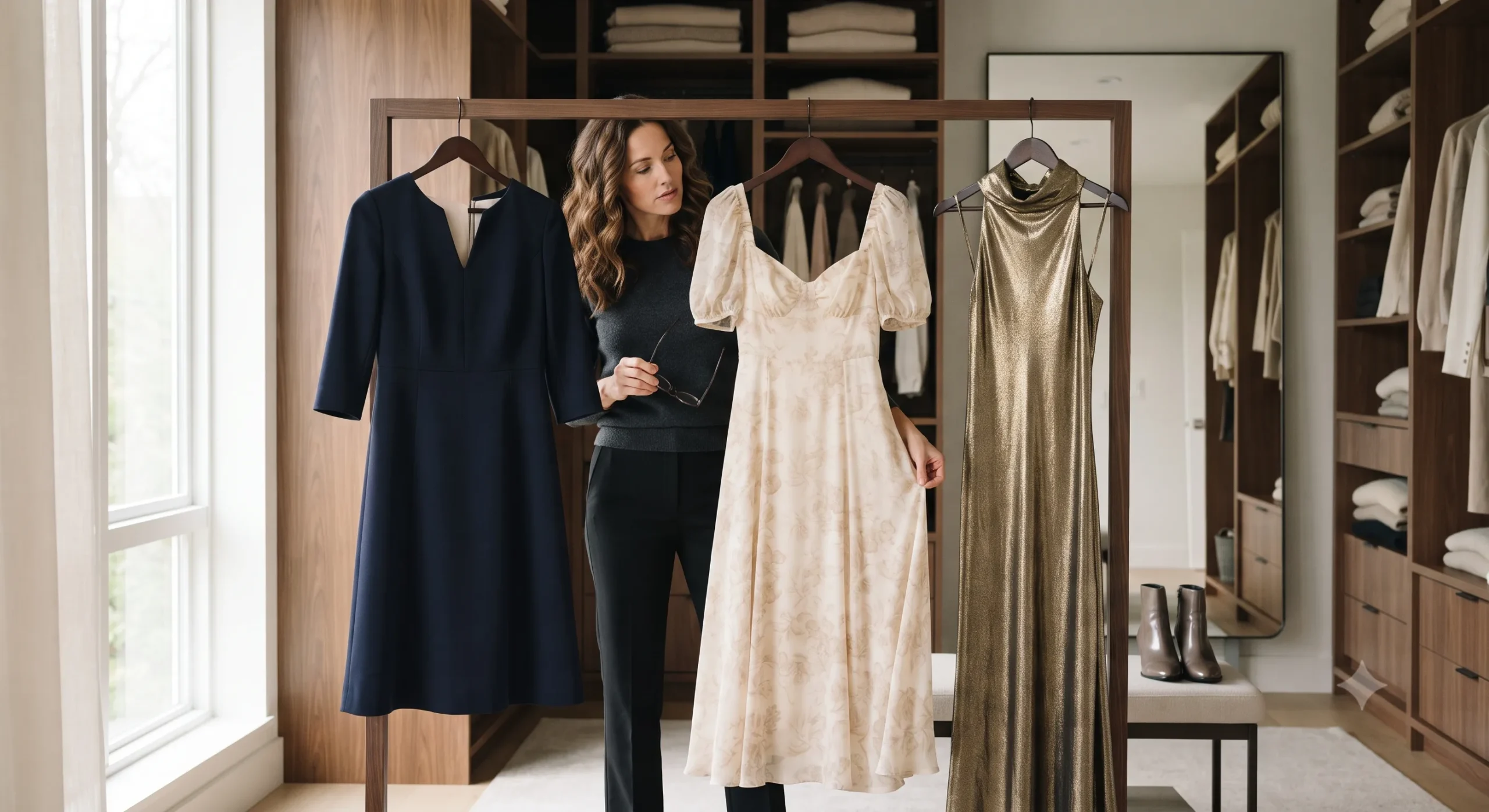
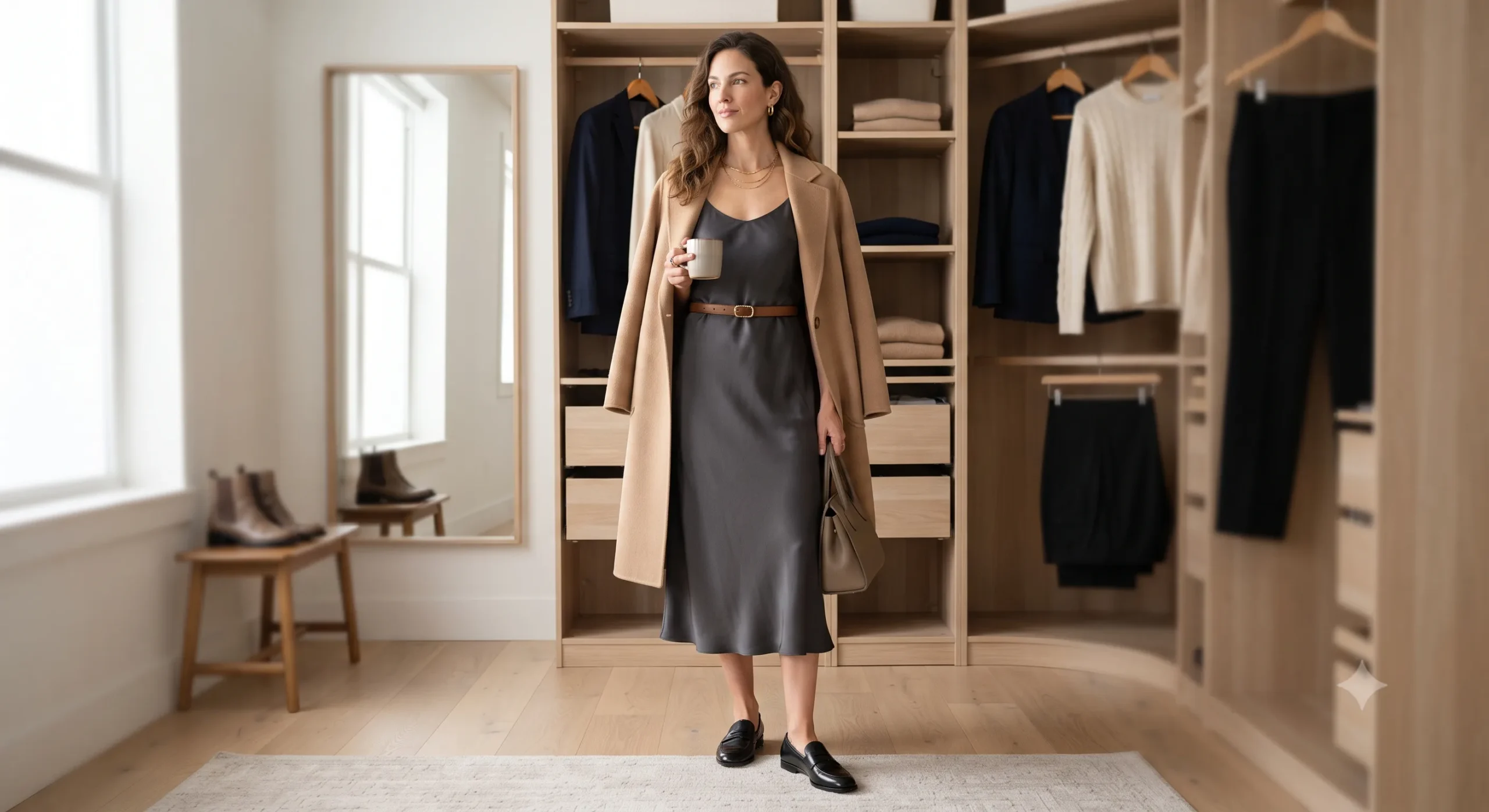
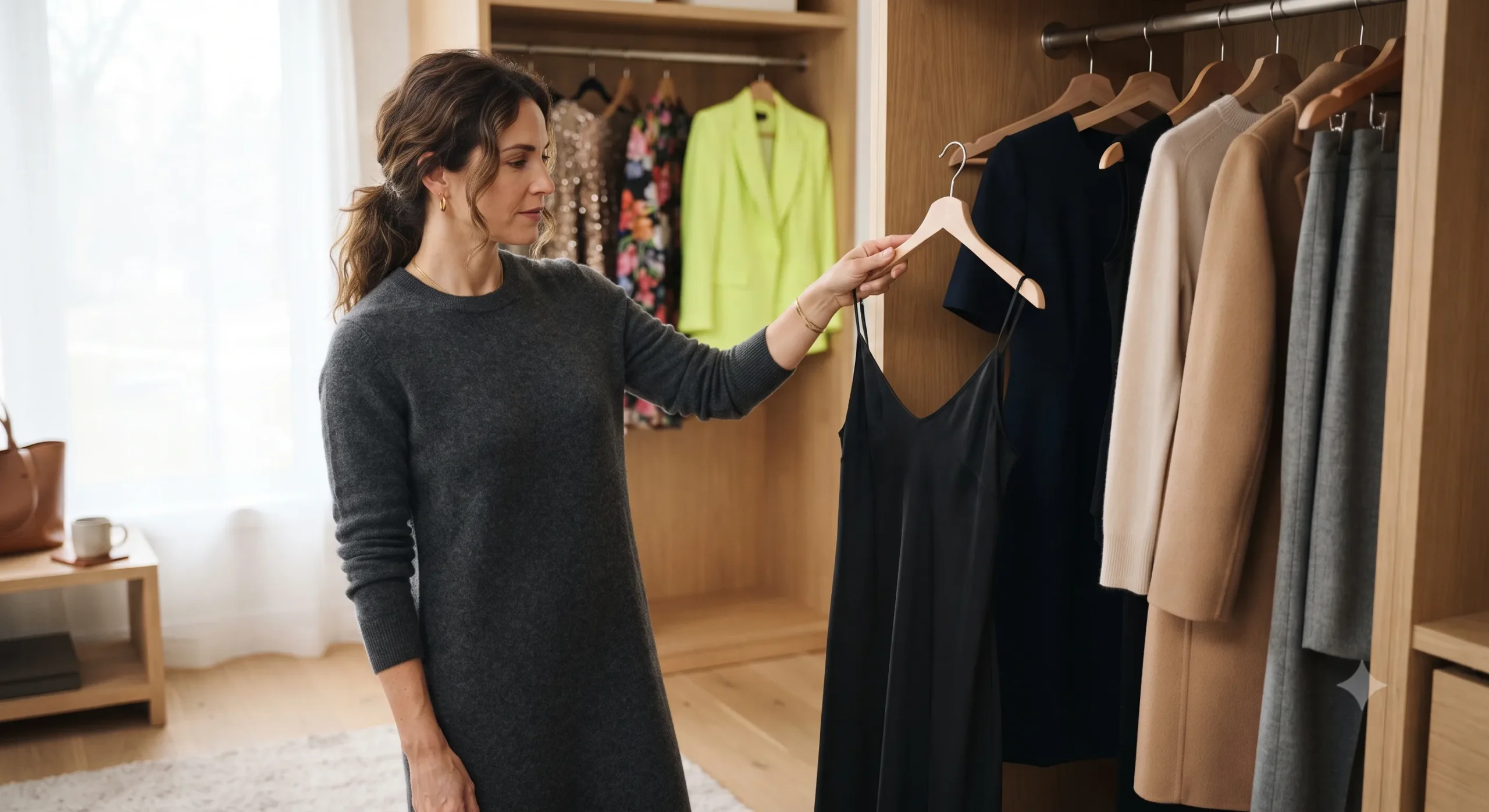
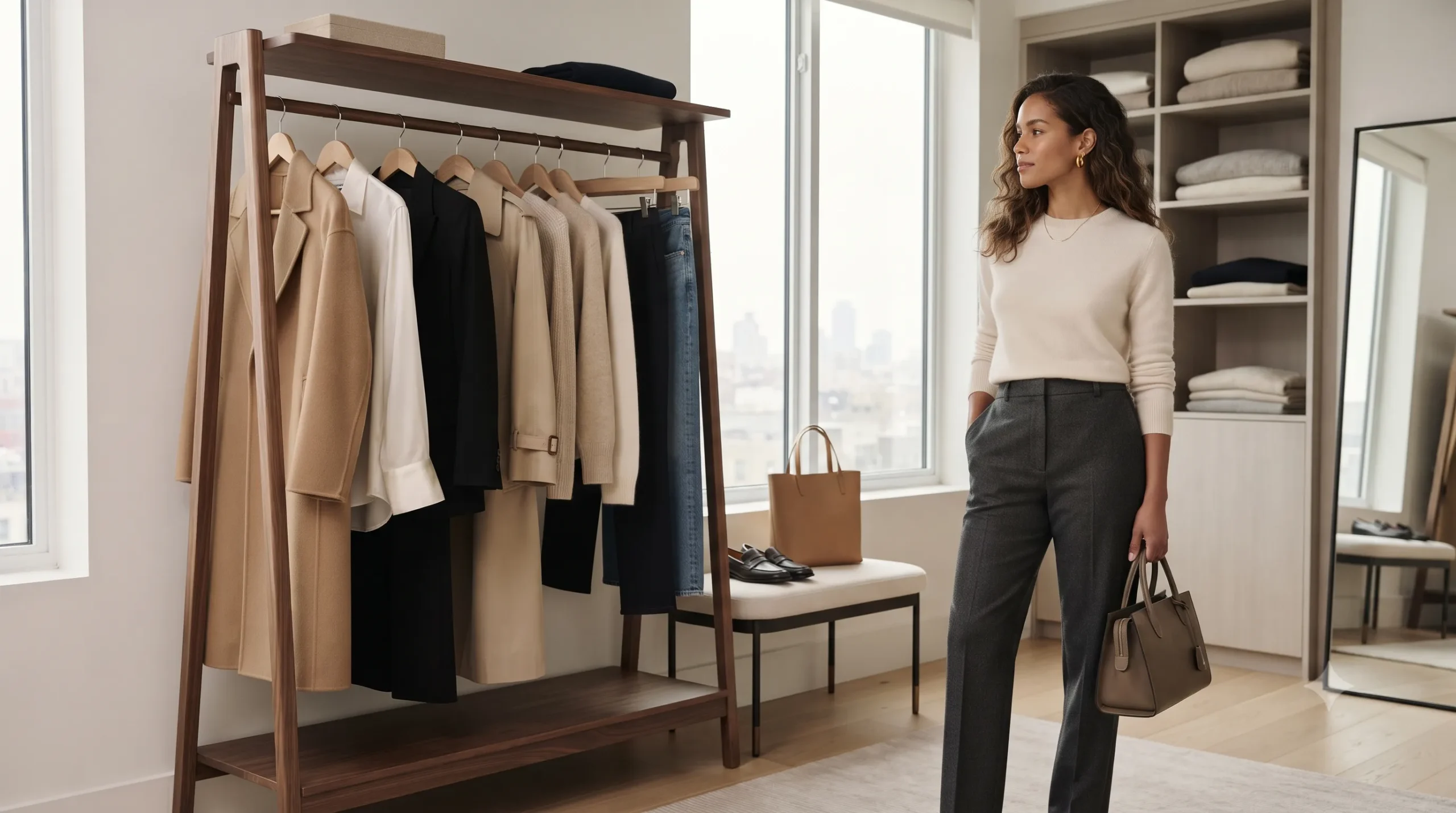
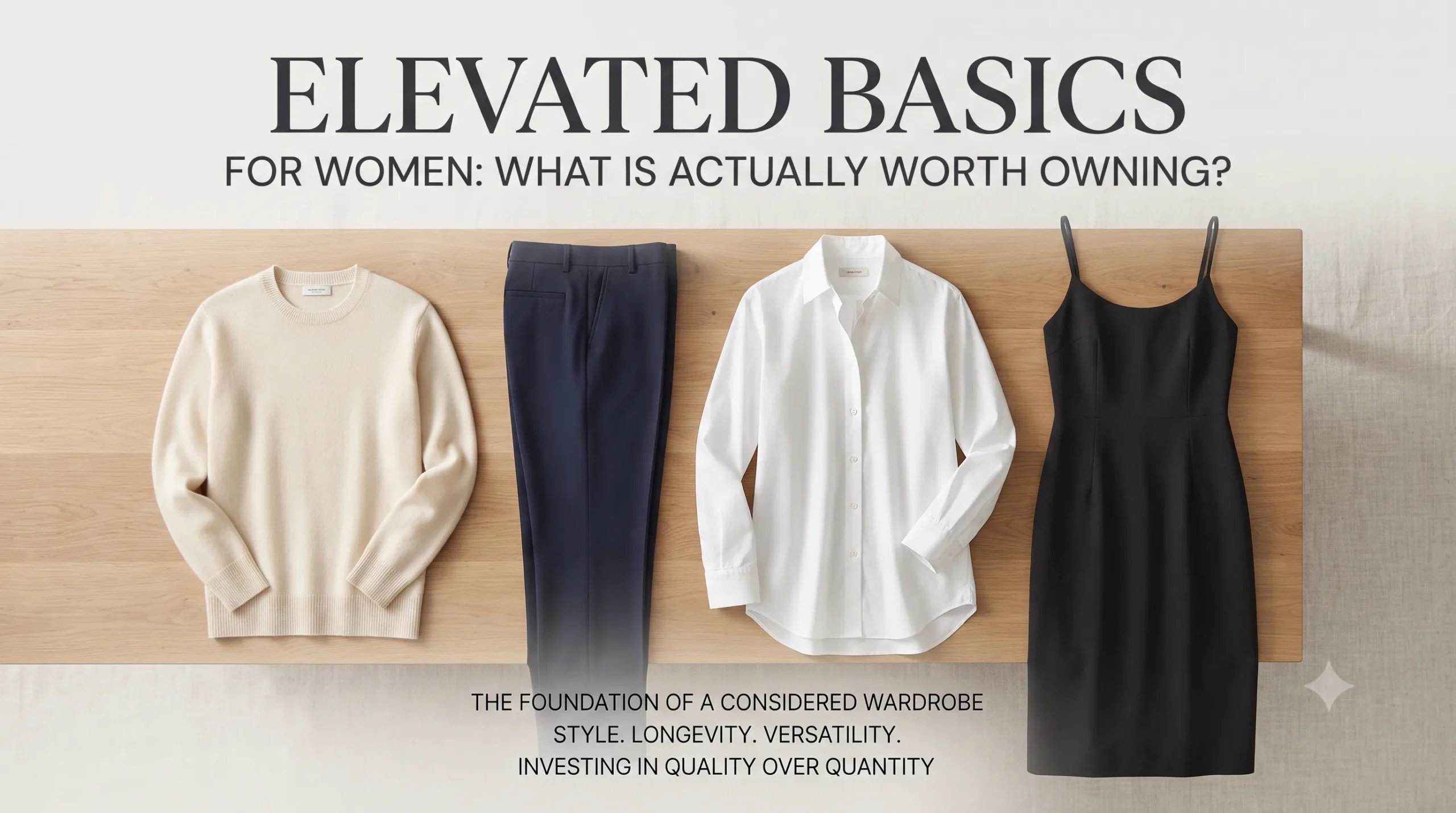
There is a common misconception in modern dressing that “romantic” is synonymous with “costume.” We often associate romantic elements—soft ruffles, delicate floral prints, flowing silhouettes, or intricate lace—with a specific kind of hyper-feminine occasion wear. These are the pieces we pull from the back of the closet for weddings, garden parties, or formal dinners, leaving them to gather dust during the mundane stretches of Tuesday mornings and coffee runs.
The tension lies in the perceived gap between our reality and our aesthetic desires. We want to feel graceful and soft, yet our daily lives often demand utility, structure, and a certain level of practical grit. This creates a wardrobe divide: a collection of functional, perhaps slightly sterile basics for work and errands, and a separate collection of beautiful, sentimental pieces that feel “too much” for anything else.
Bridging this gap is the key to a thoughtful, intentional wardrobe. Styling romantic pieces for everyday life isn’t about dressing up; it is about finding the equilibrium between softness and structure. It is the art of taking a garment with high emotional resonance and grounding it with the practical elements of a modern lifestyle.
The Philosophy of Grounded Romance
To wear romantic pieces daily, one must first understand the principle of contrast. If an outfit is entirely soft, it can feel ethereal to the point of being impractical or overly precious. If it is entirely structured, it can feel rigid and disconnected from your personal expression.
Grounded romance relies on the interplay of opposites. A dress with a gentle, sweeping skirt gains immediate daytime credibility when paired with a structured blazer or a utilitarian jacket. A delicate, high-neck blouse feels modern rather than vintage when tucked into well-fitted denim. This approach moves away from “dressing up” and toward “layering intention.”
By integrating romantic pieces into a daily rotation, you shift the focus from the garment’s occasion to its character. You are no longer wearing a “special occasion dress”; you are wearing a piece characterized by its movement, its texture, or its silhouette. This mindset allows for a more cohesive sense of self, where your style remains consistent whether you are in a boardroom or a bookstore.
Essential Styling Formulas for Daily Wear
Moving from theory to practice requires specific frameworks. Instead of guessing which items will clash, you can rely on established proportions to ensure your romantic pieces feel integrated into a functional wardrobe.
1. The Structural Counterweight
The most effective way to wear romantic silhouettes is to introduce a “hard” element. This provides a visual anchor that signals the outfit is intended for daily activity.
- The Romantic Piece: A midi-length floral skirt or a dress with puff sleeves.
- The Counterweight: A tailored oversized blazer, a cropped leather jacket, or a structured trench coat.
- The Result: The heaviness or sharp lines of the outer layer “tame” the lightness of the romantic piece, making it suitable for professional settings or urban environments.
2. The Denim Anchor
Denim is the universal language of the everyday. It is the most efficient tool for deconstructing the formality of feminine garments.
- The Romantic Piece: A lace-trimmed camisole, a sheer organza blouse, or a tiered skirt.
- The Anchor: Straight-leg blue jeans, dark wash denim, or even a relaxed boyfriend fit.
- The Result: The casual, rugged texture of denim creates a “high-low” aesthetic. It suggests that the romantic piece is part of a lived-in life, not a museum exhibit.
3. Footwear Calibration
Shoes dictate the “volume” of an outfit. To make romantic pieces work for the everyday, you often want to lower the volume of the footwear.
- For Flowing Dresses: Swap delicate strappy sandals for leather loafers, clean white sneakers, or Chelsea boots.
- For Soft Blouses: Instead of pointed-toe stilettos, opt for ballet flats or even a sturdy lug-sole boot to add a sense of contemporary edge.
| Romantic Element | Occasion-Heavy Pairing (Avoid for Daily) | Everyday Grounded Pairing (Recommended) |
|---|---|---|
| Puff Sleeves | Silk slip skirt & Stilettos | Straight-leg jeans & Loafers |
| Floral Print | Nude heels & Pearl clutch | Oversized blazer & Leather boots |
| Lace/Sheer Detail | Formal evening trousers | Tailored trousers & Knit cardigan |
| Tiered/Ruffle Skirt | Satin camisole & Wedges | Graphic tee or Crisp button-down & Sneakers |
Navigating Common Pitfalls and Decision Criteria
When attempting to integrate these pieces, it is easy to accidentally drift into “costume” territory or, conversely, to neutralize the beauty of the piece so much that it loses its identity.
Avoiding the “Costume” Trap
The most common mistake is “over-matching” the aesthetic. If you wear a romantic floral dress with ballet flats, a cardigan, and a hair ribbon, the outfit becomes a period piece rather than a modern ensemble. To avoid this, ensure at least two elements of your outfit are firmly rooted in contemporary, non-romantic styles. If the dress is the star, let the shoes, bag, and jacket be the supporting cast of neutrals and textures.
The Problem of “Over-Neutralizing”
On the other end of the spectrum is the mistake of stripping away all the charm. If you pair a beautiful, soft blouse with such heavy, oversized layers that the blouse is barely visible, you haven’t styled the piece—you’ve hidden it. The goal is a conversation between the pieces, not a silencing of one by the other.
A Decision Framework for Daily Wear
Before leaving the house in a romantic piece, ask yourself these three questions to check the balance:
- Is there a contrast in texture? (e.g., soft silk vs. rugged denim, or delicate lace vs. structured wool).
- Is there a contrast in silhouette? (e.g., a voluminous skirt vs. a fitted knit, or a soft blouse vs. a sharp blazer).
- Does the footwear match my destination? (If you are walking through a city, the footwear should be functional, even if the dress is ethereal).
Building a Thoughtful, Long-Term Wardrobe
Integrating romantic pieces into your daily life is ultimately an exercise in building a more considered, long-term wardrobe. This approach aligns with the concept of “cost-per-wear.” A dress that can only be worn to three weddings a year has a very high cost-per-wear. A dress that can be worn to the office with a blazer, to brunch with sneakers, and to dinner with heels offers significantly more value.
This is where the concept of quiet luxury and intentionality becomes practical. Rather than chasing fleeting trends that demand a specific, narrow way of dressing, focus on pieces with emotional longevity. Look for garments that possess a certain “polished softness”—pieces that feel high-quality in their construction and fabric, allowing them to transition between different social contexts with ease.
A thoughtful wardrobe is not about having more; it is about having pieces that work harder. When you invest in a well-made romantic piece, you are investing in a garment that survives the whims of fashion because its beauty is rooted in its silhouette and its ability to adapt.
Practical Checklist for Shopping for Versatile Romantic Pieces
If you are looking to add more romantic elements to your wardrobe that will actually see daily use, look for these indicators:
- Subtle Details: Look for ruffles, lace, or embroidery that feels integrated into the garment rather than applied as an afterthought.
- Neutral or Muted Palettes: While bright florals are lovely, a romantic silhouette in a neutral tone (cream, navy, sage, or charcoal) is significantly easier to style for everyday life.
- Fabric Weight: Consider how the fabric moves. A medium-weight crepe or a high-quality cotton poplin often feels more “grounded” for daytime than extremely lightweight, sheer materials.
- Layering Potential: Can you easily wear a sweater over this? Can a jacket sit comfortably over the shoulders without distorting the shape?
- Proportion Control: Is the silhouette balanced? A piece that is too voluminous in all directions may be difficult to style without feeling overwhelmed.
The Emotional Value of Everyday Beauty
There is a quiet psychological benefit to dressing with intention. When we allow ourselves to wear pieces that feel beautiful—even on an ordinary day—we are making a small, daily claim for our own joy. It is a way of rejecting the idea that beauty is something reserved for “special” moments.
By styling romantic pieces for everyday life, you create a wardrobe that serves your spirit as much as your schedule. You move away from the cycle of hyper-consumption and toward a more curated, meaningful relationship with your clothes. You begin to see your wardrobe not as a collection of uniforms for different roles, but as a versatile toolkit for expressing a consistent, refined, and multifaceted self.
Ultimately, style is not about perfection; it is about the grace with which you navigate your life. Integrating romance into the everyday is simply one of the many ways to add that grace to your daily rhythm.