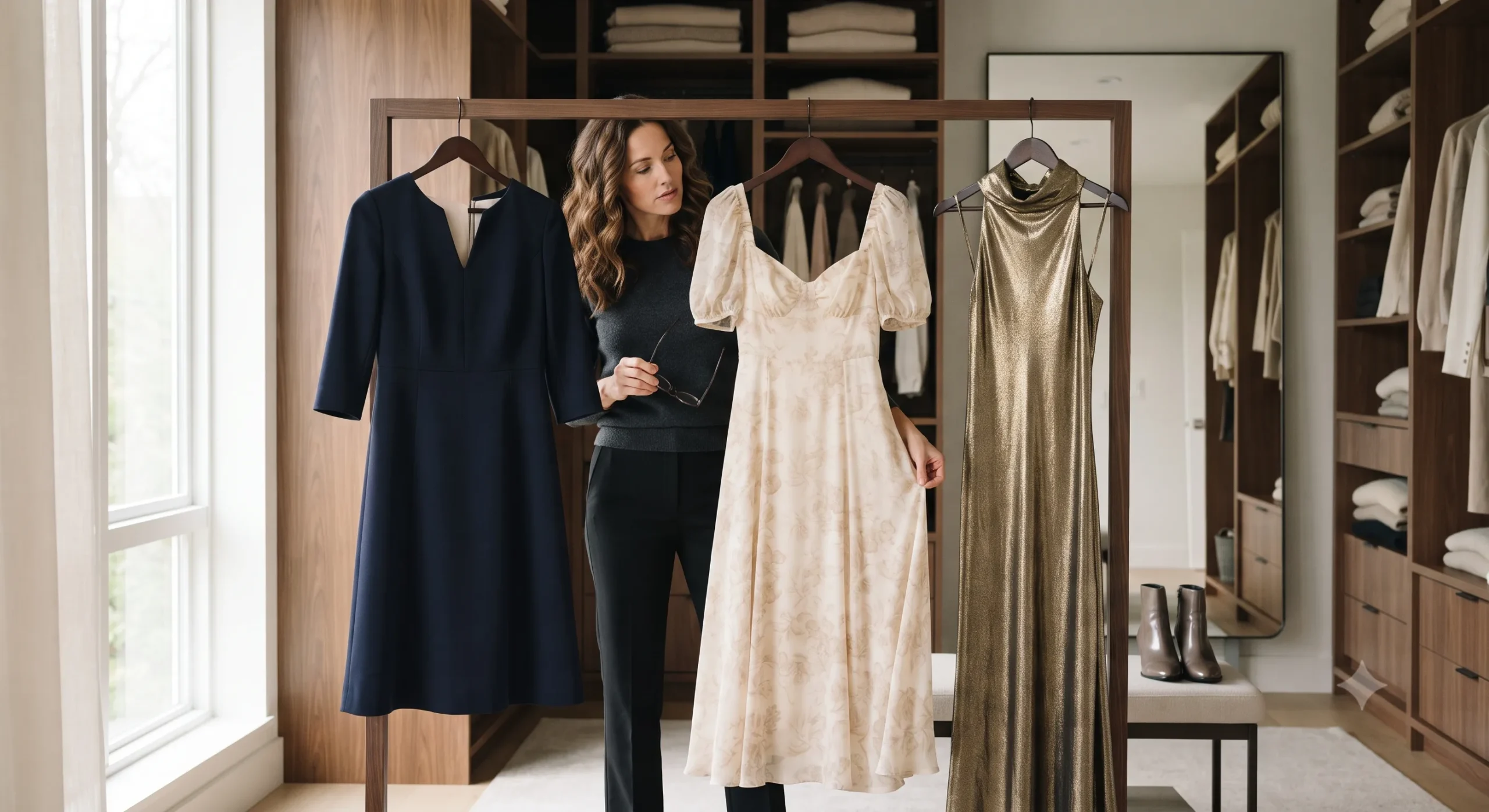
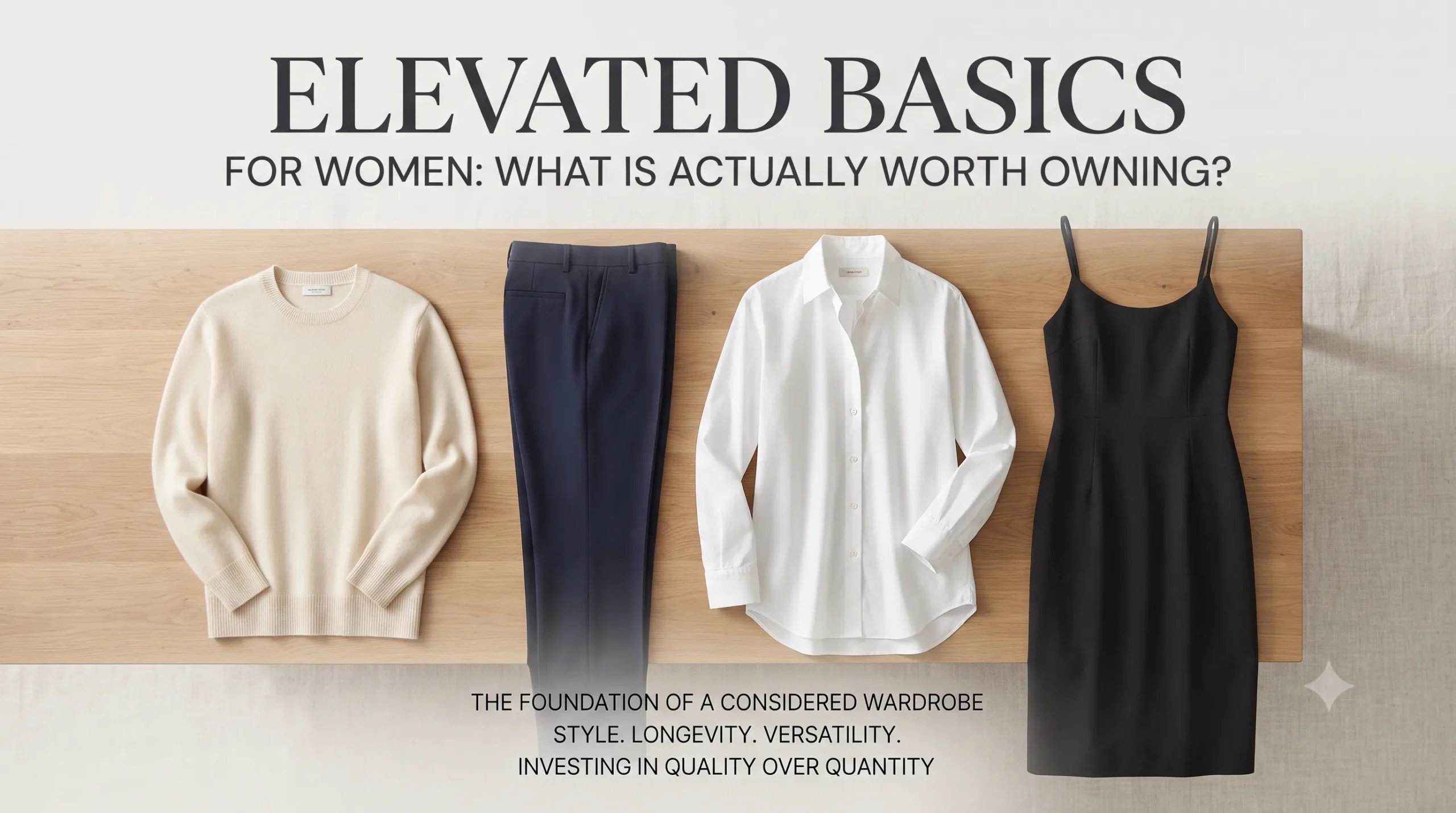
There is a specific kind of frustration that comes from standing before a closet full of clothes and feeling as though nothing looks quite right. You might be wearing a classic white button-down and well-fitted trousers—the very definition of a “simple outfit”—yet somehow, the ensemble feels uninspired, or worse, inexpensive. It lacks that elusive sense of intention that characterizes a truly polished look.
The misconception many women encounter is that looking “expensive” requires a high price tag, a heavy reliance on logos, or an accumulation of complex trends. In reality, the perception of luxury is rarely about the cost of the garment itself. Instead, it is a visual language composed of texture, proportion, grooming, and a certain disciplined restraint. Making a simple outfit look more expensive is less about adding more and more about refining what is already there. It is about shifting the focus from the items themselves to the way they interact with your body and the space around you.
The Core Principles of Visual Value
To master the art of the elevated simple outfit, one must understand that our eyes scan an outfit for cues of quality and care. When we see a person who looks effortlessly polished, our brains are subconsciously registering details: the crispness of a hem, the harmony of a color palette, and the way a fabric drapes rather than clings.
The Power of Proportion and Fit
If an outfit looks “cheap,” the culprit is often a lack of structural integrity. This doesn’t necessarily mean every piece must be tailored by a professional, though that is a significant advantage. It means understanding how volume interacts.
A common mistake is wearing oversized pieces on both the top and bottom, which can swallow the silhouette and create a sloppy appearance. To make a simple outfit look expensive, aim for a balance of proportions. If you are wearing wide-leg linen trousers, pair them with a more fitted, tucked-in top. Conversely, if you are wearing a voluminous skirt, a more streamlined knit or a structured blazer can provide the necessary counterweight.
Fit is the silent architect of style. A garment that fits perfectly at the shoulders or hits at the ideal point on the ankle communicates that the clothing was chosen with purpose. Even a mid-range piece can look high-end if it skims the body correctly, whereas a designer piece can look diminished if it hangs awkwardly or pulls at the seams.
Materiality and Texture
Texture provides the visual depth that simple colors sometimes lack. A monochromatic outfit—for example, all cream or all navy—can easily look flat and uninteresting if every piece is made of the same matte cotton. However, when you layer a heavy knit with a smooth skirt, or a structured cotton shirt with a slightly textured weave, you create “visual weight.”
Luxury is often felt through the eyes before it is felt by the touch. Smooth surfaces, substantial weights, and the way light interacts with a fabric are key indicators of quality. When selecting pieces for a thoughtful wardrobe, consider how the fabric behaves: Does it hold its shape? Does it drape with intention? Does it look lived-in or does it look worn out?
Strategies for Elevating the Everyday
Refining a basic outfit requires a strategic approach to accessorizing and layering. The goal is to introduce elements that suggest a level of curation rather than a random collection of items.
The Rule of Intentional Accessories
Accessories should never feel like an afterthought. When we grab whatever is closest to the door, the outfit often lacks a focal point. To elevate a simple look, choose accessories that feel substantial and deliberate.
- Structured Bags: A shapeless, soft bag often lends a casual, sometimes cluttered feel to an outfit. A structured leather or high-quality vegan alternative provides a sharp silhouette that anchors even the simplest jeans and tee.
- Jewelry with Presence: Rather than wearing a multitude of small, delicate pieces that can look “busy,” try opting for a few pieces with more visual weight. A single pair of gold hoops or a substantial watch can signal sophistication far more effectively than a stack of trendy charms.
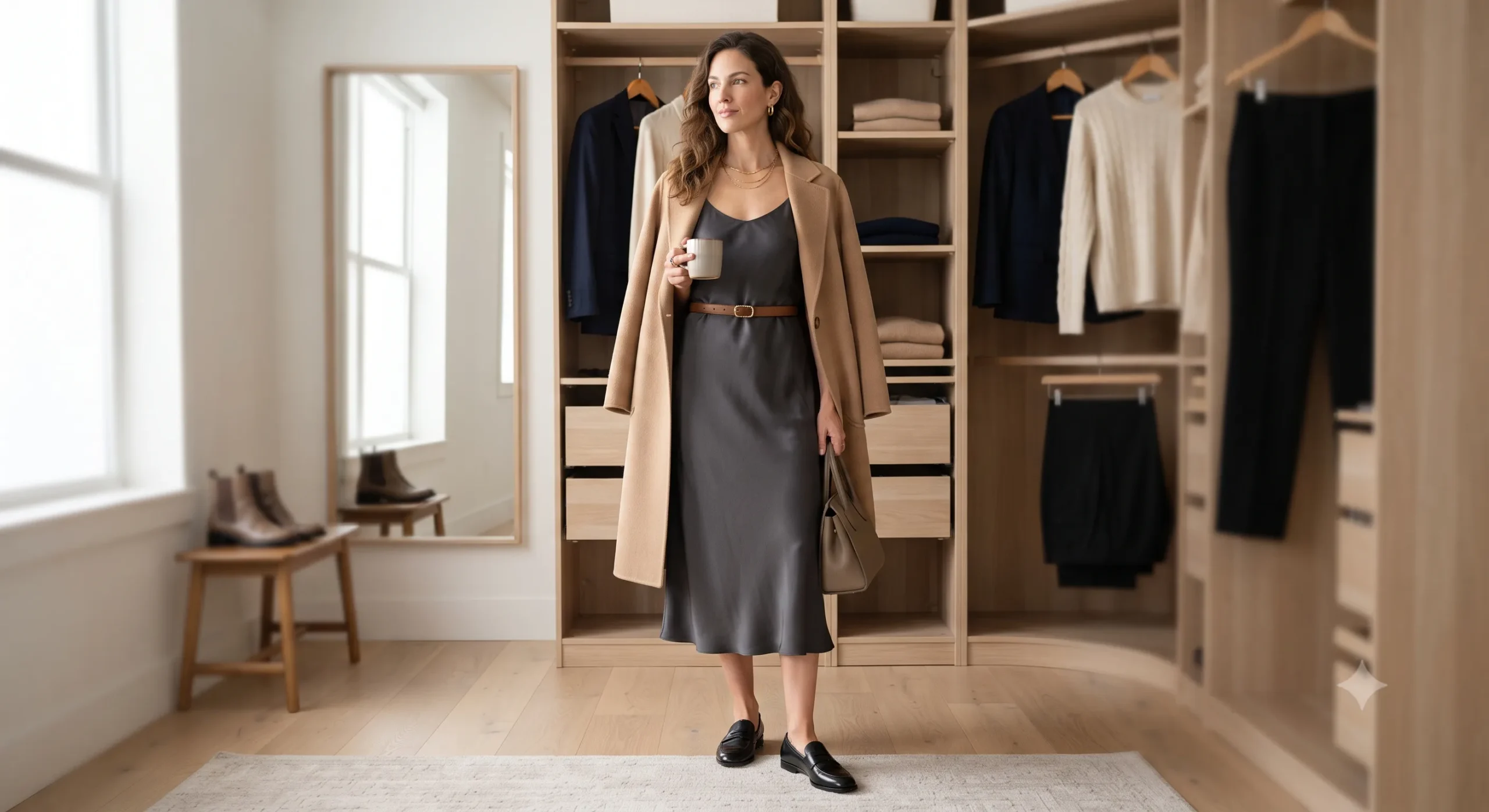
- Footwear as an Anchor: Shoes are frequently the first thing people notice when assessing an outfit’s polish. A clean, pointed-toe flat or a structured loafer can instantly transform a simple midi dress from “daytime casual” to “refined occasionwear.”
The Art of Layering
Layering is perhaps the most effective way to add complexity to a simple outfit without adding clutter. It creates depth and allows you to play with different textures and silhouettes.
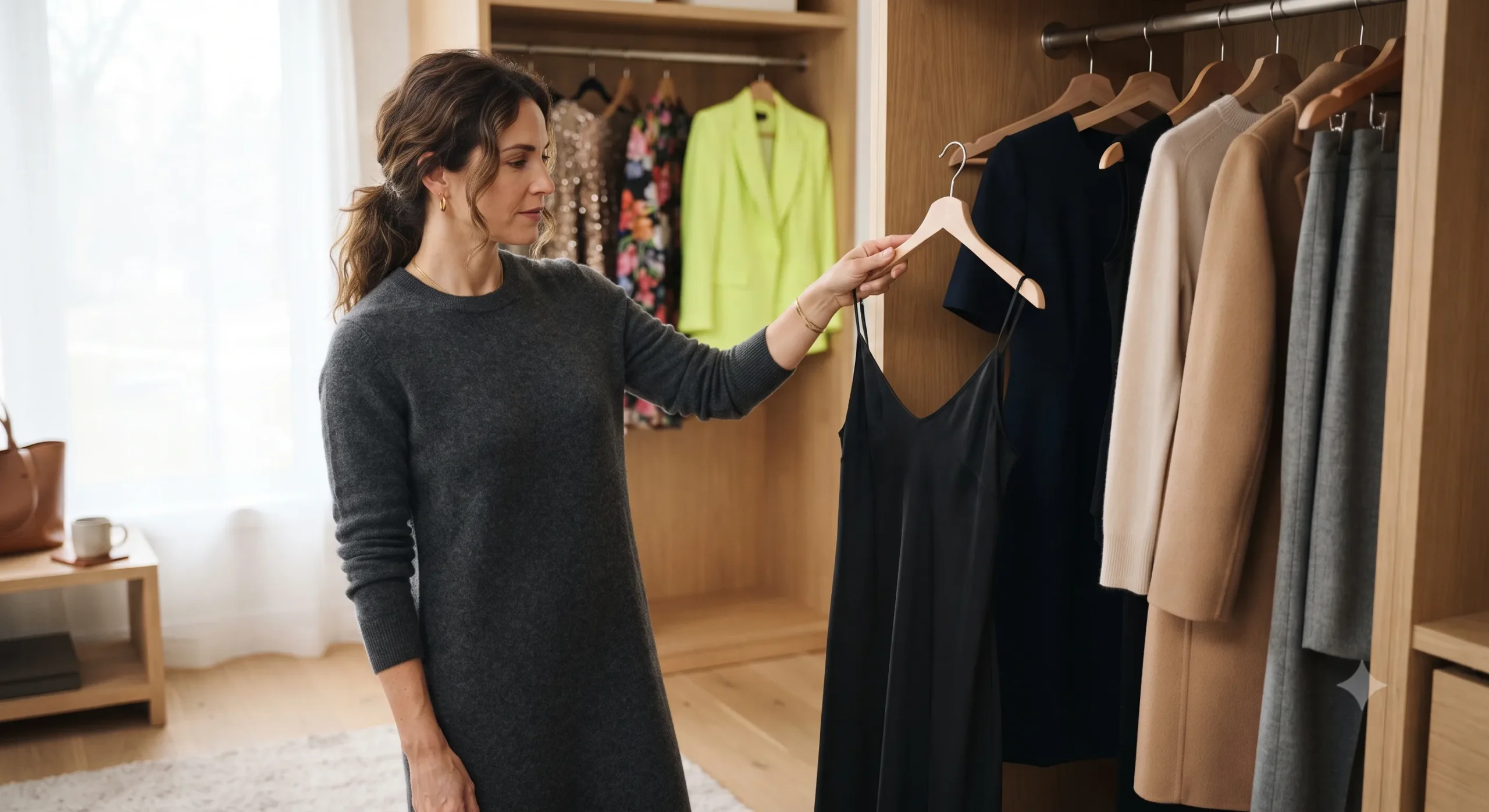
Consider a basic slip dress. On its own, it is a singular note. Add a structured blazer, and it becomes a professional ensemble. Add a lightweight knit sweater over the top, and it becomes a soft, romantic daytime look. The key is to ensure each layer serves a purpose—either to provide warmth, structure, or a change in silhouette.
| Element | Casual Approach (Low Perceived Value) | Refined Approach (High Perceived Value) |
|---|---|---|
| Color Palette | High-contrast, mismatched colors | Tonal, monochromatic, or intentional neutrals |
| Fit | Baggy or overly tight in wrong places | Balanced proportions; skimming the silhouette |
| Texture | Single texture (e.g., all jersey) | Layered textures (e.g., silk, knit, and wool) |
| Accessories | Trendy, numerous, or “loud” | Minimal, structured, and intentional |
| Grooming | Undefined or rushed | Polished, intentional, and neat |
Avoiding the Pitfalls of “Trying Too Hard”
There is a fine line between looking polished and looking performative. The most expensive-looking outfits often possess a quality of “quietness”—a sense that the woman is wearing the clothes, rather than the clothes wearing her.
The Danger of Over-Accessorizing
A common mistake when trying to elevate a look is to add too many “elevating” elements at once. If you wear a statement necklace, statement earrings, a large belt, and a structured bag, the result is often overwhelming and loses the air of understated elegance.
Instead, follow the principle of restraint. If your jewelry is the star, keep your hair and makeup clean and your clothing simple. If your outfit features a beautiful, architectural silhouette, let the garment speak for itself without competing with heavy ornamentation.
The Importance of Maintenance
One of the most overlooked aspects of looking expensive is garment care. Even the most beautifully designed dress will lose its impact if it is covered in wrinkles, pilling, or lint.
- Steaming vs. Ironing: Investing in a good steamer can drastically change the way your clothes look. Crisp, wrinkle-free fabric is a hallmark of a well-maintained wardrobe.
- Pilling Management: Regularly using a fabric shaver to remove lint and pills from knits keeps them looking new and intentional.
- Footwear Care: Scuffed heels or dirty soles can instantly dismantle a carefully planned outfit. A bit of regular cleaning and conditioning goes a long way.
A Framework for Thoughtful Wardrobe Building
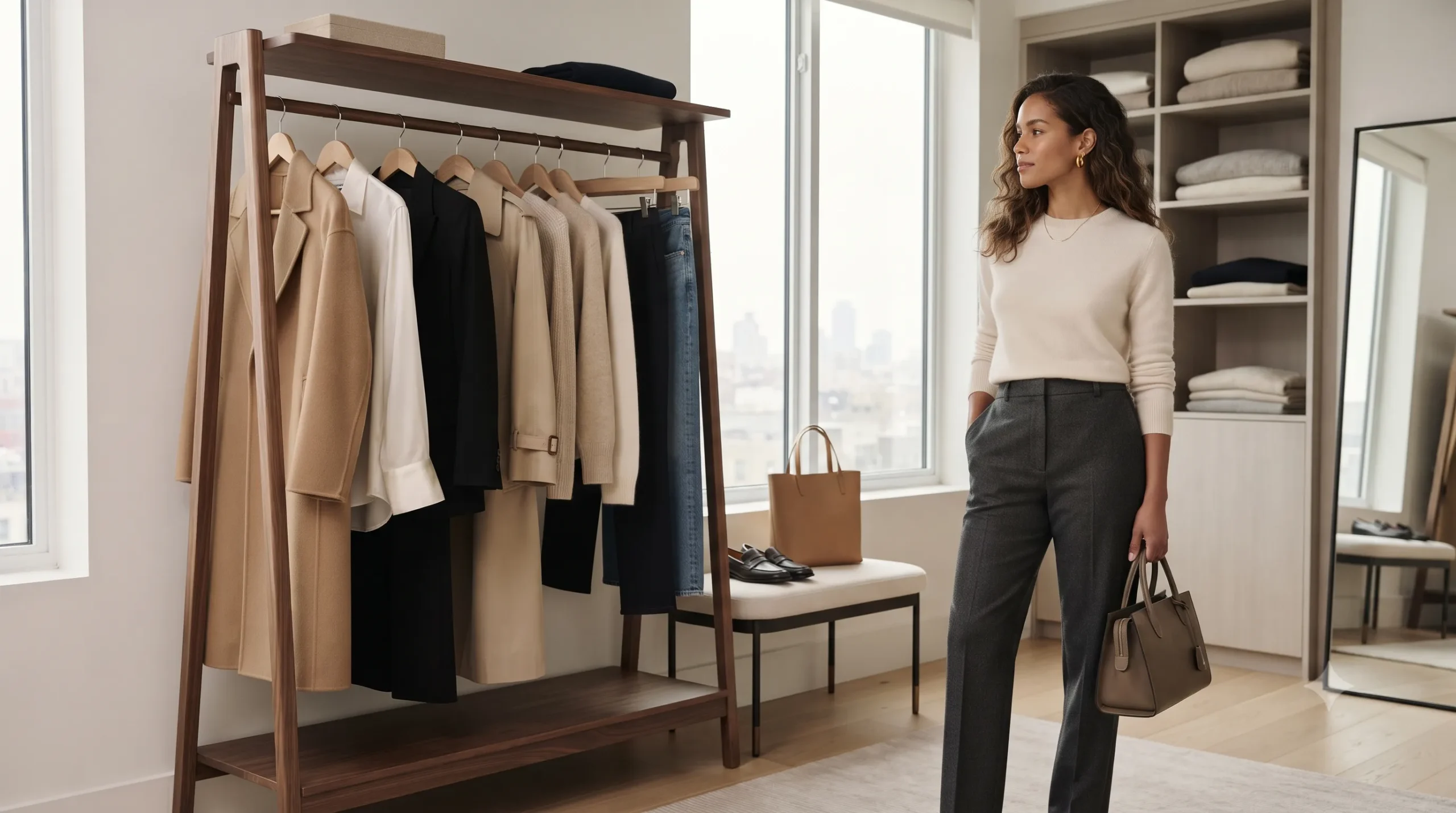
As you move away from the cycle of chasing trends and toward a more refined style, it is helpful to view your wardrobe through the lens of cost-per-wear.
This philosophy suggests that the value of a garment isn’t found in its initial price tag, but in its longevity and frequency of use. A high-quality, timeless blazer that you wear three times a week for three years is significantly more valuable—and ultimately more “expensive” in terms of style impact—than a trendy, inexpensive jacket that you wear twice before it loses its shape or goes out of fashion.
When building a wardrobe with purpose, look for pieces that offer versatility. Ask yourself:
- Can this be worn in at least three different settings (e.g., work, dinner, weekend)?
- Does the fabric feel substantial enough to withstand repeated wear and cleaning?
- Does the silhouette align with my personal sense of proportion, or am I chasing a temporary trend?
By prioritizing these questions, you move toward a collection of clothes that feel cohesive and elevated, making the act of getting dressed feel less like a struggle and more like an expression of your most polished self.
Common Mistakes to Avoid
To help refine your approach, keep these common errors in mind:
- Ignoring the “Third Piece” Rule: Often, a top and a bottom feel incomplete. Adding a “third piece”—a blazer, a cardigan, a scarf, or a structured jacket—is frequently the difference between an outfit that looks “thrown on” and one that looks “styled.”
- Neglecting Undergarments: The silhouette of a simple dress or a fitted top is heavily dependent on what is underneath. Visible bra lines or poorly fitting undergarments can disrupt the clean lines that are essential for a polished look.
- Overlooking Color Harmony: While bright colors can be beautiful, they can also be difficult to make look “expensive” if the shades clash or if the colors feel too saturated and synthetic. Staying within a cohesive palette of neutrals, earth tones, or muted shades tends to yield a more sophisticated result.
Conclusion
Making a simple outfit look more expensive is an exercise in mindfulness. It is about noticing the small details—the way a sleeve sits, the texture of a knit, the shine of a well-maintained shoe—and treating them with respect.
True elegance is not loud; it does not need to shout to be noticed. By focusing on fit, texture, and intentionality, you can transform even the most basic pieces into a powerful expression of personal style. It is a shift from consuming more to choosing better, moving away from the chaos of fast fashion and toward a more calm, refined, and enduring way of dressing.