There is a specific kind of visual noise that occurs in modern dressing—a constant, rhythmic interruption of monogrammed canvases, oversized hardware, and branding that demands to be read before it is even seen. We have all encountered it: the walking advertisement, the garment where the identity of the wearer is entirely subsumed by the identity of the manufacturer. While logo-centric fashion has its place in streetwear and certain high-octane trends, it often stands in direct opposition to the concept of true elegance.
True elegance is rarely loud. It does not seek to shout its pedigree; instead, it whispers through the drape of a fabric, the precision of a seam, and the harmony of a silhouette. When we remove the crutch of the logo, we are forced to return to the fundamentals of style: texture, proportion, color, and fit. This shift from “branded” to “considered” is the hallmark of a mature wardrobe—one that values the woman wearing the clothes more than the label attached to them.
For many women, moving away from loud branding can feel intimidating. Without the recognizable stamp of a luxury house, how do you signal quality? How do you ensure an outfit feels intentional rather than accidental? The answer lies in understanding the mechanics of understated sophistication.
The Philosophy of Understated Polish
To understand how to look elegant without logos, one must first understand what “quiet luxury” or understated style actually accomplishes. It is not merely the absence of a brand name; it is the presence of intentionality.
When a garment relies on a logo to convey value, it is leaning on a shortcut. The logo tells the observer, “This is expensive, therefore it is good.” When you strip that shortcut away, the garment must stand on its own merits. This is where the distinction between “expensive-looking” and “expensive” becomes clear. An expensive-looking item might be a polyester blend with a gold logo; an expensive piece is one where the weight of the fabric and the way it moves with the body signal its worth.
Quiet polish is about visual calm. It creates a sense of ease and confidence because the outfit isn’t competing with itself. There is no tension between a person’s character and their clothing. Instead, the clothes serve as a refined frame for the individual.
Defining the Pillars of Non-Branded Elegance
If we are to build a wardrobe based on this philosophy, we must look at four specific pillars:
- Material Integrity: Because there is no logo to distract the eye, the eye will naturally gravitate toward the surface of the fabric. The way light hits a high-quality wool or the subtle matte finish of a heavy crepe becomes the primary “decoration.”
- Structural Precision: Elegance is found in the architecture of a garment. This includes the sharpness of a shoulder, the way a waist is nipped, or the intentional flow of a skirt.
- Color Harmony: Rather than relying on prints or branding to create interest, understated style utilizes tonal palettes and nuanced color stories to create depth.
- The Concept of Fit: A logo can sometimes mask a poor fit, but in a logo-free wardrobe, the fit is everything. A garment that skims the body correctly suggests a level of curation that a brand name cannot replicate.
The Mechanics of Quality: What to Look For
Without a logo to act as a proxy for quality, you must become a more discerning observer of garment construction. This requires moving past the aesthetic “vibe” and looking at the technical reality of what you are purchasing.
Fabric Behavior and Tactility
The most immediate way to communicate elegance is through the tactile nature of your clothing. High-quality fabrics have a “memory”—they hold their shape, they drape predictably, and they respond to movement with grace rather than stiffness or clinginess.
When evaluating a piece, consider how it behaves. Does it look limp after an hour of wear? Does it create excessive static? A fabric with a certain weight—whether it is a dense knit or a structured woven—tends to look more polished and expensive than lightweight, sheer synthetics that lack substance.
The Details That Signal Craftsmanship
In the absence of a logo, the “signifiers” of quality move to the micro-level. These are the details that only someone with a keen eye will notice, which is exactly why they work for an understated wardrobe.
- Seam Integrity: Look at the stitching. Are the lines straight and even? Is there any puckering at the seams? High-quality construction avoids tension issues that cause fabric to pull awkwardly.
- Hardware and Fastenings: If a garment has buttons, are they substantial? Plastic buttons that feel light and hollow can immediately cheapen a look. Metal, horn, or mother-of-pearl buttons add a layer of silent luxury.
- Hemlines and Edges: A well-finished hem is a hallmark of a garment made with care. Look for clean, weighted hems that allow a skirt or trouser to hang properly.
- Lining: An elegant garment is as beautiful on the inside as it is on the outside. A full, smooth lining prevents the outer fabric from clinging to your undergarments and ensures the garment maintains its shape throughout the day.
Building a Wardrobe of Intentionality
Transitioning to a logo-free, elegant wardrobe is not about buying a new set of clothes; it is about changing your criteria for what earns a place in your closet. It is a shift from “What is trending?” to “How does this serve my life and my aesthetic?”
The Role of Elevated Basics
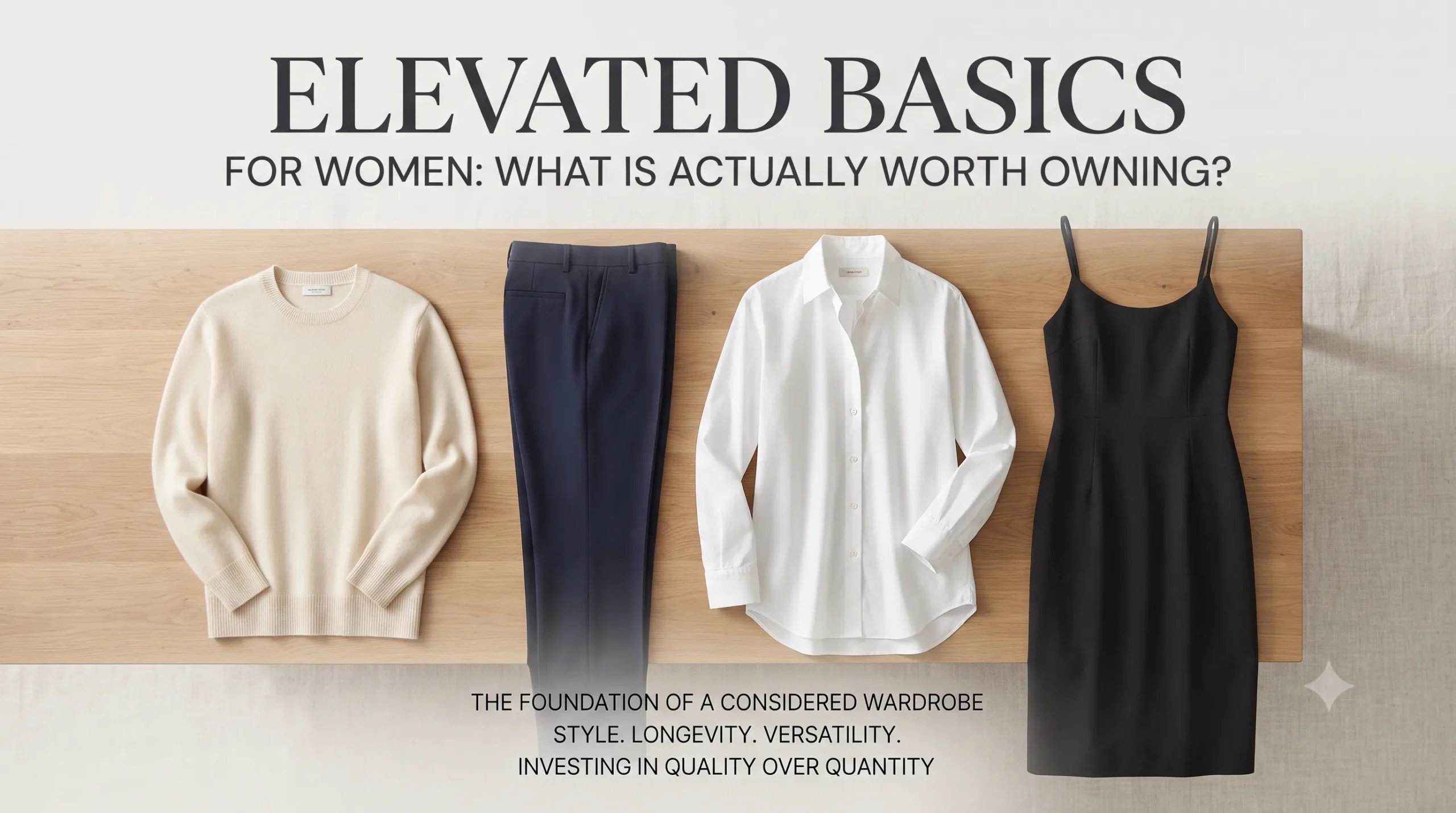
An elegant wardrobe is often built upon a foundation of elevated basics. These are not “boring” items; they are the high-performance pieces of your style life. Think of a perfectly tailored blazer, a cream-colored knit, or a pair of trousers with a flawless drape. These pieces are the workhorses. Because they lack distracting elements, they are infinitely versatile, allowing you to transition from a professional setting to a dinner engagement with a simple change of accessories.
The Power of Tonal Dressing
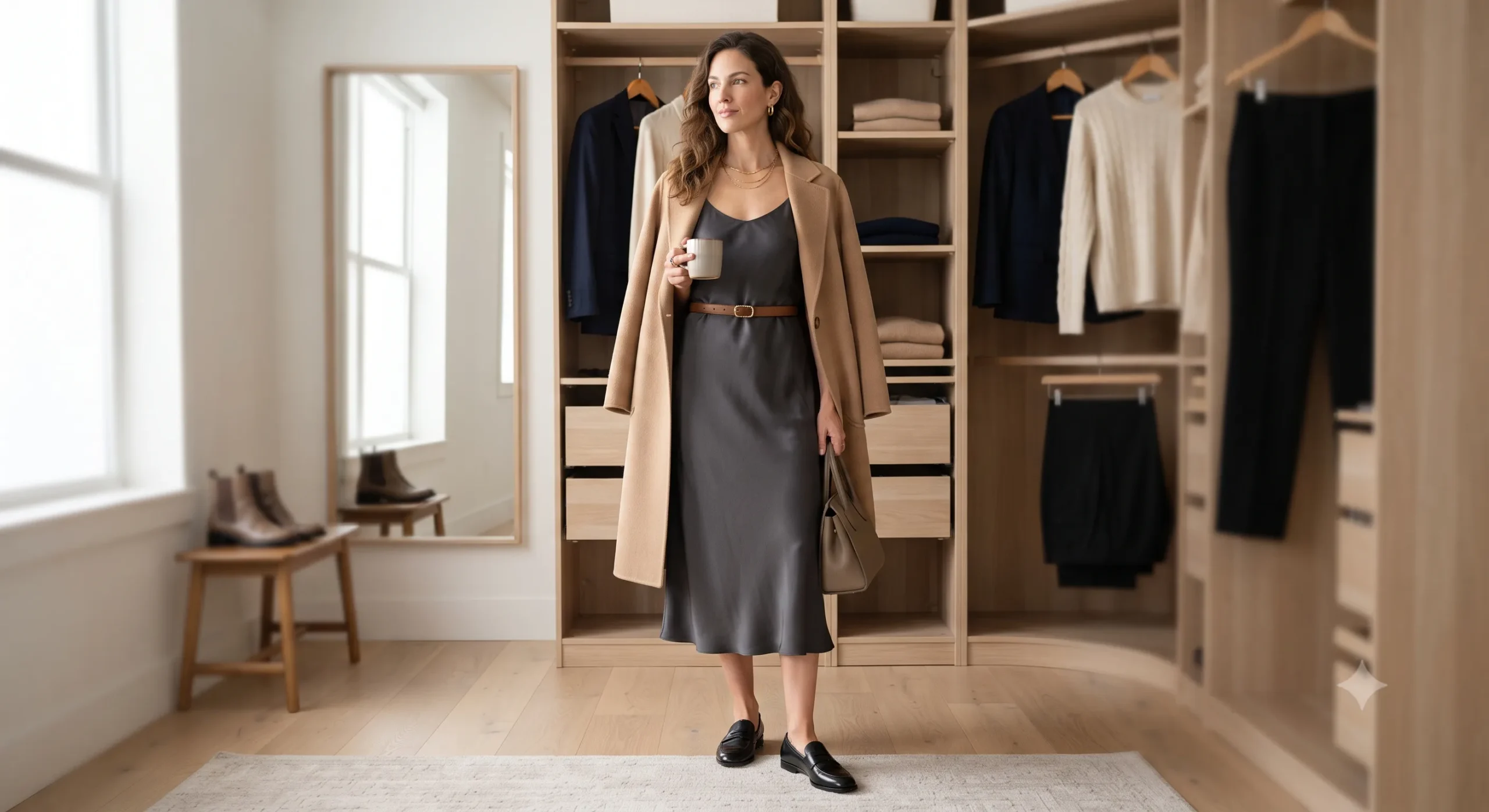
One of the most effective ways to look expensive and polished without a single logo is to employ tonal dressing. This involves wearing different shades and textures of the same color family—for example, pairing a camel wool coat with oatmeal knitwear and cream trousers.
Tonal dressing creates a continuous vertical line, which is inherently lengthening and visually calming. It removes the “choppiness” that often comes with high-contrast outfits and allows the textures of the fabrics to become the star of the show.
A Decision Framework for Shopping
To avoid the trap of buying “loud” or low-quality pieces, use this mental checklist when considering a new addition to your wardrobe:
| Criteria | The “Loud” Choice (Avoid) | The “Elegant” Choice (Seek) |
|---|---|---|
| Primary Interest | A large logo or heavy branding | Fabric texture, silhouette, or color |
| Visual Impact | Demands attention immediately | Grows on the viewer through observation |
| Longevity | Tied to a specific seasonal trend | Transcends seasons through classic design |
| Fit Focus | Often relies on stretch to mask shape | Relies on tailoring to enhance the body |
| Versatility | Hard to pair with anything else | Acts as a foundation for multiple outfits |
Common Pitfalls in Understated Dressing
While the goal is elegance, there is a common mistake where “understated” becomes “uninspired.” There is a fine line between quiet luxury and simply wearing clothes that lack character.
The “Plainness” Trap
The most frequent error is thinking that elegance means being monochromatic and featureless. An elegant outfit still needs a point of interest. This interest should come from design rather than branding.
For example, instead of a t-shirt with a logo, look for a blouse with an interesting neckline, a subtle puffed sleeve, or a unique cuff detail. Instead of a branded handbag, look for a bag with an exceptional shape or a beautiful grain of leather. The goal is to provide the eye with something to explore that isn’t a brand name.
Ignoring Proportion
When you remove the visual “anchor” of a logo, the relationship between your top and bottom becomes much more apparent. If your proportions are off—for instance, if a heavy sweater is paired with trousers that are too voluminous without any waist definition—the outfit can look sloppy rather than relaxed.
Elegance requires a sense of balance. If you are wearing a more relaxed, fluid bottom, consider a more structured top. If you are wearing a tailored blazer, perhaps pair it with a softer, more romantic skirt to achieve that “polished softness” that defines modern femininity.
Over-Accessorizing
Sometimes, in an attempt to compensate for the lack of “status symbols,” women may over-accessorize. A massive amount of jewelry or an overly busy scarf can clutter the visual field. In an understated wardrobe, accessories should be treated as punctuation marks, not the entire sentence. A single, well-chosen gold hoop or a structured leather belt can do more for an outfit than a collection of loud, trendy pieces.
Practical Scenarios: Applying the Logic
To make this theory actionable, let us look at how this philosophy translates into real-world dressing scenarios.
Scenario 1: The Professional Setting
- The Goal: To command respect and project competence without being distracting.
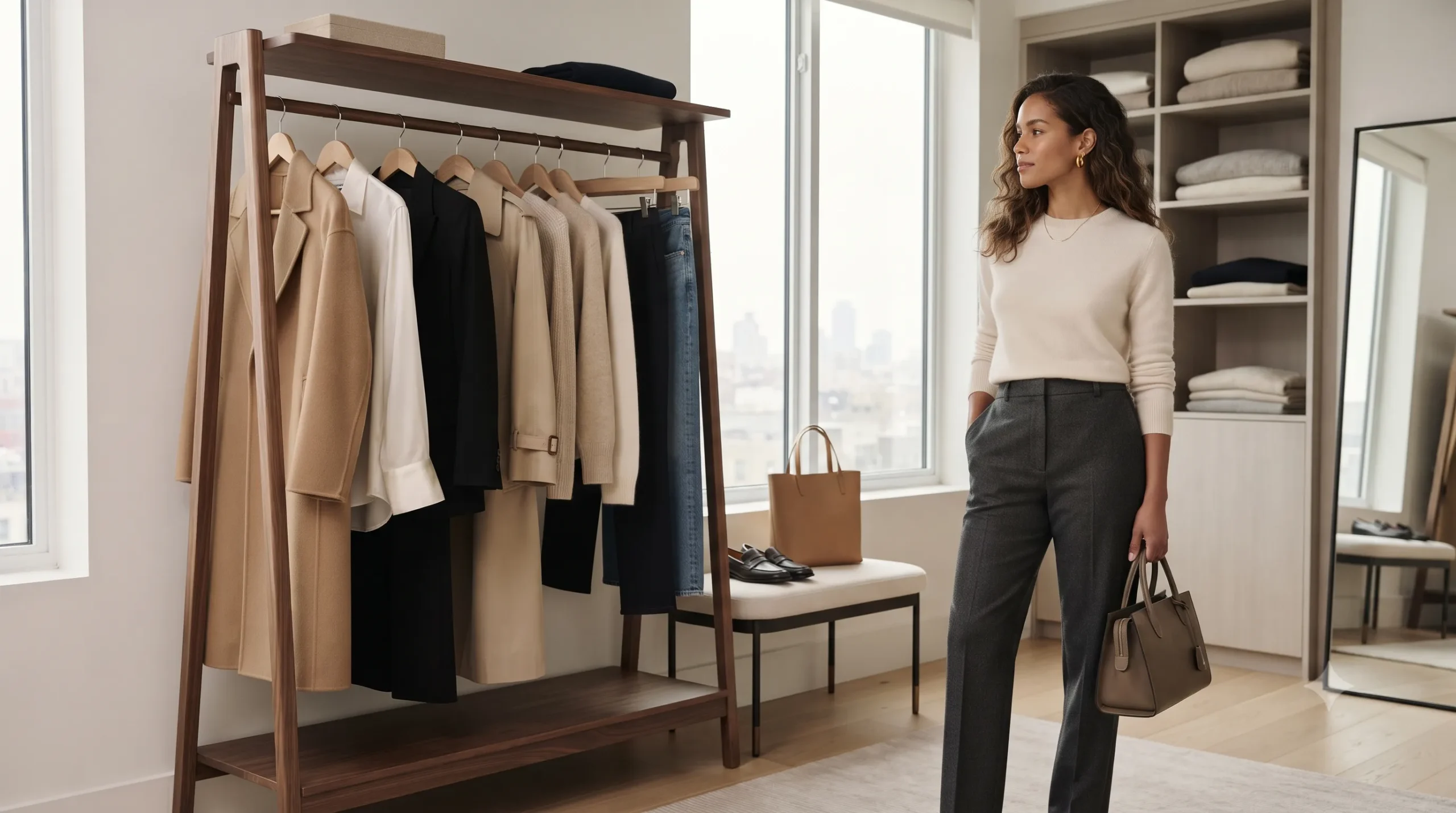
- The Outfit: A charcoal grey wool blazer with sharp tailoring, paired with a fine-gauge knit top in a matching tone, and slim-cut trousers.
- Why it works: The authority comes from the silhouette and the quality of the wool. The lack of branding keeps the focus on your face and your words, while the cohesive color palette projects a sense of calm, organized professionalism.
Scenario 2: An Evening Event or Dinner
- The Goal: To feel feminine and sophisticated.
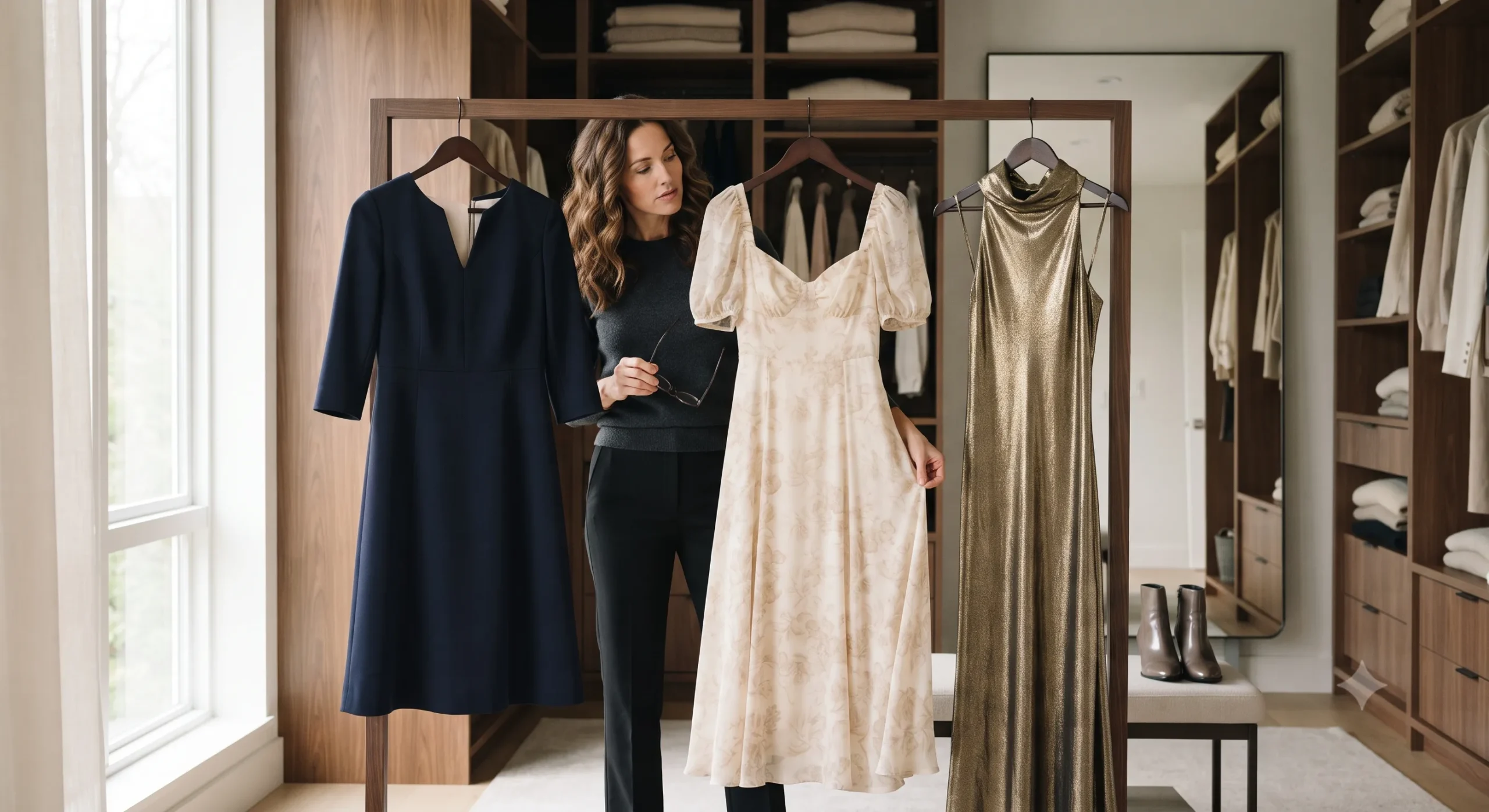
- The Outfit: A midi-length dress in a deep navy or forest green, featuring a graceful neckline and a fabric that moves beautifully when you walk.
- Why it works: Instead of a dress covered in logos, the “wow factor” comes from the way the light catches the fabric and the way the silhouette honors the body. It feels intentional and special without feeling like a costume.
Scenario 3: Weekend Elegance
- The Goal: To look polished even when being casual.
- The Outfit: High-quality straight-leg denim in a dark wash, a crisp button-down shirt tucked in, and a lightweight trench coat.
- Why it works: This is the essence of elevated everyday style. By choosing high-quality versions of casual staples, you look put-together and thoughtful, even in a relaxed setting.
The Emotional Reward of a Considered Wardrobe
Ultimately, the move away from loud logos is a move toward self-possession. When you stop using clothing as a way to signal external status, you begin to use it as a way to express internal identity.
There is a profound sense of freedom in owning a wardrobe where every piece is chosen for its own merit. You no longer feel the pressure to keep up with the “logo of the month” or to buy into a brand’s identity to feel part of a certain social tier. Instead, you build a personal archive—a collection of pieces that reflect your taste, respect your lifestyle, and provide long-term value.
Elegance, in its truest form, is an act of restraint. It is the realization that you do not need to shout to be heard, and you do not need a label to be significant. By focusing on the quiet details—the drape, the texture, the fit—you create a style that is not only timeless but deeply personal. This is how you build a wardrobe that doesn’t just sit in your closet, but actually lives with you.