Key Takeaways
- Prioritize Emotional Resonance: Choose pieces that reflect your personality and evoke a specific feeling rather than following fleeting trends.
- Focus on Material Integrity: Invest in high-quality fabrics and construction to ensure garments maintain their shape and elegance over years, not weeks.
- Adopt a Longevity Mindset: Evaluate every potential purchase based on its versatility and how it integrates into your existing intentional wardrobe.
- Value Quiet Luxury: Look for understated details and refined silhouettes that offer timeless appeal over loud, logo-driven aesthetics.
1. Introduction
There is a distinct difference between a wardrobe that is “full” and a wardrobe that feels “complete.” Many women find themselves in a cycle of frequent purchasing—buying items that look beautiful on a hanger or a social media feed, only to find they feel disconnected from them once they are actually worn. This is the trap of disposable fashion: clothing that serves a temporary impulse but lacks the substance to become a part of your personal identity.
Choosing clothes that feel personal is an act of intentionality. It is a shift away from the dopamine hit of a new trend and toward the quiet satisfaction of wearing pieces that feel like an extension of yourself. When we move away from disposable consumption, we begin to curate a collection of garments that carry emotional weight, respect our values, and offer long-term wardrobe value.
2. The Psychology of Personal Style vs. Trend Following
To build a wardrobe that feels personal, one must first understand the tension between trend-driven consumption and personal expression. Trends are designed to be ephemeral; they create a sense of “urgency” that encourages rapid turnover. While trends can offer inspiration, relying on them exclusively leads to a fragmented wardrobe where nothing quite fits together.
Personal style, conversely, is rooted in self-awareness. It is the intersection of your lifestyle, your physical comfort, and the aesthetic values you hold dear. A personal wardrobe is built on several core pillars:
Understanding Your Aesthetic Language
Do you feel most composed in structured silhouettes, or do you gravitate toward the softness of a romantic, flowing dress? Do you prefer the understated elegance of a neutral palette, or do you find joy in delicate, intricate details? Identifying these preferences allows you to filter out the “noise” of the fashion industry.
The Concept of Emotional Dressing
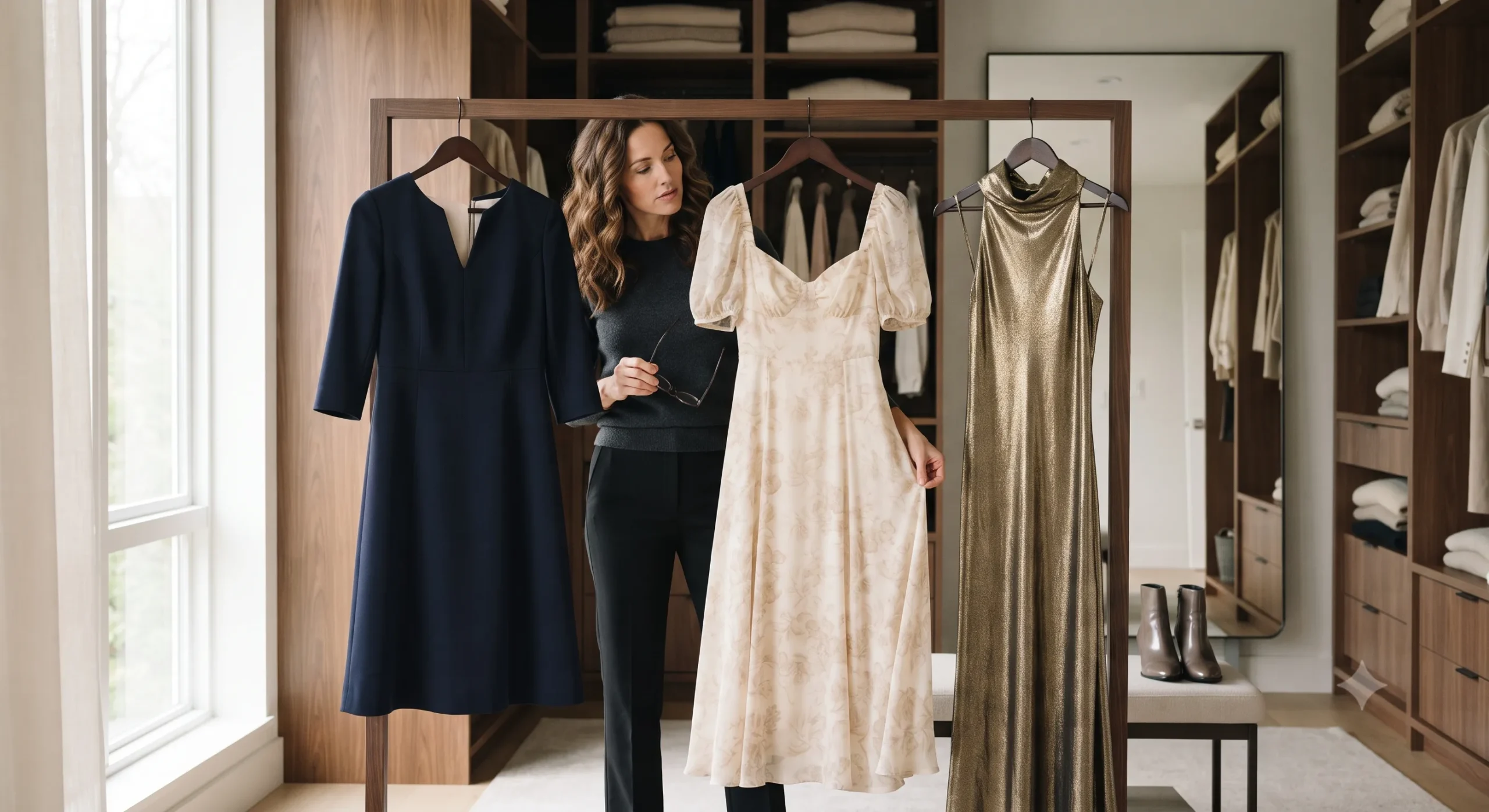
Clothing has the power to influence our mood and how we project ourselves to the world. Personal pieces are often those that make us feel “anchored.” This might be a perfectly tailored blazer that provides confidence during a meeting, or a graceful midi dress that makes you feel feminine and composed at a dinner party. If a garment doesn’t evoke a positive emotional response, it is likely a disposable item.
3. Investing in Longevity: The Framework of Quality
A personal wardrobe cannot exist without quality. Disposable fashion relies on low-grade fibers and rushed construction, meaning the garment loses its shape, color, and character after only a few wears. To ensure your clothes feel like long-term investments, you must learn to look beneath the surface.
Fabric as the Foundation
The “hand-feel” and drape of a fabric are the most immediate indicators of quality. Natural fibers and high-quality blends tend to age more gracefully than purely synthetic materials. When selecting pieces, consider how the fabric will behave after repeated wear. Does it have the weight to drape elegantly? Does it feel substantial against the skin? High-quality fabrics contribute to the “quiet luxury” aesthetic—where the value is felt in the texture and movement rather than shouted through a logo.
Construction and Detail
Examine the “architecture” of a garment. Look at the seams: are they straight and reinforced? Check the fastenings: are the buttons secure and made of durable materials? In a refined wardrobe, the beauty often lies in the details—a delicate hem, a well-placed seam, or a thoughtful neckline. These elements are what distinguish a garment designed to last from one designed to be discarded.
The Versatility Test
Before committing to a piece, perform a mental “wearability audit.” Can this item be styled in at least three different ways using pieces you already own? A personal wardrobe thrives on cohesion. An intentional piece is one that bridges the gap between different facets of your life—moving effortlessly from a professional setting to a social one.
4. Building an Intentional Wardrobe: A Strategic Approach
Transitioning from a disposable mindset to an intentional one requires a change in how we approach the act of shopping. It is no longer about “finding something cute,” but about “selecting something meaningful.”
Curating Elevated Basics
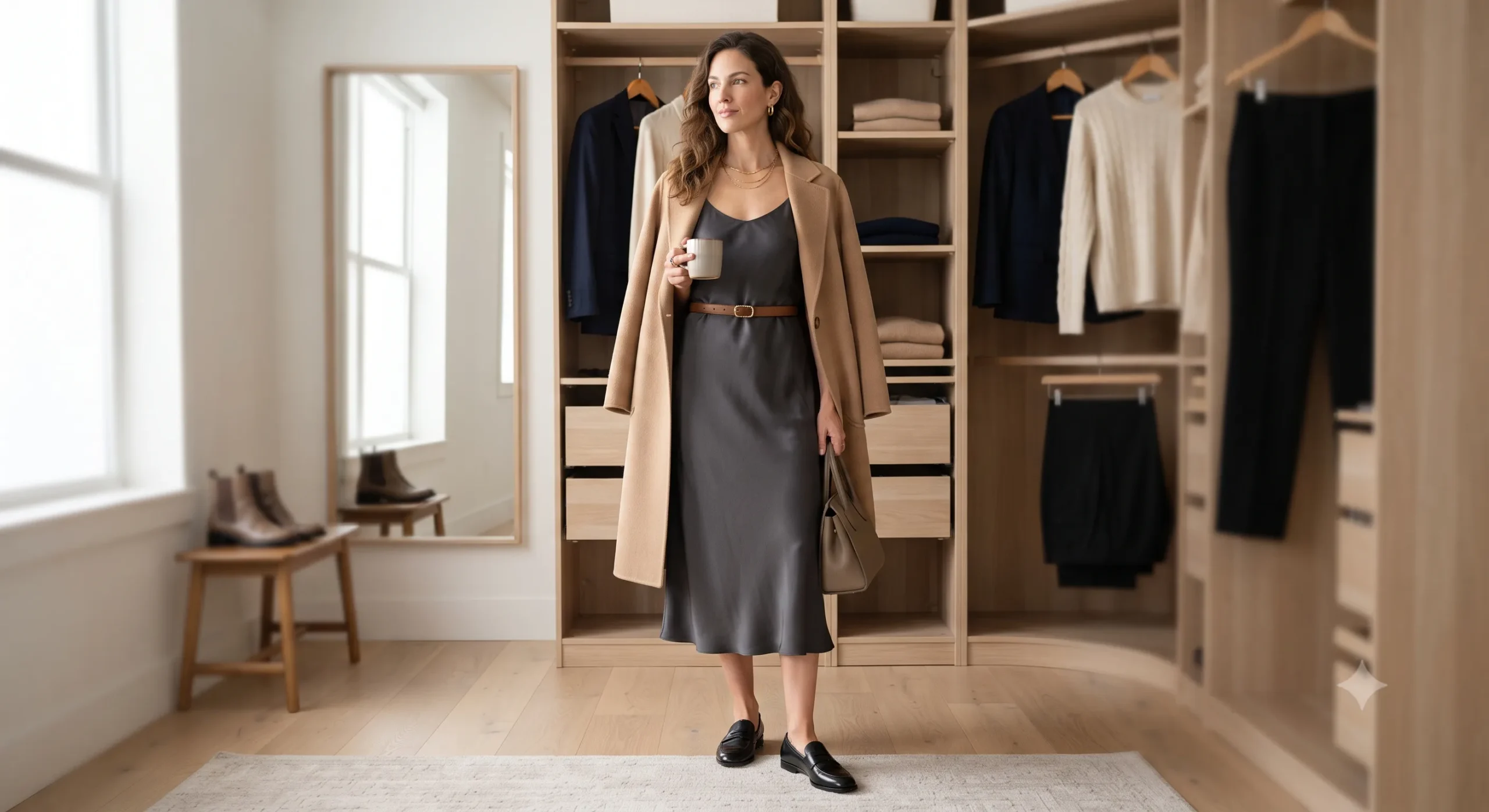
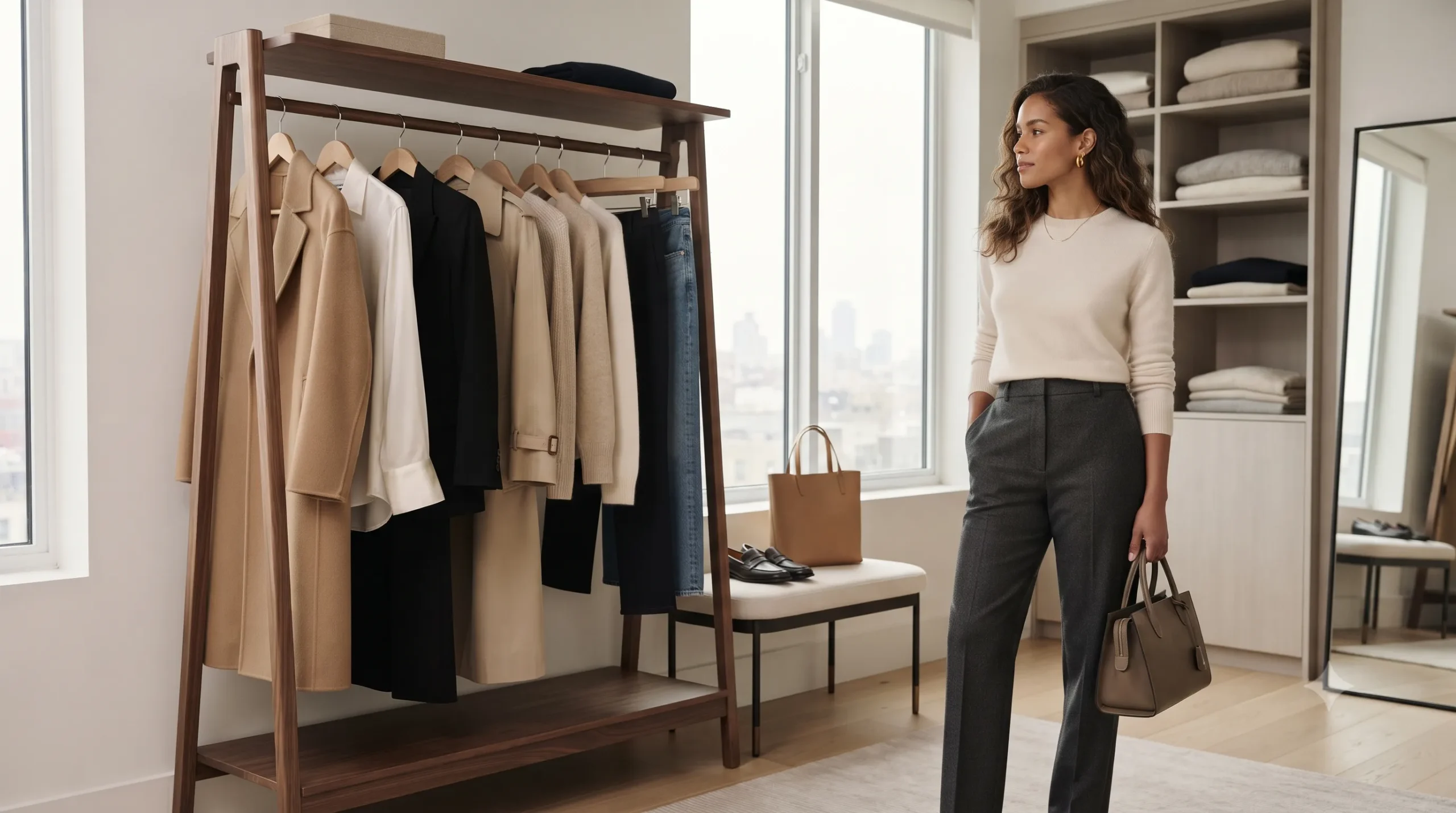
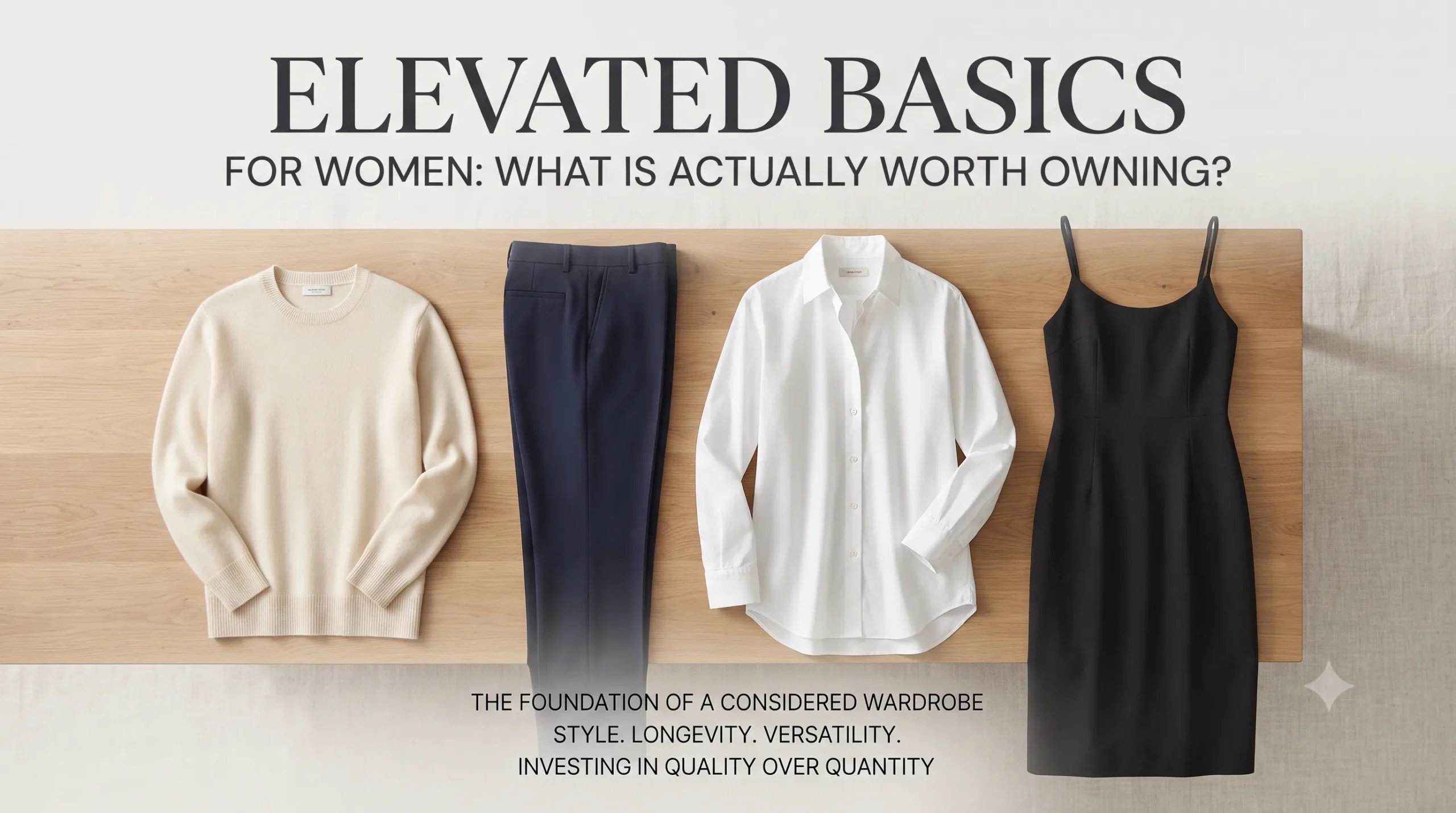
The backbone of any enduring wardrobe is a collection of elevated basics. These are not “boring” clothes; rather, they are the high-quality, foundational pieces that allow your more unique, romantic pieces to shine. Think of beautifully cut trousers, a timeless knit, or a perfectly proportioned dress in a neutral tone. These items provide the canvas upon which your personal style is painted.
Occasion Dressing with Purpose
When shopping for occasionwear, the temptation to buy something “once-off” is high. To avoid this, look for pieces that embody modern femininity in a way that transcends the specific event. Instead of a costume-like outfit that only suits one setting, choose a refined silhouette that can be repurposed for future dinners, weddings, or celebrations.
The Slow Fashion Mindset
Intentionality requires patience. It means waiting until you find the right piece rather than settling for the available piece. This slower pace allows you to appreciate the craftsmanship of what you are buying and ensures that every addition to your closet is a deliberate choice.
5. Decision Framework: The Personal Value Checklist
When considering a new purchase, use this framework to determine if the item belongs in your permanent collection or if it is a disposable impulse.
| Criteria | Disposable Item (Avoid) | Personal Investment (Choose) |
|---|---|---|
| Motivation | “It’s on sale” or “It’s trending.” | “It fits my style and my life.” |
| Fabric | Thin, highly synthetic, loses shape. | Substantial, natural, or premium blends. |
| Versatility | Can only be worn one way/one time. | Pairs easily with multiple existing items. |
| Feeling | “I look like the model/trend.” | “I feel like myself, only elevated.” |
| Longevity | Likely to be out of style next season. | Timeless silhouette and classic color. |
| Construction | Loose threads, uneven seams, cheap hardware. | Thoughtful detailing and sturdy construction. |
6. Common Mistakes to Avoid
- Buying for a “Fantasy Self”: Avoid purchasing clothes for a lifestyle you don’t actually lead. If your daily life is professional and understated, buying highly avant-garde or overly trendy pieces will only lead to frustration and clutter.
- Neglecting Fit: Even the most expensive garment will feel disposable if it doesn’t fit perfectly. Personal style is heavily dependent on how a garment interacts with your unique silhouette.
- Prioritizing Quantity Over Cohesion: A large wardrobe of mismatched items creates “decision fatigue.” A smaller, curated selection of high-quality pieces creates ease and elegance.
- Ignoring Fabric Care: To keep clothes feeling personal and new, they must be cared for properly. Neglecting the maintenance of your garments is a fast track back to disposable fashion.
7. FAQ
Q1. How do I know if a piece is “timeless” or just “boring”?
A timeless piece is defined by its silhouette and quality, not its lack of character. A timeless dress often features classic proportions and refined details that allow your personal styling—through jewelry, hair, or layering—to provide the personality. “Boring” clothes often lack the structural integrity or subtle design nuances that make them feel special.
Q2. Is it expensive to build an intentional wardrobe?
While the initial investment in high-quality, long-term pieces is higher than buying fast fashion, the cost-per-wear is significantly lower. An intentional wardrobe reduces the need for constant replacement, ultimately saving money and reducing environmental impact over time.
Q3. How can I start transitioning away from trend-based shopping?
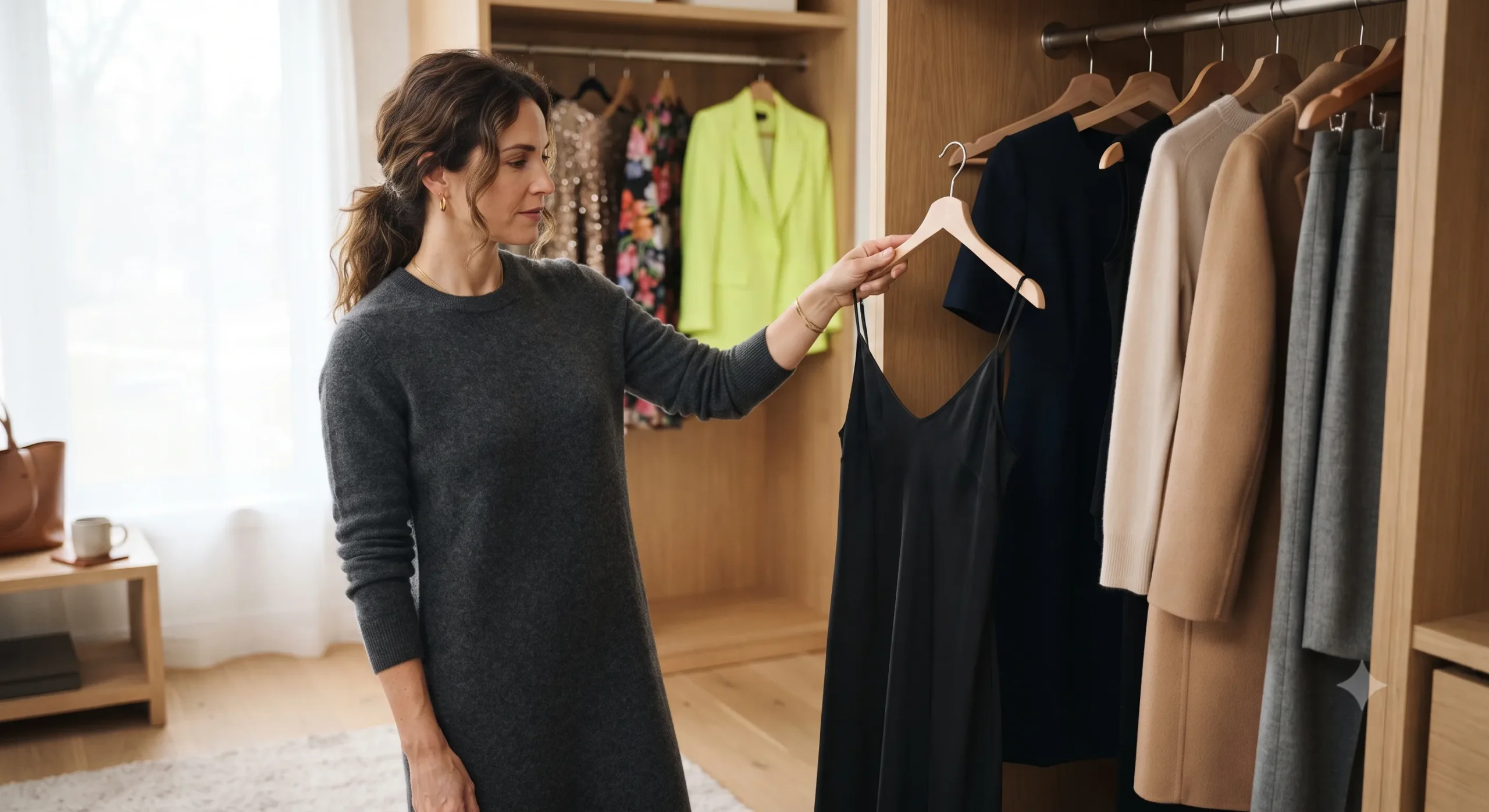
Start by auditing your current wardrobe. Identify the pieces you reach for most often—the ones that make you feel most confident. Analyze why you love them (is it the color, the fabric, the fit?). Use those insights as a blueprint for your future purchases.
Q4. What role does color play in a personal wardrobe?
Color is a powerful tool for expression. While a foundation of neutrals supports versatility and “quiet luxury,” incorporating a personal palette of colors can add emotional warmth and character. The key is to choose colors that complement both your skin tone and your existing wardrobe.
8. Conclusion
Choosing clothes that feel personal is a journey of returning to yourself. It requires us to look past the noise of the marketplace and listen to our own intuition. By prioritizing quality, embracing intentionality, and seeking out pieces that resonate with our inner femininity, we create more than just a collection of clothes—we build a sanctuary of style.
When we invest in garments that offer long-term value, we honor both our personal aesthetic and the craft of fashion. This is the essence of a refined wardrobe: a collection of pieces that do not merely cover the body, but truly reflect the soul of the woman wearing them.