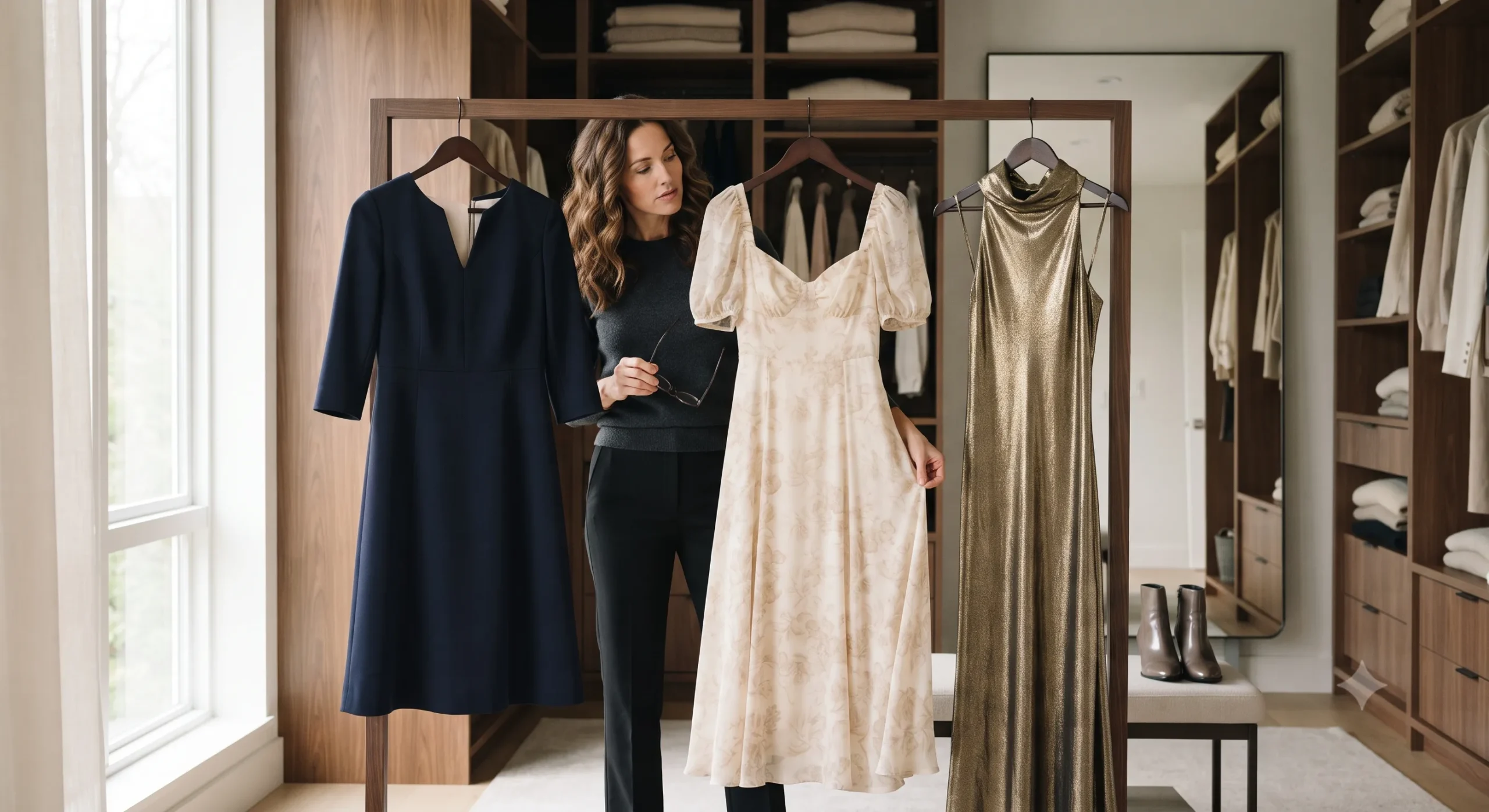
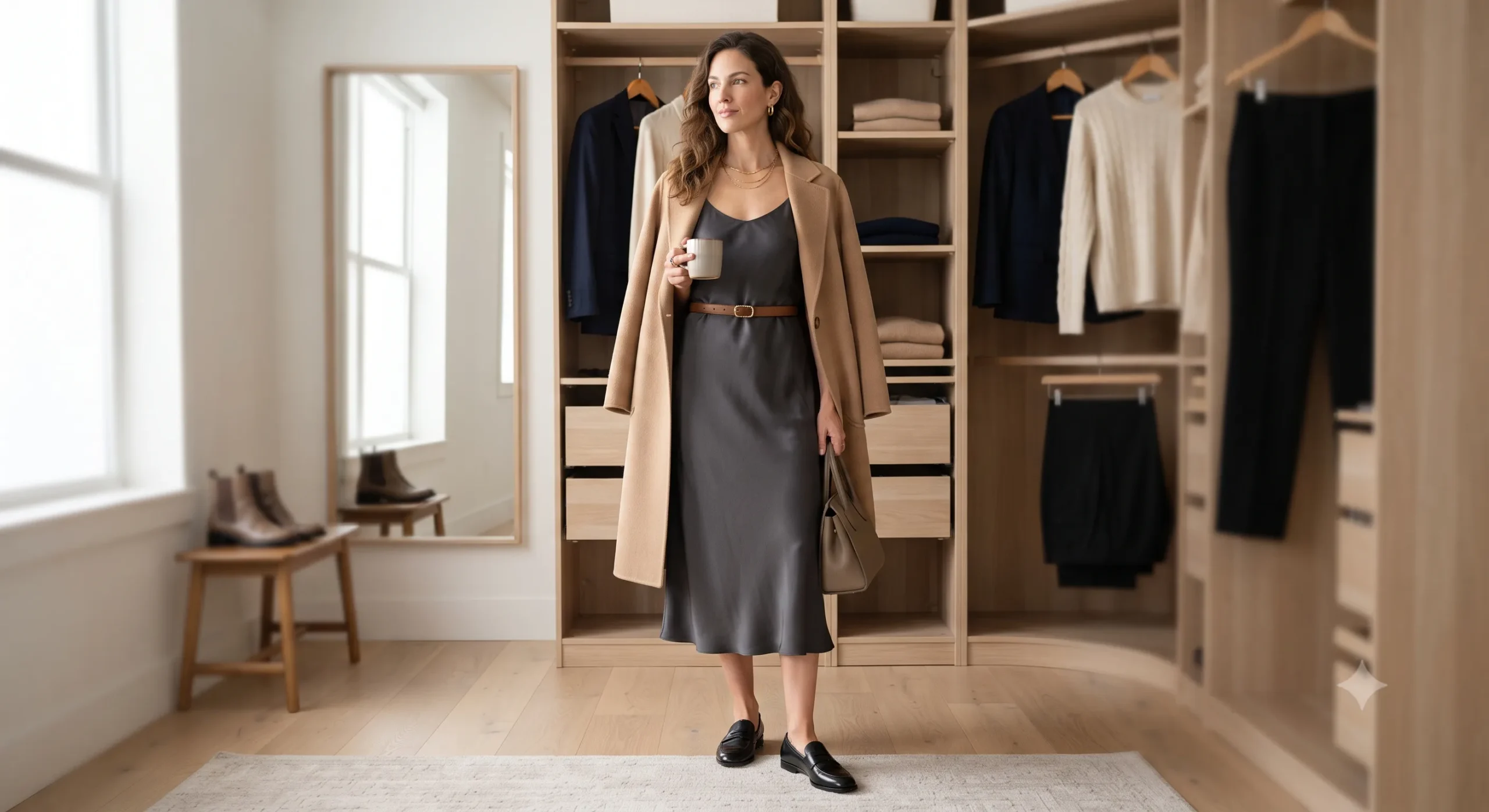
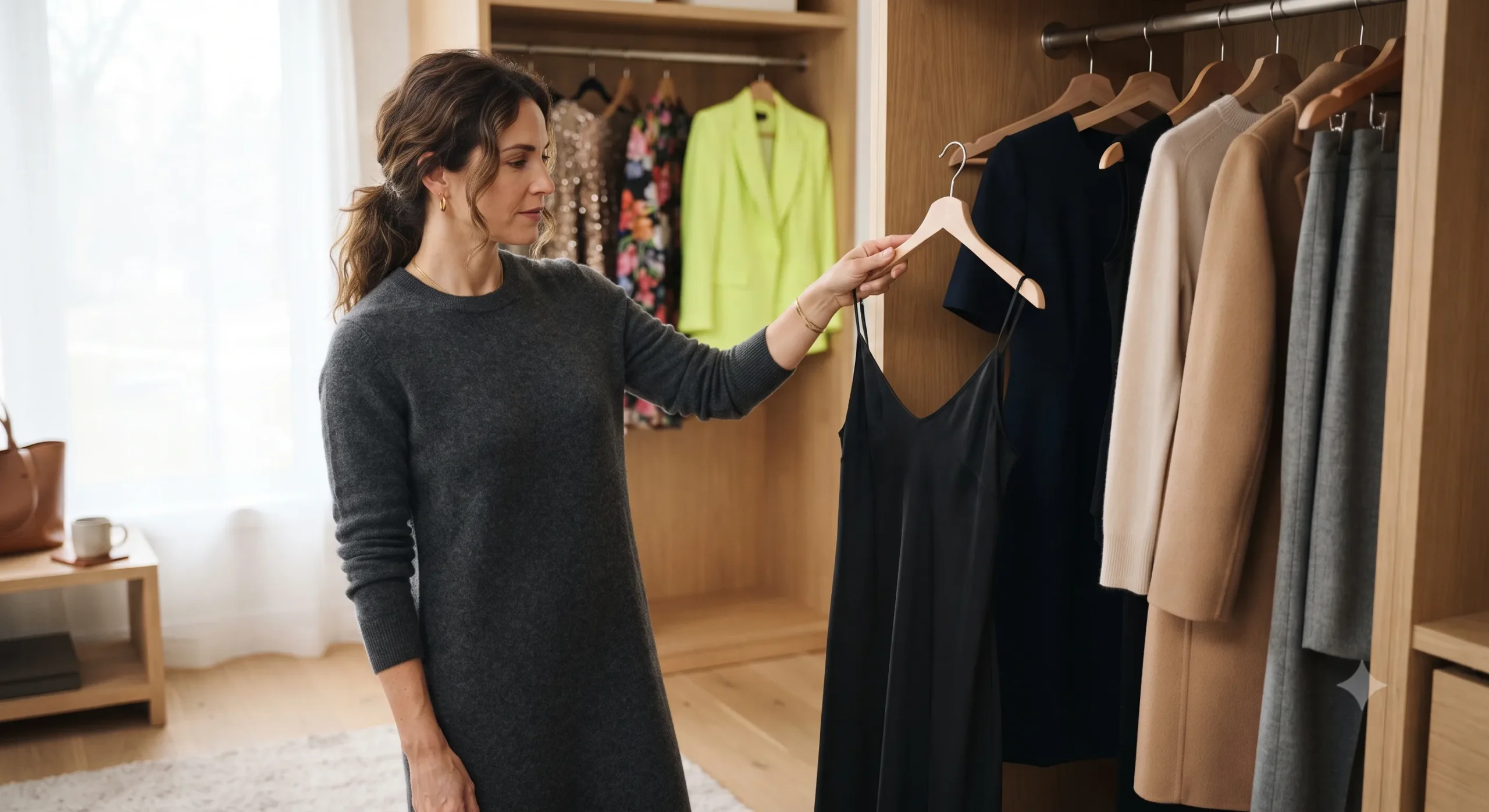
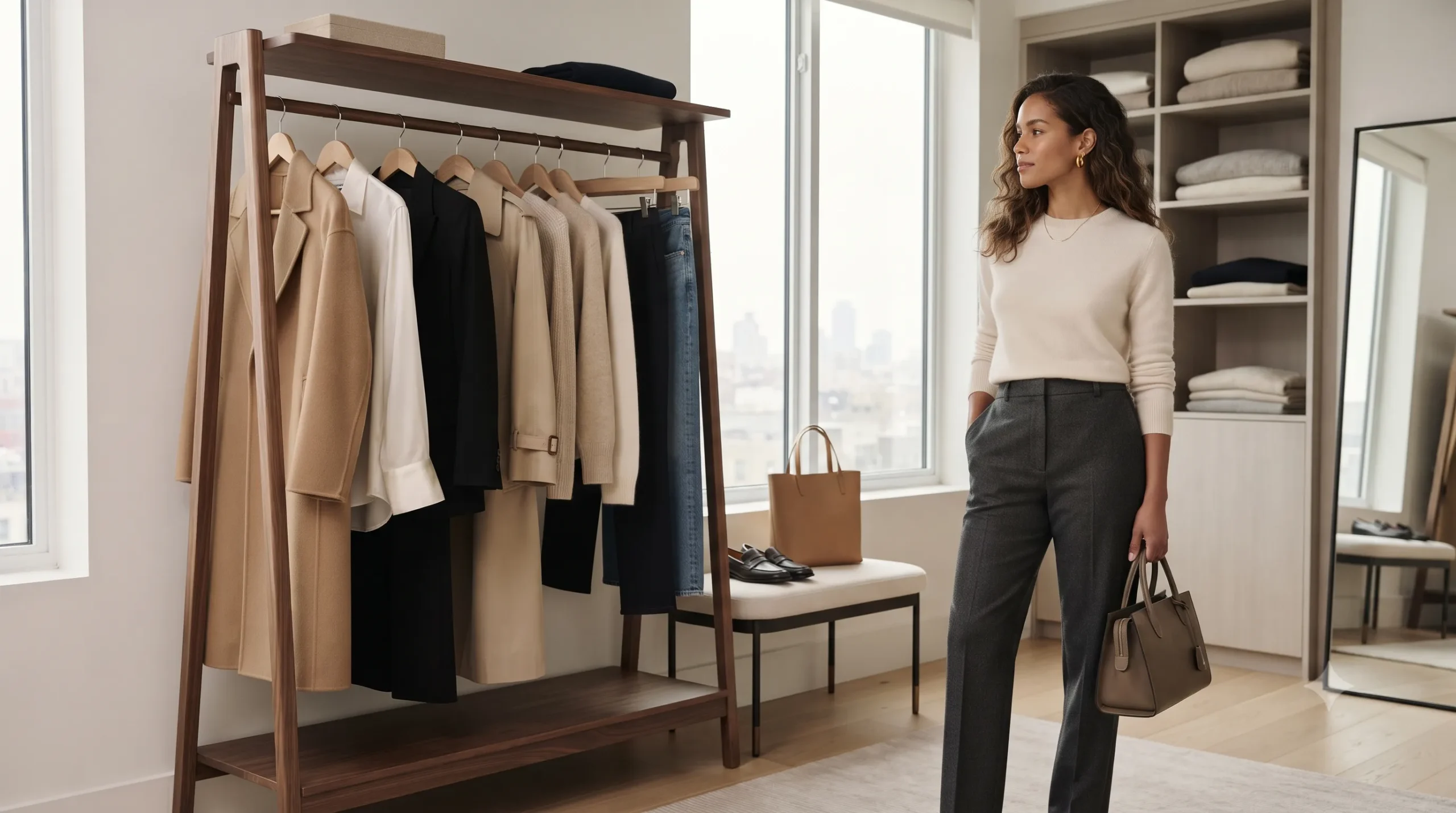
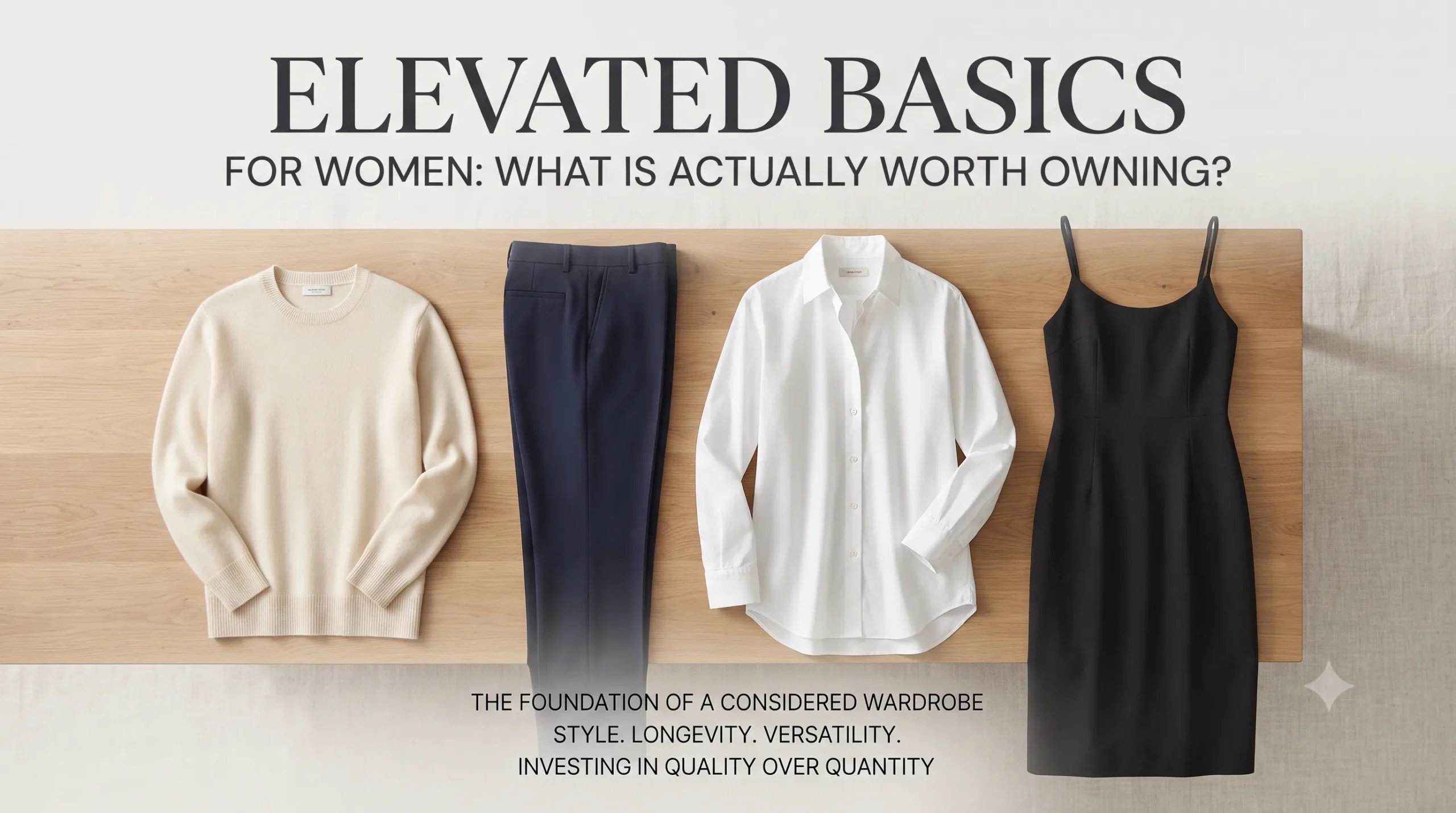
There is a specific, quiet frustration that occurs in front of a full wardrobe on a Tuesday morning. You have plenty of clothes—the white t-shirts, the black trousers, the simple knit sweaters—but the outfits feel unfinished. They feel “flat.” You might add a piece of jewelry or a structured bag, but the underlying sensation remains: the clothes look like mere utility rather than a deliberate choice.
This is the central dilemma of the modern wardrobe. We are often taught that “basics” are the foundation, yet we rarely discuss the nuance between a basic that functions as a mere undershirt and one that serves as a cornerstone of a sophisticated style. The difference between a garment that looks inexpensive and one that looks elevated is rarely about the price tag or the presence of a logo. Instead, it lies in a series of subtle, often invisible, design decisions.
To elevate a basic is to move it from the category of “utility” to the category of “intentionality.” It is the difference between a shirt that simply covers the body and a shirt that shapes the silhouette, holds the light, and communicates a sense of calm, composed taste.
The Architecture of a Basic: Beyond the Surface
When we talk about an “elevated basic,” we are essentially discussing the intersection of fit, fabric, and finish. If any one of these pillars is weak, the garment will likely fall into the category of “disposable” rather than “foundational.”
The Role of Materiality and Weight
The most immediate indicator of an elevated piece is how the fabric behaves. A basic cotton tee that is too thin will cling in unintended places, lose its shape after a single wash, and appear translucent under bright light. An elevated version, however, possesses a certain “substance.” It has enough weight to drape smoothly over the body without tracing every line, and enough density to maintain its structural integrity throughout a long day.
Materiality also dictates how a garment interacts with light. Cheaply made synthetics often have a harsh, plastic-like sheen that can look jarring in professional or evening settings. In contrast, natural fibers—even in simple blends—tend to absorb and reflect light in a way that feels soft and multidimensional. This “visual depth” is a hallmark of quiet luxury; the garment doesn’t shout for attention, but it possesses a tactile richness that the eye recognizes as quality.
Silhouette and the Logic of Proportion
A common mistake in building a wardrobe is assuming that “simple” means “shapeless.” On the contrary, the most effective elevated basics are those with intentional silhouettes.
Consider the classic white button-down shirt. A basic version might be cut in a generic, boxy shape that obscures the wearer’s frame entirely, often looking oversized in a way that feels accidental rather than stylistic. An elevated version considers the architecture of the body. It might feature a slightly higher collar, a specific curve at the cuff, or a subtle taper that suggests structure while allowing for movement.
The goal is not to wear tight, restrictive clothing, but to achieve a sense of “graceful proportion.” This means the garment understands where the shoulders should sit, where the waist should fall, and how the fabric should move when you walk.
The Importance of “The Finish”
The details—what designers often call the “finishing”—are where the distinction becomes most apparent. This includes the weight of the stitching, the quality of the buttons, and the way a hem is turned. In a mass-market basic, stitching is often visible, uneven, or uses a thread color that clashes slightly with the fabric. In an elevated piece, the construction is discreet. The seams are clean, the hems are crisp, and the hardware (like zippers or buttons) feels substantial rather than hollow.
| Feature | A Standard Basic | An Elevated Basic |
|---|---|---|
| Fabric Behavior | Clings, loses shape, may appear translucent | Drapes with weight, retains structure, holds light softly |
| Fit & Cut | Generic, often looks “accidental” | Intentional silhouette, considers body proportions |
| Construction | Visible or uneven stitching, flimsy hems | Clean seams, reinforced edges, discreet construction |
| Hardware | Plastic or lightweight metal, prone to peeling | Substantial, well-integrated, tonal or high-quality |
| Longevity | High tendency to pill or distort after washing | Resilient texture and shape over long-term wear |
The Psychology of Understated Style
Why does an elevated basic feel different to wear? There is an emotional component to dressing that we often overlook. When a garment is poorly made, there is a subconscious tension. You might find yourself tugging at a hem, adjusting a neckline that won’t stay put, or feeling self-conscious about how the fabric reveals your silhouette.
An elevated basic removes this friction. Because the fit is intentional and the fabric is reliable, the garment becomes a “quiet” partner in your outfit. It allows you to move through the world with a sense of ease. This is the essence of what many call “quiet luxury”—it is less about displaying wealth and more about the confidence that comes from being well-presented in a way that feels effortless.
When you wear clothes that are thoughtfully constructed, you are not just dressing your body; you are signaling a commitment to quality and a rejection of the frantic pace of trend-chasing. This creates a “visual calm” that is highly effective in both professional and social environments.
Practical Scenarios: Transitioning from Utility to Elegance
To understand how to implement these principles, it is helpful to look at how a single “basic” can be transformed through styling and selection.
Scenario 1: The White T-Shirt
- The Utility Version: A thin, slightly ribbed cotton tee with a wide, drooping neckline. It works for a quick trip to the grocery store but feels too casual for a lunch meeting or a dinner date.
- The Elevated Version: A heavy-weight organic cotton tee with a structured crew neck and a slightly relaxed, but not oversized, fit.
- How to Style It: Pair the elevated tee with high-waisted tailored trousers and a leather loafer. The weight of the shirt provides a clean canvas that makes the trousers look more expensive, and the structured neckline keeps the look polished enough for a creative office or an afternoon gallery visit.
Scenario 2: The Black Knit Sweater
- The Utility Version: A thin, synthetic blend sweater that pills easily and has a slightly uneven drape.
- The Elevated Version: A fine-gauge knit in a natural fiber (like merino or a high-quality cotton blend) with a defined shoulder and a clean, finished hem.
- How to Style It: Wear it tucked into a mid-length skirt with a tonal color palette (e.g., charcoal and black). The lack of texture friction and the way the knit holds its shape against the skirt creates a sophisticated, streamlined silhouette that works for evening events.
Common Misconceptions and Decision Criteria
When attempting to upgrade a wardrobe, many women fall into certain traps that prevent them from achieving a truly elevated look.
Mistake: Confusing “Oversized” with “Elevated”
There is a significant difference between a garment designed to be oversized and one that is simply too large. An elevated oversized piece (like a wide-leg trouser or a cocoon coat) has a deliberate shape; it maintains a certain structural integrity even in its volume. A basic that is simply too big often looks sloppy because the fabric collapses in ways that fight against the body rather than working with it.
Mistake: The “Price Equals Quality” Fallacy
A high price tag is not a guarantee of an elevated basic. Many luxury brands charge a premium for a logo, while the actual construction remains mediocre. To identify an elevated piece, you must look past the label and evaluate the three pillars: materiality, silhouette, and finish. If you can see the tension in the seams or if the fabric feels thin between your fingers, the price is not translating into value.
Decision Criteria: The Three-Question Test
Before adding a new “basic” to your wardrobe, ask yourself these three questions:
- Does the fabric have “presence”? (Does it hold its shape, or does it feel flimsy?)
- Is the silhouette intentional? (Does this piece look like it was designed for a body, or does it just look like a generic shape?)
- Can I wear this in at least three different ways? (An elevated basic should be a workhorse, capable of moving from casual to polished with minimal effort.)
Building a Thoughtful Wardrobe
The goal of seeking out elevated basics is not to own more clothes, but to own better clothes. This is the foundation of a considered wardrobe—one built around pieces that offer long-term value and emotional longevity.
When we prioritize pieces that are well-constructed and timelessly designed, we naturally move away from the cycle of constant consumption. We begin to curate a personal archive of clothing that doesn’t just fill a closet, but actually serves our lives. This approach requires a shift in mindset: from seeing clothing as a disposable commodity to seeing it as a long-term investment in one’s own presentation and comfort.
An elevated basic is a quiet investment. It is the piece you reach for when you don’t want to think too hard, but you still want to feel entirely yourself: composed, capable, and refined.
Summary of Principles for Elevated Dressing
- Prioritize Weight and Texture: Choose fabrics that have a tactile richness and enough substance to drape elegantly.
- Seek Structural Integrity: Look for garments that maintain their shape through wear and washing.
- Evaluate the Details: Check seams, stitching, and hardware; these are the true indicators of quality.
- Focus on Proportion: An elevated piece should enhance your silhouette through intentional design, not by hiding it under shapeless fabric.
- Embrace Understatement: True elegance often comes from the absence of noise—less logo, less trend, more substance.