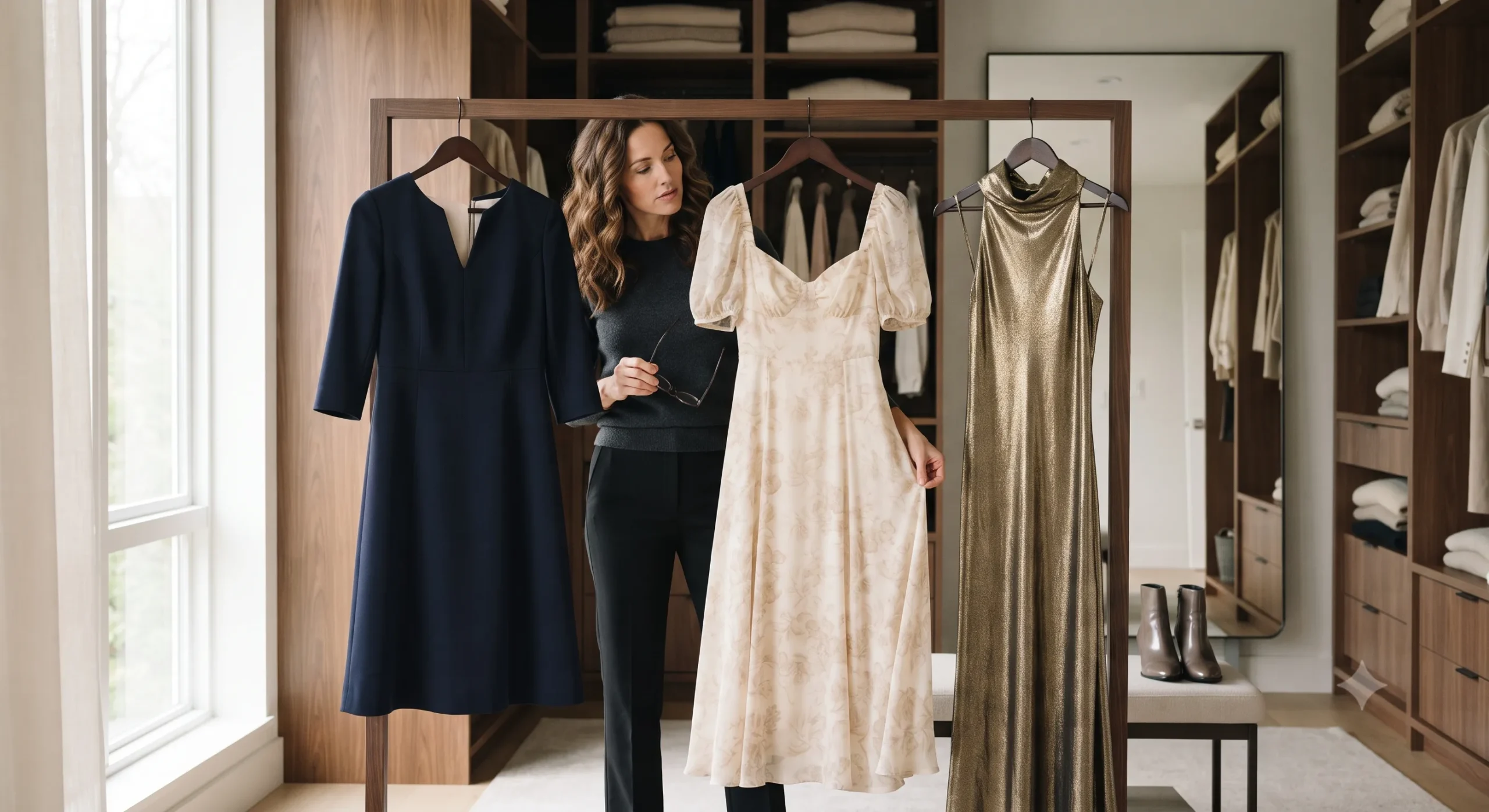
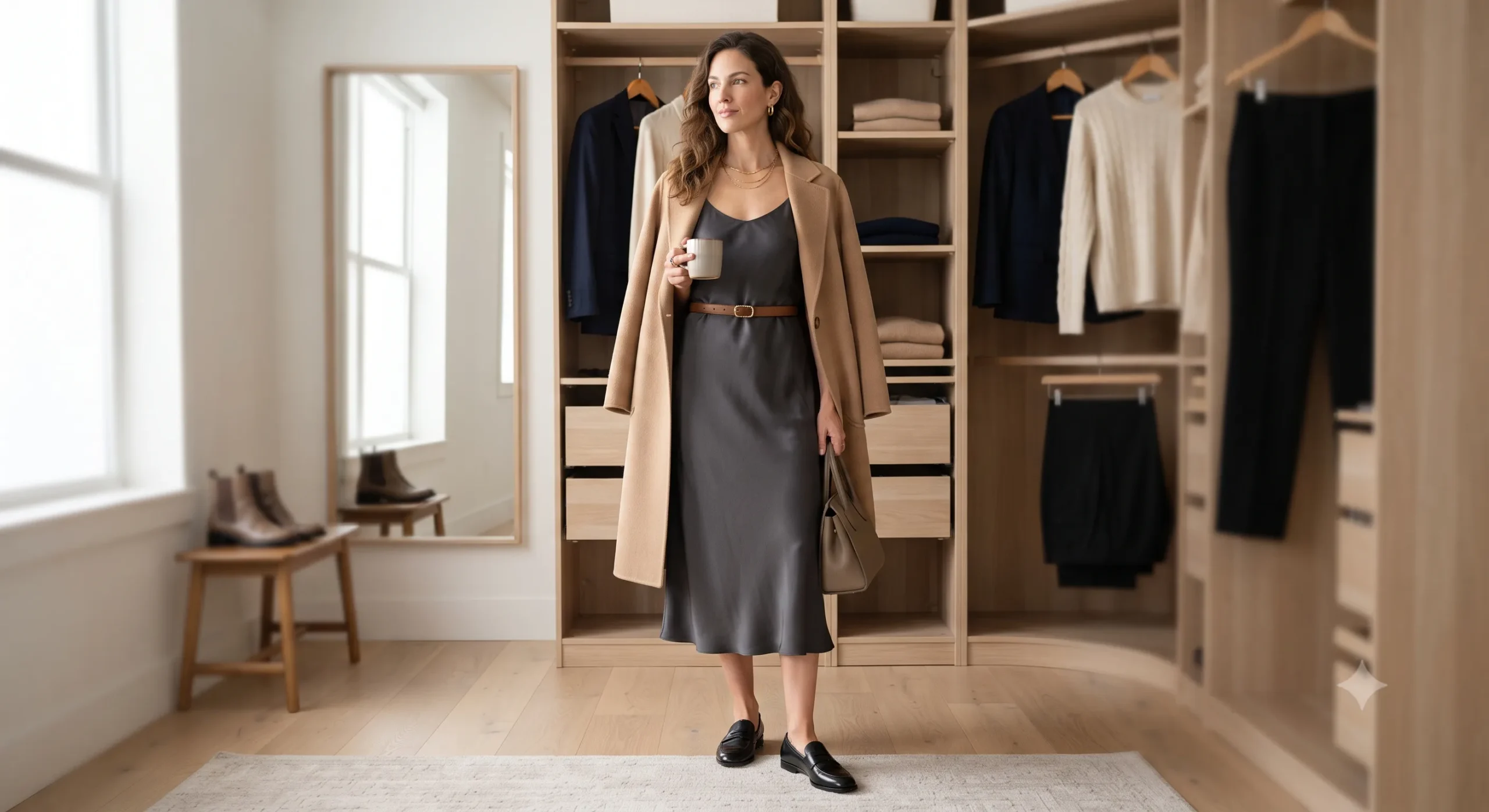
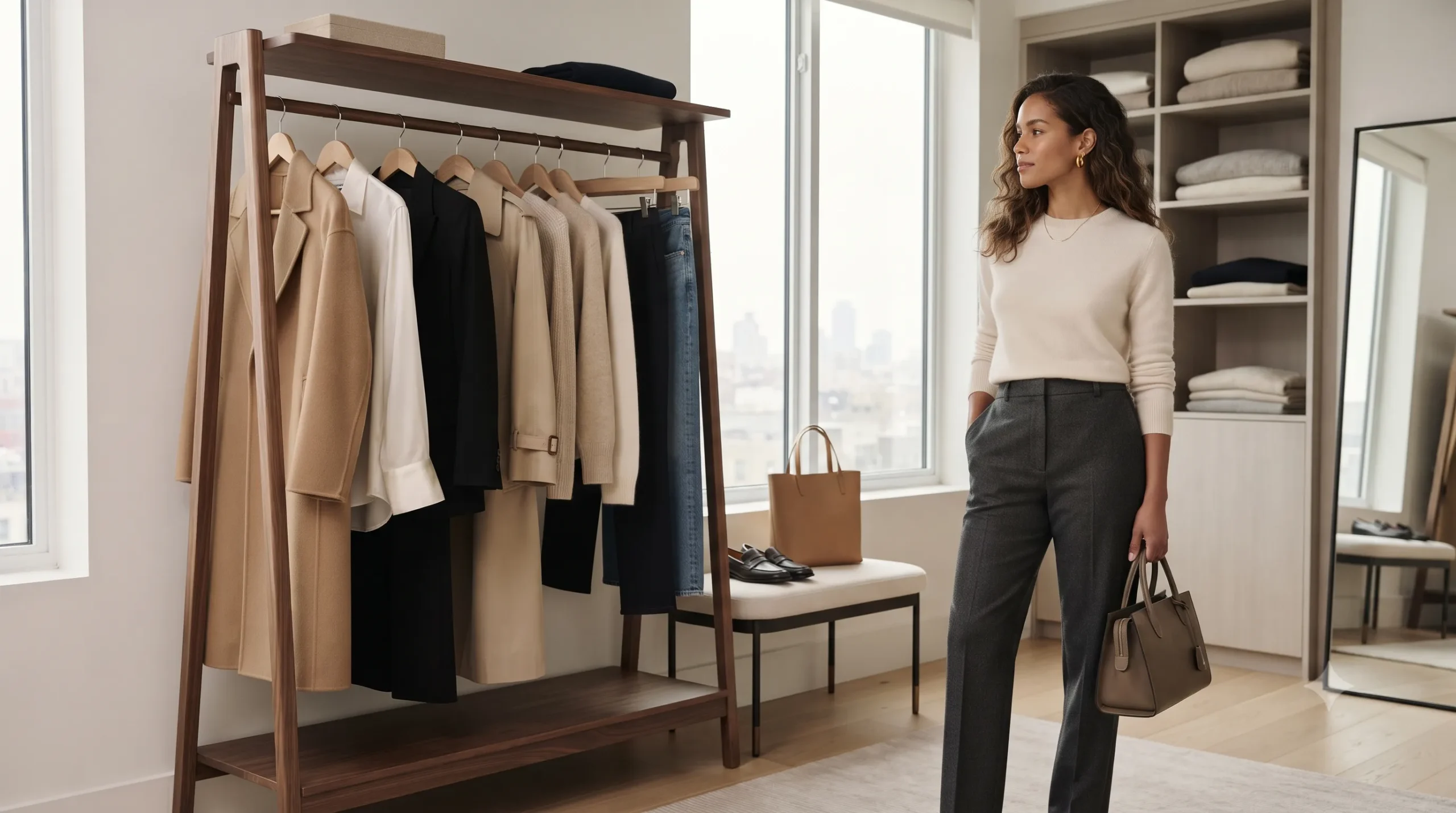
There is a specific kind of social anxiety that accompanies a garden party invitation. Unlike a formal evening wedding or a structured office event, a garden party exists in a stylistic gray area. It is inherently relaxed because of its setting—sunlight, grass, open air—yet it often carries a subtle expectation of elegance. You want to look polished, but if you appear too stiff, you look out of place against the natural backdrop. If you dress too casually, you might feel underdressed as the afternoon transitions into a more formal cocktail hour.
The dilemma usually isn’t a lack of options, but a lack of clarity. We often find ourselves staring at a closet full of dresses, only to realize that many of them feel too heavy for the warmth of the sun, or perhaps too “city” for a lawn setting. Choosing the right dress for a garden party requires a balance of three distinct elements: the practicalities of the environment, the nuances of the event’s formality, and the desire for a piece that feels meaningful rather than disposable.
The Three Pillars of Garden Party Dressing
To navigate this decision, it is helpful to move away from trend-based thinking and toward a framework of situational awareness. A successful garden party outfit is built on the intersection of setting, social context, and personal comfort.
1. The Environmental Reality
The most common mistake in garden party dressing is ignoring the terrain. A garden is not a ballroom; it is an ecosystem. You will likely be walking on grass, gravel, or uneven stone paths. This immediately dictates your footwear and the hemline of your dress. A floor-length gown that drags on the grass is a recipe for frustration, while a micro-mini might feel disproportionate to a sweeping landscape.
Temperature fluctuations are also a factor. Even on a bright afternoon, a sudden breeze or the setting sun can change the experience. A dress that offers some degree of coverage—perhaps a mid-length sleeve or a structured silhouette—allows you to remain comfortable without needing to carry a heavy outer layer that clashes with your aesthetic.
2. The Social Nuance
“Garden party” is a broad term. A casual backyard brunch hosted by a close friend requires a different approach than a high-society charity tea or a semi-formal wedding luncheon.
- Casual/Social: Think breathable fabrics, softer silhouettes, and lighter colors. The goal is an easy, approachable elegance.
- Semi-Formal/Occasion: This calls for more intentional tailoring. Consider structured waistlines, sophisticated prints, or more refined fabric textures. You are still respecting the outdoor setting, but you are signaling that the occasion holds significance.
3. The Aesthetic Intent
When choosing a dress, consider how you want to feel. Do you want to lean into the romanticism of the setting with flowing fabrics and botanical prints, or do you prefer a more modern, minimalist approach with clean lines and solid, earthy tones? The most successful outfits are those where the wearer feels a sense of “calm” rather than “effort.” A dress that feels like an extension of yourself, rather than a costume, will always carry more poise.
Fabric and Silhouette: Balancing Breathability with Structure
In an outdoor setting, the behavior of your clothing is just as important as how it looks in a mirror. You are managing heat, movement, and light.
Choosing the Right Fabric
Fabric choice is the most practical decision you will make. In a garden setting, you want materials that manage moisture and allow air to circulate.
- Linen and Cotton Blends: These are the gold standards for heat management. While pure linen can wrinkle easily—a characteristic that can feel quite relaxed and even charming in a garden setting—a linen blend often provides more structure and resists creasing better throughout a long afternoon.
- Lightweight Crepe: If you are attending a more formal garden event, a lightweight crepe offers a beautiful drape and a polished appearance without the weight of heavier evening fabrics.
- Chiffon and Voile: These are excellent for creating a romantic, ethereal movement. They catch the breeze beautifully, which enhances the “garden” aesthetic, but they require careful consideration of undergarments and opacity.
Navigating Silhouettes
The silhouette of your dress determines how much “presence” you have in the space.
A midi-length dress is perhaps the most versatile choice for any garden party. It provides enough coverage to feel elegant, yet stays well above the ground to avoid dirt or grass stains. A wrap dress offers a classic femininity that is easily adjustable to your comfort level, while an A-line silhouette provides a sense of movement that feels natural in an outdoor environment.
Avoid overly restrictive silhouettes. A garden party involves sitting on garden furniture, walking on soft ground, and perhaps standing for long periods. If a dress is too tight through the hips or waist, you will spend the event adjusting your clothing rather than engaging with your hosts.
A Decision Framework for Your Wardrobe
To simplify the selection process, use the following matrix to evaluate your options. This helps move the decision from an emotional “I like this” to a logical “This works for the situation.”
| Consideration | Casual Garden Gathering | Semi-Formal/Wedding Garden Party |
|---|---|---|
| Primary Goal | Comfort and approachability | Polished elegance and occasion-readiness |
| Ideal Length | Knee-length to Midi | Midi to Maxi (carefully hemmed) |
| Fabric Preference | Cotton, Linen, Jersey | Crepe, Fine Chiffon, Linen Blends |
| Pattern/Color | Playful florals, bright pastels | Sophisticated botanicals, muted tones, solids |
| Footwear Logic | Espadrilles, elegant sandals, wedges | Block heels, dressy flats, slingbacks |
| Layering Needs | Light knit cardigan or denim jacket | Tailored blazer or a sophisticated wrap |
Common Mistakes to Avoid
Even with the best intentions, certain fashion choices can clash with the reality of a garden setting. Recognizing these pitfalls early can save you from a day of discomfort.
The Stiletto Trap
Attempting to wear thin stiletto heels on a lawn is a classic error. You will find yourself sinking into the earth with every step, which disrupts your gait and makes movement feel labored. If you want height, opt for a block heel, a wedge, or a highly embellished flat. The goal is stability.
Over-accessorizing
In an outdoor setting, the light is much stronger and more direct than it is indoors. Heavy, chunky jewelry can often feel “loud” and visually overwhelming against the softness of a garden. Instead, lean toward understated pieces—a delicate gold chain, a pearl stud, or a classic watch. Let the natural light and the setting provide the texture.
Ignoring the “Transitional” Element
Many women choose a dress that is perfect for 2:00 PM but fails by 7:00 PM. If the event lasts into the evening, a sleeveless dress may leave you feeling chilled. A thoughtful approach is to choose a dress with a sleeve or to pair it with a high-quality layer that can be removed and draped over a chair.
The “Too Formal” Fallacy
Wearing a heavy satin gown or an intricately beaded cocktail dress to a garden party often creates a visual disconnect. These fabrics are designed to interact with artificial indoor lighting and structured environments. In the sun, they can appear overly shiny or heavy. Aim for “refined restraint” rather than “maximum opulence.”
Styling Your Garden Party Dress
Once you have selected the foundation—the dress—the way you style it will determine the final mood of your ensemble.
For a Romantic, Soft Aesthetic
If your dress features floral prints or flowing lines, lean into the softness.
- Hair: Loose waves or a soft, low bun.
- Accessories: Small floral motifs or organic shapes in your jewelry.
- Footwear: A lace-up espadrille or a soft leather slide.
- Logic: This approach celebrates the femininity of the dress and the natural beauty of the surroundings.
For a Modern, Minimalist Aesthetic
If your dress is a solid color with a clean, architectural silhouette, use styling to add subtle interest.
- Hair: A sleek low ponytail or a polished straight look.
- Accessories: Geometric gold jewelry or a structured clutch in a contrasting texture (like woven straw or smooth leather).
- Footwear: A minimalist block heel in a neutral tone.
- Logic: This creates a sense of “quiet luxury”—a look that is high-impact through its simplicity and quality rather than its ornamentation.
Building a Wardrobe for Real Life
The most sustainable way to approach occasion dressing is to stop viewing “garden party dresses” as a separate category of clothing that only gets used once a year. Instead, look for pieces that earn their place through versatility.
A well-chosen midi dress in a breathable fabric can be worn to a garden party with sandals and a sun hat, but it can just as easily be transitioned to a weekend brunch with a denim jacket, or even to a casual office setting with a blazer and loafers.
When you shop, ask yourself: “Can I see this piece working for more than one kind of day?” A dress that only works for a specific social event is a missed opportunity for a thoughtful wardrobe. A dress that works for a garden party, a vacation dinner, and a weekend stroll is a true investment in your personal style.
Choosing a dress for a garden party is ultimately an exercise in harmony. It is about finding the balance between the elegance you wish to project and the practical reality of the world around you. When you prioritize fabric, silhouette, and situational logic, you don’t just look better—you feel more present, allowing you to enjoy the event rather than managing your outfit.