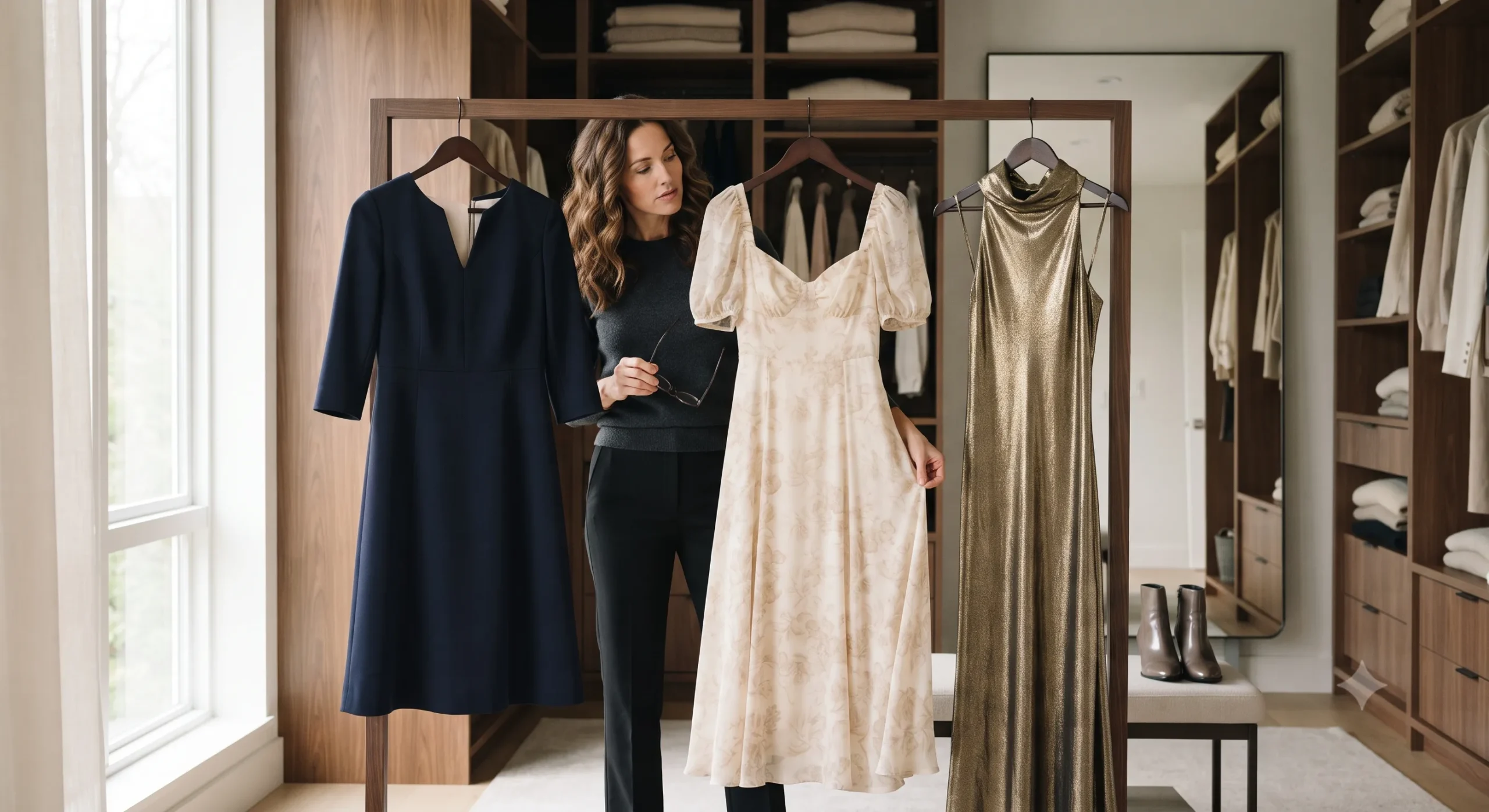
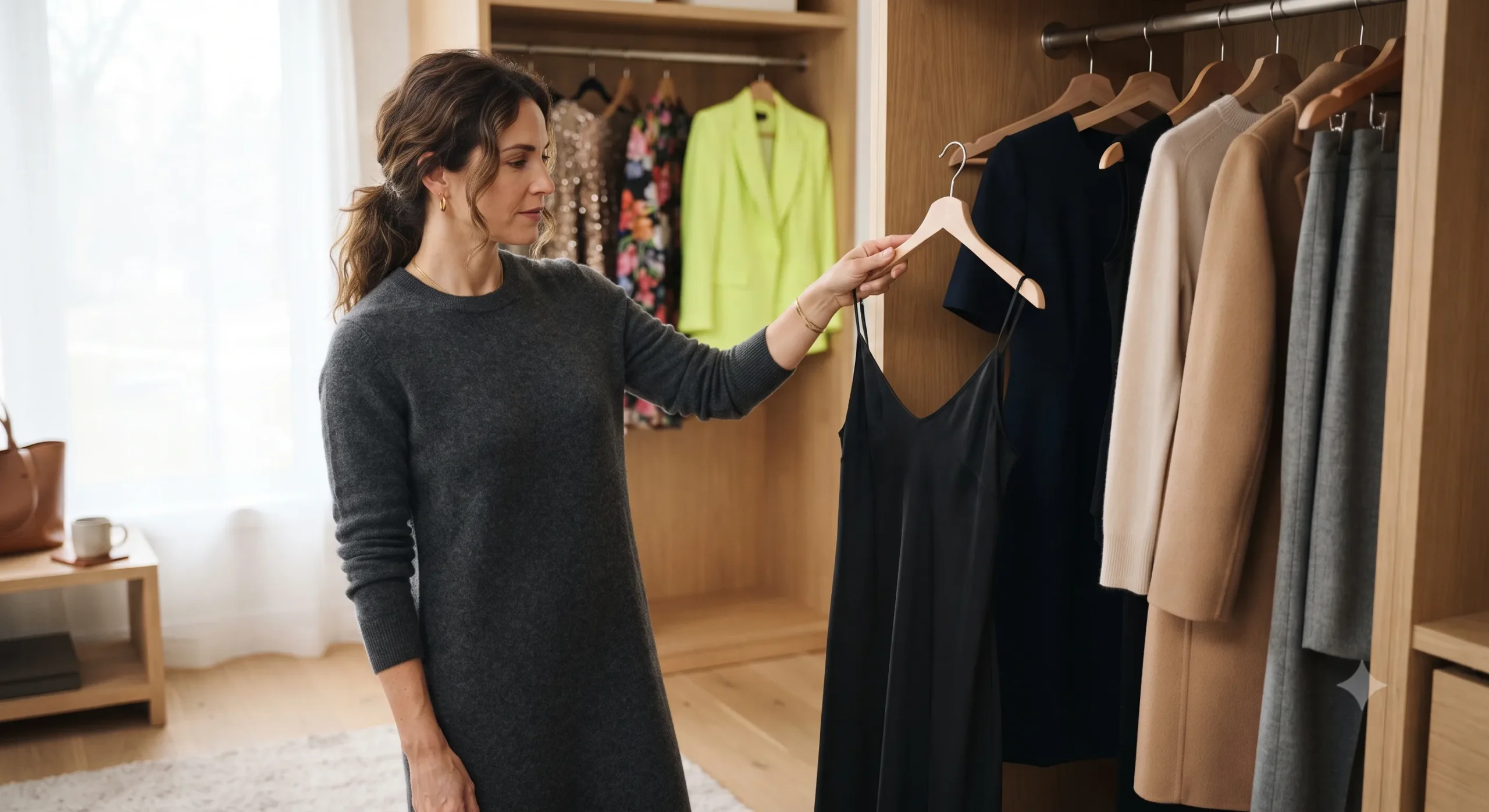
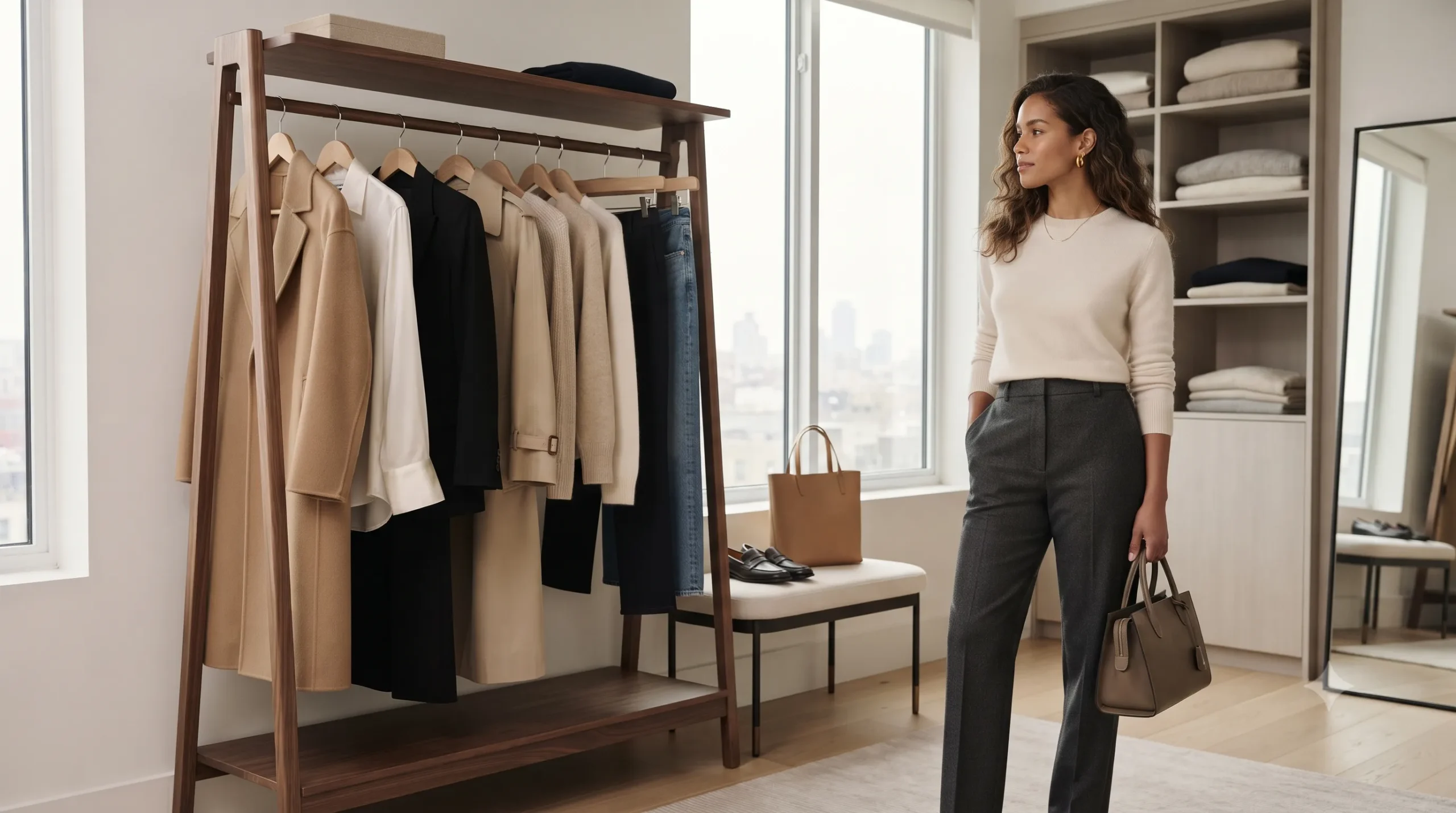
There is a particular kind of morning fatigue that has nothing to do with sleep and everything to do with the closet. It is that moment of standing before a row of hangers, feeling as though you have plenty of options, yet possessing nothing that feels quite “right” for the day ahead. Perhaps you have a mid-afternoon meeting that could bleed into an impromptu dinner, or a weekend brunch that requires a delicate balance between being presentable and being comfortable.
The frustration often stems from a wardrobe built on singular moments—pieces purchased for a specific wedding, a specific trend, or a specific party—that lack the versatility to inhabit the spaces in between. When a dress is too precious for a Saturday morning but too casual for a Tuesday presentation, it becomes dead weight in your collection.
Choosing a dress for the diverse rhythms of modern life requires a shift in perspective. Instead of asking, “What can I wear to this event?” we should begin asking, “How many different lives can this dress live?” The most successful wardrobes are built on pieces that possess a certain architectural intelligence—dresses that can be reconfigured through layering, footwear, and proportion to move seamlessly from the professional to the personal.
The Architecture of Versatility
To choose a dress that works across dinner, work, and weekends, one must look past the color or the print and focus on the fundamental elements: silhouette, fabric weight, and neckline. These are the “bones” of a garment that dictate its social mobility.
Silhouette and Proportion
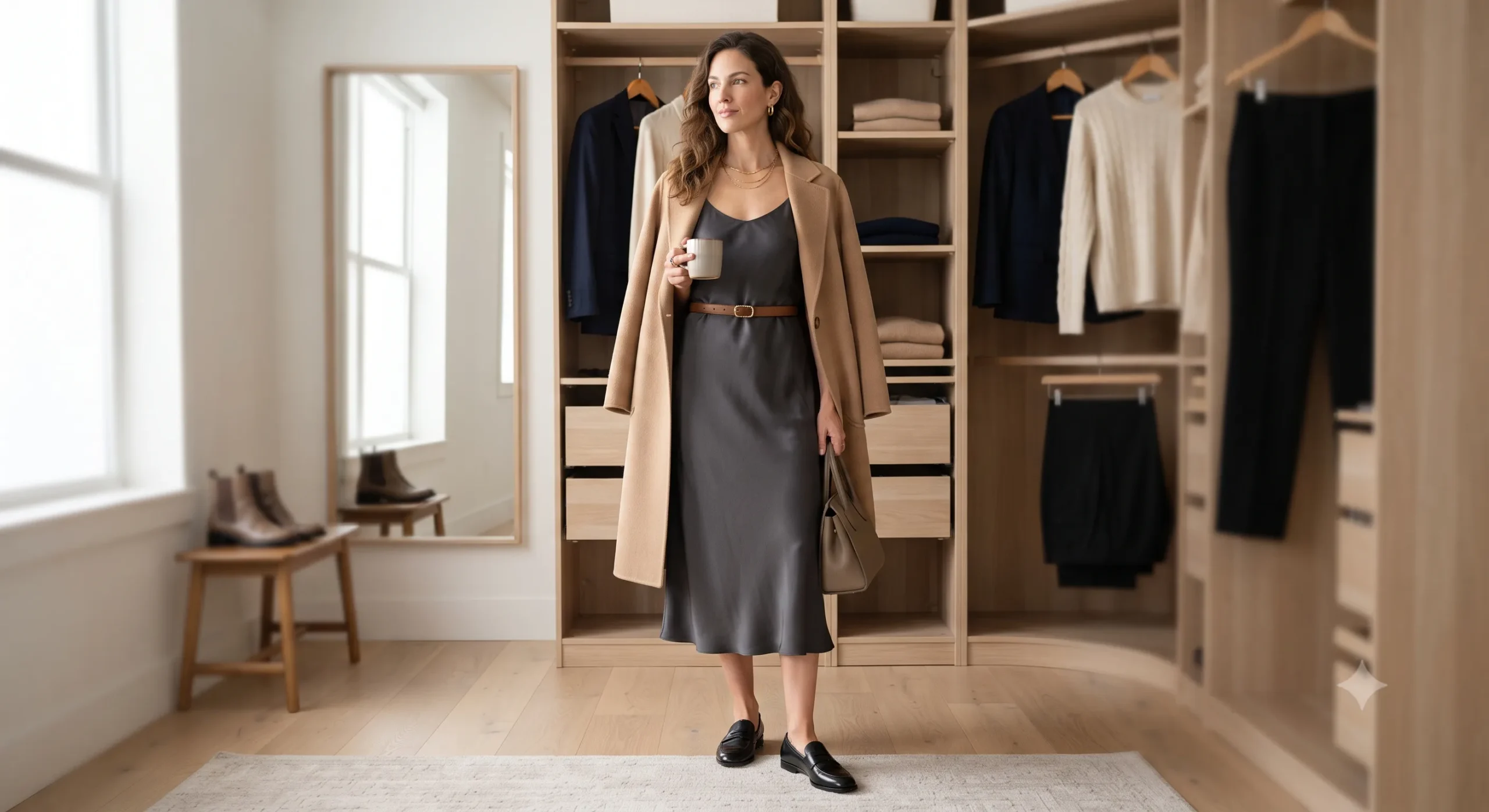
A dress with a structured yet soft silhouette is the most effective tool for transitions. A midi-length A-line dress, for instance, is a masterclass in versatility. The midi length provides enough coverage to feel respectful in a corporate environment, yet the movement of the skirt feels appropriate for a weekend stroll.
Conversely, a very tight, body-con silhouette often struggles to cross boundaries; it can feel too informal for many workplaces and perhaps too “styled” for a relaxed weekend. The goal is to find a shape that offers a sense of composed femininity—something that skims the body rather than clinging to it.
The Role of Fabric Behavior
Fabric is the silent communicator of intent. A heavy, structured crepe or a high-quality cotton poplin carries an inherent sense of order, making them ideal for work. However, if the fabric is too stiff, it may feel out of place at a relaxed weekend lunch.
The ideal “multi-purpose” fabric often possesses a subtle drape. Materials that hold their shape but move with the wearer allow you to look polished without appearing stiff. When evaluating a potential purchase, consider how the fabric reacts to light and movement. Does it look expensive and calm, or does it look overly shiny and fleeting? Understated textures tend to age better and transition through more settings.
Neckline and Detail
The neckline is perhaps the most significant factor in determining a dress’s formality. A high neck or a modest crew neck is inherently professional. A V-neck or a subtle square neck offers a touch of romanticism that works well for dinner. The key is to avoid details that are too “loud”—excessive ruffles, heavy sequins, or extreme cut-outs—as these lock a dress into a single category (the “event” dress). A dress with clean lines and minimal ornamentation can be elevated or dressed down with ease.
The Three Scenarios: A Decision Framework
To make better purchasing decisions, it helps to visualize how a single dress might behave in three distinct environments. This mental exercise helps prevent the “one-wear” mistake.
| Feature | The Work Environment | The Dinner Setting | The Weekend Plan |
|---|---|---|---|
| Primary Goal | Professionalism & Composure | Refinement & Presence | Ease & Comfort |
| Ideal Footwear | Loafers, block heels, or pointed flats | Strappy sandals, elegant pumps | Clean sneakers, leather slides, or boots |
| Layering Logic | Structured blazer or long wool coat | A delicate cardigan or a draped wrap | A denim jacket or an oversized knit |
| Accessory Tone | Minimalist: small gold hoops, leather tote | Sophisticated: statement earring or clutch | Casual: crossbody bag, canvas tote |
Scenario 1: The Professional Transition
In a work context, a dress functions as a uniform of competence. The dress should feel intentional. If you are wearing a midi dress in a neutral tone, the “work” element comes from the styling: pair it with a structured blazer and a leather loafer. The dress provides the feminine base, while the outer layers provide the professional architecture.
Scenario 2: The Evening Shift
When transitioning to dinner, the goal is to soften the edges. The same midi dress that felt “buttoned up” at 3:00 PM can feel “refined” at 7:00 PM simply by removing the blazer and adding a more delicate piece of jewelry. The change in footwear is crucial here; moving from a flat to a slight heel changes the way the fabric drapes and how you carry yourself.
Scenario 3: The Weekend Ease
The weekend requires a psychological shift toward relaxation. A dress that works for the weekend is one that doesn’t feel like you are “trying too hard.” By pairing a refined dress with a textured knit sweater over the top (turning the dress into a skirt) or adding a pair of high-quality leather sneakers, you strip away the formality while retaining the elegance.
Common Mistakes in Occasion Dressing
Even with a well-curated wardrobe, it is easy to fall into patterns of dressing that feel either too rigid or too chaotic. Understanding these pitfalls can help refine your decision-making process.
The “Cost-Per-Wear” Fallacy
Many people mistake a low price tag for value. A highly trendy, inexpensive dress that you can only wear once to a specific event has a very high cost-per-wear. Conversely, a well-made, timeless dress that you wear thirty times a year has a much lower cost-per-wear, even if the initial investment was higher. True value lies in the longevity of the garment’s relevance to your life.
Over-accessorizing the Occasion
A common mistake when dressing for dinner or a wedding is to treat the dress as a mere hanger for jewelry. If the dress has intricate details, adding heavy accessories can create visual noise that feels cluttered rather than elegant. Aim for a sense of visual calm. If the dress is the star, let the accessories be the supporting cast.
Ignoring the Context of Texture
Wearing a heavy velvet dress to a summer garden party or a flimsy, sheer chiffon dress to a serious board meeting creates a sensory mismatch. Always consider the “weight” of the occasion. The texture of your clothing should harmonize with the atmosphere of the room.
A Practical Checklist for Your Next Purchase
Before committing to a new piece, run it through this mental audit. If you can check at least three of these boxes, the dress is likely a meaningful addition to your wardrobe rather than a fleeting impulse.
- The Three-Way Test: Can I immediately visualize this dress being worn for work, a social dinner, and a casual weekend activity?
- The Layering Check: Does this dress play well with others? Can I wear a blazer over it, a sweater over it, or a trench coat over it without it looking bulky or awkward?
- The Footwear Versatility: Can this dress be styled with both a formal heel and a casual flat/sneaker?
- The Longevity Factor: If I look at a photo of myself in this dress two years from now, will I still feel that the silhouette is tasteful, or will it feel tied to a specific, passing micro-trend?
- The Comfort Variable: Can I sit, walk, and eat in this dress without feeling constantly preoccupied with adjusting it? (A dress that requires constant tugging is a dress that will not be worn frequently.)
The Philosophy of an Edited Closet
Ultimately, the ability to choose the right dress for any occasion is not about having more clothes, but about having better ones. There is a quiet power in a wardrobe that feels coherent—a collection of pieces that all speak the same language of refined femininity and practical elegance.
When we move away from the urgency of trend-chasing and toward the calm of intentional dressing, we find that getting ready becomes less of a chore and more of a ritual. We stop reacting to our schedules and start dressing to inhabit them with confidence. A well-chosen dress is not just a garment; it is a tool that grants you the freedom to move through your life with grace, regardless of whether you are heading to a boardroom, a bistro, or a bookstore.