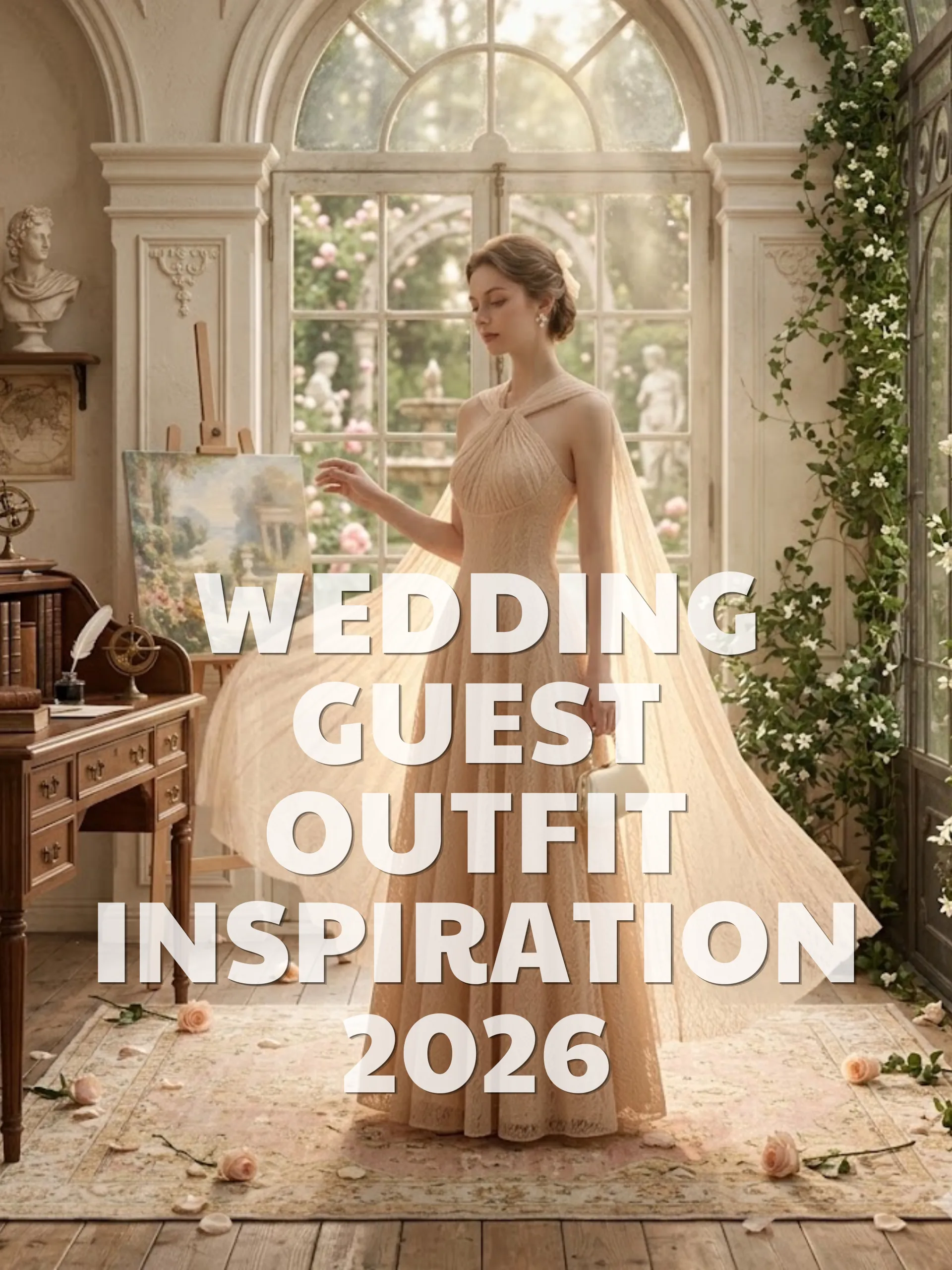
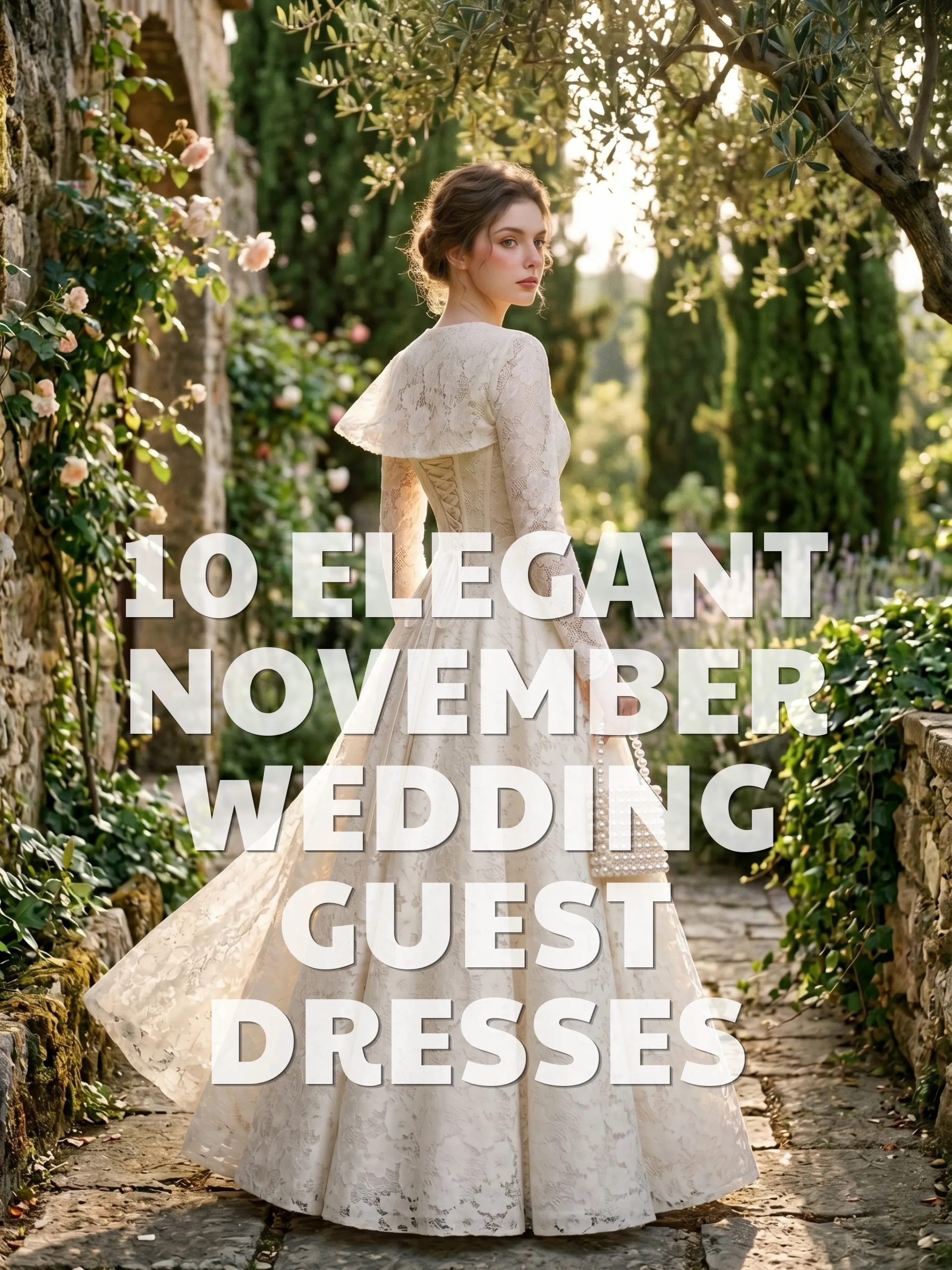
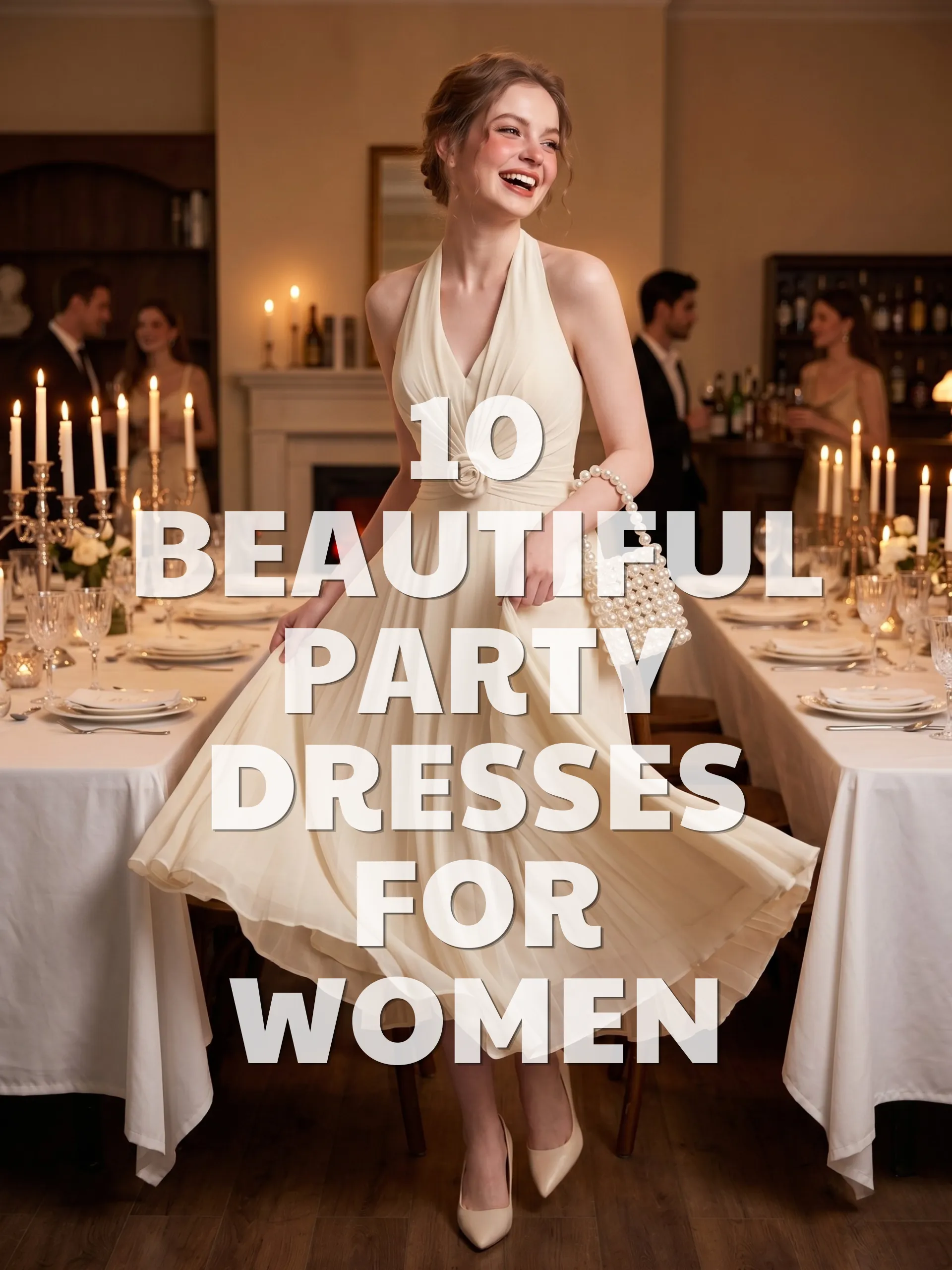
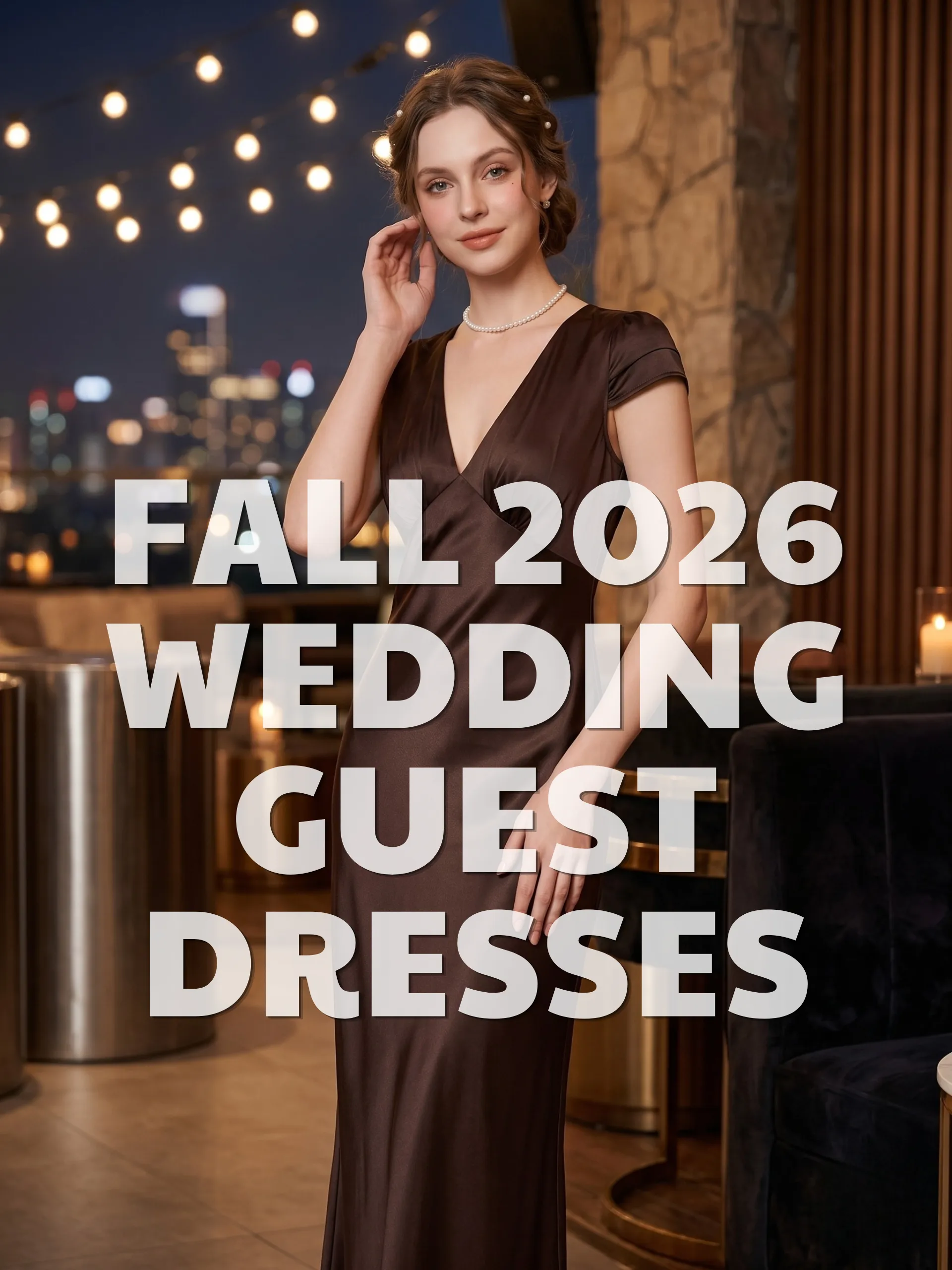
There is a specific kind of visual quietness that occurs when a woman walks into a room wearing a truly exceptional dress. It is not a loud, attention-grabbing aesthetic. There are no heavy logos, no aggressive patterns, and no neon hues shouting for recognition. Instead, there is a sense of composure—a feeling that the garment was made with intention and that the woman wearing it is entirely at ease.
We have all experienced the frustration of purchasing a dress that looked spectacular on a mannequin or a digital screen, only to find that upon trying it on, it feels “cheap.” The fabric might cling in odd places, the color might look washed out under natural light, or the silhouette might feel unanchored. This gap between expectation and reality is often where the distinction between fast fashion and high-end design resides.
Understanding what makes a dress look expensive is not about chasing a specific price tag or a designer label. Rather, it is about developing an eye for the subtle cues of quality: the way a fabric drapes, the precision of a seam, and the harmony of a silhouette. It is an education in discernment that allows you to build a wardrobe of lasting value, rather than a collection of fleeting moments.
The Quick Answer: The Pillars of Expensive-Looking Style
If you are looking for a concise way to evaluate a garment while shopping, focus on these four pillars:
- Material Integrity: The weight, texture, and light-reflective properties of the fabric.
- Structural Precision: How the garment is constructed, specifically regarding seams, linings, and hems.
- Proportion and Fit: How the silhouette interacts with the human form without pulling or sagging.
- Visual Restraint: The absence of excessive embellishment and a focus on cohesive color and shape.
1. The Language of Fabric: Weight, Texture, and Drape
The most immediate indicator of a dress’s quality is its material. In the world of luxury, fabric is never an afterthought; it is the foundation. When we say a dress “looks expensive,” we are often responding to how the fabric behaves in motion.
The Importance of Weight
Cheaply made dresses often utilize thin, lightweight synthetics that lack “body.” These fabrics tend to fly about uncontrollably or, conversely, cling to the body in ways that reveal every undergarment line. An expensive-looking dress typically has a certain intentional weight. This doesn’t mean it must be heavy, but the material should have enough substance to hold the shape the designer intended. Whether it is a crisp cotton poplin for a summer afternoon or a substantial crepe for an evening event, the weight provides a sense of stability.
Texture and Light
How a fabric interacts with light tells a profound story. Low-quality synthetics often have a “plastic” shine—a harsh, artificial glint that looks inexpensive under even mild lighting. In contrast, high-quality natural fibers or sophisticated blends absorb and reflect light softly. A matte finish often reads as more expensive than a high-shine finish, as it suggests a depth of texture that is harder to manufacture.
The Concept of Drape
Drape refers to how a fabric falls over the curves of the body. A high-quality fabric will skim the form, creating a fluid line that moves with the wearer. If a fabric is too stiff, it looks costume-like; if it is too limp, it looks unkempt. The “expensive” middle ground is a drape that feels effortless—where the garment seems to belong to the body rather than sitting awkwardly on top of it.
2. Construction: The Hidden Details
The difference between a hundred-dollar dress and a thousand-dollar dress is often invisible from ten feet away, but it is glaringly obvious from two feet. True luxury is found in the architecture of the garment.
Seams and Stitching
Examine the seams. Are they straight? Are the stitches even and tight? In mass-produced clothing, tension is often inconsistent, leading to “puckering”—that annoying rippling along the seams that occurs when the thread tension is wrong. An expensive dress features smooth, flat seams that disappear into the garment. Furthermore, look for reinforced stitching at stress points, such as the armholes or the waistline.
The Role of the Lining
A common mistake in budget dressing is overlooking what is inside the dress. A high-quality dress is almost always lined. A lining serves two purposes: it prevents the outer fabric from clinging to your skin or undergarments, and it provides an internal structure that helps the dress hang correctly. If a dress is unlined and feels flimsy, it will rarely achieve that sense of polished composure.
Hems and Closures
The hem is the literal foundation of the dress. A heavy, well-turned hem gives a skirt weight and a beautiful swing. Avoid hems that look rushed, uneven, or “serged” in a way that looks raw and unfinished. Similarly, consider the hardware. Zippers should glide smoothly without catching, and buttons should feel substantial—not like hollow plastic, but like something with weight and texture.
3. Silhouette and the Art of Proportion
A dress can be made of the finest cashmere, but if the proportions are off, it will never look expensive. Elegance is a mathematical equation of balance.
Avoiding the “Trend Trap”
Micro-trends often dictate extreme silhouettes—extraordinarily oversized, hyper-cropped, or heavily structured in ways that feel temporary. While these can be fashionable, they rarely look “expensive” in a timeless sense because they are tethered to a specific, passing moment. A dress that looks expensive typically adheres to classic proportions: a defined waist, a balanced hemline, and a neckline that complements the wearer’s frame.
The Importance of Fit
Nothing devalues a garment faster than a poor fit. An expensive-looking dress looks as though it was made for the specific person wearing it. This does not mean the dress must be skin-tight; in fact, many of the most sophisticated looks rely on “ease”—the space between the fabric and the body. However, that ease must look intentional. If a dress is too large, it looks like it’s wearing you; if it’s too small, the fabric will pull across the bust or hips, creating horizontal tension lines that signal a lack of fit.
Visual Calm and Restraint
There is a concept in design known as “visual noise.” Excessive ruffles, clashing prints, and an abundance of bows create noise. Expensive-looking style tends toward visual calm. It relies on a single focal point—perhaps a beautiful neckline or an interesting sleeve shape—rather than trying to do everything at once. When a design is restrained, the eye is allowed to appreciate the quality of the material and the grace of the silhouette.
4. Decision Framework: Evaluating a Dress Before You Buy
To move away from impulsive, trend-based shopping and toward a more thoughtful, intentional wardrobe, use the following decision matrix when considering a new piece.
| Evaluation Criteria | Ask Yourself… | Red Flags (Avoid) | Green Flags (Seek) |
|---|---|---|---|
| Fabric Behavior | How does it move when I walk? | Static cling; “plastic” shine; transparency. | Soft drape; substantial weight; matte or subtle luster. |
| Structural Integrity | What is happening at the seams? | Puckering; loose threads; uneven hems. | Smooth seams; consistent stitching; weighted hems. |
| Internal Finish | Is there a lining? | Unlined; rough interior seams. | Full lining; smooth, finished interior. |
| Versatility | Can I wear this in three different ways? | “One-wear” items; hyper-trendy silhouettes. | Works for work, dinner, and weekends; classic shape. |
| Proportion | Does the silhouette feel balanced? | Tension lines at the bust/hips; awkward lengths. | Intentional ease; flattering, stable proportions. |
Common Misconceptions About “Expensive” Clothing
Misconception: Expensive clothes must have visible branding.
In reality, the most expensive-looking clothes often have no branding at all. Visible logos are a form of “loud” fashion that signals a desire for external validation. Quiet luxury, on the other hand, focuses on the wearer’s presence. When the quality of the garment is high, the brand becomes irrelevant.
Misconception: A higher price tag automatically equals higher quality.
Price and value are not the same. A brand can charge a premium for a name while using mediocre fabrics and rushed construction. To find true value, you must look past the price tag and perform the “hands-on” inspection described above.
Misconception: “Occasionwear” must be formal to look expensive.
Some of the most sophisticated dressing occurs in the “in-between” spaces—the elevated everyday pieces. A perfectly tailored midi dress in a high-quality knit can look more expensive and more intentional than a heavily sequined gown that feels out of place.
Building a Wardrobe of Intention
The goal of understanding these principles is not to encourage more spending, but to encourage better spending. When you know how to identify a well-constructed dress, you stop participating in the cycle of buying “disposable” fashion—pieces that lose their shape after two washes or feel outdated after two months.
A thoughtful wardrobe is built around pieces that earn their place. A dress earns its place when it works for more than one kind of day, survives more than one season, and feels as relevant in five years as it does today. By focusing on fabric, construction, and proportion, you are not just buying a garment; you are investing in your own sense of ease and confidence.
In the end, looking expensive is less about the money you spend and more about the care you take. It is about choosing pieces that reflect a sense of calm, a respect for craftsmanship, and a commitment to a style that is uniquely, authentically yours.