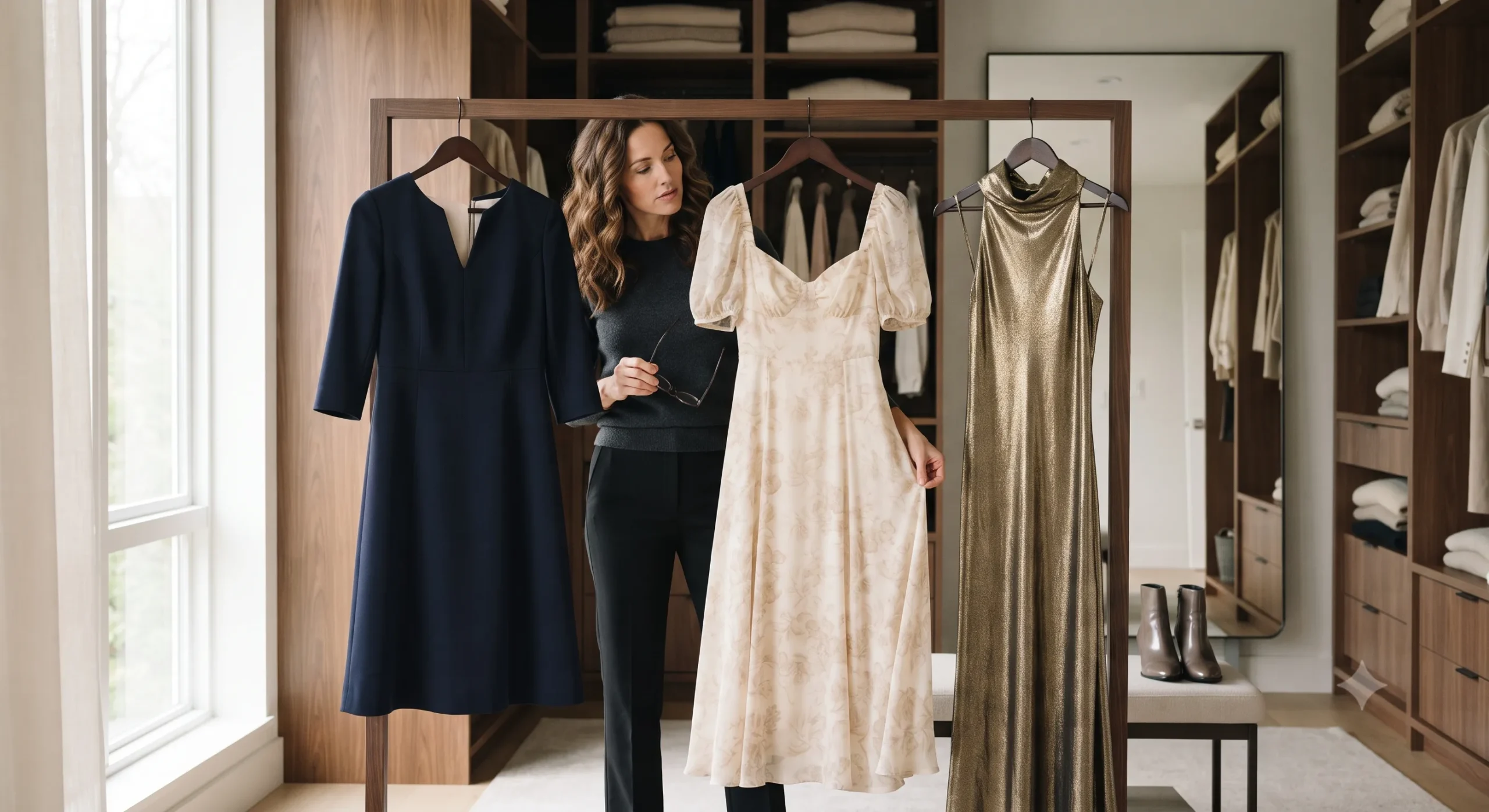
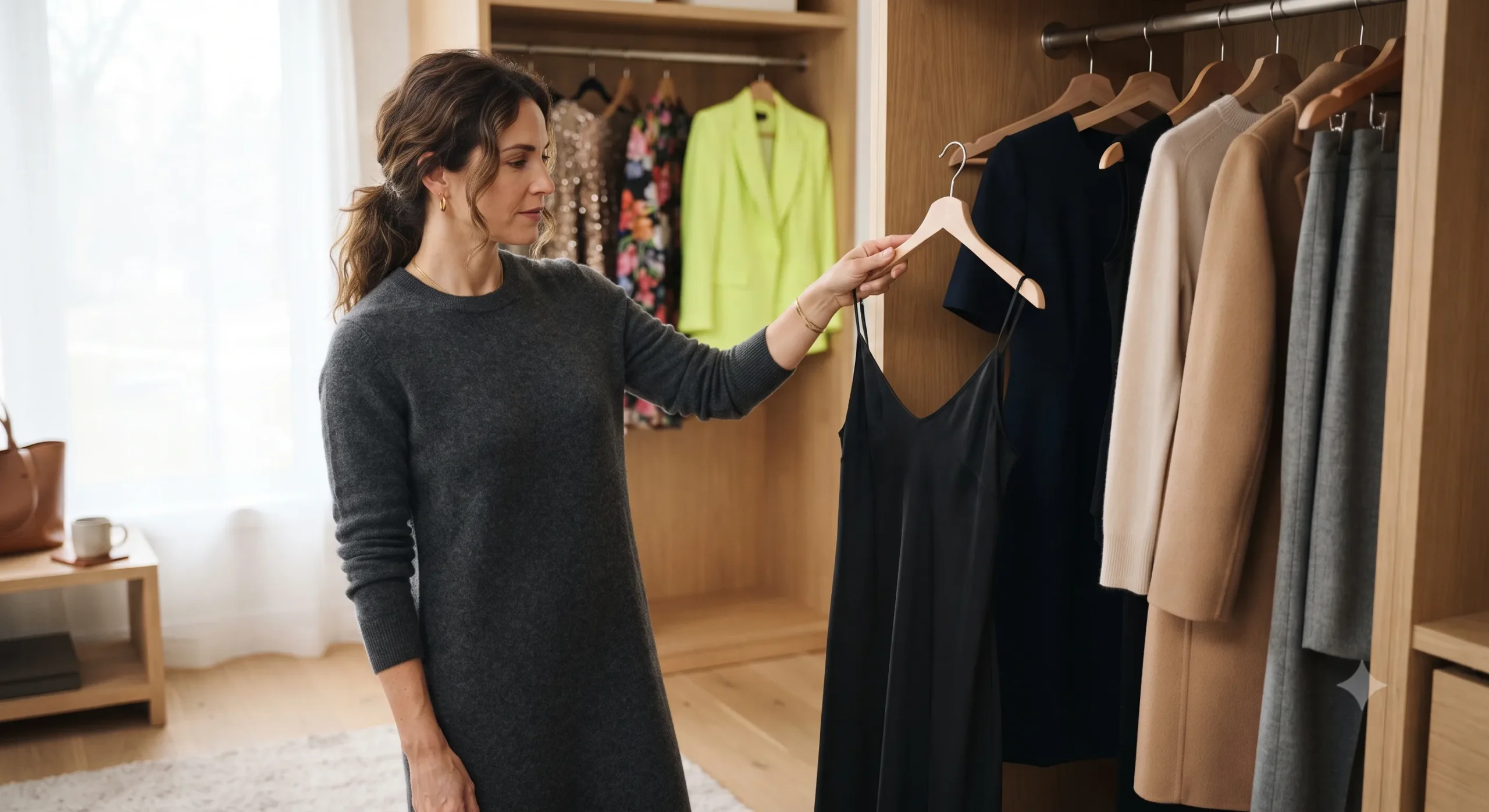
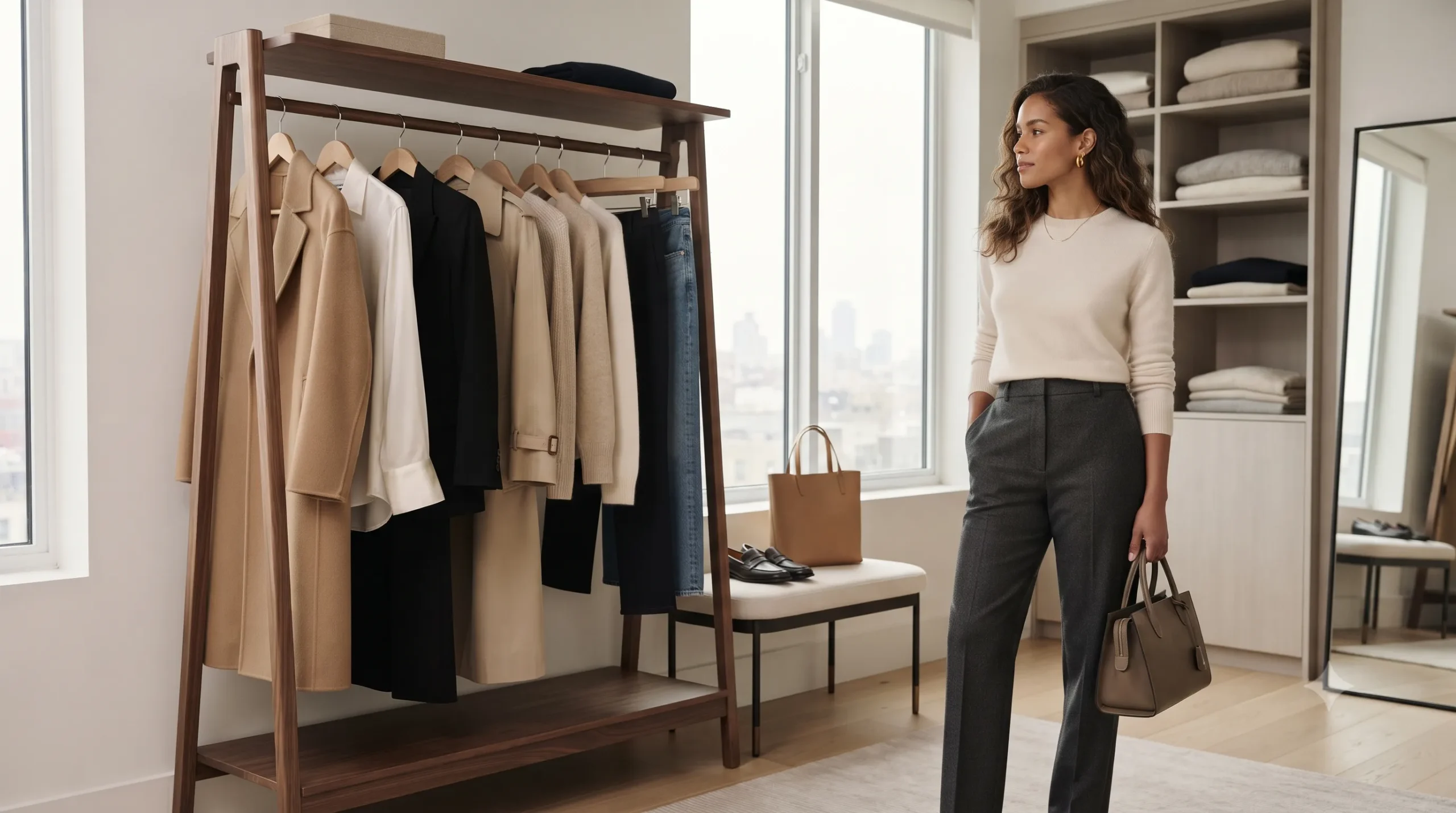
There is a specific, quiet frustration that occurs when standing before a closet full of neutral tones, fine knits, and flowing silhouettes, only to realize that nothing feels quite enough. You have embraced the philosophy of understated dressing—you have moved away from loud logos and fleeting micro-trends—yet the result feels unintentional. Instead of appearing polished or romantic, you feel as though you are fading into the background.
This is the fine line between soft dressing and plainness.
To dress softly is to lean into a certain gentleness of aesthetic: soft textures, a harmonious color palette, and silhouettes that move with the body rather than restricting it. However, when we strip away all visual interest in pursuit of “quiet luxury” or “minimalism,” we often inadvertently strip away the personality that makes an outfit feel like a choice. To avoid looking plain, one must understand that restraint is not the same as absence. True understated elegance requires intention—a careful curation of detail, proportion, and texture that signals sophistication rather than a lack of effort.
The Distinction Between Softness and Plainness
At its core, the difference lies in the presence of deliberate design. A plain outfit is often characterized by a lack of friction; it is a collection of items that do not interact with one another in any meaningful way. It is a beige sweater paired with beige trousers of the same weight and texture, resulting in a visual “washout.”
Soft dressing, by contrast, is about depth. It uses subtle cues to create visual interest. While a plain outfit asks nothing of the eye, a soft, sophisticated outfit invites the eye to linger on a specific detail: the way a sleeve drapes, the interplay between a matte wool and a slight sheen of a fine knit, or the way a tonal color palette is broken up by varying shades of cream, sand, and taupe.
| Feature | Plain/Understated Dressing | Soft/Sophisticated Dressing |
|---|---|---|
| Visual Interest | Minimal to non-existent; looks accidental. | Found in texture, drape, and subtle detail. |
| Color Approach | Monochromatic without variation in tone. | Tonal layers with varying depths of color. |
| Proportion | Often shapeless or overly simplistic. | Thoughtful interplay of volume and structure. |
| Texture | Uniform and flat. | Multidimensional and tactile. |
| Intent | Aiming to “not stand out.” | Aiming to “stand out quietly.” |
The Architecture of Texture: Creating Visual Weight
If you are working within a muted or neutral color palette, texture becomes your most important tool. When color is quiet, texture must speak. This is how you prevent a soft wardrobe from looking two-dimensional.
To achieve this, think in terms of “tactile contrast.” If you are wearing a smooth, lightweight skirt, avoid pairing it with a similarly smooth, lightweight top. Instead, introduce a piece with more substance—perhaps a fine-gauge knit with a subtle ribbed texture or a slightly heavier crepe. The contrast between the light and the heavy, the smooth and the textured, creates a sense of luxury that the eye perceives even if the brain cannot immediately name the reason.
Consider these combinations for a more dimensional look:
- The Heavy and the Light: A structured, slightly heavier wool trouser paired with a soft, flowing blouse. The weight of the trouser provides a foundation, while the blouse provides the “softness.”
- The Matte and the Luster: Combining a matte cotton piece with something that has a very slight, natural luster—like a high-quality knit or a finely woven fabric. This subtle play of light prevents the outfit from looking flat.
- The Ribbed and the Smooth: Using a ribbed texture to break up a long line of smooth fabric. This adds vertical interest and a sense of “organized” complexity.
Mastering Tonal Layering
One of the most common mistakes in understated dressing is the “one-note” monochromatic look. While wearing a single color can be incredibly powerful, doing so without varying the tones and depths can make you appear washed out.
Soft dressing thrives on tonal layering. This does not mean wearing different colors; it means wearing different versions of the same color family. Instead of wearing a single shade of oatmeal from head to toe, aim for a composition of ivory, sand, camel, and warm beige.
This approach creates a “gradient effect” that mimics the natural world. It provides a sense of cohesion (the colors belong together) while providing enough visual separation to define the different parts of your body. It allows you to use silhouettes and layers to create shape without needing loud patterns or bright colors to do the work.
A Practical Scenario: The Transitional Evening
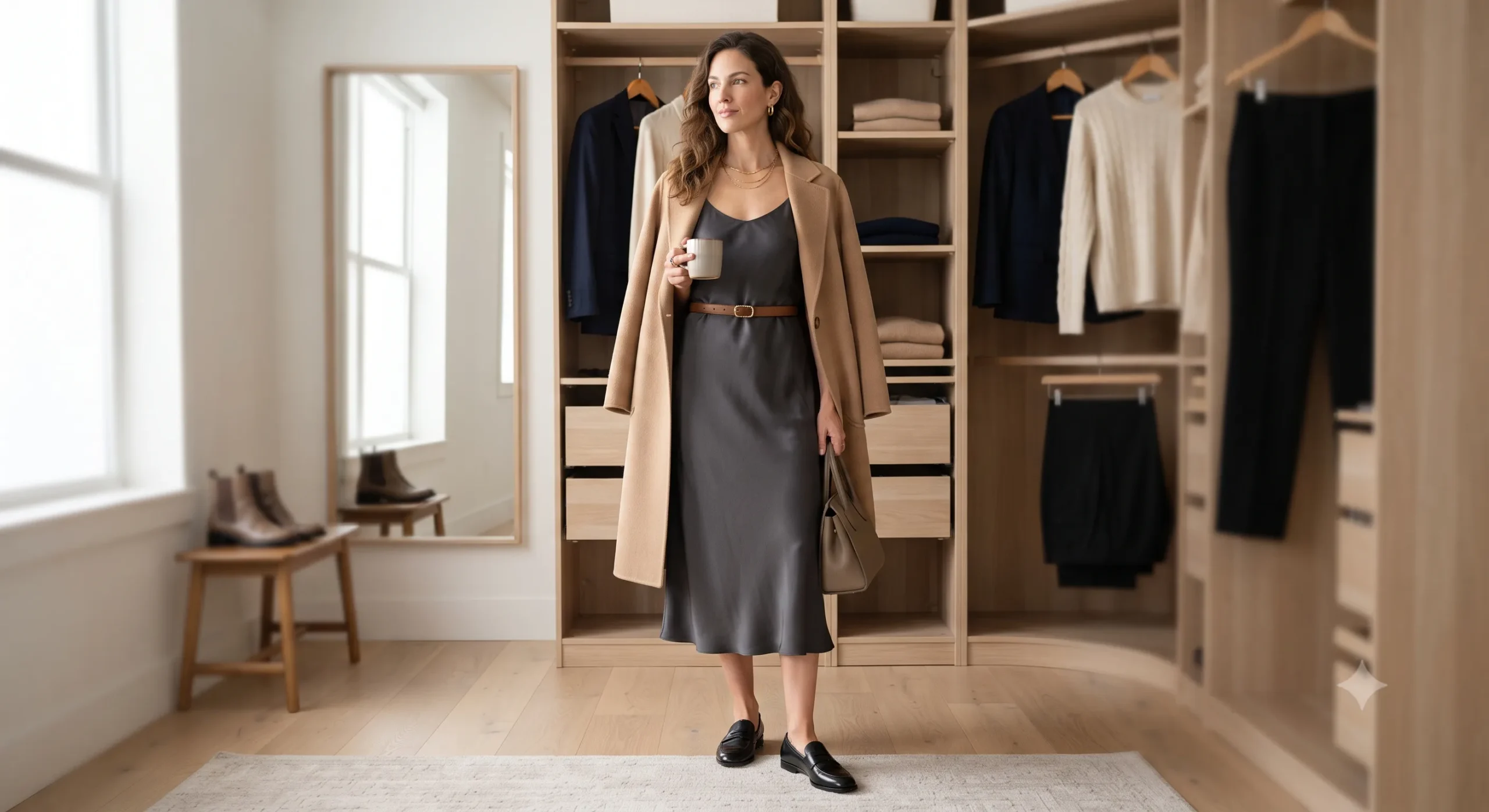
Imagine you are attending a garden dinner. A “plain” approach might be a simple cream midi dress with flat sandals. To make this “soft and sophisticated,” you might choose a cream midi dress in a fabric with a slight weight and drape, then layer a slightly darker sand-colored lightweight knit over your shoulders. You finish with a tan leather belt to define the waist and a pair of gold accessories that catch the light. The color story is still quiet, but the layers and tonal shifts make the outfit feel composed and intentional.
Proportion and the Illusion of Structure
A common fear with soft, romantic clothing is that it will look “frumpy” or overly shapeless. This happens when we prioritize comfort so heavily that we lose all sense of human form. Softness does not have to mean shapelessness; in fact, the most elegant soft dressing relies on a mastery of proportion.
The key is to balance volume. If you are wearing a wide-leg, flowing trouser (which provides that soft, romantic movement), you should pair it with something that has more definition or a closer fit on the top. Conversely, if you are wearing a more voluminous, soft blouse, a more streamlined bottom can provide the necessary anchor.
The Rule of Thirds in Soft Styling
In fashion, as in art, the “rule of thirds” is a helpful guide for proportion. Rather than dividing your body in half (which can look stunted), aim to create a ratio of one-third to two-thirds.
- High-waisted elements: Pairing a tucked-in soft knit (1/3) with a flowing skirt (2/3) creates an elongated, elegant line.
- Layered lengths: Wearing a long, soft cardigan (2/3) over a shorter, more structured top (1/3) adds depth without overwhelming the frame.
By being mindful of where a seam sits or where a garment begins and ends, you ensure that your “softness” looks like a deliberate stylistic choice rather than a lack of structure.
Avoiding the “Childish” Trap: Femininity with Maturity
For many women, “soft” or “romantic” dressing can feel precarious. There is a risk of leaning into elements—such as excessive ruffles, tiny floral prints, or pastel shades—that can inadvertently feel juvenile.
To maintain a sense of refined femininity, the goal is to embrace soft structure. This means looking for garments that possess romantic details but are executed with high-quality construction and sophisticated scales.
- Scale Matters: Instead of a tiny, busy floral print (which can look youthful), look for a larger, more abstract botanical print in muted, earthy tones.
- Details Over Ornamentation: Instead of excessive ruffles, look for a subtle gathered neckline, a soft puff sleeve with a structured seam, or a delicate tie-waist. The detail should feel like part of the garment’s architecture, not an afterthought.
- Fabric Integrity: A soft, romantic silhouette only looks sophisticated if the fabric holds its shape appropriately. A flimsy fabric will lose its intention quickly; a fabric with enough “memory” to hold a drape will maintain the elegance of the piece throughout the day.
Common Mistakes in Understated Dressing
Even with the best intentions, it is easy to slip into the “plain” category. Recognizing these patterns is the first step toward correcting them.
- Ignoring the “Third Piece” Rule: An outfit consisting only of a top and a bottom often feels incomplete. Adding a “third piece”—a lightweight blazer, a textured cardigan, or a structured scarf—adds the layer of complexity needed to move from plain to polished.
- Neglecting Hardware and Accessories: In an understated wardrobe, your accessories are not just additions; they are the punctuation marks. A simple, high-quality leather bag or a pair of sculptural gold earrings provides the “finish” that a plain outfit lacks.
- Overlooking Fit: Understated clothing relies heavily on how it hangs on the body. If a piece is too tight, it loses its soft, romantic essence; if it is too large without intention, it looks sloppy. The “sweet spot” is a fit that skims the body, providing ease of movement while acknowledging your silhouette.
- Uniformity of Fabric Weight: As mentioned previously, wearing fabrics of the same weight and texture creates a flat visual. Always ask: Is there enough contrast here to keep the eye moving?
Decision Framework: Should I Wear This?
When deciding if a piece or an outfit is “too plain,” use this quick mental checklist to evaluate its potential for sophistication.
- Does it have a tactile element? (Is there a texture that I can almost feel just by looking at it?)
- Is there tonal depth? (Am I using more than one shade of this color family?)
- Is there a balance of proportion? (Is there a clear relationship between the volume of my top and bottom?)
- Does the quality of the drape suggest intention? (Does the fabric move in a way that looks deliberate?)
If you answer “no” to most of these, the outfit may lean toward being plain. You can likely fix this by adding a textured layer, adjusting your tuck, or swapping a flat shoe for something with more visual weight.
Summary of Soft, Sophisticated Styling
To dress softly without looking plain, move away from the idea of “simplicity” and move toward the idea of “refinement.” Sophistication is found in the subtle details that aren’t immediately obvious but are felt through the harmony of the outfit.
By prioritizing texture to create depth, tonal layering to create dimension, and proportional balance to create shape, you can build a wardrobe that feels both incredibly gentle and remarkably powerful. It is a way of dressing that does not shout for attention, yet ensures that when you are seen, you are seen with clarity and grace. This is the essence of a thoughtful wardrobe: pieces that do not rely on trends to be interesting, but rely on the intelligence of their design and the ease of their wear.