We have all had that specific moment of wardrobe frustration: standing before a closet brimming with clothes, yet feeling as though we have nothing to wear that feels truly right. We might be wearing pieces that are expensive, on-trend, or perfectly functional, yet the overall impression feels somehow disjointed, loud, or simply uninspired. There is a phantom quality to a great outfit—a sense of cohesion and ease that we often label as “taste.”
Taste is frequently discussed as if it were an innate, unteachable gift, a mysterious social currency reserved for a select few. In reality, taste in dressing is less about following a rigid set of rules and more about an intuitive understanding of balance, restraint, and intentionality. It is the difference between wearing a garment and inhabiting an outfit. A tasteful outfit does not demand attention through sheer volume or obvious branding; instead, it commands respect through its harmony and the quiet confidence of the person wearing it.
To understand what makes an outfit feel tasteful, we must look past the surface of trends and examine the underlying principles of proportion, fabric behavior, and the relationship between the clothing and the wearer’s lifestyle.
The Anatomy of Restraint
At the heart of tasteful dressing lies the concept of restraint. In a culture that often equates “more” with “better,” the ability to edit is the most powerful tool in a woman’s style arsenal. Restraint does not mean dressing in a way that is boring or colorless; rather, it means ensuring that every element of an outfit serves a purpose and that no single component overwhelms the whole.
When an outfit lacks restraint, it often suffers from “visual noise.” This might manifest as too many competing patterns, an excess of statement jewelry, or a clash of textures that feels chaotic rather than curated. A tasteful approach seeks a focal point. If you are wearing a beautifully structured blazer with interesting sculptural sleeves, the rest of the outfit should provide a calm foundation—perhaps a simple slim-fitting trouser and a refined knit—to allow the blazer to speak.
True sophistication often lives in the subtle details that go unnoticed by the casual observer but are felt by everyone in the room. It is the way a hemline hits just at the right point on the ankle, or how a monochromatic palette uses different textures to create depth without complexity. Understated style is less about what you add and more about what you choose to leave out.
The Role of Proportion and Silhouette
If restraint provides the boundaries, proportion provides the architecture. An outfit feels tasteful when the silhouette is intentional. This does not mean you must adhere to a specific body shape, but rather that you understand how volume and structure interact.
One of the most common mistakes in dressing is a lack of balance between upper and lower body volumes. For example, a voluminous, flowing midi skirt paired with a fitted, tucked-in bodice creates a classic, feminine silhouette that feels grounded. Conversely, pairing an oversized, chunky knit with wide-leg trousers can look incredibly chic, provided the fabrics have enough weight to maintain their shape and the waistline is subtly defined to prevent the wearer from being lost in the cloth.
Consider these three fundamental principles of proportion:
- The Rule of Thirds: Rather than dividing the body in half (which can look static and stunted), aim for a 1/3 to 2/3 ratio. Tucking a blouse into high-waisted trousers creates a longer leg line and a more pleasing visual flow.
- Weight and Texture Balance: Pairing a heavy wool coat with a lighter, more delicate skirt creates a sensory contrast that feels sophisticated. The weight of the fabric should feel appropriate to the garment’s structure.
- Negative Space: Leaving “space” in an outfit—such as a slightly lower neckline or a slit in a skirt—prevents a look from feeling heavy or suffocating. It allows the outfit to breathe and the wearer to move with grace.
Beyond the Label: The Importance of Fabric and Fit
A significant component of what we perceive as “taste” is the quality of the materials and how they behave in motion. Even the most perfectly coordinated outfit will feel “off” if the fabric is thin, overly shiny in a synthetic way, or wrinkles excessively the moment the wearer sits down.
Tasteful dressing leans heavily on the tactile experience. Natural fibers—such as high-quality cotton, linen, wool, and fine knits—have a way of draping that synthetic blends often struggle to replicate. They catch the light softly and age with a certain grace. When a garment has a “good drape,” it follows the lines of the body without clinging uncomfortably, creating a sense of effortless movement.
Closely tied to fabric is the concept of fit. A garment that is poorly fitted—whether too tight in the shoulders or sagging at the waist—immediately undermines the wearer’s presence. A tasteful outfit looks as though it was made specifically for the individual. This doesn’t require bespoke tailoring for every piece, but it does require an awareness of how clothes should sit. An intentional wardrobe is built around pieces that respect the wearer’s physical reality, providing comfort while maintaining a polished appearance.
The Decision Framework: Evaluating an Outfit
To move from accidental style to intentional taste, it helps to have a mental framework for evaluating an outfit before leaving the house. Instead of asking, “Is this trendy?” ask questions that focus on the longevity and cohesion of the look.
| Criteria | The “Trend-First” Approach | The “Tasteful” Approach |
|---|---|---|
| Primary Focus | Following the current seasonal “must-have.” | Prioritizing fit, fabric, and personal harmony. |
| Visual Impact | Loud, immediate, often high-contrast. | Subdued, cohesive, and layered. |
| Versatility | Difficult to pair with existing pieces. | Designed to integrate with a thoughtful wardrobe. |
| Longevity | Feels dated within six months. | Remains relevant across multiple seasons. |
| Emotional State | Wearing a “costume” or a fleeting identity. | Feeling like a more polished version of oneself. |
Practical Scenarios: Applying Taste to Real Life
Taste is not a concept that exists only in editorial photography; it must function in the complexities of a real woman’s life. The challenge is maintaining that sense of polished elegance while navigating different environments.
Scenario 1: The Professional Transition
The Goal: To look authoritative yet approachable for a series of midday meetings followed by a casual dinner.
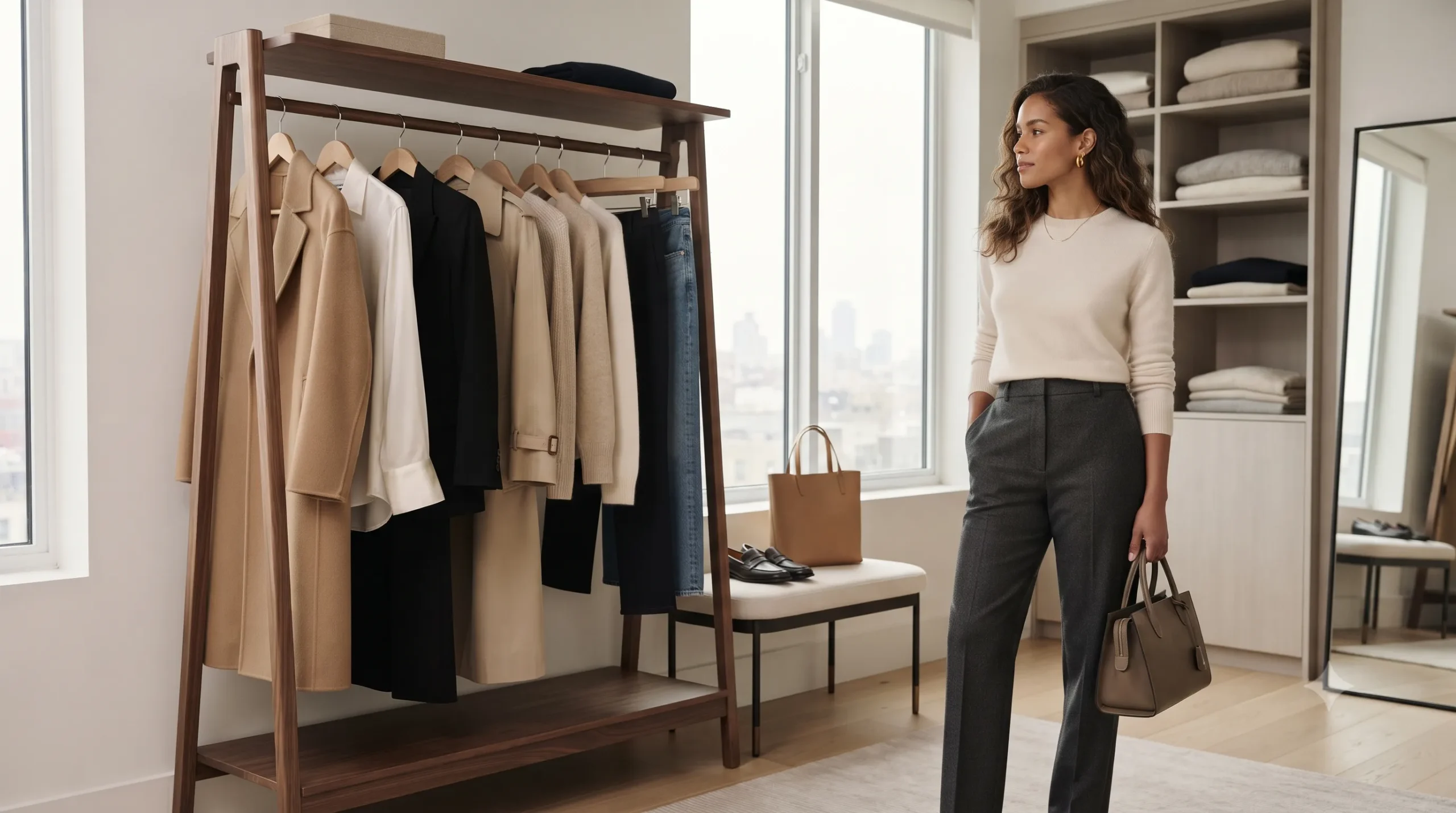
The Tasteful Solution: Instead of a rigid, traditional suit, opt for soft structure. A pair of well-tailored trousers in a neutral tone (like navy or camel) paired with a high-quality knit top and a relaxed blazer. The knit adds a layer of approachable femininity, while the blazer maintains professional boundaries. The “taste” here comes from the interplay of textures and the avoidance of overly aggressive “power dressing” tropes.
Scenario 2: The Weekend Occasion
The Goal: A garden wedding or a meaningful family celebration.
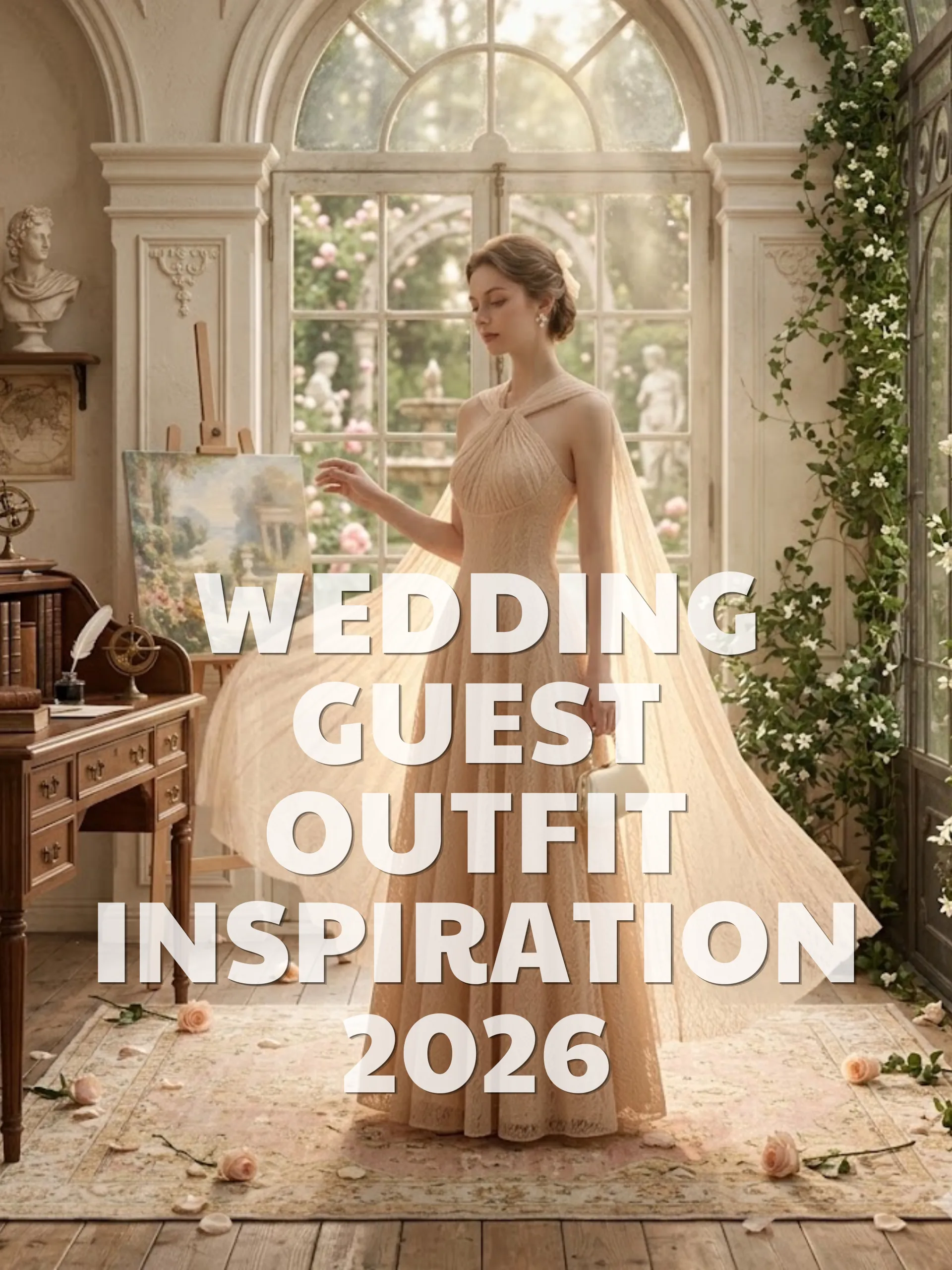
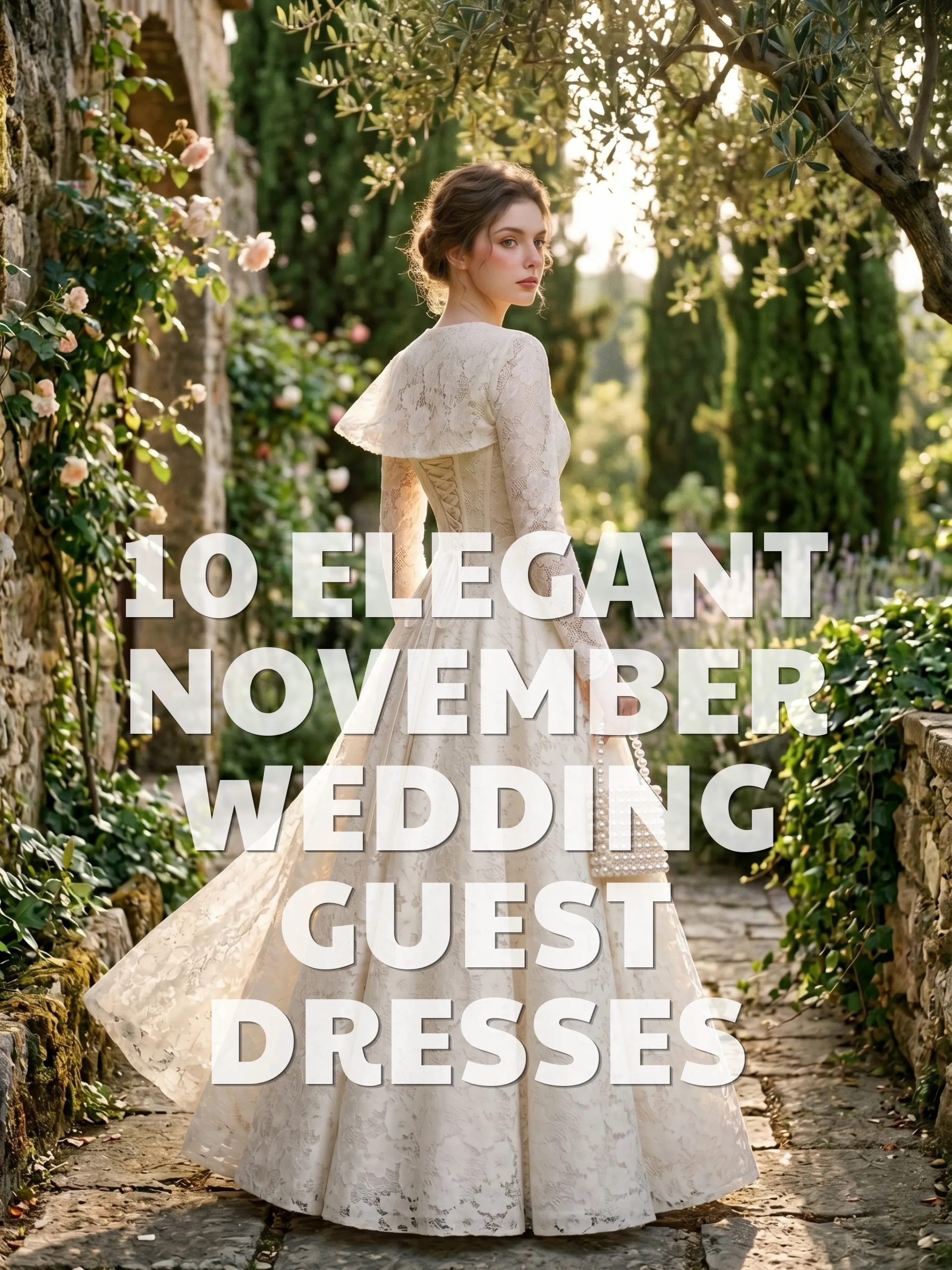
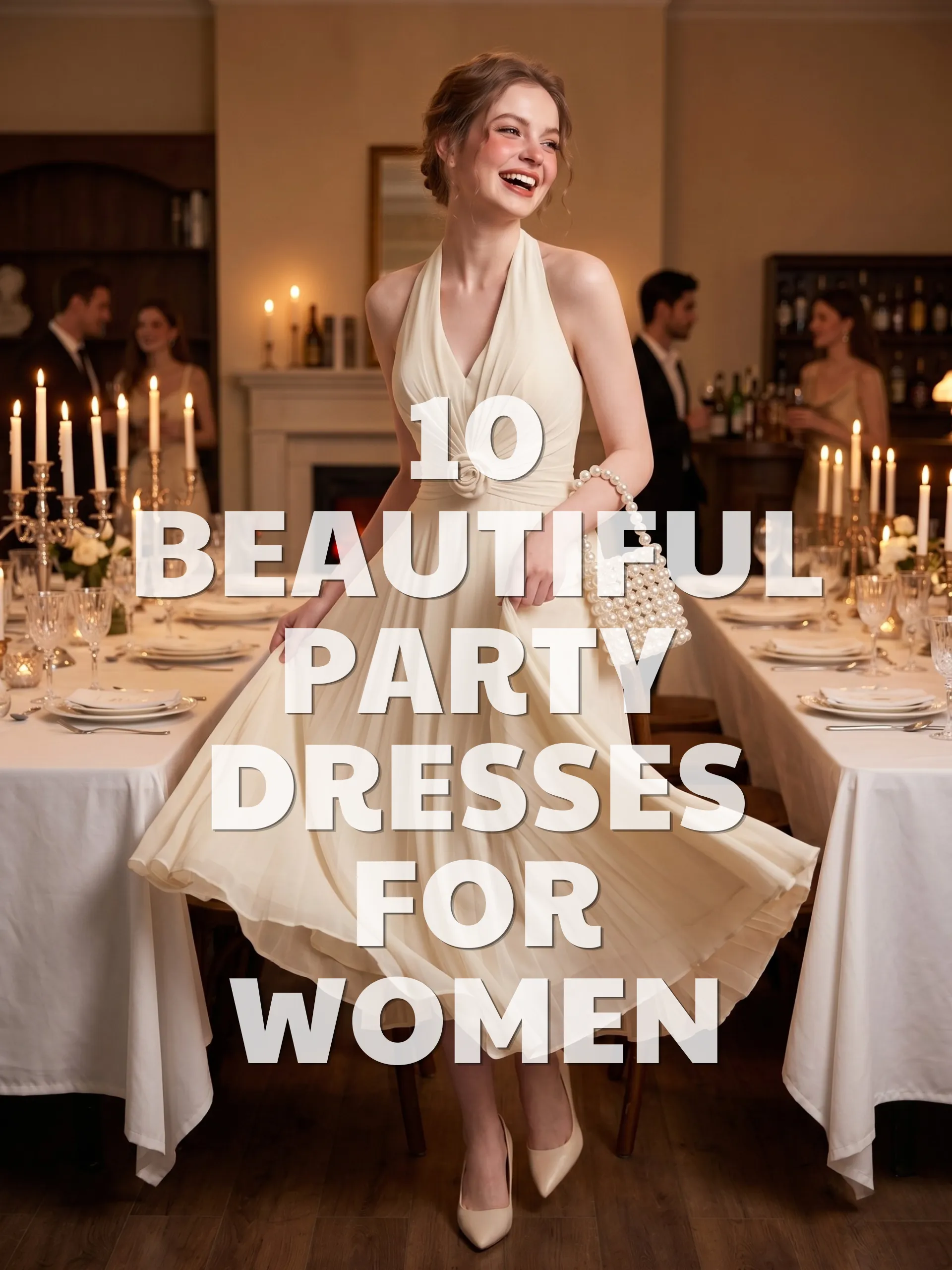
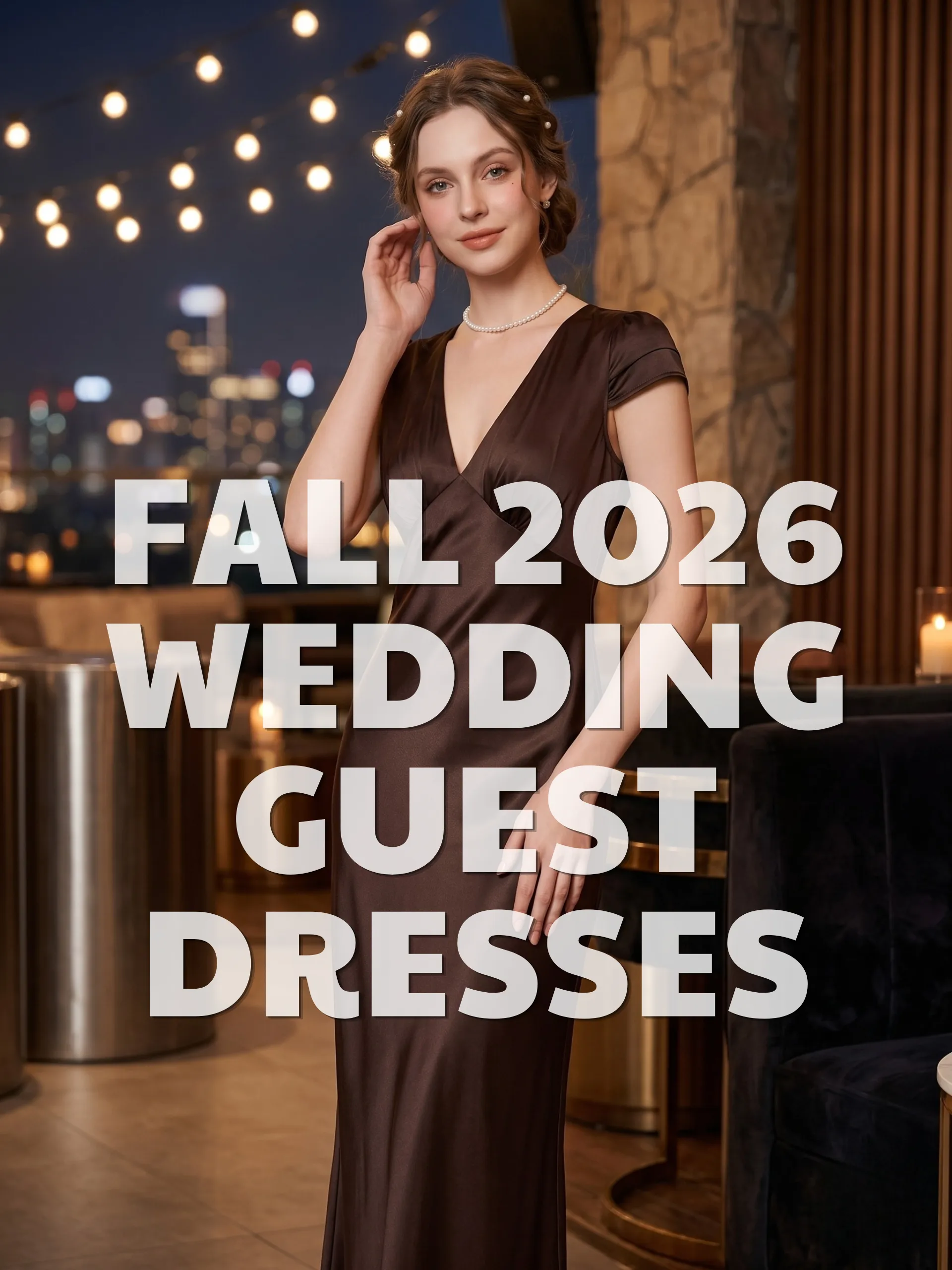
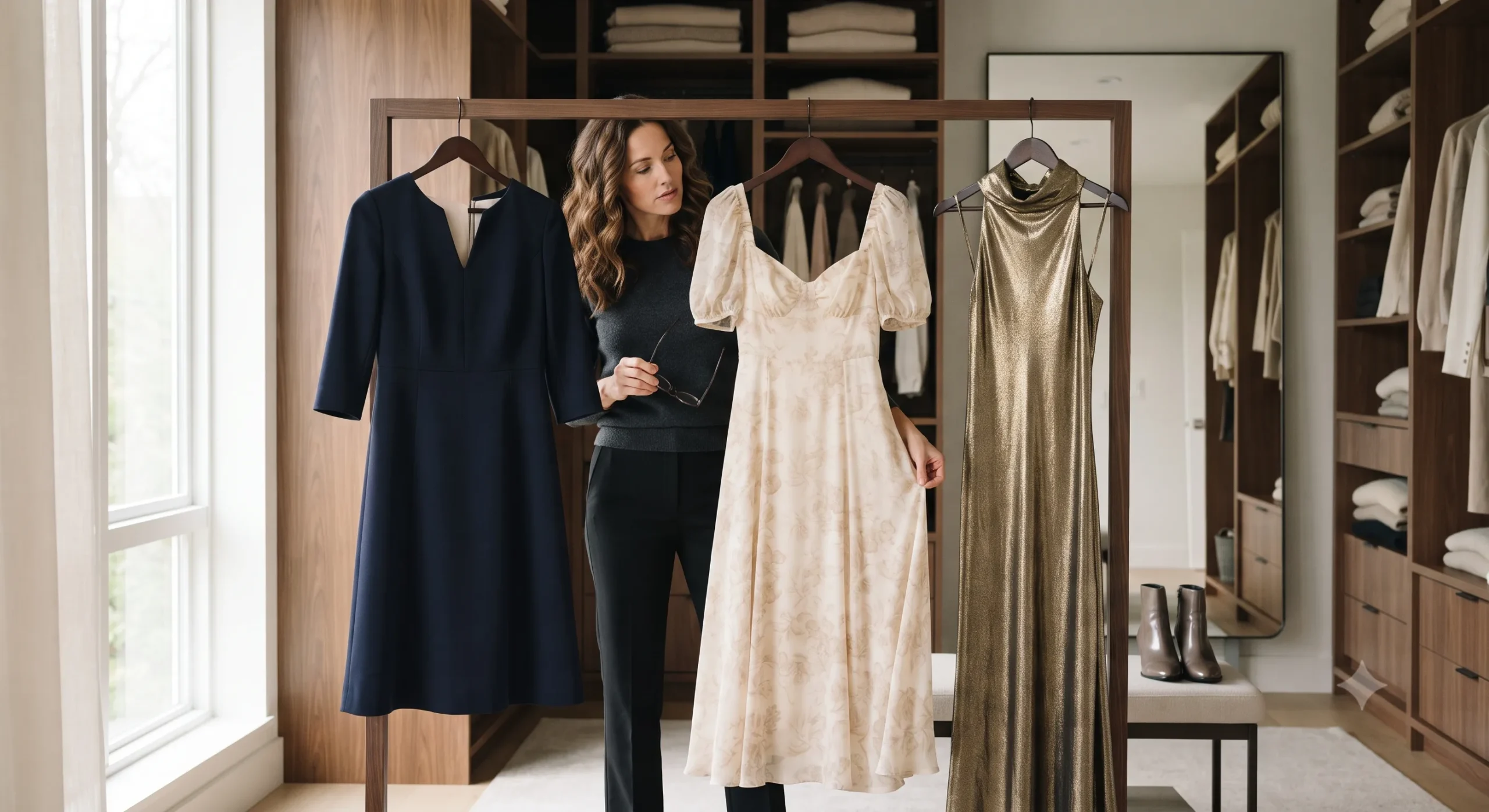
The Tasteful Solution: Avoid the “clubbing” aesthetic of overly sequins or tight, short dresses. Instead, choose a dress with romantic restraint—perhaps a midi length in a soft, mid-weight fabric with a subtle floral print or a solid, calming color. Focus on the silhouette; a defined waist and a graceful skirt movement will feel more appropriate and enduring than a high-trend silhouette that may feel out of place in a year.
Scenario 3: The Elevated Everyday
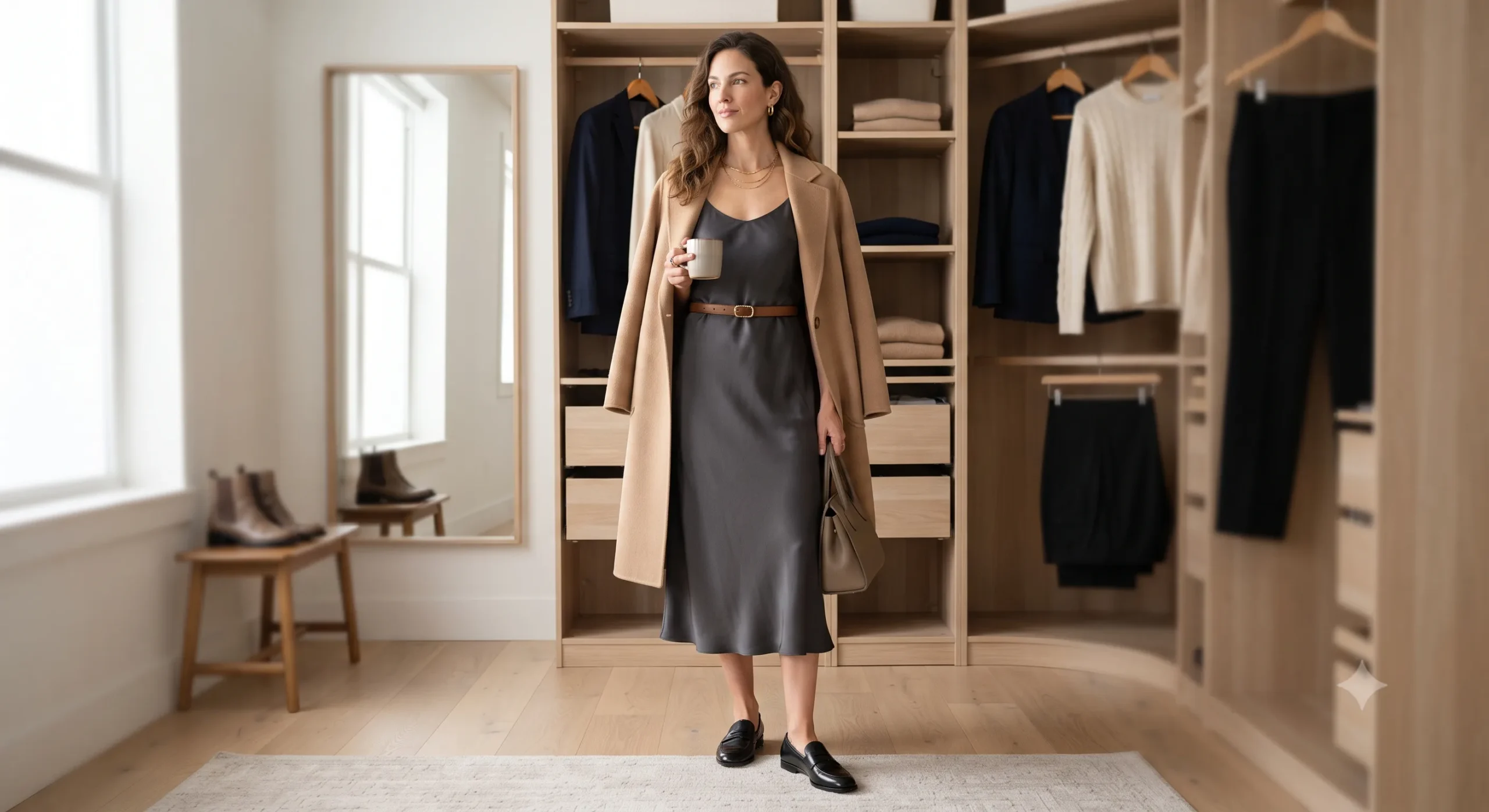
The Goal: Running errands or meeting a friend for coffee while still feeling “put together.”
The Tasteful Solution: This is where the “elevated basic” shines. A pair of dark-wash, straight-leg denim (free of distressing) paired with a crisp button-down shirt and a classic loafer. The taste lies in the cleanliness of the lines and the quality of the basics. It is a look that says you are composed without appearing as though you tried too hard.
Common Pitfalls in the Pursuit of Style
Even with the best intentions, certain habits can inadvertently detract from a tasteful appearance. Recognizing these common mistakes is the first step toward refining one’s style.
- The Logo Trap: Relying on visible branding to communicate value. Tasteful dressing suggests that the quality of the garment is evident in its construction and fabric, not in a printed name. When logos dominate, the clothes begin to wear the person, rather than the other way around.
- Ignoring Color Theory: While monochromatic looks are a staple of understated style, wearing colors that clash harshly with one’s skin tone can make an outfit feel unsettled. Understanding how to use a cohesive color palette—whether through tonal dressing (varying shades of the same color) or complementary neutrals—creates a visual calm.
- Neglecting Maintenance: A tasteful outfit is a well-cared-for outfit. Stained fabrics, pilling knits, scuffed shoes, or wrinkled hems act as “visual static” that breaks the harmony of an otherwise beautiful look.
- Over-Accessorizing: Accessories should complement the outfit, not compete with it. If your dress has a busy pattern or an intricate neckline, keep the jewelry minimal. A single pair of quality earrings or a structured leather bag is often more impactful than a collection of trendy trinkets.
Building a Thoughtful Relationship with Style
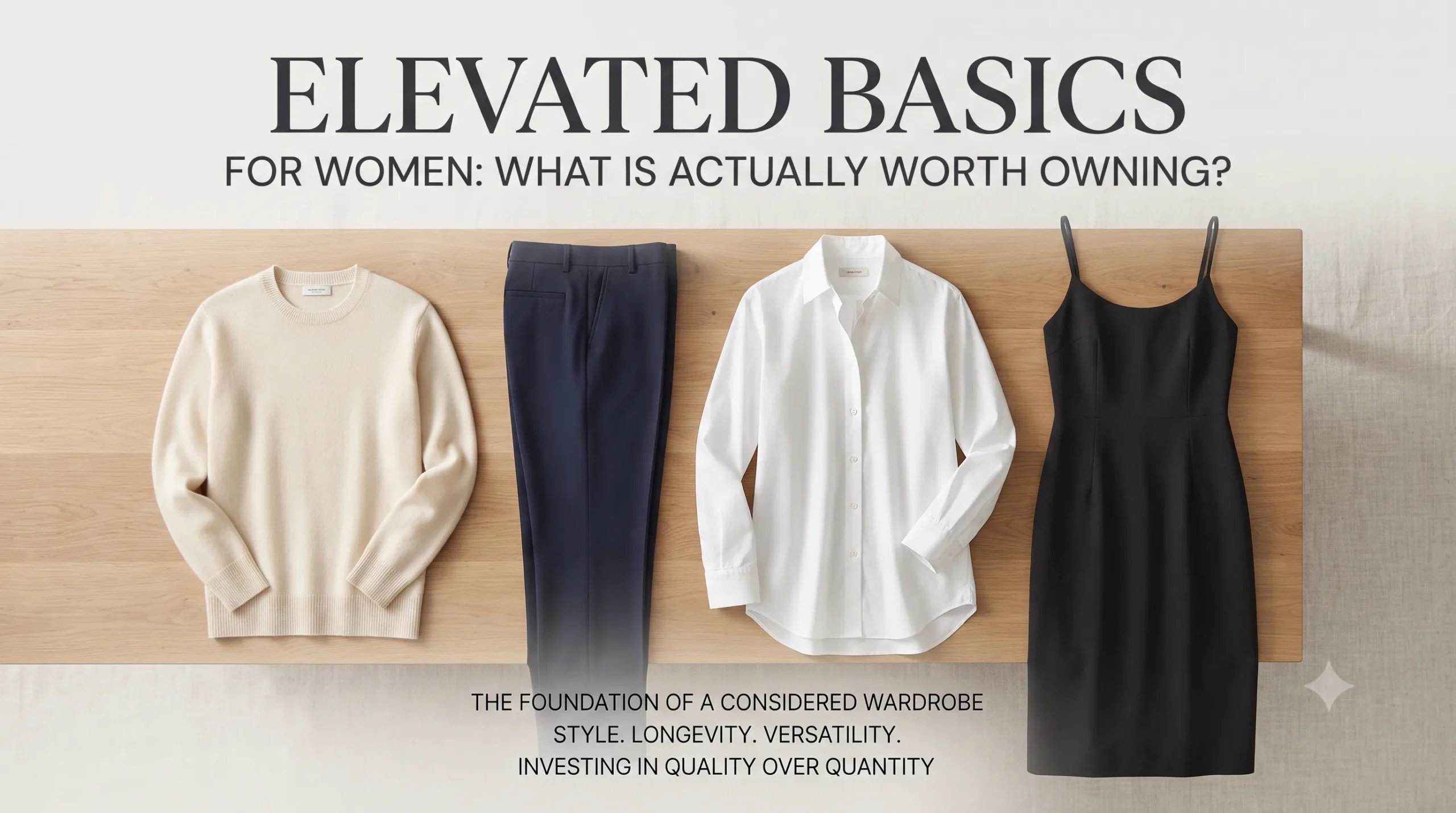
Ultimately, what makes an outfit feel tasteful is the sense of intention behind it. It is the result of a woman who has moved past the impulse to shop for “items” and has begun to curate a “wardrobe.”
Aunomay approaches this philosophy through a modern romantic lens: creating pieces that feel feminine, polished, and wearable beyond a single season. This brand of dressing is not about chasing the ephemeral; it is about finding pieces that resonate emotionally and serve a practical purpose in a long-term wardrobe.
When you choose clothes with care—considering how they move, how they feel against your skin, and how they fit into the various chapters of your day—you are doing more than just getting dressed. You are practicing a form of self-respect. You are deciding that your presentation should be a reflection of your internal composure.
Taste, therefore, is not a destination you reach, but a practice of continuous refinement. It is the quiet joy of looking into a mirror and seeing not just a person in clothes, but a person who is entirely, gracefully themselves.