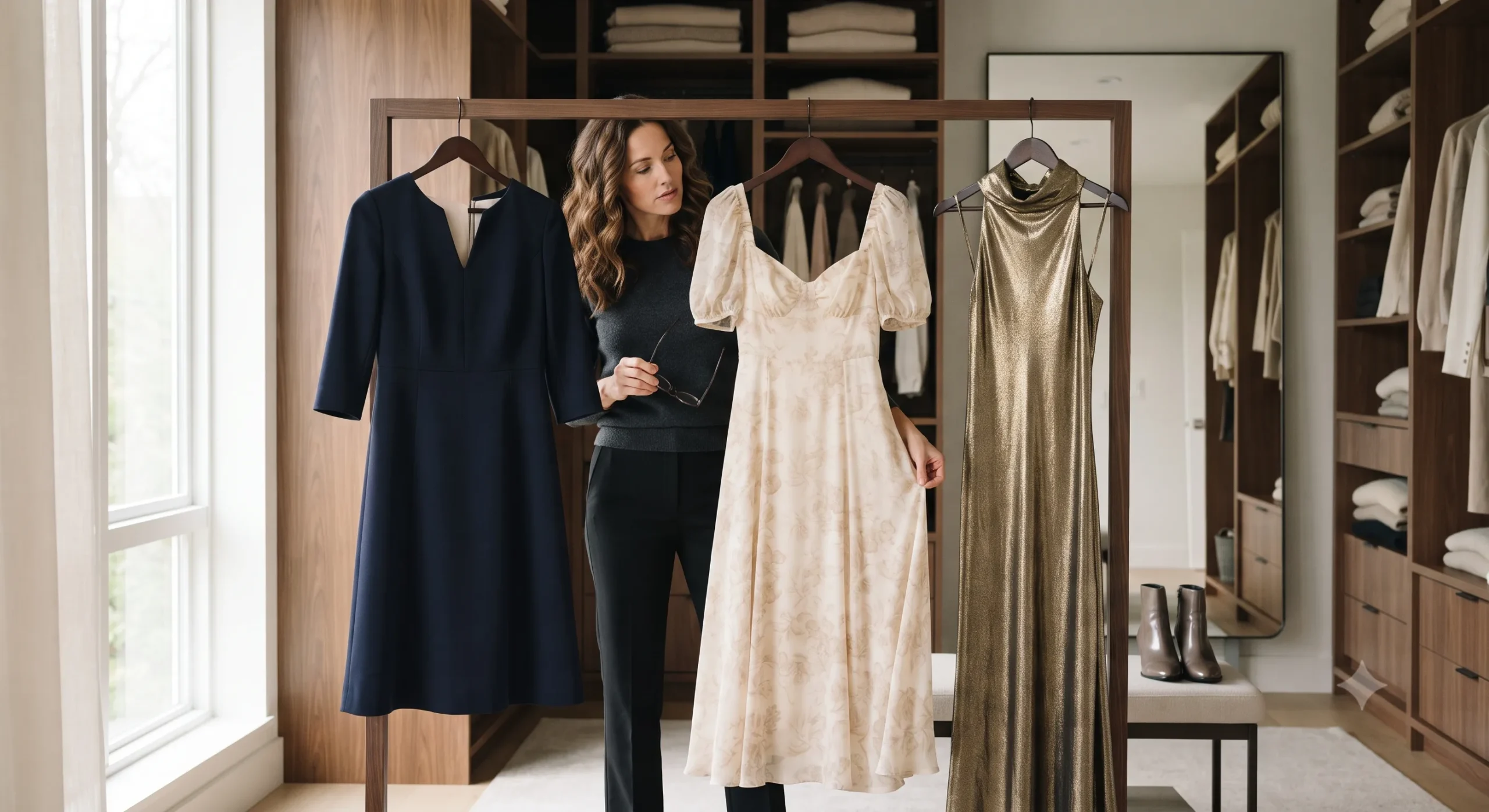
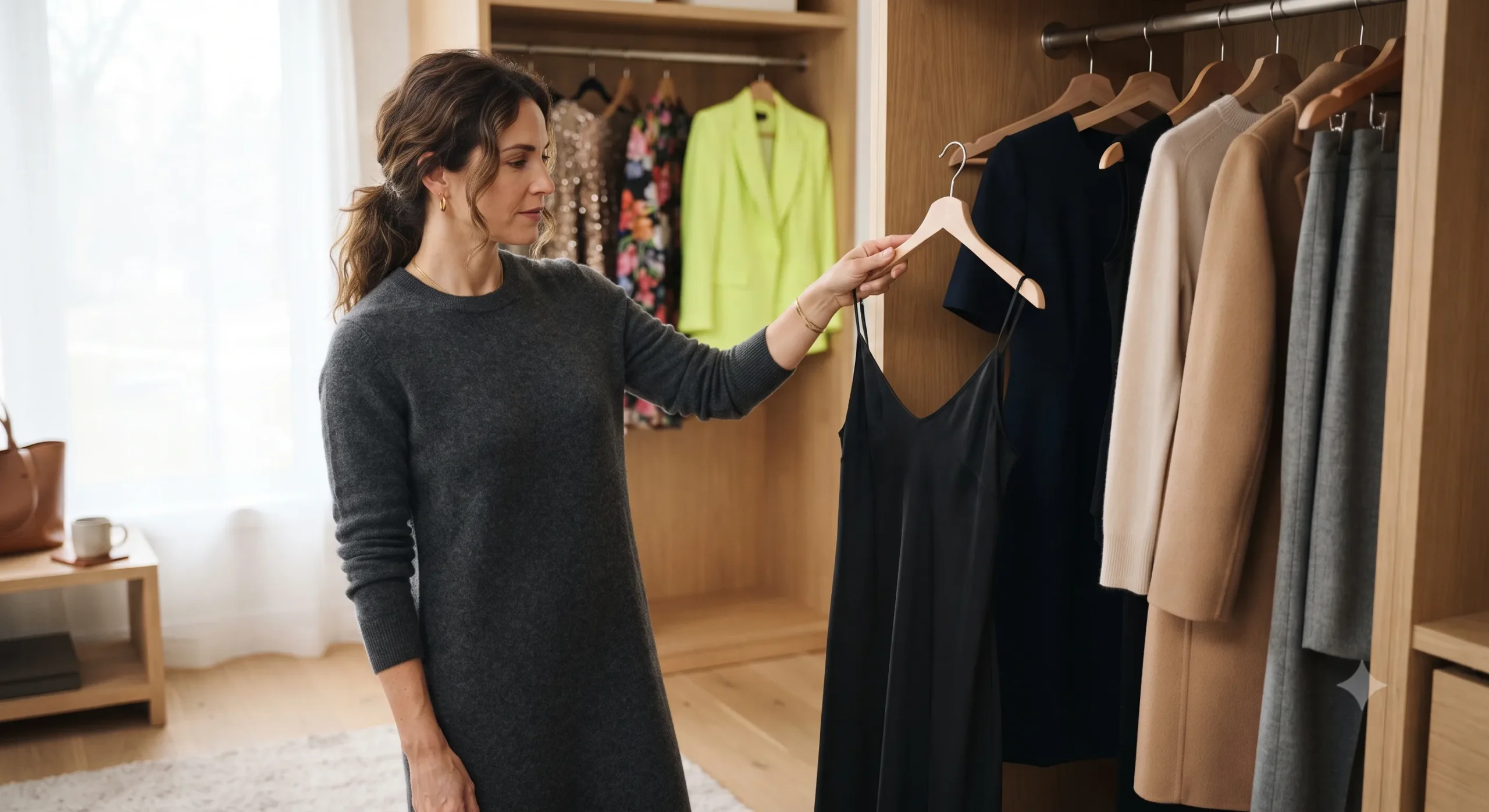
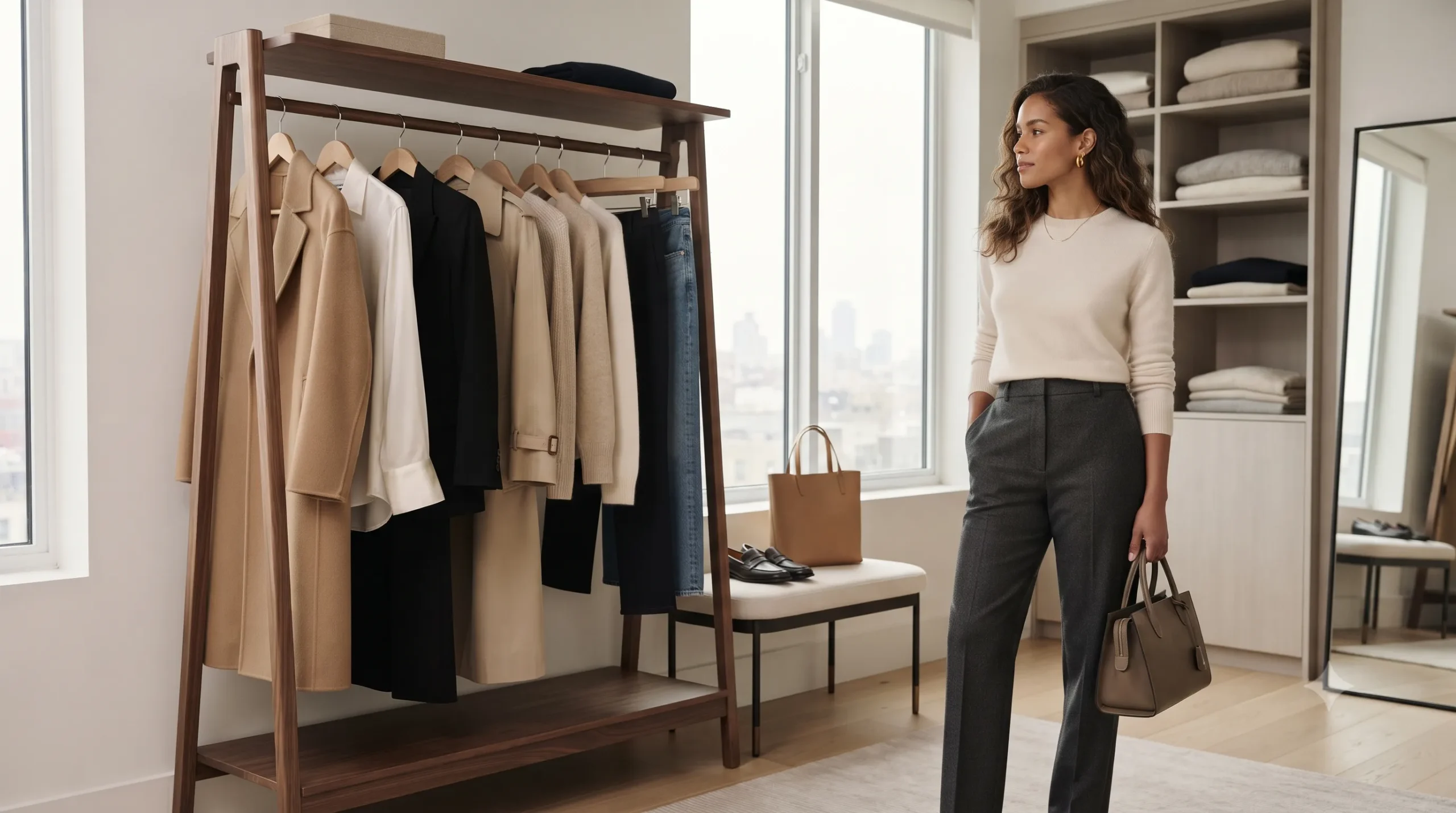
We have all experienced that specific, quiet frustration of standing before a full closet, fully dressed, and feeling somehow unfinished. You have followed the rules of color coordination; you have matched your shoes to your bag; the pieces themselves are high quality. Yet, when you catch your reflection, the outfit feels “off”—it lacks that certain cohesive energy that separates a collection of clothes from a truly intentional look.
This gap between wearing clothes and looking polished is rarely about the price tag of the garments. Instead, it is found in the nuance. Polished dressing is a language of small, decisive choices: the way a sleeve is rolled, the tension between a structured blazer and a soft skirt, or the deliberate choice of a single, meaningful piece of jewelry over a collection of distracting ones.
To achieve a polished aesthetic, one must shift focus from the macro (the items themselves) to the micro (the details that connect them). It is an exercise in restraint and observation.
The Anatomy of Polish: Beyond the Garment
When we talk about looking “polished,” we are often describing a visual sense of order and intentionality. A polished outfit communicates that the wearer is present and composed. In the context of quiet luxury and timeless style, this doesn’t mean being rigid or formal; it means ensuring that nothing in your appearance feels accidental.
True polish is built upon three fundamental pillars: fit, fabric behavior, and finishing touches.
The Role of Fit and Proportion
An expensive garment can look cheap if the fit is imprecise, while a mid-range piece can look extraordinarily refined if it honors the body’s proportions. Polish is often found in the “negative space” of an outfit—the gap between your skin and the fabric, or the way a waistband sits at the natural waist versus the hips.
Consider the tension between volume and structure. A common mistake is wearing oversized pieces from head to toe, which can swallow the silhouette and appear careless rather than intentional. A polished approach uses proportion to create balance. If you are wearing wide-leg trousers, a more fitted knit or a tucked-in blouse provides the structural anchor needed to prevent the look from appearing sloppy.
Fabric Behavior and Integrity
How a fabric moves is as important as how it looks. A polished wardrobe relies on fabrics that maintain their integrity throughout the day. A linen shirt that looks beautiful at 9:00 AM but is a map of deep wrinkles by noon can undermine an otherwise sophisticated look.
When selecting pieces, consider “fabric behavior”:
- Drape: Does the fabric skim the body or cling to it? A fabric with a heavy, graceful drape often looks more expensive and polished than one that is thin and prone to static.
- Weight: Heavier fabrics, such as wool crepe or structured cotton, tend to hold a silhouette better, providing a sense of “architecture” to the outfit.
- Texture: Mixing textures—pairing a matte silk with a textured knit, or a smooth leather with a soft wool—adds depth to a monochromatic outfit, making it look considered rather than flat.
The Power of “The Third Piece” and Layering Logic
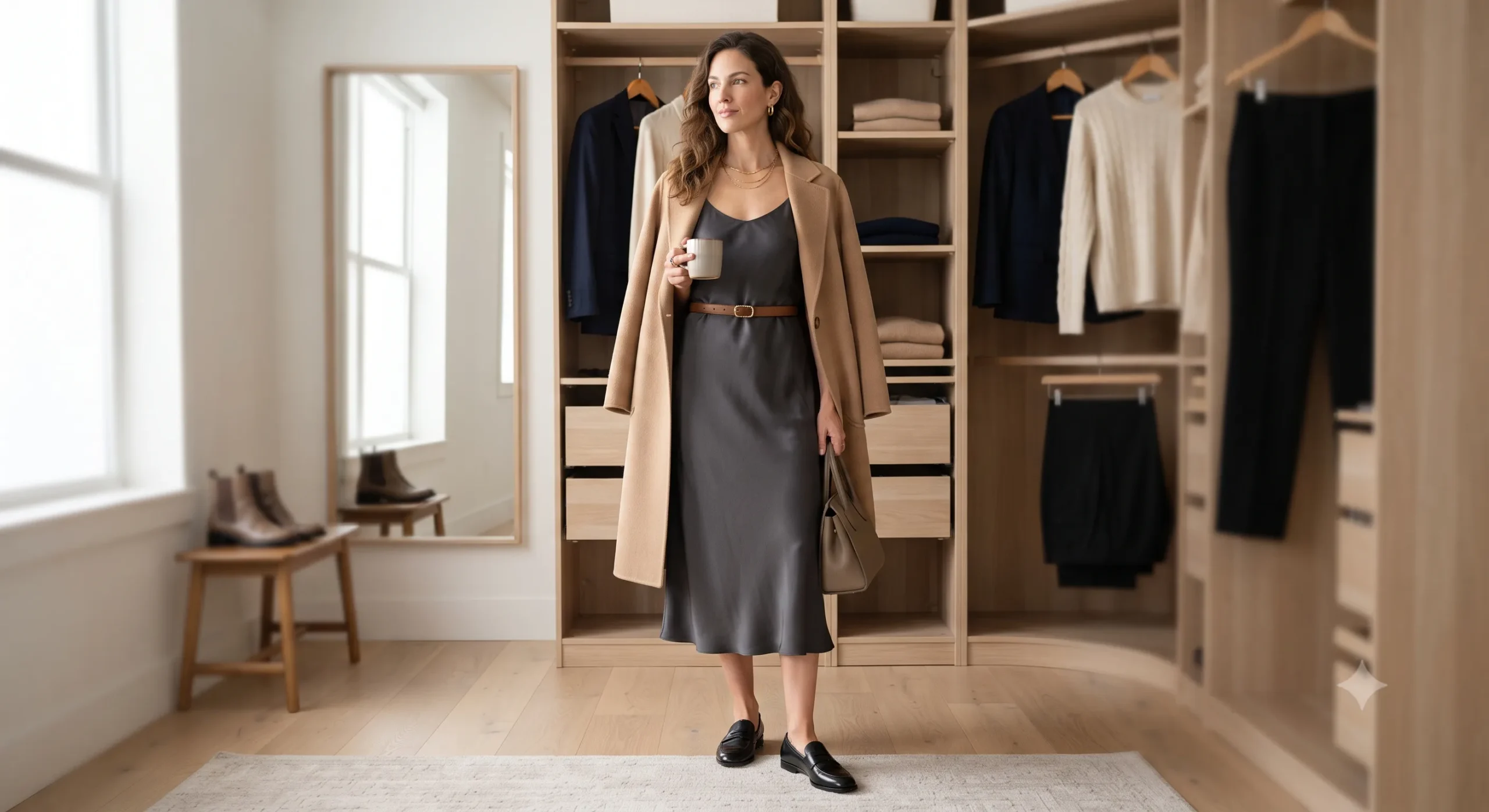
In editorial styling, there is a concept often referred to as “The Third Piece Rule.” The idea is that an outfit consisting of just a top and a bottom (two pieces) is functional, but adding a third piece—a blazer, a structured cardigan, a silk scarf, or a trench coat—transforms it into an outfit.
The third piece serves as the connective tissue of your look. It adds a layer of complexity that suggests you didn’t just put on clothes to cover yourself, but that you curated a visual narrative.
Intentional Layering Scenarios
| Scenario | The Base (Pieces 1 & 2) | The Third Piece (The Polish) | Why it Works |
|---|---|---|---|
| Professional Meeting | Slim trousers + Neutral silk blouse | A tailored, slightly oversized blazer | The blazer adds authority and structure to the softness of the silk. |
| Weekend Brunch | Straight-leg denim + White T-shirt | A lightweight trench coat or long cardigan | The outer layer elevates the casual nature of denim, adding movement and length. |
| Evening Dinner | Midi slip skirt + Fine knit sweater | A structured leather jacket or a sharp wool coat | The contrast between the delicate skirt and the tougher outer layer creates visual interest. |
| Travel/Transit | Leggings/Joggers + Tank top | An unbuttoned linen shirt or an oversized blazer | It masks the casualness of the lounge gear, making you feel “ready” for the world. |
When layering, the goal is to avoid “bulk.” If you add a layer that makes you feel constricted or overly heavy, the polish is lost. The best third pieces are those that provide a sense of completion without sacrificing the wearer’s comfort or natural silhouette.
Refining the Finishing Touches
If the garments are the foundation, the finishing touches are the punctuation marks. They tell the observer where to look and how to interpret the mood of the ensemble.
Hardware and Accessories
In a refined, modern romantic wardrobe, less is almost always more. The goal of accessorizing for polish is to complement the clothes, not to compete with them.
- Cohesive Hardware: One of the quickest ways to make an outfit look unpolished is to clash metals haphazardly. While modern style allows for some mixing, a more cohesive approach is to align your jewelry, belt buckles, and handbag hardware. Gold tones tend to lend warmth and a classic feel, while silver offers a cooler, more contemporary edge.
- The Scale of Accessories: Consider the scale of your accessories relative to your frame and the garment’s detail. A heavy, chunky necklace might overwhelm a delicate lace neckline, while a tiny, dainty ring might get lost against a heavy wool sweater.
- Footwear as an Anchor: Shoes dictate the “vibe” of the outfit more than almost any other element. A polished look often relies on footwear that feels appropriate for the silhouette. A pointed-toe flat can elongate the leg and add sharpness to a soft dress, whereas a structured loafer provides a grounded, academic feel to tailored trousers.
Grooming and Maintenance: The Invisible Details
We cannot discuss polish without addressing the maintenance of the clothes themselves. A garment that is poorly maintained will never look polished, regardless of its design.
- The Lint and Hair Factor: On dark fabrics, especially wool and velvet, even a small amount of lint or pet hair can break the visual continuity of the garment.
- Steam vs. Iron: A crisp, steamed garment suggests a level of care that is central to the polished aesthetic. Avoid the “crushed” look that comes from improper storage.
- The Condition of Shoes and Bags: Scuffed leather or a handbag with a dirty strap can act as a visual “distractor,” pulling the eye away from the elegance of your clothing and toward the neglect of your accessories.
Common Pitfalls: Why Polished Outfits Fail
Even with the best intentions, certain mistakes can inadvertently strip an outfit of its refinement. Understanding these trade-offs is essential for building a more intentional wardrobe.
1. Over-Accessorizing (The “Clutter” Effect)
There is a fine line between being “accessorized” and being “decorated.” When every part of your body is adorned—statement earrings, a heavy necklace, multiple rings, a belt, and a patterned scarf—the eye has nowhere to rest. This creates visual noise.
The Fix: Choose one focal point. If you wear statement earrings, opt for a simple stud or no necklace at all. If you have a beautiful belt, let it be the star of your waistline.
2. Ignoring the “Vibe” Transition
A common error in occasion dressing is a mismatch in formality levels. Wearing a very formal, structured blazer with distressed, heavily ripped denim can sometimes work in a high-fashion context, but for most women seeking a polished, everyday elegance, it creates a jarring tension that feels accidental rather than styled.
The Fix: Aim for “bridge pieces.” If you want to wear denim, choose a dark wash with finished hems. If you want to wear a formal skirt, pair it with a high-quality knit to “dress it down” gracefully.
3. The “Too Much Trend” Trap
Trends are designed to be loud and immediate. While incorporating a trendy element can be stylish, an outfit built entirely on current micro-trends often lacks the cohesive, calm energy of a polished look. Trends can feel “disposable,” whereas polish feels “enduring.”
The Fix: Use the 80/20 rule. Ensure 80% of your look is composed of timeless, well-fitted, and neutral pieces, and allow the remaining 20% to reflect current trends or personal flair.
Decision Framework: The “Polished” Checklist
Before leaving the house, perform a quick mental scan. This is not about perfection, but about intentionality. Use these questions to evaluate if your outfit has achieved the level of refinement you desire.
- Does the silhouette feel balanced? (e.g., Is there a clear distinction between volume and structure?)
- Are the fabrics behaving? (e.g., Is anything excessively wrinkled, static-prone, or overly sheer?)
- Is there a clear focal point? (e.g., Am I letting one piece shine, or is everything competing for attention?)
- Are the “micro-details” addressed? (e.g., Are my shoes clean? Is my jewelry cohesive? Is my hair/grooming aligned with the mood of the clothes?)
- Does the outfit feel “finished”? (e.g., Do I need a “third piece” to tie the top and bottom together?)
A Philosophy of Slow Dressing
Ultimately, looking polished is less about a set of rigid rules and more about a mindset of respect—respect for the garments you own, respect for the occasions you attend, and respect for your own presentation.
When we move away from the cycle of constant consumption and toward a more considered approach to dressing, we begin to see our clothes as tools for expression rather than just items of utility. A polished wardrobe is a curated one; it is built on the understanding that the most impactful statements are often the quietest ones. By focusing on the details—the fit, the fabric, and the finishing touches—you create a sense of visual calm that allows your personality to be the most prominent element of your presence.