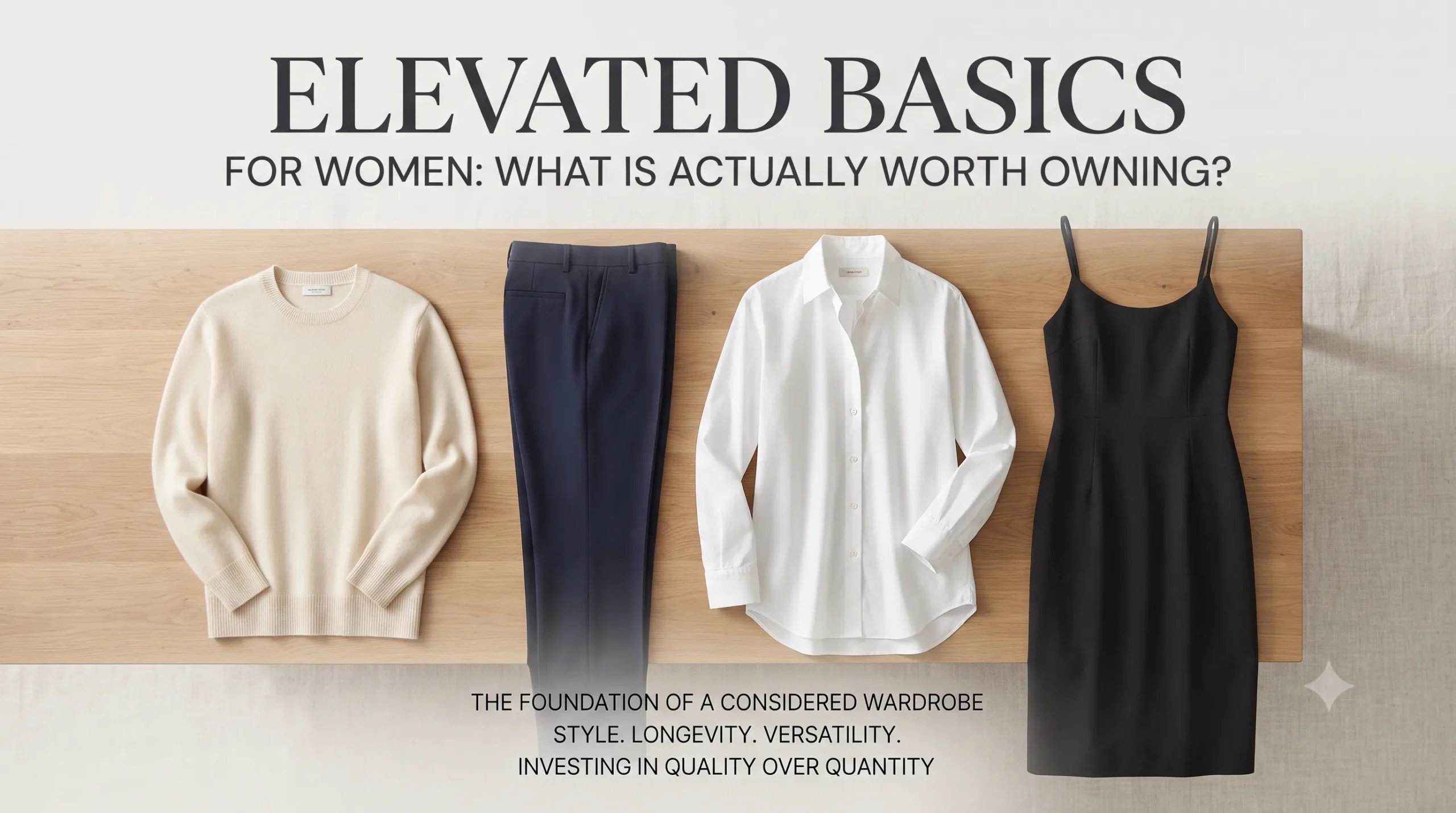
There is a specific, almost palpable tension in the modern wardrobe. On one side, we have the relentless velocity of micro-trends—the bright, loud, logo-heavy pieces that demand attention but often lose their relevance before the season even turns. On the other, there is the risk of looking overly clinical or austere, as if one has dressed for a boardroom rather than a life. Many women find themselves caught in the middle: wanting to look expensive and composed, yet fearing they might look like they are trying too hard, or worse, like they are wearing a costume of “wealth.”
This is where the concept of quiet luxury enters the conversation. It is a style philosophy rooted in discretion rather than display. It is the art of looking highly polished through the use of superior textures, intentional silhouettes, and a restrained color palette. However, the true challenge lies in the execution. How do you embrace this understated sophistication without appearing unapproachable or, conversely, looking like you’ve simply forgotten to accessorize?
The goal of a quiet luxury aesthetic is not to signal status through brands, but to signal taste through nuance. It is about finding that delicate balance where an outfit feels effortless yet deeply considered.
Defining the Aesthetic: What Quiet Luxury Actually Means
To master this style, we must first strip away the marketing hype. In popular media, quiet luxury is often conflated with “old money” tropes or exorbitant price tags. While quality is a cornerstone, quiet luxury is less about a specific bank balance and more about a specific set of visual principles: restraint, fabric integrity, and a lack of obvious branding.
At its core, quiet luxury is characterized by:
- Visual Calm: The eye isn’t pulled toward a jarring logo or a neon hue; instead, it moves smoothly across the silhouette.
- Tactile Depth: Because there are no loud patterns to hide behind, the interest comes from how the fabric behaves—the way a heavy crepe drapes, the subtle grain of a fine knit, or the soft sheen of high-quality cotton.
- Subtle Sophistication: Details are found in the construction—a perfectly placed seam, a slightly elongated cuff, or a neckline that follows the natural curve of the collarbone.
Unlike “minimalism,” which can sometimes feel cold or devoid of personality, quiet luxury allows for warmth and softness. It invites romantic details—a gentle puff sleeve, a tapered waist, or a soft tonal layering—that prevent the wearer from looking like an architectural sketch. It is about “polished softness” rather than “stark austerity.”
The Pillars of a Polished, Understated Wardrobe
Building an outfit that looks expensive without being “overdone” requires moving away from the idea of individual “statement pieces” and moving toward the idea of cohesive harmony. When every piece in an outfit is trying to be the star, the result is visual noise. To achieve a quiet polish, you need to select pieces that support one another.
1. The Importance of Material Integrity
When you remove logos, the fabric becomes the primary communicator of value. A thin, poorly constructed synthetic shirt will struggle to look polished, regardless of how much you style it. In contrast, a garment with weight and structure inherently looks more “finished.”
When selecting pieces for a thoughtful wardrobe, consider how the fabric responds to light and movement. Natural fibers—such as high-grade cotton, wool, and linen blends—tend to have a “living” quality. They settle on the body in a way that looks intentional. Even in more casual settings, a heavy-weight cotton tee looks significantly more polished than a sheer, flimsy alternative.
2. Tonal Harmony and the Power of Neutrals
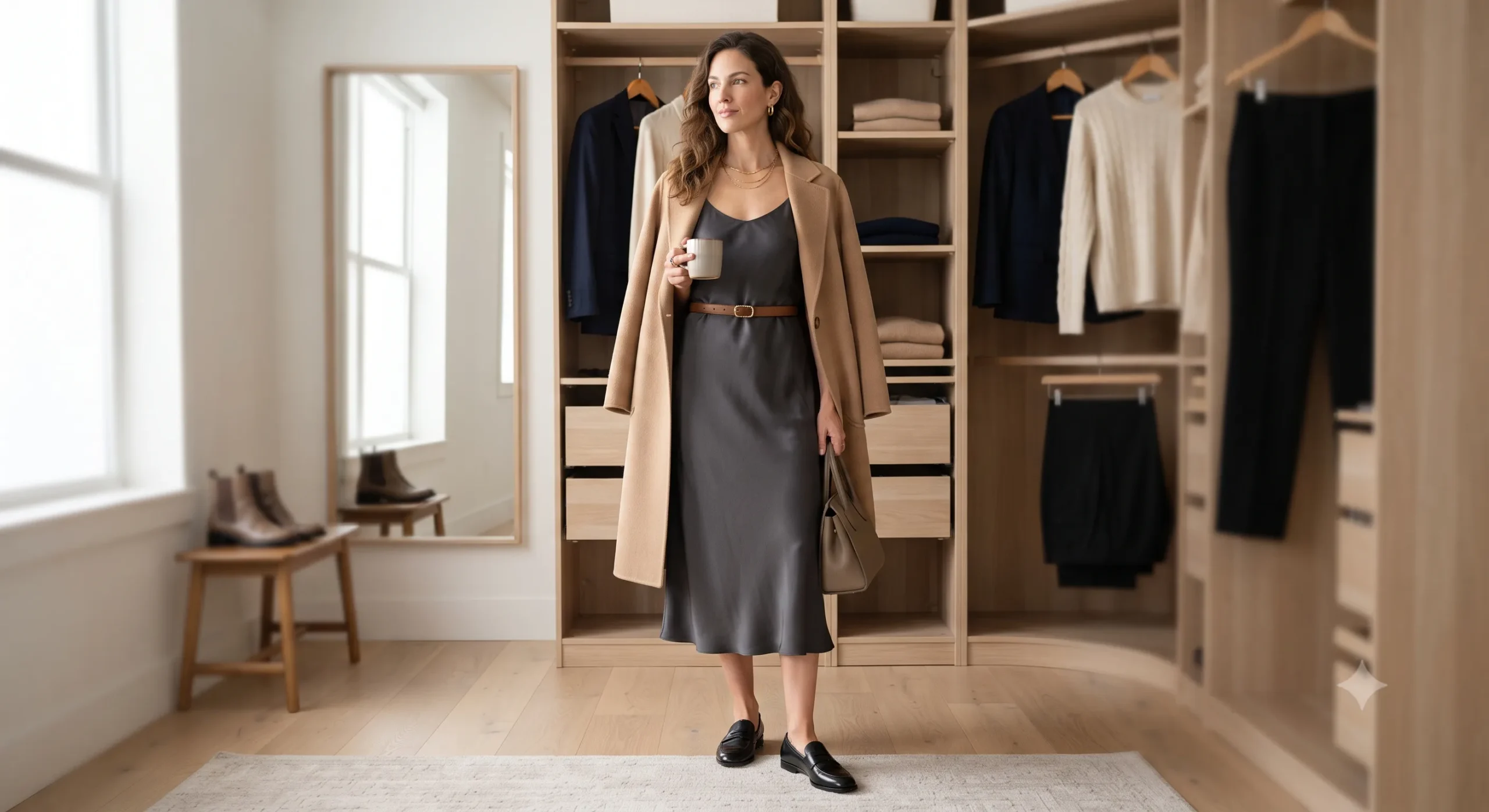
One of the simplest ways to avoid looking “overdone” is to lean into a tonal or monochromatic color palette. This doesn’t mean you are restricted to beige and white. It means that instead of high-contrast pairings (like black and stark white), you look for varying shades of the same family.
Imagine a soft oatmeal knit paired with cream trousers, or a deep charcoal skirt paired with a dove-gray sweater. This creates a continuous line of color that elongates the frame and provides a sense of visual serenity. This “low-key elegance” is much easier to pull off than a multi-colored ensemble, which requires much more precision to avoid looking cluttered.
3. Silhouette and Proportional Balance
A common mistake in attempting a polished look is choosing clothes that are either too tight or too shapeless. Both extremes can look accidental. The hallmark of refined dressing is “soft structure.” This means choosing garments that follow the lines of the body without clinging to them.
A useful rule of thumb for proportion is the “volume balance”: if you are wearing a more relaxed, flowing trouser, pair it with a more structured, fitted top. If you are wearing a structured blazer, a skirt with a softer, more romantic drape can prevent the look from feeling too rigid or “corporate.”
| Style Element | The “Overdone” Approach | The Quiet Luxury Approach |
|---|---|---|
| Logos | Large, visible brand names or monograms | No visible branding; focus on fit |
| Color | High-contrast, neon, or clashing patterns | Tonal, monochromatic, or muted neutrals |
| Hardware | Chunky, gold-plated, or decorative zippers | Discreet buttons, tonal hardware, or no visible metal |
| Fit | Extremely tight or intentionally oversized/baggy | Tailored to the body with “soft structure” |
| Texture | Shiny synthetics or highly textured knits | Natural fibers with subtle, inherent grain |
Practical Styling Scenarios: From Day to Evening
The true test of a wardrobe is how its pieces transition through the realities of a working life. An intentional wardrobe should be able to navigate a morning meeting, a lunch with a client, and a late afternoon gallery visit without a complete overhaul.
Scenario A: The Elevated Everyday (Errands, Coffee, Casual Meetings)
The goal here is to look put-together without looking like you’ve spent two hours in front of a mirror.
- The Formula: A high-quality knit, well-fitted straight-leg denim (in a dark or mid-wash without distressing), and a structured loafer or clean leather sneaker.
- The Nuance: Instead of a standard hoodie, choose a fine-gauge sweater. Instead of a casual cotton tote, opt for a structured leather bag in a neutral tone. The “polish” comes from the fact that every piece is a “step up” from its casual counterpart.
Scenario B: The Professional Refinement (Work, Important Presentations)
In a professional setting, quiet luxury translates to authority through composure.
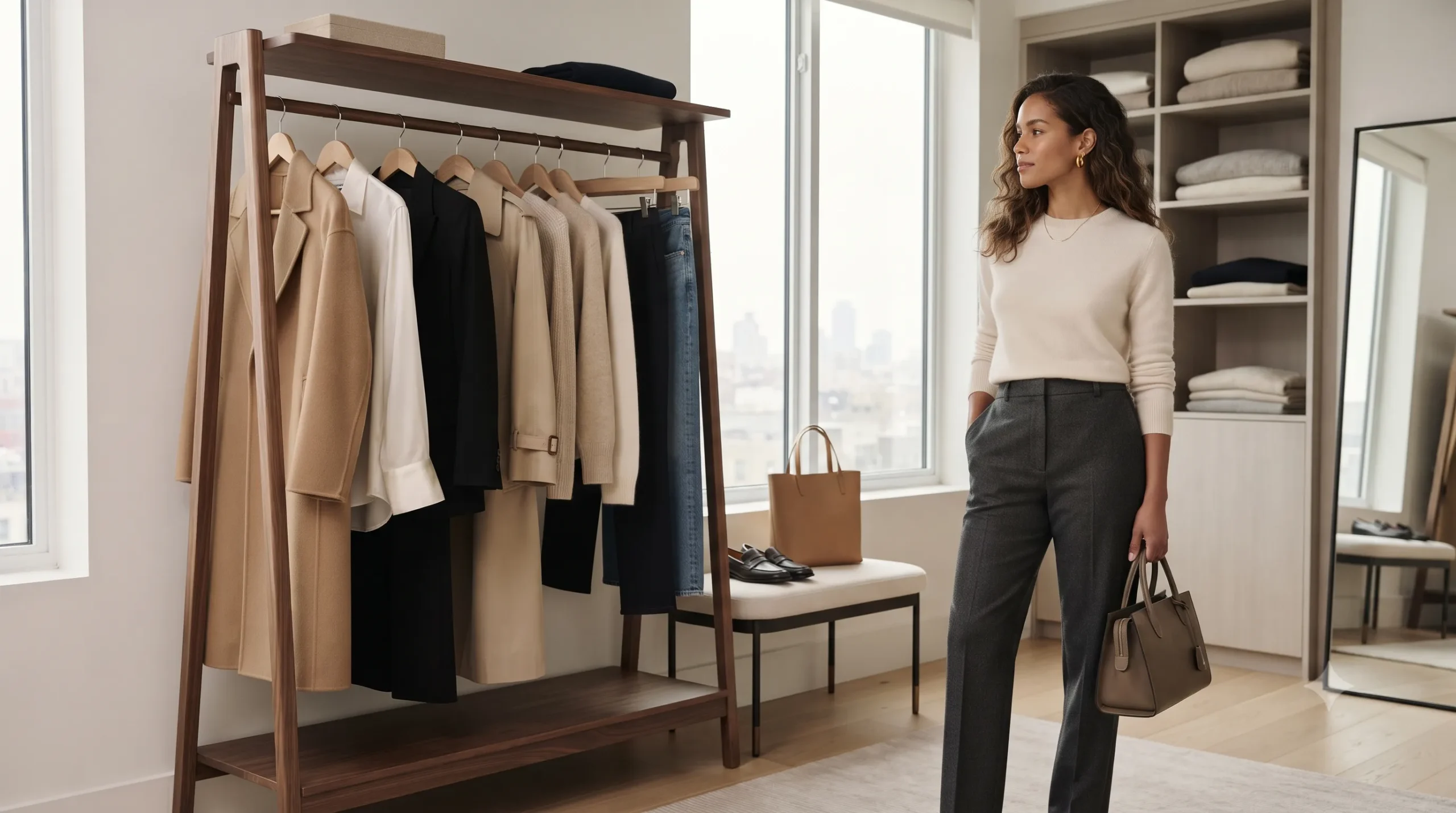
- The Formula: Tailored trousers, a soft-structured blouse or a lightweight knit, and a blazer or a long wool coat.
- The Nuance: Avoid the “stiff suit” look. Instead, look for “feminine tailoring”—pieces that have shape but feel wearable. A pair of wide-leg trousers in a heavy drape fabric feels much more modern and sophisticated than a tight pencil skirt.
Scenario C: The Occasion-Aware Evening (Dinner, Events, Celebrations)
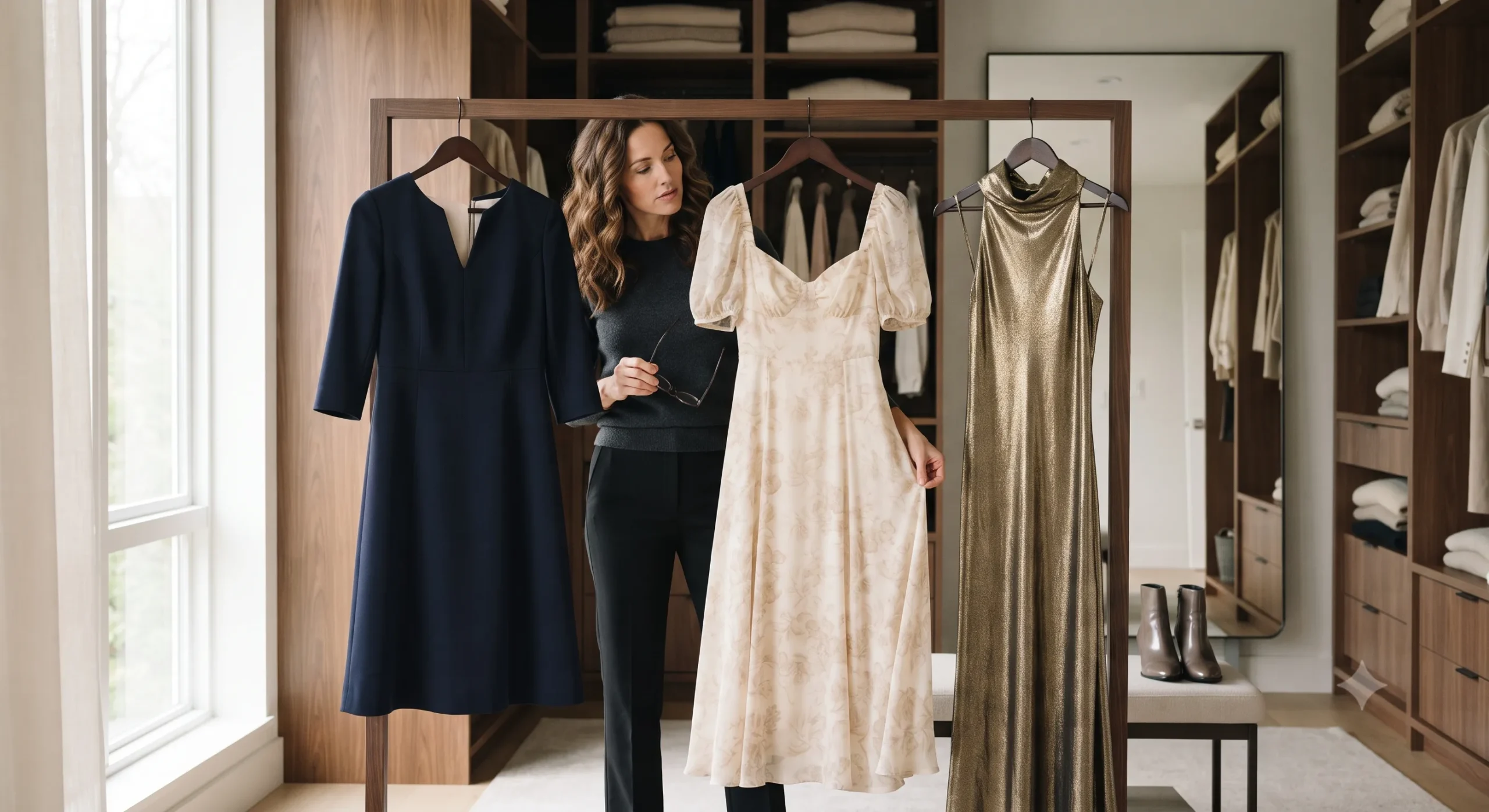
Evening wear often falls into the trap of being “too much”—sequins, heavy lace, or dramatic cut-outs. Quiet luxury approaches evening dressing through texture and silhouette.
- The Formula: A midi-length dress in a substantial fabric, paired with understated jewelry and a minimalist heel.
- The Nuance: If the dress has a romantic detail—perhaps a slight drape at the waist or a subtle sleeve detail—keep the accessories extremely simple. The dress should move gracefully as you walk, rather than demanding attention through flashiness.
Avoiding Common Mistakes: Where Polish Becomes “Overdone”
Even with the best intentions, it is easy to veer into territory that feels performative rather than personal. Understanding these boundaries is essential for maintaining a sense of “discreet polish.”
Mistake 1: Over-Accessorizing
When wearing a monochromatic or understated outfit, there is a temptation to “fill the space” with jewelry. This often results in a look that feels cluttered. If your outfit is visually calm, your accessories should be as well. One meaningful piece—a gold hoop, a classic watch, or a singular pendant—is almost always more effective than a stack of competing bracelets.
Mistake 2: Neglecting Grooming and Maintenance
Quiet luxury relies heavily on the “perfection” of the garment. A beautifully tailored coat loses its impact if it is covered in lint, or if the hem is slightly frayed. Because the style is so minimal, the condition of your clothes becomes much more visible. Ensuring your pieces are steamed, lint-free, and well-maintained is not an “extra” step; it is a fundamental part of the aesthetic.
Mistake 3: Buying for a “Fantasy Self”
This is a common pitfall in fashion consumption. We often buy pieces that look incredible on a mannequin or in a highly edited editorial, but fail to consider how they function in our actual lives. A quiet luxury piece is only a good investment if it works for your real-world schedule. If you buy an expensive, structured skirt but find it too restrictive for your daily movement, its “value” evaporates. Aim for pieces that offer “practical elegance”—beauty that doesn’t come at the expense of comfort.
A Decision Framework for Future Purchases
As you build a more considered style, you will encounter many “beautiful” items. To ensure you are building a wardrobe with purpose, ask yourself these three questions before making a purchase:
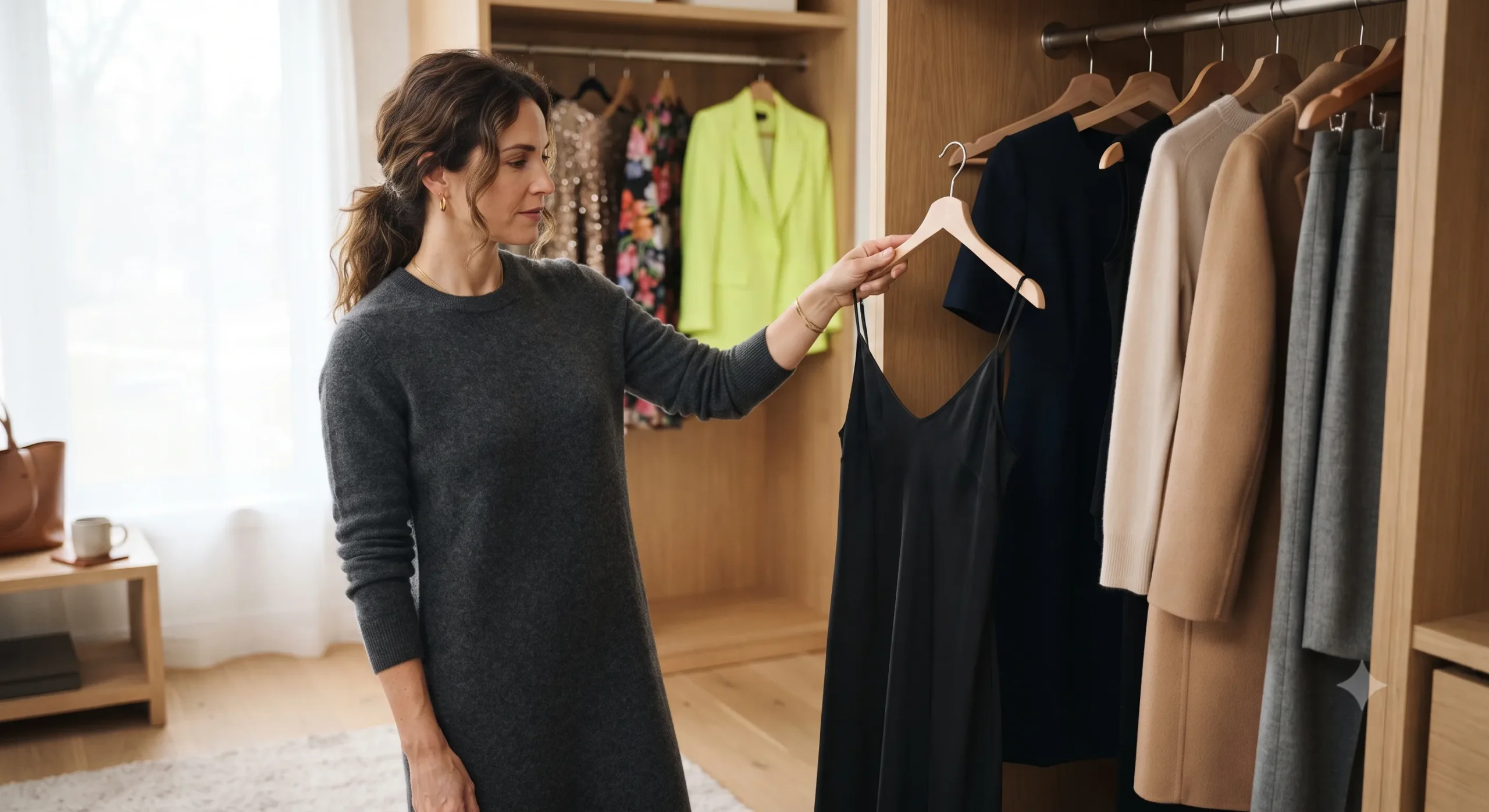
- The Versatility Test: Can I style this in at least three different ways using items I already own? (e.g., Can this blazer work with jeans, with trousers, and over a dress?)
- The Texture Check: Does the quality of the fabric justify the price, and will it maintain its shape after multiple wears?
- The “Real Life” Alignment: Am I buying this because I love the way it fits my actual lifestyle, or because I like the idea of the person who wears it?
By applying this logic, you move away from the cycle of disposable fashion and toward a wardrobe characterized by long-term value and emotional longevity.
Final Thoughts on Graceful Dressing
Looking polished without looking overdone is ultimately an exercise in subtraction. It is about knowing what to leave out just as much as knowing what to put in. It is a shift in mindset from “How can I make this outfit more interesting?” to “How can I make this outfit more cohesive?”
When you prioritize fit, fabric, and a sense of calm, you create a style that doesn’t just sit on the surface—it carries a sense of intention. This approach allows your personality to remain the focal point, rather than the clothes themselves. In a world that is often too loud, there is a profound and lasting power in a quiet, well-considered presence.