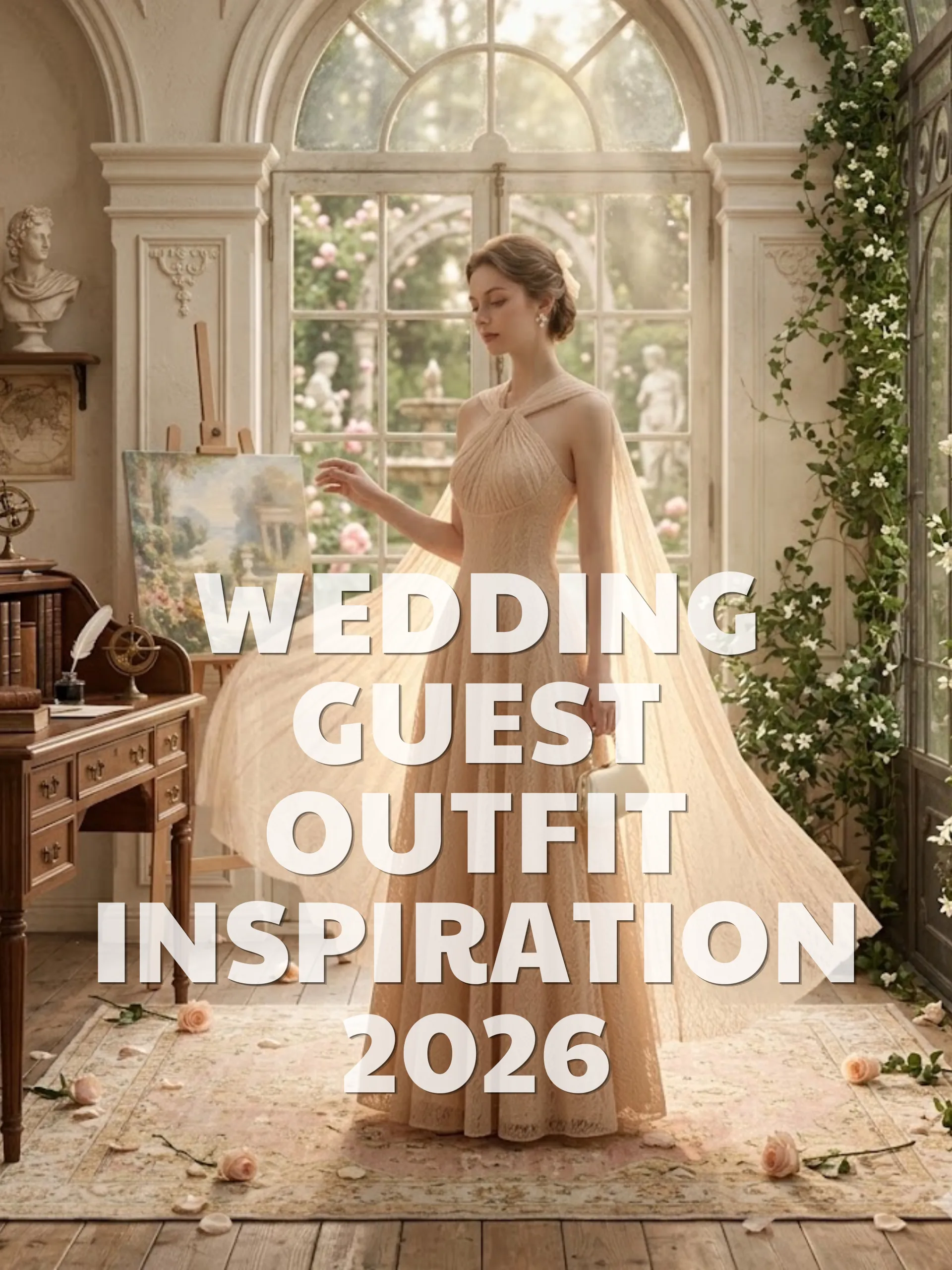
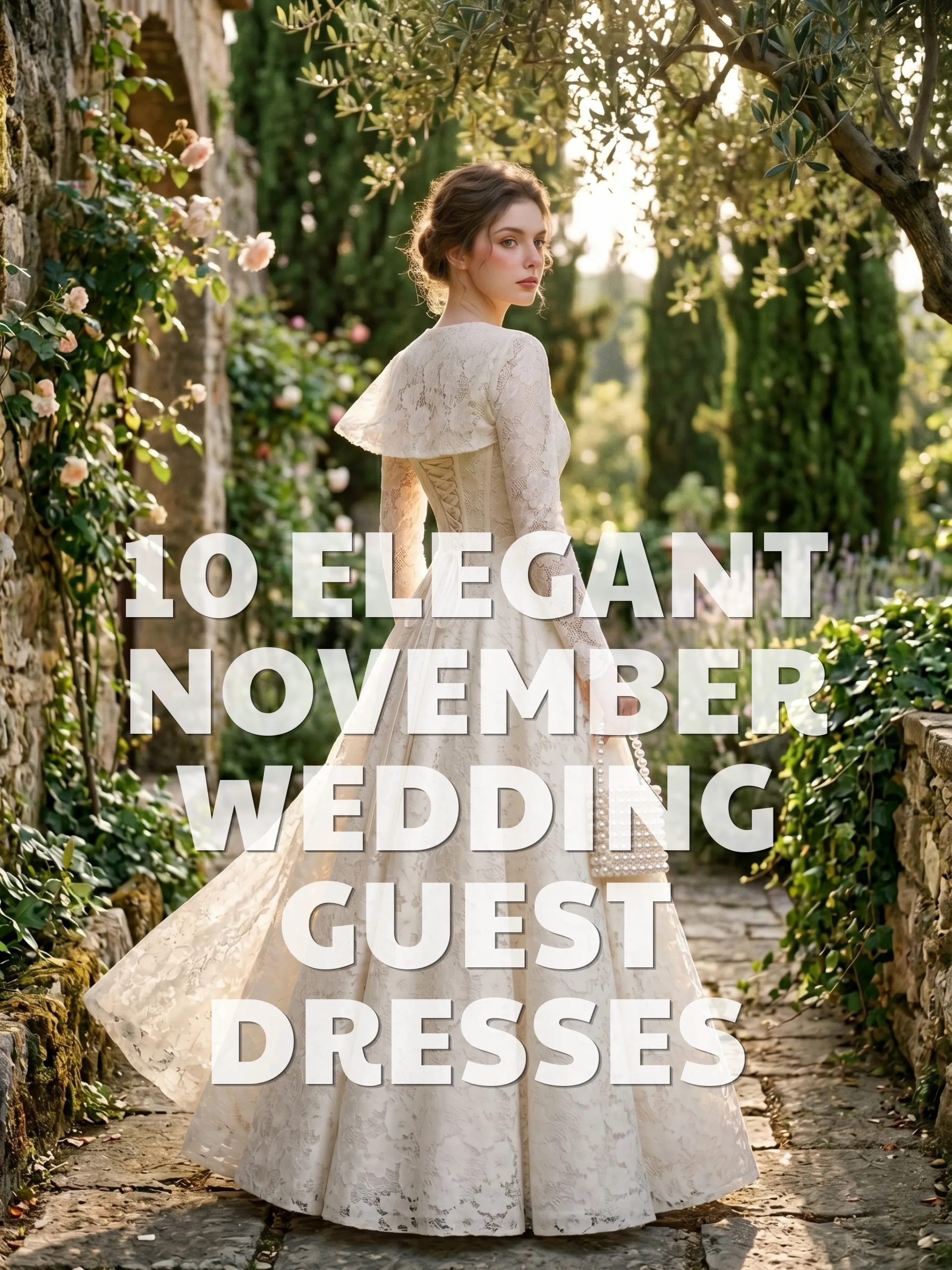
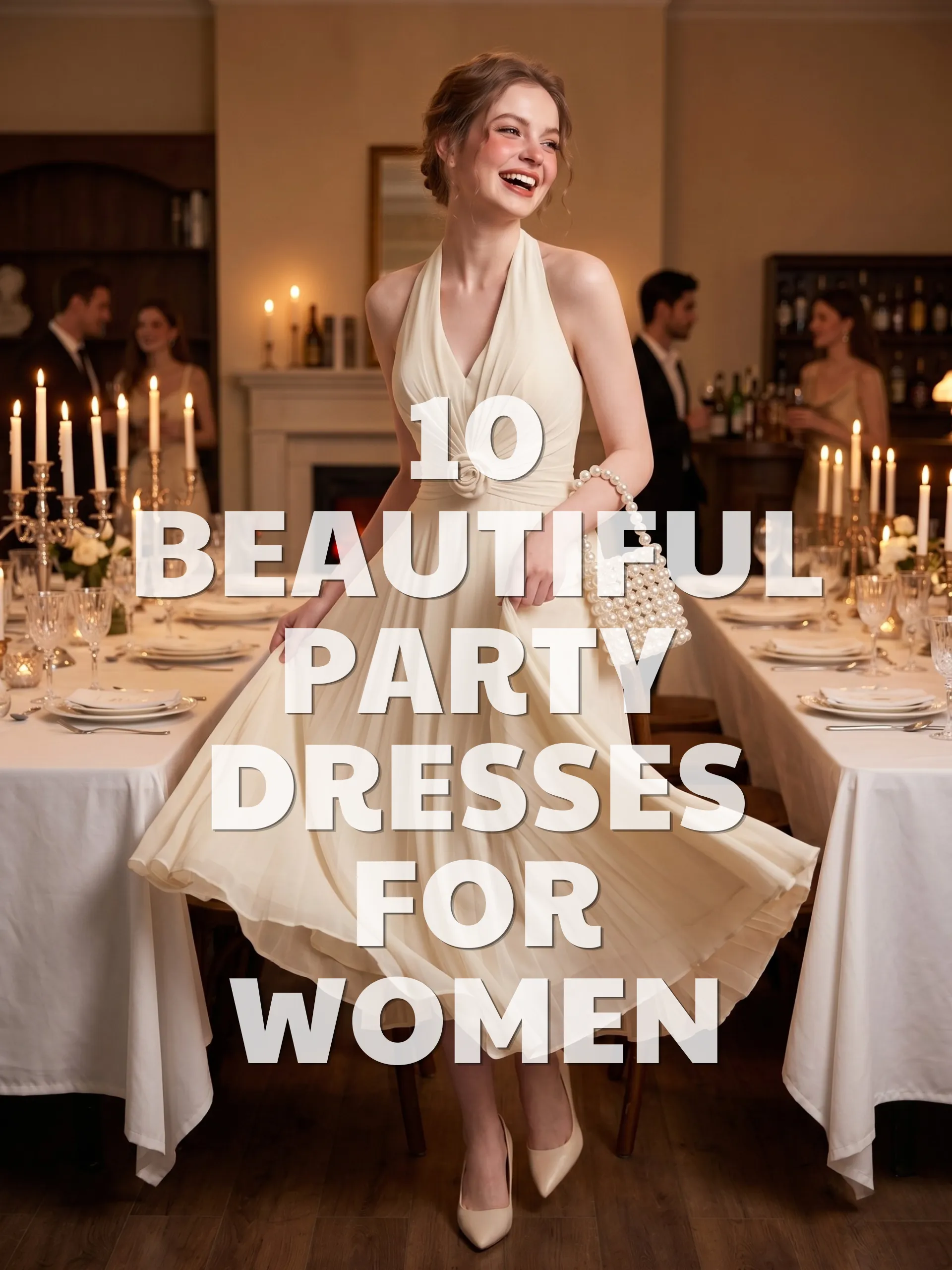
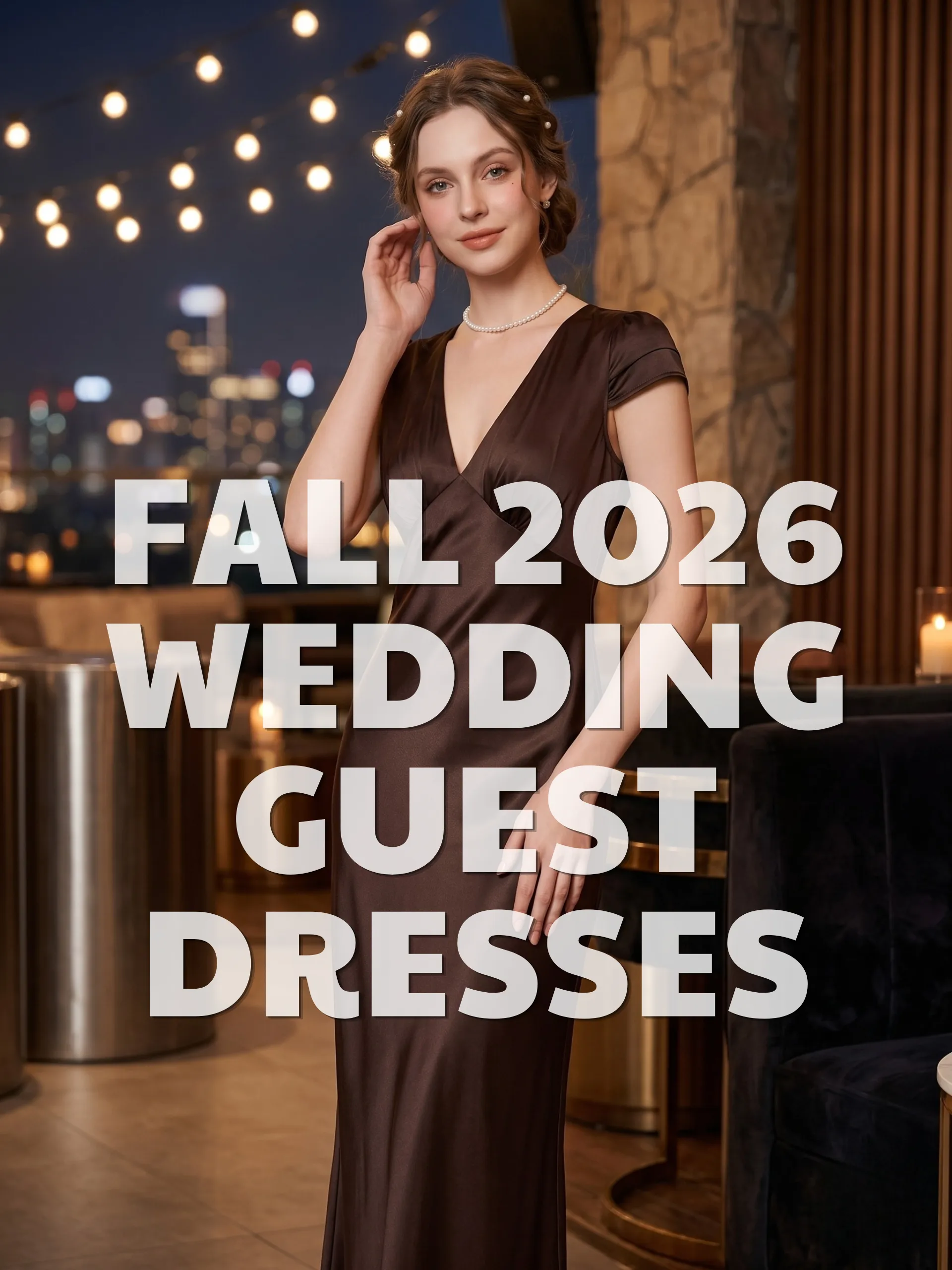
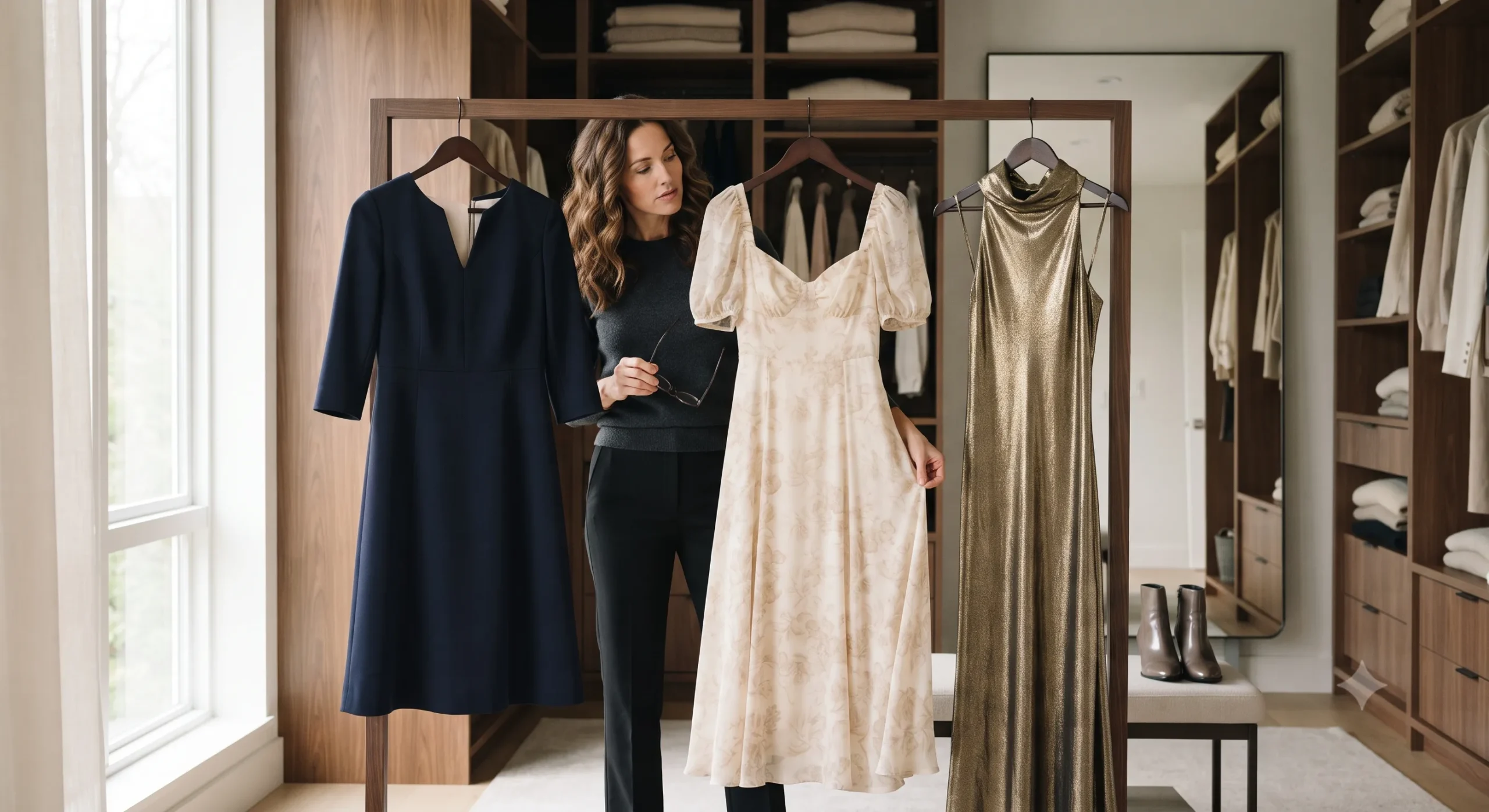
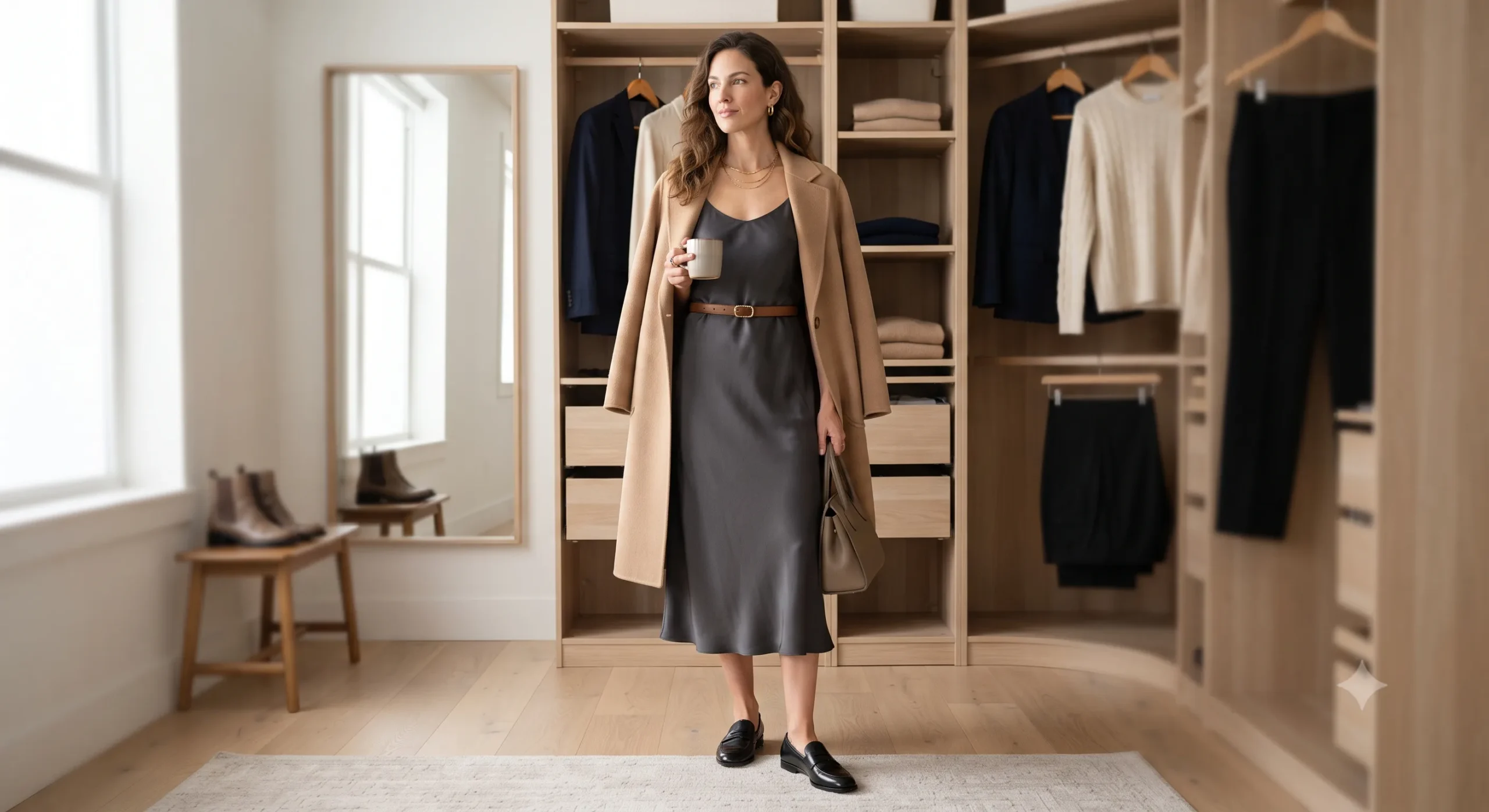
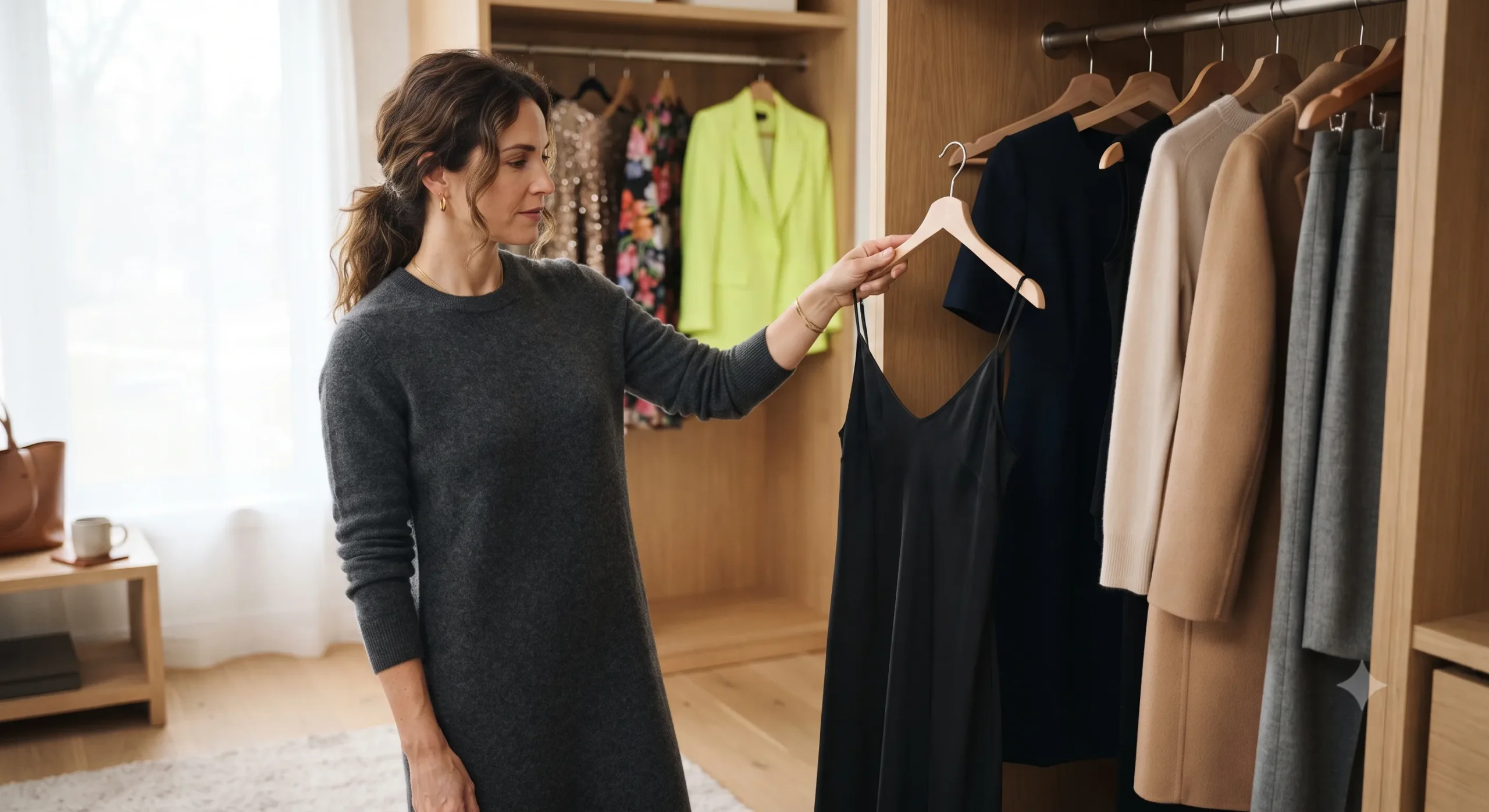
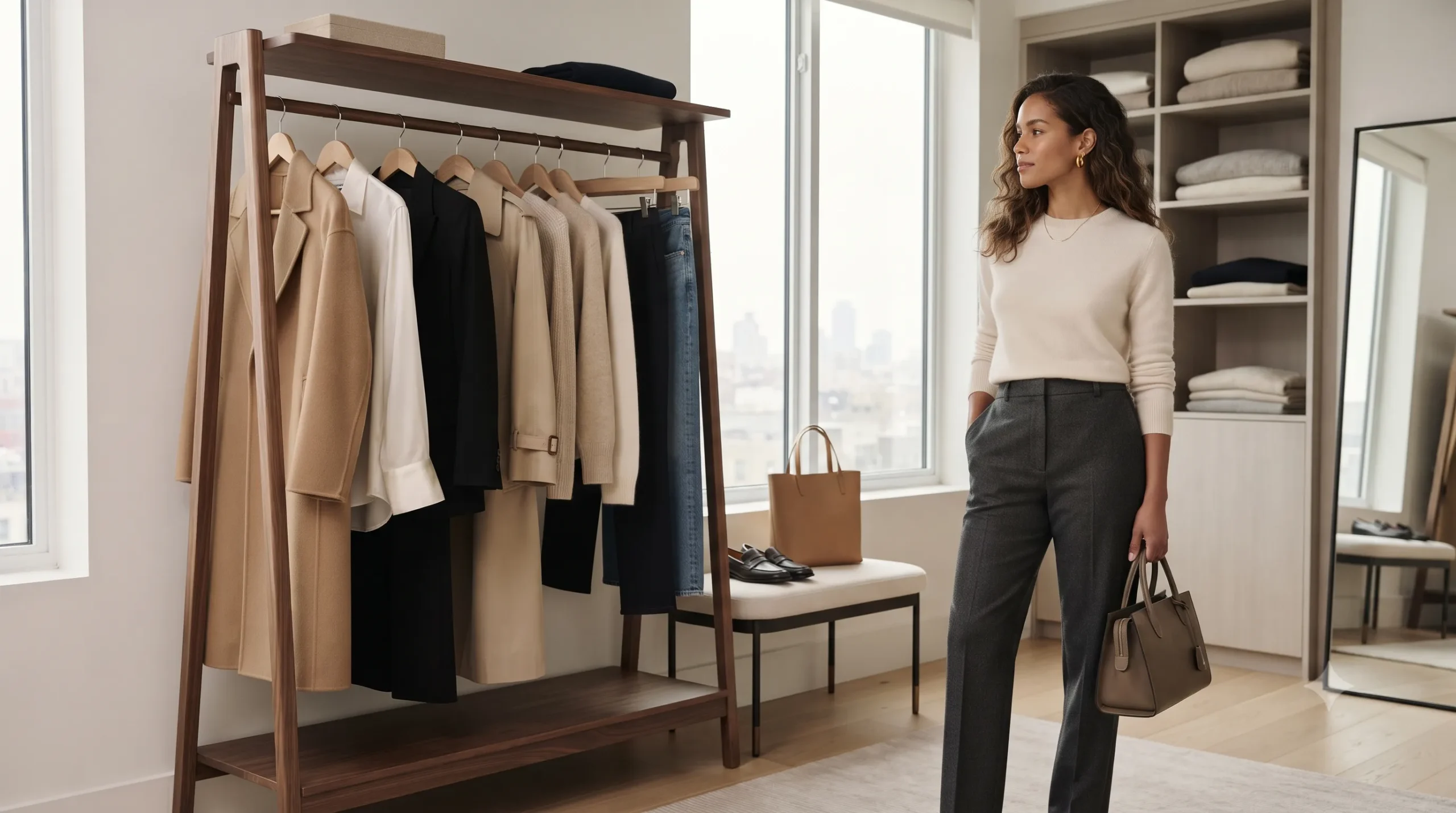
We have all experienced that specific, mounting frustration that occurs on a Tuesday morning when, despite a closet overflowing with fabric, there is absolutely nothing to wear. You stand before a sea of hangers, moving sleeves and hemlines aside, only to find yourself reaching for the same three reliable outfits you wore last week. It is a paradox of the modern era: we own more than any generation before us, yet we often feel less prepared to present ourselves to the world.
The tension lies in a subtle but profound distinction. There is a vast difference between merely possessing a collection of clothes and possessing a cohesive wardrobe. One is an accumulation of impulse, trend, and circumstance; the other is an intentional architecture of style.
To have clothes is to participate in the cycle of consumption. It is the result of a sale, a social media recommendation, or a sudden desire for something new. To have a wardrobe, however, is to engage in the art of curation. It is about building a system of garments that work in concert, allowing you to move through different chapters of your life—from professional commitments to weekend escapes—with a sense of ease and visual clarity.
Defining the Divide: Accumulation vs. Curation
To understand how to move from the former to the latter, we must first define the two states of being.
Having clothes is often a reactive process. It is characterized by “one-off” purchases: a dress for a specific wedding, a top that looked beautiful on a mannequin but lacks a way to be styled, or a piece that follows a fleeting trend. When we focus on clothes, we tend to shop by the item. We see a beautiful silhouette and buy it, without considering whether its color, texture, or formality aligns with what we already own. This leads to a fragmented closet—a collection of beautiful but disconnected pieces that rarely speak to one another.
Having a wardrobe is a proactive strategy. It is the process of selecting pieces with a clear understanding of how they will interact. A wardrobe is not a static entity; it is a living ecosystem. Every new addition is vetted against the existing collection to ensure it adds value, versatility, or a necessary nuance. In a true wardrobe, the relationship between the pieces is more important than the individual items themselves.
| Feature | Having Clothes (Accumulation) | Having a Wardrobe (Curation) |
|---|---|---|
| Primary Driver | Impulse, trends, or specific events | Long-term utility and personal style |
| Selection Method | Buying individual items | Building cohesive combinations |
| Visual Result | A fragmented, overwhelming closet | A sense of calm, intentional style |
| Decision Making | “Do I like this item?” | “How does this work with what I own?” |
| Longevity | High turnover; seasonal obsolescence | Emotional and aesthetic longevity |
| Morning Routine | Decision fatigue and frustration | Ease, speed, and confidence |
The Logic of Versatility and the “Five-Year Test”
The hallmark of a thoughtful wardrobe is the ability of a garment to survive the “five-year test.” This isn’t just about physical durability—though quality construction is essential—but about emotional and aesthetic relevance. Will this piece still feel appropriate for your lifestyle in half a decade? Does its beauty rely on a specific, hyper-current trend, or is it rooted in proportion, color, and silhouette?
When building a wardrobe, we move away from the novelty of the new and toward the reliability of the refined. This involves prioritizing certain elements over others:
- Proportion over Decoration: Instead of looking for a blouse with a specific seasonal embellishment, look for a blouse with a silhouette that complements your frame and pairs easily with both trousers and skirts.
- Texture over Trend: A rich weave or a graceful drape often carries more long-term value than a loud print that will feel dated by next autumn.
- Color Cohesion: A wardrobe functions best when there is a shared language of color. This doesn’t mean wearing only neutrals, but it does mean ensuring your palette allows for effortless mixing and matching.
When we apply this logic, we begin to see the “cost-per-wear” of our garments. A high-quality, well-tailored blazer that you wear twice a week for three years is significantly more valuable—both economically and stylistically—than a trendy jacket worn only three times before it loses its luster.
The Three Pillars of a Cohesive Wardrobe
A wardrobe with purpose is built upon three fundamental pillars: Base Layers, Connecting Pieces, and Statement Elements.
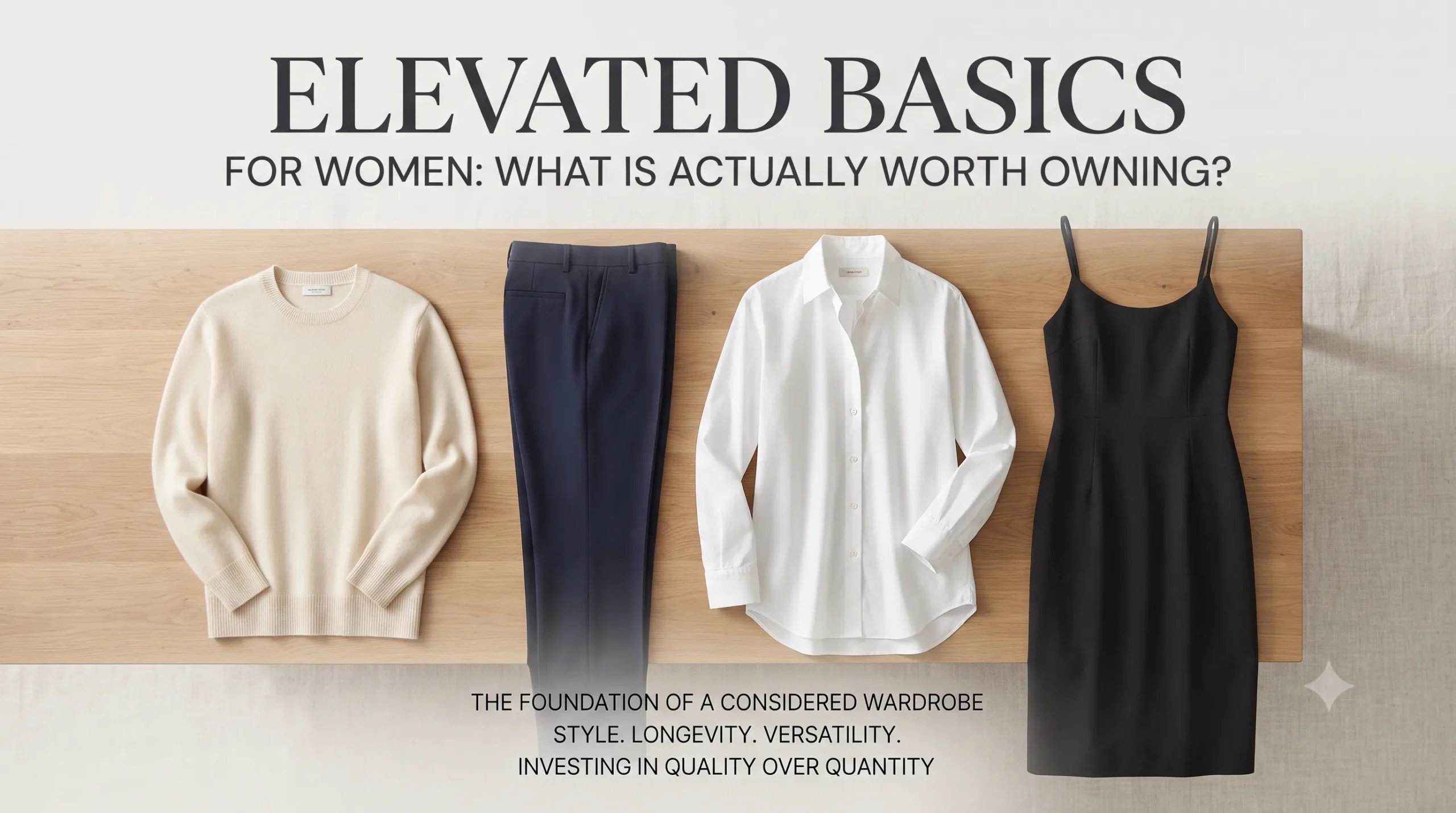
1. The Foundation (Elevated Basics)
These are the workhorses. They are the pieces that feel like a second skin—the high-quality T-shirt, the perfectly draped trouser, the reliable knit, and the well-cut denim. These pieces are rarely the “stars” of an outfit, but they provide the essential canvas. If your foundation is weak, even the most beautiful statement piece will feel disjointed.
2. The Connectors (Refined Mid-Layers and Textures)
The connectors are the pieces that bridge the gap between your basics and your more expressive items. Think of a structured cardigan, a lightweight trench, or a tailored vest. These items add depth, dimension, and layering potential to your looks. They allow you to transition a simple outfit from a morning meeting to an evening dinner by simply adding a layer of sophisticated polish.
3. The Signature (Personal Expression)
Once the foundation and connectors are secure, you can introduce pieces that carry your personal narrative. This might be a dress with a particularly romantic silhouette, a piece with an interesting architectural sleeve, or a garment in a color that feels uniquely yours. Because these pieces are supported by a strong base, they can be more expressive without feeling “costumey” or out of place.
Avoiding the “Trend Fatigue” Trap
One of the greatest obstacles to building a wardrobe is the constant noise of algorithmic fashion. Digital platforms are designed to create a sense of urgency, suggesting that what you own today is obsolete tomorrow. This creates a cycle of “trend fatigue,” where we find ourselves constantly replacing clothes, yet never feeling truly satisfied with our style.
To combat this, we must practice a form of aesthetic restraint. This does not mean wearing a uniform or avoiding color; rather, it means choosing pieces that possess a “quiet polish.” We look for clothes that let the wearer carry the room, rather than letting the garment’s trendiness do the talking.
A common mistake in the pursuit of style is confusing “newness” with “improvement.” Adding a new item to your closet does not automatically improve your style if that item does not solve a problem or enhance a connection. If you find yourself buying items simply to fill a void or to keep up with a seasonal shift, you are accumulating clothes, not building a wardrobe.
Practical Decision Framework: The “Pre-Purchase Audit”
Before your next acquisition, whether in a boutique or online, run the potential item through this mental checklist. This is a way to practice the habit of considered style.
- The Integration Test: Can I immediately think of at least three items currently in my closet that this piece will work with? (If the answer is zero, the item is an outlier, not a component).
- The Occasion Mapping: Where will I actually wear this? Does it fit my real life—my work, my social rituals, my travel—or am I buying it for a hypothetical version of myself?
- The Proportion Check: Does the silhouette of this piece balance my existing collection? If I have many voluminous skirts, do I have the structured tops needed to anchor them?
- The Longevity Question: If I look at this item in two years, will I still appreciate its shape and quality, or is its appeal tied to a specific, fleeting moment?
Moving Toward a More Intentional Closet
The transition from a closet of clothes to a wardrobe of purpose is a shift in mindset. It requires us to slow down, to observe our own habits, and to value the emotional longevity of what we own.
It is a move toward a more calm and confident way of living. When you have a wardrobe, the act of getting dressed ceases to be a source of stress and becomes a moment of quiet preparation. You are no longer searching for something to wear; you are selecting from a curated collection of pieces that you know, with certainty, express who you are.
Building such a collection takes time. It is a gradual process of editing, refining, and occasionally, letting go of the pieces that no longer serve your current life. But the result is a sense of clarity—a wardrobe that doesn’t just sit in your closet, but actively supports the woman you are becoming.