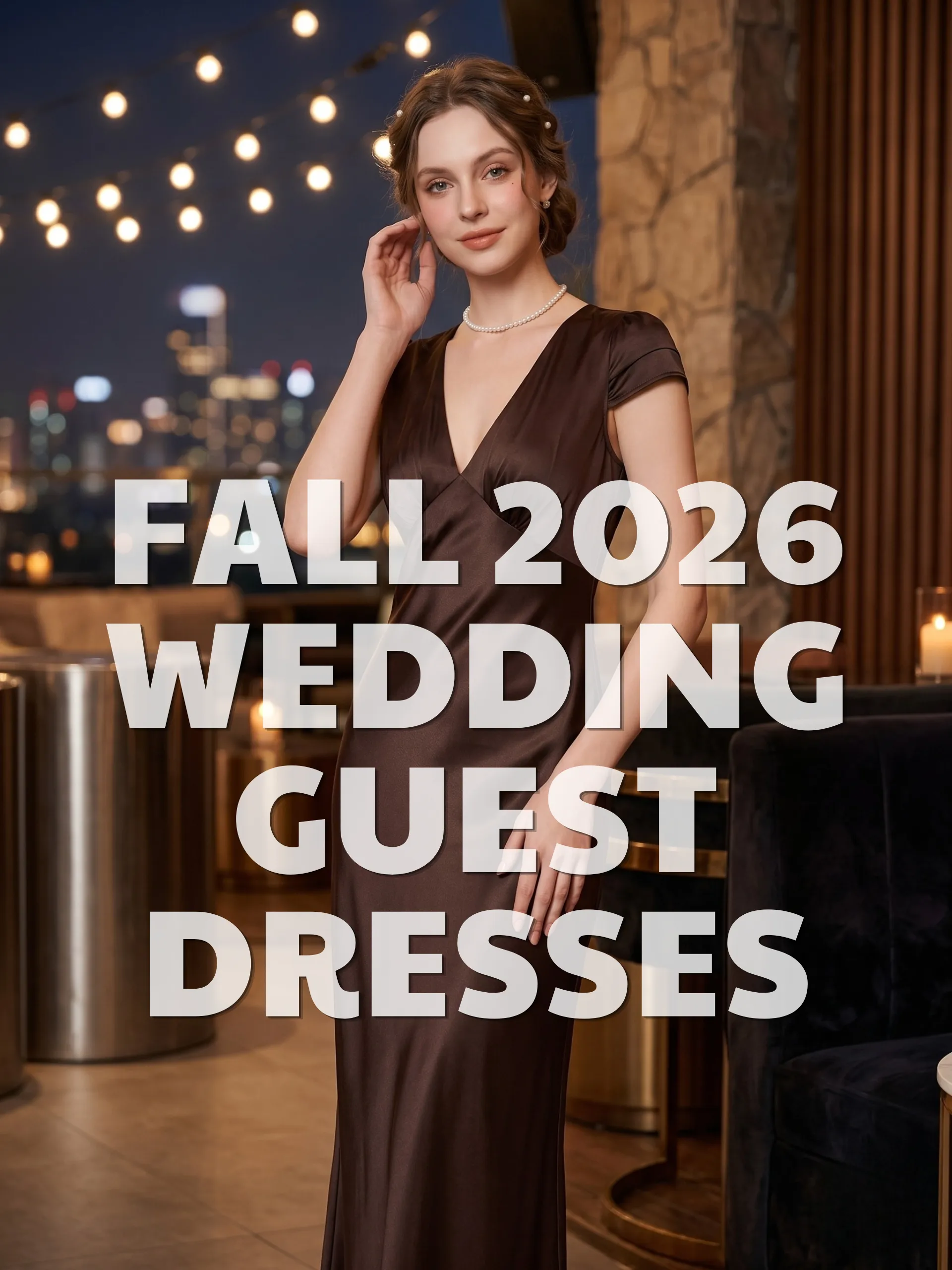
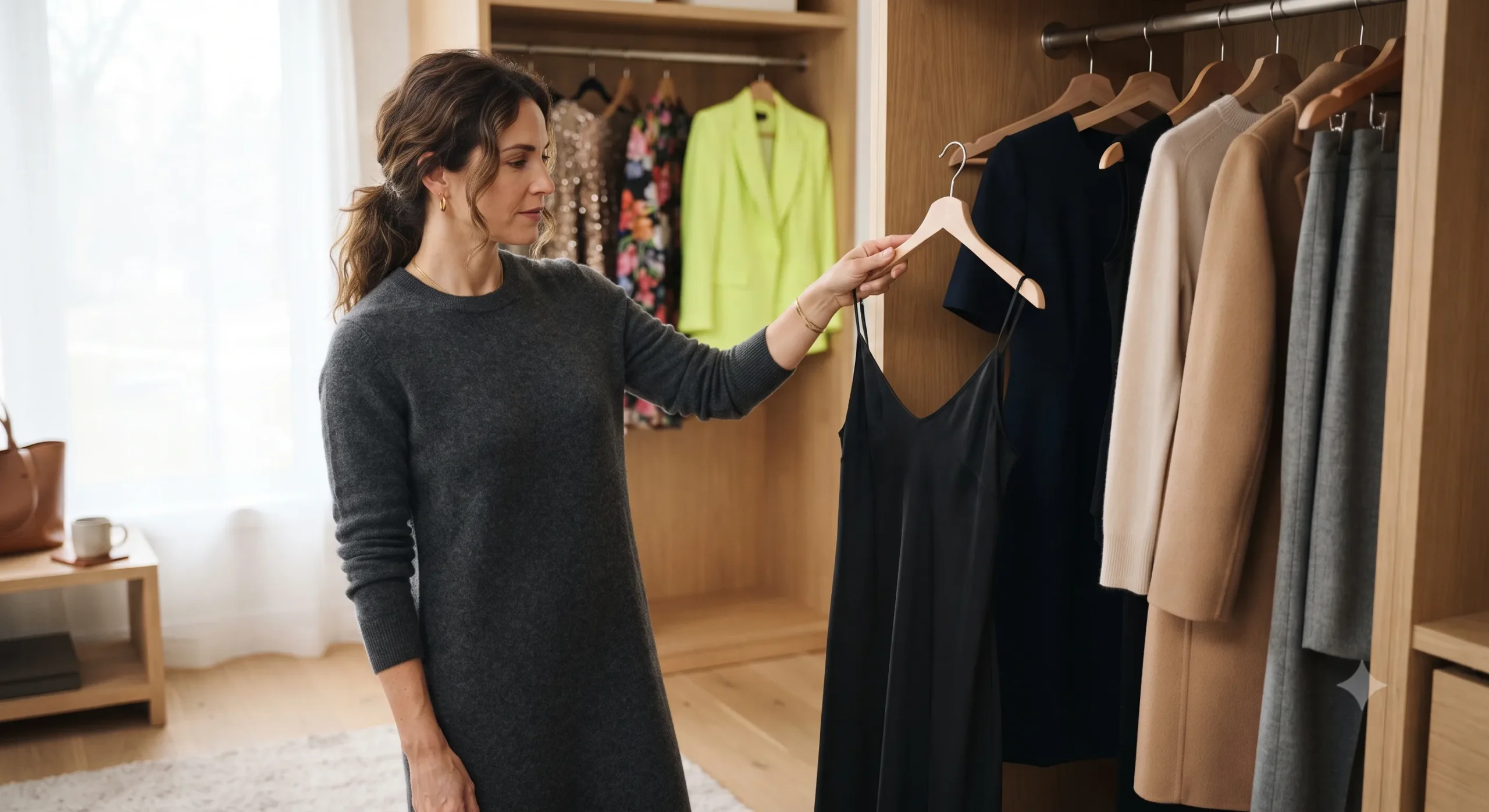
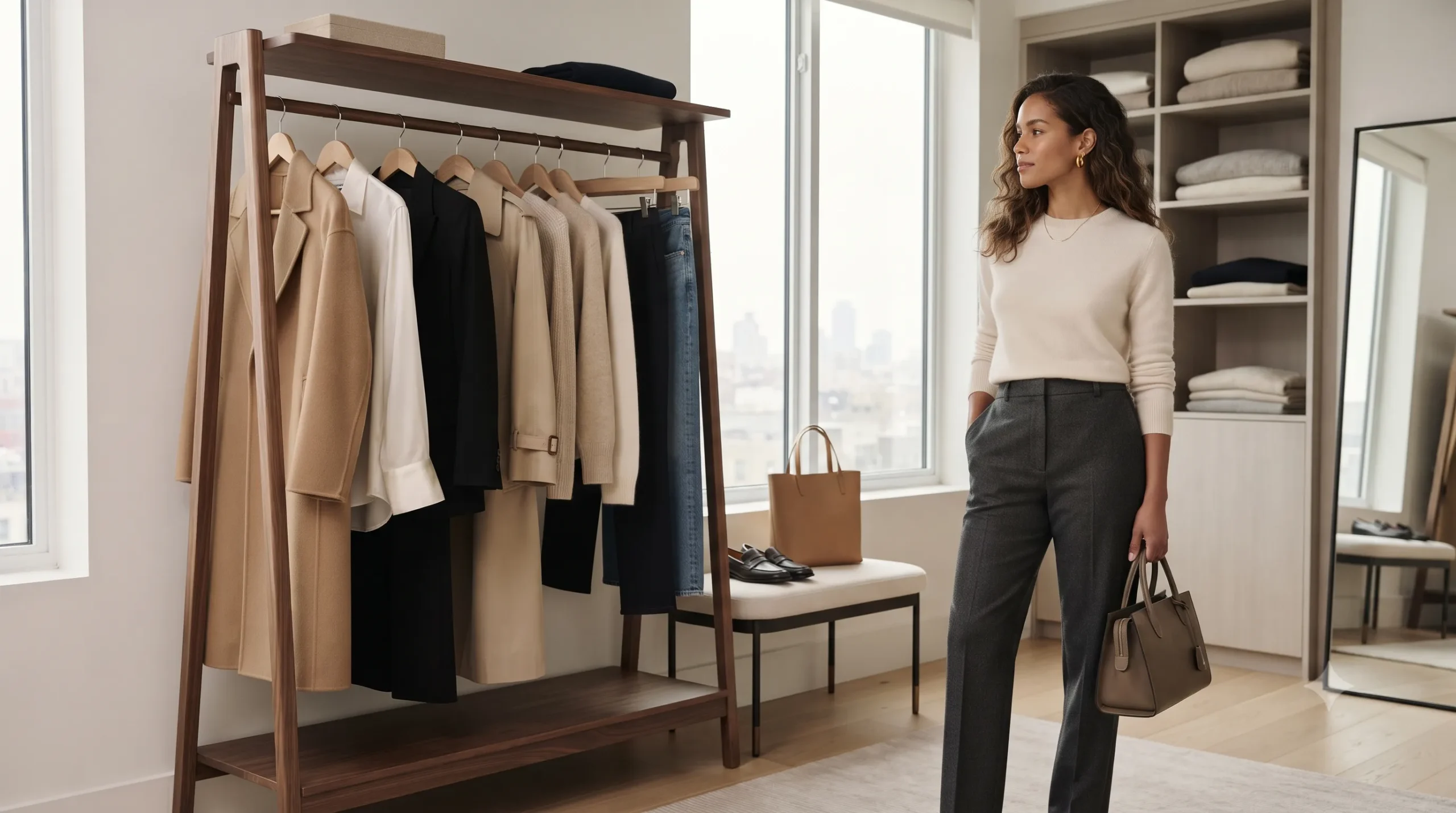
We have all experienced that specific moment of closet frustration: standing before a seemingly full wardrobe, yet feeling as though we have nothing to wear. Often, the culprits are the pieces that felt exciting in the fitting room or looked impeccable on a screen, but failed to survive the transition into our actual, lived-in lives. They are the “fantasy self” clothes—garments designed for a version of us that exists only in curated social media feeds, rather than the woman who needs to move from a morning meeting to a late dinner without feeling awkward or uncomfortable.
In contrast, there are those reliable outfits. They are the pieces we reach for instinctively because they feel like an extension of ourselves. They don’t demand attention through loud logos or fleeting trends; instead, they earn their place through a quiet, consistent utility.
The difference between a fleeting purchase and a long-term wardrobe staple usually comes down to three core pillars: versatility of context, physical reliability, and emotional alignment.
The Versatility of Context
A garment’s longevity is often determined by its ability to navigate different settings. A piece that only works for one specific, narrow event is, by definition, a high-risk investment. If a dress requires a specific pair of heels, a certain clutch, and a precise hairstyle to look “right,” it is likely to spend most of its life hanging in the dark.
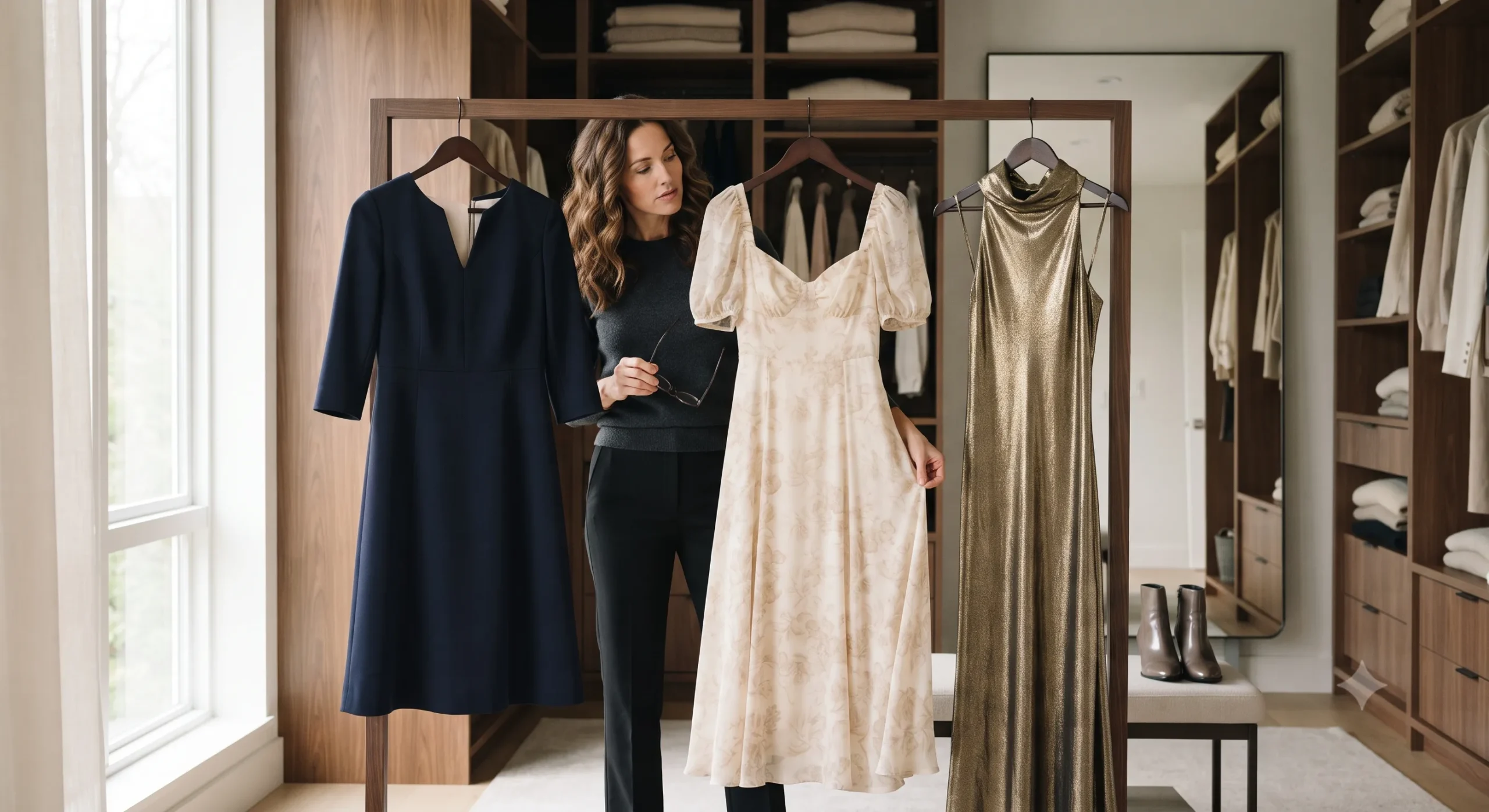
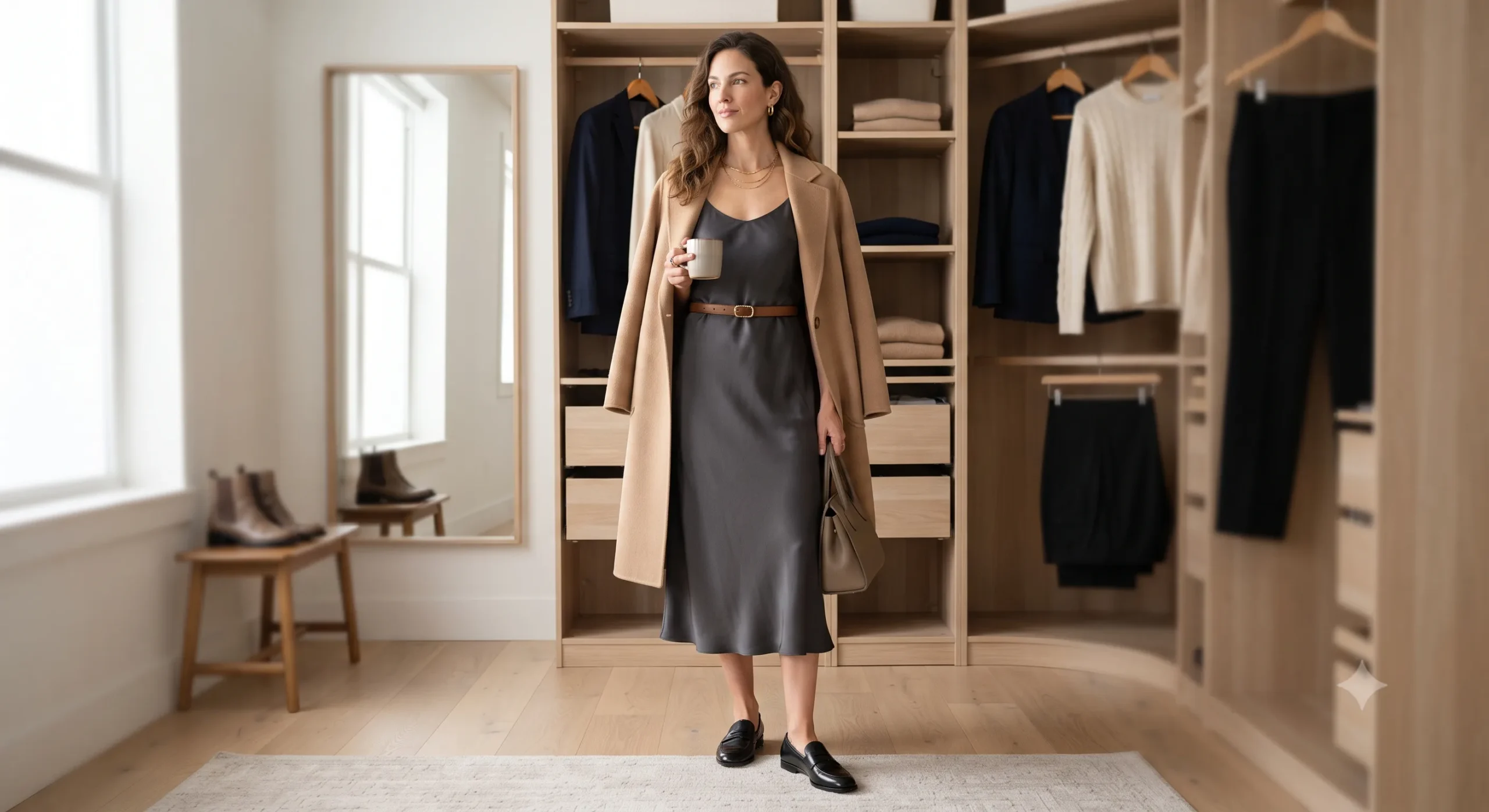
Outfits that stay in rotation are those that can be “re-contextualized.” A refined midi skirt can be dressed down with a high-quality knit for a weekend gallery visit, or elevated with a structured top for a formal dinner. A well-cut blazer works just as effectively over a casual tee as it does over an occasion dress.
When evaluating a new piece, ask: How many different versions of my life can this accommodate? A thoughtful wardrobe is less about owning a vast number of items and more about owning pieces that work repeatedly across the many different roles we play.
The Logic of Cost-Per-Wear
It is easy to fall into the trap of viewing fashion through the lens of the initial price tag. However, the true value of a garment is better understood through the concept of cost-per-wear.
Cost-per-wear is a simple way to measure the economic and practical value of a piece by considering its price in relation to how often it will realistically be worn. A lower-priced, trend-heavy item that loses its appeal after three wears may actually be more expensive in the long run than a higher-quality piece that remains a staple for five years.
When we prioritize pieces that offer high utility and durability, we move away from the cycle of disposable fashion and toward a more intentional way of dressing.
Physical Reliability and “Real Life” Fit
There is a profound difference between how a garment looks in a static photograph and how it behaves in motion. An outfit that stays in your rotation is one that respects the realities of your daily movement.
Consider the following factors that often dictate whether a piece is retired or retained:
- Fabric Behavior: Does the fabric breathe? Does it wrinkle the moment you sit down for a long lunch? Does it hold its shape after a full day of wear?
- Proportion and Silhouette: Does the garment complement your natural movement, or does it require constant adjusting? Pieces with graceful proportions—such as a well-defined waist or a balanced sleeve length—tend to feel more “finished” with less effort.
- Sensory Comfort: If a piece is itchy, restrictive, or requires constant tugging, you will eventually stop wearing it, regardless of how beautiful it is.
The Decision Framework for Longevity
To help bridge the gap between impulse buying and intentional collecting, it can be useful to run potential purchases through a mental filter. Instead of asking “Do I like this?”, try asking these more specific questions:
| Criteria | The “Fleeting” Piece | The “Rotation” Piece |
|---|---|---|
| Styling | Requires specific, trendy accessories to work. | Works with multiple existing items in your closet. |
| Occasion | Only fits one specific type of event. | Can transition from casual to semi-formal. |
| Maintenance | High-maintenance or fragile construction. | Durable enough for regular, real-life wear. |
| Feeling | Feels like a “costume” or a fantasy version of you. | Feels like an authentic version of your current self. |
Building a Wardrobe with Purpose
Choosing clothes that last is an act of curation. It requires a shift in perspective: moving away from the dopamine hit of a new purchase and toward the long-term satisfaction of a cohesive, reliable wardrobe.
Aunomay approaches this philosophy through a modern romantic lens, focusing on pieces that prioritize feminine tailoring and subtle sophistication. By selecting items that favor refined restraint over loud trends, it becomes much easier to build a collection of clothes that doesn’t just fill a closet, but actually serves the woman wearing them.
In the end, the outfits that stay with us are the ones that make getting dressed feel like a moment of ease rather than a series of compromises. They are the pieces that allow us to step into the world with a sense of quiet, prepared confidence.