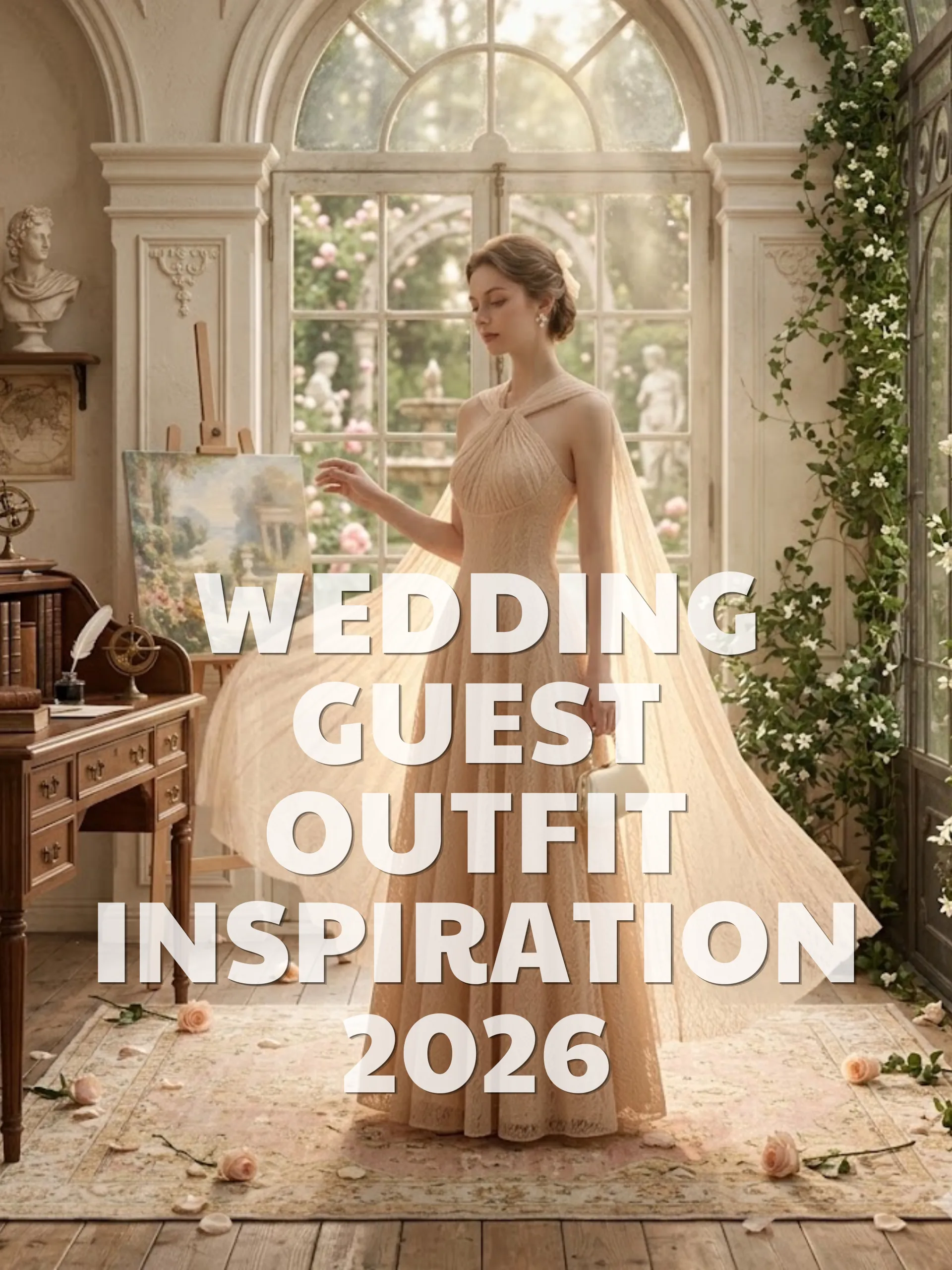
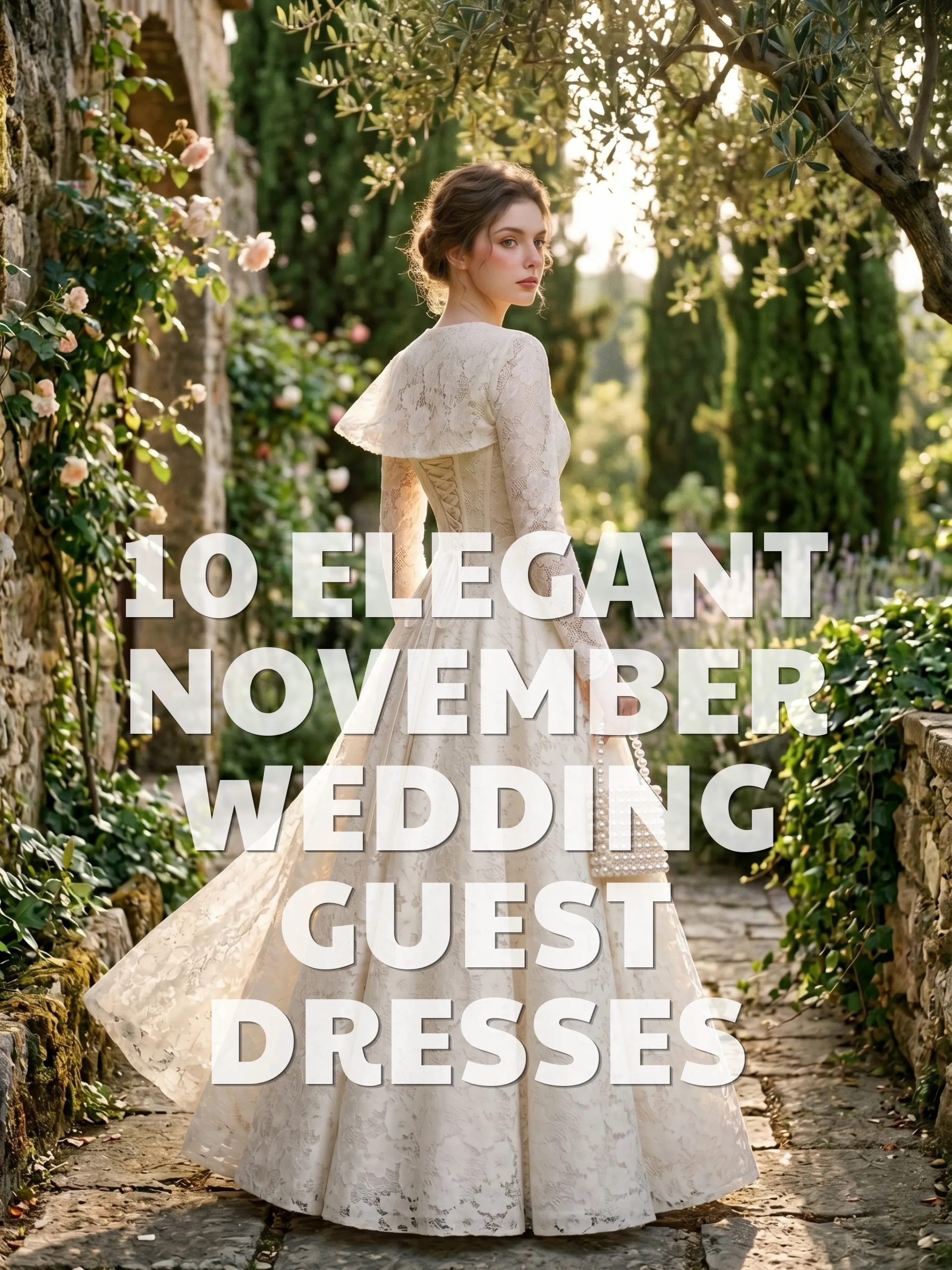
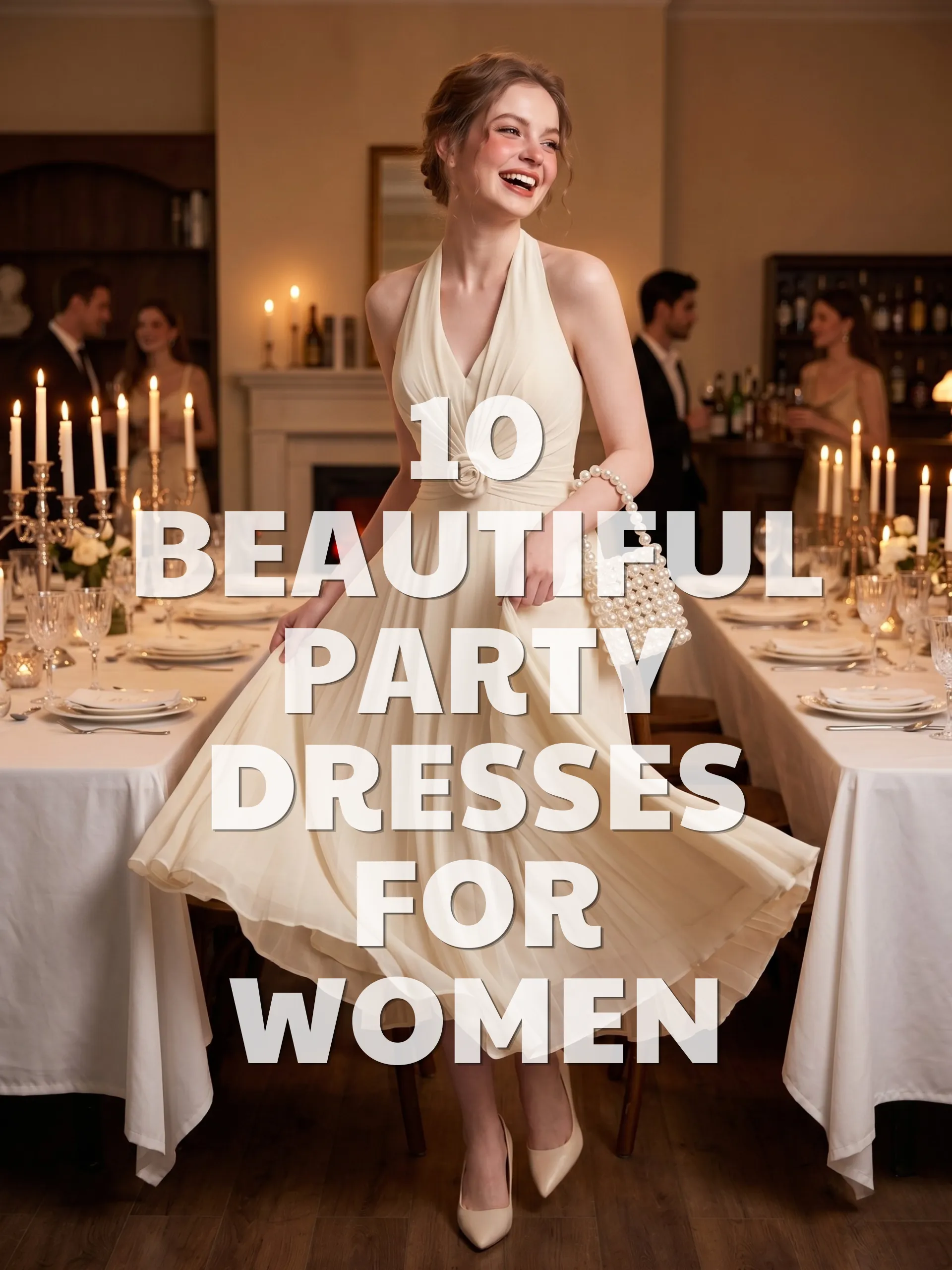
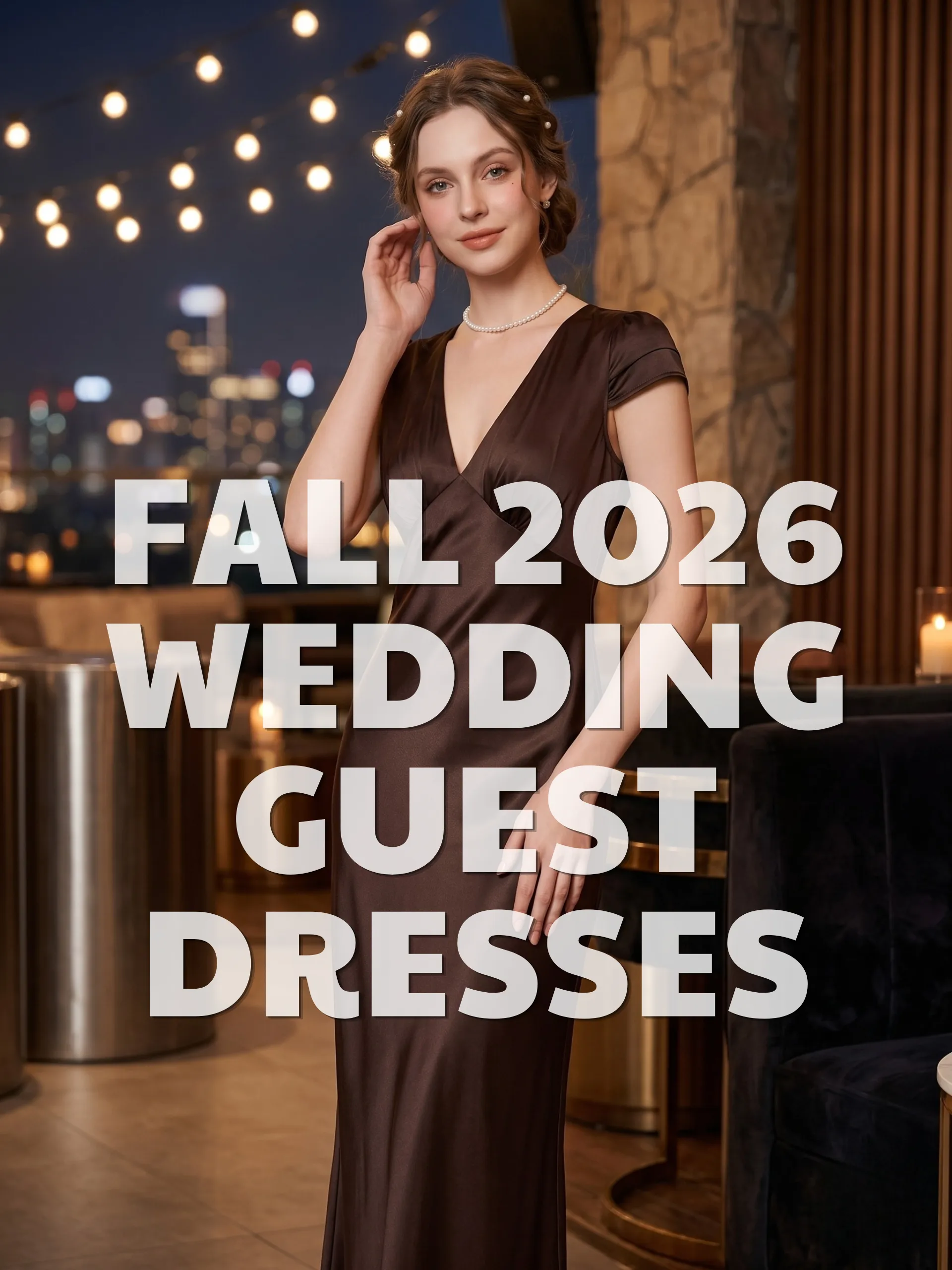
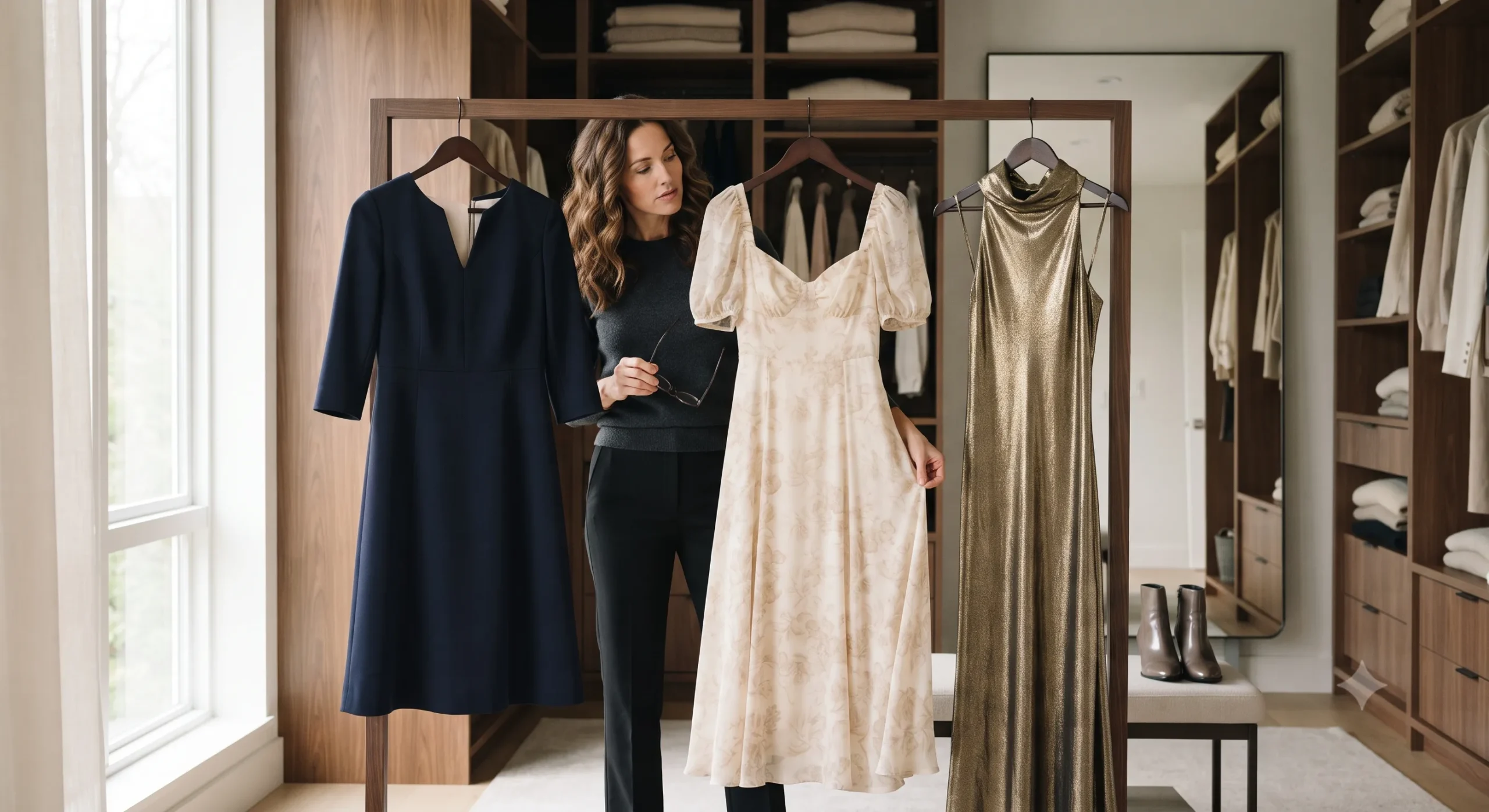
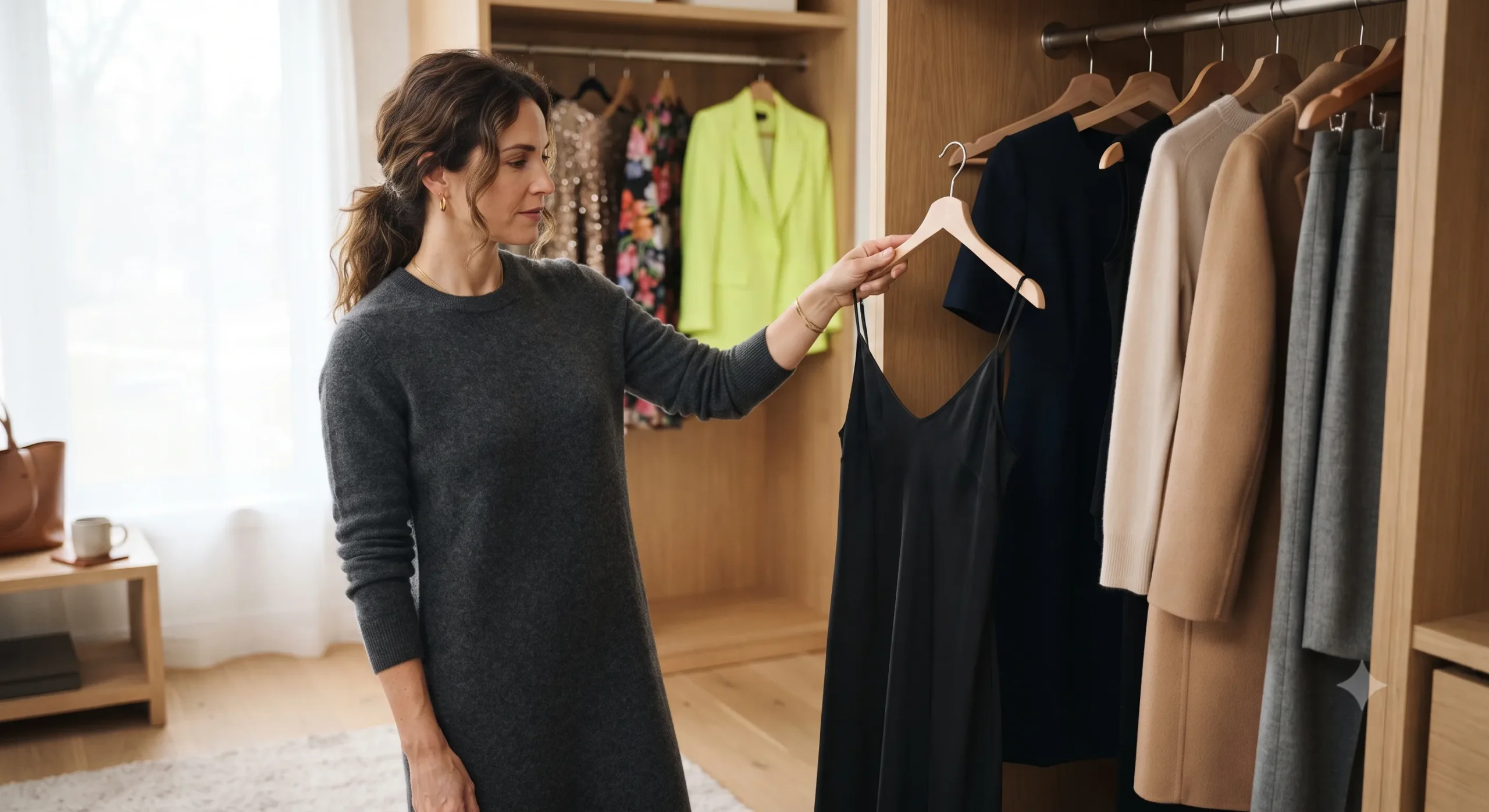
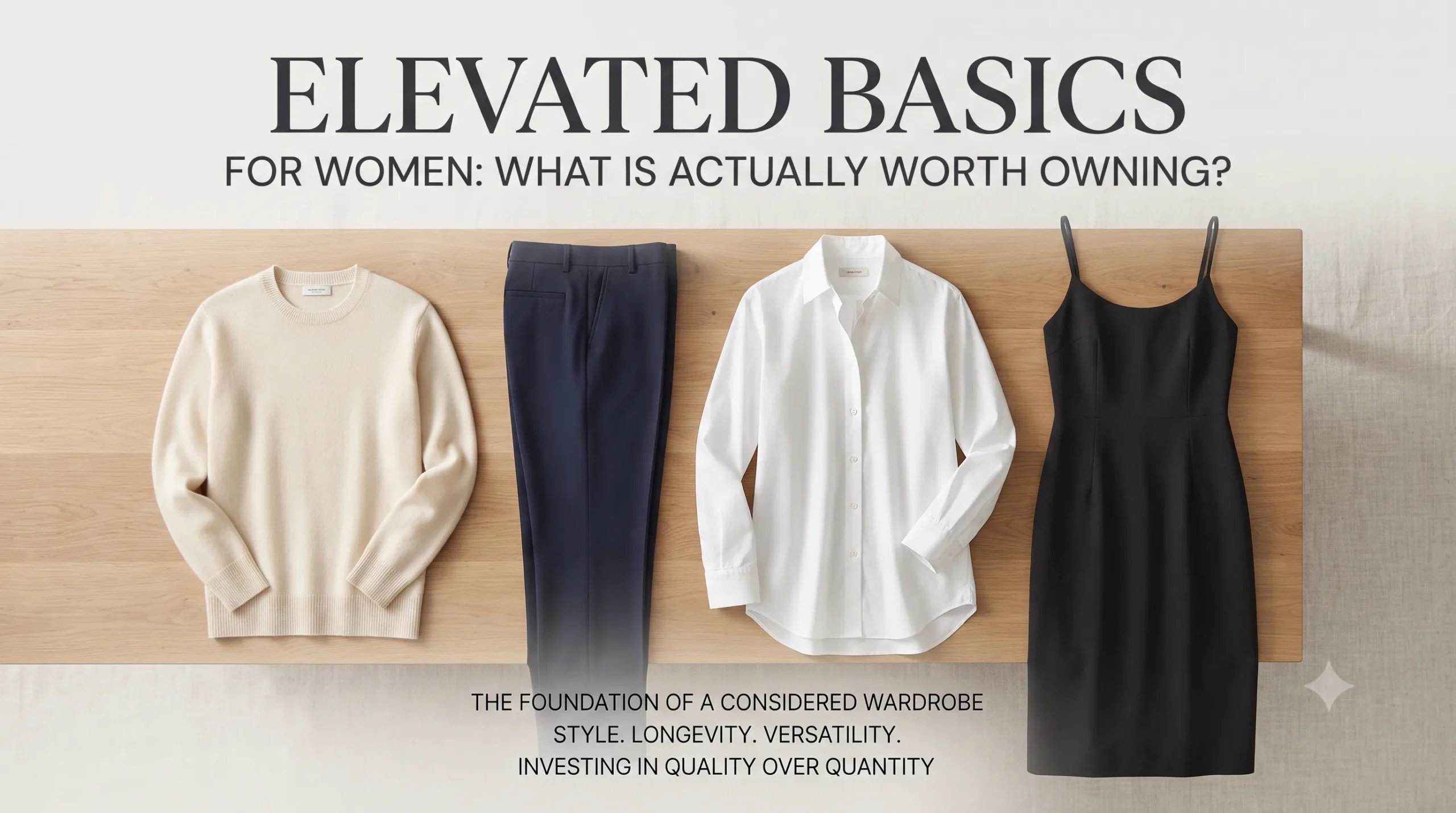
We have all experienced that specific, quiet frustration: standing before a closet overflowing with clothes, yet feeling as though we have nothing to wear. Upon closer inspection, the culprits are often the same—pieces purchased for a single wedding, a specific micro-trend, or a “fantasy self” that exists only in a highly curated social media feed. These are the garments that look striking on a hanger or a screen but fail to integrate into the actual rhythm of our lives.
Buying clothes that only work once is often an emotional reaction rather than a practical one. We buy for the person we wish we were—the woman who attends gala dinners every weekend or the one who lives in avant-garde silhouettes—rather than the woman who needs to transition from a morning meeting to a casual lunch, or from a weekend trip to a restorative evening at home.
To stop this cycle, we must shift our focus from the excitement of the purchase to the reality of the wear.
The Trap of the “Event-Only” Piece
The most common reason a garment sits idle is a lack of versatility. When we shop for an occasion, we often lean into extremes. We choose a silhouette so specific, or a color so loud, that it has no “neighbors” in our existing wardrobe.
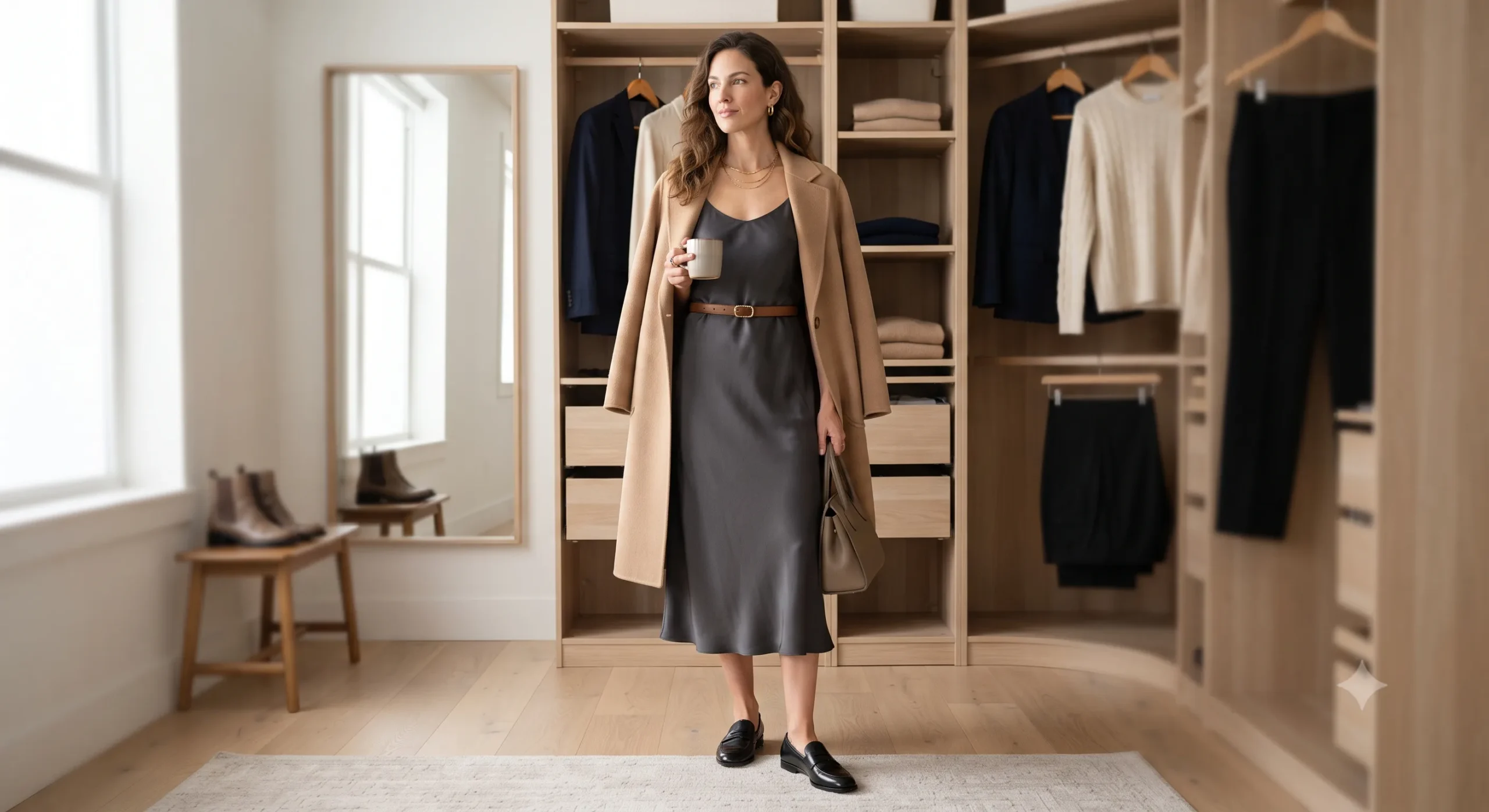
A dress that works beautifully for a garden party becomes a burden if it cannot be dressed down with a knit cardigan and loafers for a weekend brunch. If a piece requires a specific, hard-to-find shoe or a very particular accessory to look “correct,” it is likely a single-use item.
A more sustainable approach is to look for what we might call “situational flexibility.” Instead of asking, “Can I wear this to the wedding?” try asking, “How many different ways can I style this for different parts of my life?”
Evaluating Cost-Per-Wear Before the Checkout
One of the most effective ways to combat impulsive, single-use shopping is to adopt a cost-per-wear mindset. This is not about being frugal; it is about recognizing true value.
A high-quality, well-tailored blazer may carry a higher initial price tag than a trendy jacket, but if that blazer is worn twice a week for three years, its value far exceeds a cheaper piece that loses its shape after two washes or feels dated after one season.
To apply this logic in real-time, run a quick mental audit before completing a purchase:
- The Three-Outfit Rule: Can I mentally pair this item with at least three things I already own?
- The Texture Test: Does the fabric feel substantial? Does it behave well, or will it require excessive maintenance that makes it difficult to wear on a busy Tuesday?
- The Life-Alignment Check: Does this garment fit my actual schedule, or am I buying it for a version of myself that doesn’t exist?
Building a Coherent Wardrobe
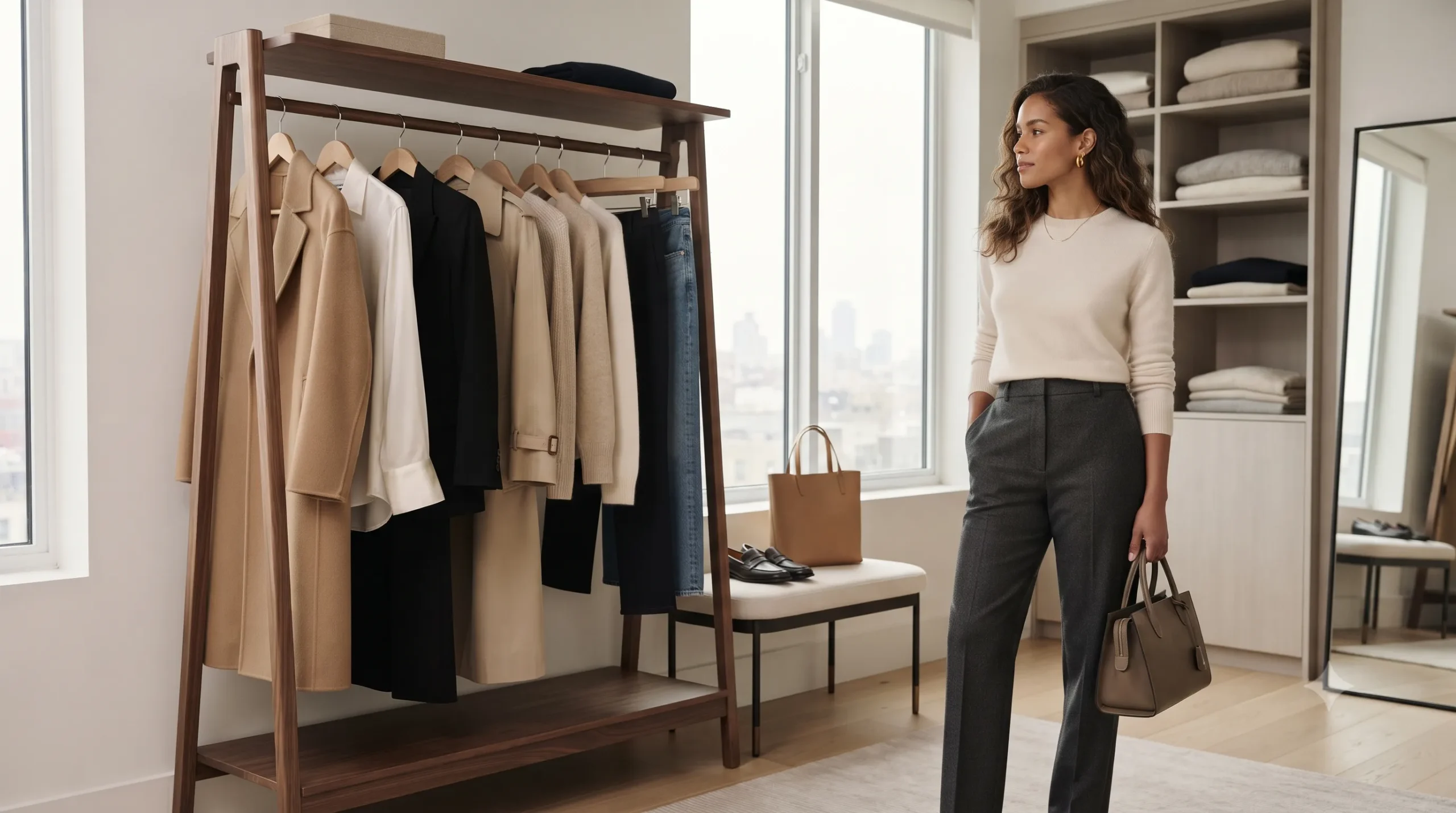
A wardrobe that feels calm and intentional is built on a foundation of pieces that speak to one another. This is the essence of a thoughtful wardrobe: it is a collection of items that can be mixed and matched with ease, reducing the mental fatigue of getting dressed.
When we choose pieces with a sense of restraint—focusing on beautiful proportions, classic necklines, and versatile colors—we create a “connective tissue” within our closets. This allows us to move across occasions without feeling overdressed or underdressed. A well-cut midi skirt, for instance, can be the anchor for a professional ensemble in the morning and a romantic, soft look for dinner in the evening, depending entirely on how it is styled.
| Feature | Single-Use Clothing | Versatile Wardrobe Staples |
|---|---|---|
| Primary Driver | Trends and fleeting impulses | Longevity and personal style |
| Styling | Requires specific, niche pairings | Integrates easily with existing items |
| Fit & Silhouette | Often extreme or hyper-specific | Balanced and adaptable proportions |
| Value Perception | High cost for low frequency of wear | Lower cost-per-wear over time |
| Emotional Impact | Post-purchase clutter and regret | Confidence and ease of choice |
Moving Toward Intentionality
Breaking the habit of buying single-use clothing requires a subtle shift in how we perceive fashion. It is a move away from the loud, fast-paced cycle of micro-trends and toward a more observant, quiet way of dressing.
By prioritizing quality, considering how a garment moves and behaves in real life, and selecting pieces that reflect our true selves, we do more than just clear our closets. We create a sense of clarity. Dressing becomes less about filling a void and more about expressing a consistent, refined identity that serves us every day, not just once.