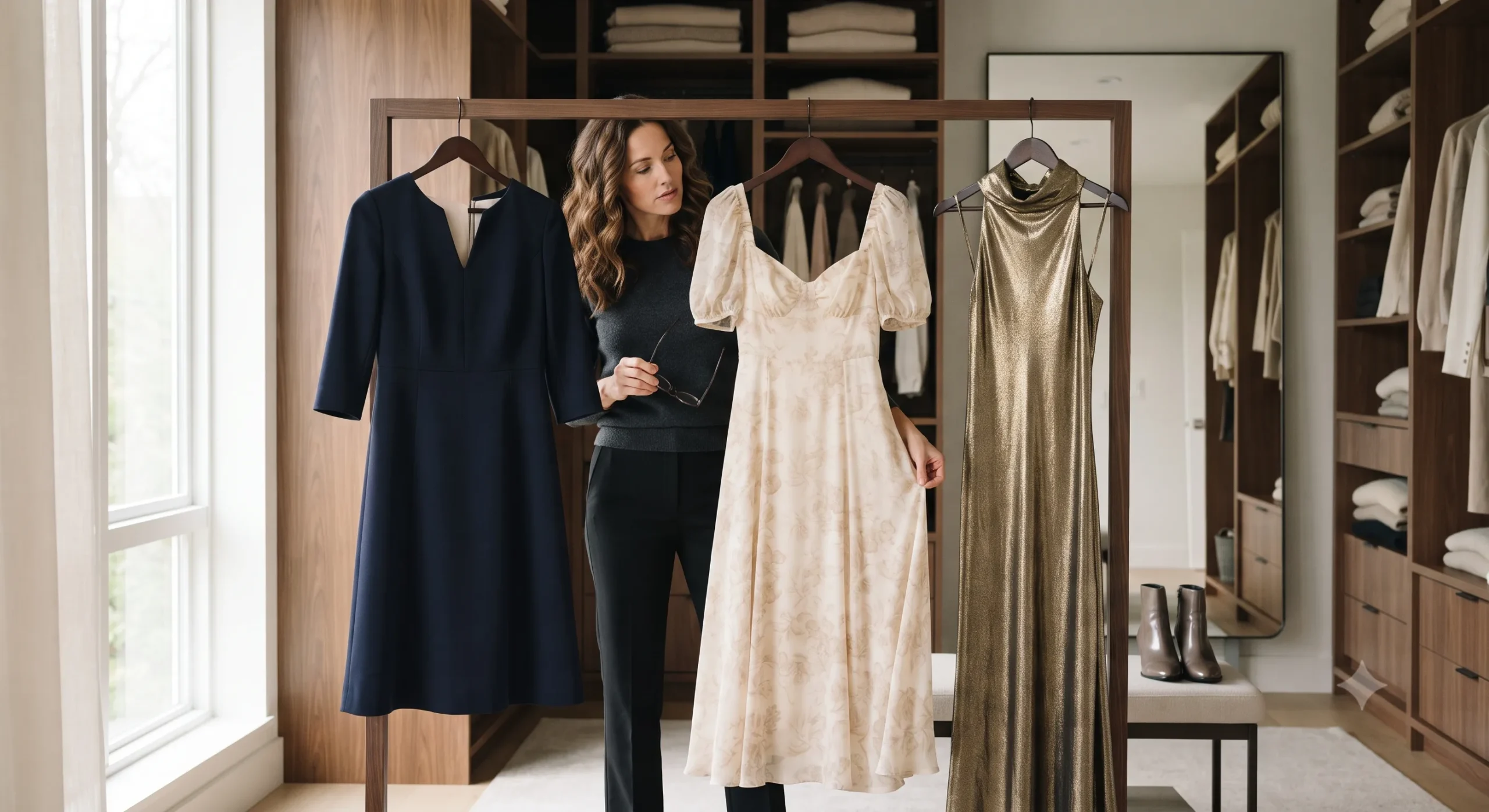
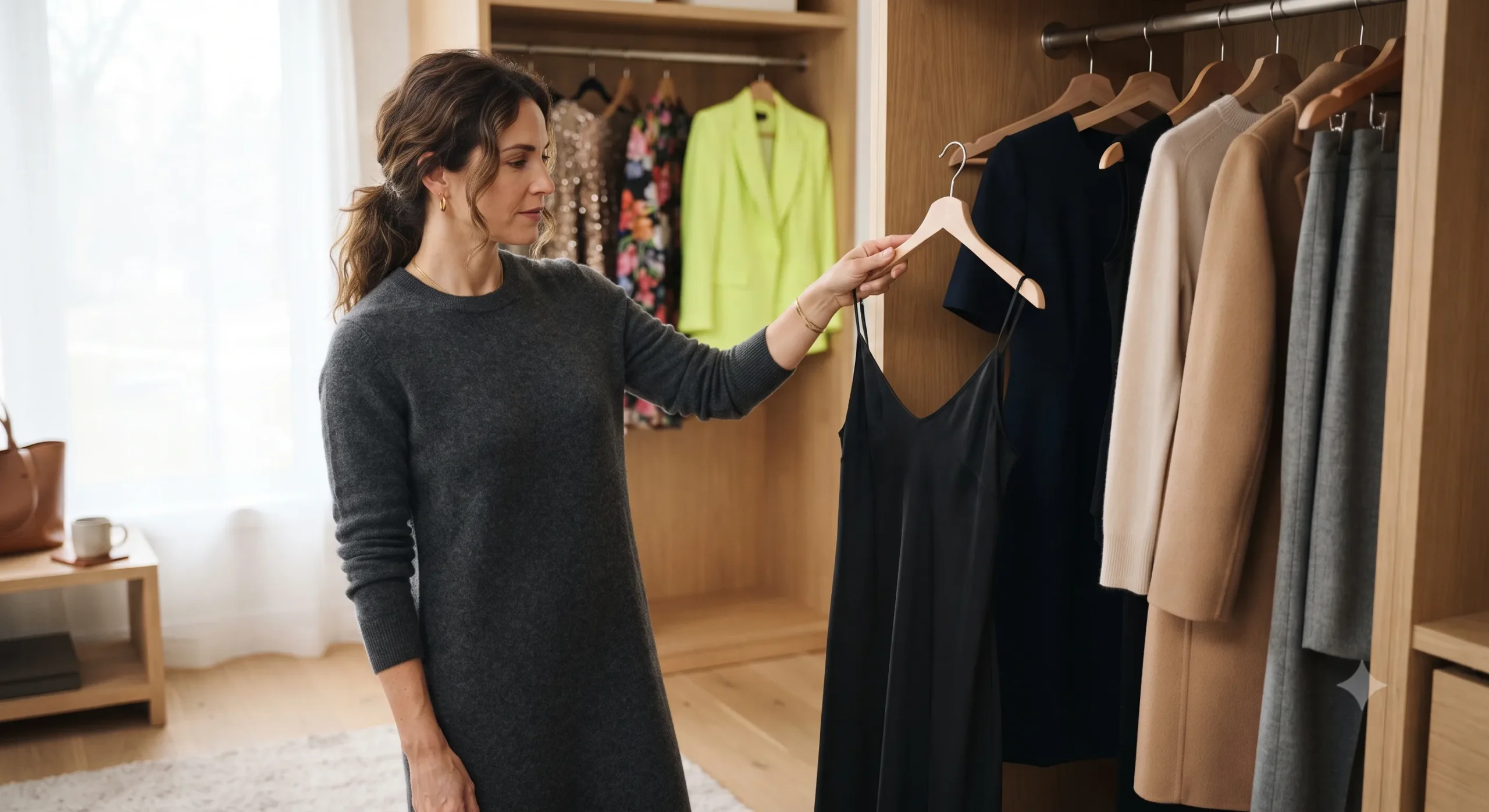
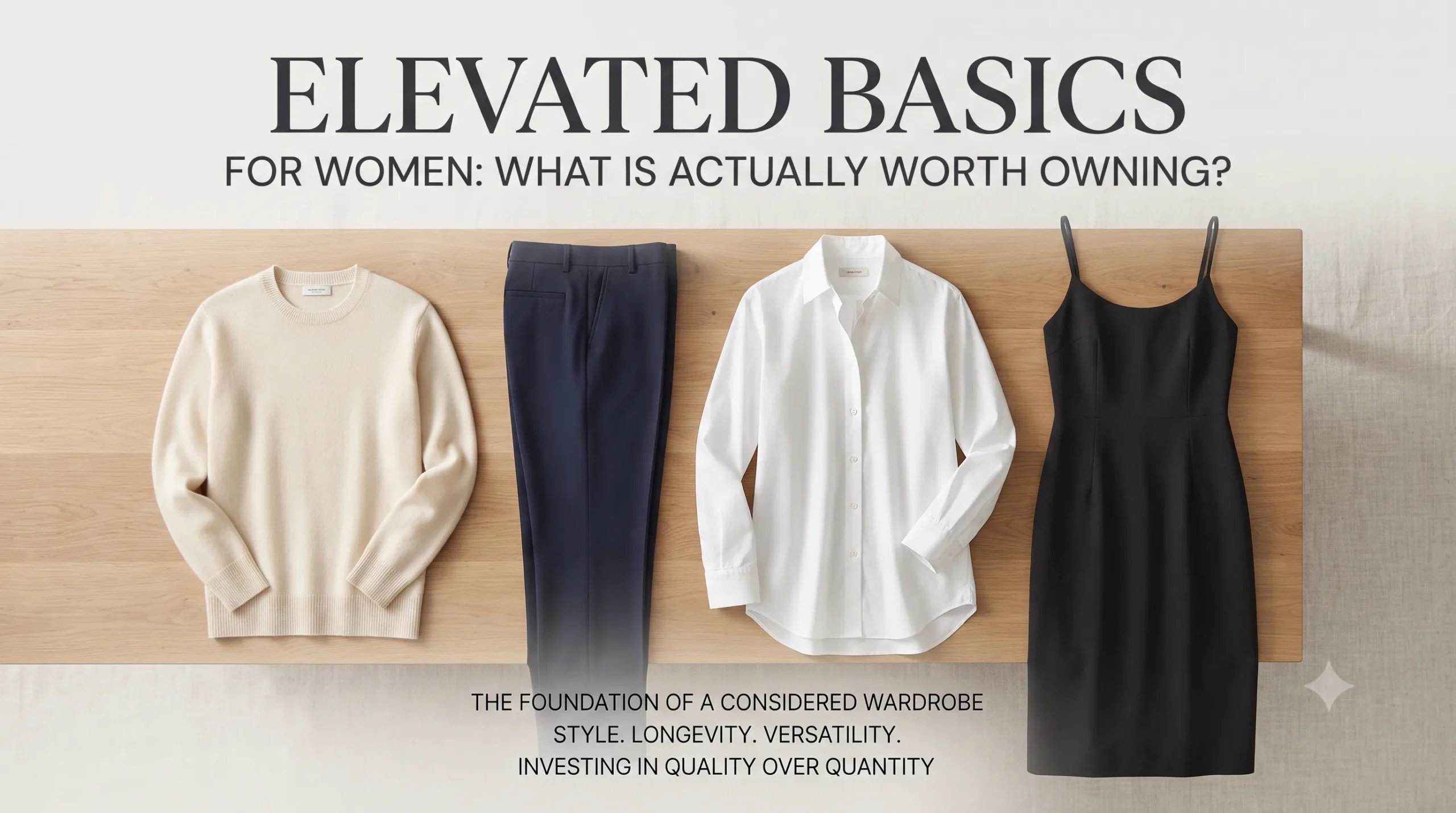
There is a specific, quiet frustration that comes with opening a closet full of clothes only to feel as though you have nothing to wear. Often, this happens not because of a lack of volume, but because of a lack of cohesion. We buy pieces that felt urgent in the moment—a specific shade of neon, a hyper-specific silhouette, or a heavy print—only to find that six months later, the “feeling” has evaporated, leaving behind a garment that feels strangely out of place.
The distinction between a trend-driven wardrobe and a timeless one lies in the intention behind the purchase. A trend-driven wardrobe reacts to the external noise of the fashion cycle, while a timeless wardrobe responds to the internal logic of a woman’s real life.
The Architecture of Longevity
A timeless wardrobe is built on a foundation of pieces that possess “emotional longevity.” This doesn’t mean you never enjoy a trend; rather, it means your core identity is not dependent on them. When a piece is timeless, it earns its place through three primary pillars: proportion, fabric behavior, and versatility.
Proportion and Silhouette
Trends often rely on extreme proportions—an exaggeratedly oversized shoulder or a micro-mini length—that can date a garment almost instantly. Timeless pieces tend to favor graceful proportions that complement the natural human form. They rely on soft structure and clean lines that remain aesthetically relevant regardless of whether the current “it” silhouette is baggy or slim.
Material and Texture
A trend-driven piece often prioritizes visual impact over tactile quality. In contrast, a timeless piece relies on how the fabric behaves. Does the skirt move with a rhythmic weight when you walk? Does the knit retain its shape after a day of wear? Choosing pieces based on the integrity of the texture and the way they drape ensures they remain beautiful through years of movement and washing.
The Versatility Test
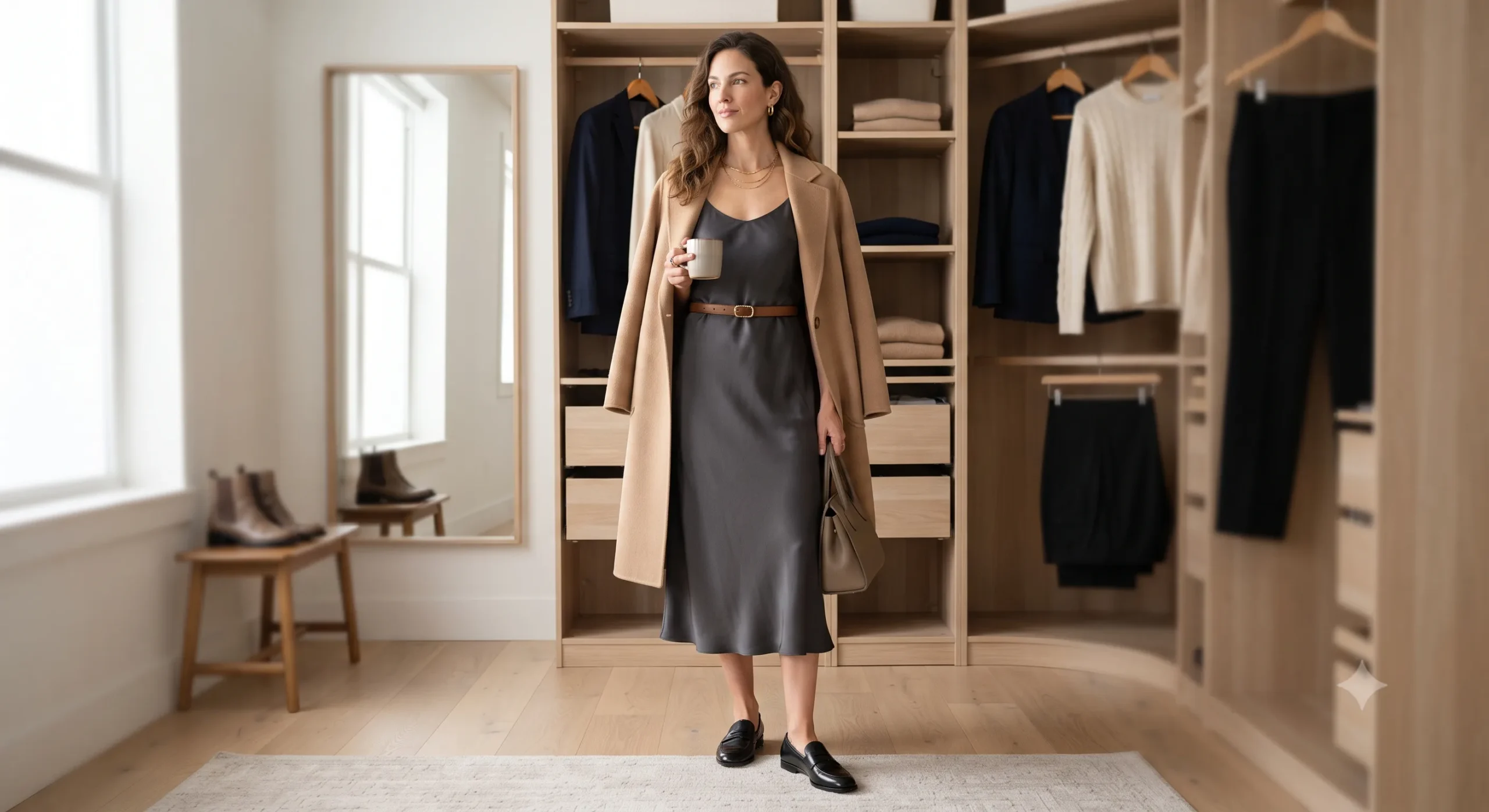
The most practical way to distinguish between the two is to ask: How many different versions of myself can this garment accommodate? A trend-driven item might only work with one specific set of accessories or one specific type of shoe. A timeless piece, such as a well-cut midi dress or a refined blazer, can shift from a morning meeting to a casual weekend lunch simply by changing a shoe or a layer.
Trends vs. Timelessness: A Shift in Perspective
Understanding the difference requires looking past the immediate visual appeal and examining the long-term utility of a garment.
| Feature | Trend-Driven Dressing | Timeless Wardrobe Building |
|---|---|---|
| Primary Driver | External influence and “the now” | Personal style and long-term utility |
| Visual Language | High-contrast, loud, or extreme | Understated, balanced, and refined |
| Buying Logic | Emotional impulse and novelty | Cost-per-wear and wardrobe integration |
| Lifecycle | Short-lived; often feels dated quickly | Multi-seasonal; remains relevant for years |
| Wardrobe Feel | Fragmented and overwhelming | Cohesive and intentional |
Building with Intention
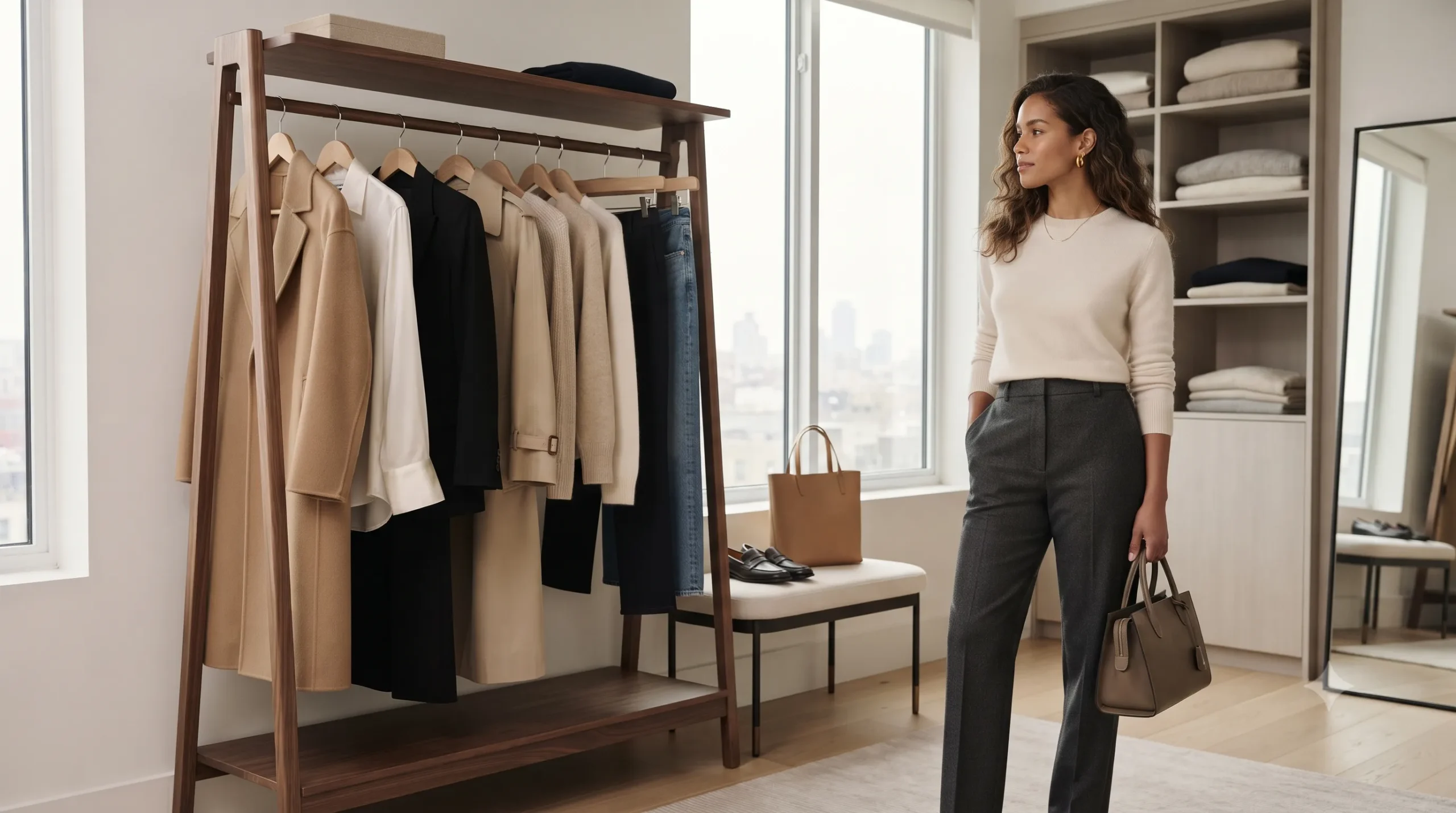
Transitioning away from trend-chasing does not require a minimalist overhaul or the rejection of all newness. Instead, it is about adopting a more considered approach to how you curate your collection.
One effective method is to prioritize “low-key elegance”—choosing colors and details that act as a backdrop to your personality rather than a costume. Instead of reaching for a color that is currently trending on social media, consider whether a shade works with your skin tone and your existing palette. Instead of a silhouette that feels “fashion-forward” but restrictive, look for pieces that offer polished softness and ease of movement.
Aunomay approaches this philosophy through a modern romantic lens: creating pieces that feel feminine and polished, designed to be worn repeatedly in real life rather than once for a photograph. When you select clothing with this level of restraint, you are essentially investing in your future self.
The Decision Framework
Before adding a new piece to your collection, run it through a quick mental checklist to see where it falls on the spectrum of longevity.
- The Three-Outfit Rule: Can I immediately think of three different ways to style this using items I already own?
- The Occasion Audit: Does this piece work for more than one type of setting (e.g., work, dinner, travel)?
- The Texture Check: Is the appeal of this garment rooted in its silhouette and fabric, or is it purely dependent on a fleeting print or embellishment?
- The “Year From Now” Test: If I look at this piece in twelve months, will it still feel like a reflection of my taste, or will it feel like a relic of a specific moment?
A wardrobe feels timeless when it stops being a collection of objects and starts being a collection of choices. By focusing on quality cues, thoughtful proportions, and practical elegance, you move away from the exhaustion of the trend cycle and toward a style that feels both stable and deeply personal.