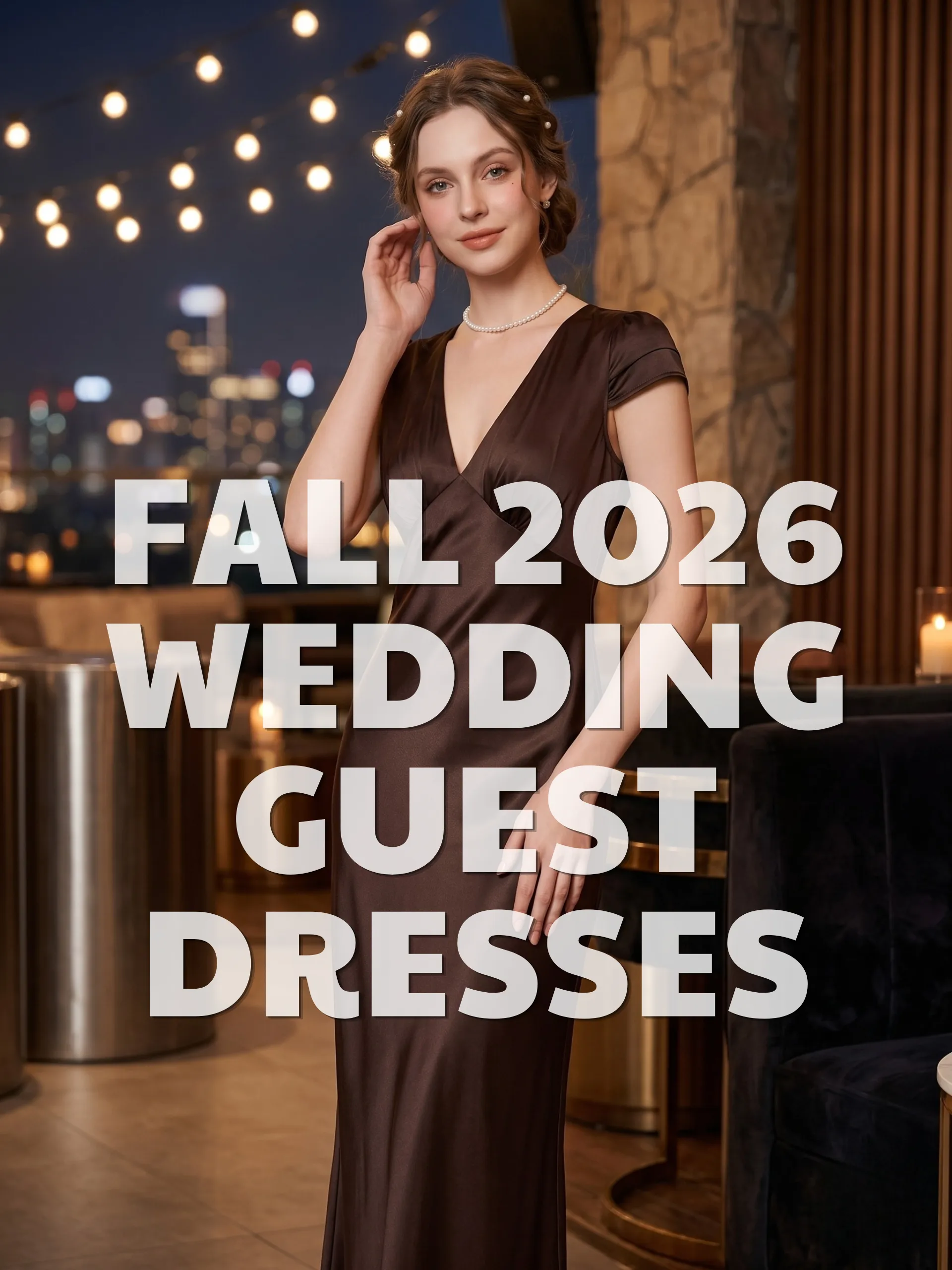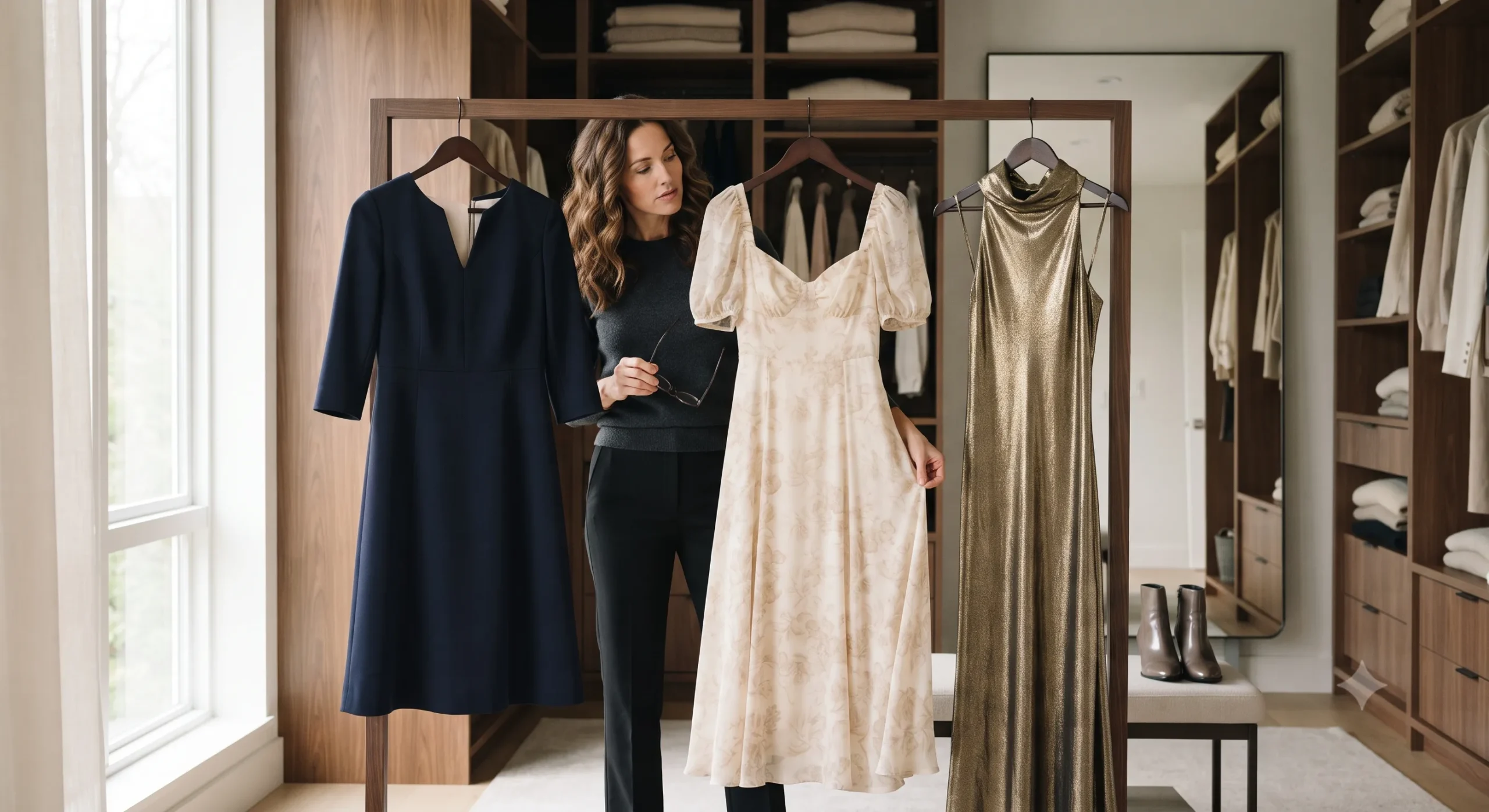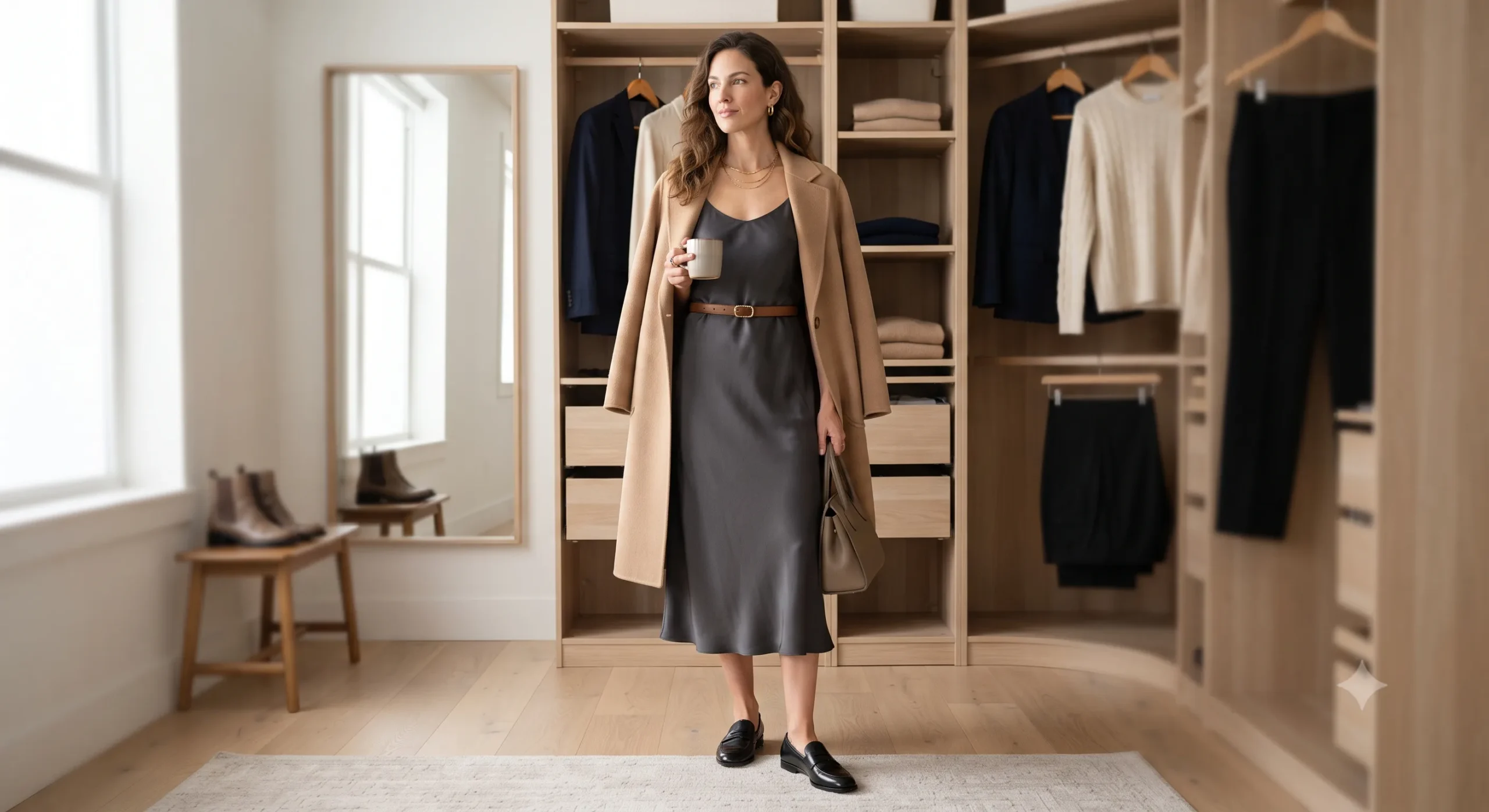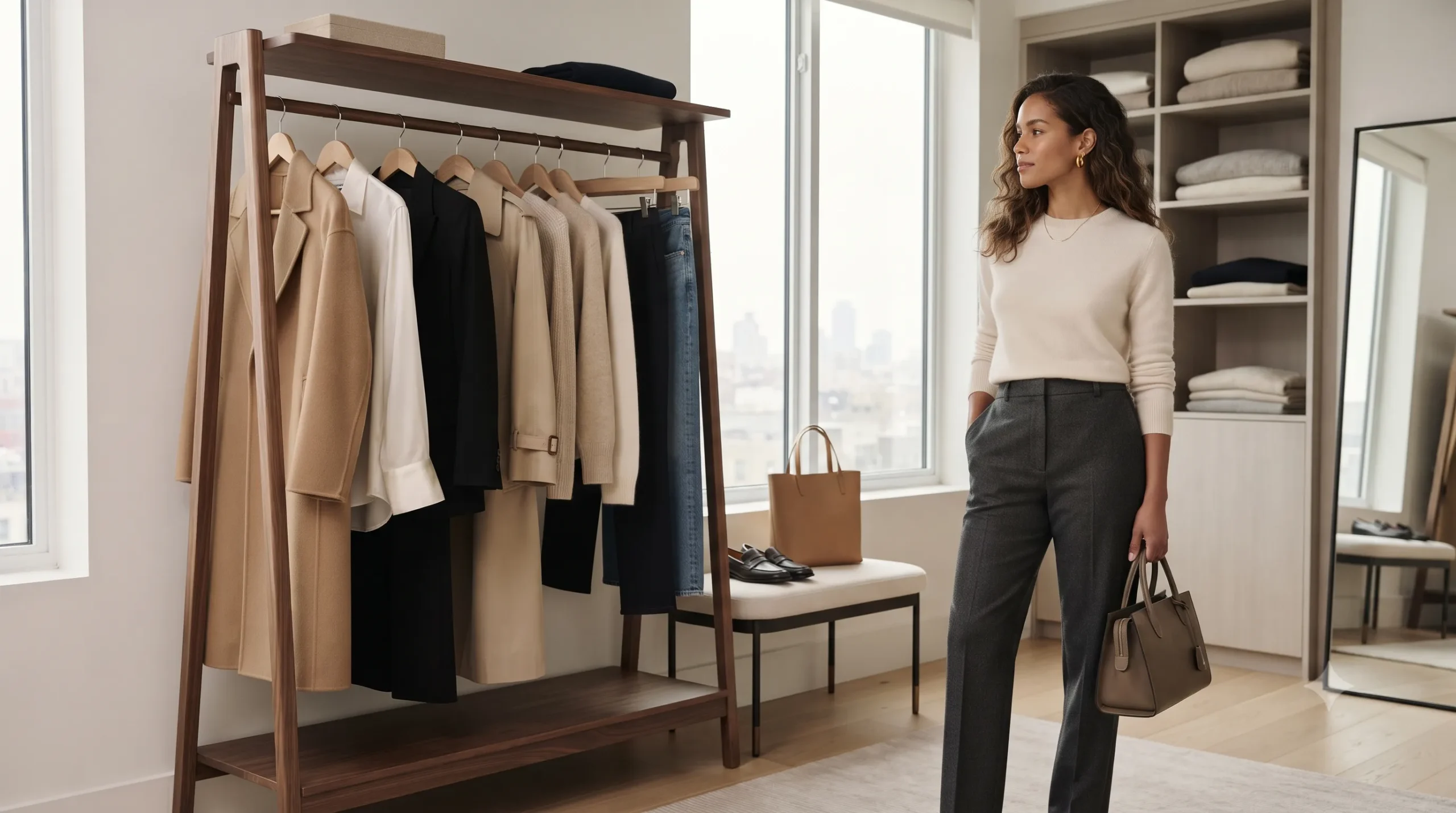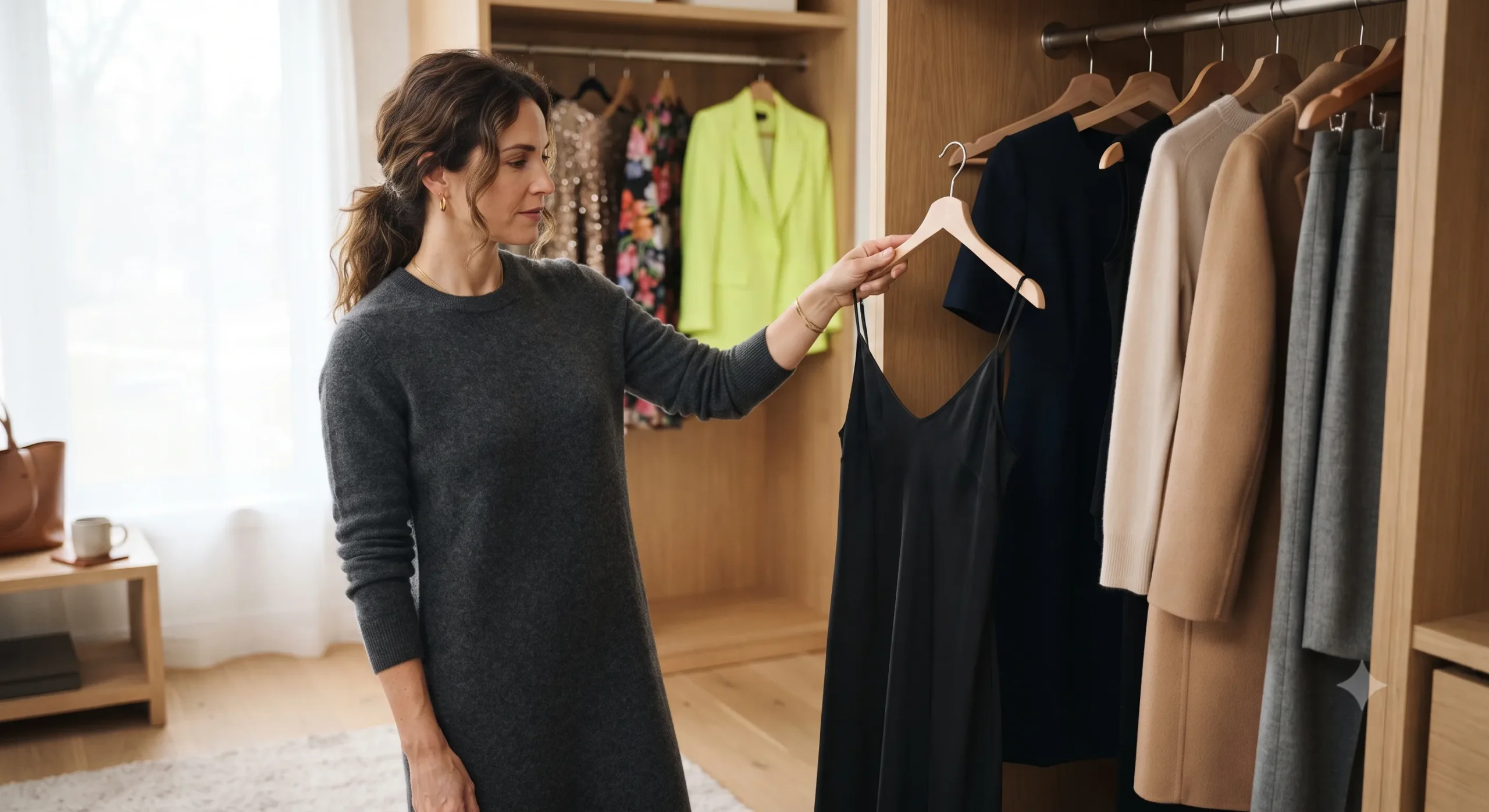
There is a specific kind of frustration that occurs in front of a full wardrobe on a Tuesday morning. You are standing there, surrounded by garments that were once exciting—pieces with bold prints, heavy embellishments, or perhaps a highly specific silhouette that felt “very now” when you bought them. Yet, as you scan the hangers, none of them seem to answer the question of the day. You have a mid-morning meeting, a casual lunch with a friend, and perhaps a late afternoon errand. You need to look composed, but not overdone; professional, but not rigid.
In these moments, the “loud” dresses—the ones designed to make a singular, dramatic statement—often fail us. They are too difficult to layer, too specific to a single season, or too emotionally heavy to wear for a mundane Tuesday. Instead, we find ourselves reaching for the quiet ones. These are the dresses that lack obvious logos, intense patterns, or fleeting trends. They sit in the wardrobe with a certain humility, waiting for a moment when they can be useful rather than just performative.
The realization that the most functional pieces in a woman’s closet are often the most understated is a turning point in how one approaches personal style. It marks the shift from dressing for the immediate gaze to dressing for long-term life.
The Anatomy of a Quiet Dress
When we speak of “quiet” dresses, we are not referring to a lack of design. On the contrary, a quiet dress often requires more rigorous design than a loud one. A dress with a large, colorful floral print can mask a mediocre cut or a less-than-ideal fabric. However, a minimalist midi dress in a solid neutral tone offers nowhere to hide. Every seam, every hem, and every proportion must be intentional.
The utility of a quiet dress is found in three specific areas: silhouette, color palette, and versatility of occasion.
Silhouette and Structure
A quiet dress typically relies on a silhouette that respects the natural lines of the body without dictating them. Think of a wrap dress with a soft drape, a tailored sheath that skims the waist, or an A-line silhouette that moves gracefully with the wearer. These shapes are “quiet” because they do not demand attention through volume or architectural extremity. Because the shape is grounded, it becomes a canvas for how you style it.
The Power of a Subdued Palette
Color plays a massive role in a garment’s “volume.” A neon pink dress is loud; it announces its presence before you even enter the room. A navy, forest green, charcoal, or cream dress is quiet. These tones function as neutrals in a wardrobe, meaning they can be paired with almost any other color or texture. A quiet color palette allows the wearer to dictate the mood of the outfit through accessories—a gold necklace can make a cream dress feel formal, while a denim jacket makes it feel weekend-ready.
Semantic Versatility
In fashion theory, versatility refers to the ability of a garment to transition between different social contexts. A quiet dress possesses high semantic versatility. It can “read” as professional in an office setting, romantic at a dinner date, or relaxed during a weekend trip, depending entirely on the accompanying pieces.
The Economic Logic of Understatement
There is a practical, almost mathematical reason to favor quieter pieces: the concept of cost-per-wear. When we purchase a highly trend-driven garment, we are often making a transaction based on a temporary emotional high. We buy the “it” dress of the season, wear it three times, and then find it difficult to integrate into our existing wardrobe because it doesn’t “match” anything else we own.
In contrast, a quiet, well-constructed dress is an investment in wardrobe longevity.
| Feature | The “Loud” Trend Dress | The Quiet Essential Dress |
|---|---|---|
| Visual Impact | High, immediate, singular | Low to moderate, adaptable |
| Styling Options | Limited (requires specific pairings) | Extensive (works with many layers/shoes) |
| Trend Longevity | Low (often feels dated within a year) | High (transcends seasonal shifts) |
| Occasion Range | Specific (e.g., “The Party Dress”) | Broad (e.g., “The Multi-Purpose Dress”) |
| Wardrobe Integration | Often stands alone | Acts as a foundation piece |
When you calculate the cost of a dress divided by the number of times it is actually worn, the quiet dress almost always wins. A $$200$ dress worn fifty times over three years costs $$4$ per wear. A $$100$ trend dress worn twice before being relegated to the back of the closet costs $$50$ per wear. Quiet luxury, in this sense, is not about the price tag, but about the intelligence of the purchase.
Scenario: From Morning Coffee to Evening Engagement
To understand why quietness translates to utility, let us look at how a single, understated dress can navigate a complex day. Imagine a mid-weight, navy blue midi dress with a modest neckline and subtle sleeve detail.
Scenario A: The Professional Morning
You pair the dress with a structured blazer, leather loafers, and a neat tote bag. The dress provides a polished foundation that feels authoritative but not stiff. The lack of pattern ensures that the focus remains on your presence and your work, rather than your clothing.
Scenario B: The Casual Afternoon
As the workday ends, you shed the blazer. You swap the loafers for clean white sneakers and add a lightweight knit sweater over the dress, effectively turning the skirt into a separate piece. The navy hue remains elegant, but the texture of the knit softens the look for a coffee date or a stroll through a gallery.
Scenario C: The Evening Event
For a dinner engagement, the dress undergoes its final transformation. You add a pair of delicate heels, a statement earring, and perhaps a slim belt to define the waist. Because the dress was “quiet” to begin with, it is capable of absorbing these more formal elements without looking like you are wearing a costume.
This fluidity is what makes a thoughtful wardrobe so powerful. You are not owning more clothes; you are owning more possibilities.
Common Mistakes in Seeking “Simplicity”
Often, when women attempt to build a wardrobe of quiet, useful pieces, they fall into a few common traps that actually diminish the value of their clothing.
1. Confusing “Quiet” with “Boring”
There is a misconception that understated style means a lack of personality. This is false. A quiet dress should have “points of interest” that are felt rather than seen—the way a fabric drapes, the precision of a seam, or the subtle texture of a weave. If a garment is truly boring, it won’t provide the tactile satisfaction that makes a wardrobe enjoyable to wear.
2. Neglecting Fit and Proportion
Because quiet dresses lack loud patterns to distract the eye, the fit becomes the most important element. A simple black dress that fits poorly looks sloppy; a simple black dress that is perfectly tailored looks like a masterpiece. When investing in understated pieces, the budget often needs to include a visit to a tailor.
3. Overlooking Fabric Behavior
A dress might look quiet on a hanger, but how does it behave when you sit down? Does it wrinkle instantly? Does the fabric feel thin and disposable? In a minimalist wardrobe, the quality of the material is the primary “decoration.” Choosing fabrics that hold their shape and maintain a clean silhouette is essential for long-term utility.
Building a Foundation: A Decision Framework
If you are looking to transition away from trend-chasing and toward a more intentional, quiet wardrobe, use the following criteria when evaluating a new piece. Before purchasing, ask yourself these four questions:
- The Rule of Three: Can I immediately think of three different ways to style this dress using items I already own? (e.g., with a cardigan, with a blazer, with a denim jacket).
- The Occasion Test: Does this dress work for at least two distinct types of events in my life? (e.g., a wedding guest outfit and a Sunday brunch outfit).
- The Seasonal Bridge: Can this piece be layered for colder months, or is it strictly tied to a single temperature range?
- The Emotional Longevity Check: Am I drawn to this because of a current trend, or am I drawn to the way the silhouette and color make me feel when I see it?
By applying these filters, you move from reactive shopping to proactive wardrobe building. You stop collecting “outfits” and start collecting “components.”
The Psychological Comfort of Understated Dressing
There is an emotional dimension to quiet clothing that is rarely discussed in fashion journalism. For many women, the process of getting dressed can be a source of decision fatigue or even anxiety. The pressure to “look the part” or to keep up with the visual noise of social media can make dressing feel like a performance.
Quiet dresses offer a reprieve from this performance. There is a profound sense of ease that comes from wearing a piece that feels reliable. When you know your dress is composed, well-fitted, and versatile, you free up mental bandwidth. You aren’t constantly adjusting a strap, worrying if a print is too loud for the room, or wondering if your outfit will still feel relevant in six months.
This is the essence of practical elegance. It is the confidence that comes from knowing you are prepared for whatever the day holds, without having to shout to be heard. It allows the woman to be the protagonist of her own life, with her clothing serving as a graceful, supporting character.
Aunomay approaches this idea through a modern romantic lens: creating pieces that feel feminine and polished, yet remain deeply wearable beyond a single season. It is about providing the building blocks for a wardrobe that feels both personal and permanent.
Final Thoughts
The most useful dresses are rarely the ones that capture the most attention in a window display. They are the ones that capture your trust. They are the pieces that sit quietly in your closet, ready to be pulled out for a sudden meeting, a planned celebration, or a simple, beautiful afternoon.
By embracing the power of restraint, you aren’t limiting your style; you are expanding your capability. You are choosing a way of dressing that honors both your time and your taste—a way that prioritizes the lived experience of the woman over the fleeting whims of the industry. In the end, the quietest pieces often speak the loudest about who you truly are.