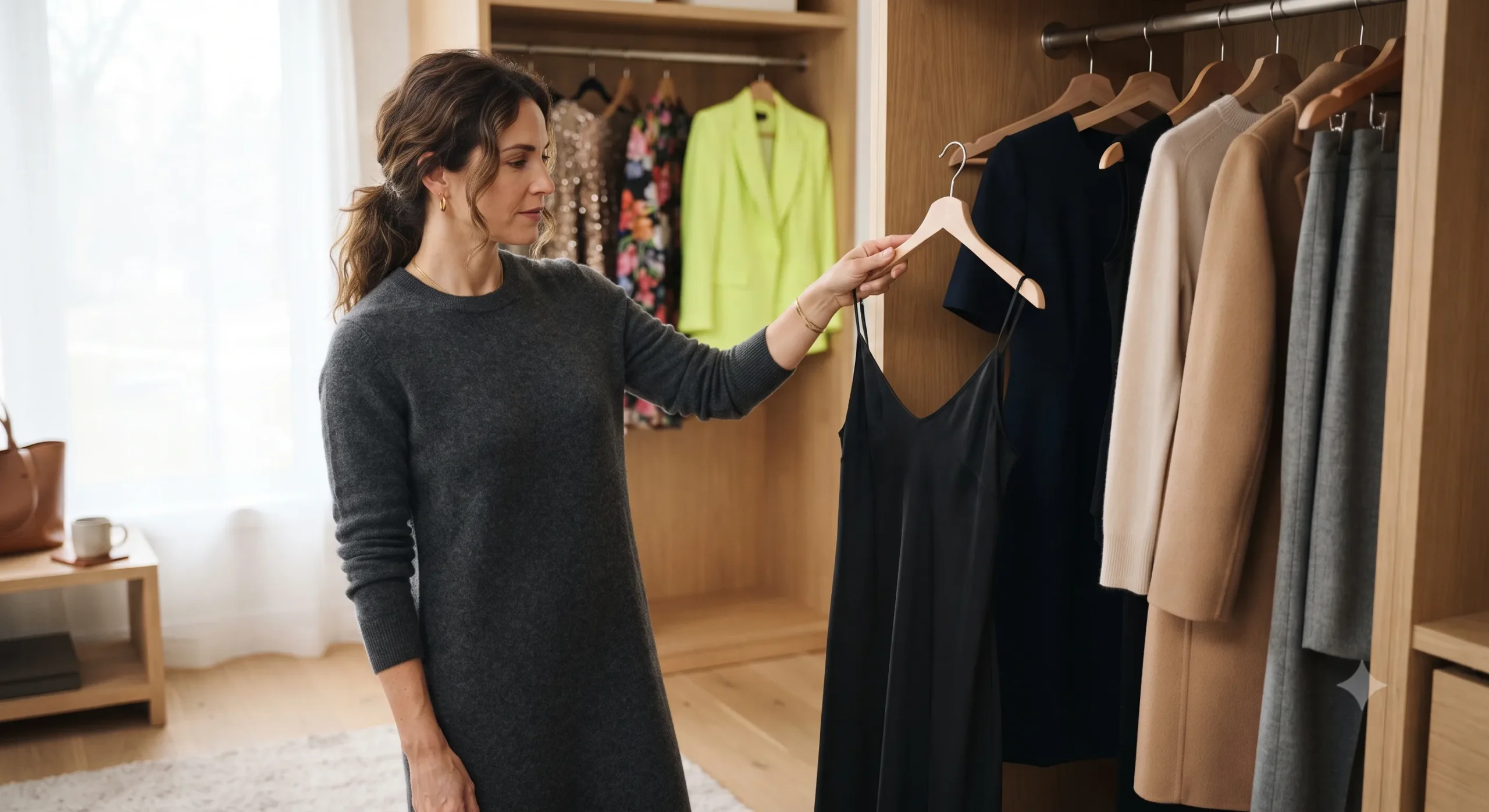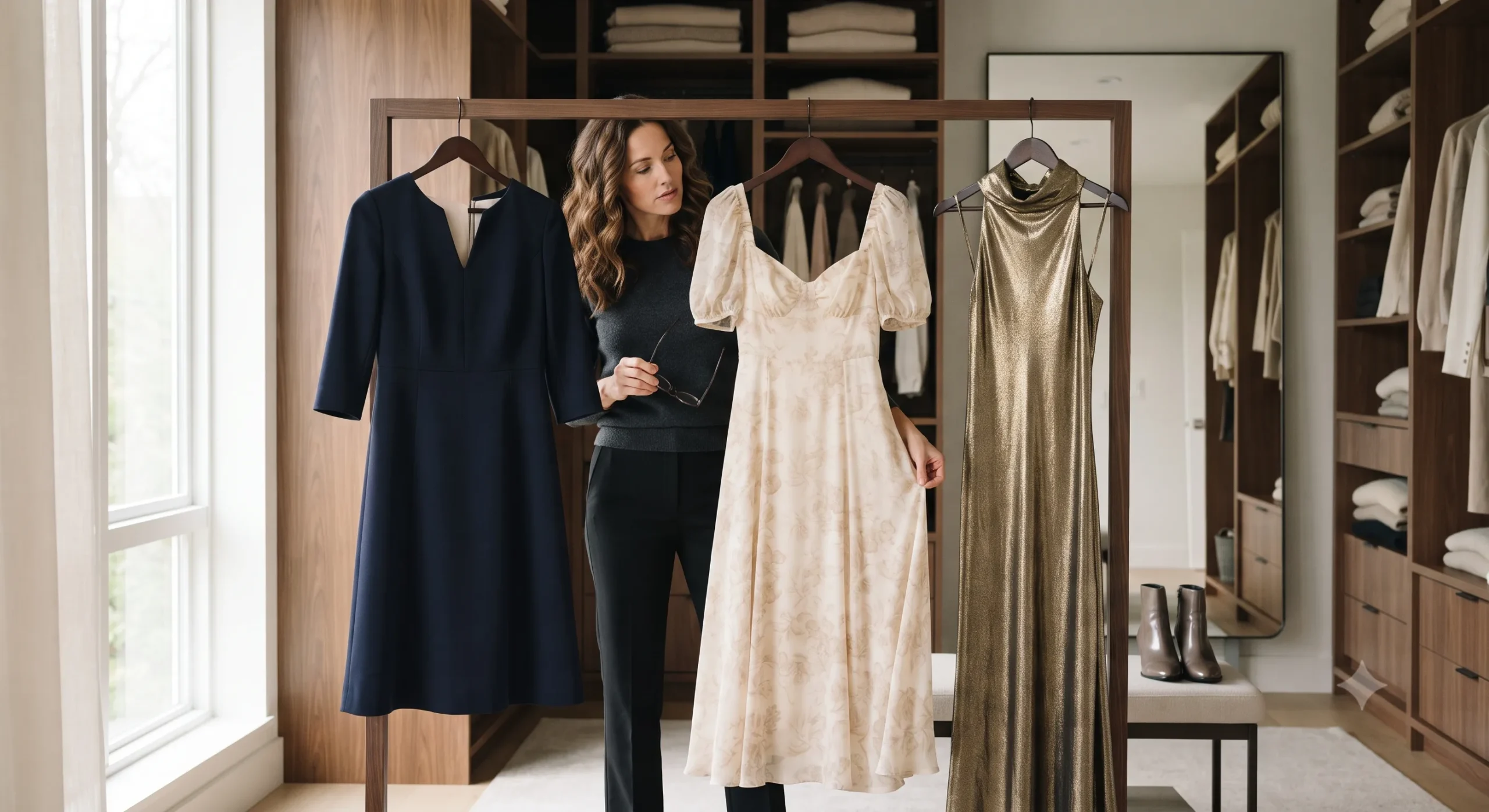
We have all experienced that specific, quiet frustration of standing before a full closet, holding a dress that looked impeccable on the hanger, only to find that once it is on, it feels entirely “off.” It isn’t that the dress is poorly made or the wrong size; rather, the visual energy of the garment feels disconnected from the intention of the day. A dress that felt romantic in the boutique might suddenly feel overly precious at a professional lunch, or a piece intended for a relaxed weekend might feel too formal and restrictive once you move in it.
This misalignment usually happens because we often shop for the idea of a dress—the color, the print, or the trend—rather than the architecture of the garment itself. In reality, the “mood” of a dress is a mathematical result of its design elements. The angle of a neckline, the point where a hemline falls, and the way a fabric responds to gravity are the silent directors of how a dress communicates. By understanding these three pillars, you can move away from impulsive purchasing and toward a more considered wardrobe where every piece serves a specific purpose.
The Architecture of the Neckline: Setting the Tone
The neckline is the most immediate point of contact between a garment and the wearer’s face. It frames the eyes, defines the collarbones, and dictates the level of formality and perceived “openness” of an outfit. Even a slight shift in the cut of a neckline can transition a dress from casual to ceremonial.
The Formal and Structured: High Necks and Collars
High necklines, such as turtlenecks, mock necks, or high crew necks, convey a sense of composure and intellectualism. They create a continuous line of fabric that draws focus upward toward the face, often feeling more “closed” and protected. In a professional setting, a high-neck midi dress can signal authority and refined restraint. However, the trade-off is a reduction in visual lightness; high necks can sometimes feel heavy if the fabric is too thick or the color too dark.
The Romantic and Soft: V-Necks and Sweetheart Cuts
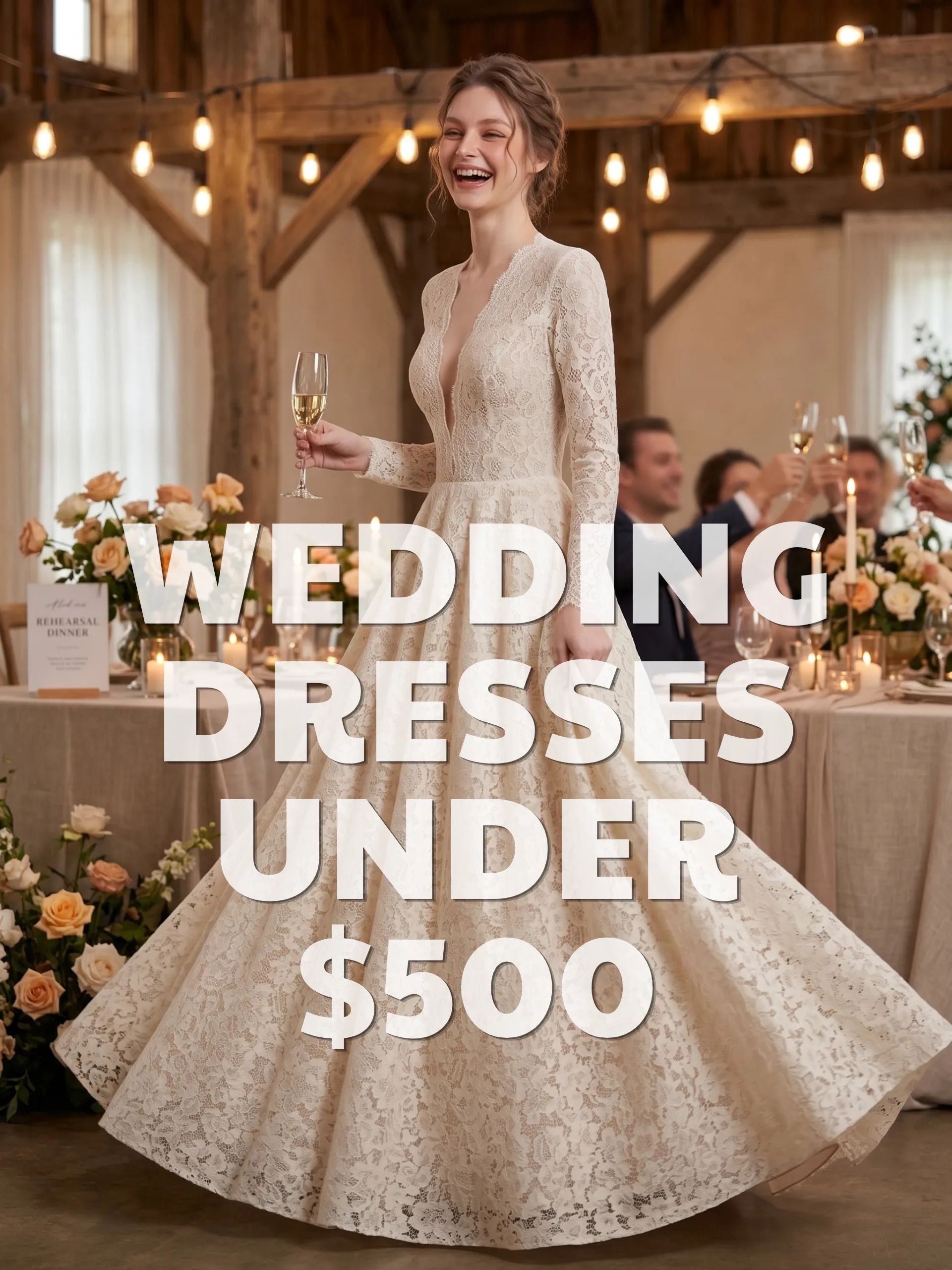
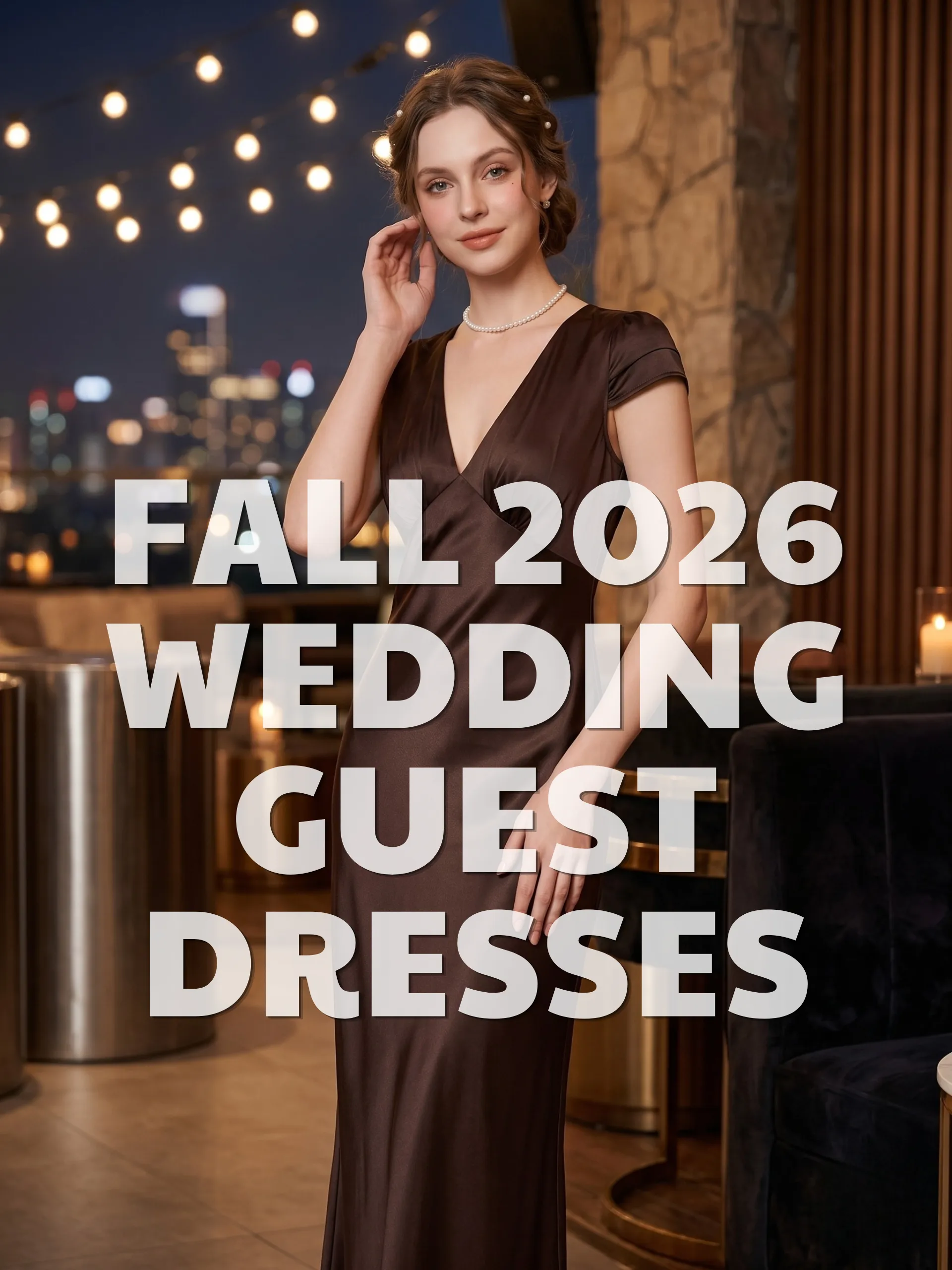
V-necklines are perhaps the most versatile tool in a woman’s wardrobe. A shallow V-neck provides a sense of ease and accessibility, making it ideal for daytime wear or smart-casual settings. A deeper, sharper V-neck, however, introduces a sense of drama and allure, often leaning into evening wear. Sweetheart necklines, which mimic the curve of the bust, lean heavily into a romantic, feminine aesthetic. They are beautiful for occasions but can sometimes feel “costumey” if the rest of the dress lacks modern, structured elements to balance the softness.
The Modern and Architectural: Square and Boat Necks
Square necklines offer a contemporary, almost sculptural feel. They provide a geometric contrast to the organic curves of the body, making them excellent for those seeking a “quiet luxury” aesthetic. Similarly, the boat neck (or bateau) follows the line of the collarbone horizontally, creating an elegant, wide silhouette that feels classic and poised. These necklines are particularly effective for occasion dressing, providing a sophisticated alternative to more conventional cuts.
The Geometry of Length: Managing Proportion and Occasion
If the neckline dictates the mood of the face, the length of a dress dictates the mood of the silhouette. Length is a primary driver of how much “space” a dress occupies and how much formality it commands.
| Dress Length | Primary Mood | Best Use Case | Styling Consideration |
|---|---|---|---|
| Mini | Playful, energetic, youthful | Social gatherings, summer days | Balance with more modest necklines to maintain elegance. |
| Midi | Polished, versatile, sophisticated | Work, luncheons, transitional seasons | Works best with defined waists to avoid looking shapeless. |
| Maxi | Relaxed, bohemian, or formal | Weekend escapes, summer evenings, formal events | Consider fabric weight; heavy fabrics can look overwhelming in long lengths. |
| Tea Length | Classic, vintage-inspired, feminine | Weddings, afternoon tea, formal garden parties | Often requires a structured shoe to avoid looking too “costume.” |
The Versatility of the Midi
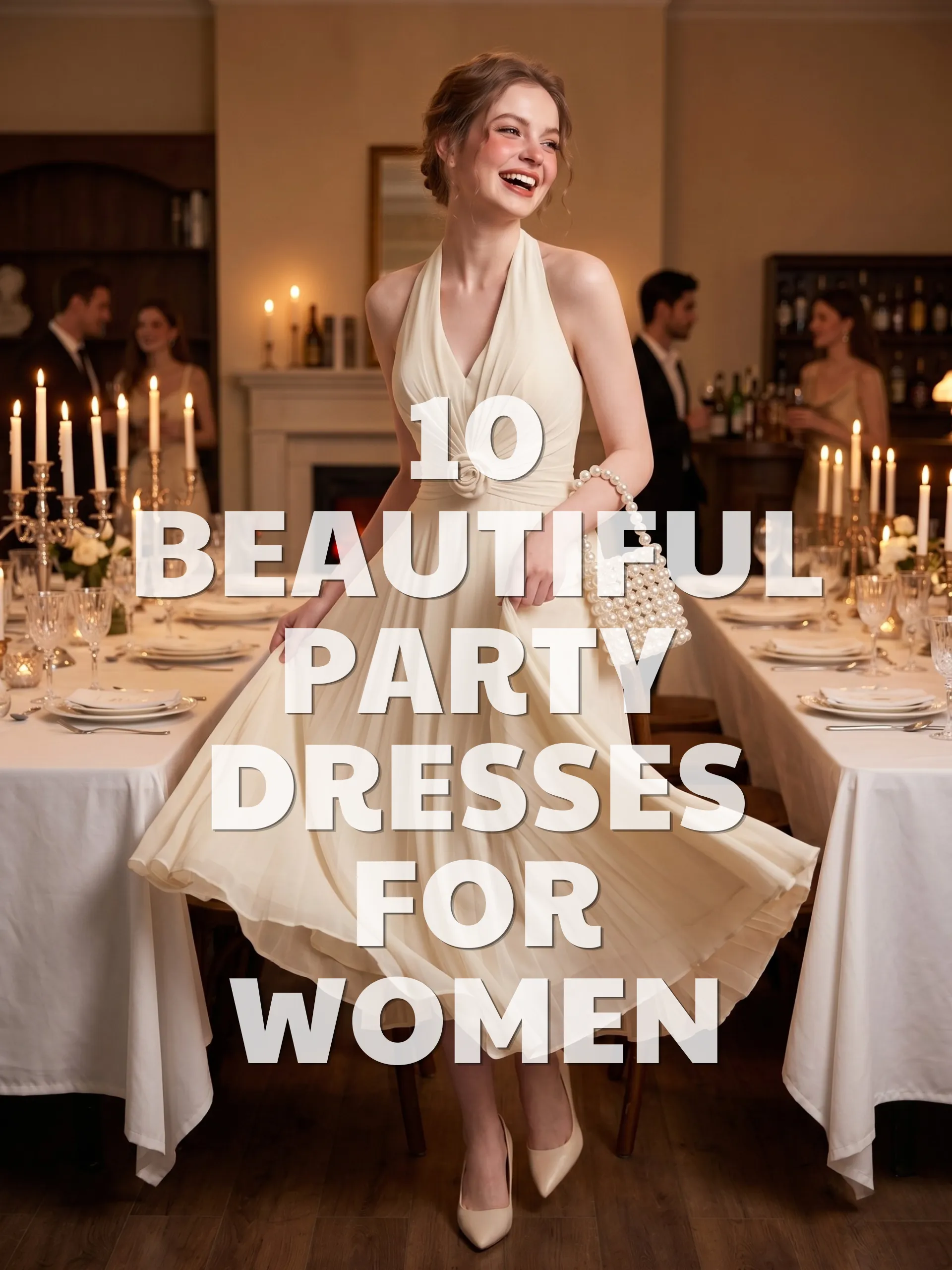
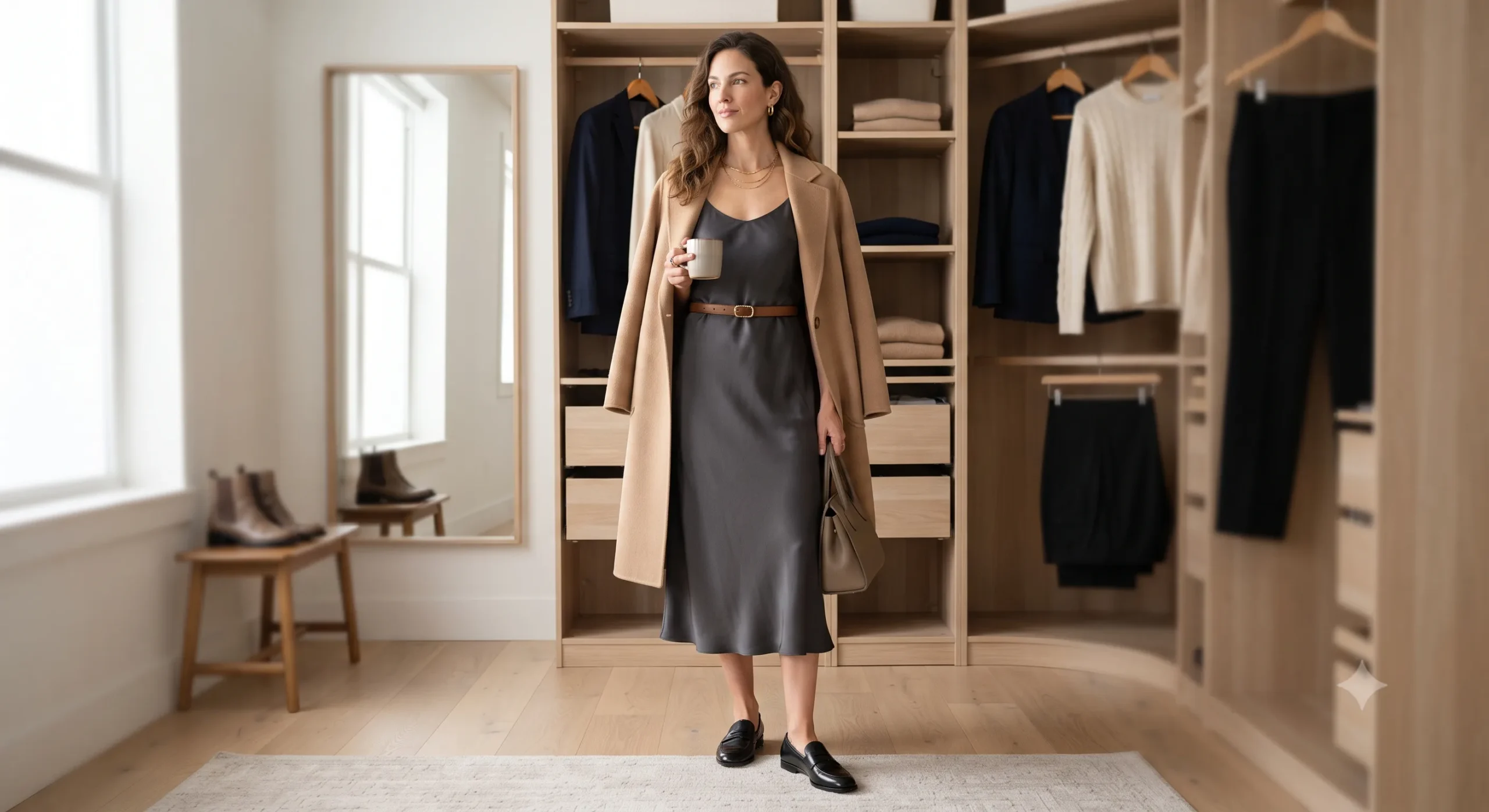
The midi length—falling anywhere from just below the knee to the mid-calf—is arguably the most valuable length for a thoughtful wardrobe. It sits in the “Goldilocks zone” of fashion: it is long enough to feel dignified for a meeting or a wedding, yet short enough to feel mobile and modern for a daily errand. The key to making the midi work is proportion. Because it cuts the leg at a mid-point, it can sometimes visually shorten the frame. Pairing a midi dress with a shoe that exposes the instep can help maintain a sense of length and fluidity.
The Statement of the Maxi
Maxi dresses offer a sense of effortless ease, but they carry a risk of appearing unstructured. A maxi dress in a lightweight, flowing fabric is the epitome of relaxed femininity. Conversely, a maxi in a heavier, more structured fabric becomes a piece of evening grandeur. When choosing a maxi, consider the “weight” of the look; a heavy fabric maxi can feel cumbersome for daytime, while a very thin, jersey maxi may lack the polish required for a more significant event.
Fabric and Drape: The Sensory Component of Style
Fabric is the most tactile element of a dress, and it is where the concept of “cost-per-wear” often becomes most apparent. A dress might have a perfect silhouette, but if the fabric feels cheap or behaves poorly, it will rarely be chosen. Fabric dictates how a dress moves, how it holds its shape, and how it reacts to the environment.
Structure vs. Fluidity
The distinction between structured and fluid fabrics is the difference between a dress that shapes the body and a dress that follows the body.
- Structured Fabrics: Materials like heavy crepe, wool blends, or structured cotton poplin hold their own shape. These are excellent for creating professional silhouettes or architectural, modern looks. They provide a sense of “armor,” which can be empowering in work environments. However, they can feel restrictive if the fit is not precise.
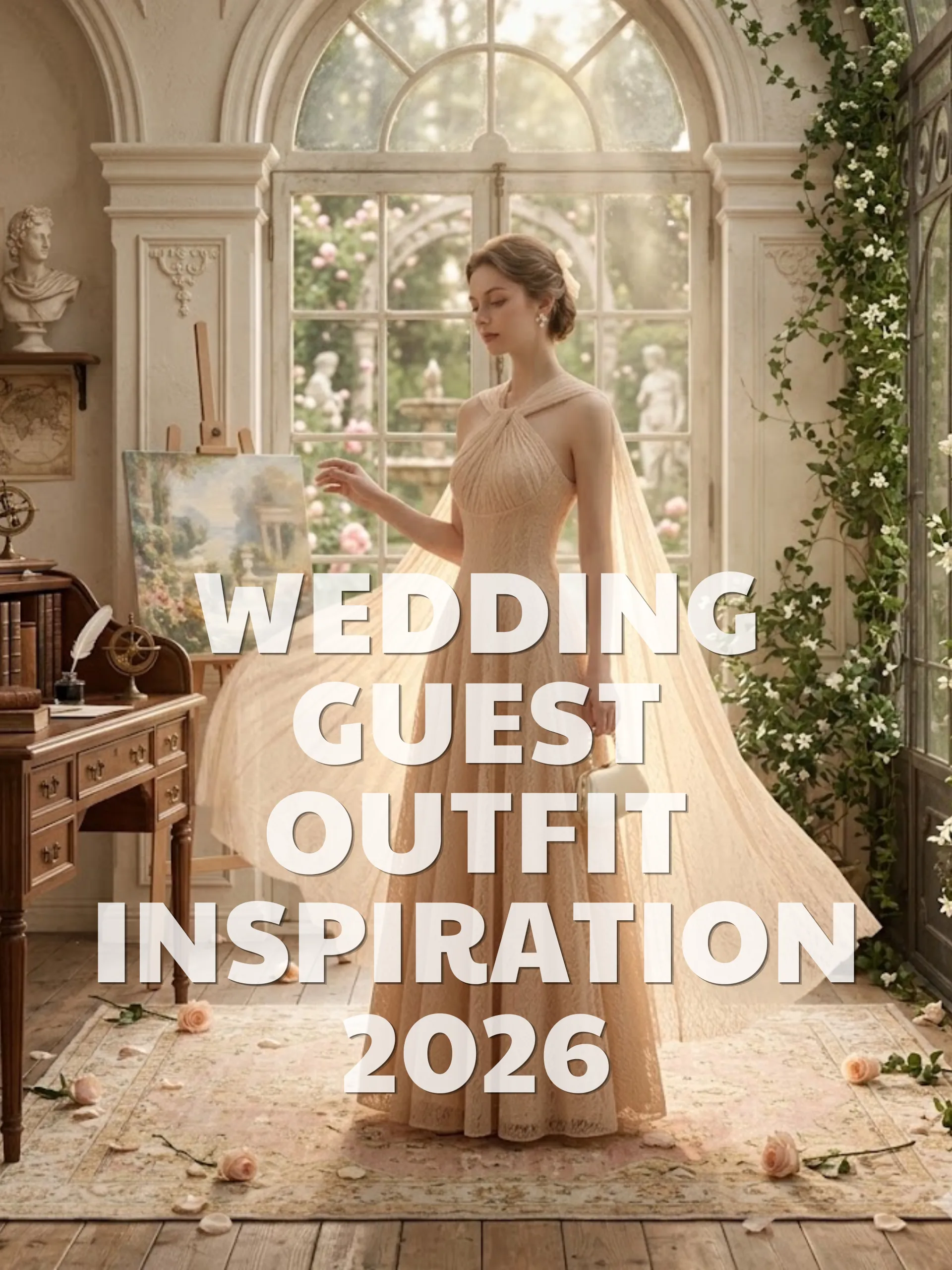
- Fluid Fabrics: Materials such as satin, lightweight linen, or fine knits drape against the body, moving with the wearer. These fabrics evoke a sense of romance and ease. They are wonderful for occasion dressing and warm weather, but they require more care in terms of undergarments and pressing, as they tend to show every line and wrinkle.
The Role of Texture
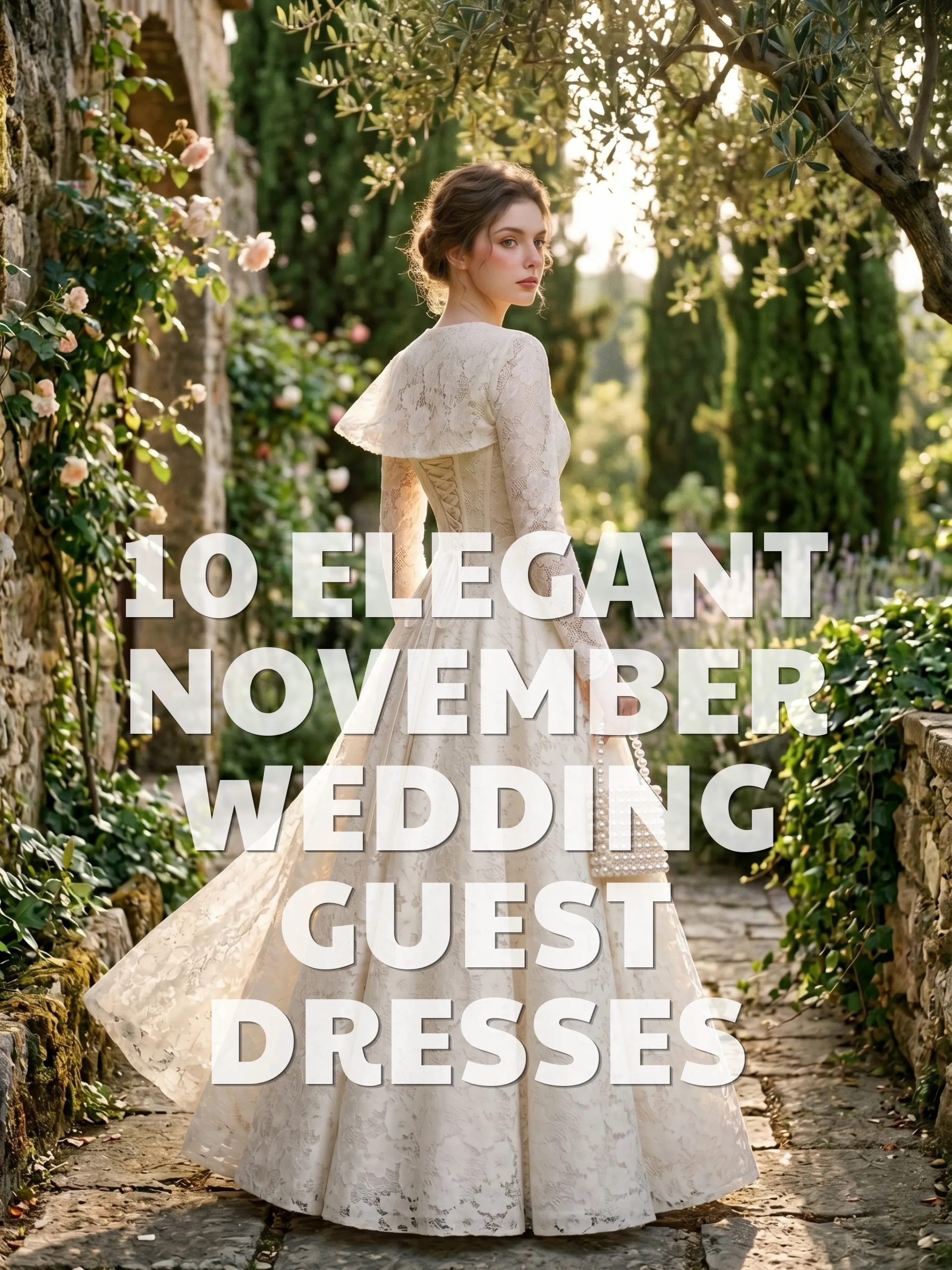
Texture adds a third dimension to the mood. A smooth, matte fabric feels calm and understated, fitting the principles of quiet luxury. A textured fabric, such as a subtle jacquard or a ribbed knit, adds visual interest and a sense of “depth” without needing loud patterns or colors. Texture can also influence the perceived formality; a linen dress with a visible weave feels grounded and organic, while a high-sheen fabric feels elevated and ceremonial.
Decision Framework: How to Choose Based on Intent
To avoid the “closet full of nothing to wear” dilemma, it is helpful to approach a new purchase through a lens of specific intention. Instead of asking “Do I like this dress?”, ask “What kind of day does this dress belong to?”
The “Real Life” Test
Before committing to a piece, run it through this mental checklist:
- The Movement Test: If this is a midi dress in a structured fabric, can I sit comfortably in a car or at a desk for two hours?
- The Versatility Test: If I change the shoes and the jacket, can this dress move from a daytime meeting to a dinner engagement?
- The Seasonal Test: Is this fabric so specialized (e.g., a heavy velvet or a very sheer chiffon) that it will sit idle for six months of the year?
A dress that works for more than one kind of day is a dress that earns its place in a thoughtful wardrobe.
Avoiding Common Mistakes in Proportion
One of the most frequent errors in dressing is a lack of balance between these three elements. For example:
- The “Heavy” Error: Pairing a high, modest neckline with a very long, heavy maxi skirt can sometimes create a silhouette that feels overwhelming or “weighted down.”
- The “Disjointed” Error: A very formal, structured fabric (like a heavy brocade) in a very casual silhouette (like a mini sundress) can feel visually confusing—neither truly casual nor truly formal.
- The “Unbalanced” Error: A very loose, oversized fabric in a very short length can sometimes lose the sense of “intentionality,” looking more like an afterthought than a chosen style.
Summary of Mood Shifts
To simplify the relationship between these elements, consider these quick references for how small changes alter the visual narrative:
- To increase formality: Opt for longer lengths (midi/maxi), structured fabrics, and more defined necklines (square/boat).
- To increase ease/casualness: Opt for shorter or mid-length hems, fluid/breathable fabrics (linen/cotton), and softer necklines (V-neck/scoop).
- To increase romanticism: Opt for soft drapes, sweetheart or feminine necklines, and textured or lighter-weight fabrics.
- To increase professional authority: Opt for high necklines, midi lengths, and structured, matte fabrics.
Ultimately, dressing with intention is about recognizing that a dress is not just a single item, but a combination of design decisions. When you learn to read the language of necklines, lengths, and fabrics, you stop shopping for trends and start building a personal archive of pieces that feel exactly as they should, every time you put them on.