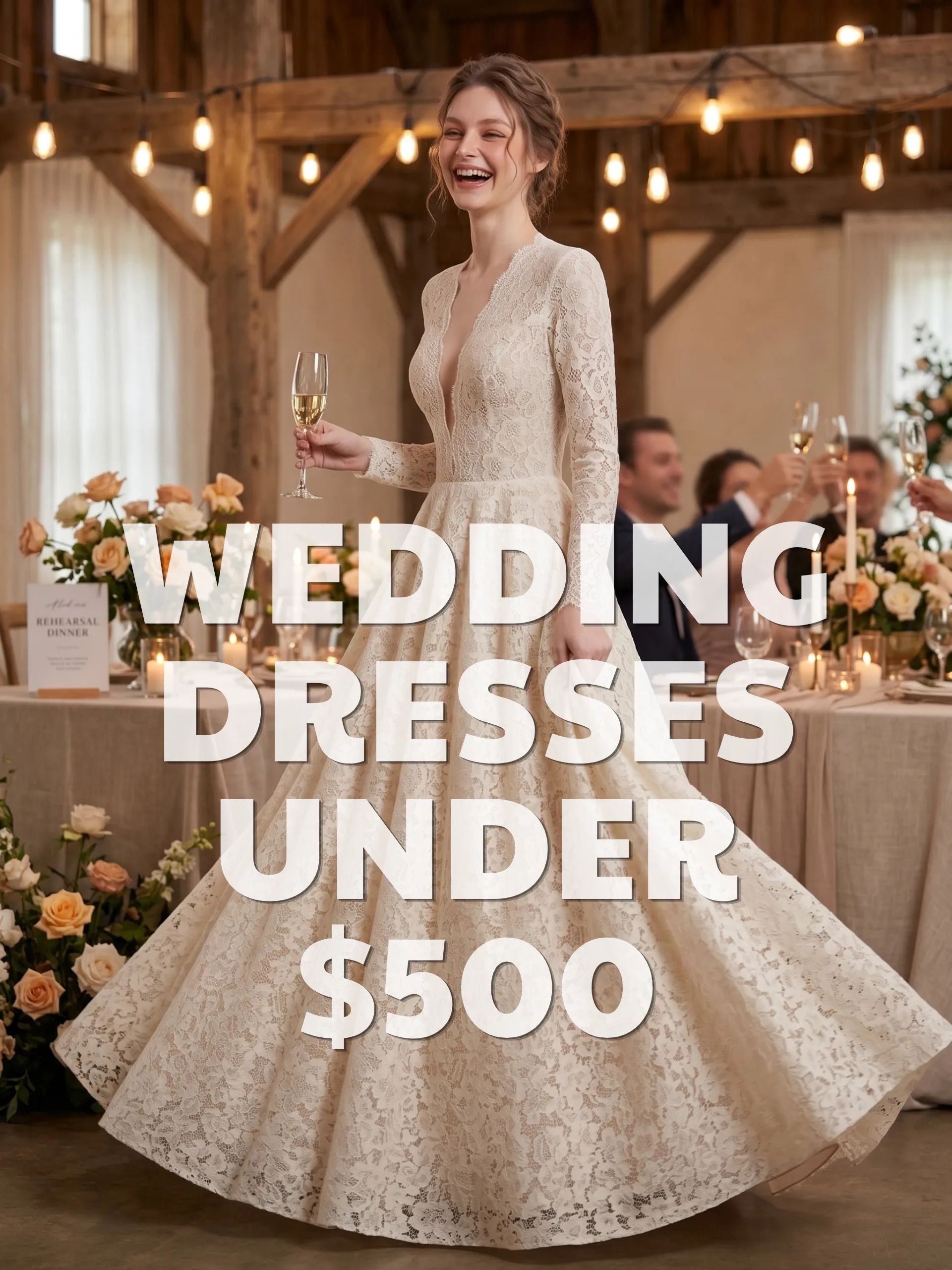
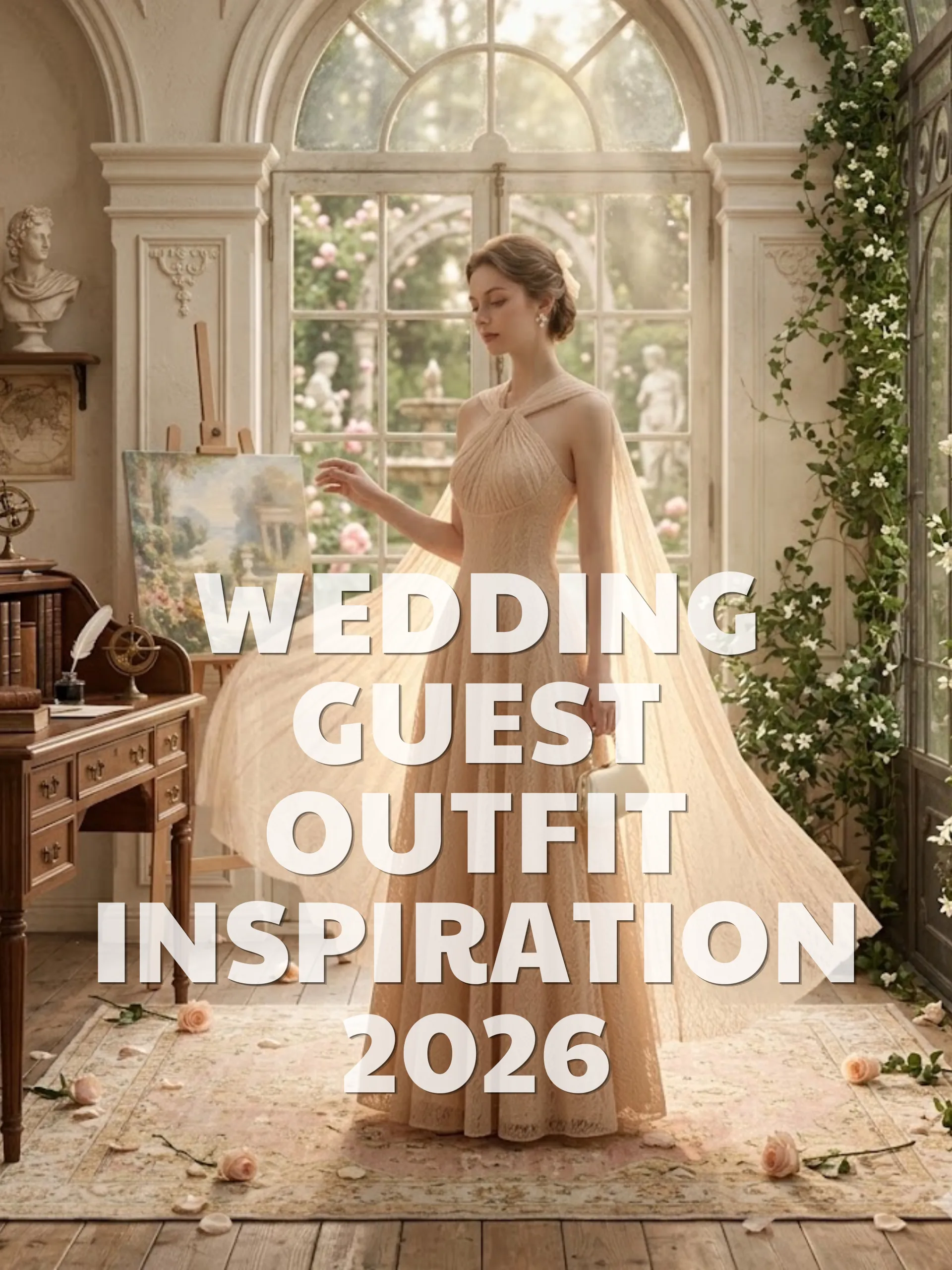
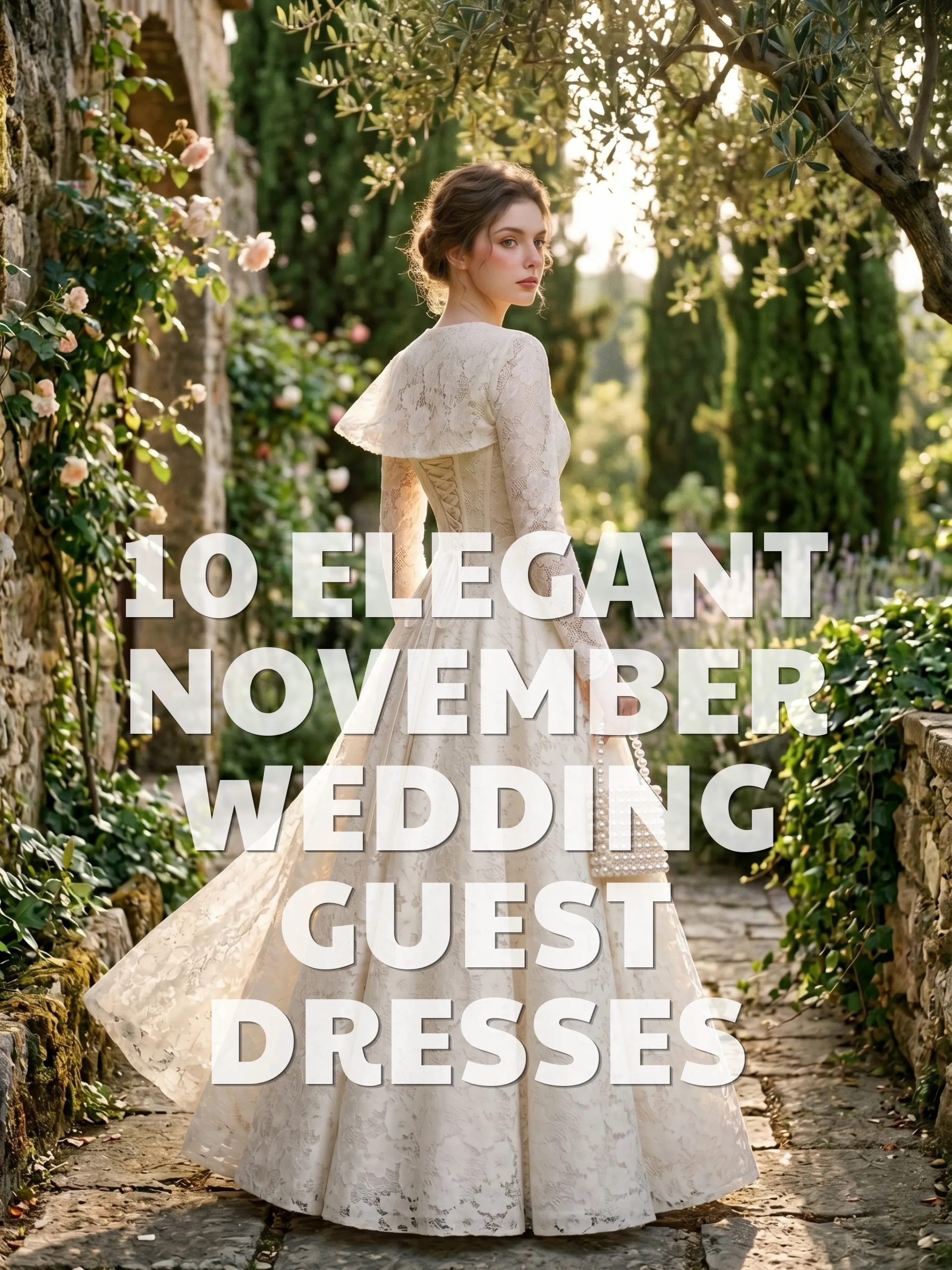
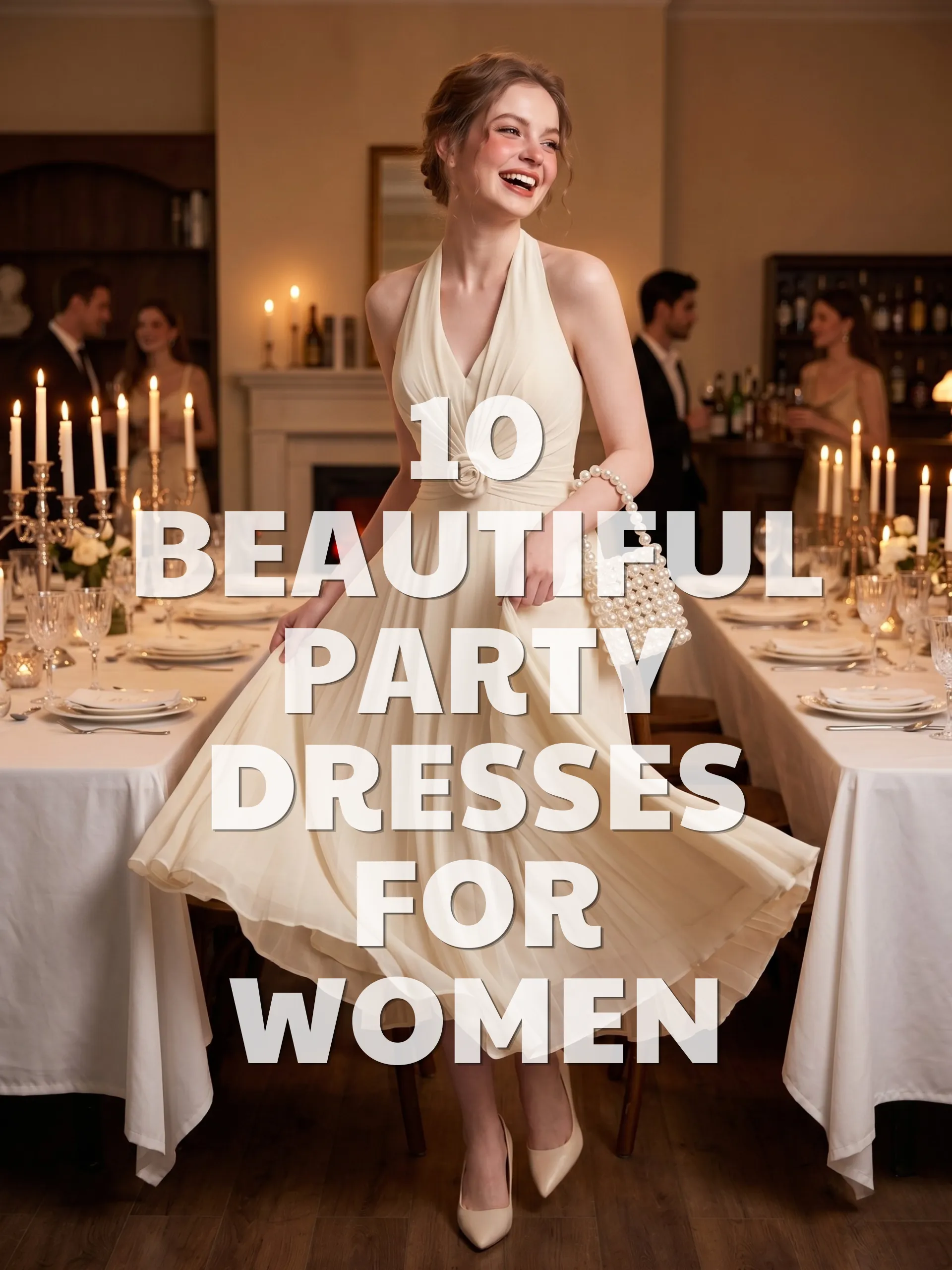
There is a specific, quiet tension that arises when a garden party invitation lands in your inbox. Unlike a formal evening wedding or a strict office setting, a garden party exists in a middle ground. It demands a certain level of polish—after all, these are celebrations of connection and beauty—yet the setting itself is inherently relaxed. You are navigating grass, perhaps uneven stone paths, shifting sunlight, and the unpredictable warmth of an outdoor afternoon.
Many women find themselves facing a common wardrobe dilemma: the fear of being overdressed in something too stiff and formal, or feeling underdressed in something too casual. A dress that looks magnificent in a fitting room mirror can suddenly feel out of place when you are standing in a sun-drenched lawn, struggling with the height of a stiletto or the restrictive nature of a heavy fabric.
The secret to mastering garden party dressing lies in the balance between elegance and ease. It is about choosing pieces that feel intentional and refined, but allow you to move, sit, and breathe with a sense of natural grace.
The Core Philosophy of Garden Party Dressing
When we speak of elegance in an outdoor setting, we are not referring to the rigid opulence of a ballroom. Instead, we are looking for what might be called “polished softness.” This approach prioritizes silhouette, fabric behavior, and thoughtful details over loud patterns or excessive ornamentation.
To achieve this balance, consider these three pillars of decision-making:
- Tactile Comfort: Because outdoor events often involve heat or sudden breezes, the way a fabric feels against the skin and how it breathes is paramount. A dress that makes you feel physically uncomfortable will inevitably affect your poise.
- Functional Grace: Elegance should never come at the expense of mobility. A garden party dress should allow you to walk on grass, sit in garden chairs, and engage in conversation without constant adjustment.
- Visual Restraint: The natural beauty of a garden is often quite busy—blooming flowers, dappled light, and lush greenery. Your attire should complement this setting through sophisticated color palettes and harmonious proportions, rather than competing with it.
Navigating Silhouettes and Proportions
The silhouette of your dress dictates how “easy” or “elegant” the outfit feels. Choosing the right shape is the most effective way to communicate your style intent without saying a word.
The Flowing Midi: The Gold Standard
The midi length—hitting anywhere from just below the knee to the mid-calf—is perhaps the most versatile choice for garden occasions. It offers a sense of modesty and classicism that feels inherently elegant, yet the movement of a flowing skirt provides that necessary sense of ease. A midi dress in a soft, structured fabric creates a silhouette that feels grounded and intentional.
The A-Line: Balancing Structure and Softness
An A-line silhouette is a perennial favorite because it celebrates the feminine form without being restrictive. By cinching slightly at the waist and skimming over the hips, it provides a sense of “soft structure.” This is particularly useful if you want to feel polished but want to avoid the stiffness of a more tailored sheath dress.
The Column Dress: For a Modern Edge
For those who prefer a more contemporary aesthetic, a slightly more relaxed column silhouette can work beautifully. However, the key here is fabric choice. To avoid looking too formal or “stiff,” look for column dresses in materials with a slight drape. This ensures the dress moves with you as you walk, preventing the look from feeling overly architectural or severe for a relaxed outdoor setting.
What to Avoid: The “Tension” Silhouettes
Certain silhouettes can create a sense of friction in a garden setting. Extremely tight bodycon styles can feel out of place among the organic lines of nature, while excessively voluminous ball skirts may prove difficult to navigate through narrow garden paths or seating areas. The goal is to find a silhouette that exists in harmony with your environment.
Fabric and Texture: The Silent Communicators of Quality
In the absence of loud logos or heavy embellishments, fabric becomes the primary way a garment communicates value and taste. For a garden party, the choice of textile is the difference between a dress that looks expensive and one that looks “costume-y.”
Breathability and Weight
Natural fibers are your greatest allies. They possess an inherent ability to regulate temperature, which is essential when the sun is high. Look for textures that offer visual interest through their weave rather than through printed patterns alone. A high-quality linen blend, a lightweight cotton poplin, or a fine crepe can all offer a sophisticated matte finish that looks exceptionally polished in natural light.
The Role of Light and Shadow
In an outdoor setting, light is a dynamic element. A dress that looks flat indoors may come alive in the sun. Subtle textures—such as a fine pleat, a delicate embroidery, or a soft jacquard—capture light in a way that adds depth to your look. This is a form of “quiet luxury”: the detail is only visible to those close enough to notice, creating a sense of understated sophistication.
| Fabric Type | Best For… | Why It Works for Garden Parties |
|---|---|---|
| Cotton Poplin | Structured, crisp looks | Holds its shape well, providing a polished, “put-together” feel while remaining breathable. |
| Linen Blends | Relaxed, organic elegance | Embraces a slightly more casual texture that feels right in nature; blends reduce the heavy wrinkling of pure linen. |
| Lightweight Crepe | Fluid, graceful movement | Drapes beautifully over the body and resists looking “stiff,” making it easy to move in. |
| Chiffon/Georgette | Romantic, ethereal vibes | Adds a layer of softness and movement, perfect for a more formal or whimsical garden event. |
A Decision Framework for Occasion Dressing
When selecting a dress, it is helpful to run your choice through a mental checklist. This helps move the decision from an emotional impulse (buying something because it’s “pretty”) to a strategic wardrobe choice (buying something because it works).
The “Real Life” Test
Ask yourself: Can I sit down in this comfortably? Can I walk on grass in the shoes I plan to wear with this? If the answer to either is a hesitant “maybe,” the dress may cause more stress than joy during the event. True elegance is found in the ability to be fully present in the moment, rather than being preoccupied with your clothing.
The Versatility Audit
A common mistake in occasion dressing is purchasing a “one-wear” piece. To build a thoughtful wardrobe, look for dresses that offer long-term value.
- Can this dress be paired with a blazer for a late lunch or a work event?
- Does the color and silhouette allow it to transition to a summer wedding or an evening dinner?
- If the dress is highly patterned, can it be styled with simple, elevated basics to tone it down for other occasions?
The Color and Pattern Balance
Garden parties are the perfect venue for color, but there is a distinction between “bright” and “refined.”
- Soft Neutrals: Creams, sands, and soft olives offer a timeless, quiet luxury aesthetic.
- Botanical Tones: Rather than loud, high-contrast floral prints that can feel a bit “juvenile,” consider tonal florals or colors inspired by a garden—dusty rose, sage green, or muted lavender. These colors feel connected to the setting without overwhelming the wearer.
Common Mistakes to Avoid
Even with the best intentions, it is easy to fall into certain styling traps that disrupt the balance of ease and elegance.
1. Over-accessorizing
In a garden setting, the environment is already visually rich. Adding heavy statement jewelry or overly intricate hairpieces can make an outfit feel “heavy” and cluttered. Aim for a few meaningful pieces—perhaps a pair of sculptural gold earrings or a delicate pendant—that enhance rather than distract.
2. Neglecting Footwear Strategy
This is perhaps the most practical error. High, thin heels and grass are natural enemies. Even if you love your stilettos, they can feel frustrating and undignified if you are constantly sinking into the turf. Opt for a block heel, a sophisticated wedge, or an elegant flat. This maintains the polished aesthetic while ensuring your movement remains graceful.
3. Forgetting the Layering Element
Outdoor events are subject to temperature shifts. A beautiful dress can be rendered uncomfortable if you are shivering as the sun sets. Instead of a generic cardigan, consider a structured linen jacket, a soft trench, or a high-quality wrap. These pieces add a layer of sophistication and ensure your elegance remains intact from afternoon until evening.
Practical Scenarios: Putting Theory into Practice
To see how these principles manifest in real life, let us look at three distinct garden party scenarios.
Scenario A: The Formal Garden Wedding
- The Vibe: Elevated, celebratory, and respectful of the occasion.
- The Choice: A midi-length dress in a soft crepe fabric, perhaps in a muted floral or a sophisticated pastel. The silhouette is an A-line with a subtle waist definition.
- The Styling: A block-heeled sandal, understated gold jewelry, and a small, structured clutch. A light wrap is tucked into your bag for the evening.
Scenario B: The Casual Afternoon Tea or Birthday Brunch
- The Vibe: Relaxed, breezy, and social.
- The Choice: A cotton poplin dress with a slightly more relaxed silhouette—perhaps a shirt-dress style or a tiered midi. The color is a solid, earthy neutral like sage or terracotta.
- The Styling: High-quality leather slides or elegant espadrilles, a woven basket bag, and minimal jewelry.
Scenario C: The Sophisticated Corporate Garden Event
- The Vibe: Polished, professional, yet seasonally appropriate.
- The Choice: A column-style dress in a heavier-weight linen blend or a matte silk-alternative. The color is a deep navy or a structured cream.
- The Styling: A tailored blazer draped over the shoulders, pointed-toe flats, and a classic leather tote.
Toward a More Intentional Occasion Wardrobe
Ultimately, dressing for a garden party is an exercise in mindfulness. It is an opportunity to step away from the cycle of micro-trends and embrace a style that feels personal, enduring, and connected to the world around you.
By focusing on the interplay of fabric, silhouette, and functionality, you move beyond simply “wearing a dress” and begin to curate an experience. An intentional wardrobe is built on pieces that serve a purpose across various facets of your life—pieces that do not demand attention through loudness, but command respect through their quality and the grace of the woman wearing them.
When you choose clothes that balance elegance with ease, you are not just preparing for an event; you are investing in your own sense of composure and confidence. You are choosing to be a participant in the beauty of the day, rather than a spectator of your own discomfort.