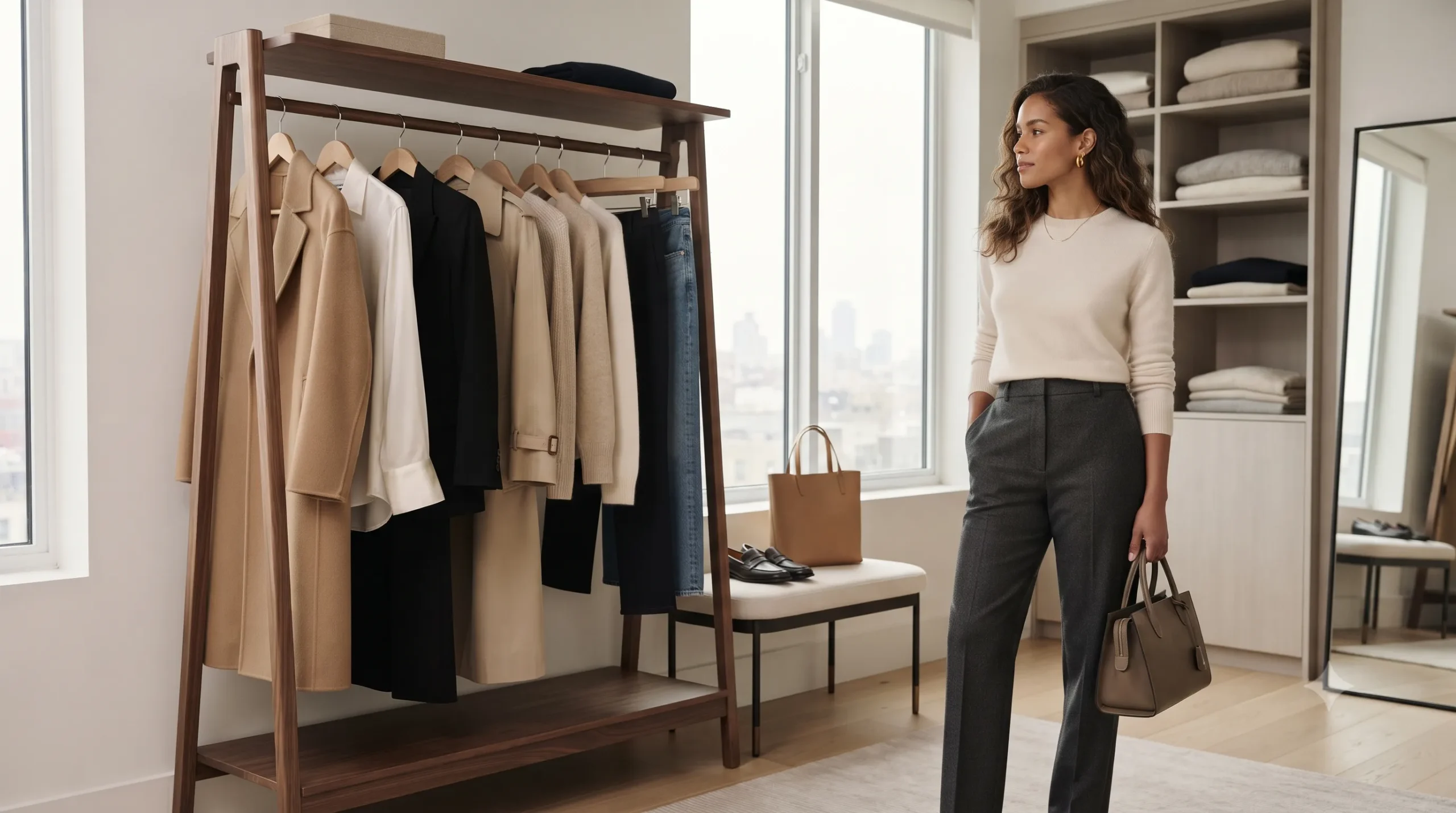
There is a specific kind of frustration that comes from standing before a closet full of clothes on a Tuesday morning, feeling as though you have absolutely nothing to wear. Usually, this isn’t because of a lack of garments, but because of a lack of cohesion. Many of us have fallen into the habit of collecting “moments”—pieces that felt right for a specific trend, a specific vacation, or a specific social media aesthetic, but which refuse to speak to one another in the quiet reality of daily life.
The modern romantic aesthetic offers a way out of this cycle. Unlike the hyper-feminine, costume-like styles of the past, modern romanticism is rooted in restraint. It is a style defined by softness, graceful proportions, and a certain poetic stillness. It isn’t about wearing ruffles for the sake of being “girly”; it is about choosing pieces that evoke a sense of ease and enduring beauty. Building a wardrobe around this philosophy means moving away from the loud and the fleeting, and moving toward a more considered, intentional way of dressing.
To master this look, one must understand the delicate balance between being romantic and being polished. It is a distinction between looking like you are wearing a costume and looking like you have a deeply personal, refined sense of style.
Defining the Modern Romantic Aesthetic
Before deciding what to buy, it is helpful to define what we actually mean by “modern romantic.” In a contemporary context, this style is an evolution of quiet luxury and feminine tailoring. It avoids the extremes. It is not the heavy, dark Gothic romanticism of certain subcultures, nor is it the overly sugary, hyper-decorative style often seen in fast-fashion interpretations of “coquette” trends.
Instead, modern romanticism is about texture, silhouette, and the emotional resonance of a garment. It relies on:
- Soft Structure: Pieces that have shape but do not feel rigid. Think of a midi skirt with a gentle drape rather than one that is stiff and sculptural.
- Tactile Depth: A preference for fabrics that invite touch and hold light beautifully—creams, soft knits, and matte textures.
- Nuanced Color Palettes: Moving beyond simple neutrals into “near-neutrals”—soft sages, dusty roses, warm sands, and muted blues.
- Graceful Proportions: Balancing volume. If a blouse has a slightly voluminous sleeve, the trousers or skirt should provide a grounding, streamlined silhouette.
A modern romantic wardrobe is a collection of pieces that feel beautiful today but are designed to remain relevant for years. It is a wardrobe that prioritizes the way a garment moves with the body and how it feels against the skin, rather than how loudly it announces itself to a room.
What to Choose: The Pillars of a Thoughtful Wardrobe
When building or refining a wardrobe with a romantic lens, the goal is to select pieces that serve multiple purposes. A piece earns its place when it can transition from a professional setting to a personal one without losing its essence.
1. The Versatile Midi Length
The midi length—hitting anywhere from below the knee to the mid-calf—is perhaps the most vital silhouette in a romantic wardrobe. It offers a sense of modesty and grace that mini skirts often lack, while being far more practical and modern than floor-length maxi dresses. A well-cut midi skirt in a heavy crepe or a soft woven fabric can be paired with a structured blazer for a meeting or a fine-knit sweater for a weekend lunch.
2. Softly Tailored Separates
Avoid the extreme “oversized” trend that can often look sloppy, but also avoid the ultra-tight silhouettes that feel dated. Instead, look for “soft tailoring.” This might be a high-waisted trouser with a gentle pleat, or a cardigan with a structured shoulder. These pieces provide the “polish” necessary for professional or formal settings while maintaining the softness inherent to the romantic aesthetic.
3. Textural Layering
Romanticism thrives on depth. A flat outfit—one single fabric and one single color—can often feel clinical. A modern romantic wardrobe uses texture to create interest. Consider pairing a smooth, lightweight blouse with a slightly textured wool skirt, or a fine-gauge knit over a slip dress. This layering adds visual weight and sophistication without the need for heavy patterns or bright colors.
4. The “Everyday Occasion” Dress
A cornerstone of this style is the dress that feels slightly elevated but remains entirely wearable. This isn’t a ballgown; it is a dress with a thoughtful neckline, a flattering waistline, or a subtle sleeve detail. These are the pieces that make getting dressed easy. When you have a collection of dresses that feel “special” yet practical, the morning decision fatigue begins to vanish.
What to Avoid: The Pitfalls of Trend-Chasing
The greatest enemy of a timeless, romantic wardrobe is the “micro-trend.” Because the romantic aesthetic is so visually appealing, it is often co-opted by fast-fashion retailers who strip away the quality and the restraint, leaving behind something loud, synthetic, and temporary.
The Trap of Hyper-Decoration
Avoid pieces where the “romance” feels forced through excessive embellishment. Excessive lace, massive bows, or heavy fringe may feel “on-brand” for a season, but they are difficult to style and even harder to wear more than a few times. If a garment’s primary appeal is its decoration rather than its shape or fabric, it is likely a trend piece rather than a wardrobe staple.
Synthetic Sheen and Low-Quality Fabrics
The modern romantic look relies heavily on the way light interacts with fabric. High-shine, purely synthetic materials (like certain polyesters) often look “cheap” because they reflect light in a harsh, uniform way. To maintain a sense of quiet luxury, prioritize natural fibers or high-quality blends that have a matte or soft luster. This ensures the clothing drapes naturally rather than clinging or stiffening.
Rigid Trend Silhouettes
Avoid silhouettes that are currently “viral” but lack structural longevity. For example, if a specific type of extreme platform shoe or an ultra-cropped, stiffly structured jacket is dominating social media, resist the urge to make it a pillar of your wardrobe. These pieces create “style debt”—you buy them to fit a moment, but they offer no utility once the trend shifts.
The “All or Nothing” Approach
A common mistake is attempting to wear a “full look” that is entirely themed. Wearing a lace top with a floral skirt and a bow in your hair can feel like a costume. The secret to modern romanticism is the mix. Pair a romantic, soft-sleeved blouse with very structured, dark denim or tailored trousers. This contrast is what makes the style feel modern and lived-in.
Decision Framework: Is This Piece Worth the Investment?
To avoid overconsumption and build a wardrobe with long-term value, use the following decision matrix before making a purchase. This helps shift the mindset from “Do I like this?” to “Does this belong in my life?”
| Criteria | Ask Yourself… | The “Romantic” Goal |
|---|---|---|
| Versatility | Can I wear this in at least three different ways? | A piece should work for work, a social event, and casual weekend wear. |
| Fabric Behavior | How will this look after three washes? How does it feel against my skin? | Prioritize durability and tactile comfort over immediate visual impact. |
| Silhouette | Does this enhance my natural proportions or does it fight them? | Look for grace and ease of movement rather than restrictive shaping. |
| Longevity | If I saw this in a photo five years from now, would I still feel it was tasteful? | Aim for “timeless” rather than “trendy.” |
| Cost-Per-Wear | If I wear this 30 times, does the price make sense? | A higher-priced, well-made item is often cheaper over time than a cheap, disposable one. |
Styling Scenarios: Putting Theory into Practice
To understand how these principles work in real life, consider how a few core “romantic” pieces can be manipulated to fit different social contexts.
Scenario A: The Professional Environment
- The Base: A high-waisted, wide-leg trouser in a heavy cream or sand-colored fabric.
- The Romantic Element: A soft, slightly voluminous blouse in a muted pastel or a subtle print.
- The Polish: A structured blazer draped over the shoulders and a simple leather loafer.
- Why it works: The trousers provide the professional structure, while the blouse provides the feminine, romantic softness.
Scenario B: The Weekend Brunch or Gallery Visit
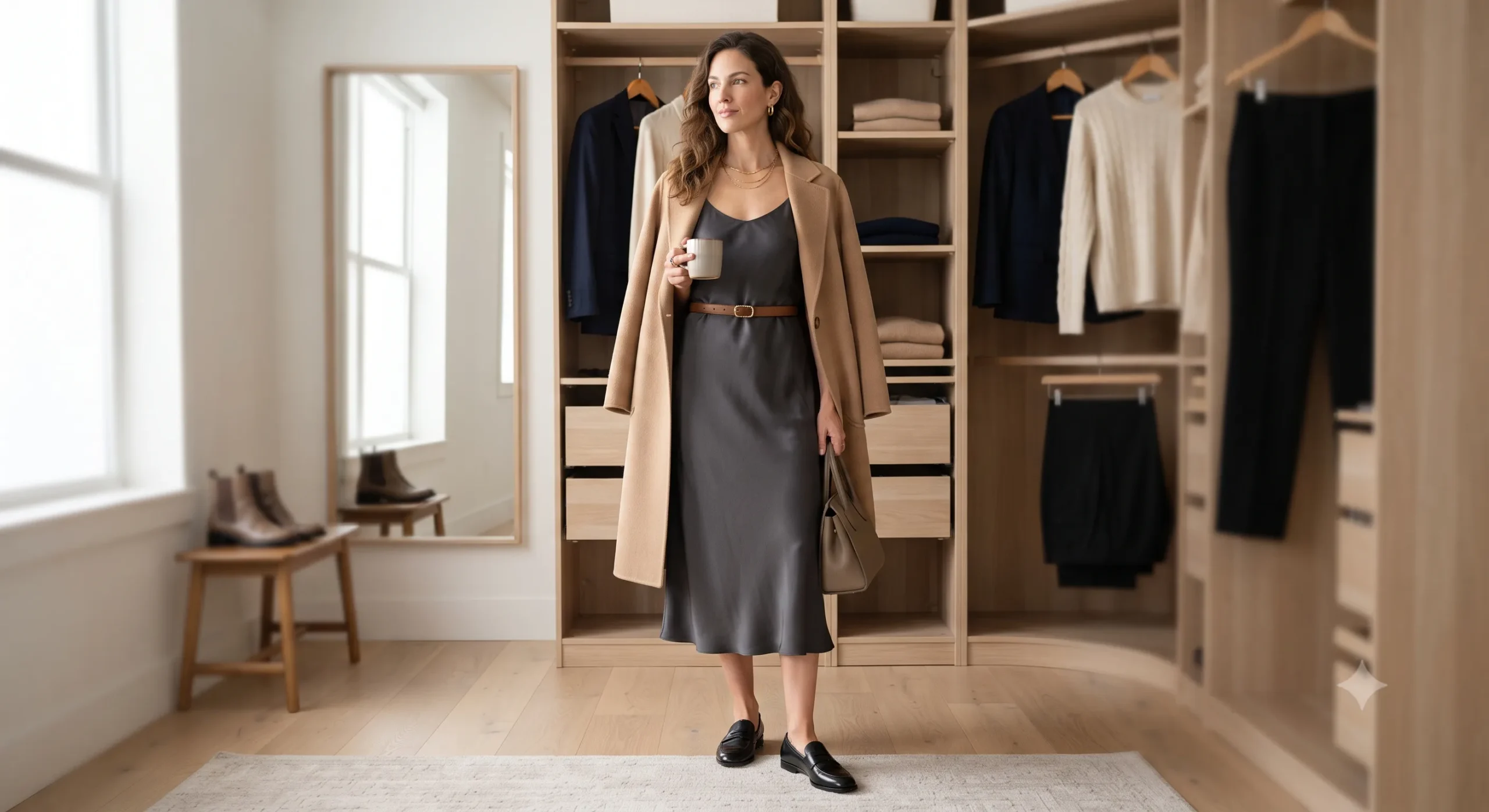
- The Base: A midi-length slip dress in a matte fabric.
- The Romantic Element: A chunky, soft-knit cardigan in a tonal color.
- The Polish: An understated leather boot and minimal gold jewelry.
- Why it works: It is effortless and comfortable, but the textures (knit vs. smooth fabric) make the outfit feel intentional and curated.
Scenario C: An Evening Dinner or Special Occasion
- The Base: A long-sleeved midi dress with a subtle, elegant neckline.
- The Romantic Element: The drape of the fabric and perhaps a single, meaningful piece of jewelry.
- The Polish: A sleek pointed-toe heel and a small, structured clutch.
- Why it works: It relies on silhouette and proportion rather than heavy ornamentation to make an impression.
Common Mistakes in Romantic Dressing
Even with the best intentions, it is easy to veer off course. Recognizing these patterns is the first step toward a more refined style.
1. Neglecting the “Grounding” Piece
When a woman leans heavily into romantic pieces—perhaps a floral midi and a soft cardigan—she can sometimes end up looking “too soft.” The mistake is forgetting to ground the outfit with something structured or masculine. Adding a leather belt, a structured bag, or a tailored coat provides the necessary tension that keeps the look modern.
2. Overlooking Fit and Tailoring
Because romantic clothing often involves drape and volume, fit becomes even more critical. A garment that is too large can look disheveled; a garment that is too small can lose its “softness” and become restrictive. A modern romantic wardrobe relies on clothes that skim the body rather than squeezing it. If a piece is slightly too long or the waist is slightly off, a quick trip to the tailor can be the difference between a piece that looks “expensive” and one that looks “thrown on.”
3. Misunderstanding Color Harmony
While the romantic aesthetic favors a softer palette, it is a mistake to think this means everything must be a pale pastel. The key is harmony. If you are wearing a muted, dusty rose, pairing it with a sharp, stark black can sometimes feel jarring. Instead, look for “bridge colors”—creams, greys, or deep navies—that allow the soft colors to breathe.
Building a Wardrobe with Intention
The journey toward a modern romantic wardrobe is not about a single shopping trip; it is about a shift in how you perceive value. It is a move away from the dopamine hit of a new trend and toward the quiet satisfaction of a well-considered closet.
A timeless wardrobe is built around pieces that can be worn repeatedly across real occasions. It is an archive of pieces that reflect who you are, rather than who the current season suggests you should be. By prioritizing fabric, silhouette, and versatility, you create a sense of “practical elegance”—a way of dressing that feels both effortless and deeply polished.
As you curate your collection, remember that elegance is rarely about adding more; it is almost always about choosing better. A smaller, more intentional wardrobe of pieces that move with you, feel beautiful to the touch, and respect your need for both grace and practicality will always serve you better than a closet full of fleeting moments.