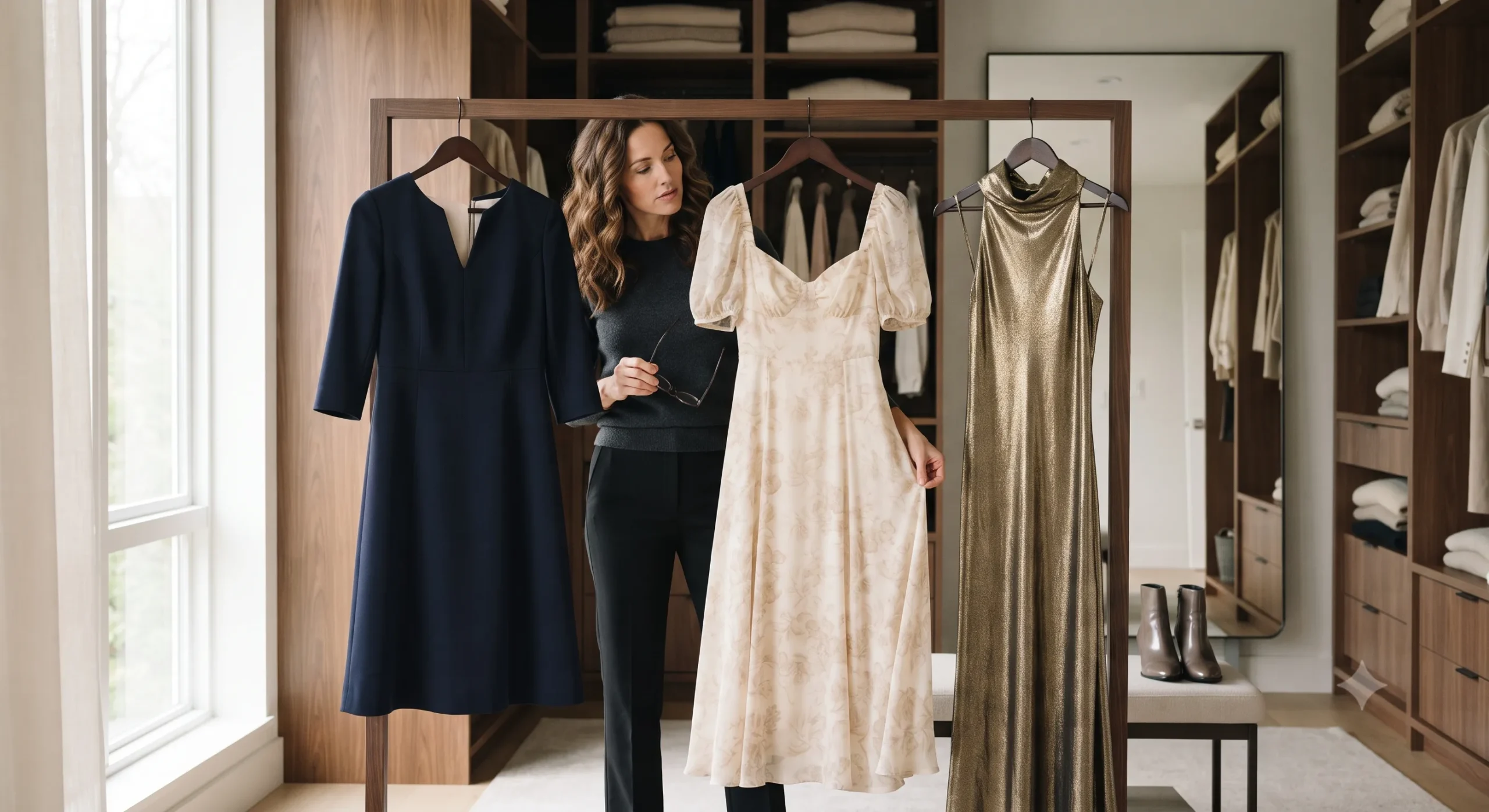
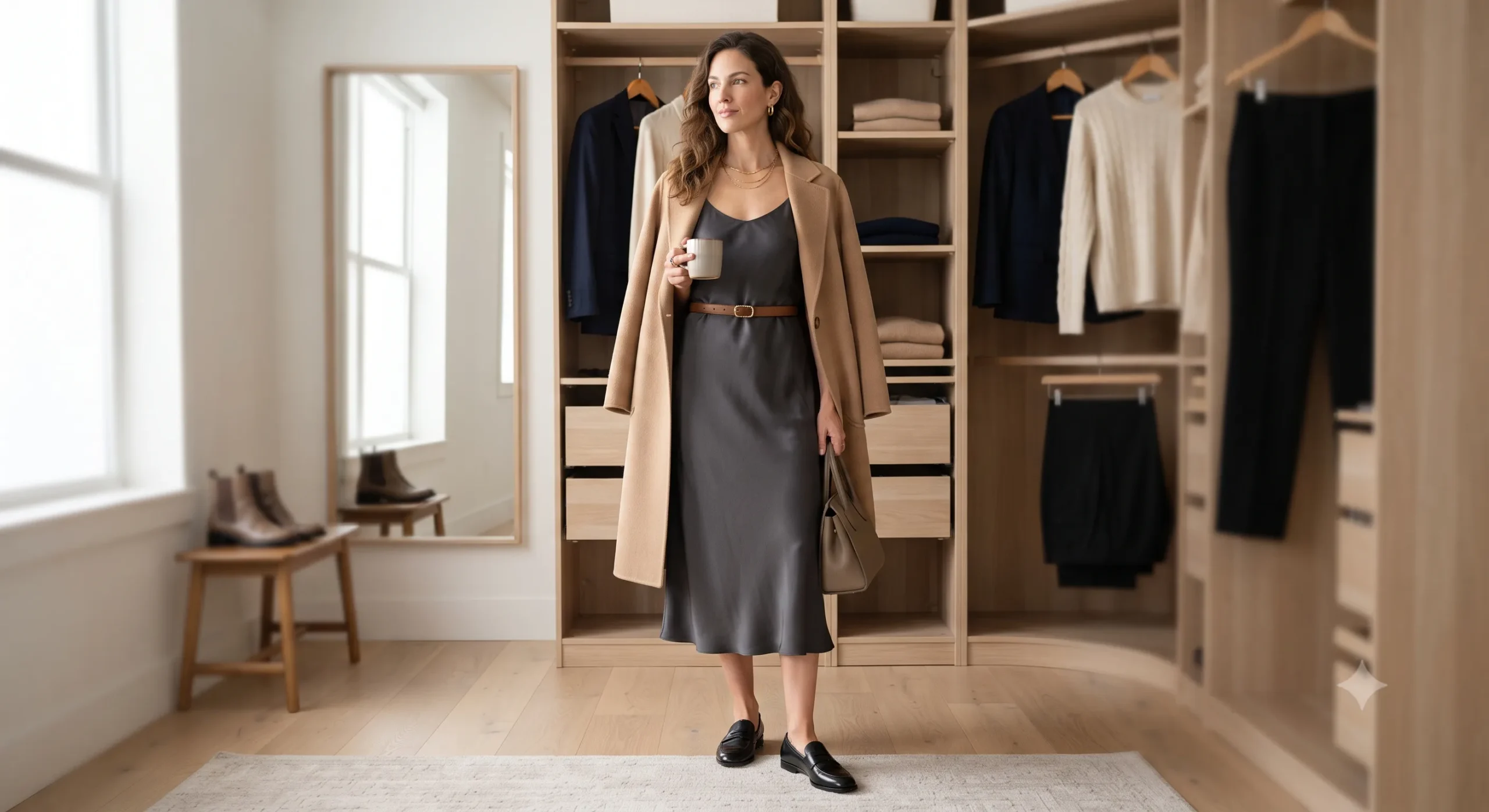
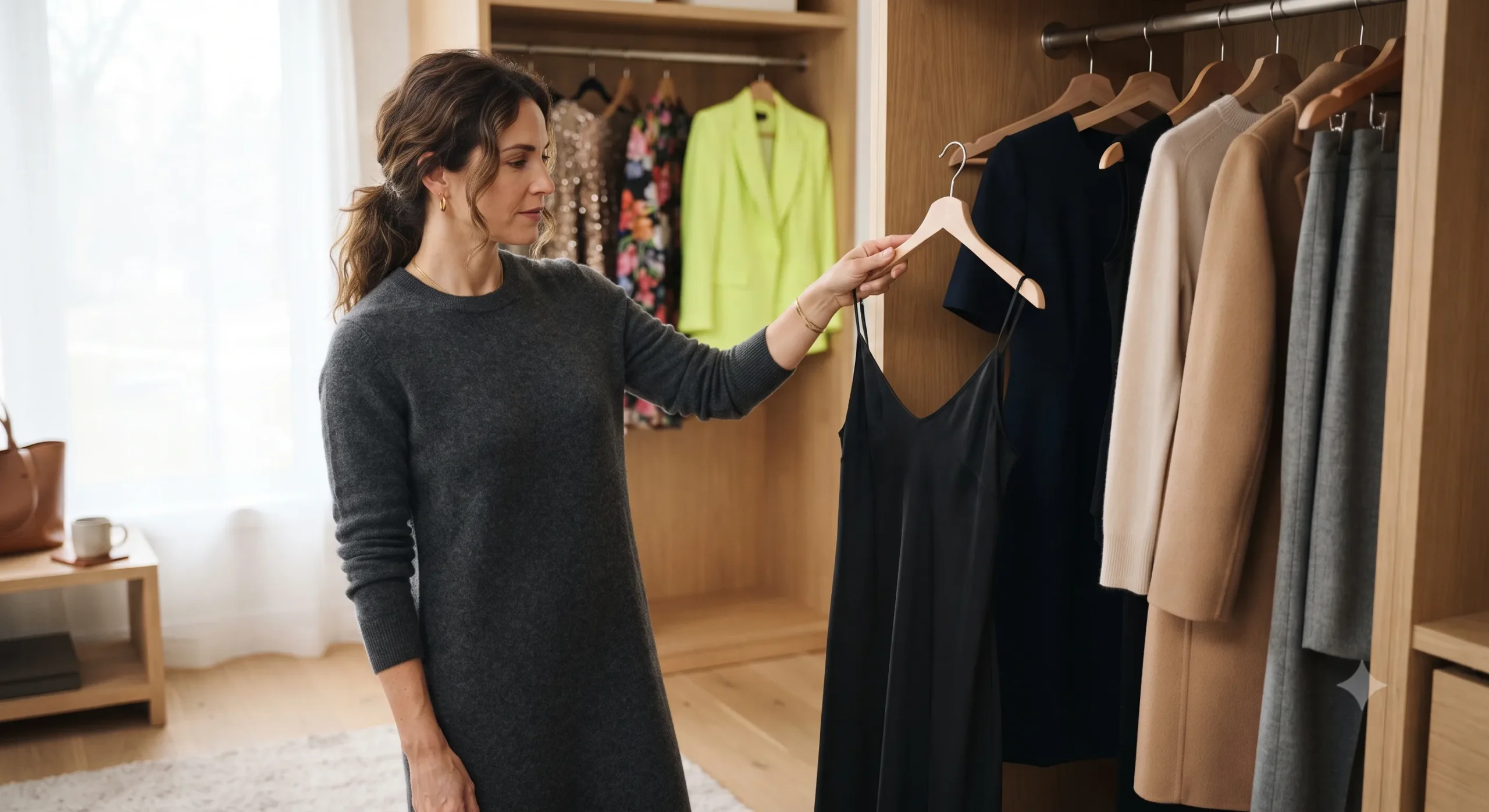
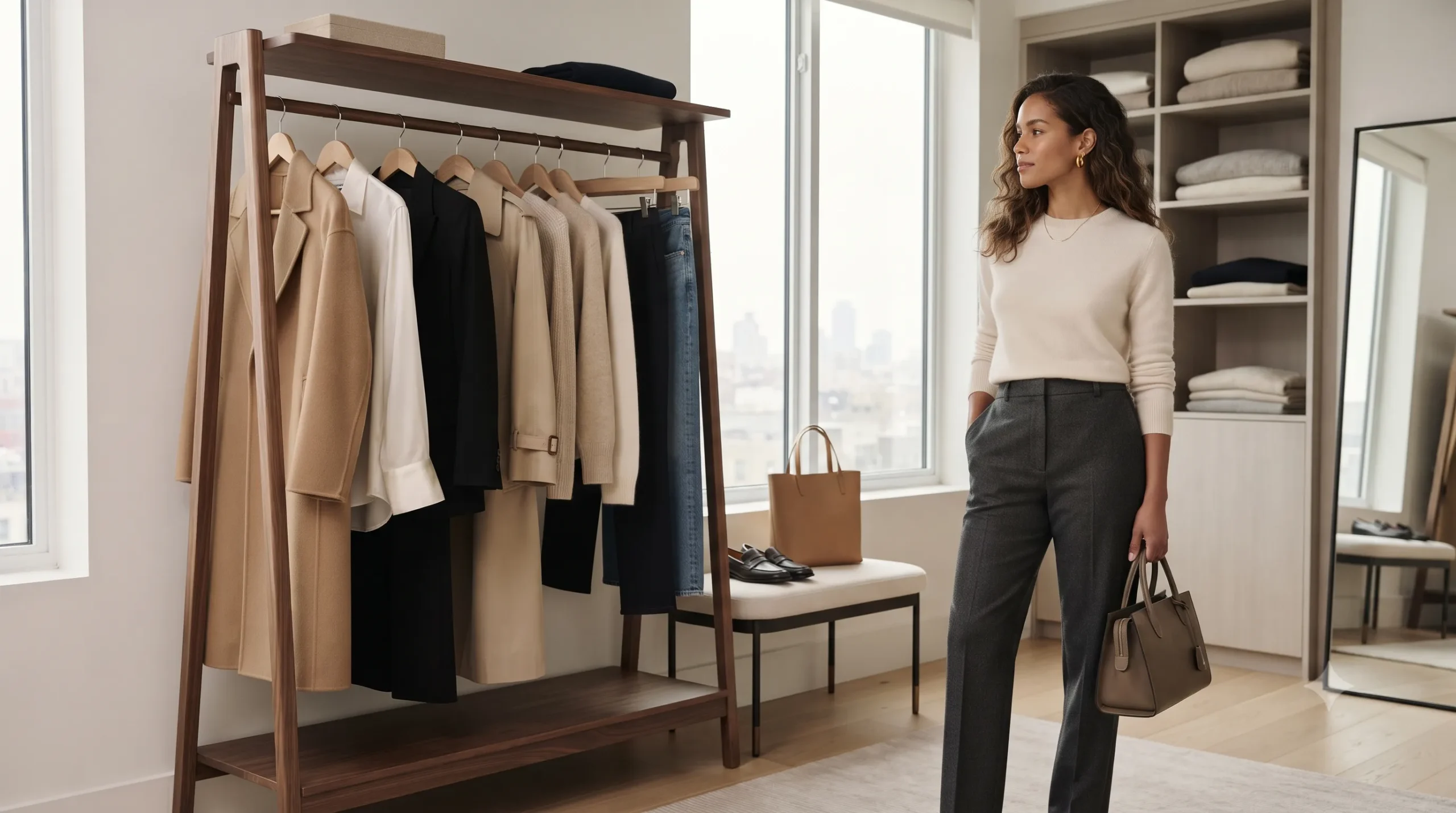
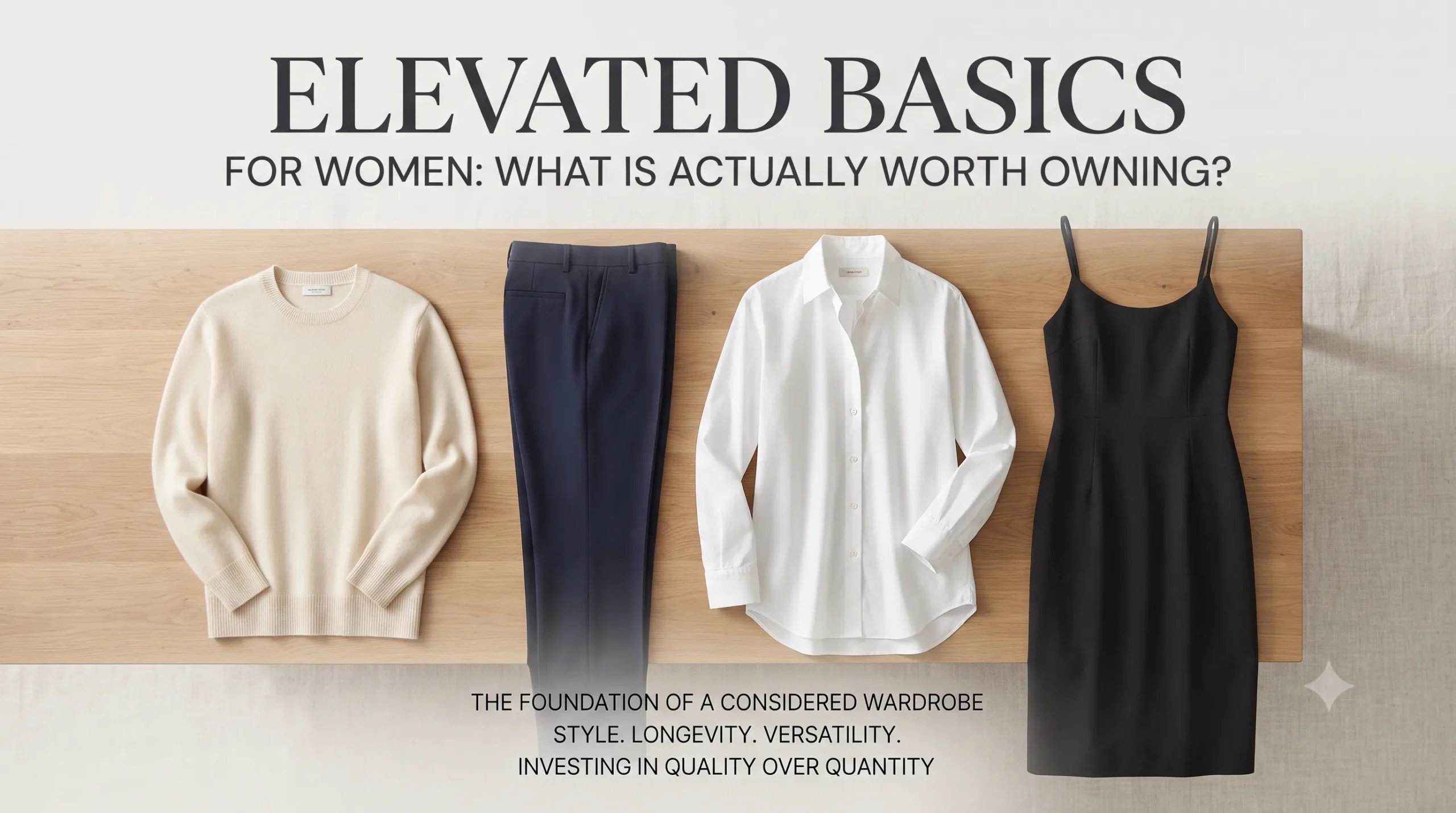
There is a specific kind of frustration that comes from standing before a closet full of expensive, high-quality garments and feeling as though nothing quite works. You might have the cashmere sweater, the perfectly tailored trousers, and the structured blazer, yet the overall look feels somehow unmoored—perhaps too stiff, perhaps too loud, or perhaps just slightly "off."
This tension often arises when we attempt to adopt the aesthetic of quiet luxury without fully grasping its underlying philosophy. Quiet luxury is frequently misunderstood as simply "wearing expensive, unbranded clothes." In reality, it is a disciplined approach to dressing that prioritizes visual calm, material integrity, and impeccable fit over the desire to signal status. It is a way of communicating through texture, proportion, and restraint rather than through logos or fleeting trends.
When the nuances of this style are missed, the result can be an outfit that feels unintentionally heavy or, conversely, lacks the cohesive elegance that defines the aesthetic. Avoiding these mistakes is not about following a rigid set of rules, but about developing a more discerning eye for how pieces interact with one another and with the person wearing them.
The Misconception of "Minimalism" vs. "Quiet Luxury"
One of the most frequent errors is conflating quiet luxury with stark, clinical minimalism. While there is significant overlap, they are not identical. Minimalism often focuses on stripping away everything until only the bare essentials remain, sometimes resulting in a look that feels cold, architectural, or even utilitarian.
Quiet luxury, however, allows for warmth, femininity, and tactile richness. It embraces the "modern romantic" side of dressing—think of the way a soft drape falls from a shoulder or how a subtle tonal shift in beige and cream adds depth to an ensemble.
The "Flatness" Trap
A common mistake is choosing a wardrobe that is minimalist in color but lacks dimension in texture. If you wear a matte cotton trouser with a flat synthetic knit in the same shade of navy, the outfit can look one-dimensional and inexpensive, regardless of the actual price tag.
To achieve the quiet luxury aesthetic, you must introduce "sensory depth." This means pairing different weights and weaves:
- A heavy wool crepe trouser paired with a fine-gauge knit.
- A structured cotton poplin shirt paired with a soft, brushed cashmere cardigan.
- A matte leather accessory to contrast against a fluid, lightweight fabric.
By varying the way light hits your clothes, you create a sense of intentionality. A successful quiet luxury outfit feels layered and considered, even if it consists of only two or three pieces.
The Perils of Neglecting Fit and Tailoring
In many fashion movements, the "vibe" of the outfit can carry the weight of a poor fit. In streetwear, oversized silhouettes are the point; in avant-garde fashion, asymmetry is the goal. But in quiet luxury, the silhouette is the primary communicator of quality.
Because the clothing lacks loud embellishments or branding to draw the eye, the eye naturally gravitates toward the lines of the garment. If a seam is pulling at the hip, if a sleeve is slightly too long and lacks intentional volume, or if a hemline sits at an awkward point on the ankle, the illusion of effortless elegance is instantly broken.
The Difference Between "Oversized" and "Ill-Fitting"
A crucial distinction for the thoughtful wardrobe is understanding the difference between a deliberate silhouette and a garment that simply doesn’t fit.
- Intentional Oversizing: This involves pieces designed with specific proportions in mind—perhaps a blazer with a strong, structured shoulder that tapers at the waist, or trousers designed with a wide leg that holds its shape. The garment looks voluminous but controlled.
- Poor Fit: This occurs when a piece is simply too large in the wrong places, such as a shoulder seam that drops too far down the arm or a waist that lacks definition, leading to a "swallowed" appearance.
Decision Criteria for Buying:
When investing in pieces for a refined wardrobe, always ask: Does this garment have a defined structure that allows it to move with me? If you cannot tell where the garment is meant to end and your body begins, it likely lacks the structural integrity required for this aesthetic.
Over-Accessorizing and the Loss of Visual Calm
The goal of quiet luxury is to achieve a state of "visual calm." Every element in an outfit should feel as though it has earned its place. A common mistake is treating luxury pieces as a foundation upon which to pile on trendy, loud accessories.
When you add a heavy statement necklace, a large logo belt, and several stacked bracelets to a high-quality neutral outfit, you create visual noise. This noise distracts from the very things that make the clothing special: the weave of the fabric, the cut of the neckline, and the subtle interplay of colors.
The "One Focus" Rule
A helpful framework for avoiding this mistake is to select one area of the body to be the focal point of your accessories.
- If you are wearing a beautiful, high-neck sweater, perhaps your focus should be an elegant pair of gold hoop earrings and a refined watch.
- If you are wearing a flowing midi dress, a sculptural leather handbag might be your primary accent.
By limiting the "volume" of your accessories, you allow the quality of your primary garments to breathe. This is the essence of understated sophistication: the jewelry and accessories should feel like quiet companions to the clothes, not competitors.
| Feature | Quiet Luxury Approach | Common Mistake |
|---|---|---|
| Logos | Absent or extremely subtle (texture/hardware) | Visible branding used to signal value |
| Color Palette | Tonal, monochromatic, or sophisticated neutrals | High-contrast, neon, or overly trendy patterns |
| Fabric | Natural fibers with visible grain (wool, cotton, linen) | Shiny synthetics or highly processed fabrics |
| Accessories | Focused, sculptural, and high-quality | Excessive, trendy, or "loud" collections |
| Fit | Tailored to the body or intentionally proportioned | Randomly oversized or ill-fitting |
Ignoring the Importance of Fabric Integrity
In the pursuit of a "quiet luxury look," it is easy to be seduced by the visual similarity of fabrics. A polyester blend may look remarkably like a high-quality wool or heavy cotton in a store window, but they behave entirely differently once they leave the hanger.
Fabric integrity is perhaps the most significant "silent" factor in how an outfit is perceived. Low-quality synthetic fabrics often have a tell-tale sheen that looks artificial under light, or they lack the "memory" required to hang gracefully. They may pill quickly, lose their shape after a few wears, or fail to regulate temperature, making the wearer look uncomfortable.
The Tactile Test
A sophisticated wardrobe is built on how clothes feel against the skin and how they move through space. When evaluating a piece, consider these three dimensions:
- Drape: Does the fabric fall in a way that follows the body’s movement, or does it stand away awkwardly? High-quality natural fibers tend to have a "weighty" drape that looks expensive.
- Opacity and Density: Can you see the outline of your undergarments through the fabric? Cheap fabrics are often thin and lack the density required to create a polished silhouette.
- Luster vs. Shine: There is a profound difference between the healthy, soft luster of high-quality wool or cotton and the harsh, plastic-like shine of low-grade synthetics. Aim for the former.
Investing in pieces with long-term value means prioritizing the material. While the initial cost-per-wear might seem higher for a natural fiber garment, its ability to maintain its appearance over years of wear makes it a much more practical and elegant choice in the long run.
The "Trend-Chasing" Impulse
It is tempting to incorporate a current "it-item" into an outfit to ensure it feels modern. However, quiet luxury is rooted in a rejection of the rapid turnover of the fashion cycle. When you introduce a highly specific, short-lived trend—such as a particular hyper-saturated color or a highly specific silhouette that is currently "trending" on social media—you risk dating your entire wardrobe.
A refined wardrobe is built on pieces that could have been worn twenty years ago and could easily be worn twenty years from now. This is not to say that the style should be boring; rather, it should be timeless.
Practical Scenario: The Transitioning Piece
Consider a woman deciding between a trendy, bright green cropped jacket and a classic, well-tailored camel wool coat.
- The cropped jacket might feel fashionable this season, but it will likely feel obsolete by next year, limiting its utility to a very narrow window of time.
- The camel coat is a foundational piece. It can be paired with a formal dress for an event, a knit and denim for a weekend, or a suit for professional settings.
The mistake is choosing the momentary "high" of a trend over the long-term satisfaction of a versatile, timeless piece. When building a wardrobe with purpose, every purchase should be viewed through the lens of its future utility.
A Decision-Making Framework for Thoughtful Dressing
To avoid these mistakes, it helps to move away from impulsive shopping and toward a more considered decision-making process. Before adding a new piece to your collection, run it through a mental checklist to ensure it aligns with a philosophy of understated elegance.
The Wardrobe Integrity Checklist
- Versatility: Can I visualize at least three different ways to wear this with items I already own?
- Materiality: Is the fabric a natural or high-quality blend that will maintain its shape and texture?
- Proportion: Does the silhouette complement my frame, or am I relying on a trend to do the work?
- Cohesion: Does this piece feel like it belongs in my existing color palette and style language?
- Longevity: If I look at this piece in three years, will it still feel relevant to my personal style?
Summary of Key Principles
To master the art of quiet luxury and avoid the pitfalls of unrefined dressing, keep these core tenets in mind:
- Prioritize Substance over Signage: Value the quality of the weave and the precision of the cut over the presence of a logo.
- Embrace Texture for Depth: Use a variety of fabric weights and finishes to create visual interest within a neutral or tonal palette.
- Invest in Tailoring: Ensure your clothes fit your body correctly; a simple garment that fits perfectly will always look more expensive than a complex one that fits poorly.
- Practice Restraint: Limit accessories to a single focal point to maintain a sense of visual calm.
- Think in Seasons, Not Trends: Choose pieces that offer long-term wardrobe value and can be worn across multiple years and occasions.
Ultimately, quiet luxury is less about the accumulation of luxury goods and more about the cultivation of taste. It is a way of dressing that honors the wearer, providing a sense of polished, calm confidence that does not need to shout to be noticed. By avoiding the common mistakes of over-accessorizing, neglecting fit, and chasing trends, you move closer to a wardrobe that is truly intentional, graceful, and enduring.