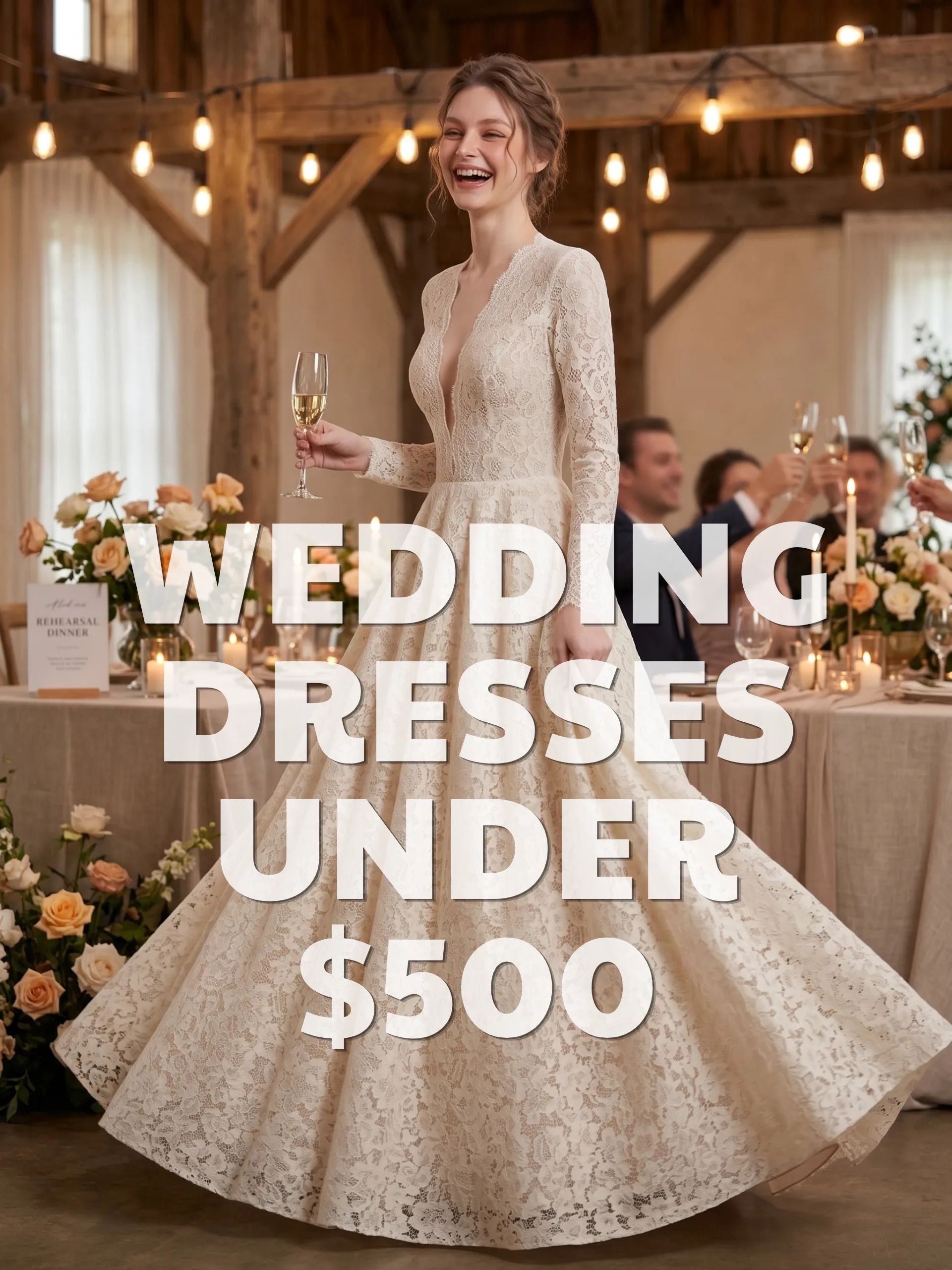
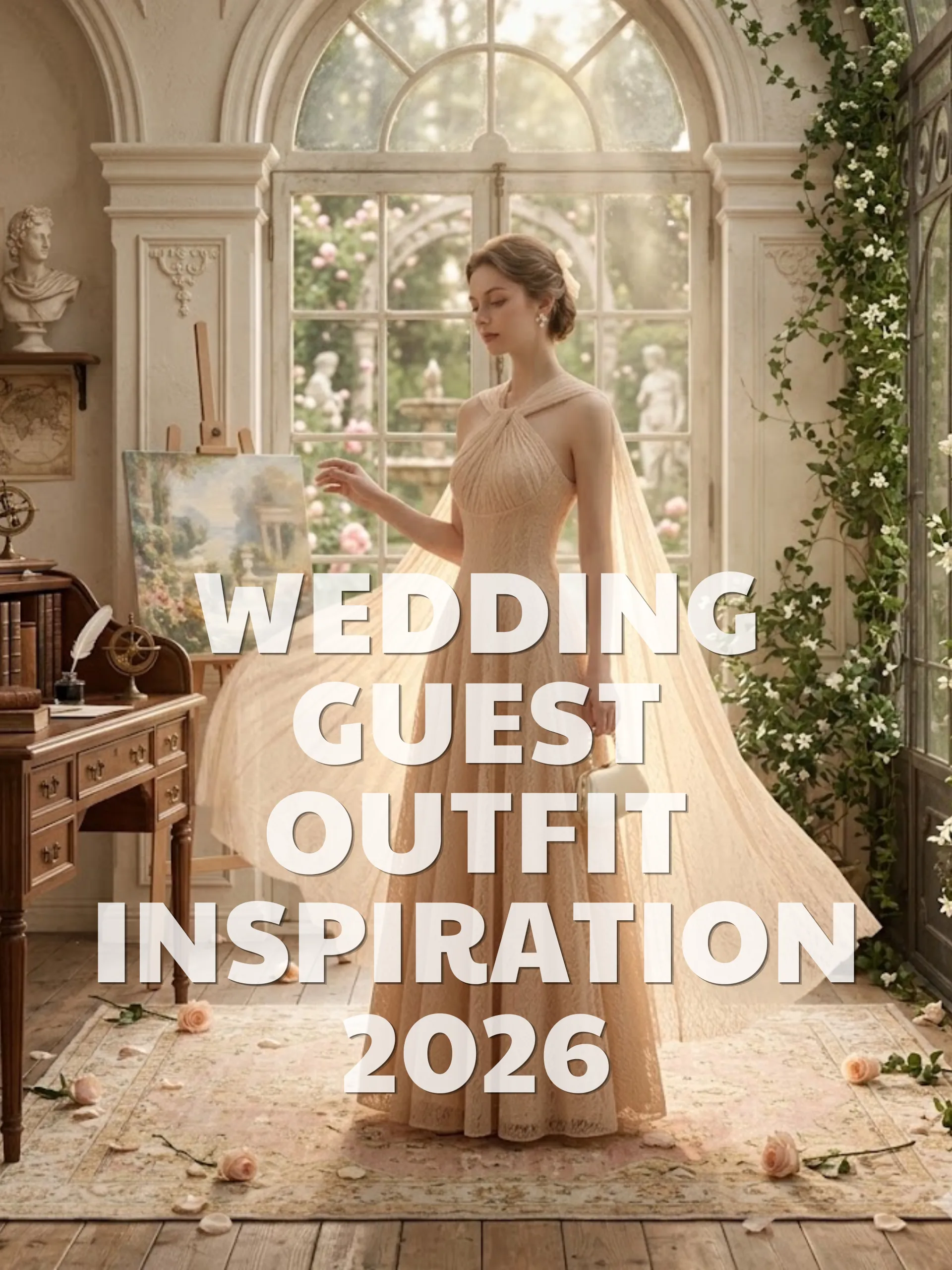
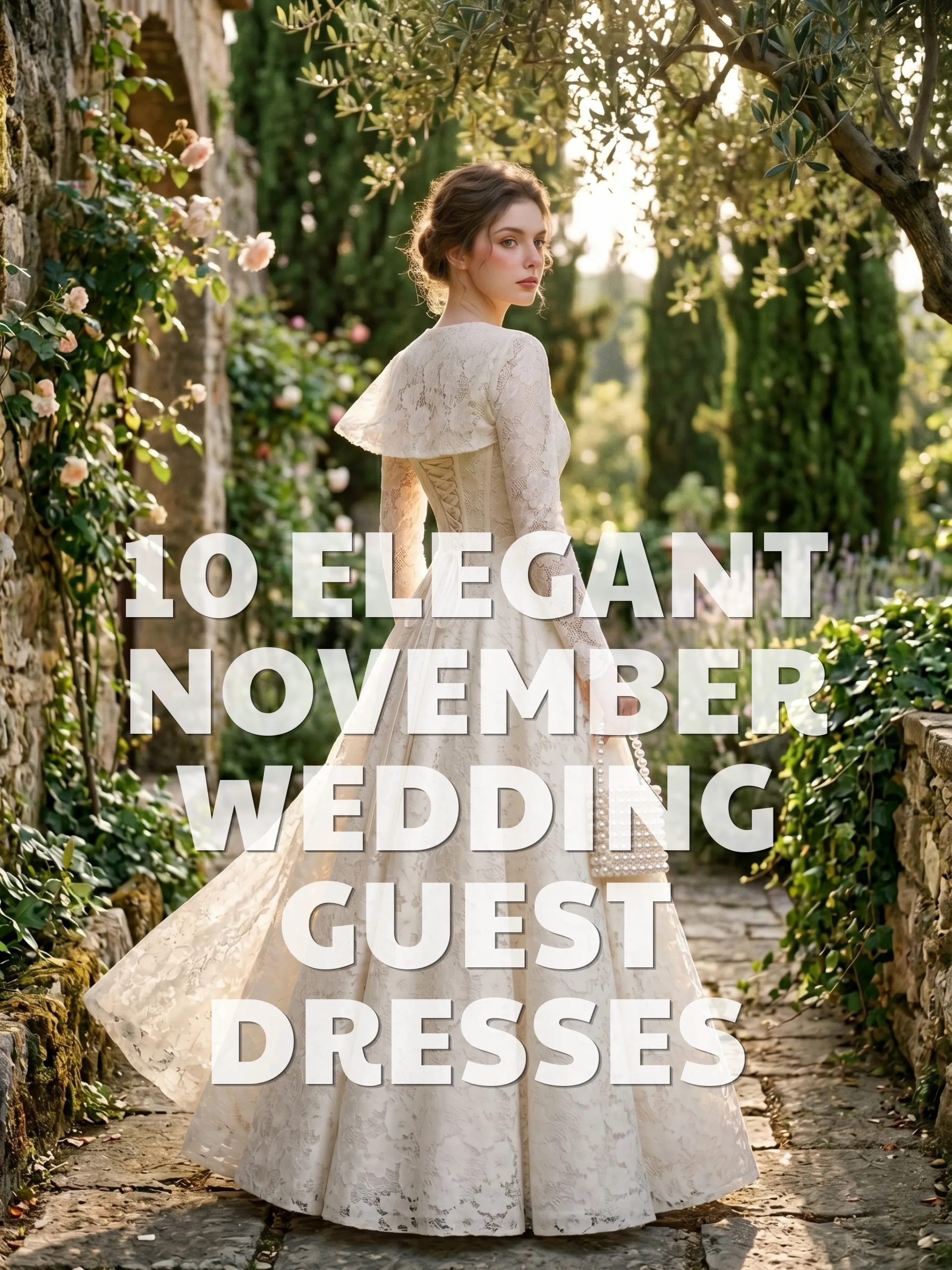
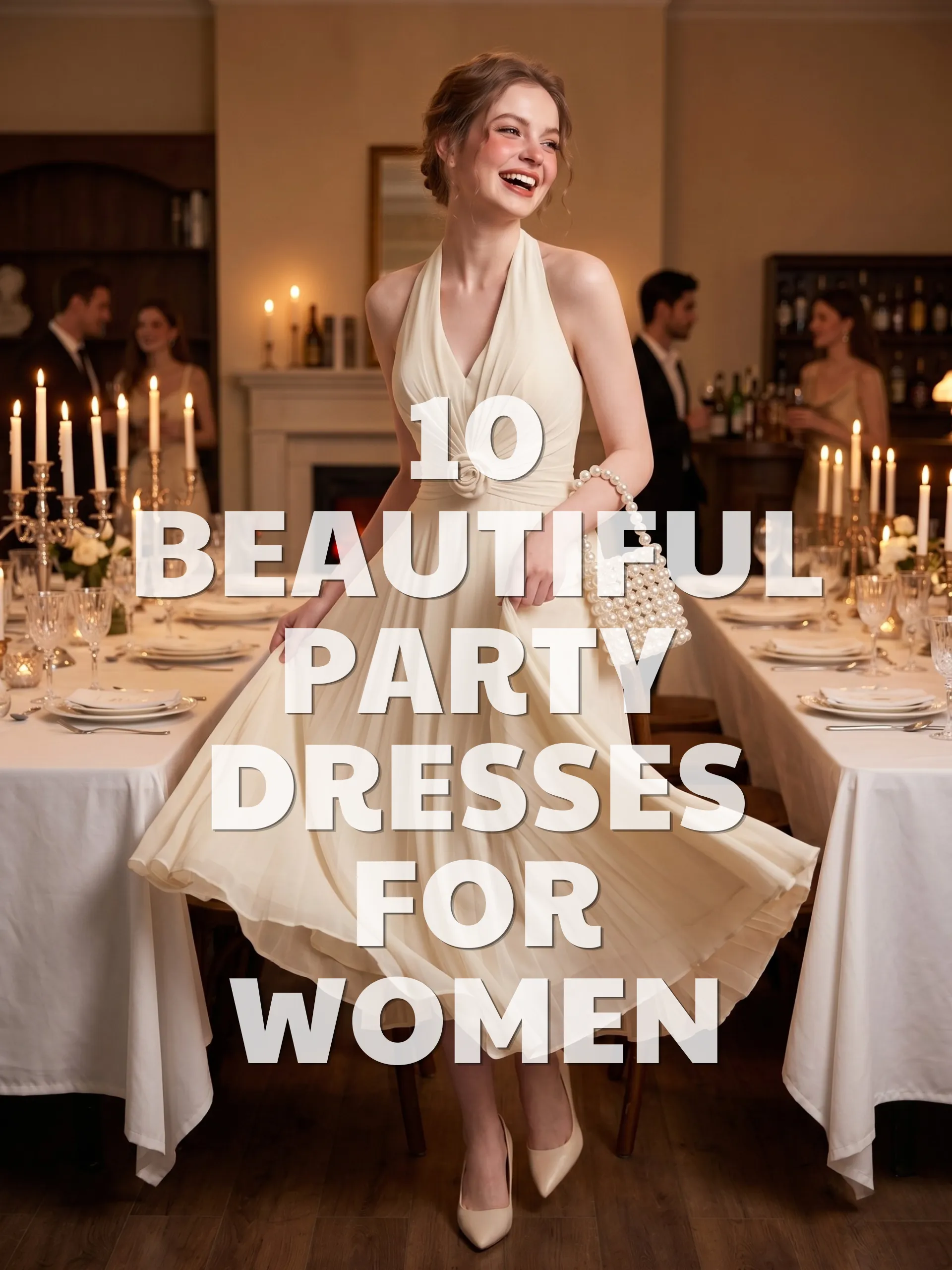
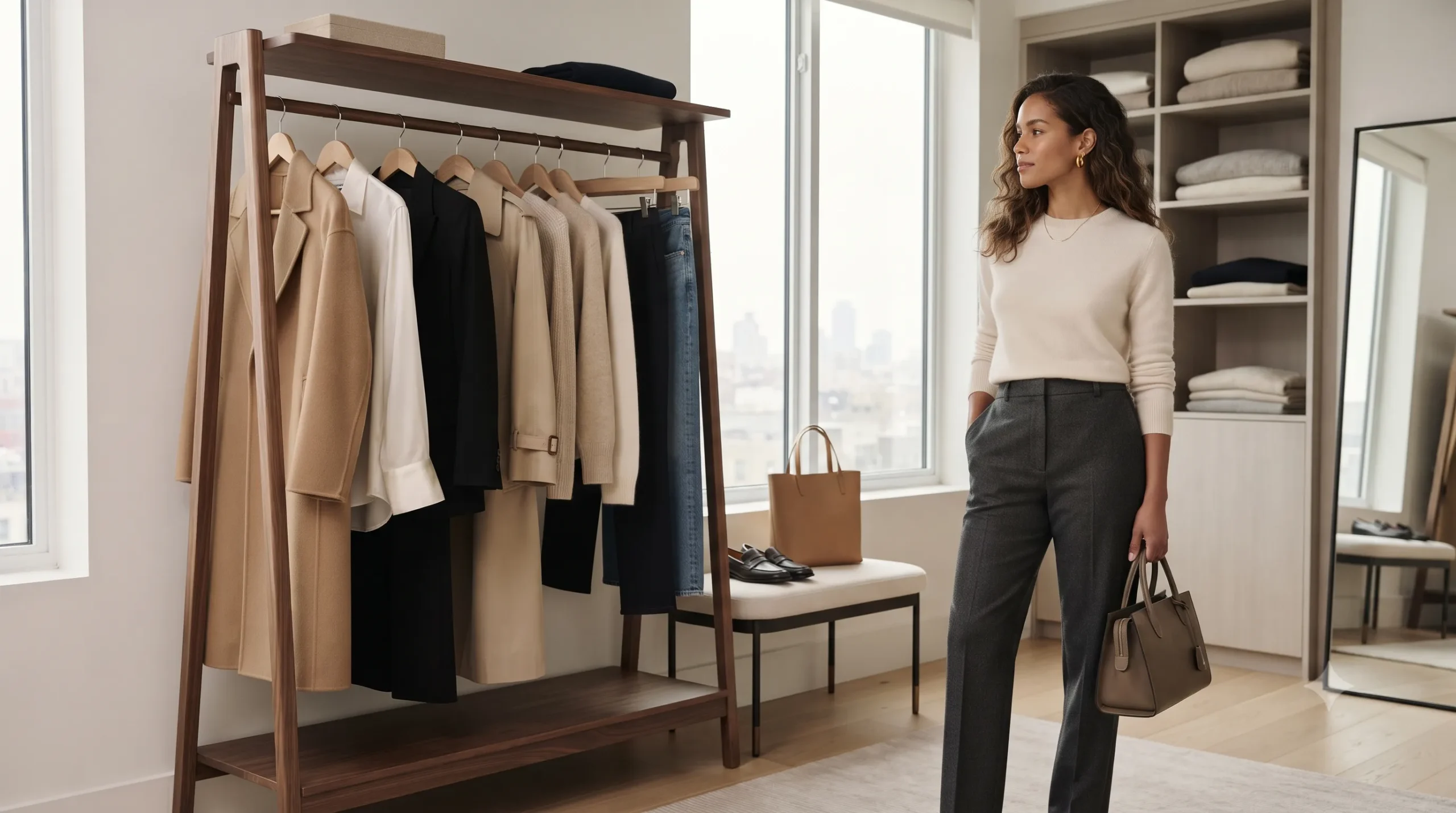
There is a specific kind of frustration that arises when standing before a closet full of clothes, only to feel as though nothing is quite right. Often, the culprit isn’t a lack of variety, but an excess of noise. We are frequently told that to look “put together,” we need more layers, more accessories, or more attention to the latest seasonal trends. Yet, there is a quiet, pervasive tension in modern dressing: the more we add, the more the person wearing the clothes tends to disappear.
True elegance rarely shouts. It doesn’t rely on a prominent logo to signal value, nor does it require a complex assembly of trending pieces to feel relevant. Instead, low-key elegance is found in the spaces between the trends—in the way a fabric drapes, how a silhouette respects the body, and how a color palette feels calm rather than chaotic. It is the art of looking polished through restraint.
Creating this sense of understated sophistication with simple clothes is not about having an unlimited budget; it is about developing a discerning eye for quality, proportion, and the subtle details that transform a basic garment into a meaningful piece of a thoughtful wardrobe.
The Philosophy of Understated Style
Low-key elegance is often conflated with minimalism, but the two are not identical. While minimalism may focus on the absence of things, low-key elegance focuses on the presence of quality. It is a form of discreet polish where the goal is to appear effortless, even if that effort was deeply considered.
To achieve this, one must shift their focus from “what is new” to “what is enduring.” An elegant wardrobe is built on the principle of visual calm. When we look at an outfit that embodies this principle, our eyes aren’t pulled toward a single loud element; instead, the entire ensemble feels cohesive and intentional.
This approach requires a shift in how we perceive value. We move away from the dopamine hit of a quick, inexpensive purchase and toward a more considered style—one where we ask how a piece will behave over three years, not just three wears. This is the foundation of a wardrobe with purpose: choosing pieces that serve real life while maintaining a sense of grace.
The Three Pillars of Low-Key Elegance
To translate this philosophy into a daily practice, it helps to look at three specific pillars: Fit and Proportion, Fabric and Texture, and Color Harmony. When these three elements are in alignment, even the simplest white shirt and trousers can look extraordinarily refined.
1. Fit and Proportion: The Architecture of Dressing
The most common mistake in dressing “simple” clothes is assuming that simplicity equals a lack of structure. A plain T-shirt or a basic slip dress can easily look sloppy if the fit is neglected. Low-key elegance relies on what we might call “soft structure”—clothing that follows the lines of the body without being restrictive, and that holds its shape through the day.
Consider the interplay of proportions. If you are wearing a more relaxed, fluid trouser, pairing it with a slightly more structured top prevents the outfit from looking overwhelmed by fabric. Conversely, a more fitted knit paired with a wide-leg garment creates a balanced, graceful silhouette.
A note on tailoring: An elegant wardrobe is often defined by how well things actually fit. A simple blazer becomes a transformative piece when the shoulders sit exactly where they should and the hem hits at the perfect point on the hip. Taking simple pieces to a tailor is perhaps the most effective way to elevate a modest budget into a high-end aesthetic.
2. Fabric and Texture: The Sensory Component
When clothes lack embellishment, the fabric must do the heavy lifting. This is where the concept of “quiet luxury” becomes most tangible. Understated style relies on the tactile quality of what we wear.
A simple cotton poplin shirt feels different against the skin than a synthetic blend; it breathes better, holds its crispness longer, and carries a certain visual weight that signals quality. Similarly, the way a heavy wool crepe hangs differently than a thin polyester weave changes the entire mood of an outfit.
To avoid a look that feels “flat,” use texture to create depth. A monochromatic outfit—say, various shades of cream—can feel incredibly sophisticated if you mix a chunky knit sweater with a smooth midi skirt and a suede boot. The variation in how these materials catch the light provides the visual interest that a pattern or a logo usually would.
3. Color Harmony: The Power of Subtlety
Low-key elegance tends to favor a palette that is easy on the eye. While bright colors certainly have their place, a foundation of neutrals—navy, charcoal, oatmeal, olive, and cream—allows for much greater ease in dressing.
The goal is not to wear only beige, but to use color to create a sense of continuity. When colors are harmonious, the transition from one piece to another feels seamless. This creates a “long-form” elegance, where the viewer perceives the outfit as a single, cohesive thought rather than a collection of disparate items.
| Feature | Trend-Chasing Style | Low-Key Elegance |
|---|---|---|
| Primary Focus | Visual impact and novelty | Texture, fit, and longevity |
| Color Palette | High-contrast, seasonal colors | Cohesive neutrals and muted tones |
| Detailing | Logos, heavy prints, hardware | Clean lines, subtle stitching, fabric quality |
| Wardrobe Goal | Maximizing variety and volume | Maximizing versatility and value |
| Feeling | Loud, energetic, ephemeral | Calm, polished, enduring |
Making the Shift: From Consumption to Curation
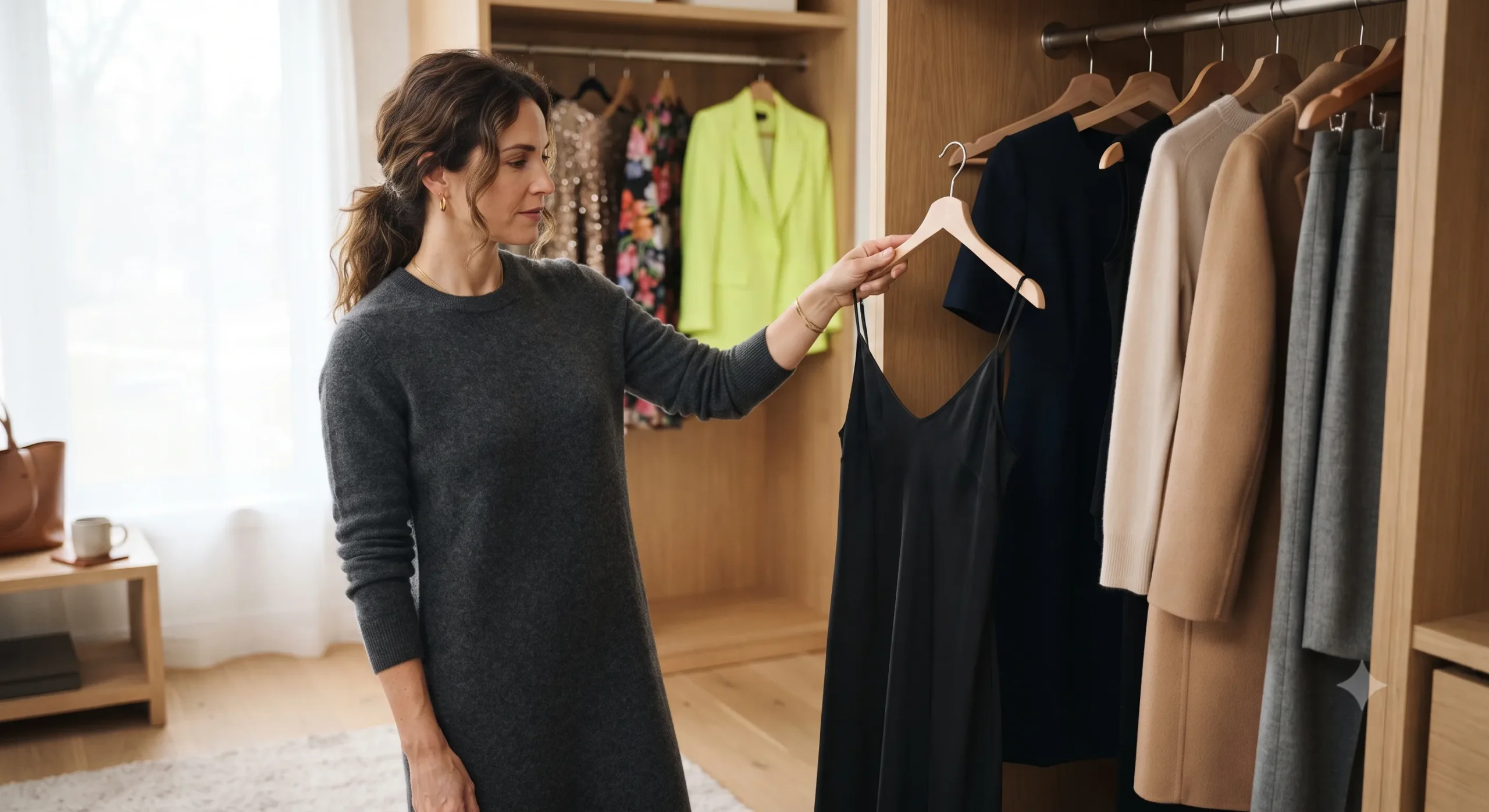
Transitioning to a more refined way of dressing often requires a period of deconstruction. It is difficult to build a thoughtful wardrobe if the closet is crowded with “fast” pieces that lack emotional longevity.
The Decision Framework for New Pieces
Before introducing a new item into your collection, run it through a series of practical questions. This prevents the accumulation of “filler” clothing that serves no real purpose in your daily life.
- The Three-Way Test: Can I envision this piece working with at least three items I already own?
- The Occasion Check: Does this piece bridge the gap between my different life roles (e.g., work, weekend, social)?
- The Fabric Assessment: Does the material feel substantial? Will it maintain its appearance after five washes?
- The Silhouette Test: Does this garment complement my preferred proportions, or is it fighting against them?
Common Mistakes to Avoid
Even with the best intentions, it is easy to fall into traps that undermine an elegant aesthetic.
- Over-accessorizing: When the clothes are simple and high-quality, the accessories should be minimal. A single sculptural earring or a leather belt is often more effective than a collection of statement jewelry.
- Neglecting Maintenance: Low-key elegance is easily lost if clothes are wrinkled, pilling, or poorly cared for. A simple cashmere sweater only looks elegant if it is depilled and stored correctly.
- Ignoring the “Third Piece” Rule: To make a simple outfit (like jeans and a tee) feel intentional, add a “third piece”—a structured blazer, a long coat, or a refined trench. This adds the layer of “considered style” that separates a casual outfit from a polished one.
Practical Scenarios: Elegance in Real Life
To understand how this looks in practice, let us examine how simple pieces can be adapted to different environments without losing their sense of understated polish.
Scenario 1: The Elevated Workday
Instead of a traditional, rigid power suit, consider a combination of a high-quality knit polo and wide-leg wool trousers. The knit provides a softer, more modern femininity, while the tailoring of the trousers maintains professionalism. Add a pointed-toe loafer to anchor the look. This is “polished softness” in action—comfortable enough for a long day of meetings, yet visually commanding through its clean lines.
Scenario 2: The Weekend Transition
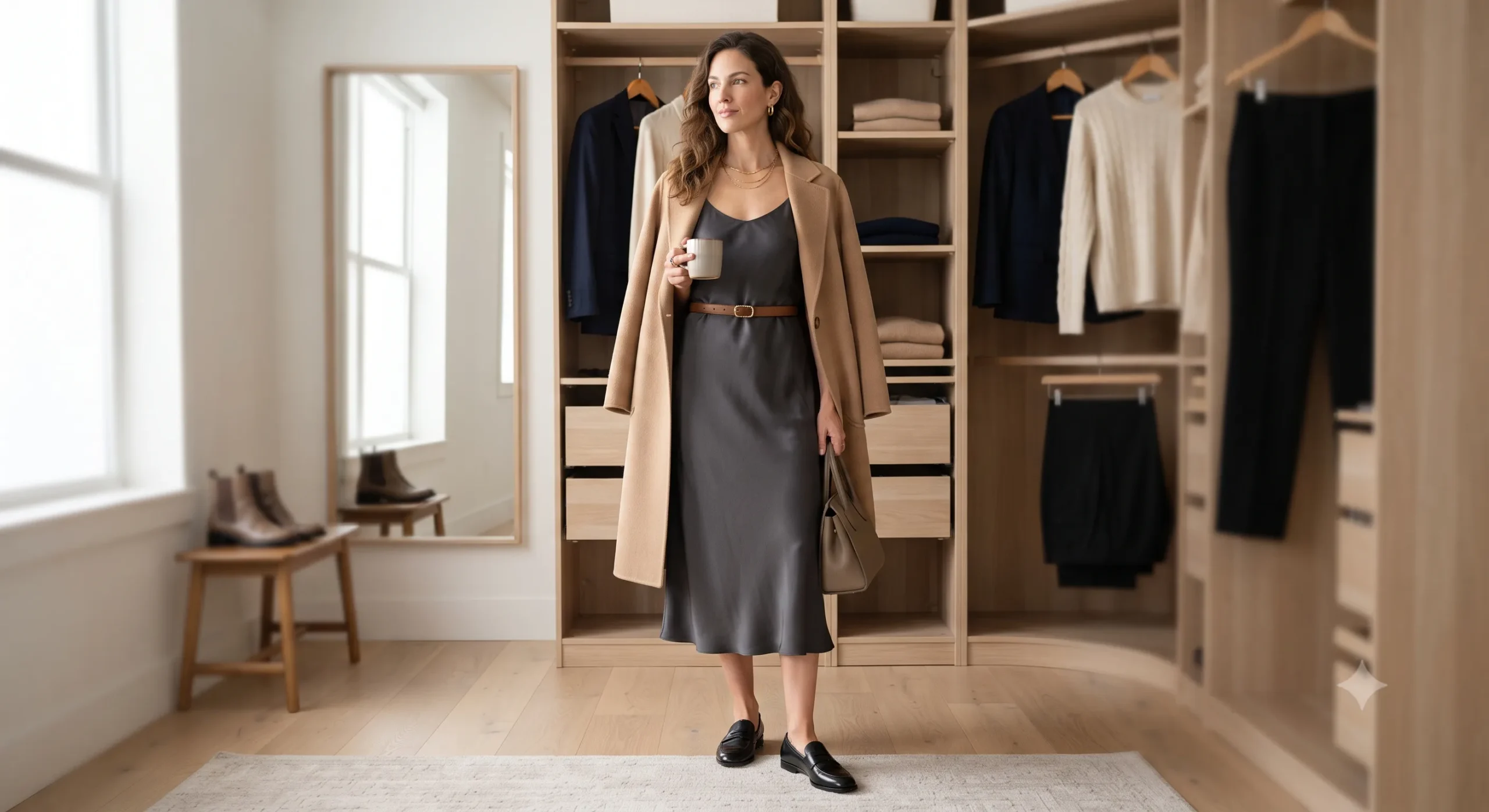
A simple midi skirt in a heavy satin or crepe can be dressed down or up with ease. For a casual Saturday, pair it with a slightly oversized cashmere sweater and clean leather sneakers. For a dinner engagement, swap the sneakers for a slim boot and add a structured handbag. The elegance remains consistent because the core piece—the skirt—possesses inherent quality and a timeless silhouette.
Scenario 3: Refined Occasionwear
When dressing for a wedding or an event, the temptation is to reach for something heavily embellished. However, a well-cut dress in a single, striking color (such as deep navy or forest green) often carries more presence than a sequined alternative. The focus shifts to the wearer’s face and presence, rather than the garment’s noise.
Building Toward Long-Term Value
The ultimate goal of mastering low-key elegance is to achieve a state of “wardrobe ease.” When you move away from the cycle of chasing trends and toward a more curated, intentional approach, the daily act of getting dressed becomes less about decision fatigue and more about self-expression.
A thoughtful wardrobe is an investment in your future self. By prioritizing pieces that offer high cost-per-wear—meaning they are durable, versatile, and stylistically relevant across seasons—you are practicing a form of sustainable wardrobe behavior that is both economically and aesthetically wise.
Elegance, in its truest form, is not an expensive destination. It is a way of seeing. It is the realization that a well-chosen, simple garment, worn with confidence and care, says far more about a woman than a wardrobe full of passing whims. It is about letting the person, not the clothes, be the most interesting thing in the room.